OBJECTIVE:Bowel urgency (BU) can place a considerable burden on patients with inflammatory bowel disease (IBD). However, data on its real-world impact on health-related quality of life (HRQoL) are limited. This cross-sectional study assessed the prevalence of BU and its impact on HRQoL in a real-world IBD population. METHODS:Adults with ulcerative colitis (UC) or Crohn's disease (CD) were recruited from the IBD Partners cohort, an internet-based cohort of individuals with IBD. BU was assessed using the Urgency Numeric Rating Scale (UNRS). Scores were classified into "no or minimal" BU (UNRS = 0-1) and BU (UNRS = 2-10). Remission was measured via the Simple Clinical Colitis Activity Index or the Short Crohn's Disease Activity Index. HRQoL was assessed via Patient-Reported Outcomes Measurement Information System (PROMIS) measures, reported via T-scores. RESULTS:The study included 2,417 patients (UC: 884; CD: 1533). BU was reported by 44% of patients with UC and 58% with CD. BU rates were higher among patients with active disease than in remission (UC: 77% vs 28%; CD: 87% vs 48%, p < 0.001). Patients experiencing BU reported significantly worse HRQoL than patients without BU across all assessed PROMIS measures, including depression, anxiety, pain interference, sleep disturbance, fatigue, and social satisfaction. BU correlated with disease activity strongly in the UC group (r = 0.62) and moderately in the CD group (r = 0.52). CONCLUSION:In this real-world IBD population, BU significantly affected patients' HRQoL. BU was associated with disease activity and HRQoL measures. BU assessments should be included in clinical trials and routine clinical practice for UC and CD.
The Global Consensus Consortium suggests that women with inflammatory bowel disease can continue treatment with interleukin (IL)-23 inhibitors during pregnancy.1 Guselkumab (GUS), a dual-acting IL-23p19 subunit inhibitor, potently blocks IL-23 signaling and binds to CD64, a receptor on IL-23-producing immune cells.2 GUS is approved to treat moderate-to-severe psoriasis (PsO), active psoriatic arthritis (PsA), and moderately to severely active ulcerative colitis (UC) and Crohn’s disease (CD). We report pregnancy outcomes in women exposed to GUS during pregnancy. Pregnancy data reported to the Company Global Safety Database through 12 July 2025 were analyzed for maternal GUS exposure cases by therapeutic indication, trimester of GUS exposure, and pregnancy outcomes. A total of 1126 pregnancy events (twins [2]; triplets [1]; women with 2 pregnancies [4]) from 1118 maternal GUS exposure cases were reported (outcomes: known [N = 400], ongoing pregnancies [N = 369], unknown/not reported [N = 357]). This analysis focuses on the 400 pregnancy events with known outcomes (396 cases) that were reported prospectively (N = 120) or retrospectively (N = 280; Table). The mean maternal age was 32 years. The GUS therapeutic indications for women exposed during pregnancy were: psoriatic disease (73.0% [289/396]), other/not reported (19.9% [79/396]), CD (3.8% [15/396]), UC (2.5% [10/396]), and healthy subjects (0.8% [3/396]). Maternal GUS exposure occurred before conception (≤3 months prior to conception; 10.8% [43/400]), during the 1st trimester (35.0% [140/400]), after the 1st trimester only (0.5% [2/400]), throughout pregnancy (4.5% [18/400]), or not reported (49.2% [197/400]). Pregnancy outcomes (Table) included live birth without congenital anomaly (65.0% [260/400]), live birth with congenital anomaly (1.5% [6/400]), spontaneous abortion (21.0% [84/400]), elective termination without fetal defects or unknown (8.5% [34/400]), elective termination with fetal defects (0.25% [1/400]), ectopic pregnancy (2.5% [10/400]), stillbirth without fetal defects (1.0% [4/400]), and unspecified abortion with fetal defects (0.25% [1/400]). Rates of live births, spontaneous abortions, elective terminations, and congenital anomalies in women exposed to GUS are comparable with rates reported in the general population (Figure).3,4 These findings suggest no apparent impact of GUS on pregnancy outcomes; however, they should be interpreted cautiously given data limitations. Further studies are warranted to confirm these observations and to better characterize the safety profile of GUS exposure during pregnancy. References: 1. Mahadevan U, Seow CH, Barnes EL, et al. Global Consensus Statement on the Management of Pregnancy in Inflammatory Bowel Disease. J Crohns Colitis. 2025;19(8):jjaf129. doi: 10.1093/ecco-jcc/jjae091. 2. Sachen KL, Hammaker D, Sarabia I, et al. Guselkumab binding to CD64+ IL-23-producing myeloid cells enhance potency for neutralizing IL-23 signaling. Front Immunol. 2025;16:1532852. Published 2025 Mar 12. doi:10.3389/fimmu.2025.1532852. 3. Curtin SC, Abma JC, Ventura SJ, Henshaw SK. Pregnancy Rates for U.S. Women Continue to Drop. Centers for Disease Control and Prevention, U.S. Dept of Health and Human Services; 2013:1-7. National Center for Health Statistics Data Brief, No. 136. Accessed September 28, 2025. https://www.cdc.gov/nchs/data/databriefs/db136.pdf. 4. About Birth Defects. U.S. Centers for Disease Control and Prevention. February 25, 2025. Accessed October 1, 2025. https://www.cdc.gov/birth-defects/about/index.html. Conflict of interest: Mahadevan-Velayos, Uma: Uma Mahadevan has served as a consultant and an advisory board member for AbbVie, Allergan, Bristol Myers Squibb, Gilead, Johnson & Johnson, and Takeda has received research funding from Celgene, Genentech, and Pfizer. Long, Millie: Millie Long has reported research support from Celltrion, Lilly, Pfizer, and Takeda and has consulted for AbbVie, Bristol Myers Squibb, Celltrion, Intercept, Johnson & Johnson, Merck, Lilly, Pfizer, Prometheus, Roivant, Sanofi, Spyre, Target RWE, and Takeda. Julsgaard, Mette: Mette Julsgaard has reported research grants for investigator-driven studies from Novo Nordisk Foundation and Takeda (grant no. NNF23OC0081717) has consulted for Ferring, Orion Pharma, and Takeda has received speaker’s fees from Eli Lilly, Ferring, MSD, Takeda, and Tillotts Pharma and is on the advisory board of AbbVie, Eli Lilly, PharmaCosmos, and Tillotts Pharma. Lin, Connie: Connie Lin is an employee of Johnson & Johnson and may own stock/stock options in Johnson & Johnson. Geldhof, Anja: Anja Geldhof is an employee of Johnson & Johnson and may own stock/stock options in Johnson & Johnson. Rosas Ballina, Mauricio: Mauricio Rosas Ballina is an employee of Johnson & Johnson and may own stock/stock options in Johnson & Johnson. Li, Hewei: Hewei Li is an employee of Johnson & Johnson and may own stock/stock options in Johnson & Johnson. Gisbert, Javier: Javier P. Gisbert has received grants from AbbVie, Biogen, Casen Fleet, Celgene/Bristol Myers Squibb, Chiesi, Dr. Falk Pharma, Faes Farma, Ferring, Gebro Pharma, Gilead/Galapagos/Alfasigma, Johnson & Johnson, Kern Pharma, Lilly, MSD, Mylan, Norgine, Italfarmaco, Otsuka Pharmaceutical, Pfizer, Roche, Sandoz, Takeda, Sanofi, Shire Pharmaceuticals, STADA, Teva, Tillotts Pharma, and Vifor Pharma Chaparro, María: María Chaparro has received grants from AbbVie, Biogen, Johnson & Johnson, Lilly, and Pfizer has received fees from AbbVie, Faes, Johnson & Johnson, and Pfizer.
INTRODUCTION:High bowel frequency after ileal pouch-anal anastomosis (IPAA) causes significant symptom burden. We aimed to evaluate the impact of glucagon-like peptide-1 receptor agonists (GLP-1 RAs) in this setting. METHODS:We conducted a retrospective cohort study of patients with previous IPAA for ulcerative colitis who were treated with a GLP-1 RA (n = 20). Daily bowel frequency at baseline and 12 weeks after GLP-1 RA initiation was assessed. We also assessed the proportion of patients achieving ≥30% reduction in bowel frequency and ≤8 bowel movements per day. RESULTS:The median daily bowel frequency decreased from 9.0 (interquartile range [IQR], 6.0-12.5) at baseline to 6.0 (IQR, 5.0-8.1) at the 12-week follow-up ( P < 0.01). Overall, 7 of 20 patients achieved a ≥30% reduction in bowel frequency, and 15 of 20 had ≤8 bowel movements per day. DISCUSSION:In this retrospective cohort, we provide further evidence for the potential role of GLP-1 RAs in the management of high bowel frequency after IPAA.
INTRODUCTION:Long-term data are needed for offspring exposed in utero to medications for inflammatory bowel disease (IBD). METHODS:We used a prospective cohort of pregnant women with IBD and their offspring (Pregnancy in IBD and Neonatal Outcomes) to compare rates of serious infection, congenital malformations, and developmental delay by medication exposures. RESULTS:We included 438 offspring with at least 4 years of follow-up. No differences in adverse outcomes were observed by medication. Preterm birth, but not specific drug exposure, was associated with infection risk. Breastfeeding was not associated with serious infection differences. DISCUSSION:These findings support the use of effective IBD therapies throughout pregnancy.
BACKGROUND:Older adults with ulcerative colitis (UC) have unique treatment challenges. Ozanimod is approved for the treatment of moderately to severely active UC in adults based on the phase 3 True North (TN) study results. Here, we analyzed the impact of patient age on ozanimod safety and efficacy in TN and during the open-label extension (OLE). METHODS:Patients were stratified by age at TN baseline: <40, 40 to 60, and >60 years (cutoff: 75 years). Safety was evaluated in all patients during TN and the OLE; efficacy was assessed at weeks 10 and 52 in TN and up to OLE week 190 in patients who entered as TN week 52 ozanimod clinical responders. RESULTS:Of 1012 patients analyzed, 492 were <40 years of age, 404 were 40 to 60 years of age, and 116 were >60 years of age. Infection, malignancy, cardiac events, and macular edema were low throughout TN across all ages. Exposure-adjusted incidence rates (EAIRs) of opportunistic and serious infections increased with age during the OLE. Patients ≥40 years of age had higher hypertension EAIRs than those <40 years of age, but EAIRs of other cardiovascular TEAEs were low. No cases of progressive multifocal leukoencephalopathy occurred over 242 weeks of ozanimod exposure. Efficacy rates for evaluated clinical and mucosal endpoints at weeks 10 and 52 with ozanimod were generally consistent across age groups with the overall population; similar trends were observed in the OLE. CONCLUSIONS:Ozanimod safety was similar and efficacy was generally comparable across age groups, although statistical significance vs placebo was not achieved in patients >60 years of age.
Although pouchitis is the most common complication after ileal pouch-anal anastomosis (IPAA) for ulcerative colitis (UC), the influence of diet on pouchitis is poorly understood. Thus, evidence-based dietary recommendations after IPAA are limited. We evaluated dietary intake in the period after the final stage of IPAA for UC and Body Mass Index (BMI) to identify potential associations with pouchitis. We used the Dietary Screener Questionnaire (DSQ) to assess dietary intake among patients in a prospective cohort enrolled within 2 weeks of the final stage of IPAA for UC. We compared food group and fiber intake of those who developed pouchitis within 12 months of the final stage of IPAA with those who did not. These were also compared to the United States Department of Agriculture (USDA) recommended daily goals. Among 89 patients, there was no significant difference in individual fiber intake when comparing those who developed pouchitis and those who did not. In comparison with USDA guidelines, both groups (pouchitis and no pouchitis) exhibited decreased intake of several food groups, such as fruits, vegetables, fiber, and dairy. Patients who developed pouchitis had a significantly higher median body mass index (BMI) at the time of surgery compared to patients who did not develop pouchitis (median 29.2 vs. 24.8, P = 0.022). In a prospective cohort, we identified no association between dietary intake and development of pouchitis within the first year after IPAA. However, elevated BMI may represent a unique target for intervention to prevent pouchitis occurrence.
Guselkumab (GUS), a dual-acting IL-23p19 subunit inhibitor, is highly efficacious in participants (pts) with ulcerative colitis (UC) after intravenous (IV) or subcutaneous (SC) induction, followed by SC maintenance therapy. Here, we evaluated the pharmacokinetics (PK) and exposure-response (E-R) of IV and SC GUS induction. The GUS clinical development programme in pts with moderately to severely active UC consisted of the phase 2b/3 QUASAR studies of IV induction (200 mg every 4 weeks [q4w] x3) and SC maintenance (100 mg every 8 weeks [q8w] or 200 mg q4w) and the phase 3 ASTRO study of SC induction (400 mg q4w x3) and SC maintenance (same as QUASAR). All studies had randomised, double-blind, placebo-controlled, parallel group designs. To compare GUS PK exposure after 200 mg IV vs 400 mg SC induction through week 12 (W12), individual post-hoc PK parameter values (estimated with the established QUASAR 2-compartment linear population PK [popPK] model with first-order absorption and elimination) and pt dosing information from QUASAR and ASTRO were used to simulate concentration-time profiles and calculate individual induction exposure metrics. Comparative graphical E-R analysis (QUASAR vs ASTRO) was conducted for key W12 efficacy outcomes (clinical remission, clinical response, endoscopic improvement, and histologic-endoscopic mucosal improvement) using the overall exposure during induction (Cave, week 0–12) and associated exposure quartiles from the combined study populations. Consistent with model predictions, SC induction resulted in similar average concentrations (W0–W12), similar area under the concentration-time curves (W0–W12), lower peak concentrations (at W8), and higher trough concentrations (at W12) compared with the PK profile of IV induction (Table). GUS steady-state concentration was reached by W24, and popPK model-based simulations showed that serum GUS concentrations were comparable by W24 after the same maintenance dose regimen, regardless of induction administration route. Key efficacy outcomes at W12 were comparable within the same GUS concentration quartiles following IV vs SC induction (Figure). Similar positive E-R trends were observed after IV or SC induction. Consistent average serum GUS concentrations and E-R patterns after IV and SC induction underscore the observed clinical efficacy and support the use of either induction administration route in UC patients. Conflict of interest: Peyrin-Biroulet, Laurent: reports consulting for AbbVie, Abivax, Adacyte, Alfasigma, Alimentiv, Amgen, Apini, Banook, Bristol Myers Squibb, Celltrion, Enthera, Ferring, Fresenius Kabi, Galapagos, Genentech, Gilead, Iterative Health, Johnson & Johnson, LifeMine, Lilly, Medac, Morphic, MSD, Nordic Pharma, Novartis, Oncodesign, Precision Medicine, ONO Pharma, OSE Immunotherapeutics, Par’ Immune, Pfizer, Prometheus, Roche, Roivant, Samsung, Sandoz, Sanofi, Sorriso, Spyre, Takeda, Teva, ThirtyfiveBio, Tillots, Vectivbio, Vedanta, and Ventyx and lecture fees from AbbVie, Alfasigma, Amgen, Biogen, Celltrion, Ferring, Galapagos, Genentech, Gilead, Iterative Health, Johnson & Johnson, Lilly, Medac, MSD, Nordic Pharma, Pfizer, Sandoz, Takeda, and Tillots. Xu, Zhenhua: employee of and may own stock in Johnson & Johnson Shao, Jie: employee of and may own stock in Johnson & Johnson Hisamatsu, Tadakazu: Grant support: Mitsubishi Tanabe Pharma Corporation, EA pharma Co. Ltd., AbbVie GK, JIMRO Co. Ltd., Zeria Pharmaceutical Co. Ltd., Kyorin Pharmaceutical Co. Ltd., Takeda Pharmaceutical Co. Ltd., Pfizer Inc., Mochida Pharmaceutical Co. Ltd., Boston Scientific Corporation, Kissei Pharmaceutical Co. Ltd. Consulting: Mitsubishi Tanabe Pharma Corporation, EA pharma Co. Ltd., AbbVie GK, Janssen Pharmaceutical K.K., Pfizer Inc., Eli Lilly, Gilead Sciences, Bristol Myers Squibb, Abivax, MSD, Chugai. Lecture fee: Mitsubishi Tanabe Pharma Corporation, AbbVie GK, EA pharma Co. Ltd., Kyorin Pharmaceutical Co. Ltd., JIMRO Co., Janssen Pharmaceutical K.K., Mochida Pharmaceutical Co., Ltd., Takeda Pharmaceutical Co. Ltd., Pfizer Inc., Kissei Pharmaceutical Co. Ltd. Long, Millie: reports research support from Lilly, Pfizer, Takeda, and Celltrion and consulting for AbbVie, Pfizer, Bristol Myers Squibb, Roivant, Johnson & Johnson, Merck, Takeda, Prometheus, Lilly, Intercept, Target RWE, Celltrion, Sanofi, and Spyre. Danese, Silvio: Personal Fees: AbbVie, Alimentiv, Allergan, Amgen, Applied Molecular Transport, AstraZeneca, Athos Therapeutics, Biogen, Boehringer Ingelheim, Bristol Myers Squibb, Celgene, Celltrion, Dr Falk Pharma, Eli Lilly, Enthera, Ferring Pharmaceuticals Inc., Gilead, Hospira, Inotrem, Johnson & Johnson, Morphic, MSD, Mundipharma, Mylan, Pfizer, Roche, Sandoz, Sublimity Therapeutics, Takeda, Teladoc Health, TiGenix, UCB Inc., Vial, Vifor Lecture fees from Abbvie, Amgen, Ferring Pharmaceuticals Inc., Gilead, Janssen, Mylan, Pfizer, Takeda Germinaro, Matthew: employee of and may own stock in Johnson & Johnson Vetter, Marion: employee of and may own stock in Johnson & Johnson Yarandi, Shadi: employee of and may own stock in Johnson & Johnson Baker, Thomas: employee of and may own stock in Johnson & Johnson Allegretti, Jessica R: consultant for Abbvie, Bristol Myers Squibb, Celltrion, Ferring, Genentech, GSK, Johnson & Johnson, Merck, Pfizer, Roivant, Seres Therapeutics, Shattuck Labs, and Roivant Adiso speaker for Abbvie and Johnson & Johnson Rubin, David T.: Grant support: Takeda Pharmaceuticals Consultant: Abbvie, Abivax SA, Altrubio, Athos Therapeutics, Inc, Bristol-Myers Squibb, Celltrion, Connect BioPharma, Eli Lilly & Co., Genentech (Roche) Inc., Iterative Health, Johnson & Johnson, Merck & Co., Mirador, Odyssey Therapeutics, Pfizer, Sanofi, Spyre, Takeda Pharmaceuticals, Vedanta Biosciences, and Ventyx.
INTRODUCTION:Crohn's disease (CD)-related surgery may affect pregnancy outcomes. METHODS:We used the prospective Pregnancy in Inflammatory Bowel Disease and Neonatal Outcomes (PIANO) cohort to investigate pregnancy outcomes among women with CD by previous surgery by bivariate and multivariate analyses. RESULTS:Among 1,046 women with CD, 409 (39%) had previous surgery. Those with previous surgery had increased disease activity ( P < 0.001). On multivariate analysis, only disease activity (OR 1.14, 95% CI 1.06-1.22) and ileal disease (OR 2.19, 95% CI 1.26-3.83) were associated with preterm birth; not previous surgery. DISCUSSION:Previous surgery was not associated with adverse pregnancy or neonatal outcomes in CD.
BACKGROUND AND AIMS:Real-world data are needed to better understand the burden and outcomes of patients hospitalized with severe ulcerative colitis (UC). METHODS:This retrospective cohort study analyzed US electronic health record (EHR) data with linked insurance claims to identify adults hospitalized for UC who received intravenous corticosteroids during an inpatient admission (index hospitalization) between January 1, 2014, and December 31, 2022, with ≥180 days of prior EHR activity. Results were analyzed for the overall cohort, in three subgroups: (1) no prior UC diagnosis in the EHR, (2) prior UC diagnosis without prior advanced therapy, and (3) prior UC with prior advanced therapy, and in a nested cohort of patients discharged without colectomy. Multivariable analyses assessed factors associated with colectomy before discharge. RESULTS:Overall, we identified 9716 patients (mean [SD] age, 46.3 [17.4] years); 83.3% had a previous diagnosis of UC and 23.8% had prior biologic use for UC. During hospitalization, 13.1% received advanced therapy; 12.2% underwent colectomy. The rate of colectomy was 12.6% in subgroup 1, 9.2% in subgroup 2, and 19.6% in subgroup 3 (P < .0001). Prior UC diagnosis with prior advanced therapy use and abnormal/missing albumin labs were associated with higher risk of colectomy. The cumulative risk of colectomy <1 year after index hospitalization was 20.4% overall and 18.5%, 16.1%, and 32.7% in subgroups 1, 2, and 3, respectively. In the nested cohort (n = 4383), one-third received advanced therapy within 90 days; 38.4% experienced a UC-related hospitalization <1 year after index hospitalization. CONCLUSION:These data from a large contemporary cohort elucidate the burden and outcomes for patients hospitalized with severe UC.
 Michael D Kappelman合作论文数153
 Robert S. Sandler合作论文数Department of Medicine, Division of Gastroenterology and Hepatology116Barnes Edward L合作论文数105Hans Herfarth合作论文数98Chen Wenli合作论文数65
 Christopher Martin合作论文数Department of Medicine, Emory University School of Medicine;Division of Infectious Diseases, Emory University School of Medicine62
 Xian Zhang合作论文数58Raymond K. Cross合作论文数University of Maryland School of Medicine, Medical College of Wisconsin48
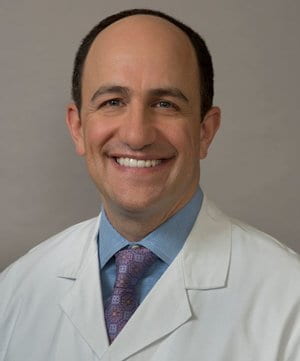 David T. Rubin合作论文数Division of the Biological Sciences, University of Chicago;Digestive Diseases Center, University of Chicago Medicine;MacLean Center for Clinical Medical Ethic;Comprehensive Cancer Center, University of Chicago37
 Marla C Dubinsky合作论文数Trellus Health;Icahn School of Medicine at Mount Sinai;Mount Sinai Kravis Children’s Hospital;Cornerstones Health Inc37
 Bharati Kochar合作论文数35Kim L. Isaacs合作论文数31
 Peter D. R. Higgins合作论文数University of Michigan Health System;Higgins IBD Research Group, Medical School, University of Michigan29Kimberly N Weaver合作论文数28
 Ashwin Ananthakrishnan合作论文数Mass General Research Institute, Massachusetts General Hospital;Harvard Medical School27
 Bruce E Sands合作论文数Feinstein IBD Clinical Center, Icahn School of Medicine at Mount Sinai;The Mount Sinai Hospital, Icahn School of Medicine at Mount Sinai23Uma Mahadevan合作论文数Department of Medicine, University of California23
 James D. Lewis合作论文数Department of Medicine, Perelman School of Medicine, University of Pennsylvania22
 Kristen Anton合作论文数22
 Animesh Jain合作论文数19Raffals Laura E合作论文数19
 Laurent Peyrin-Biroulet合作论文数CHRU De Nancy17
 Danese Silvio合作论文数Vita-Salute San Raffaele University;IRCCS Humanitas Research Hospital17
 Francis A. Farraye合作论文数Division of Gastroenterology and Hepatology, Mayo Clinic17Corey A. Siegel合作论文数17
 Ryan Ungaro合作论文数Inflammatory Bowel Disease Center, Mount Sinai School of Medicine17
 Gil Yedidya Melmed合作论文数Inflammatory Bowel Disease Center, Cedars-Sinai Medical Center;David Geffen School of Medicine, University of California, Los Angeles17Erica J Brenner合作论文数15
 Joseph Galanko合作论文数National Institute of Occupational Safety and Health;Center for Gastrointestinal Biology and Disease, School of Medicine, The University of North Carolina at Chapel Hill;Division of Gastroenterology and Hepatology, Department of Medicine, School of Medicine, The University of North Carolina at Chapel Hill15Afzali Anita合作论文数14Hansen Jonathan J合作论文数14
 Benjamin L Cohen合作论文数14Margie E Boccieri合作论文数13
 Meenakshi Bewtra合作论文数Department of Biostatistics, Epidemiology and Informatics, Perelman School of Medicine, University of Pennsylvania13
 Jessica Allegretti合作论文数13Christina Y Ha合作论文数13John S. Hanson合作论文数12Maia Kayal合作论文数12
 Jeremy Adler合作论文数Susan B. Meister Child Health Evaluation and Research Center, Medical School, University of Michigan;Division of Pediatric Gastroenterology, Department of Pediatrics, University of Michigan;Pediatric Gastroenterology Clinic, C. S. Mott Children's Hospital12
 Deepak Parakkal合作论文数University of Chicago, North Shore University Health System12
 Dermot McGovern合作论文数Inflammatory Bowel and Immunobiology Research Institute, Cedars-Sinai Medical Center12
 Sunanda V. Kane合作论文数Department of Gastroenterology and Hepatology, Mayo Clinic11Horst Sara合作论文数11
 Tadakazu Hisamatsu (久松理一)合作论文数Faculty of Medicine, Kyorin University;Department of Gastroenterology and Hepatology, Kyorin University School of Medicine11
 Athos Bousvaros合作论文数Department of Pediatrics, Harvard Medical School;Boston Children's Hospital11Shehzad Z. Sheikh合作论文数11Ann Firestine合作论文数10Laura Weisbein合作论文数10
 Xiangfeng Dai合作论文数10




