BACKGROUND:The primary goal of the study is to assess bleeding complications and evaluate ketorolac for its safety in cancer patients undergoing head and neck free-flap surgery. METHODS:Two cohorts of head and neck cancer patients undergoing free-flap surgery were identified using ICD-10 and CPT codes. Cohort 1 received ketorolac within 5 days of surgery (n = 2280); Cohort 2 did not receive ketorolac within 5 days of surgery (n = 2280). Postoperative hemorrhage occurrence and secondary outcomes were assessed. RESULTS:Ketorolac was not associated with increased risk of postoperative hemorrhage (RR: 0.825, p = 0.016), flap revisions (RR: 0.767, p < 0.001), blood vessel repair (RR: 0.528, p < 0.001), AKI (RR: 0.664, p = 0.003), and G-tube placement (RR: 0.884, p = 0.021). CONCLUSIONS:In this retrospective cohort, postoperative ketorolac was not associated with increased complications within the 30-day period.
OBJECTIVE:To evaluate the safety and outcomes of NSAID use following transoral robotic surgery (TORS). STUDY DESIGN:Retrospective cohort study using propensity score matching. SETTING:Multi-institutional database (TriNetX). METHODS:Patients undergoing TORS were identified using ICD-10 codes. Two propensity-matched cohorts were compared: (1) patients receiving NSAIDs (ketorolac, celecoxib, ibuprofen) within 14 days postsurgery (n = 3639) versus controls (n = 3639) and (2) patients receiving ketorolac day-of-surgery (n = 1901) versus controls (n = 1901). Primary outcome was postoperative hemorrhage. Secondary outcomes included critical care admission, emergency department visit, and feeding device placement within 14 days. RESULTS:Postoperative bleeding rates were similar between NSAID and control groups (P = .150). Patients treated with NSAIDs had lower rates of critical care admission (P < .001) and feeding tube placement (P < .001). Emergency department visits showed no significant difference (P = .813). Day-of-surgery ketorolac versus control showed no increased bleeding (P = .460). Ketorolac patients demonstrated significantly lower rates of critical care admission (P < .001) and feeding tube placement (P < .001), with no increase in emergency department visits (P = .312). CONCLUSION:NSAID administration following TORS was not associated with increased postoperative hemorrhage. NSAID use was associated with reduced critical care utilization and feeding tube requirements. These findings support the safety of NSAIDs in multimodal analgesia protocols for TORS patients.
6000 Background: Patients with high-risk LA cSCC are standardly treated with surgical resection followed by postoperative RT. Up to 30% of pts experience recurrence and/or metastasis. PD-1 inhibitors including pembro are approved in the US for recurrent/metastatic or LA cSCC not curable by surgery or radiation. We present results from the randomized, double-blind, phase 3 KEYNOTE-630 trial (NCT03833167) that evaluated the efficacy and safety of the addition of adjuvant pembro for participants (pts) with high-risk LA cSCC. Methods: Adults with histologically confirmed LA cSCC with ≥1 protocol-defined high-risk feature who underwent complete macroscropic resection and completed adjuvant RT ≥4 and ≤16 weeks from randomization were randomly assigned 1:1 to receive pembro 400 mg or placebo (pbo) IV Q6W for ≤9 cycles. The primary end point was recurrence-free survival (RFS), defined as the time from randomization to the first event of local or regional recurrence of index lesion, distant metastasis, or death due to any cause. Secondary end points included overall survival (OS) and safety. The data cutoff date was June 28, 2024. Results: A total of 450 pts were enrolled (n = 225 in each arm). All pts completed surgery and RT and 224 in each arm received ≥1 dose of adjuvant treatment. Median study follow-up was 28.6 mo (range, 2.0-62.5). The 24-mo RFS rate was 78.3% (95% CI, 71.5-83.7) for pembro vs 68.6% (95% CI, 61.1-75.0) for pbo (HR 0.76 [95% CI, 0.53-1.10] P = 0.07243, which did not cross the p-value boundary of 0.0160 for statistical significance). On subset RFS analysis, pts with extracapsular extension (HR 0.44; 95% CI, 0.24-0.79), pts aged ≥65 years (HR 0.61; 95% CI, 0.41-0.91), and non-smokers (HR 0.58; 95% CI, CI 0.37-0.90) appeared to benefit most from pembro. Locoregional recurrence occurred in 13.8% of pts receiving pembro vs 25.3% receiving pbo; distant metastasis in 4.4% vs 11.6% of pts; and new high-risk primary cSCC in 0% vs 2.7% of pts. The 24-mo OS rate was 87.3% (95% CI, 81.5-91.5) in the pembro arm vs 90.7% (95% CI, 85.2-94.3) in the pbo arm (HR 1.47 [95% CI, 0.87-2.48]). Treatment-related AEs (TRAEs) occurred in 63.8% of pts in the pembro arm and 41.1% in the pbo arm (grade 3-4 in 7.6% and 2.7%). No pts died due to TRAEs. TRAEs led to treatment discontinuation in 5.4% of pts in the pembro arm and in 1.3% in the pbo arm. Conclusions: Pembro did not provide significant benefit in the adjuvant setting for pts with resected, high-risk LA cSCC. The safety profile of adjuvant pembro was consistent with reports from similar studies and there were no treatment-related deaths. The study was stopped for futility as the benefit/risk profile did not support continuing the trial based on recommendations from the data monitoring committee. Clinical trial information: NCT03833167 .
Medullary thyroid carcinoma (MTC) is rare and originates from parafollicular C cells and most cases present with a primary thyroid lesion. This report describes a 67-year-old woman with a left-sided neck mass and no evidence of intrathyroidal disease. Positron emission tomography-computed tomography (PET-CT) revealed paratracheal lymphadenopathy; other imaging and TSH were unremarkable. Fine-needle aspiration was inconclusive, and excisional biopsy suggested high-grade metastatic neuroendocrine carcinoma, initially suspected to be pulmonary due to thyroid transcription factor-1 (TTF-1) positivity. Pathology review raised concern for MTC. Endocrine evaluation showed elevated calcitonin (25.4 pg/ml) and carcinoembryonic antigen (CEA) (20.1 ng/ml). She denied personal or family history of thyroid disease or multiple endocrine neoplasia syndromes. Total thyroidectomy with central neck dissection was performed. All thyroid sections stained negative for calcitonin, excluding C cell hyperplasia or intrathyroidal MTC. Lymph node morphology and immunoprofile supported metastatic MTC arising from a thyroid rest. This is a rare entity, with only two other cases documented in the literature.
Immediate dental restoration (IDR) for patients undergoing osteocutaneous free flap reconstruction of the midface and mandible has great potential in improving quality of life among patients suffering from severe maxillofacial trauma, benign and malignant head and neck tumors, or osteoradionecrosis. However, there has been some hesitation for wide adaptation of IDR given the hostile nature of the oral cavity and the frequent need for adjuvant radiation, leading to delaying implantation until after completion of treatment, or often foregoing dental rehabilitation all together. To improve accessibility of integrating IDR into reconstructive practice, we present a pictorial essay and operative considerations. We illustrate the steps in completing IDR, including variations of free-handing dental implants. Additionally, we cover the preoperative and postoperative considerations necessary to ensure viability and success of the implants. This pictorial essay enables reconstructive surgeons to more readily integrate immediate dental implantation into their practice, which has the potential to improve overall patient satisfaction and quality of life for those recovering from devastating injuries or cancer.
e21527 Background: Despite the promise of immune checkpoint inhibitors (ICI), 25-30% of stage III/IV patients (pts) with (w) resected melanoma develop relapsed disease by 12 months (mon) after adjuvant (adj) anti-PD1 (aPD1). Understanding the recurrence patterns and resistant mechanisms is critical to develop strategies for better outcomes. Methods: Through an approved protocol by Institutional IRB, 172 ICI naive pts w resected high-risk melanoma who received adj aPD1 were consented and followed prospectively. Clinical outcomes were assessed by ORR per RECIST 1.1, PFS, OS and time to next treatment (TTNT). Results: With median follow up of 36 mon (5-98), melanoma recurred in 90 (52%) of 172 pts treated w adj aPD1, including 59 (66%) w early PD (PD while on or w/in 3 mon of last adj aPD1) and 31 (34%) w late PD (PD > 3 mon from last adj anti-PD1). 57 (67%) males, median age 56 (25-84) at C1D1, 3/82/5 at stage II/III/IV. Subtypes included 43 (48%) superficial spreading and 24 (27%) nodular. 44 (49%) had locoregional PD while 46 (51%) had distant PD. 6 pts died at relapse or shortly after. Of the 24 pts w resectable recurrence, the subsequent PD rate after surgery (sx) was 5/14 (36%) if followed by adj aPD1 +/- others, 4/7 (57%) by adj ipi/nivo, and 3/3 (100%) by adj targeted therapy which is associated w much shorter median TTNT. Of the 60 pts who received systemic therapy only after recurrence, ORR to rechallenge w aPD1, anti-CTLA4 + aPD1, targeted therapy +/- aPD1, TVEC/other injectables +/- aPD1, Opdualag and chemo were 57%, 26%, 62%, 30%, 0% and 0%; including those w early PD, ORR of 0% (0/2), 25% (5/20), 63% (5/8), 22% (2/9), 0% (0/1) and NA; and w late PD, ORR of 80% (4/5), 29% (2/7), 60% (3/5), 100% (1/1), 0% (0/1) and 100% (1/1). Median TMB tends to be higher in pts who benefited from systemic ICI, except pts who benefited from TVEC had much lower median TMB (1 vs 17). Conclusions: With the known longest follow up, half of pts w high risk resected melanoma developed PD after adj aPD1, and 2/3rds of those are early PD. Half of resectable relapse can be managed by sx followed by adj ICI w/o further PD. Most of the late PD rechallenged w aPD1 can still respond. Pts w lower TMB might benefit more from TVEC approach. Sx + adj aPD1 +/- others (no ipi) N=14 Sx + adj ipi/nivo N=7 Sx + adj targeted therapy N=3 Rechallenge w aPD1 N=7 Anti-CTLA4 + aPD1 N=27 Targeted therapy +/- aPD1 N=13 TVEC +/- `aPD1 N=10 Opdualag N=2 Chemo N=1 CR/PR or NED 9 3 0 4 7 8 3 0 1 SD 0 0 0 0 1 1 0 0 0 PD 5 4 3 3 19 4 7 2 0 ORR or non-relapse rate 64% 43% 0% 57% 26% 62% 30% 0% 0% Median PFS (m) 7 (2-70) 8 (2-44) 6 (1-16) 5 (1-32) 3 (1-59) 4 (1-17) 3 (0.7-12) 4 (4-5) 1 Median OS (m) 22 (3-69) 15 (8-50) 21 (8-39) 20 (2-44) 10 (1-61) 16 (3-67) 28 (6-94) 12 (6-18) 3 Median TTNT (m) 11 (3-70) 11 (3-44) 6 (1-18) 10 (3-32) 9 (1-59) 7 (1-26) 5 (0.7-13) 6 (5-6) 10 Median TMB CR/PR/NED vs PD (mut/mb) 12 / 7 (3-25) 5 /3 (3-7) NA / 2 80 / NA 13 / 5 (0.2-13) NA / 8 (0.4-20) 1 / 17 (0.6-17) NA / NA 1.3 BRAF V600 CR/PR/NED vs PD 20%/40% 67%/75% 0%/100% 25%/0% 43%/35% 100%/100% 67%/71% 0%/0% 0%
Objective: To describe outcomes of patients with a history of cutaneous squamous cell carcinoma (cSCC) of the head and neck previously treated with definitive surgery and radiation therapy (RT), who undergo salvage surgery for disease recurrence. There is minimal data available on this cohort of patients. Methods: This was a retrospective case series. Patients evaluated for advanced cSCC of the head and neck between 2003 and 2022 were reviewed. Those with a history of surgery and adjuvant RT undergoing salvage surgery for recurrence were included in the main cohort. Comparisons were made to patients undergoing primary/initial treatment, and to those undergoing salvage surgery for recurrence but without a history of adjuvant RT. Results: Of the 579 patients reviewed, 49 met inclusion criteria for the main cohort. Average length of follow up was 22 months. A total of 19 patients (38.8%) experienced recurrence, all within 14 months of salvage surgery. Among patents staged BWH T2b or T3, there was a 50% recurrence rate. Average overall survival following surgery was 35.6 months (95% CI = 24.7-46.4). Conclusion: Patients in this cohort have a high rate of recurrence and an overall survival of approximately 3 years.
Abstract Desmoplastic melanoma is a rare subtype of cutaneous melanoma defined by extensive fibrosis (desmoplasia), and at the same time has pre-existing immune infiltrates and a high tumor mutational burden (TMB) resulting from exposure to ultraviolet (UV) light, which we hypothesized may result in high response rates to single-agent anti-programmed death protein 1 (PD-1) therapy. SWOG S1512 was a two-cohort phase 2 clinical trial: i) Cohort A included 28 eligible patients with surgically resectable desmoplastic melanoma who received a median of 3 infusions (range 1- 4) of neoadjuvant pembrolizumab 200 mg every 3 weeks, followed by surgical excision. pCR rate was 57% (95% CI: 37%-76%, p<0.001); none of the patients received adjuvant pembrolizumab (Kendra et al. ASCO 2022). ii) Cohort B included 27 eligible patients with unresectable desmoplastic melanoma who received a median of 15 infusions (range 1- 34) of pembrolizumab, 200 mg IV every 3 weeks. The objective response rate was 89% (95%, CI:71%-98%; Kendra et al. AACR 2023). At 3 years of follow-up, 13 patients have died (4 cohort A, 9 cohort B). Causes of death were: melanoma (1), cardiac (4), infections (2), stroke (1), pulmonary fibrosis (1), kidney failure (1), acute myelogenous leukemia (1), brain bleed related to a fall (1), and unknown (1). The combined 3-year melanoma-specific survival is 96% (n=55, 95%CI 87%-99%). In conclusion, patients with desmoplastic melanoma are exceptional responders to single-agent PD-1 blockade therapy, leading to long-term responses. Funding for this research was provided by NIH/NCI grants: U10CA180888 and U10CA180819 (SWOG); and in part by Merck Sharp & Dohme LLC, a subsidiary of Merck & Co., Inc., Rahway, NJ, USAFigure 1. Melanoma-specific survival in the combined cohorts A and B of S1512 (n = 55) at 3-year follow up. Death from other causes were treated as competing risks using the Fine-Gray model. Citation Format: Kari L kendra, shay l Bellasea, Zeynep Eroglu, Siwen Hu-Lieskovan, Katie M Campbell, William Carson III, David Wada, Jose A Plaza, Jeffery A Sosman, Gino In, Alexandra P Ikeguchi, John Hyngstrom, Andrew Brohl, Bartosz Chmielowski, Nikhil Khushalani, Joseph Markowitz, George Negrea, Samer Kasbari, Gary C Doolittle, Umang Swami, Toni Roberts, Marcus Monroe, Carlo Contreras, Edmidio Medina, Ignacio Baselga-Carretero, Cynthia R Gonzalez, Ivan Perez Garcilazo, Agustin Vega-Crespo, Jia Min Chen, nataly Nasar Al-Deen, Kenneth F Grossman, Vernon Sondak, elad sharon, Sapna P Patel, james moon, Michael C Wu, Antoni Ribas. High melanoma-specific survival in patients with desmoplastic melanoma treated with single agent anti-PD-1 in SWOG S1512 [abstract]. In: Proceedings of the AACR IO Conference: Discovery and Innovation in Cancer Immunology: Revolutionizing Treatment through Immunotherapy; 2025 Feb 23-26; Los Angeles, CA. Philadelphia (PA): AACR; Cancer Immunol Res 2025;13(2 Suppl):Abstract nr PR006.
BACKGROUND:In the United States, approximately 63,000 Americans develop head and neck cancer (HNC) annually. Our study aims were to investigate cardiovascular complications and risk factors for development of CVD among HNC survivors. METHODS:Utilizing the Utah Populations Database, a total of 1,901 HNC patients diagnosed and 7,796 birth year, sex, and birth state matched individuals from the general population were identified. Multivariate Cox proportional hazard models were used. RESULTS:Within the first two years after cancer diagnosis, HNC survivors had a higher likelihood of developing cardiovascular disease (CVD). High Charleston Comorbidity Index (CCI) score at baseline (Hazard Ratio (HR) 1.67, 95 % 1.28-2.17), stage II and IV disease (HR 1.80, 95 % 1.29-2.51), age >=65 years old (HR 2.31, 95 % 1.85-2.88), chemotherapy (HR 1.47, 95 % 1.15-1.88) were associated with increased CVD risk. CONCLUSIONS:Compared to the general population, HNC survivors were more likely to develop cardiovascular diseases, particularly if they had the following risk factors: older age, stage II or IV cancer, high baseline CCI score, and chemotherapy were risk factors for development of CVD.
OBJECTIVES:The incidence of oropharyngeal cancer continues to rise in the United States, yet studies on the quality of life (QoL) of oropharyngeal cancer patients are limited. The objective of this pilot study was to assess the impact of oral health on the QoL in oropharyngeal cancer survivors. MATERIALS AND METHODS:Oropharyngeal cancer survivors with a confirmed cancer diagnosis from 1996 to 2016 were sampled from the Utah Cancer Registry. The Oral Health Impact Profile-14 (OHIP-14) questionnaire was administrated between January and May of 2019. The impact of oral health on QoL was evaluated using simple linear regression (β-coefficient). RESULTS:Among the 260 oropharyngeal cancer survivors, the majority were male (84.6 %) and ≥ 60 years of age at the time of cancer diagnosis (74.0 %). The most frequently reported symptoms of OHIP-14 were discomfort while eating any foods (19.2 %) and worsening sense of taste (16.0 %). The overall OHIP-14 mean score was 13.3. Significantly worse OHIP-14 scores were observed for females (β = 12.85, p = 0.01), chemotherapy recipients (β = 6.60, p = 0.02), and past smokers (β = 5.25, p = 0.04). Better OHIP-14 scores (better oral QoL) were observed in patients with distant cancer stage (β = -7.66, p = 0.01), higher income (β = -2.50, p = 0.05), and older age at cancer diagnosis (β = -0.35, p = 0.03). CONCLUSION:The oral health-related quality of life scores observed in this pilot study suggest a need for improvement in patient symptom management over time.
BACKGROUND:Fibula free flaps (FFF) are one of the most common bony flaps utilized. This paper describes a quality improvement project aimed at increasing early ambulation.METHODS:A review of FFF patients at an academic hospital was completed (2014-2023). In 2018, an institutional change to encourage early ambulation without placement of a boot was made. Changes in hospital disposition and physical therapy outcomes were evaluated.RESULTS:A total of 168 patients underwent FFF reconstruction. There was a statistically significant lower length of stay in Group 2 (early ambulation, no boot) (8.1 vs. 9.4; p = 0.04). A higher rate of discharge to a skilled nursing facility was noted in Group 1 (delayed ambulation with boot) (21.3% vs. 11.9%; p = 0.009). A higher proportion of patients in Group 2 demonstrated independence during bed mobility, transfers, and gait (p < 0.05).CONCLUSIONS:Early ambulation without boot placement after FFF is associated with decreased length of hospital stay, improved disposition to home and physical therapy outcomes.
e21502 Background: Adjuvant anti-PD1 is the standard of care for high-risk resectable melanoma but many still suffer recurrence. We report a single institution observational study of patients who received adjuvant anti-PD1 with a particular focus on those who recurred. Methods: Through an approved protocol by Huntsman Cancer Institute IRB, patients with resected high-risk melanoma who first received anti-PD1 in the adjuvant setting were consented and followed. Clinical outcomes were assessed per RECIST 1.1, progression free survival (PFS), and overall survival (OS). Results: 186 eligible patients were included, 105 male and 81 females, median age at C1D1 58 (22-93), 12/161/7 at stage II/III/IV and 5 unstageable. Subtypes included 79 (43%) superficial spreading, 50 (27%) nodular, 16 (9%) lentigo/nevoid, 13 (7%) non-acral skin (NOS), 10 (5%) acral, 4 (2%) mucosal, and 14 (7%) others. With median follow up of 708 days (23-9599), 66 (35.5%) had progressive disease (PD), including 33 (50%) early PD and 33 (50%) late PD. Statistically significant predictors of worse outcome included age > 50 (OS p = 0.043), acral subtype (PFS p = 0.023), PD-L1 IHC < = 1% (OS p = 0.052, PFS p = 0.002), duration of treatment < 3 months (OS p = 0.005, PFS p = 1.8E-07), early PD (OS p = 0.003, PFS p = 1.5E-6) and distant recurrence (OS p = 0.002). Trends that were not significant included: male gender (worse OS), BRAF mutation (better PFS), NF1 mutation (better PFS). No correlation between outcomes and TMB, NRAS, TERT mutation, and primary location. In the early/late PD groups, median age was 57/55 (range 28-79 / 25-84), 64/61% male, 1/0, 29/31, 3/2 stage II, III, IV. 17/13 were superficial spreading, 6/10 nodular, 2/5 acral, 2/2 lentigo, 1/0 mucosal and 4/3 other non-acral skin. Primary site was 12/12 head/neck, 9/5 trunk, 4/7 upper limb, 8/9 lower limb. BRAF was 9/11 wildtype, 15/9 mutant and 9/13 unknown. PD-L1 > = 1% by IHC was 4/2. TMB mut/mb > 10 was 6/5. Sites of recurrence included 6/12 local, 7/7 regional LN, 20/14 distal (3/1 in brain) relapses. For unresectable PD (13/13 early/late) response to next line systemic therapy is shown in Table 1. Conclusions: One third of patients developed PD after adjuvant anti-PD1 for high-risk melanoma. PD-L1 negativity and short duration of treatment was associated with worse outcome. Early PD corresponded to more distant metastasis, poorer OS and response to subsequent systemic therapy. Importantly most late PD can still have a favorable response by resuming anti-PD1 therapy. Further molecular study is ongoing to investigate mechanisms of resistance. [Table: see text]
ObjectiveThe objective of this study was to describe risk factors and recurrence patterns that can guide the creation of evidence-based surveillance guidelines for advanced cutaneous squamous cell carcinoma of the head and neck.Study DesignThis was a single-institution retrospective case series.SettingHigh-volume academic head and neck surgical oncology practice.MethodsPatients who underwent surgery for cutaneous squamous cell carcinoma of the head and neck staged Brigham and Women's Hospital T2b and T3 from 2003 to 2023 were reviewed. Patient demographics, clinicopathologic history, cancer data, treatment, and outcomes were abstracted. Disease-free survival and risk factors for recurrence were described.ResultsA total of 183 patients were included. Fifty-six (30.6%) experienced recurrence. This included local recurrence in 21 (11.5%), regional in 21 (13.3%), and distant in 11 (6%). The majority of regional and distant recurrences occurred within 1 year of surgery.ConclusionThe majority of disease recurrence occurs in the first 1 to 2 years following surgical excision of advanced-stage cutaneous squamous cell carcinoma of the head and neck. Close surveillance and frequent imaging within those years are critical to catch subclinical and distant diseases.
OBJECTIVES:Large language model (LLM)-based chatbots such as ChatGPT have been publicly available and increasingly utilized by the general public since late 2022. This study sought to investigate ChatGPT responses to common patient questions regarding Human Papilloma Virus (HPV) positive oropharyngeal cancer (OPC). METHODS:This was a prospective, multi-institutional study, with data collected from high volume institutions that perform >50 transoral robotic surgery cases per year. The 100 most recent discussion threads including the term "HPV" on the American Cancer Society's Cancer Survivors Network's Head and Neck Cancer public discussion board were reviewed. The 11 most common questions were serially queried to ChatGPT 3.5; answers were recorded. A survey was distributed to fellowship trained head and neck oncologic surgeons at 3 institutions to evaluate the responses. RESULTS:A total of 8 surgeons participated in the study. For questions regarding HPV contraction and transmission, ChatGPT answers were scored as clinically accurate and aligned with consensus in the head and neck surgical oncology community 84.4% and 90.6% of the time, respectively. For questions involving treatment of HPV+ OPC, ChatGPT was clinically accurate and aligned with consensus 87.5% and 91.7% of the time, respectively. For questions regarding the HPV vaccine, ChatGPT was clinically accurate and aligned with consensus 62.5% and 75% of the time, respectively. When asked about circulating tumor DNA testing, only 12.5% of surgeons thought responses were accurate or consistent with consensus. CONCLUSION:ChatGPT 3.5 performed poorly with questions involving evolving therapies and diagnostics-thus, caution should be used when using a platform like ChatGPT 3.5 to assess use of advanced technology. Patients should be counseled on the importance of consulting their surgeons to receive accurate and up to date recommendations, and use LLM's to augment their understanding of these important health-related topics.
The underlying synergy between cisplatin and MK-1775 in HNSCC is not mediated by apoptosis.
Determination of drug synergy by the combination-index and isobologram analyses using the CalcuSyn software.
Assessment of the degree of synergy between cisplatin and MK-1775 in HN30 (wild-type TP53) and HN31 (mutant TP53) HNSCC cells respectively using the Chou and Talalay method.
The Wee-1 inhibitor, MK-1775 Synergizes with cisplatin in vitro in established HNSCC cell lines with known TP53 mutational status; Dual phospho-H3 staining and PI flow cytometric analysis (FACS); The synergy between cisplatin and MK-1775 in HNSCC is not mediated by apoptosis.
Background To the knowledge of the authors, no strong evidence supports surveillance imaging in patients with head and neck cancer (HNC). Purpose To investigate the association between surveillance imaging and mortality using a population-based study design with statewide cancer registry data, all-payer claims data, and health care facility data. Materials and Methods The retrospective population-based study identified patients with HNC diagnosed between January 2012 and December 2017. Current Procedural Terminology codes were used to search surveillance imaging procedures. Cox proportional hazards models were used to estimate hazard ratios (HRs) and 95% CIs for mortality with adjustment for sex, ethnicity, age, health insurance status, cancer site, stage, and treatment. Results The study identified 1004 patients (mean age, 61 years ± 12 [SD]; 753 men), including 902 patients with squamous cell carcinoma (SCC) HNC and 102 patients with non-SCC. The effect of imaging on mortality among patients with SCC was not statistically significant when the entire sample was analyzed (HR, 0.76; 95% CI: 0.57, 1.02; P = .07). However, in stratified analyses by cancer stage, surveillance imaging was associated with lower mortality among patients with SCC for regionalized cancer stage (HR, 0.55; 95% CI: 0.36, 0.83; P = .005) and distant cancer stage (HR, 0.40; 95% CI: 0.19, 0.83; P = .01). Among patients with non-SCC, surveillance imaging was associated with lower mortality versus no surveillance imaging (HR, 0.19; 95% CI: 0.04, 0.94; P = .04). PET/CT was associated with lower mortality for patients with SCC (HR, 0.29; 95% CI: 0.09, 0.94; P = .04), and CT and/or MRI was associated with lower mortality for patients with non-SCC (HR, 0.11; 95% CI: 0.01, 0.94; P = .04). Conclusion Surveillance imaging was associated with lower mortality among patients with head and neck squamous cell carcinoma with regionalized or distant disease. The surveillance imaging protective association was observed up to 2 years after treatment completion. © RSNA, 2023 Supplemental material is available for this article. See also the editorial by Branstetter in this issue.
 Jason P. Hunt合作论文数Department of Surgery and Huntsman Cancer Hospital, University of Utah28Buchmann Luke O合作论文数Department of Otolaryngology, University of Utah27
 Richard B Cannon合作论文数The University of Utah22
 Mia Hashibe合作论文数Department of Epidemiology, Fielding School of Public Health, University of California, Los Angeles21
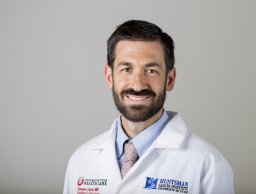 Lloyd Shane合作论文数Yale School of Medicine, Department of Therapeutic Radiology, USA.15Ying J. Hitchcock合作论文数University of Utah14
 Vikrant G. Deshmukh合作论文数Department of Biomedical Informatics, University of Utah;Health Sciences Information Technology Services, University of Utah;University of Utah, University of Utah12
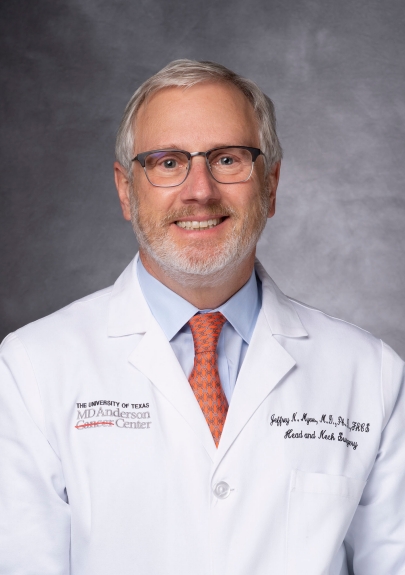 Jeffrey N. Myers合作论文数Department of Head and Neck Surgery, Division of Surgery, The University of Texas MD Anderson Cancer Center;Department of Cancer Biology, The University of Texas MD Anderson Cancer Center11
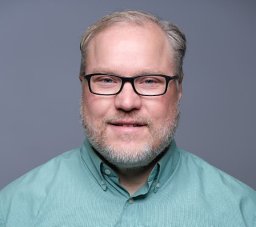 Michael E. Newman合作论文数Department of Biochemistry, Imperial College11
 Hilary Caitlyn McCrary合作论文数10Kerry Rowe合作论文数10
 Alison Fraser合作论文数10
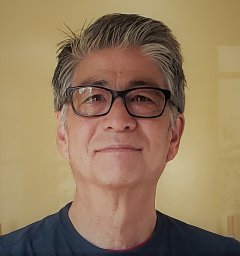 Ken R Smith合作论文数Department of Family & Consumer Studies, University of Utah;Wasatch Front Research Data Center, University of Utah;Huntsman Cancer Institute, University of Utah9
 Neil D. Gross合作论文数Department of Head and Neck Surgery, Division of Surgery, The University of Texas MD Anderson Cancer Center9
 John J Snyder合作论文数8
 M. Ortega合作论文数Vincent Obstetrics and Gynecology, Massachusetts General Hospital7
 David M Neskey合作论文数7Mitchell J Frederick合作论文数7
 Yuan Wan合作论文数7
 Abdullah A. Osman合作论文数Department of Head and Neck Surgery, Division of Surgery, The University of Texas MD Anderson Cancer Center7
 Patrick Carpenter合作论文数6Sarah Abdelaziz合作论文数6Fitzgerald Alison L合作论文数6Meyn Raymond E合作论文数6
 Katsonis Panagiotis合作论文数Dept Mol & Human Genet, Baylor Coll Med6Patel Ameeta A合作论文数6
 Thomas McDonald合作论文数Harvard T.H. Chan School of Public Health, Harvard University6
 John R. Hyngstrom合作论文数Rush University Medical Center;Department of Surgery, Division of Surgical Oncology, Rush University6
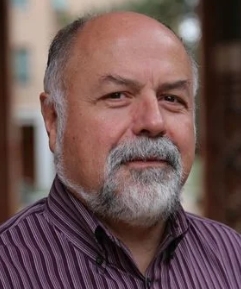 Marek Kimmel合作论文数Department of Statistics, George R. Brown School of Engineering and Computing, Rice University6Carlos Caulin合作论文数6Jaewhan Kim合作论文数School of Medicine, University of Utah;375 Chipeta Way;School of Medicine, University of Utah6Sang-Hyeok Woo合作论文数6
 Teng-Kuei Hsu合作论文数Institute of Biological Chemistry, Academy Sinica6
 Olivier Lichtarge合作论文数Computational and Integrative Biomedical Research Center, Baylor College of Medicine;Dan L Duncan Comprehensive Cancer Center, Baylor College of Medicine;Department of Molecular and Human Genetics, Baylor College of Medicine6
 Anne C Kirchhoff合作论文数Elyse R. Park, Massachusetts General Hospital;Joel S. Weissman, Brigham and Women's Hospital;Lisa R. Diller and Christopher J. Recklitis, Dana-Farber Cancer Institute;Anne C. Kirchhoff, Huntsman Cancer Institute;Wendy Leisenring, Fred Hutchinson Cancer Research Center;Ann C. Mertens, Emory University School of Medicine;James D. Reschovsky, Mathematica Policy Research;St Jude Children's Research Hospital;Dana-Farber Cancer Institute, Emory University School of Medicine5
 Dündar Yusuf合作论文数Department of Otolaryngology, Idil Community Hospital5Dennis C Shrieve合作论文数University of Utah5Tawnya L Bowles合作论文数4Hailey M Shepherd合作论文数4Peter Andersen合作论文数4Mark K Wax合作论文数4
 Benjamin Witt合作论文数4Houlton Jeffrey J合作论文数Department of Otolaryngology-Head and Neck Surgery, University of Cincinnati Academic Health Center4John R. Weis合作论文数4
 Dustin Boothe合作论文数4Siwen Hu-Lieskovan合作论文数UCLA's Jonsson Comprehensive Cancer Center4
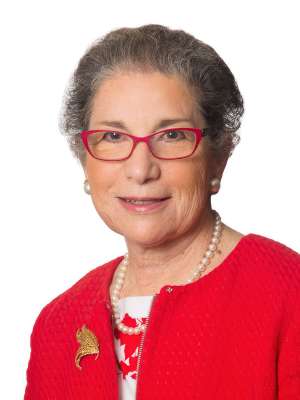 Patricia A. Ganz合作论文数Fielding School of Public Health, University of California, Los Angeles;David Geffen School of Medicine, University of California, Los Angeles;Center for Cancer Prevention and Control Research, Jonsson Comprehensive Cancer Center4
 Randy L. Jensen合作论文数University of Utah4Melissa H. Wong合作论文数Department of Dermatology and Oregon Stem Cell Center, OHSU4




