Introduction: Management of deep cervical lipomas (DCLs) is described only in case reports and series in the literature. We aim to present a scoping review of this literature and the largest case series of surgically resected DCLs to describe presentation, workup, and efficacy of transcervical resection for DCLs. Methods: A systematic search for surgically resected solitary DCLs was conducted in PubMed, Embase (Elsevier), Scopus, and Cochrane library on 12/19/2025 using PRISMA methodology. Study protocol was registered in PROSPERO (CRD420251052065) and articles were screened independently by 2 authors, with conflicts resolved by a third reviewer. All solitary DCLs resected via a transcervical approach at a tertiary center from 2014 to 2025 were reviewed. Results: From a total of 1459 articles, 144 studies met criteria, and 163 cases (median age 45 years, 25.2% pediatric, 67.5% male) were included. The most common presenting symptom was swelling (81.6%), and 63.2% were enlarging. A total of 232 imaging studies, most commonly CT (n = 102), were conducted amongst 90.8% of patients for an average of 1.4 imaging studies per patient. Biopsy was performed in 27.6% of patients, with 43.4% of biopsies being inconclusive or inconsistent with benign fatty tumor. Postoperative complaints were noted for 9.8% of patients, with only 3.1% (n = 5) having persistent complaints. Two recurrences were noted. The institutional cohort of 10 patients (median age 55 years, 10% pediatric, 90% male, 90% non-Hispanic White) mirrored the literature, with the most common presenting symptom being palpable neck mass (80%), at least one imaging study per patient on average, no persistent complaints, and one recurrence. Conclusion: DCLs are less common than subcutaneous lipomas but follow a similar clinical course. Presentation most commonly occurs as a palpable mass, most of which are enlarging. Imaging without biopsy is often sufficient for workup. Transcervical resection is diagnostic and therapeutic with minimal morbidity.
OBJECTIVE:To review the impact of frailty on various outcomes in geriatric head and neck cancer (HNC) patients undergoing microvascular free flap reconstruction (MFFR). DATA SOURCES:MEDLINE, Embase, and World of Science. REVIEW METHODS:Following PRISMA guidelines, two independent reviewers performed a systematic review of MEDLINE, Embase, and World of Science databases from inception to January 10, 2025. Peer-reviewed primary literature, excluding case reports, that assessed outcomes in patients with HNC undergoing MFFR with a validated frailty index were included for analysis. Study quality and risk of bias were assessed using the Newcastle-Ottawa Scale (NOS). Data regarding surgical and medical complications, hospital course, and functional outcomes were synthesized. RESULTS:Eleven studies were included for review, six of which were from the United States. Eight were of "Good" quality per the NOS. Utilized frailty measures included the 5-factor Modified Frailty Index (5-mFI), 11-mFI, Geriatric 8, Risk Classification System, Prognostic Nutritional Index, Risk Assessment Index, and Cervical Paraspinal Skeletal Muscle Index. Frailty was consistently associated with increased medical complications, longer hospital length of stay, and higher likelihood of non-home discharge. Frailty predicted impaired swallowing recovery and a longer need for enteral nutrition but associations between frailty and surgical complications or short-term mortality were inconsistent. Studies incorporating nutritional or sarcopenia-based measures outperformed frailty indices alone in predicting postoperative complications. CONCLUSION:In patients undergoing MFFR, frailty was consistently associated with medical morbidity, prolonged hospitalization, and worse functional outcomes. Frailty assessment tools may have an important role in preoperative patient counseling and anticipating discharge needs.
A male in his 30s presented to a gastroenterology clinic and subsequently to an otolaryngology - head and neck surgery clinic for a one-month history of progressive dysphagia. X-ray was unrevealing, and CT demonstrated non-specific esophageal wall thickening inferior to the post-cricoid area. Esophagoscopy by head and neck surgery in the operating room revealed a submucosal protrusion of the posterior wall of the cervical esophagus. After unroofing the overlying mucosa, a broad, flat lesion was grasped, removed, and identified as a large plastic device consistent with a partial denture. The patient did not experience any post-operative complications, and a follow-up esophagram on post-operative day seven showed no evidence of leak. Manual manipulation techniques, including biopsy attempts, can play an important role in unroofing an apparent submucosal foreign body in the esophagus.
Objective:To perform a systematic review of the effect of preoperative teaching methods on outcomes for adult patients undergoing major head and neck surgery. Data Sources:OVID Medline, CINAHL, Cochrane, Pubmed, and Embase databases were queried. Review Methods:A comprehensive literature search was conducted in January 2024 using Medline (Ovid), Embase (Ovid), CINAHL Complete (EBSCOhost), and Cochrane Central Register of Controlled Trials (CENTRAL). Following PRISMA methodology, primary literature published between January 2000 and January 2024 was queried. The search focused on studies examining preoperative patient education for major head and neck cancer surgeries. The Methodological Index for Non-Randomized Studies (MINORS) criteria were employed to assess the risk of bias in the included studies. Results:Our initial search strategy yielded 1140 titles with 54 meeting criteria for full-text review. Four publications were included in the final study, all of which were published within the last 8 years. Thematic analysis revealed that most teaching interventions included multidisciplinary sessions or days, educational material, and support to caregivers. The most common finding from teaching interventions was decreased hospital length of stay, while some authors also found decreased readmission rates and fewer post operative complications in intervention cohorts. Conclusion:Preoperative education utilizing multidisciplinary teams has demonstrated an improvement in length of stay and in some cases, fewer complications and readmissions in adult patients following major head and neck surgery. More robust research is needed to draw further conclusions on impact to patient outcomes and cost.
OBJECTIVE:This study aims to determine whether initial direct laryngoscopy with biopsy (DLBx) before transoral robotic surgery (TORS) has differences in perioperative outcomes, tumor identification, and oncologic outcomes for unknown primary oropharyngeal human papillomavirus (HPV+) squamous cell carcinoma (OPSCC). STUDY DESIGN:A retrospective cohort. SETTING:A single-institution, tertiary referral center. METHODS:All patients with HPV+ squamous cell carcinoma and unknown primary (cTx) undergoing TORS from 2014 to 2024 were collected. Patients receiving DLBx + TORS versus TORS alone were compared. RESULTS:A total of 57 patients had no evidence of primary disease on exam, flexible laryngoscopy, and PET/CT imaging, of which 20 (35%) underwent TORS + neck dissection without previous DLBx. Primary tumor was identified on 38% of DLBx and 74% of combined primary and secondary TORS. Only 19% of all cTx patients remained true unknown primary on final pathology (pT0). Demographics and perioperative courses were similar between the two groups. TORS was able to detect primary tumor in the majority of tongue base disease (83%). There were no differences in overall primary tumor size (median 0.8 vs. 1.0 cm), nodal burden, tumor, node, metastasis classification, adjuvant treatment, or 5-year disease-free survival. CONCLUSION:Initial DLBx for unknown primary HPV+ OPSCC has similar perioperative and oncologic outcomes to performing initial TORS alone and may unnecessarily delay definitive surgery and add healthcare costs. LEVEL OF EVIDENCE:IV.
OBJECTIVE:This study aims to review opioid prescribing changes for pain management in head and neck cancer (HNC) surgery patients, given the recent focus on Enhanced Recovery After Surgery protocols. DATA SOURCES:MEDLINE, Embase, and CENTRAL, covering 1998 to 2023. REVIEW METHODS:We selected studies that evaluated opioid prescribing patterns post-major HNC surgery in various settings, including tertiary care hospitals and community hospitals. Primary outcomes considered were prevalence and patterns of opioid use post-surgery, as well as related outcomes such as chronic use and side effects. RESULTS:Of 1278 abstracts, 24 studies involving 17,027 patients from the United States, China, and Canada met inclusion criteria. Quality was assessed using the MINORS scale, with an average score of 9.9 for non-comparative studies and 20.0 for comparative studies. Persistent opioid use post-surgery, defined as ongoing prescriptions 90 days after treatment, was noted in 15.4% to 64% of patients. Two studies reported adverse events, with up to 16% of patients experiencing side effects. Risk factors for chronic use included preoperative opioid use, tobacco use, higher cancer stage, adjuvant treatment, and demographic factors. Correlations were found between larger opioid prescriptions and shorter survival in advanced cancers. There was notable variability in patient-reported pain control. CONCLUSION:Persistent opioid use post-HNC surgery is common, with variable efficacy and risk of adverse effects. Tailoring pain management to individual risk factors and focusing on multimodal analgesia could reduce the risks of continued opioid use. Future prospective studies are required to identify optimal pain management strategies.
PURPOSE:To determine the occult nodal disease rate and whether elective regional lymph node dissection (RLND) confers any 10-year overall survival (OS) in cN0 intermediate-grade mucoepidermoid carcinoma (MEC) of the parotid gland.MATERIALS & METHODS:The National Cancer Database was reviewed from 2004 to 2016 on adults with cT1-4aN0M0 intermediate-grade parotid MEC undergoing resection with/without RLND. Comparisons between patients with and without RLND were made. Occult nodal rate and 10-year overall survival (OS) were determined.RESULTS:Out of 898 included patients with cN0 intermediate grade parotid MEC undergoing elective RLND, the occult nodal rate was 7.6%. This was significantly different from low-grade (3.9%) and high-grade (25.7%) cN0 disease. When stratified by pT-classification, marginal differences were identified between low-grade and intermediate-grade tumors, whereas high-grade tumors demonstrated increased occult nodal disease with low T-stage (pT1-pT2, 20.4% vs. 5.1%) and high T-stage (pT3-pT4a, 32.1% vs. 17.6%). Patients undergoing elective RLND were more often treated at an academic facility (53.8% vs. 41.2%), had higher pT3-pT4 tumors (19.2% vs. 10.4%), and more frequently underwent total/radical parotidectomy (46.0% vs. 29.9%) with adjuvant radiation therapy (53.8% vs. 41.0%) Cox-proportional hazard modeling did not identify RLND, regardless if stratified by nodal yield or pT-classification, nor nodal positivity as significant predictors of 10-year OS.CONCLUSIONS:The occult nodal disease in intermediate-grade parotid MEC is low and similar to low-grade. Elective RLND may have a limited impact on OS, though its effect on locoregional control remains unknown.LEVEL OF EVIDENCE:III.
OBJECTIVES:Microvascular free tissue transfer (MVFTT) for head and neck reconstruction is infrequently performed in pediatric patients. There is a paucity of data on perioperative airway management in pediatric MVFTT, such as the need for tracheostomy, which can pose higher morbidity to young patients due to potential long-term effects on the softer, more pliable laryngotracheal cartilage. Our objective was to report airway outcomes on pediatric patients undergoing MVFTT after segmental mandibulectomy with or without tracheostomy. METHODS:Retrospective chart review of pediatric patients who underwent MVFTT reconstruction after segmental mandibulectomy at a tertiary care center from 2014 to 2023. Demographic variables, surgical characteristics, and hospital clinical outcomes were recorded. Statistical analyses were performed with JMP Pro, Version 16.0.0 (2021) SAS Institute Inc., Cary, NC, 1989-2021. RESULTS:Ten patients (median age 11.5 years old, IQR: 9.0-13.3) underwent fibular free flap reconstruction. Mandibular pathologies included 3 ameloblastoma, 2 mesenchymal chondrosarcoma, 2 desmoplastic fibroma, 1 Ewing sarcoma, 1 chondroblastic osteosarcoma, and 1 desmoid tumor. Two patients received upfront tracheostomy at time of initial surgery for a subtotal mandibulectomy and a sub-hemimandibulectomy, respectively. Both patients were decannulated within 1 week after surgery and prior to discharge. The median ICU and hospital length of stay for patients who underwent tracheostomy was 3.5 days [IQR: 3.0-4.0] and 8.5 days [IQR: 8.0-9.0] respectively. Of the remaining 8 patients without tracheostomy, surgical defects were hemimandibulectomy and anterior subtotal mandibulectomy. Median intubation duration was 1.0 day [IQR: 1.0-2.5]. The median ICU and hospital length of stay for these patients were 3.0 days [IQR: 2.0-6.3] and 8.5 days [IQR: 7.3-13.0], respectively. No patient had to be reintubated for respiratory failure following extubation or had long-term airway complications during the follow-up period. CONCLUSIONS:Fibular free flap reconstruction without tracheostomy can be feasible in pediatric patients with mandibular defects, which can potentially reduce hospital resources required for fresh tracheostomy care needs and avoid additional surgical morbidity. Further studies in larger populations and prospective approaches are warranted.
BACKGROUND:CT angiography (CTA) is used for preoperative localization in deep inferior epigastric perforator (DIEP) flaps, but is an additional costly study that involves contrast and radiation exposure. Many patients with head and neck cancer already undergo PET/CT. We investigated if PET/CT could be used to preoperatively localize perforators and if this corresponded with the intraoperative location. METHODS:This was a prospective cohort study at an academic tertiary care center between 2017 and 2022. Participants were adults with head and neck cancer who had undergone PET/CT and were scheduled to undergo reconstruction with DIEP flaps. The mean difference between the preoperative and intraoperative horizontal and vertical distance of perforators from the umbilicus was determined. RESULTS:Preoperative and intraoperative measurements were obtained from 42 perforators (30 patients). The mean difference between preoperative and intraoperative measurements was not statistically significant for HDU (-0.05 with 95 % CI [-0.11, 0.01], p = 0.13) or VDU (-0.02 with 95 % CI [-0.06, 0.03] p = 0.41). Bland-Altman analysis demonstrated limits of agreement of -0.42 (95 % CI [-0.52, -0.31]) to 0.33 (95 % CI [0.23, 0.43]) for HDU and -0.31 (95 % CI [-0.39, -0.23]) to 0.27 (95 % CI [0.19, 0.35]) for VDU. This was within our chosen limit of agreement of 1 cm. CONCLUSION:Preoperative identification of DIEP perforators on PET/CT can be used to locate perforators intraoperatively. Utilizing this method facilitates efficient flap harvesting and does not require an additional imaging study since many patients undergo PET/CT.
Objective . Determine the histopathologic features that correlate with head and neck cancer (HNC) cachexia. Methods . A single‐institution, retrospective study was performed on adults with HPV‐negative, mucosal squamous cell carcinoma of the aerodigestive tract undergoing resection and free flap reconstruction from 2014 to 2019. Patients with distant metastases were excluded. Demographics, comorbidities, preoperative nutrition, and surgical pathology reports were collected. Comparisons of histopathologic features and cachexia severity were made. Results . The study included 222 predominantly male (64.9%) patients aged 61.3 ± 11.8 years. Cachexia was identified in 57.2% patients, and 18.5% were severe (≥15% weight loss). No differences in demographics were identified between the groups. Compared to control, patients with severe cachexia had lower serum hemoglobin ( p = 0.048) and albumin ( p < 0.001), larger tumor diameter ( p < 0.001), greater depth of invasion ( p < 0.001), and elevated proportions of pT4 disease ( p < 0.001), pN2‐N3 disease ( p = 0.001), lymphovascular invasion ( p = 0.009), and extranodal extension ( p = 0.014). Multivariate logistic regression identified tumor size (OR [95% CI] = 1.36 [1.08–1.73]), oral cavity tumor (OR [95% CI] = 0.30 [0.11–0.84]), and nodal burden (OR [95% CI] = 1.16 [0.98–1.38]) as significant histopathologic contributors of cancer cachexia. Conclusions . Larger, more invasive tumors with nodal metastases and aggressive histologic features are associated with greater cachexia severity in mucosal HNC.
OBJECTIVES:Large language model (LLM)-based chatbots such as ChatGPT have been publicly available and increasingly utilized by the general public since late 2022. This study sought to investigate ChatGPT responses to common patient questions regarding Human Papilloma Virus (HPV) positive oropharyngeal cancer (OPC). METHODS:This was a prospective, multi-institutional study, with data collected from high volume institutions that perform >50 transoral robotic surgery cases per year. The 100 most recent discussion threads including the term "HPV" on the American Cancer Society's Cancer Survivors Network's Head and Neck Cancer public discussion board were reviewed. The 11 most common questions were serially queried to ChatGPT 3.5; answers were recorded. A survey was distributed to fellowship trained head and neck oncologic surgeons at 3 institutions to evaluate the responses. RESULTS:A total of 8 surgeons participated in the study. For questions regarding HPV contraction and transmission, ChatGPT answers were scored as clinically accurate and aligned with consensus in the head and neck surgical oncology community 84.4% and 90.6% of the time, respectively. For questions involving treatment of HPV+ OPC, ChatGPT was clinically accurate and aligned with consensus 87.5% and 91.7% of the time, respectively. For questions regarding the HPV vaccine, ChatGPT was clinically accurate and aligned with consensus 62.5% and 75% of the time, respectively. When asked about circulating tumor DNA testing, only 12.5% of surgeons thought responses were accurate or consistent with consensus. CONCLUSION:ChatGPT 3.5 performed poorly with questions involving evolving therapies and diagnostics-thus, caution should be used when using a platform like ChatGPT 3.5 to assess use of advanced technology. Patients should be counseled on the importance of consulting their surgeons to receive accurate and up to date recommendations, and use LLM's to augment their understanding of these important health-related topics.
The human papillomavirus (HPV) status of squamous cell carcinomas (SCCs) of the head and neck is relevant for therapy planning, staging, and follow-up. Immunohistochemistry (IHC) for p16 is a surrogate marker of HPV status in oropharyngeal SCC, but not at other head and neck sites. We tested if the cobas HPV test was feasible and superior to p16-IHC on fine-needle aspiration (FNA) supernatants and frozen section (FS) scrapings of suspected SCC. A 500 μL aliquots of postcentrifugation supernatant CytoRich Red media of FNA cellblock specimens and scrapings of FS suspended in SurePath media vials were tested with the cobas HPV test and compared with p16-IHC and/or HPV in situ hybridization (ISH) performed on cellblock and/or resections. Twenty-nine (n=29) FNAs were tested for a cobas HPV test, p16, and/or HPV-ISH. The mean collection to testing time was 6.3 days (range: 0 to 24 d). Cobas yielded valid results in all cases; p16-IHC could not be interpreted in 4 (13%) cellblocks; correlation was performed on subsequent resections. Cohen κ correlation for cobas versus p16-IHC/HPV-ISH on FNA samples was 0.9, perfect agreement, sensitivity 100%, specificity 92.3%, positive predictive value 94.1%, negative predictive value 100%. Thirty-four (n=34) scrapings from FS were tested for cobas, p16, and/or HPV-ISH. The mean collection to testing time was 10.4 days (range: 1 to 28 d). Cohen κ correlation for cobas versus p16-IHC/HPV-ISH on FS scrapings was 1, perfect agreement. Sensitivity, specificity, positive predictive value, and negative predictive value was 100%. Cobas genotype was HPV-16 in 87%, HPV-18 in 3%, and HPV-other in 10%. Cobas HPV test in FNA supernatant and FS scrapings outperformed or was equivalent to p16-IHC and provided genotyping information.
BACKGROUND:Cachexia is detrimental for patients with head and neck cancer (HNC). However, postoperative consequences of HNC cachexia remain unknown. METHODS:A 2014-2019 retrospective review was performed of adults undergoing aerodigestive HNC resection with free tissue reconstruction. Propensity score matching using inverse probability of treatment weighting (IPTW) of cachectic and control groups was employed to adjust for covariate imbalances followed by binary logistic regression on postoperative outcomes. RESULTS:Out of 252 total patients, 135 (53.6%) had cancer cachexia. The cohort was predominantly white (94.4%) males (65.1%) aged 61.5 ± 11.5 years with stage III-IV (84.1%) malignancy of the oral cavity (66.3%). After matching cohort pre- and intra-operative covariates using IPTW, cancer cachexia remained a strong, significant predictor of serious National Surgical Quality Improvement Program (NSQIP) complications (OR [95%CI] = 3.84 [1.80-8.21]) and major Clavien-Dindo complications (OR [95%CI] = 3.00 [1.18-7.60]). CONCLUSIONS:Cancer cachexia is associated with worse HNC free flap reconstruction outcomes.
Abstract Objective Cadaveric simulations have shown endonasal drilling and cautery generate aerosols, which is a significant concern for otolaryngologists during the COVID‐19 era. This study quantifies aerosol generation during routine rhinologic surgeries and in‐office procedures in live patients. Methods Aerosols ranging from 0.30 to 10.0 μm were measured in real‐time using an optical particle sizer during surgeries and in‐office procedures. Various mask conditions were tested during rigid nasal endoscopy (RNE) and postoperative debridement (POD). Results Higher aerosol concentrations (AC) ranging from 2.69 to 10.0 μm were measured during RNE (n = 9) with no mask vs two mask conditions (P = .002 and P = .017). Mean AC (0.30‐10.0 μm) were significantly higher during POD (n = 9) for no mask vs a mask covering the patient's mouth condition (mean difference = 0.16 ± 0.03 particles/cm3, 95% CI 0.10‐0.22, P < .001). There were no discernible spikes in aerosol levels during endoscopic septoplasty (n = 3). Aerosol spikes were measured in two of three functional endoscopic sinus surgeries (FESS) with microdebrider. Using suction mitigation, there were no discernible spikes during powered drilling in two anterior skull base surgeries (ASBS). Conclusion Use of a surgical mask over the patient's mouth during in‐office procedures or a mask with a slit for an endoscope during RNE significantly diminished aerosol generation. However, whether this reduction in aerosol generation is sufficient to prevent transmission of communicable diseases via aerosols was beyond the scope of this study. There were several spikes in aerosols during FESS and ASBS, though none were associated with endonasal drilling with the use of suction mitigation. Level of Evidence 4.
Transoral Robotic Surgery (TORS) is increasingly used for oropharyngeal neoplasms and obstructive sleep apnea. Post-operative pain and bleeding remain concerns. Ketorolac has proved to be a safe alternative or addition to narcotics in other operations, but has not been thoroughly evaluated in TORS. A retrospective review was carried out on all TORS cases at our institution between April 2012 and March 2019, with the vast majority of cases performed starting in 2017. Post-operative bleed rates were compared between those who received Ketorolac and those who did not. Secondary outcomes evaluated included post-operative pain scores and need for feeding tube upon discharge. A total of 81 TORS cases were evaluated, with 37 patients receiving Ketorolac. Six (7.4%) patients reported post-operative bleeding, with one major and five minor bleeds. The patient with major bleeding requiring operative intervention did not receive Ketorolac. All five patients with minor bleeding received Ketorolac, but no bleeds occurred in the immediate post-operative setting while receiving Ketorolac. The average time of bleeding was 8 days post-operative. There were no significant differences in pain scores or time to feeding tube removal. This preliminary study shows that Ketorolac use in the postoperative pain management after TORS does not increase major bleeding risk without benefits in pain management. There was increased risk of minor bleeding not requiring intervention, but this was not significant. Future prospective studies are needed to determine if it improves pain and swallowing and decreases narcotic requirements following TORS.
OBJECTIVE:After significant restrictions initially due to the COVID-19 pandemic, otolaryngologists have begun resuming normal clinical practice. However, the risk of SARS-CoV-2 transmission to health care workers through aerosolization and airborne transmission during rhinologic surgery remains incompletely characterized. The objective of this study was to quantify the number concentrations of aerosols generated during rhinologic surgery with and without interventions involving 3 passive suction devices.STUDY DESIGN:Cadaver simulation.SETTING:Dedicated surgical laboratory.SUBJECTS AND METHODS:In a simulation of rhinologic procedures with and without different passive suction interventions, the concentrations of generated aerosols in the particle size range of 0.30 to 10.0 µm were quantified with an optical particle sizer.RESULTS:Functional endoscopic sinus surgery with and without microdebrider, high-speed powered drilling, use of an ultrasonic aspirator, and electrocautery all produced statistically significant increases in concentrations of aerosols of various sizes (P < .05). Powered drilling, ultrasonic aspirator, and electrocautery generated the highest concentration of aerosols, predominantly submicroparticles <1 µm. All interventions with a suction device were effective in reducing aerosols, though the surgical smoke evacuation system was the most effective passive suction method in 2 of the 5 surgical conditions with statistical significance (P < .05).CONCLUSION:Significant aerosol concentrations were produced in the range of 0.30 to 10.0 µm during all rhinologic procedures in this cadaver simulation. Rhinologic surgery with a passive suction device results in significant mitigation of generated aerosols.
Volume restoration is often required after parotidectomy due to the resultant facial contour deformity. Common procedures include local pedicled flaps, such as the sternocleidomastoid muscle flap, fat grafting, and even autologous free flaps, for more extensive defects. Local pedicled flaps have the advantage of a single surgical site, which spares the patient the added morbidity of a separate fat graft donor site, while simultaneously reducing the operative time. We report two cases of a novel reconstructive option using pedicled level I and II cervical lymphoadipose tissue for volume restoration after superficial parotidectomy. This reconstruction would be useful for patients with benign parotid lesions and inferior parotid defects. In addition, with maintained blood supply to this tissue, it would likely provide sustained bulk over time.
Abstract Objective To determine if sarcopenia is a predictor of blood transfusion requirements in head and neck cancer free flap reconstruction (HNCFFR). Methods A single‐institution, retrospective review was performed of HNCFFR patients with preoperative abdominal imaging from 2014 to 2019. Demographics, comorbidities (modified Charlson Comorbidity Index [mCCI]), skeletal muscle index (cm2/m2), oncologic history, intraoperative data, and 30‐day postoperative complications (Clavien‐Dindo score [CD]) were collected. Binary logistic regression was performed to determine predictors of transfusion. Results Eighty (33.5%), 66 (27.6%), and 110 (46.0%) of n = 239 total patients received an intraoperative, postoperative, or any perioperative blood transfusion, respectively. Sixty‐two (25.9%) patients had sarcopenia. Patients receiving intraoperative transfusions had older age (P = .035), more frequent alcoholism (P = .028) and sarcopenia (P < .001), greater mCCI (P < .001), lower preoperative hemoglobin (P < .001), reconstruction with flaps other than forearm (P = .003), and greater operative times (P = .001), intravenous fluids (P < .001), and estimated blood loss (EBL, P < .001). Postoperative transfusions were associated with major complications (CD ≥ 3; P < .001). Multivariate regression determined sarcopenia (P = .023), mCCI (P = .013), preoperative hemoglobin (P = .002), operative time (P = .036), and EBL (P < .001) as independent predictors of intraoperative transfusion requirements. Postoperative transfusions were predicted by preoperative hemoglobin (P = .007), osseous flap (P = .036), and CD ≥ 3 (P < .001). A perioperative transfusion was predicted by sarcopenia (P = .021), preoperative hemoglobin (P < .001), operative time (P = .008), and CD ≥ 3 (P = .018). Conclusion Sarcopenia is associated with increased blood transfusions in HNCFFR. Patients should be counseled preoperatively on the associated risks, and the increased blood product requirement should be accounted in resource‐limited scenarios. Level of Evidence 4.
To provide data on risk of respiratory droplets from common otolaryngologic procedures during the COVID-19 pandemic, a novel simulation of droplet exposure from flexible laryngoscopy was performed. After completion of a nasal symptom questionnaire, topical fluorescein spray was administered into the nasal and oropharynx of 10 healthy volunteers, who then underwent flexible laryngoscopy under 2 conditions: routine without provoked response and with prompted sneeze/cough. After each, droplets on the proceduralist and participant were counted under ultraviolet A light. Droplets were observed on 1 of 10 volunteers after routine laryngoscopy and 4 of 10 during laryngoscopy with sneeze/cough. A nasal symptom score based on congestion and rhinorrhea was significantly elevated among droplet producers after sneeze/cough (P = .0164). No droplets were observed on the provider. Overall, with adequate personal protective equipment, flexible laryngoscopy poses minimal droplet risk to providers. Nasal symptoms can identify patients more likely to produce droplets after sneeze/cough.
A female smoker in her 50s was referred for hyperparathyroidism and a multinodular goiter. What is your diagnosis?
 Mantravadi Avinash V合作论文数17Michael Moore合作论文数17Jessica A Yesensky合作论文数11
 Alexander Jones合作论文数10
 Leah J Novinger合作论文数8
 Taha Z. Shipchandler合作论文数7Mohamedkazim M Alwani合作论文数6
 Andrea Bonetto合作论文数Centro Didattico, University of Torino6Jonathan Y. Ting合作论文数6
 Vincent J. Campiti合作论文数5
 Cyrus C Rabbani合作论文数Univ Hosp5
 Farlow Janice L合作论文数School of Medicine, Indiana University4Richard Kao合作论文数3Sarah J Burgin合作论文数3Morgan M Sandelski合作论文数3
 Dhruv Sharma合作论文数Ctr Stat Training & Consulting, Michigan State Univ3Kolin E Rubel合作论文数3Kyle P Davis合作论文数3Michael J Ye合作论文数3
 Illing Elisa A合作论文数School of Medicine, University of Alabama at Birmingham3Eric Pittelkow合作论文数2Timothy J Shin合作论文数2Elizabeth O Shay合作论文数Genomic Medicine Institute, Lerner Research Institute2Arthur W Wu合作论文数2Chen Diane W合作论文数Head &, Department;Neck Surgery, Baylor College of Medicine;Department Otolaryngology-Head & Neck Surgery, Baylor College of Medicine2
 Hongjae Park合作论文数School of Mechanical Engineering, Yonsei University2Thomas L. Higgins合作论文数2Al C. Valmadrid合作论文数1Elhaam Bandali合作论文数1Kelly J Jones合作论文数1Nikhil Bellamkonda合作论文数1Sarah M Drejet合作论文数1Brady J Tucker合作论文数1Samantha Parkhurst合作论文数1
 Mohamad Saltagi合作论文数1
 Mirian Ramirez Rojas合作论文数Ruth Lilly Med Lib1Priyesh N Patel合作论文数1
 Hilary Caitlyn McCrary合作论文数1Katie Suzanne Traylor合作论文数Neuroradiol Div, Univ Pittsburgh1
 Mary Roz Timbang合作论文数1
 Daniel Hong合作论文数Spine Hosp New York Presbyterian, Columbia Univ1
 Nolan B Seim合作论文数James Canc Hosp & Solove Res Inst1Chitra Subramanian合作论文数Carle Illinois College of Medicine1
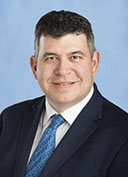 Mark Cohen合作论文数Department of Human Genetics, Medical School, University of Michigan1
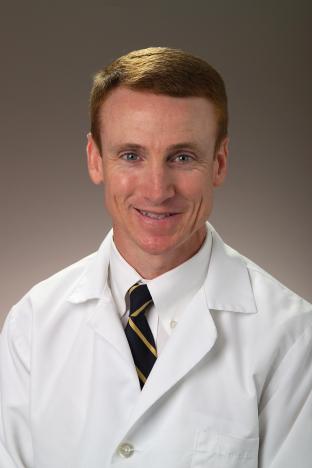 Jeffrey J. Stanley合作论文数Medical School, University of Michigan;Otolaryngology Clinic, Taubman Center, University of Michigan1
 Mark E. P. Prince合作论文数Department of Otolaryngology-Head and Neck Surgery, Medical School, University of Michigan;University of Michigan Medical Center1
 Steven B. Cannady合作论文数Department of Otorhinolaryngology – Head & Neck Surgery, Perelman School of Medicine, University of Pennsylvania1Mesa Hector合作论文数1
 Amit Agrawal合作论文数Cambridge Breast Unit, Cambridge University Hospitals NHS Foundation Trust1




