PURPOSE:There is an indication for EEG entrainment of rhythm, in particular in association with the regulation of frequencies related to epileptic seizures. We present the X-System model, which may predict the neurophysiological effects of music. We suggest that this may "entrain" healthy electrical brain activity more effectively than previously-used, intuitive choices of music. METHODS:We enrolled 19 subjects (5-17 years old) with epilepsy. All children had overnight video/EEG monitoring and polysomnography before, upon starting and three weeks after starting all-night music treatment. A section of the EEG from the area contralateral to the epileptic region was audified to produce an audio representation of healthy brain activity. Using the X-System model to find the closest musical equivalents, tracks were selected from culturally relevant repertoires and processed into a personalized, all-night playlist for each individual subject. QOLIE-31 and ELDQOL were used to assess their quality of life. RESULTS:The mean age was 10.74 years (range 5-17 years), 63% were male. The mean spike reduction for the whole group, n = 19, was 28.42%. The mean spike reduction in patients with focal epilepsies, n = 6, was 28.46%, and with generalized epilepsies, n = 13, was 28.33%. Polysomnography showed improvement in REM sleep in all patients (p = 0.0006) and an increase in sleep spindles along with reduced awakenings and improved sleep efficiency. During music treatment, melatonin saliva levels increased, on average, by 52.70%, p < 0.0017. QOLIE-31 showed improvements in the Overall Score, Seizure Worry, Energy/Fatigue and Emotional Well-Being domains. In ELDQOL, the Total Average score and the Side-Effect Profile domain significantly improved. CONCLUSION:Personalized music treatment was associated with changes suggestive of decreased epileptiform activity, improved REM sleep, and improved quality of life in this uncontrolled study. This may expand possibilities for adjunctive epilepsy treatment. Further research is needed in larger, randomized trials to confirm this association and evaluate for potential confounding factors.
Telling tales and reading have been a part of human activity for a very long time. We review in brief the anthropological evidence, then the emergence of the 'modern novel'. This explores in narratives the psychological reflections of the characters concerned with life circumstances including loss, abandonment, despair, illness, dying, and death. We report findings that the response of crying to a novel occurs as often as to music, not reported before: both 'move us'. We note what several critics and authors imply about the imagined world of 'novel space' which emphasizes the active not passive nature of reading dramatic action, the latter being embedded and embodied within us. This touches on the mind–brain problem. We provide a brief introduction to neuroscientific work with brain imaging revealing how cerebral networks to do with theory of mind and brain structures that are the basis of our movements are involved with the very act of reading words and narratives. Emotional tearing is an exclusive attribute of Homo sapiens, and crying can have positive benefits for mental health. We argue that bibliotherapy needs greater attention than has been the case at present. We also suggest that telling tales and the 'modern novel' are closely allied to the development of the consciousness of Homo sapiens.
Dale Hesdorffer departed from us in January 2024. She was only aged 65, at the peak of her career with much still to do in her chosen life's work in epilepsy which was still in progress. Dale graduated from Barnard College in 1981 and earned her PhD in epidemiology in 1993 from the Columbia University Mailman School of Public Health. Working in the field of epilepsy epidemiology for over 30 years her signature interest was epilepsy comorbidities, including a broad range of neurological and psychiatric disorders and SUDEP.
In this paper we look at non-pharmaceutical treatments for intractable epilepsy based on neurophysiological methods especially with EEG analysis. In summary, there are a number of limbic and thalamo-cortical related structures involved in the processing of musical emotion (exposure), including the amygdala (arousal, expression of mood, fear), hippocampus (memory, regulation of HPA axis, stress), parahippocampal gyrus (recognition, memory retrieval), insula (valence), temporal poles (connectivity), ventral striatum (expectation and experience of reward), orbitofrontal cortex (valence) and cingulate cortex (autonomic regulation). One method is to audify (a form of sonification) EEG activity to find music by feedback to entrain abnormal EEG activity. We discuss various methods and our use of X-System (https://www.x-system.co.uk/) which is a computational model of the musical brain capable of predicting the neurophysiological effects of music. It models structures and pathways related to responses to music, including the cochlea, brain stem, auditory and motor cortex, as well as basal ganglia, cerebellum and limbic structures. It can predict autonomic and endocrine activity as well as the substrates of electrical activity to select music which can regularise EEG abnormalities to decrease epileptic activity and seizures, especially in those unresponsive to antiepileptic medication or invasive treatments.
To understand the development of phenomenology, one must also understand the Kantian influence on pre-nineteenth-century continental philosophy, namely his distinction between the noumenon (the thing itself) and the phenomenon (the thing as it appears to us). This chapter explores the effects of phenomenology’s evolution on the field of psychiatry and then neuropsychiatry, following the pari passu shifts in Western culture and its prevailing philosophies. By examining the intellectual trajectories of philosophers, such as Edmund Husserl and Karl Jaspers, it traces the development of our understanding of consciousness, arguing Jasper’s ‘method-based psychiatry’, heavily reliant on the patient’s description of their experience, to be the best fit for neuropsychiatry, neither tied entirely to empirical neurology or the ‘Cartesian freely floating ego’ of conventional psychiatry.
This chapter discusses the clinical necessity from which the intersection of neurology and psychiatry arose, exploring different eras and their associated intellectual milestones in order to understand the historical framework of contemporary neuropsychiatry. Identifying Hippocrates’ original acknowledgement of the relation of the human brain to epilepsy as a start point, the historical development of the field is traced. This encompasses Thomas Willis and his nascent descriptions of the limbic system, the philosophical and alchemical strides of the Enlightenment, and the motivations behind the Romantic era attempts to understand the brain. It then follows the growth of the field through the turn of the twentieth century, in spite of the prominence of psychoanalysis and the idea of the brainless mind, and finally the understanding of the ‘integrated action’ of the body and nervous system, which led to the integration of psychiatry and neurology, allowing for the first neuropsychiatric examinations of epilepsy.
The recognition and treatment of psychosis in persons with epilepsy (PWE) is recommended with the apparent dilemma between treating psychosis and opening the possibility of exacerbating seizures. The pooled prevalence estimate of psychosis in PWE is 5.6%. It has been proposed that a 'two hit' model, requiring both aberrant limbic activity and impaired frontal control, may account for the wide range of clinical phenotypes. The role of antiepileptic drugs in psychosis in PWE remains unclear. Alternating psychosis, the clinical phenomenon of a reciprocal relationship between psychosis and seizures, is unlikely to be an exclusively antiepileptic drug-specific phenomenon but rather, linked to the neurobiological mechanisms underlying seizure control. Reevaluation of antiepileptic treatment, including the agent/s being used and degree of epileptic seizure control is recommended. The authors found very few controlled studies to inform evidence-based treatment of psychosis in PWE. However, antipsychotics and benzodiazepines are recommended as the symptomatic clinical treatments of choice for postictal and brief interictal psychoses. The general principle of early symptomatic treatment of psychotic symptoms applies in epilepsy-related psychoses, as for primary psychotic disorders. In the authors' experience, low doses of antipsychotic medications do not significantly increase clinical risk of seizures in PWE being concurrently treated with an efficacious antiepileptic regimen.
In the past half-century, the neuroanatomical regulators of emotion have become better understood. The rediscovery of the limbic areas and their intimate links with the basal ganglia, especially the ventral striatum and associated orbitofrontal cortex, and the special role of the right hemisphere in emotional experience has been central to this understanding.1 However, the complexity of the relationship between these circuits and areas of isocortex and the descending pathways to midbrain and brainstem nuclei in volitional and emotional faciobulbar expression remain less well understood. Emotional disorder is a major feature of frontal brain disease, and complex emotional states and gelastic seizures are well-recognised features of some forms of epilepsy. Uncontrolled, disabling and unstable mood change characteristics of pseudobulbar affective disorder may develop after diffuse traumatic brain injury, in frontal or multi-infarct cerebrovascular disease, multiple sclerosis and degenerative brain diseases, which can lead to depressive illness, bipolar disorder and emotional lability. The relationship between the experience of emotion and its motor expression was first clearly formulated in 1884–1885 in the James-Lange theory of the emotions.2 This theory suggested that emotional feelings and behaviours stemmed from the …
Through music we can learn much about our human origins and the human brain. Music is a potential method of therapy and a means of accessing and stimulating specific cerebral circuits. There is also an association between musical creativity and psychopathology. This paper provides a brief review.
Objective Emotional crying is hypothesized to serve intra- and interpersonal functions. Intrapersonal functions are assumed to facilitate the capacity to recover from emotional distress, thus promoting well-being. Interpersonal functions are postulated to have a major impact on social functioning. We hypothesized that non-criers would have lower well-being and poorer social functioning than criers. Methods Study participants included 475 people who reportedly lost the capacity to cry and 179 “normal” control criers. Applied measures assessed crying, well-being, empathy, attachment, social support, and connection with others. Prevalence estimates of not crying by gender were obtained from a panel survey of 2,000 Dutch households. Results In the main survey, tearless cases had less connection with others, less empathy, and experienced less social support, but were equal in terms of well-being. They also reported being less moved by emotional stimuli and had a more avoidant and less anxious attachment style. In multivariate analyses, being male, having an avoidant attachment style, and lacking empathy were independent predictors of tearlessness. Some 46.1% felt that not being able to cry affected them negatively; however, despite these findings, only 2.9% had sought any kind of professional help. Loss of the capacity to cry occurred in 8.6% of the men and 6.5% of the women in the large panel survey. Conclusions Despite reduced empathy, less connection with others, and a more avoidant/less anxious attachment type, well-being is maintained in tearless people. Additional clinical and therapeutic investigations of tearlessness may lead to clarification of bidirectional associations between psychiatric disorders (e.g., alexithymia, posttraumatic stress disorder, psychopathy) and tearlessness.
In the past half-century, the neuroanatomical regulators of emotion have become better understood. The rediscovery of the limbic areas and their intimate links with the basal ganglia, especially the ventral striatum and associated orbitofrontal cortex, and the special role of the right hemisphere in emotional experience has been central to this understanding.1 However, the complexity of the relationship between these circuits and areas of isocortex and the descending pathways to midbrain and brainstem nuclei in volitional and emotional faciobulbar expression remain less well understood. Emotional disorder is a major feature of frontal brain disease, and complex emotional states and gelastic seizures are well-recognised features of some forms of epilepsy. Uncontrolled, disabling and unstable mood change characteristics of pseudobulbar affective disorder may develop after diffuse traumatic brain injury, in frontal or multi-infarct cerebrovascular disease, multiple sclerosis and degenerative brain diseases, which can lead to depressive illness, bipolar disorder and emotional lability.The relationship between the experience of emotion and its motor expression was first clearly formulated in 1884–1885 in the James-Lange theory of the emotions.2 This theory suggested that emotional feelings and behaviours stemmed from the …
Professor Trimble initial degree was in neuroanatomy a discipline which he has followed throughout his career. Interests Neuropsychopharmacology with special reference to neuropsychiatric disorders: epilepsy, its relationship to disturbances of behaviour and its treatment, and the effects of antiepileptic drugs and other treatment for epilepsy on the brain and behaviour. Other research and clinical interests include movement disorders and their treatment, especially the development of psychiatric disorders in Parkinson’s disease and Gilles de la Tourette Syndrome, head injuries, dementia and the spectrum of presentations in neurology and psychiatry of patients with medically unexplained neurological symptoms. Many such patients turn out to have one or other form of somatoform disorder. Fellow of the Royal College of Physicians, Fellow of the Royal College of Psychiatrists, and a Member of the Association of British Neurologists. Fellow of the American Psychiatric Association and a member of the American Neurological Association. Three Research degrees: MD (in medicine), BSc (in neuroanatomy), and MPhil (in psychiatry). International Distinguished Fellow of the American Psychiatric Association, and he has attended nearly every APA meeting since his residency at the Phipps Clinic, Johns Hopkins Hospital in the mid 1970s. His publications include three editions of Biological Psychiatry (1988, 1996 and 2010) and several other single author titles dealing with the interface between neurology and psychiatry. His publications include the Soul in the Brain: The Cerebral Basis of Language, Art and Belief. Johns Hopkins, 2007. Why Humans Like to Cry – Tragedy, Evolution and the Brain, Oxford University Press 2012 and The Intentional Brain: Motion, Emotion, and the Development of Modern Neuropsychiatry (Johns Hopkins Press 2016). Epilepsy has been central to the history of neuropsychiatry, since Babylonian times. In this historical whirlwind tour of ideas related to associations between epilepsy and behaviour disorders, much of the presentation will relate to the beginnings of perhaps a new approach to neuropsychiatry, ushered in by Hughlings Jackson. This underwent an eclipse in the first half of the 20th century. The significant ideas and investigations of many people from the 1970s through to the end of the last century will be highlighted in order to reveal how epilepsy forms a major cornerstone for the development of modern neuropsychiatry.
In this paper, we review in brief the development of ideas that over time have tried to explain why some individuals are more creative than others and what may be the neurobiological links underlying artistic creativity. We note associations with another unique human idea, that of genius. In particular, we discuss frontotemporal dementia and bipolar, cyclothymic mood disorder as clinical conditions that are helping to unravel the underlying neuroanatomy and neurochemistry of human creativity. This article is part of a Special Issue entitled "Epilepsy, Art, and Creativity".
Neuropsychiatry has had different meanings at different times in the history of clinical neuroscience. In this article, the origins of what has become today's neuropsychiatry are briefly explored, hopefully revealing a number of pioneers of the discipline, some of the names being familiar to many readers, others however being less recognized or even unknown to those who today would wish to carry the moniker of a neuropsychiatrist. It explores the rise of what I refer to as modern or today's neuropsychiatry, and empathizes a phenomenological approach to clinical understanding, and the fact that neuropsychiatry it is a discipline in its own right and not just a wing of psychiatry or a bridge between neurology and psychiatry.
Epilepsy is a disorder that has been used by dramatists in various ways over the ages and therefore highlights the views of the disorder as people saw it at the time the plays were written and performed. In the 6th century BC, links between tragedy and epilepsy were developed by Greek playwrights, especially Euripides, in Iphigenia among the Taureans and Heracles where epilepsy and madness associated with extreme violence occur together. Both Heracles and Orestes have episodes after a long period of physical exhaustion and nutritional deprivation. During the Renaissance, Shakespeare wrote plays featuring different neurological disorders, including epilepsy. Epilepsy plays a crucial part in the stories of Julius Caesar and Othello. Julius Caesar is a play about politics, and Caesar's epilepsy is used to illustrate his weakness and vulnerability which stigmatizes him and leads to his assassination. Othello is a play about jealousy, and Othello, an outsider, is stigmatized by his color, his weakness, and his 'seizures' as a form of demonic possession. In modern times, Night Mother portrays the hard life of Jessie, who lives with her mother. Jessie has no friends, her father has abandoned the family, and she has no privacy and is ashamed. Stigma and social pressures lead her to commit suicide. Henry James' novella, The Turn of the Screw, portrays a governess with dream-like states, déjà vu, and loss of temporal awareness who has been sent to the country to look after two small children and ends up killing one. This novella was turned into an opera by Benjamin Britten. Most recently, performance art has been portraying epilepsy as the reality of a personally provoked seizure. Both Allan Sutherland and Rita Marcalo have purposely provoked themselves to have a seizure in front of an audience. They do this to show that seizures are just one disability. Whether this provokes stigma in audiences is unknown. Whether the performance artists understand the potential for status epilepticus has not been discussed. This article is part of a Special Issue entitled "Epilepsy, Art, and Creativity".
 Bettina Schmitz合作论文数Department of Urology, University of Bonn25
 Ennapadam S. Krishnamoorthy合作论文数The Institute of Neurological Sciences & The Neuropsychiatry Institute19
 Mula Marco合作论文数18L T van Elst合作论文数14
 Mark S George合作论文数Magnetic Brain Stimulation Laboratory, Department of Psychiatry, Medical University of South Carolina;Brain Imaging Division, Department of Psychiatry, Medical University of South Carolina14
 Durval C Costa合作论文数12
 Dale Cindy Hesdorffer合作论文数Department of Neurology, Columbia University Irving Medical Center;Gertrude H. Sergievsky Center, Columbia University Irving Medical Center12M. Mula合作论文数11HA RING合作论文数11
 Peter Ell合作论文数Institute of Nuclear Medicine, University College London Hospitals NHS Trust, London, UK. peter.ell@uclh.nhs.uk11J Moriarty合作论文数11Ce Selai合作论文数10
 Anette Schrag合作论文数Queen Square Institute of Neurology, University College London9
 Richard Brown合作论文数Division of Psychology & Mental Health, The University of Manchester9
 Richard Frackowiak合作论文数Queen Square Institute of Neurology, University College London;Centre Hospitalier Universitaire Vaudois, University of Lausanne;Department of Clinical Neurosciences, Université de Lausanne;Wellcome Department of Imaging Neuroscience, University College London9J.W.A.S. Sander合作论文数9
 Nagai Yoko合作论文数Brighton and Sussex Medical School, University of Sussex Brighton;Clinical Imaging Sciences Centre, University of Sussex Brighton;University of Sussex Brighton, University of Sussex Brighton8
 Louis Lemieux合作论文数Queen Square Institute of Neurology, University College London8
 Friedrich G. Woermann合作论文数Bethel University8Rj Dolan合作论文数7
 Bruce Hermann合作论文数Department of Psychology, University of Wisconsin–Madison;Department Of Neurology, School of Medicine and Public Health, University of Wisconsin–Madison7
 Andres M. Kanner合作论文数Division of Epilepsy, Department of Neurology, Miller School of Medicine, University of Miami;Comprehensive Epilepsy Center, Department of Neurology, Miller School of Medicine, University of Miami7
 John Duncan合作论文数Department of Clinical and Experimental Epilepsy, University College London6
 Steven Craig Schachter合作论文数Beth Israel Deaconess Medical Center, Massachusetts General Hospital5
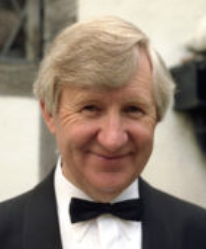 Edward (Ted) Reynolds合作论文数King's College London5
 Ley Sander (雷桑德)合作论文数Research Department of Epilepsy, Queen Square Institute of Neurology, Faculty of Brain Sciences, University College London;West China Hospital, Sichuan University5
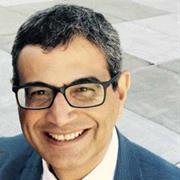 Kaliash Bhatia合作论文数Department of Clinical and Movement Neuroscience, Institute of Neurology, University College London5Howard Ring合作论文数Raymond Way Neuropsychiatry Research Group, Institute of Neurology5
 Andrea Eugenio Cavanna合作论文数Birmingham Medical School, University of Birmingham;Department of Neuropsychiatry, Birmingham and Solihull Mental Health NHS Foundation Trust;Department of Neuropsychiatry, National Centre for Mental Health;Aston University5Alan E. Ettinger合作论文数4Pbc Fenwick合作论文数4m m robertson合作论文数4
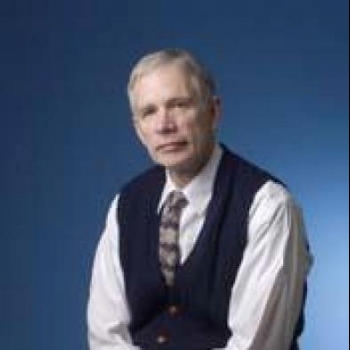 John Barry合作论文数Department of Psychiatry and Behavioral Sciences, School of Medicine, Stanford University4David Dunn合作论文数4
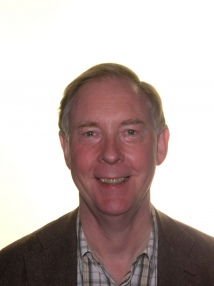 David Brooks合作论文数Faculty of Medical Sciences, Newcastle University;Institute of Neuroscience, Newcastle University;Aarhus Universitet;Imperial College London4
 Matthias Koepp合作论文数Department of Clinical and Experimental Epilepsy, Queen Square Institute of Neurology, University College London4Frank G Gilliam合作论文数4Philippe Ryvlin合作论文数4
 Hugo D Critchley合作论文数Brighton ad Sussex Medical School, University of Sussex;Sussex Centre for Consciousness Science, University of Sussex;Department of Neuroscience, University of Sussex4Rochelle Caplan合作论文数4Pamela J. Thompson合作论文数4Francesco Monaco合作论文数3C J Bench合作论文数3
 W Curt LaFrance Jr合作论文数Rhode Isl Hosp, Brown Univ3
 James B. Rowe合作论文数Cambridge Centre for Frontotemporal Dementia and Related Disorders, Department of Clinical Neurosciences, University of Cambridge;Dementias Platform UK;Alzheimer's Research UK;Medical Research Council Cognition and Brain Sciences Unit, University of Cambridge3
 Mehta Arpan R合作论文数Hospitals NHS Trust, Oxford University3
 Laura Goldstein合作论文数Institute of Psychiatry, Psychology & Neuroscience, King’s College London;Department of Psychology, King's College London3
 Jeffrey L. Cummings合作论文数Department of Brain Health, Kirk Kerkorian School of Medicine, University of Nevada, Las Vegas3




