The International Paediatric Oncology Society Global Mapping Programme aims to collect data on global paediatric oncology services by continent, with Africa and Latin America completed. This study reports on the methodology and lessons learned for Oceania, a unique continent with resource disparity across countries, multiple small island developing states, small populations and complex climate and cultural factors. Recruitment and data collection processes have built invaluable regional connections and highlighted the challenges impacting regional childhood cancer care. This first comprehensive overview of paediatric oncology capacity in Oceania addresses a critical evidence gap and will inform future cancer control plans and advocacy.
INTRODUCTION:Neuroblastoma (NB) with central nervous system (CNS) metastases is rare at diagnosis, but occurs more often during relapse/progression. Patients with CNS metastases face a dismal prognosis, with no standardized curative treatment available. Novel therapeutic approaches, such as intraventricular radio-immunotherapy with 131I-omburtamab (Omb), have been developed. In this study, we report a retrospective, single-tertiary center analysis of a 23-year cohort of NB patients with CNS metastases, highlighting current treatment strategies. PATIENTS AND METHODS:Retrospective data analysis of all NB patients with CNS metastases treated at Hospital Sant Joan de Déu, Barcelona, from January 2000 to January 2023. Patient characteristics at diagnosis, first-line treatment, relapse patterns, and CNS metastasis management were analyzed in search of risk variables and survival outcomes. RESULTS:CNS metastases at relapse were identified in 39/185 (21.1%) patients. Median age at diagnosis was 2.7 years, and 24/39 were male. Stage 4 NB with multisite compartment metastases accounted for most cases (92.2%). CNS events occurred predominantly at first relapse (29/39, 74.4%) and with neurological symptoms (23/38, 60.5%). MCYN amplification and concomitant extra-CNS metastases at CNS relapse were associated with poorer overall survival (OS) (p = 0.018 and p = 0.0059, respectively). Neurological symptoms upon relapse significantly increased the risk for subsequent CNS events (p = 0.028). Curative-intent treatment was attempted in 34/39 (87.2%) patients. After adjusting for immortal time bias, RT plus Omb significantly improved OS (p < 0.0001). CONCLUSIONS:In our experience, MYCN amplification and concomitant extra-CNS metastases at CNS relapse significantly decrease OS. Multimodal treatment, including 131I-omburtamab radioimmunotherapy, significantly improves survival outcomes.
Background and objectivesAdvances in cancer therapies have significantly improved survival rates in children. However, treatment-related toxicities remain common. This study aims to evaluate the incidence and characteristics of cardiotoxicity in a pediatric cancer cohort.MethodsThis prospective study included pediatric patients who received chemotherapy between September 2020 and March 2023. Patients were categorized into five groups according to treatment phase: baseline, early treatment, late treatment, end-of-treatment, and relapse. Cardiovascular evaluation included anthropometric assessment, laboratory biomarkers, electrocardiogram (ECG) and functional echocardiography. Patients were stratified for cardiotoxicity according to pediatric and adult clinical practice guidelines.Results265 patients were included (mean age 9.95 ± 5.26 years). The incidence of ventricular dysfunction was 2.3%. A decline in LVEF > 10% from baseline was observed in 16.5% of patients. Abnormal global longitudinal strain (GLS) values were found in 34.7%; significant ECG changes in 16.2%, and elevated Troponin I levels in 7.1%. Based on echocardiographic and laboratory findings, patients undergoing treatment showed greater cardiac involvement compared with those in other groups.ConclusionsAlthough the overall incidence of overt ventricular dysfunction was low, the use of ECG and GLS enhanced the sensitivity for detecting of subclinical cardiac impairment in pediatric patients receiving chemotherapy.
10039 Background: Patients with relapsed/refractory (R/R) high-risk neuroblastoma (HR-NB) have a poor prognosis, underscoring the need to explore new therapies. In this single institution, Phase 2 clinical trial (EudraCT 2020-000538-17), we evaluated the safety and efficacy of HITS and Naxitamab (NAX) in combination with ICE (NICE) in patients (pts) with R/R HR-NB with incomplete response (partial response (PR), minor response (MR), or stable disease (SD)) to HITS. Methods: Eligible pts received 2-4 cycles of HITS. Patients achieving a complete response (CR as per 2017 INRC) to HITS after 2 or 4 cycles had the CR consolidated with 5 cycles of NAX+GM-CSF. Patients with an incomplete response to HITS transitioned to NICE (up to 4 cycles) and those with progressive disease (PD) discontinued. CRs to NICE were consolidated with 5 cycles of NAX+GM-CSF. HITS consisted of Irinotecan 50 mg/m2/day IV from day 1-5 concurrently with temozolomide 150 mg/m2/day orally; NAX 2.25mg/kg IV on days 2, 4, 9 and 11; and GM-CSF 250 mcg/m2/day SC on days 7-11. NICE cycles consisted of NAX 2.25 mg/kg IV on days 2, 4, 9 and 11; GM-CSF 250 mcg/m2/day SC on days 7-11; ifosfamide 1.5 gr/m2/day IV from day 1-3 concurrent with etoposide 100 mg/m2/day IV and carboplatin 400 mg /m2/day IV on day 1. HITS/NICE cycles were administered out/inpatient, respectively. NAX was infused according to the Step-Up protocol. Treatment cycles were repeated every 4 weeks. Follow-up continued quarterly after end of treatment visit for up to 3 years. Results: From September 2020 until December 2022, 47 patients were screened and 34 enrolled. Of the 34 pts, 2 (5.9%) had primary refractory and 32 (94.1%) relapsed refractory disease. Prior treatments included chemotherapy (34; 100%); surgery (29; 85.3%); radiotherapy (17; 50%); autologous stem cell transplant (11; 32.4%); and anti-GD2 immunotherapy (15; 44.1%. 11 NAX and 4 dinutuximab beta). Of the 19 pts with an incomplete response after HITS, 13 (68.4%) received at least one cycle of NICE, and 5 completed all therapy. For HITS, the objective response rate (ORR) was 50% and best overall response (OR) was CR = 8 (23.5%); PR = 9 (26.5%); SD = 10 (29.4%); and PD = 7 (20.6%). For NICE ORR was 53.8% and OR: CR = 2 (15.4%); PR = 5 (38.5%); and SD = 6 (46.2%). No treatment related deaths occurred. All pts receiving NICE experienced grade 3-4 AEs (most frequent were pain (29.5%); urticaria (27.4 %); and thrombocytopenia (6.8%)), one leading to treatment discontinuation. Conclusions: Our clinical trial results suggest different chemotherapy combinations with naxitamab have the potential to rescue patients with R/R HR-NB. No unexpected toxicities were found when combining NAX with different chemotherapeutic agents. Clinical trial information: EudraCT 2020-000538-17 .
BackgroundLatin American countries are improving childhood cancer care, showing strong commitment to implement the Global Initiative for Childhood Cancer, but there are scant publications of the situation at a continental level.MethodsAs part of the International Society of Paediatric Oncology Global Mapping project, delegates of each country participating in the Latin American Society of Pediatric Oncology (SLAOP) and chairs of national pediatric oncology societies and cooperative groups were invited to provide information regarding availability of national pediatric cancer control programs (NPCCP), pediatric oncology laws, pediatric oncology tumor registries, and training programs and support to diagnosis and treatment.ResultsNineteen of the 20 countries participating in SLAOP responded. National delegates reported nine countries with NPCCP and four of them were launched in the past 5 years. National pediatric tumor registries are available in eight countries, and three provided published survival results. Fellowship programs for training pediatric oncologists are available in 12 countries. National delegates reported that eight countries provide support to most essential diagnosis and treatments and 11 provide partial or minimal support that is supplemented by civil society organizations. Seven countries have a pediatric oncology law. There are three international cooperative groups and four national societies for pediatric oncology.ConclusionDespite many challenges, there were dramatic advances in survivorship, access to treatment, and availability of NPCCP in Latin America. Countries with highest social development scores in general provide more complete support and are more likely to have NPCCP, training programs, and reported survival results.
Neuroblastoma presents with two patterns of disease: locoregional or systemic. The poor prognostic risk factors of locoregional neuroblastoma (LR-NB) include age, MYCN or MDM2-CDK4 amplification, 11q, histology, diploidy with ALK or TERT mutations, and ATRX aberrations. Anti-GD2 immunotherapy has significantly improved the outcome of high-risk (HR) NB and is mostly effective against osteomedullary minimal residual disease (MRD), but less so against soft tissue disease. The question is whether adding anti-GD2 monoclonal antibodies (mAbs) benefits patients with HR-NB compounded by only soft tissue. We reviewed 31 patients treated at SJD for HR-NB with no osteomedullary involvement at diagnosis. All tumors had molecular genetic features of HR-NB. The outcome after first-line treatment showed 25 (80.6%) patients achieving CR. Thirteen patients remain in continued CR, median follow-up 3.9 years. We analyzed whether adding anti-GD2 immunotherapy to first-line treatment had any prognostic significance. The EFS analysis using Cox models showed a HR of 0.20, p = 0.0054, and an 80% decrease in the risk of relapse in patients treated with anti-GD2 immunotherapy in the first line. Neither EFS nor OS were significantly different by CR status after first-line treatment. In conclusion, adding treatment with anti-GD2 mAbs at the stage of MRD helps prevent relapse that unequivocally portends poor survival.
The TeLeo Program offers a free-access 2-year online learning program to support fellowship programs in pediatric oncology, enhance networking opportunities, and facilitate the exchange of context-specific, educational content within the pediatric oncology community in training in Latin America. In its first edition beginning in 2021, 185 fellows from 40 centers in 12 Latin American countries were enrolled. Additional courses for other healthcare professionals related to oncology in the region were produced to further support the program. A digital platform was created to allow users to easily access learning activities after registration, with 7075 professionals currently registered.
Introduction: High-risk neuroblastoma, particularly in the relapse/refractory (R/R) setting, poses unique challenges to obtaining the representative-quality tissue that is mostly required for molecular analysis. This study explores the use of 123I-MIBG radioguided surgery to access complex locations of MIBG-positive neuroblastoma as a tool to overcome the difficulties associated with repeated surgeries in these patients. Methods: This study is a retrospective review of all patients with R/R neuroblastoma and MIBG-uptaking lesions who underwent radioguided surgery between February 2020 and 2023 at SJD Barcelona Children’s Hospital. The Europrobe 3.2 gamma probe was used to identify neuroblastoma tissue in the operating room. Results: Ten patients were identified. Radioguided surgery was useful in all patients. One patient with previous multiple operations developed an entero-cutaneous fistula with posterior full recovery. Mean surgical time was 111.7 min. The gamma probe identified 100% of neuroblastoma lesions which were all completely removed (123I-MIBG-SPECT/CT negative post-surgery). Pathology and molecular studies could be successfully performed in all samples. Conclusions: 123I-MIBG radioguided surgery proved effective in obtaining viable tissue from difficult-to-access sites in high-risk relapsed neuroblastoma.
BACKGROUND:Wilms tumour (WT) is one of the cancer types targeted by the Global Initiative for Childhood Cancer (GICC). The objective of this study was to describe the outcomes of Wilms Africa Phase II in sub-Saharan Africa. METHODS:Wilms Africa Phase II used a comprehensive WT treatment protocol in a multi-centre, prospective study conducted in eight hospitals in Ethiopia (2), Ghana (2), Malawi, Cameroon, Zimbabwe and Uganda. Eligibility criteria were: age younger than 16 years, unilateral WT, diagnosed between 1 January 2021 and 31 December 2022. RESULTS:We included 230 WT patients, median age 3 years, 53% male. Median maximum tumour diameter at diagnosis was 13.6 cm and 33% of patients had metastatic disease. Nephrectomy was performed in 71% of patients, of whom 21% had a tumour rupture. Two-year event-free survival (EFS) was 41.3% ± 3.9% after a median follow-up of 17 months (range: 1-33 months), with treatment abandonment considered an event. Treatment abandonment occurred in 26% and death during treatment in 14%. Disease relapse occurred in 10%. Two-year EFS of the 26 patients who received radiotherapy was 64.5% ± 9.7% with no reported disease relapse. CONCLUSION:Patients continue to present late with advanced WT in sub-Saharan Africa, and their survival is below the 60% GICC target. Prevention of treatment abandonment and treatment-related mortality remain important. Earlier diagnosis and access to radiotherapy are expected to decrease disease-related mortality.
10037 Background: Patients with relapsed/refractory (R/R) high-risk neuroblastoma (HR-NB) have dismal prognosis with chemotherapy-only salvage regimens. Naxitamab, a humanized anti-GD2 monoclonal antibody (mAb), when combined with Irinotecan and Temozolomide (I/T), has demonstrated clinically meaningful efficacy in R/R HR-NB patients (NCT03189706). We aimed to investigate the potential synergy of naxitamab with other cytotoxics. Methods: In this retrospective analysis, we examined patients treated at SJD with chemo-refractory disease, who received naxitamab in combination with chemotherapeutics other than I/T. Each cycle comprised naxitamab 2.25 mg/kg/day IV over 30 minutes, days 2, 4, 9 and 11 (total 9 mg/kg or 270 mg/m2 per cycle), and GM-CSF 250 mg/m2/day subcutaneously, days 6-10 combined with either a) cyclophosphamide (250mg/m2) and topotecan (0.75mg/m2) D1 to D5 (C/T), b) ifosfamide (1500mg/m2), etoposide (100mg/m2) D1-D3 and carboplatin (400mg/m2) D1 (ICE) or c) doxorubicin 37.5mg/m2 D1-D2 and cyclophosphamide (250mg/m2) D1-D3 (C/D). Toxicity was measured by CTCAE v4.0 and responses by INRC. Results: Twenty-nine patients received naxitamab plus GM-CSF with C/T (n=23), ICE (n=6) and C/D (n=1). One patient received both ICE and C/T. Seventeen patients had a variable number of prior relapses (1 n=14, 2 n=1, and 3 n=2). Twelve patients had refractory disease, most having received additional therapy post-induction. All but 4 patients had received naxitamab and I/T (n=20), and/or ICE (n=3/n=1), and dinutuximab-beta and I/T (n=1). Toxicities of the new regimens included myelosuppression expected with chemotherapy, and pain and hypertension expected with naxitamab. Hemorrhagic cystitis occurred in 2 patients treated with C/T, BK infection documented in one. A total of 113 cycles (median 2; 1-8) were administered, outpatient. Out of the 30 treatments, 5 achieved complete response (CR), 2 partial response (PR), and 2 mixed response (MR), providing an objective response (OR) of 30%. Eight patients achieved stable disease (SD) and 13 progressed on treatment. Disease control rate (DCR) (OR or SD) after 2 cycles was 56.6%. Patients who never responded with prior chemo-immunotherapy progressed through the new combinations. Contrary, patients who showed initial stabilization with I/T or ICE but ultimately progressed, switching drugs resulted in 60% DCR and 30% OR. Most favourable OR (75%) was seen in patients who achieved CR with prior chemoimmunotherapy and relapsed (3 out of 4). Conclusions: Naxitamab-based chemo-immunotherapy with regimens other than I/T exhibited similar and manageable toxicity profiles. Switching chemotherapeutics provided objective responses only to patients who had previously shown efficacy with I/T chemo-immunotherapy.
BackgroundAnti-GD2 monoclonal antibodies (mAbs) have shown to improve the overall survival of patients with high-risk neuroblastoma (HR-NB). Serious adverse events (AEs), including pain, within hours of antibody infusion, have limited the development of these therapies. In this study, we provide evidence of Autonomic Nervous System (ANS) activation as the mechanism to explain the main side effects of anti-GD2 mAbs.MethodsThrough confocal microscopy and computational super-resolution microscopy experiments we explored GD2 expression in postnatal nerves of infants. In patients we assessed the ANS using the Sympathetic Skin Response (SSR) test. To exploit tachyphylaxis, a novel infusion protocol (the Step-Up) was mathematically modelled and tested.ResultsThrough confocal microscopy, GD2 expression is clearly visible in the perineurium surrounding the nuclei of nerve cells. By computational super-resolution microscopy experiments we showed the selective expression of GD2 on the cell membranes of human Schwann cells in peripheral nerves (PNs) significantly lower than on NB. In patients, changes in the SSR were observed 4 minutes into the anti-GD2 mAb naxitamab infusion. SSR latency quickly shortened followed by gradual decrease in the amplitude before disappearance. SSR response did not recover for 24 hours consistent with tachyphylaxis and absence of side effects in the clinic. The Step-Up protocol dissociated on-target off-tumor side effects while maintaining serum drug exposure.ConclusionWe provide first evidence of the ANS as the principal non-tumor target of anti-GD2 mAbs in humans. We describe the development and modeling of the Step-Up protocol exploiting the tachyphylaxis phenomenon we demonstrate in patients using the SSR test.
IntroductionAnti-disialoganglioside 2 (anti-GD2) monoclonal antibodies (mAbs) are associated with Grade ≥3 (≥G3) adverse events (AEs) such as severe pain, hypotension, and bronchospasm. We developed a novel method of administering the GD2-binding mAb naxitamab, termed “Step-Up” infusion (STU), to reduce the risk of AEs of severe pain, hypotension, and bronchospasm.MethodsForty-two patients with GD2-positive tumors received naxitamab under “compassionate use” protocols and administered via either the standard infusion regimen (SIR) or the STU regimen. The SIR comprises a 60-min infusion of 3 mg/kg/day on Day 1 of cycle 1 and a 30- to 60-min infusion on Day 3 and Day 5, as tolerated. The STU regimen uses a 2-h infusion on Day 1, initiated at a rate of 0.06 mg/kg/h during 15 min (0.015 mg/kg) and which increases gradually to a cumulative dose of 3 mg/kg; on Days 3 and 5, the 3-mg/kg dose is initiated at 0.24 mg/kg/h (0.06 mg/kg) and delivered in 90 min according to the same gradual-increase strategy. AEs were graded according to Common Terminology Criteria for Adverse Events version 4.0.ResultsThe frequency of infusions with an associated G3 AE was reduced from 8.1% (23/284 infusions) with SIR to 2.5% (5/202 infusions) with STU. The odds of an infusion being associated with a G3 AE reduced by 70.3% with STU vs. SIR (odds ratio: 0.297; p = 0.037). Mean serum naxitamab levels pre- and post-STU (11.46 µg/ml pre-infusion; 100.95 µg/ml post-infusion) were within the range reported for SIR.DiscussionThe comparable pharmacokinetics of naxitamab during SIR and STU may indicate that switching to STU reduces G3 AEs without impact on efficacy.
Patients with high-risk neuroblastoma (HR-NB) who are unable to achieve a complete response (CR) to induction therapy have worse outcomes. We investigated the combination of humanized anti-GD2 mAb naxitamab (Hu3F8), irinotecan (I), temozolomide (T), and sargramostim (GM-CSF)-HITS-against primary resistant HR-NB. Eligibility criteria included having a measurable chemo-resistant disease at the end of induction (EOI) treatment. Patients were excluded if they had progressive disease (PD) during induction. Prior anti-GD2 mAb and/or I/T therapy was permitted. Each cycle, administered four weeks apart, comprised Irinotecan 50 mg/m2/day intravenously (IV) plus Temozolomide 150 mg/m2/day orally (days 1-5); naxitamab 2.25 mg/kg/day IV on days 2, 4, 8 and 10, (total 9 mg/kg or 270 mg/m2 per cycle), and GM-CSF 250 mg/m2/day subcutaneously was used (days 6-10). Toxicity was measured using CTCAE v4.0 and responses through the modified International Neuroblastoma Response Criteria (INRC). Thirty-four patients (median age at treatment initiation, 4.9 years) received 164 (median 4; 1-12) HITS cycles. Toxicities included myelosuppression and diarrhea, which was expected with I/T, and pain and hypertension, expected with naxitamab. Grade ≥3-related toxicities occurred in 29 (85%) of the 34 patients; treatment was outpatient. The best responses were CR = 29% (n = 10); PR = 3% (n = 1); SD = 53% (n = 18); PD = 5% (n = 5). For cohort 1 (early treatment), the best responses were CR = 47% (n = 8) and SD = 53% (n = 9). In cohort 2 (late treatment), the best responses were CR = 12% (n = 2); PR = 6% (n = 1); SD = 53% (n = 9); and PD = 29% (n = 5). Cohort 1 had a 3-year OS of 84.8% and EFS 54.4%, which are statistically significant improvements (EFS p = 0.0041 and OS p = 0.0037) compared to cohort 2. In conclusion, naxitamab-based chemo-immunotherapy is effective against primary chemo-resistant HR-NB, increasing long-term outcomes when administered early during the course of treatment.
 Jaime Guixa Mora合作论文数Departament d'Organització d'Empreses, Universitat Politècnica de Catalunya22
 Moira Garraus合作论文数16Sara Perez-Jaume合作论文数16Juan Pablo Muñoz合作论文数16Alicia Castañeda合作论文数15Vicente Santa-Maria合作论文数12Amalia Varo合作论文数11Salvador Mañe合作论文数9
 Guillermo L Chantada合作论文数8Margarida Simao合作论文数7Cristina Larrosa合作论文数6Julia Challinor合作论文数6Neil Ranasinghe合作论文数5alvaro castaneda vildozola合作论文数Sant Joan de Déu Barcelona Children’s Hospital5
 Lucas Krauel合作论文数5J. J. Lazaro合作论文数4Saray Chamorro合作论文数4Monica Sanchez Celma合作论文数4Jaume Mora合作论文数4Margarida Simao Rafael合作论文数4Morales La Madrid Andres合作论文数4
 Nai-Kong V. Cheung合作论文数Memorial Sloan Kettering Cancer Center4A. Chamizo合作论文数4M. Simao合作论文数3Alicia Castañeda Heredia合作论文数3
 Pablo Lobos合作论文数3Jennifer Lowe合作论文数3
 Jennifer Geel合作论文数SIOP Africa Secretary Gen, Johannesburg, South Africa3
 Andrea M Cappellano合作论文数IOP-GRAACC, Federal University of São Paulo3
 Scott Howard合作论文数University of Notre Dame3Amalia Varo Rodriguez合作论文数2Oscar Gonzalez Ramella合作论文数2Laura Andres Zallo合作论文数2Fiorella Iglesias Cardenas合作论文数2Noelia Salvador合作论文数2Sandra Lopez合作论文数2González Albert Pasten合作论文数2
 Ligia Fu合作论文数2Pandit-Taskar Neeta合作论文数2
 Brian H. Kushner合作论文数Memorial Sloan-Kettering Cancer Center;Weill Medical College, Cornell University2
 Mauguen Audrey合作论文数Inst Gustave Roussy2Suñol Mariona合作论文数2
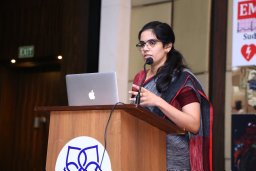 Radhakrishnan Nita合作论文数2Sampor Claudia合作论文数2
 Liliana Vasquez合作论文数2Basu Ellen M合作论文数2Irene Y. Cheung合作论文数2
 Ofelia Cruz合作论文数2
 Eric Bouffet合作论文数Department of Paediatrics, University of Toronto;Division of Haematology/Oncology, Hospital for Sick Children2




