Background: Parthenocissus quinquefolia (Virginia creeper), widely distributed and used in Chile, lacks a systematic characterization of its bioactive components. This study synthesizes the evidence on the phytochemical composition and biological activities of P. quinquefolia, with emphasis on metabolites involved in redox regulation and inflammation. Methods: A systematic review was conducted following PRISMA 2020 guidelines. Searches were performed across four electronic databases, including original studies reporting antioxidant and anti-inflammatory effects. Results: Of 665 records identified, 14 studies met the inclusion criteria. Phytochemical analyses revealed phenolic compounds, particularly flavonoids (e.g., catechin, epicatechin, gallocatechin, epigallocatechin, quercetin, rutin, isoquercitrin, myricetin, luteolin, naringin) and stilbenes (e.g., ε-viniferin, miyabenol C). These metabolites exhibit antioxidant activity through ROS scavenging, metal chelation, and Nrf2/ARE activation. Anti-inflammatory effects were attributed to the downregulation of NF-κB, AP-1, and MAPK signaling, inhibition of NLRP3 inflammasome activation, and suppression of COX-2/iNOS expression. Conclusions: P. quinquefolia is a rich source of phenolic metabolites with robust antioxidant and anti-inflammatory mechanisms. The consistency of molecular responses across studies highlights its potential as a promising candidate for phytotherapeutic development targeting oxidative stress and inflammatory pathways.
(1) Background: Ovulatory dysfunction (OD) is frequently the first clinical expression of an underlying polyendocrine or metabolic disturbance. In the context of the international consensus renaming polycystic ovary syndrome (PCOS) as polyendocrine metabolic ovarian syndrome (PMOS), our primary aim was to estimate the prevalence of four OD-associated endocrinopathies—hyperandrogenemia, insulin resistance (IR), thyroid dysfunction, and hyperprolactinemia—in a Chilean symptomatic clinical cohort, and to compare their frequencies between adolescents and young adults. (2) Methods: Cross-sectional study including 251 women (≥2 years post-menarche) with confirmed OD, stratified into Group A (12–18 years; n = 96) and Group B (19–35 years; n = 155). (3) Results: Hyperandrogenemia was the most prevalent endocrinopathy in both groups (50.0% vs. 49.0%; p = 0.882), driven primarily by elevated dehydroepiandrosterone sulfate (DHEAS) in Group A (37.5% vs. 24.5%; p = 0.028). IR was significantly more frequent in adolescents (55.2% vs. 41.3%; p = 0.032). Thyroid dysfunction (primary threshold: thyroid-stimulating hormone [TSH] > 5.0 μIU/mL) was present in 2.1% and 5.2% of Groups A and B (p = 0.226). Hyperprolactinemia (>25 ng/mL; macroprolactin-excluded) was detected in 13.5% and 13.6% (p = 0.999). (4) Conclusions: All four endocrinopathies were detectable during adolescence, with prevalences largely comparable to those observed in young adult women, supporting the rationale for considering structured polyendocrine evaluation in women with OD ≥ 2 years post-menarche within the PAInT (Prolactin, Androgens, Insulin, and Thyroid hormones) framework.
Volmar was a medieval Benedictine monk who served as a scribe and confidant to the German abbess Hildegard of Bingen. Hildegard's life was marked by monasticism, remarkable visions, and a tremendous body of work, excelling in various areas of knowledge such as theology, medicine, music, and science. Hildegard of Bingen and Volmar worked together for several decades, where the latter was fundamental to the medieval nun's life and work. However, scholarly interest in Volmar has been limited, despite his substantial role as a scribe and confidant to the Rhenish polymath. This study seeks to portray this monk and position him as a fundamental contributor to Hildegard's work. There is little biographical information about Volmar, and it can only be accessed through Hildegard's work, given that there are also doubts about Volmar's own written legacy. Despite the above, it can be established that Volmar served as the abbess's personal scribe, making key contributions to Scivias, Hildegard's first work, but also acting as a confidant and spiritual support. Volmar's work is substantial, reinforcing the idea of the important work behind great historical figures. It stands out even more in an era where the patriarchal structure predominated and limited the role of women. In this context, the relationship between Hildegard and Volmar is striking, being an example of ecclesial collaboration between women and men that is rarely seen throughout history.
Señora Editora: La neurología moderna enfrenta el gran desafío de comprender la plasticidad y vulnerabilidad del sistema nervioso (SN) en condiciones extremas, por ejemplo, el entorno espacial. Se deben entonces discutir las interrelaciones entre astrobiología, astroquímica, neurociencia y medicina espacial.
Background:Buddleja globosa Hope (matico) is a Chilean medicinal plant traditionally used in Mapuche and Aymara ethnomedicine. However, no systematic synthesis of its phytochemical composition and pharmacological evidence has been previously reported. Methods: A PRISMA 2020-compliant systematic review was conducted using Google Scholar, PubMed, EBSCOhost, and Springer Nature databases from inception to March 2026. Studies reporting phytochemical characterization and/or biological activities of B. globosa were included. Methodological quality was assessed using an adapted five-criterion tool for non-clinical studies. The protocol was registered in OSF. Results: Fourteen studies (1989-2026), mainly from Chilean research groups, identified 27 bioactive compounds across leaves, roots, and flowers. These included phenylethanoid glycosides (e.g., verbascoside/acteoside, echinacoside, forsitoside B, and linarin), flavonoids (luteolin 7-O-glucoside, apigenin 7-O-glucoside, myricetin, catechin, and epicatechin), pentacyclic triterpenes (α/β-amyrins and β-sitosterol), iridoid glycosides, and clerodane diterpenoids (buddledines A-C), as well as four newly reported phenylethanoids. Antioxidant activity was the most frequently evaluated endpoint (11/14 studies), mainly mediated through hydrogen atom transfer and single-electron transfer mechanisms linked to caffeoyl and flavonoid structures. Anti-inflammatory effects (five studies) involved COX and 5-LOX inhibition and reduced PGE2 production in LPS-stimulated macrophages. Additional reported activities included antihepatotoxic, antiplatelet, wound-healing, antibacterial, and antifungal effects. Conclusions:B. globosa exhibits a coherent phytochemical profile supporting strong preclinical antioxidant and anti-inflammatory activities. The main limitation for clinical translation is the low oral bioavailability of phenylethanoid glycosides. Nanoformulation strategies, investigation of colonic metabolites, and topical delivery systems represent promising approaches to bridge the preclinical-to-clinical gap.
El interesante artículo de Peredo y Pinto1 sobre el conocimiento y uso de plantas medicinales en comunidades yuracares invita a reflexionar sobre la relevancia de preservar el saber ancestral asociado a la flora medicinal sudamericana. La relación entre pueblos originarios y biodiversidad ha cobrado creciente atención, especialmente en contextos contemporáneos2 donde salud, cultura y territorio se integran en sistemas de conocimiento tradicional. El objetivo de esta Carta es visibilizar el valor del conocimiento medicinal ancestral del pueblo diaguita, resaltando su continuidad, vigencia y potencial articulación con la salud pública intercultural.
Climate change represents a growing threat to Chile, producing glacial retreats, increased extreme weather events, biodiversity loss, and agricultural risks. This last point is crucial for biological safety since it can alter the distribution of pests and diseases, impacting food safety and security and international agricultural competitiveness. This article aims to show how climate change is a relevant driver for Chilean biological safety policy. The methodology for writing this article was mixed (bibliometric and narrative) in style. The research shows that local knowledge about socio-ecological changes is positively linked to farmers' resilience, high-lighting the need to understand these mechanisms to address current challenges. Unsustainable practices in industrial agriculture, e.g., introducing non-native species for pest control, threaten biodiversity and agricultural ecosystems. Climate change is expected to increase hydric shortage and the distribution of pests such as B. hilaris, which could exacerbate economic losses. It is urgent to implement comprehensive policies to mitigate these impacts on agriculture and food safety. Preserving genetic diversity, such as in the gene bank of the giant macroalgae M. pyrifera, is an interesting example of a biological security measure. In conclusion, climate change is a critical factor in Chile's biological safety policy, requiring a multidisciplinary approach to guarantee sustainable and resilient development in the face of this global challenge.
This article examines the historical significance of thecupove, a Mapuche ritual specialist described in eighteenth-century sources as performing post-mortem body dissections for diagnostic and forensic purposes. Drawing on a historical-bibliographic review of seventeen primary and secondary documents-including colonial dictionaries, missionary vocabularies, ethnographicrts,repo and anatomical commentaries-this study investigates the role ofthecupove as a precursor to anatomical practices in pre-Hispanic and colonial Chile. The analysis identifies three core functions historically attributed tothecupove: post-mortem dissector, transmitter of empirical knowledge regarding internal anatomy, and forensic agent in suspected poisoning cases. Early chroniclers such & eacute;sas Andr Febr & eacute;s and Abbot Juan Ignacio Molina highlighted the use of anatomical terminology and observational techniques by these ritual specialists, who performed corpse openings to establish the cause of death, identify illness, or determine spiritual af.Thesefliction findings suggest the existence of a localised, culturally embedded anatomical tradition before the institutionalizationofern Wesanatomy in Chilean medical schools during the nineteenth century. The study contributes to a more comprehensive and inclusive fhistory anatomical knowledge in South America by documenting this Indigenous anatomical agent. Thecupove exemplifies a culturally grounded diagnostic approach to the human body that, although distinct from academic dissection protocols, fulfilled medically and relevant socially significant functions.
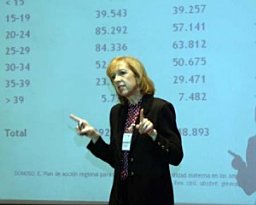 Pilar Vigil合作论文数Universidad Catolica de Santiago36
 Eduardo Herrera-Aliaga合作论文数Hosp Simulac & Lab, UBO16jose lopez合作论文数15Veronica Armstrong合作论文数14
 Andrea Alfaro合作论文数11Jaime Zañartu合作论文数10Martin Lara合作论文数10
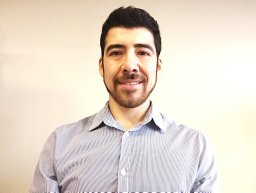 Orellana Renan合作论文数Faculty of Biological Sciences, Pontificia Universidad Católica de Chile10
 Julio Benites合作论文数Facultad de Quı́mica, Pontificia Universidad Católica de Chile10
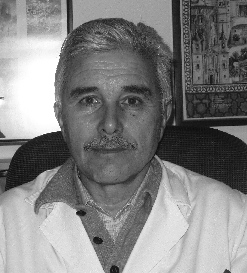 Alejandro F. Barrero合作论文数Universidad de Granada9
 Jaime A. Valderrama合作论文数Facultad de Química, Pontificia Universidad Católica de Chile8fernando gonzalez合作论文数7
 Marcelo Preite合作论文数7Iván Razmilic合作论文数6María José del Río合作论文数5
 Juan Pablo del Rio合作论文数5
 Yanara A. Bernal合作论文数Facultad de Medicina Clínica Alemana, Universidad del Desarrollo5Valeska Martínez合作论文数4
 Roberto Hauyon Riquelme合作论文数4Hector Ramirez合作论文数4Alain Fournet合作论文数4Ricardo A. Tapia合作论文数4Eric Prina合作论文数4Pilar Arteaga合作论文数4Ana Godoy合作论文数3Hanna Klaus合作论文数3Ana Maria Salgado合作论文数3Diego A. Jiménez-Baltierra合作论文数3Valentina B. González-Garrido合作论文数3
 Bianca C Veloso合作论文数Escuela Educ Fis Deporte & Recreac, UBO3
 Robert Azerad合作论文数3
 Francisco Ceric合作论文数Pontificia Universidad Católica de Chile Chile3Matías Rodríguez合作论文数2JT LOPEZ合作论文数2M. E. Reyes合作论文数2E.J. Alvarez-Manzaneda合作论文数2E. Madariaga合作论文数2
 Barbara Carrera合作论文数2Paula Chávez-Valenzuela合作论文数2
 jorge luis rodriguez合作论文数2Diego Allende-Verdejo合作论文数2luz alegria合作论文数2Felix Pautet合作论文数2Virginia Delgado合作论文数2Houda Fillion合作论文数2Jose F Quilez del moral合作论文数2
 Jesús F. Arteaga合作论文数Institute of Biotechnology, University of Granada2
 M. Mar Herrador合作论文数2Rachid Chahboun合作论文数Instituto de Biotecnología, Universidad de Granada2




