Multiple immune-cell types can infiltrate tumors and promote progression and metastasis through different mechanisms, including immunosuppression. How distinct genetic alterations in tumors affect the composition of the immune landscape is currently unclear. Here, we characterized the immune-cell composition of prostate cancers driven by the loss of the critical tumor suppressor gene Pten, either alone or in combination with the loss of Trp53, Zbtb7a or Pml. We observed a striking quantitative and qualitative heterogeneity that was directly dependent on the specific genetic events in the tumor and ranged from 'cold', noninflamed tumors to massively infiltrated landscapes-results with important therapeutic implications. Further, we showed these qualitative differences in transcriptomic analysis of human prostate cancer samples. These data suggest that patient stratification on the basis of integrated genotypic-immunophenotypic analyses may be necessary for successful clinical trials and tailored precision immunological therapies.
Ernesto Guccione and colleagues report that the transcription factor PRDM15 regulates naive pluripotency in mouse embryos and embryonic stem cells and in derivation of mouse and human iPSCs. They further show that PRDM15 promotes WNT signaling and inhibits MAPK–ERK signaling by directly regulating the expression of R-spondin1 and Sprouty1, respectively.
Circular RNAs (circRNAs) are a novel class of RNA whose physiological function has yet to be investigated. A recent publication in Science provides the first evidence of the biological relevance of a circRNA in an in vivo model and unveils an unexpected twist on their crosstalk with miRNAs.
Chromosomal translocations encode oncogenic fusion proteins that have been proven to be causally involved in tumorigenesis. Our understanding of whether such genomic alterations also affect non-coding RNAs is limited, and their impact on circular RNAs (circRNAs) has not been explored. Here, we show that well-established cancer-associated chromosomal translocations give rise to fusion circRNAs (f-circRNA) that are produced from transcribed exons of distinct genes affected by the translocations. F-circRNAs contribute to cellular transformation, promote cell viability and resistance upon therapy, and have tumor-promoting properties in in vivo models. Our work expands the current knowledge regarding molecular mechanisms involved in cancer onset and progression, with potential diagnostic and therapeutic implications.
Abstract Deregulated expression of the MYC transcription factor occurs in a majority of human cancers and correlates with high proliferation, reprogrammed cellular metabolism and poor prognosis. Over-expressed MYC binds to virtually all active promoters within a cell, although with different binding affinities, and modulates the expression of distinct subsets of genes. However, the critical effectors of MYC in tumorigenesis remain largely unknown. Here, we show that during lymphomagenesis in Eµ-myc transgenic mice, MYC directly up-regulates the transcription of the core snRNP assembly genes, including Prmt5, an arginine methyltransferase that methylates Sm proteins. This coordinated regulatory effect is critical for snRNP biogenesis, effective mRNA splicing, cell survival and proliferation. Indeed, Prmt5 haplo-insufficiency significantly delays lymphoma onset in Eµ-myc transgenic mice and the acute deletion of PRMT5 in established lymphomas enhances the survival of tumor-bearing animals. In human lymphomas and leukemias, the expression of core snRNP genes also correlates with that of MYC, and PRMT5 knockdown results in aberrant pre-mRNA splicing and loss of viability. In both human or mouse lymphomas cells, MYC knockdown also reduces the expression of core snRNP components, causing aberrant pre-mRNA splicing. Finally, we identify pre-mRNAs that are particularly sensitive to perturbation of the MYC-PRMT5 axis, resulting in either intron retention or exon skipping. Using antisense oligonucleotides (ASOs), we mimic these splicing defects and demonstrate their individual contribution to the anti-proliferative/apoptotic phenotype observed in Eµ-myc B-cells. Thus, coordinate regulation of the core snRNP assembly machinery and PRMT5 is critical for the maintenance of normal pre-mRNA splicing and cell survival upon oncogenic activation of c-myc, pointing to PRMT5 methyl-transferase activity as a potential therapeutic target in MYC-driven tumors. Citation Format: Cheryl Koh, Marco Bezzi, Diana Low, WeiXia Ang, ShunXie Teo, Florence Gay, Muthafar Al Haddawi, SooYong Tan, Motomi Osato, Arianna Sabo', KengBoon Wee, Bruno Amati, Ernesto Guccione. Regulation of the core pre-mRNA splicing machinery by MYC and PRMT5 is essential to sustain lymphomagenesis. [abstract]. In: Proceedings of the AACR Special Conference on Myc: From Biology to Therapy; Jan 7-10, 2015; La Jolla, CA. Philadelphia (PA): AACR; Mol Cancer Res 2015;13(10 Suppl):Abstract nr B30.
MDM4 is a promising target for cancer therapy, as it is undetectable in most normal adult tissues but often upregulated in cancer cells to dampen p53 tumor-suppressor function. The mechanisms that underlie MDM4 upregulation in cancer cells are largely unknown. Here, we have shown that this key oncogenic event mainly depends on a specific alternative splicing switch. We determined that while a nonsense-mediated, decay-targeted isoform of MDM4 (MDM4-S) is produced in normal adult tissues as a result of exon 6 skipping, enhanced exon 6 inclusion leads to expression of full-length MDM4 in a large number of human cancers. Although this alternative splicing event is likely regulated by multiple splicing factors, we identified the SRSF3 oncoprotein as a key enhancer of exon 6 inclusion. In multiple human melanoma cell lines and in melanoma patient-derived xenograft (PDX) mouse models, antisense oligonucleotide-mediated (ASO-mediated) skipping of exon 6 decreased MDM4 abundance, inhibited melanoma growth, and enhanced sensitivity to MAPK-targeting therapeutics. Additionally, ASO-based MDM4 targeting reduced diffuse large B cell lymphoma PDX growth. As full-length MDM4 is enhanced in multiple human tumors, our data indicate that this strategy is applicable to a wide range of tumor types. We conclude that enhanced MDM4 exon 6 inclusion is a common oncogenic event and has potential as a clinically compatible therapeutic target.
The critical effectors of MYC overexpression during lymphomagenesis in transgenic mice are defined.
The post-translational modification (PTM) of proteins is an important mechanism for regulating and modulating their functional repertoire. PTMs can alter the charge, hydrophobicity, or physical structure of a peptide, resulting in altered protein-RNA, protein-DNA, and protein-protein interactions. Arginine methylation by protein arginine methyltransferases (PRMTs) is involved in numerous fundamental cellular processes, such as transcription, pre-mRNA processing, and translation. Here, we will discuss the many functions of PRMT5, the major type II PRMT, which catalyzes the symmetric dimethylation of arginine in several target proteins, depending on its cellular localization.
Although much is known about the molecular players in insulin signaling, there is scant information about transcriptional regulation of its key components. We now find that NUCKS is a transcriptional regulator of the insulin signaling components, including the insulin receptor (IR). Knockdown of NUCKS leads to impaired insulin signaling in endocrine cells. NUCKS knockout mice exhibit decreased insulin signaling and increased body weight/fat mass along with impaired glucose tolerance and reduced insulin sensitivity, all of which are further exacerbated by a high-fat diet (HFD). Genome-wide ChIP-seq identifies metabolism and insulin signaling as NUCKS targets. Importantly, NUCKS is downregulated in individuals with a high body mass index and in HFD-fed mice, and conversely, its levels increase upon starvation. Altogether, NUCKS is a physiological regulator of energy homeostasis and glucose metabolism that works by regulating chromatin accessibility and RNA polymerase II recruitment to the promoters of IR and other insulin pathway modulators.
The tight control of gene expression at the level of both transcription and post-transcriptional RNA processing is essential for mammalian development. We here investigate the role of protein arginine methyltransferase 5 (PRMT5), a putative splicing regulator and transcriptional cofactor, in mammalian development. We demonstrate that selective deletion of PRMT5 in neural stem/progenitor cells (NPCs) leads to postnatal death in mice. At the molecular level, the absence of PRMT5 results in reduced methylation of Sm proteins, aberrant constitutive splicing, and the alternative splicing of specific mRNAs with weak 5' donor sites. Intriguingly, the products of these mRNAs are, among others, several proteins regulating cell cycle progression. We identify Mdm4 as one of these key mRNAs that senses the defects in the spliceosomal machinery and transduces the signal to activate the p53 response, providing a mechanistic explanation of the phenotype observed in vivo. Our data demonstrate that PRMT5 is a master regulator of splicing in mammals and uncover a new role for the Mdm4 pre-mRNA, which could be exploited for anti-cancer therapy.
p21 is a potent cyclin-dependent kinase inhibitor that plays a role in promoting G1 cell cycle arrest and cellular senescence. Consistent with this role, p21 is a downstream target of several tumour suppressors and oncogenes, and it is downregulated in the majority of tumours, including breast cancer. Here, we report that protein arginine methyltransferase 6 (PRMT6), a type I PRMT known to act as a transcriptional cofactor, directly represses the p21 promoter. PRMT6 knock-down (KD) results in a p21 derepression in breast cancer cells, which is p53-independent, and leads to cell cycle arrest, cellular senescence and reduced growth in soft agar assays and in severe combined immunodeficiency (SCID) mice for all the cancer lines examined. We finally show that bypassing the p21-mediated arrest rescues PRMT6 KD cells from senescence, and it restores their ability to grow on soft agar. We conclude that PRMT6 acts as an oncogene in breast cancer cells, promoting growth and preventing senescence, making it an attractive target for cancer therapy.
The asymmetric dimethylation of histone H3 arginine 2 (H3R2me2a) acts as a repressive mark that antagonizes trimethylation of H3 lysine 4. Here we report that H3R2 is also symmetrically dimethylated (H3R2me2s) by PRMT5 and PRMT7 and present in euchromatic regions. Profiling of H3-tail interactors by SILAC MS revealed that H3R2me2s excludes binding of RBBP7, a central component of co-repressor complexes Sin3a, NURD and PRC2. Conversely H3R2me2s enhances binding of WDR5, a common component of the coactivator complexes MLL, SET1A, SET1B, NLS1 and ATAC. The interaction of histone H3 with WDR5 distinguishes H3R2me2s from H3R2me2a, which impedes the recruitment of WDR5 to chromatin. The crystallographic structure of WDR5 and the H3R2me2s peptide elucidates the molecular determinants of this high affinity interaction. Our findings identify H3R2me2s as a previously unknown mark that keeps genes poised in euchromatin for transcriptional activation upon cell-cycle withdrawal and differentiation in human cells.
Adipose tissue is the largest compartment in the mammalian body for storing energy as fat, providing an important reservoir of fuel for maintaining whole body energy homeostasis. Herein, we identify the transcriptional cofactor hairless (HR) to be required for white adipogenesis. Moreover, forced expression of HR in non‐adipogenic precursor cells induces adipogenic gene expression and enhances adipocyte formation under permissive conditions. HR exerts its proadipogenic effects by regulating the expression of PPARγ, one of the central adipogenic transcription factors. In conclusion, our data provide a new mechanism required for white adipogenesis.
Post-translational modifications (PTMs) are commonly used to modify protein function. Modifications such as phosphorylation, acetylation and methylation can influence the conformation of the modified protein and its interaction with other proteins or DNA. In the case of histones, PTMs on specific residues can influence chromatin structure and function by modifying the biochemical properties of key amino acids. Histone methylation events, especially on arginine- and lysine-residues, are among the best-characterized PTMs, and many of these modifications have been linked to downstream effects. The addition of a methyl group to either residue results in a slight increase in hydrophobicity, in the loss of a potential hydrogen-bond donor site and, in the alteration of the protein interaction surface. Thus far, a number of protein domains have been demonstrated to directly bind to methylated lysine residues. However, the biochemical mechanisms linking histone arginine methylation to downstream biological outputs remain poorly characterized. This review will focus on the role of histone arginine methylation in transcriptional regulation and on the crosstalk between arginine methylation and other PTMs. We will discuss the mechanisms by which differentially methylated arginines on histones modulate transcriptional outcomes and contribute to the complexity of the 'histone code'.
 Ernesto Guccione合作论文数International Centre for Genetic Engineering and Biotechnology12
 Diana H. P. Low合作论文数Department of Electrical and Computer Engineering, The National University of Singapore6
 Al-Haddawi Muthafar合作论文数Institute of Molecular and Cell Biology (IMCB),, A*STAR (Agency for Science, Technology and Research),4Teo Shun Xie合作论文数4
 Cheryl M. Koh合作论文数Department of Pathology;School of Medicine, Johns Hopkins University;Department of Urology;Department of Oncology;Comprehensive Cancer Center;Johns Hopkins;Johns Hopkins University;School of Medicine;Department of Hematology and Medicine;Johns Hopkins University, Johns Hopkins University4Wei Chuen Mok合作论文数3
 Vinay Tergaonkar合作论文数Department of Pathology, Yong Loo Lin School of Medicine, National University of Singapore3
 Julius Muller合作论文数Institute of Molecular and Cell Biology, Singapore 138673;Institute of Molecular and Cell Biology, Singapore 138673;3
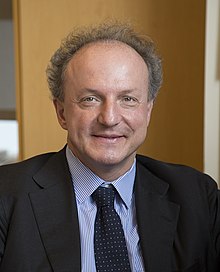 Pier Paolo Pandolfi合作论文数Institute of Cancer, Renown Health;Veneto Institute of Molecular Medicine3Sameer Phalke合作论文数3Bruno Amati合作论文数3Zahid Bonday合作论文数2Florence Gay合作论文数2
 Slim Mzoughi合作论文数ASTAR, IMCB, Div Canc Genet & Therapeut, Singapore 138673, Singapore2Valentina Migliori合作论文数2
 Jayantha Gunaratne合作论文数2
 Tan Soo Yong合作论文数Pathology National University Cancer Institute Singapore2
 Jlenia Guarnerio合作论文数Beth Israel Deaconess Canc Ctr, Harvard Univ2
 Arianna Sabo合作论文数2
 Wei Xia Ang合作论文数Cytiva2Sahu Sanjeeb合作论文数Institute of Molecular Biology, D-55218 Mainz, Germany.2
 Manikandan Lakshmanan合作论文数Institute of Molecular and Cell Biology, Agency for Science, Technology and Research;IMCB - Indivumed Joint Lab2
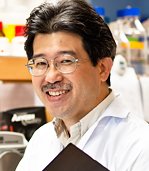 Motomi Osato合作论文数Institute for Virus Research, Kyoto University2Keng Boon Wee合作论文数NUS Graduate School for Integrative Sciences and Engineering, National University of Singapore2
 Vladimir A. Kuznetsov合作论文数Department of Urology, SUNY Upstate Medical University2Stella V Paffenholz合作论文数1Karen Willekens合作论文数1Hannah L F Swa合作论文数1walter p blackstock合作论文数1
 R.C. Koumar合作论文数1Jill M Tham合作论文数1patrick lee合作论文数1Ee Tsin Wong合作论文数1Tomoki Ishikawa合作论文数1Nina Seitzer合作论文数1Sheena L M Ong合作论文数1Matteo M Naldini合作论文数1C Bassi合作论文数1Jesse Katon合作论文数1Gerald Grandl合作论文数Inst Diabet & Obes, Helmholtz Zentrum Munchen1
 Hualong Yan合作论文数Center for Cancer Research, National Cancer Institute1Heike Wollmann合作论文数ASTAR, Inst Mol & Cell Biol IMCB, Singapore, Singapore1Qiling Zhou合作论文数1Qiao Rui Xing合作论文数Inst Mol & Cell Biol, Singapore, Singapore1
 Ming Chen合作论文数Department of Pathology, Duke University School of Medicine1
 Lim Soon Thye合作论文数Division of Medical Oncology, National Cancer Centre Singapore;SingHealth Duke-NUS Blood Cancer Centre;SingHealth1
 Norris Ray Dunn合作论文数School of Biological Sciences, College of Science, Nanyang Technological University1
 Judy Sng Chia Ghee合作论文数Yong Loo Lin School of Medicine, National University of Singapore1
 Puay Hoon Tan合作论文数Academic Medicine, Duke-NUS Medical School1




