Extractive and catalytic oxidative desulfurization (ECODS) has emerged as an attractive alternative to hydrodesulfurization for producing ultra-low-sulfur fuels under mild conditions. Although methyltrioxorhenium (MTO)/H2O2 systems effectively facilitate sulfur removal from aromatic sulfur compounds, the detailed reaction mechanism for S-removal remains largely inferred just from product analysis. Here, we synthesized a charge-tagged thiophene derivative and used it as a mechanistic probe to study the MTO-catalyzed oxidation of thiophene by hydrogen peroxide. Real-time monitoring with electrospray ionization high-resolution mass spectrometry (ESI-HRMS) enabled us to directly intercept and characterize key intermediates formed during the reaction. Sulfoxide and sulfone derivatives, as well as homo- and heterodimeric cycloadducts produced through Diels-Alder reactions, were detected and structurally characterized using accurate-mass measurements and tandem mass spectrometry. Time-resolved analysis showed rapid conversion of oxidized thiophene intermediates into cycloadducts, followed by sulfur extrusion via SO and SO2 eliminations, leading to desulfurized products. Based on the experimentally characterized intermediates, we propose a revised mechanism that extends the mechanism previously reported., now incorporating direct evidence for transient oxidation and cycloaddition species in ECODS systems. These findings deepen our understanding of oxidative desulfurization processes and could support the development of more efficient technologies and catalysts to produce cleaner fuels.
Here we introduce the Electrospray Laser Venturi Ionization Sampling (ELVIS) probe, a handheld ambient sampling device that combines desorption performed by a simple laser pointer with Venturi-assisted plume transport for remote mass spectrometric analysis. The ELVIS probe is portable, inexpensive, easy to operate and to point to a target area and exhibits no detectable carryovers. The probe can also be readily coupled to most atmospheric-pressure ionization sources, as demonstrated herein for electrospray ionization (ESI). The ELVIS probe employs Venturi pumping to provide efficient and controllable aspiration of the laser-generated plume. This mechanism transports analyte vapors directly to the ion source, substantially reducing signal dispersion that commonly occurs during open-air sampling or when carrier gases are used. Desorption is achieved using a compact, low-cost, yet highly effective 0.5 W laser pointer, enabling the sampling of a wide range of analytes from diverse matrices. Notably, the ELVIS probe is particularly advantageous for sampling target analytes deeply embedded within complex matrices, where spray-based or liquid-extraction ambient MS techniques often fail. For proper ionization, the probe was coupled to a commercial ESI source and successfully applied to the detection of illicit drugs, plasticizers in PVC, caffeine directly from a coffee bean, and pesticide residues on the wings of a deceased honeybee. The advantageous coupling of the ELVIS probe with Venturi-assisted easy ambient sonic-spray ionization is also discussed.
We report the first intrinsic reactivity measurements of four cyclic N,N-diacyliminium ions in Mannich-type reactions. Using MSn experiments (n = 1, 2) performed in the unique, convenient, and gaseous environment of a pentaquadrupole mass spectrometer, we reacted four gaseous five- or six-membered cyclic N,N-diacyliminium ions with allyltrimethylsilane and have established a complete reactivity order, demonstrating that N,N-diacyliminium ions surpass their N-monoacyl counterparts in reactivity. The study also enabled the isolation and characterization of key Mannich intermediates, confirming their bound nature and validating long-standing mechanistic proposals. Calculations have also indicated that the Mannich intermediates for the N,N-diacyliminium ions undergo prompt cyclization, and that therefore the reactions of these N,N-diacyliminium ions with an exocyclic N-acyl group with allyltrimethylsilane form polar [4+ + 2] cycloadducts. These findings provide a fundamental, solvent-free framework for understanding the electrophilic behavior of these key organic ions, completing the reactivity scale for cyclic nonacyl, N-mono-, and N,N-diacyliminium ions.
Metabolomics using mass spectrometry-only (MS) analysis either by continuous or intermittent direct infusion (DIMS) and ambient ionization techniques (AMS) has grown in popularity due to their rapid, high-throughput nature and the advantage of performing fast analysis with minimal or no sample pretreatments. But currently, end-users without programming knowledge do not find applications with Graphical User Interface (GUI) specialized in processing DIMS or AMS data. Specifically, there is a lack of standardized workflow for processing data from limited sample sizes and scans from different total ion chronograms (TIC).To address this gap, we present rIDIMS, a browser-based application that offers a straightforward and fast workflow focusing on high-quality scan selection, grouping of isotopologues and adducts, data alignment, binning, and filtering. We also introduce a novel function for selecting TIC scans that is reproducible and statistically reliable, which is a feature particularly useful for studies with limited sample sizes. After processing in rIDIMS, the result is exported in an HTML report document that presents publication-quality figures, statistical data and tables, ready to be customized and exported. We demonstrate rIDIMS functionality in three cases: (i) Classification of coffee bean species through the chemical profile obtained with Mass Spec Pen; (ii) Public repository DIMS data from lipid profiling in monogenic insulin resistance syndromes, and (iii) Lipids for lung cancer classification. We show that our implementation facilitates the processing of AMS and DIMS data through an easy and intuitive interface, contributing to reproducible and reliable metabolomic investigations. Indeed, rIDIMS function asa user-friendly GUI based Shiny web application for intuitive use by end-users (available at https://github.com/BioinovarLab/rIDIMS).
Acidic crude oils are becoming more prominent in global markets due to technological advances that enable the exploitation of unconventional reserves. Understanding their chemical nature is essential for refining strategies, especially as acidity poses processing challenges. Unsupervised pattern recognition offers a way to uncover meaningful relationships between molecular composition and macroscopic acidity, reducing the manual interpretation effort. This study proposes an unsupervised learning framework to reveal such patterns efficiently. Crude oil samples from the Sergipe-Alagoas Basin (northeast Brazil) were analyzed using negative electrospray ionization Fourier transform ion cyclotron resonance mass spectrometry (ESI(-)-FT-ICR MS), focusing on polar compounds. Bulk acidity was assessed through total acid number (TAN), naphthenic acidity index (NAI), and percentage of naphthenic acids (%NA). K-means clustering applied to these parameters identified four acidity-level groups. Clusters I and II contained low-TAN oils (<1 mg KOH g(-1)), differing in %NA, while Clusters III and IV grouped high-TAN oils (>1 mg KOH g(-1)), also separated by %NA. Multidimensional scaling (MDS) was applied to the autoscaled abundance of globally shared molecular formulas from the O-1-O-4 oxygen classes. While individual classes had limited discriminatory power, combined O-1-O-3 formulas enabled clear differentiation among acidity levels. This framework demonstrates that the data-driven analysis of high-resolution mass spectrometry data can be automated to enhance the molecular understanding of acidic oils, providing valuable insights for refining decisions and linking molecular fingerprints to macroscopic acidity behavior.
Understanding the molecular composition of crude oils in terms of the polar compounds present is critical for obtaining geochemical information and elucidating physical-chemical properties. This study contributed to understanding the geochemical characteristics of the Sergipe-Alagoas basin, Brazil, by analysis of ultra-high resolution Fourier transform ion cyclotron resonance mass spectrometry with electrospray ionization (ESI FT-ICR MS) data, acquired in ESI(-) and ESI(+) modes, for fourteen representative crude oils. The oils were categorized using a multiplex network (MN) method, employing composite score and Manhattan distance metrics, applied to the fused ESI(+/-) FT-ICR MS dataset. Data processing using the MN approach revealed novel patterns in the detected ions, when compared to conventional data assessments. The mid-level data fusion approach was optimized and the InfoMap clustering algorithm showed five distinct clusters, considering the asphaltenes + resins and polar-MeOH fractions. The MN clusters were also interpreted concerning the geochemical approach using terpane and sterane biomarkers ratios to reveal patterns based on their source organic matter and thermal maturity is well established. Expanding on this, two new ratios were explored, based on N-2/N and NS/N species from analysis in ESI(+). These ratios showed significant correlations (p < 0.05) with the classical diagnostic ratios. The findings indicated that MN data processing is more effective in geochemically differentiating oils from the same basin and considered similar when compared with basic hierarchical clustering analysis (HCA), highlighting the potential of the developed data processing method.
An innovative mixed matrix membrane (MMM) has been built by interfacial polymerizing of polyethersulfone membrane by modification with silica/carbon dots and a silica/carbon dots/ZrO2 hybrid nanoarchitecture based on glucose sugar and trimesoyl chloride on an alkali solution. The silica-based hybrid nanoarchitectures have been obtained by a combination of carbon dots nanomaterials, zirconium oxide (ZrO2), and silica (SiO2) employing the sol-gel method using fluoride ions (F-) as catalysts. These MMM hybrid nanoarchitectures were characterized by scanning electron (SEM), high-resolution transmission electronic (HR-TEM) microscopies, X-ray diffraction (XRD), and infrared and ultraviolet-visible spectroscopy techniques. The produced nanofilters have retained different dangerous analytes, such as dyes (methylene blue and methyl orange) and endocrine disruptors (bisphenol A) found in potable water. The retention rate was measured by UV-vis spectroscopy, which showed retention capacity for methylene blue at 94% and bisphenol A at 80% in real samples. In the deionized water, the bare PES support presented a flow rate of 41.7 L.h-1, SiO2/HF/Cdot/PES of 36.9, and SiO2/HF/Cdot/ZrO2/PES of 40.7 L.h-1. Therefore, these nanofilters have a high potential to retain dyes and endocrine disruptors, effectively avoiding environmental contamination.
The simultaneous determination of pesticides remains a significant challenge for current electrochemical sensors. This work presents the synthesis, characterization, and application of an innovative functional Buckyball nanoarchitectures composed of carbon nanotubes and fullerene-like nanoparticles of doped carbon dots decorated with Ni metallic, NiO, and NiOOH nanoparticles. The chronoamperometry technique was used to obtain fullerene-like nanoparticles of F, S-doped carbon dots from PFAS (Perfluoro-1-butane-sulfonyl fluoride). The buckyball nanoarchitectures have been based on the direct mixture of functionalized MWCNTs, F, S-doped carbon dots solution, and nickel acetate aqueous solution. The F, S-doped carbon dots, Nickel nanoparticles, and Carbon allotropes/Nickel nanoarchitectures were characterized using Matrix-Assisted Laser Desorption/Ionization (MALDI), High-resolution transmission electron microscopy (HRTEM), Raman spectroscopy, X-ray photoelectron spectroscopy (XPS), and electrochemical techniques. A sensitive electrochemical sensor has been prepared by modifying a printed gold electrode with Carbon allotropes/Nickel nanoarchitectures and used to simultaneously determine imidacloprid, fenitrothion, and glyphosate in a buffer solution at pH 6.5. The sensor exhibited excellent electrocatalytic activity in the simultaneous determination of fenitrothion, glyphosate, and imidacloprid pesticides with detection limits at 19.6, 5.14, and 37.9 pM, respectively, demonstrating its high sensitivity and selectivity. The sensor was also used to determine the presence of imidacloprid, fenitrothion, and glyphosate pesticides in tap water and orange juice, yielding an excellent recovery rate.
Alicyclobacillus spp. is the cause of great concern for the food industry due to their spores' resistance (thermal and chemical) and the spoilage potential of some species. Despite this, not all Alicyclobacillus strains can spoil fruit juices. Thus, this study aimed to identify Alicyclobacillus spp. strains isolated from fruit-based products produced in Argentina, Brazil, and Italy by DNA sequencing. All Alicyclobacillus isolates were tested for guaiacol production by the peroxidase method. Positive strains for guaiacol production were individually inoculated at concentration of 103 CFU/mL in 10 mL of orange (pH 3.90) and apple (pH 3.50) juices adjusted to 11 degrees Brix, following incubation at 45 degrees C for at least 5 days to induce the production of the following spoilage compounds: Guaiacol, 2,6dichlorophenol (2,6-DCP) and 2,6-dibromophenol (2,6-DBP). The techniques of micro-solid phase extraction by headspace (HS-SPME) and gas-chromatography with mass spectrometry (GC-MS) were used to identify and quantify the spoilage compounds. All GC-MS data was analyzed by principal component analysis (PCA). The effects of different thermal shock conditions on the recovery of Alicyclobacillus spores inoculated in orange and apple juice (11 degrees Brix) were also tested. A total of 484 strains were isolated from 48 brands, and the species A. acidocaldarius and A. acidoterrestris were the most found among all samples analyzed. In some samples from Argentina, the species A. vulcanalis and A. mali were also identified. The incidence of these two main species of Alicyclobacillus in this study was mainly in products from pear (n = 108; 22.3 %), peach (n = 99; 20.5 %), apple (n = 86; 17.8 %), and tomato (n = 63; 13 %). The results indicated that from the total isolates from Argentina (n = 414), Brazil (n = 54) and Italy (n = 16) were able to produce guaiacol: 107 (25.8 %), 33 (61.1 %) and 13 (81.2 %) isolates from each country, respectively. The PCA score plot indicated that the Argentina and Brazil isolates correlate with higher production of guaiacol and 2,6-DCP/2,6-DBP, respectively. Heatmaps of cell survival after heat shock demonstrated that strains with different levels of guaiacol production present different resistances according to spoilage ability. None of the Alicyclobacillus isolates survived heat shocks at 120 degrees C for 3 min. This work provides insights into the incidence, spoilage potential, and thermal shock resistance of Alicyclobacillus strains isolated from fruit-based products.
Optimization of a LC-V-EASI-MS system. Employment of LC-V-EASI-MS and online SPE to enhance analytical performance for caffeine determination reaching 90 s per sample.
Objectives: Pro-B Acute Lymphoblastic Leukemia (Pro-B ALL) is the most prevalent form of acute leukemia diagnosed in children and represents the most common malignancy of childhood. Despite the advances in the treatment of ALL, many children with ALL suffer from serious side effects of the treatment and even die due to relapse. Therefore, it is necessary to develop more effective but less toxic drugs for the treatment of ALL. Methods: In the present study we evaluated the antitumor effects of Phosphoethanolamine (Phos), alone and in combination with the chemotherapeutic agent Vincristine (VCR) in an in vivo murine model injected with Pro-B Acute Lymphoblastic Leukemia (Pro-B ALL) and then investigate its effect on the efficacy of chemotherapeutic agent Vincristine (VCR) in combination therapy. Results: Herein, we showed that although phos is able to increase the percentage of apoptotic leukemic clones sequestered by the spleen, but the ability of phos alone to reduce the percentage of leukemic clones in vivo in peripheral blood of RS4;11 engrafted mice was not observed. Phos showed a synergistic effect on VCR treatment and increased the percentage reduction of leukemic cells compared to treatment with VCR alone. Also, this combined treatment showed VCR 0.1 mg.Kg-1 is able to be as effective as VRC 0.5 mg.Kg-1 treatment in terms of percentage of leukemic cells in peripheral blood. Conclusion: Phos showed that it can improve the efficiency of VCR and thus reduce the necessary dose for antitumor effect. This suggests its use as an adjuvant agent that may reduce the toxicity associated with cancer treatment.
Background: Central nervous system (CNS) tumors are the second most frequent type of neoplasm in childhood and adolescence, after leukemia. Despite the incorporation of molecular classification and improvement of protocols combining chemotherapy, surgery, and radiotherapy, CNS tumors are still the most lethal neoplasm in this age group. Mass spectrometry imaging (MSI) is a powerful tool to map the distribution of molecular species in tissue sections. Among MSI techniques, desorption electrospray ionization (DESI-MSI) has been demonstrated to enable reliable agreement with the pathological evaluation of different adult cancer types, along with an acceptable time scale for intraoperative use. Methods: In the present work, we aimed to investigate the chemical profile obtained by DESI-MSI as an intraoperative surgical management tool by profiling 162 pediatric brain biopsies and reporting the results according to the histopathology and molecular profile of the tumors. Results: The 2D chemical images obtained by DESI-MSI allowed us to distinguish tumor-transformed tissue from non-tumor tissue with an accuracy of 96.8% in the training set and 94.3% in the validation set after statistical modeling of our data using Lasso. In addition, high-grade and low-grade tumors also displayed a distinct chemical profile when analyzed by DESI-MSI. We also provided evidence that the chemical profile of brain tumors obtained by DESI-MSI correlates with methylation-based molecular classes and specific immunophenotypes found in brain biopsies. Conclusions: The results presented herein support the incorporation of DESI-MSI analysis as an intraoperative assistive tool in prospective clinical trials for pediatric brain tumors management in the near future.
Propolis is a resinous bee product with a very complex composition, which is dependent upon the plant sources that bees visit. Due to the promising antimicrobial activities of red Brazilian propolis, it is paramount to identify the compounds responsible for it, which, in most of the cases, are not commercially available. The aim of this study was to develop a quick and clean preparative-scale methodology for preparing fractions of red propolis directly from a complex crude ethanol extract by combining the extractive capacity of counter-current chromatography (CCC) with preparative HPLC. The CCC method development included step gradient elution for the removal of waxes (which can bind to and block HPLC columns), sample injection in a single solvent to improve stationary phase stability, and a change in the mobile phase flow pattern, resulting in the loading of 2.5 g of the Brazilian red propolis crude extract on a 912.5 mL Midi CCC column. Three compounds were subsequently isolated from the concentrated fractions by preparative HPLC and identified by NMR and high-resolution MS: red pigment, retusapurpurin A; the isoflavan 3(R)-7-O-methylvestitol; and the prenylated benzophenone isomers xanthochymol/isoxanthochymol. These compounds are markers of red propolis that contribute to its therapeutic properties, and the amount isolated allows for further biological activities testing and for their use as chromatographic standards.
Phytophthora parasitica is an oomycete pathogen that infects a broad range of crops of worldwide economic interest; among them are citrus species. In general, some Citrus and the rootstocks of related genera offer considerable resistance against P. parasitica; therefore, understanding the mechanisms involved in the virulence of this pathogen is crucial. In this work, P. parasitica secondary metabolite production was studied using matrix-assisted laser desorption/ionization mass spectrometry imaging (MALDI-MSI) and ultrahigh-performance liquid chromatography coupled with electrospray ionization quadrupole time-of-flight tandem mass spectrometry (UHPLC/ESI-Q-TOF-MS) combined with chemometric tools, and its metabolic profile was evaluated under the influence of Citrus sunki (a highly susceptible host) and Poncirus trifoliata (a resistant genotype) extracts. The root extracts of Citrus sunki had an influence on the growth and hyphae morphology, and the root extracts of P. trifoliata had an influence on the zoospore behavior. In parallel, the spatial distribution of several metabolites was revealed in P. parasitica colonies using MALDI-MSI, and the metabolite ion of m/z 246 was identified as the protonated molecule of Arg-Ala. The MALDI-MSI showed variations in the surface metabolite profile of P. parasitica under the influence of the P. trifoliata extract. The P. parasitica metabolome analysis using UHPLC-ESI-Q-TOF-MS resulted in the detection of Arg-Gln (m/z 303.1775), as well as L-arginine (m/z 175.1191) and other unidentified metabolites. Significant variations in this metabolome were detected under the influence of the plant extracts when evaluated using UHPLC-ESI-Q-TOF-MS. Both techniques proved to be complementary, offering valuable insights at the molecular level when used to assess the impact of the plant extracts on microbial physiology in vitro. The metabolites identified in this study may play significant roles in the interaction or virulence of P. parasitica, but their functional characterization remains to be analyzed. Overall, these data confirm our initial hypotheses, demonstrating that P. parasitica has the capabilities of (i) recognizing host signals and altering its reproductive programing and (ii) distinguishing between hosts with varying responses in terms of reproduction and the production of secondary metabolites.
Contrary to the common but potentially misleading belief that when a protonated molecule is excited, it is its most stable protomer that will mandatorily dissociate, we demonstrate herein that, when rationalizing or predicting the chemistry of such ions, we should always search for the most labile protomer. This "most labile protomer" rule, based on the mobile proton model, states therefore that when a protonated molecule is heated, during ionization or by collisions for instance, the loosely bonded proton (H+ ) can acquire enough energy to detach itself from the most basic site of the molecule and then freely "walk through" the molecular framework to eventually find, if available, another protonation site, forming other less stable but more labile protomers, that is, protomers that may display lower dissociation thresholds. To demonstrate the validity of the "most labile protomer" rule as well as the misleading nature of the "most stable protomer" rule, we have selected several illustrative molecules and have collected their ESI(+)-MS/MS. To compare energies of precursors and products, we have also performed PM7 calculations and elaborated potential energy surface diagrams for their possible protomers and dissociation thresholds. We have also applied the "most labile protomer" rule to reinterpret-exclusively via classical charge-induced dissociation cleavages-several dissociation processes proposed for protonated molecules. In an accompanying letter, we have also applied a similar "most labile electromer" rule to ionized molecules.
 Liang Li合作论文数Faculty of Science, University of Alberta68
 Christina Ferreira合作论文数Bindley Bioscience Center, Purdue University61
 Fabio Cesar Gozzo合作论文数Institute of Chemistry, State University of Campinas60
 Kermit Murray合作论文数Department of Chemistry, Louisiana State University57
 Yasuhide Naito合作论文数56
 John Langley合作论文数School of Chemistry, Faculty of Engineering and Physical Sciences, University of Southampton56Robert K. Boyd合作论文数54
 Rodrigo Catharino合作论文数Institute of Chemistry, State University of Campinas52Rosana M. Alberici合作论文数46
 Alexandra C.H.F. Sawaya合作论文数Institute of Biology, State University of Campinas (UNICAMP),42
 Eduardo Cesar Meurer合作论文数41
 Jandyson Machado Santos合作论文数Petroleum, Energy and Mass Spectrometry Research Group (PEM),, Federal Rural University of Pernambuco (UFRPE),37
 Vanessa G. Santos合作论文数37
 Leonardo Silva Santos合作论文数Instituto de Química de Recursos Naturales, Universidad de Talca;Laboratory of Asymmetric Synthesis, Universidad de Talca37
 Bataglion Giovana A合作论文数Institute of Chemistry, University of Campinas-UNICAMP36
 Rodinei Augusti合作论文数Instituto de Química, Universidade Estadual de Campinas36
 Boniek G. Vaz合作论文数35Renato Haddad合作论文数35Regina Sparrapan合作论文数32
 Graham Cooks合作论文数Department of Chemistry, College of Science, Purdue University32Belaz Kátia Roberta A合作论文数31
 Damila Rodrigues de Morais合作论文数31
 Rosineide C Simas合作论文数29Daroda Romeu J合作论文数28
 Yuri E. Corilo合作论文数Institute of Chemistry, University of Campinas - UNICAMP27Eduardo Morgado Schmidt合作论文数26
 Elaine Cristina Cabral合作论文数25Brenno A. Dasilveira Neto合作论文数25
 Elaine C. Cabral合作论文数Instituto de Química, UNICAMP25
 P.H. Vendramini合作论文数24
 Alessandra Tata合作论文数24Daniela M. Tomazela合作论文数24
 Célio Fernando Figueiredo Angolini合作论文数Centro de Ciências Naturais e Humanas, Federal University of ABC24Priscila M Lalli合作论文数23
 Jerusa Simone Garcia合作论文数23
 Marcos A Pudenzi合作论文数Universidade Estadual de Campinas21
 Nicolas Schwab合作论文数21
 Porcari Andreia M合作论文数20Gilberto F. De Sá合作论文数20LAB Moraes合作论文数19
 Renan Galaverna合作论文数Institute of Chemistry, University of Campinas – UNICAMP19
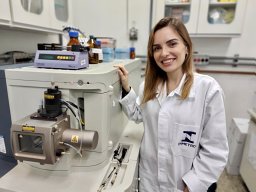 Maira Fasciotti合作论文数Institute of Chemistry, University of Campinas19
 Fernando Coelho合作论文数Lab Synth Nat Prod & Drugs, Univ Estadual Campinas19
 Glaucia Maria Pastore合作论文数Department of Food Science and Nutrition, Faculty of Food Engineering, University of Campinas, UNICAMP19
 E.G. Lo Turco合作论文数Sao Paulo Federal Univ.19Gustavo H. M. F. Souza合作论文数18
 Patricia Abdelnur合作论文数Institute of Chemistry, State University of Campinas17
 Fernanda Negrao合作论文数16




