Background: Frailty in older adults is linked to adverse cardiovascular outcomes, but its relationship with echocardiographic markers of diastolic function remains unclear. We examined associations between frailty measures and indices of diastolic function in community-dwelling older adults. Methods: This cross-sectional study included 537 adults aged ≥65 years from a multidisciplinary outpatient clinic. Frailty was assessed using the Fried phenotype, Clinical Frailty Scale (CFS), gait speed, and handgrip strength. Associations with diastolic indices were analyzed using multivariable regression with sequential adjustment. Sensitivity analysis was performed via matching. Results: According to the Fried phenotype, 30.8% of participants were robust, 59.7% pre-frail, and 9.5% frail. Indexed left atrial dimension (LAi) was consistently higher in frail individuals. Frailty was also associated with higher odds of elevated right ventricular systolic pressure (>35 mmHg) in unadjusted analyses. Using the CFS, individuals with a score higher than 3 had significantly higher NT-proBNP levels compared to those with a score of 1-2. Higher gait speed and handgrip strength were associated with more favorable cardiac structure, including smaller left heart chamber sizes, and lower natriuretic peptide levels. Conclusions: Frailty was independently associated with structural and functional markers of diastolic dysfunction in older adults, particularly left atrial enlargement (as captured in Fried) and NT-proBNP elevation (as captured in CFS), supporting the integration of frailty assessment into cardiovascular risk evaluation.
Obesity in elderly individuals is associated with increased levels of inflammatory biomarkers, indicating a state of chronic low-grade inflammation, which has been recently termed as inflammaging and adipaging. Several studies have demonstrated this relationship: Overweight and obese middle-aged and elderly individuals show elevated levels of inflammatory markers like CXCL-16, IL-6, and adipokines compared to normal-weight counterparts. These markers positively correlate with anthropometric parameters indicating increased cardiovascular risk. C-reactive protein (CRP) and fibrinogen levels increase progressively with higher obesity classes in the general population, including the elderly . For instance, CRP levels nearly double with each increase in weight class compared to normal weight individuals. Additionally, the presence of obesity-related comorbidities like hypertension or diabetes further elevates these inflammatory markers. In conclusion, obesity in the elderly is characterized by elevated levels of various inflammatory biomarkers, reflecting a state of chronic low-grade inflammation. This inflammatory state may contribute to the development of obesity-related comorbidities. The clarification of the complementary or independent role of these biomarkers in aging and obesity could lead to targeted therapeutic interventions in this vulnerable population group.
Obesity in elderly individuals is associated with increased levels of inflammatory biomarkers, indicating a state of chronic low-grade inflammation, which has been recently termed as adipaging. Several studies have demonstrated this relationship: overweight and obese middle-aged and elderly individuals show elevated levels of inflammatory markers like CXCL-16, IL-6, and adipokines compared to normal weight counterparts. These markers positively correlate with anthropometric parameters indicating increased cardiovascular risk. C-reactive protein (CRP) and fibrinogen levels increase progressively with higher obesity classes in the general population, including the elderly. For instance, CRP levels nearly double with each increase in weight class compared to normal weight individuals. Additionally, the presence of obesity-related comorbidities like hypertension or diabetes further elevates these inflammatory markers. In conclusion, obesity in the elderly is characterized by elevated levels of various inflammatory biomarkers, reflecting a state of chronic low-grade inflammation. This inflammatory state may contribute to the development of obesity-related comorbidities. The clarification of the complementary or independent role of these biomarkers in aging and obesity could lead to targeted therapeutic interventions in this vulnerable population group.
Leptin plays a dual role in heart failure (HF), acting as either a primary driver or a secondary phenomenon depending on the HF subtype. In HF with preserved ejection fraction (HFpEF), chronic hyperleptinemia is a primary mediator of disease initiation and progression, closely linked to obesity and metabolic dysfunction. Elevated leptin levels promote systemic inflammation, sympathetic nervous system activation, arterial stiffness, myocardial hypertrophy, fibrosis, and sodium retention, culminating in diastolic dysfunction and elevated ventricular filling pressures. Conversely, in HF with reduced ejection fraction (HFrEF), elevated leptin levels arise as a secondary response to myocardial dysfunction, systemic inflammation, and tissue hypoperfusion. Here, leptin exacerbates cardiac dysfunction by amplifying neurohormonal activation, inflammation, and cardiac remodeling. Understanding these distinct roles has potential therapeutic implications. In HFpEF, interventions such as weight loss, glucagon-like peptide-1 receptor agonists, sodium-glucose cotransporter-2 inhibitors, and mineralocorticoid receptor antagonists can improve symptoms and prognosis, partly by mitigating chronic hyperleptinemia. Furthermore, leptin-specific therapies should be investigated in clinical trials as potential approach in managing cardiometabolic HFpEF. In HFrEF, management focuses on guideline-directed therapies targeting neurohormonal activation—the key mechanism driving disease progression. However, future research should explore whether modulating leptin signaling could provide additional benefits translated in hard clinical endpoints. By framing leptin as the initiator (“chicken”) in HFpEF and a consequence (“egg”) in HFrEF, this manuscript highlights the need for individualized, integrated treatment strategies. Addressing both metabolic and cardiovascular components could potentially further improve patient outcomes and quality of life.
Cardiovascular–Renal–Hepatic–Metabolic diseases are on the rise worldwide, creating major challenges for patient care and clinical research. Although these conditions share common mechanisms and often respond to similar treatments—such as lifestyle changes and newer cardiometabolic drugs (e.g., SGLT2 inhibitors, GLP-1 receptor agonists)—clinical management remains divided among multiple specialties. Recently proposed curricula in Cardiometabolic Medicine and Preventive Cardiology reflect an effort to address this fragmentation. In addition, recent studies reveal that hormonal deficiencies may increase cardiovascular risk and worsen heart failure, with emerging data showing that correcting these imbalances can improve exercise capacity and possibly reduce major cardiac events. To overcome gaps in care, we propose a new sub-specialty: Cardiovascular–Endocrine–Metabolic Medicine. This approach unifies three main pillars: (1) Lifestyle medicine, emphasizing nutrition, physical activity, and smoking cessation; (2) the Integrated Medical Management of obesity, diabetes, hypertension, dyslipidemia, heart failure with preserved ejection fraction, early-stage kidney disease, metabolic-associated liver disease, and related conditions; and (3) hormonal therapies, focused on optimizing sex hormones and other endocrine pathways to benefit cardiometabolic health. By bridging cardiology, endocrinology, and metabolic medicine, this sub-specialty offers a more seamless framework for patient care, speeds up the adoption of new treatments, and sets the stage for innovative research—all critical steps in addressing the escalating cardiometabolic pandemic.
The aging population presents a growing challenge to healthcare systems, necessitating urgent adaptations to meet the complex needs of older adults. Existing healthcare models often lack integration and fail to provide patient-centered care, leading to fragmented services, suboptimal outcomes, increased hospitalizations, and escalating healthcare costs. This narrative review aims to systematically identify and categorize the key barriers to effective healthcare implementation for the elderly, evaluate current healthcare models and their limitations, and explore evidence-based strategies to improve care delivery. A comprehensive literature search was conducted in PubMed, MEDLINE, Scopus, and Web of Science for studies published from 2000 to October 2024. The identified barriers span multiple domains, including patient-related challenges such as low health literacy and socioeconomic disparities, disease-specific factors like frailty and multimorbidity, provider-related constraints such as inadequate geriatric training, and system-wide deficiencies in primary care infrastructure and policy support. To address these challenges, this review explores emerging solutions, including risk stratification tools, integrated healthcare models, digital health innovations, and artificial intelligence-driven interventions. By providing a structured analysis of barriers and solutions, this review aims to inform policy and healthcare practices that enhance elderly care, reduce hospital readmissions, and optimize resource utilization in aging populations.
Obesity has emerged as a global epidemic, creating an increased burden of weight-related diseases and straining healthcare systems worldwide. While the fundamental principle of energy balance—caloric intake versus expenditure—remains central to weight regulation, real-world outcomes often deviate from simplistic predictions due to a multitude of physiological and environmental factors. Genetic predispositions, variations in basal metabolic rates, adaptive thermogenesis, physical activity, and nutrient losses via fecal and urinary excretion contribute to interindividual differences in energy homeostasis. Additionally, factors such as meal timing, macronutrient composition, gut microbiota dynamics, and diet-induced thermogenesis (DIT) further modulate energy utilization and metabolic efficiency. This Perspective explores key physiological determinants of the energy balance, while also highlighting the clinical significance of thrifty versus spendthrifty metabolic phenotypes. Key strategies for individualized weight management include precision calorimetry, circadian-aligned meal timing, the use of protein- and whole food diets to enhance DIT, and increases in non-exercise activity, as well as mild cold exposure and the use of thermogenic agents (e.g., capsaicin-like compounds) to stimulate brown adipose tissue activity. A comprehensive, personalized approach to obesity management that moves beyond restrictive caloric models is essential to achieving sustainable weight control and improving long-term metabolic health. Integrating these multifactorial insights into clinical practice will enhance obesity treatment strategies, fostering more effective and enduring interventions.
CONTEXT:Guideline-directed medical therapy of heart failure (HF) primarily targets neurohormonal activation. However, GH has emerged as a potential treatment for the multiple hormonal deficiency syndrome, which is associated with worse outcomes in HF. OBJECTIVE:This study evaluates the efficacy and safety of GH therapy in HF. DATA SOURCES:A systematic search was conducted in PubMed, Cochrane Library, and ClinicalTrials.gov, according to PRISMA guidelines. STUDY SELECTION:Randomized, placebo-controlled trials studying GH therapy in adult HF patients were included. Of the 1184 initially identified records, 17 studies (1.4%) met the inclusion criteria. DATA EXTRACTION:Two independent authors conducted the search, with any disagreements resolved by a third author. Study quality was assessed using predefined criteria, including randomization, blinding, and the presence of a placebo group. DATA SYNTHESIS:A random-effects model was applied due to heterogeneity across studies. GH therapy significantly improved left ventricular ejection fraction (+3.34%; 95% CI, 1.09-5.59; P = .0037), peak oxygen consumption (+2.84 mL/kg/min; 95% CI, 1.32-4.36; P = .0002), and New York Heart Association class (-0.44; 95% CI, -0.08 to -0.81; P = .023). GH therapy also reduced the composite of death, worsening HF or ventricular tachycardia by 41% (RR = .59; 95% CI, 0.39-0.90; P = .013). Subgroup analyses indicated that patients with ischemic cardiomyopathy, baseline ejection fraction ≥30%, and longer treatment duration experienced greater benefits. CONCLUSION:GH therapy demonstrated improvements in cardiac function, exercise capacity, and HF symptoms, along with a statistically significant trend toward improvements in hard endpoints. Event-driven trials are needed to validate these findings.
This study examines the forecasting of all-cause hospitalizations in the Greek elderly population until 2032, using historical data from 2001 to 2019. We employed two forecasting models: Autoregressive Integrated Moving Average (ARIMA) and Prophet model. The ARIMA model demonstrated a conservative approach, generating stable forecasts with narrower confidence intervals, making it suitable for identifying gradual trends. In contrast, the Prophet model, with its flexibility in trend capture, produced forecasts with broader confidence intervals, capturing potential sharp increases but with greater uncertainty. Our findings underscore that forecasting accuracy varies across age groups, with the highest precision observed in the 80+ age cohort, reflecting the more predictable healthcare utilization patterns of older populations. These insights emphasize the value of a multi-model approach in healthcare planning, particularly for accurately predicting trends within aging populations and efficiently allocating healthcare resources.
Cardiometabolic diseases represent an escalating global health crisis, slowing or even reversing earlier declines in cardiovascular disease (CVD) mortality. Traditionally, conditions such as obesity, type 2 diabetes mellitus (T2DM), atherosclerotic CVD, heart failure (HF), chronic kidney disease (CKD), and metabolic dysfunction-associated steatotic liver disease (MASLD) were managed in isolation. However, emerging evidence reveals that these disorders share overlapping pathophysiological mechanisms and treatment strategies. In 2023, the American Heart Association proposed the Cardiovascular-Kidney-Metabolic (CKM) syndrome, recognizing the interconnected roles of the heart, kidneys, and metabolic system. Yet, this model omits the liver—a critical organ impacted by metabolic dysfunction. MASLD, which can progress to metabolic dysfunction-associated steatohepatitis (MASH), is closely tied to insulin resistance and obesity, contributing directly to cardiovascular and renal impairment. Notably, MASLD is bidirectionally associated with the development and progression of CKM syndrome. As a result, we introduce an expanded framework—the Cardiovascular-Renal-Hepatic-Metabolic (CRHM) syndrome—to more comprehensively capture the broader inter-organ dynamics. We provide guidance for an integrated diagnostic approach aimed at halting progression to advanced stages and preventing further organ damage. In addition, we highlight advances in medical management that target shared pathophysiological pathways, offering benefits across multiple organ systems. Viewing these conditions as an integrated whole, rather than as discrete entities, and incorporating the liver into this framework fosters a more holistic management strategy and offers a promising path to addressing the cardiometabolic pandemic.
Objectives: To identify clinical, functional, laboratory, and patient-reported parameters associated with medium-term risk of hospitalization or death among older adults attending a multidisciplinary outpatient clinic, and to assess the predictive performance of these measures for individual risk stratification. Methods: In this cohort study, 350 adults aged ≥65 years were assessed at baseline and followed for an average of 8 months. The primary outcome was a composite of hospitalization or all-cause mortality. Parameters assessed included frailty and comorbidity measures, functional parameters, such as gait speed and grip strength, laboratory biomarkers, and patient-reported measures, such as quality of life (QoL, assessed on a Likert scale) and the presence of depressive symptoms. Predictive performance was evaluated using univariable logistic regression and multivariable modeling. Discriminative ability was assessed via area under the ROC curve (AUC), and selected models were internally validated using repeated k-fold cross-validation. Results: Overall, 40 participants (11.4%) experienced hospitalization or death. Traditional clinical risk indicators, including frailty and comorbidity scores, were significantly associated with the outcome. Patient-reported QoL (AUC = 0.74) and Geriatric Depression Scale (GDS) scores (AUC = 0.67) demonstrated useful overall discriminatory ability, with high specificities at optimal cut-offs, suggesting they could act as “red flags” for adverse outcomes. However, the limited sensitivities of individual predictors underscore the need for more comprehensive screening instruments with improved ability to identify at-risk individuals earlier. A multivariable model that incorporated several predictors did not outperform QoL alone (AUC = 0.79), with cross-validation confirming comparable discriminative performance. Conclusions: Patient-reported measures—particularly quality of life and depressive symptoms—are valuable predictors of hospitalization or death and may enhance traditional frailty and comorbidity assessments in outpatient geriatric care. Future work should focus on developing or integrating screening tools with greater sensitivity to optimize early risk detection and guide preventive interventions.
Sarcopenia, an age-related decline in skeletal muscle mass, strength, and function, is increasingly recognized as a significant condition in the aging population, particularly among those with cardiovascular diseases (CVD). This review provides a comprehensive synthesis of the interplay between sarcopenia and cardiogeriatrics, emphasizing shared mechanisms such as chronic low-grade inflammation (inflammaging), hormonal dysregulation, oxidative stress, and physical inactivity. Despite advancements in diagnostic frameworks, such as the EWGSOP2 and AWGS definitions, variability in criteria and assessment methods continues to challenge standardization. Key diagnostic tools include dual-energy X-ray absorptiometry (DXA) and bioimpedance analysis (BIA) for muscle mass, alongside functional measures such as grip strength and gait speed. The review highlights the bidirectional relationship between sarcopenia and cardiovascular conditions such as heart failure, aortic stenosis, and atherosclerotic cardiovascular disease, which exacerbate each other through complex pathophysiological mechanisms. Emerging therapeutic strategies targeting the mTOR pathway, NAD+ metabolism, and senescence-related processes offer promise in mitigating sarcopenia’s progression. Additionally, integrated interventions combining resistance training, nutritional optimization, and novel anti-aging therapies hold significant potential for improving outcomes. This paper underscores critical gaps in the evidence, including the need for longitudinal studies to establish causality and the validation of advanced therapeutic approaches in clinical settings. Future research should leverage multi-omics technologies and machine learning to identify biomarkers and personalize interventions. Addressing these challenges is essential to reducing sarcopenia’s burden and enhancing the quality of life for elderly individuals with comorbid cardiovascular conditions. This synthesis aims to guide future research and promote effective, individualized management strategies.
OBJECTIVE:Nationwide epidemiological studies provide crucial insights into the burden of prevalent and emerging diseases, guiding the development of targeted health policies. This study analyzes trends in cardiovascular disease (CVD) hospitalizations and in-hospital mortality in Greece. METHODS:Anonymized data were retrieved from the Hellenic Statistical Authority to calculate hospitalization rates (HRs) per 100,000 population and in-hospital mortality for cardiovascular (CV) sub-causes from 2013 to 2017. The statistical significance of temporal trends was assessed using generalized linear models in Python. RESULTS:From 2013 to 2017, HRs increased by 9.2% for myocardial infarctions (MIs), 34.5% for heart failure (HF), 12.3% for stroke, 62.7% for cardiac arrest, and 36.6% for pulmonary embolism. In 2017, CVDs were the leading cause of hospitalization (14%) with a HR of 1942.4 per 100,000 population, with HF being the leading CV sub-cause of hospitalization (12%). HF together with stroke, atrial fibrillation/flutter (AF/Af), and coronary artery disease represented over 60% of all CV hospitalizations. While coronary artery disease was more prevalent in the male population, HF, strokes, and AF/Af were the primary CV sub-causes in the female population. HRs were higher in the male population for most CV sub-causes. Higher in-hospital mortality was found in the female population across all major CV sub-causes. CONCLUSION:This study demonstrated significant shifts in the burden of CV sub-causes in Greece, with increasing HRs for MIs and HF. These findings highlight the need for optimization of guideline implementation, and development of specialized CV units and cardiogeriatric centers to address the challenges posed by the aging population.
Metabolic disorders, including type 2 diabetes mellitus (T2DM), obesity, and metabolic syndrome, are systemic conditions that profoundly impact the skin microbiota, a dynamic community of bacteria, fungi, viruses, and mites essential for cutaneous health. Dysbiosis caused by metabolic dysfunction contributes to skin barrier disruption, immune dysregulation, and increased susceptibility to inflammatory skin diseases, including psoriasis, atopic dermatitis, and acne. For instance, hyperglycemia in T2DM leads to the formation of advanced glycation end products (AGEs), which bind to the receptor for AGEs (RAGE) on keratinocytes and immune cells, promoting oxidative stress and inflammation while facilitating Staphylococcus aureus colonization in atopic dermatitis. Similarly, obesity-induced dysregulation of sebaceous lipid composition increases saturated fatty acids, favoring pathogenic strains of Cutibacterium acnes, which produce inflammatory metabolites that exacerbate acne. Advances in metabolomics and microbiome sequencing have unveiled critical biomarkers, such as short-chain fatty acids and microbial signatures, predictive of therapeutic outcomes. For example, elevated butyrate levels in psoriasis have been associated with reduced Th17-mediated inflammation, while the presence of specific Lactobacillus strains has shown potential to modulate immune tolerance in atopic dermatitis. Furthermore, machine learning models are increasingly used to integrate multi-omics data, enabling personalized interventions. Emerging therapies, such as probiotics and postbiotics, aim to restore microbial diversity, while phage therapy selectively targets pathogenic bacteria like Staphylococcus aureus without disrupting beneficial flora. Clinical trials have demonstrated significant reductions in inflammatory lesions and improved quality-of-life metrics in patients receiving these microbiota-targeted treatments. This review synthesizes current evidence on the bidirectional interplay between metabolic disorders and skin microbiota, highlighting therapeutic implications and future directions. By addressing systemic metabolic dysfunction and microbiota-mediated pathways, precision strategies are paving the way for improved patient outcomes in dermatologic care.
There was an error in the original publication [...]
Cardiovascular diseases (CVD) are undoubtedly the leading cause of morbidity and mortality in the elderly. Population aging is a global phenomenon. In developed countries, by the year 2050 one in four people will be aged 65+ years. This ongoing growth of the aging population leads to an increasing burden of CVD. The management of CVD in geriatric patients requires specific considerations. Aging is associated with complex pathophysiology due to decreased organ reserve, which is clinically described as frailty. Additionally, the aging population is extremely heterogenous and frequently characterized by a combination of unique features, including atypical disease presentation, multimorbidity, polypharmacy, altered pharmacokinetics, cognitive impairment, renal impairment, dysautonomia, elevated risk of falls, sarcopenia, and frailty. Furthermore, significant gaps in evidence exist largely due to the limited representation of the very elderly, and especially frail patients, in randomized controlled trials. When combined with issues related to life expectancy, goals of care, bioethics, and patients' preferences, these factors pose intricate challenges for healthcare providers. This literature review summarizes selected clinical scenarios that often introduce dilemmas in the management of elderly patients in cardiology practice, emphasizing the intersection of geriatric medicine and cardiology. These include blood pressure management, management of dyslipidemia, anticoagulation in atrial fibrillation, medical and device treatment of heart failure, antiplatelet and interventional management of acute coronary syndromes, and peri-procedural considerations in severe aortic stenosis. The above will provide guidance for clinical practice, as well as implications for health policies and future research in the field of geriatric cardiology.
BACKGROUND New-onset postoperative atrial fibrillation (POAF) after coronary artery bypass surgery (CABG) occurs with an incidence of 20-40%. The clinical relevance of POAF remains a concern, and the need for further studies regarding the clinical management of POAF is necessary. AIM The AFRODITE study, a prospective multicenter cohort study, had as its primary endpoint the evaluation of AF recurrence in patients post CABG over a one-year period. METHODS Two hundred twenty-eight patients aged >50 years who underwent isolated CABG were included in the study. Patients were stratified into two groups, POAF and non-POAF, and followed for 12 months for AF recurrence, hospitalizations, and death. RESULTS Two hundred twenty-eight patients (mean age 67 years, 88.6% male) were included in the study. 28.5% of patients experienced at least one episode of POAF during index hospitalization (POAF group) and were compared with the non-POAF group (n = 163). Multivariate stepwise logistic regression analysis showed that the strongest prognostic parameter for POAF was the CHA2DS2-VASc score (odds ratio = 1.61, p < 0.001). POAF patients had a worse in-hospital outcome, but the incidence of long-term AF recurrence was not statistically different (3.6% vs. 4.8%, p = 0.9). CONCLUSION Interestingly, a one-year prospective follow-up of patients in the study did not reveal significant differences between POAF and non-POAF patients. A notable finding was that patients with a higher CHA(2)DS(2)-VASc score were more likely to develop POAF. (Hellenic Journal of Cardiology 2025;84:13-21) (c) 2024 Hellenic Society of Cardiology. Publishing services by Elsevier B.V. This is an open access article under the CC BY-NC-ND license (http:// creativecommons.org/licenses/by-nc-nd/4.0/).
Background/Objectives: Melanoma, an aggressive form of skin cancer, accounts for a significant proportion of skin-cancer-related deaths worldwide. Early and accurate differentiation between melanoma and benign melanocytic nevi is critical for improving survival rates but remains challenging because of diagnostic variability. Convolutional neural networks (CNNs) have shown promise in automating melanoma detection with accuracy comparable to expert dermatologists. This study evaluates and compares the performance of four CNN architectures—DenseNet121, ResNet50V2, NASNetMobile, and MobileNetV2—for the binary classification of dermoscopic images. Methods: A dataset of 8825 dermoscopic images from DermNet was standardized and divided into training (80%), validation (10%), and testing (10%) subsets. Image augmentation techniques were applied to enhance model generalizability. The CNN architectures were pre-trained on ImageNet and customized for binary classification. Models were trained using the Adam optimizer and evaluated based on accuracy, area under the receiver operating characteristic curve (AUC-ROC), inference time, and model size. The statistical significance of the differences was assessed using McNemar’s test. Results: DenseNet121 achieved the highest accuracy (92.30%) and an AUC of 0.951, while ResNet50V2 recorded the highest AUC (0.957). MobileNetV2 combined efficiency with competitive performance, achieving a 92.19% accuracy, the smallest model size (9.89 MB), and the fastest inference time (23.46 ms). NASNetMobile, despite its compact size, had a slower inference time (108.67 ms), and slightly lower accuracy (90.94%). Performance differences among the models were statistically significant (p < 0.0001). Conclusions: DenseNet121 demonstrated a superior diagnostic performance, while MobileNetV2 provided the most efficient solution for deployment in resource-constrained settings. The CNNs show substantial potential for improving melanoma detection in clinical and mobile applications.
Cardiovascular–Kidney–Metabolic syndrome, introduced by the American Heart Association in 2023, represents a complex and interconnected spectrum of diseases driven by shared pathophysiological mechanisms. However, this framework notably excludes the liver—an organ fundamental to metabolic regulation. Building on this concept, Cardiovascular–Renal–Hepatic–Metabolic (CRHM) syndrome incorporates the liver’s pivotal role in this interconnected disease spectrum, particularly through its involvement via metabolic dysfunction-associated steatotic liver disease (MASLD). Despite the increasing prevalence of CRHM syndrome, unified management strategies remain insufficiently explored. This review addresses the following critical question: How can novel anti-diabetic agents, including sodium–glucose cotransporter-2 inhibitors (SGLT2is), glucagon-like peptide-1 receptor agonists (GLP-1RAs), and dual gastric inhibitory polypeptide (GIP)/GLP-1RA, offer an integrated approach to managing CRHM syndrome beyond the boundaries of traditional specialties? By synthesizing evidence from landmark clinical trials, we highlight the paradigm-shifting potential of these therapies. SGLT2is, such as dapagliflozin and empagliflozin, have emerged as cornerstone guideline-directed treatments for heart failure (HF) and chronic kidney disease (CKD), providing benefits that extend beyond glycemic control and are independent of diabetes status. GLP-1RAs, e.g., semaglutide, have transformed obesity management by enabling weight reductions exceeding 15% and improving outcomes in atherosclerotic cardiovascular disease (ASCVD), diabetic CKD, HF, and MASLD. Additionally, tirzepatide, a dual GIP/GLP-1RA, enables unprecedented weight loss (>20%), reduces diabetes risk by over 90%, and improves outcomes in HF with preserved ejection fraction (HFpEF), MASLD, and obstructive sleep apnea. By moving beyond the traditional organ-specific approach, we propose a unified framework that integrates these agents into holistic management strategies for CRHM syndrome. This paradigm shift moves away from fragmented, organ-centric management toward a more unified approach, fostering collaboration across specialties and marking progress in precision cardiometabolic medicine.
 John Parissis合作论文数Second Department of Cardiology, Attikon University Hospital;Emergency Department, Attikon University Hospital;National and Kapodistrian University of Athens39
 Gerasimos Filippatos合作论文数National and Kapodistrian University of Athens25
 Nikolaos Theodorakis合作论文数22Ioannis Paraskevaidis合作论文数Second Department of Cardiology and Heart Failure Clinic, Attikon University Hospital22
 Dimitrios Th. Kremastinos合作论文数National and Kapodistrian University of Athens21
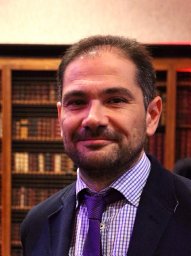 Dimitrios Farmakis合作论文数Medical School, University of Cyprus19
 Vasiliki Bistola合作论文数Laboratory of Surgical Research, Athens University Medical School18
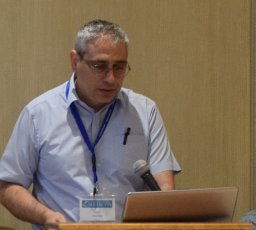 Georgios Feretzakis合作论文数Sch Sci & Technol, Hellen Open Univ14Christos Hitas合作论文数13
 Ignatios Ikonomidis合作论文数12Alexandre Mebazaa合作论文数12John Lekakis合作论文数12Magdalini Kreouzi合作论文数11
 Vassilios S. Verykios合作论文数School of Sciences and Technology, Hellenic Open University11Sofia Kalantzi合作论文数8Zoi Kollia合作论文数7
 Ioanna Andreadou合作论文数School of Pharmacy, University of Athens7Aikaterini Spyridaki合作论文数6Karavidas Apostolos合作论文数5Katsimbri Pelagia合作论文数Attikon Hospital, University of Athens;and Department of Pharmaceutical Chemistry, University of Athens School of Pharmacy5Ferenc Follath合作论文数5Mehmet Birhan Yilmaz合作论文数4Aikaterini Sakagianni合作论文数4
 Evgenia Paxinou合作论文数Sch Sci & Technol, Hellen Open Univ4
 Christina Chrysohoou合作论文数Hippocratio Hospital4Stamatis Adamopoulos合作论文数4Dimitrios Pectasides合作论文数Second Department of Internal Medicine, Oncology Section, University of Athens, Attikon University Hospital,4
 Josep Masip合作论文数4Katerina Fountoulaki合作论文数4
 Dimitris Kalles合作论文数Hellenic Open University4
 Fabio Vilas-Boas合作论文数4Maria Anastasiou-Nana合作论文数‘Alexandra’ Hospital, National and Kapodestrian University of Athens4
 Veli-Pekka Harjola合作论文数University of Helsinki;Division of Emergency Medicine, Department of Emergency and Services, Helsinki University Hospital4
 Juan F Delgado合作论文数Hospital Universitario 12 de Octubre;Department of Medicine, Complutense University of Madrid4Koula Venetsanou合作论文数4
 Efstathios Iliodromitis合作论文数Medical School, National and Kapodistrian University of Athens4Alain Cohen-Solal合作论文数3
 Mehmet Bi̇rhan Yilmaz合作论文数Department of Cardiology, Faculty of Medicine, Dokuz Eylul University;Department of Internal Medicine, Faculty of Medicine, Dokuz Eylul University3Ben Gal Tuvia合作论文数3
 M. Said Laribi合作论文数School of Medicine, Tours University;Emergency Medicine Department, Tours University Hospital3Gkouziouta Aggeliki合作论文数3
 Marco Metra合作论文数Institute of Cardiology, Department of Medical and Surgical Specialties, Radiological Sciences and Public Health, University and Civil Hospitals of Brescia3Matti Kivikko合作论文数3
 Pinelopi Rafouli-Stergiou合作论文数Heart Failure Clinic and Second Cardiology Department, Attikon University Hospital3Fotios Panou合作论文数3
 Ioannis Papaconstantinou合作论文数Laiko General Hospital, University of Athens3
 Alexandra Frogoudaki合作论文数Department of Second Cardiology, Attikon University Hospital;Athens University3Konstantinos Toutouzas合作论文数2




