Aphanomyces astaci is a pathogen categorized among the 100 worst invasive alien species, responsible for the crayfish plague disease. In the past, many disease outbreaks devastated native European crayfish populations. The pathogen was transferred in Europe by its natural carriers, among which is the North American crayfish species Pacifastacus leniusculus, that has been introduced in Greece during 1980s. On the other hand, Pontastacus leptodactylus is considered indigenous in the Evros river (Thrace, Greece) and, apart from being keystone organism, it constitutes a valuable food source. Following freshwater crayfish mass mortality events in lakes Polifitou and Vegoritida, we investigated the pathogen's presence in P. leptodactylus from these two lakes as well as in lake Volvi. All samples from lakes Polifitou and Vegoritida were positive, verifying the pathogen presence, to the best of our knowledge for the first time in Greece. On the other hand, all examined P. leniusculus individuals were surprisingly negative, despite the expected hypothesis that they could be the reason for the spread of the pathogen in Greece. The unfavorable environmental conditions observed during spring and summer 2023 in combination with the improper management practices may led to massive reduction of crayfish populations in lakes Vegoritida and Polifitou. Thus, there is an urgent need for deeper investigations to unveil the leading cause of the disease out-break in order to design and propose proper management measurements.
The Mediterranean Sea is recognized as a key component in the development, economy, and culture of European, North African, and Middle East countries. With respect to heterogeneity across the region in different sectors, Ocean Literacy, though still in its infancy, is nevertheless a requisite for a better understanding of the two-way interaction between the Sea and its people. In the present study, marine issues in relation to the content knowledge of 154 high school students from the Mediterranean region were investigated by using a structured questionnaire based on the recently published Mediterranean Sea Literacy guide. Data analysis involved descriptive statistics to portray frequencies and knowledge scores of the participants, and inferential statistics to assess the effects of grade level on students’ knowledge. The study which focused for the first time on the unique features of the Mediterranean marine ecosystems, found the level of content knowledge of the participants to be low to moderate. It is therefore of the utmost importance for the organizations and networks working on marine issues in the Mediterranean Sea to develop synergies and coordinate research programmes to broaden engagement with human societies in the region.
Ocean Literacy (OL) has been defined as an understanding of the ocean's influence on people and their influence on the ocean. The OL movement was born in the US and its framework consisted of seven essential principles and 45 fundamental concepts; it is now largely accepted worldwide for use in both formal (schools and universities) and non-formal (research institutes, aquaria, museums, etc.) education settings. Based on this framework, marine scientists and educators developed the "Mediterranean Sea Literacy" (MSL) guide adapted to the specificities of the Mediterranean region, presented here. The MSL principles (7) and concepts (43), serving as guidance for research, education, informed decision-making, and improved citizens' lifestyles, aim to contribute to environmental protection, conservation, and restoration of the Mediterranean Sea as well as to help to achieve a blue innovative and sustainable economy.
A good understanding of the role and function of the ocean seems to be of paramount importance in recent years, constituting the basic tool for the promotion of healthy and sustainable marine environment, and a target area of the 2030 Agenda for Sustainable Development. In this study, the content knowledge of elementary school students (grades 3-6) in regards to ocean sciences issues was examined. A structured questionnaire was administered to 1004 students participating in a cross-cultural study from three Mediterranean countries (Italy, Croatia, and Greece). The results of the study indicated a rather moderate level of knowledge in the total sample, while slight differences were recorded among the three countries revealing common knowledge gains and misconceptions. Rasch analysis was applied to further evaluate the validity of the results, while the influence of certain demographics on students’ knowledge level was also investigated. This study concludes with a discussion of the implications on national curriculum development in elementary education level, in order to promote ocean literacy and to ensure protection and conservation of the Mediterranean Sea.
 Giulia Realdon合作论文数UNICAMearth Grp, Univ Camerino3
 Melita Mokos合作论文数Department of Maritime Science, University of Zadar3
 Panayota Koulouri合作论文数Institute of Marine Biology and Genetics, Hellenic Centre for Marine Research3
 Athanasios Mogias合作论文数Democritus University of Thrace;Department of Education-Primary;Department of Education-Primary, Democritus University of Thrace3
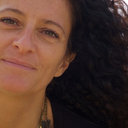 Monica Previati合作论文数3
 Theodora Boubonari合作论文数Democritus University of Thrace;Laboratory of Environmental Research and Education2
 Martha Papathanassiou合作论文数1
 Carla Alvarez Chicote合作论文数1
 Maria V Alvanou合作论文数Laboratory of Animal Molecular Genetics, University of Western Macedonia1
 Alessio Satta合作论文数1
 Francesca Santoro合作论文数1Athanasios Lattos合作论文数1
 Christos Ioakeimidis合作论文数1
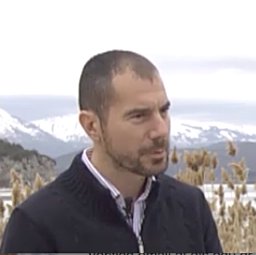 Ioannis A. Giantsis合作论文数Faculty of Agriculture, Forestry and Natural Environment, Aristotle University of Thessaloniki1
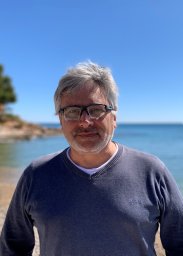 Manel Gazo合作论文数IrBio;Institut de Recerca de la Biodiversitat and Department of Animal Biology, University of Barcelona;Institut de Recerca de la Biodiversitat and Department of Animal Biology, University of Barcelona1
 Basile Michaelidis合作论文数School of Science, University of Thessaloniki1
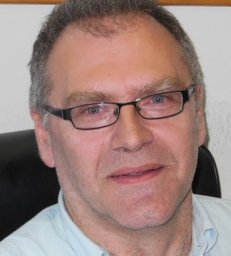 Apostolos P. Apostolidis合作论文数Faculty of Agriculture, Aristotle University of Thessaloniki1Theodoros Kevrekidis合作论文数Laboratory of Environmental Research and Education, Democritus University of Thrace1




