OBJECTIVES:Global spread of monkeypox virus (MPV) underscored the importance to monitor vaccine effectiveness and cross-protective immunity against MPV and orthopoxviruses (OPXVs), as vaccinia virus (VACV) and cowpox virus (CPV). This study evaluated humoral OPXV cross-reactivity in clade IIb MPV-infected individuals or healthcare workers receiving MVA-BN third-generation smallpox vaccine. METHODS:Participants were followed from mpox symptom onset (SO) or MVA-BN vaccination. Binding and neutralizing antibodies were measured by Indirect Immunofluorescence and Plaque Reduction Neutralization assays. Complement-dependent neutralization assay using MVA-eGFP was performed exploiting a high-content imaging system. RESULTS:MPV infection induced OPXV-reactive IgA and IgM within 11 days (median) after SO, with IgG increasing over time. MPV and VACV neutralizing antibodies (nAbs) were sustained and persisted to 65 days (median) from SO, while CPV nAbs significantly waned. MVA-BN vaccinees displayed persistent VACV-reactive IgG through two years after vaccination, with titers declining throughout, and cross-reactive neutralizing capacity over two years. Exogenous complement enhanced sensitivity of MVA-eGFP neutralization assay. Infection and vaccination induced MVA-eGFP nAbs significantly correlating with OPXV nAbs. CONCLUSIONS:MPV infection and smallpox vaccination might confer OPXV cross-protection. IgA may support early mpox diagnosis, particularly in asymptomatic high-risk individuals. Complement-dependent neutralization assay may improve assessment of cross-immunity.
Protein 53 (P53) shows different functions either to support or to contrast malignant growth. P53 history tells that discoveries of molecular features have contributed to the emergence of P53 functions. Conversely, the shift of paradigms demonstrates that P53 functions coexist even if are in conflict with one another. Since 1979, five paradigms have been assembled then deconstructed by taking into account P53 functions of viral protein, oncogene, tumor suppressor gene, transcription factor, apoptotic factor. By summarizing the past five disassembled P53 paradigms, in this investigation the current paradigm involving P53 in the modulation of a composite bio-morphological entity namely, tumor immune microenvironment (TIME) is analyzed. The aims of this investigation were to provide an overview of solid and validated knowledge occurring in all P53 paradigms and to determine P53 abilities to modify TIME through manipulation of viruses. As a result, definitive P53 evidence concerns its genetic localization, amino acids composition, its isoforms and subcellular expression in organelles. P53 “mutome” assembles all mutations affecting this complex protein. Lastly, both categories of tumor promoting and non-oncogenic viruses related to P53 were scrutinized. In conclusion, paradigms teach that P53 is undruggable because its drugs inevitably target all P53 functions.
Viruses are a major cause of mortality and socio-economic downfall despite the plethora of biopharmaceuticals designed for their eradication. Conventional antiviral therapies are often ineffective. Live-attenuated vaccines can pose a safety risk due to the possibility of pathogen reversion, whereas inactivated viral vaccines and subunit vaccines do not generate robust and sustained immune responses. Recent studies have demonstrated the potential of strategies that combine nanotechnology concepts with the diagnosis, prevention, and treatment of viral infectious diseases. The present review provides a comprehensive introduction to the different strains of viruses involved in respiratory diseases and presents an overview of recent advances in the diagnosis and treatment of viral infections based on nanotechnology concepts and applications. Discussions in diagnostic/therapeutic nanotechnology-based approaches will be focused on H1N1 influenza, respiratory syncytial virus, human parainfluenza virus type 3 infections, as well as COVID-19 infections caused by the SARS-CoV-2 virus Delta variant and new emerging Omicron variant.
Kidney transplanted recipients (KTR) are at high risk of severe SARS-CoV-2 infection due to immunosuppressive therapy. Although several studies reported antibody production in KTR after vaccination, data related to immunity to the Omicron (B.1.1.529) variant are sparse. Herein, we analyzed anti-SARS-CoV-2 immune response in seven KTR and eight healthy controls after the second and third dose of the mRNA vaccine (BNT162b2). A significant increase in neutralizing antibody (nAb) titers were detected against pseudoviruses expressing the Wuhan-Hu-1 spike (S) protein after the third dose in both groups, although nAbs in KTR were lower than controls. nAbs against pseudoviruses expressing the Omicron S protein were low in both groups, with no increase after the 3rd dose in KTR. Reactivity of CD4+ T cells after boosting was observed when cells were challenged with Wuhan-Hu-1 S peptides, while Omicron S peptides were less effective in both groups. IFN-γ production was detected in KTR in response to ancestral S peptides, confirming antigen-specific T cell activation. Our study demonstrates that the 3rd mRNA dose induces T cell response against Wuhan-Hu-1 spike peptides in KTR, and an increment in the humoral immunity. Instead, humoral and cellular immunity to Omicron variant immunogenic peptides were low in both KTR and healthy vaccinated subjects.
Hashimoto's thyroiditis (HT) is a gender autoimmune disease that is manifested by chronic inflammation of the thyroid. Clinical trial studies (CTSs) use molecular biotechnologies (MB) to approach HT appearance. The aims of this study were to analyze the applications of MB in CTSs carried out in HT populations (HT-CTSs). Further, to evaluate the role of MB in the context of the hygiene hypothesis (HH). From 75 HT-CTSs found at clinicaltrials.gov web place, forty-five were considered for this investigation. Finally, six HT-CTSs were reported as molecular HT-CTSs (mHT-CTSs) because these were planning to utilize MB. Two of mHT-CTSs were programmed on the French population to isolate DNA viral sequences. Blood, urine, and thyroid tissue biospecimens were analyzed to pick out the parvo and polyoma viruses. Two mHT-CTSs carried out in China aimed to identify oral and fecal microbiotas by measuring PCR sequencing of the 16S rRNA gene. Two mHT-CTSs were programmed in the USA and Greece, respectively, for interception of DNA polymorphisms to associate with genetic susceptibility to HT. In conclusion, MB are mainly employed in HT-CTSs for infective pathogenesis and genetic fingerprinting of HT. Furthermore, MB do not provide evidence of HH; however, they are useful for providing direct evidence of the presence of viruses.
Tumor-associated antigens (TAAs) represent attractive targets in the development of anti-cancer vaccines. The filamentous bacteriophage is a safe and versatile delivery nanosystem, and recombinant bacteriophages expressing TAA-derived peptides at a high density on the viral coat proteins improve TAA immunogenicity, triggering effective in vivo anti-tumor responses. To enhance the efficacy of the bacteriophage as an anti-tumor vaccine, we designed and generated phage particles expressing a CD8+ peptide derived from the human cancer germline antigen NY-ESO-1 decorated with the immunologically active lipid alpha-GalactosylCeramide (α-GalCer), a potent activator of invariant natural killer T (iNKT) cells. The immune response to phage expressing the human TAA NY-ESO-1 and delivering α-GalCer, namely fdNY-ESO-1/α-GalCer, was analyzed either in vitro or in vivo, using an HLA-A2 transgenic mouse model (HHK). By using NY-ESO-1-specific TCR-engineered T cells and iNKT hybridoma cells, we observed the efficacy of the fdNY-ESO-1/α-GalCer co-delivery strategy at inducing activation of both the cell subsets. Moreover, in vivo administration of fdNY-ESO-1 decorated with α-GalCer lipid in the absence of adjuvants strongly enhances the expansion of NY-ESO-1-specific CD8+ T cells in HHK mice. In conclusion, the filamentous bacteriophage delivering TAA-derived peptides and the α-GalCer lipid may represent a novel and promising anti-tumor vaccination strategy.
Objectives:Emergence of new variants of SARS-CoV-2 might affect vaccine efficacy. Therefore, assessing the capacity of sera to neutralize variants of concern (VOCs) in BSL-2 conditions will help evaluating the immune status of population following vaccination or infection.Methods:Pseudotyped viruses bearing SARS-CoV-2 spike protein from Wuhan-Hu-1/D614G strains (wild type, WT), B.1.617.2 (Delta), or B.1.1.529 (Omicron) VOCs were generated to assess the neutralizing antibodies (nAbs) activity by a pseudovirus-based neutralization assay (PVNA). PVNA performance was assessed in comparison to the micro-neutralization test (MNT) based on live viruses. Sera collected from COVID-19 convalescents and vaccinees receiving mRNA (BNT16b2 or mRNA-1273) or viral vector (AZD1222 or Ad26.COV2.S) vaccines were used to measure nAbs elicited by two-dose BNT16b2, mRNA-1273, AZD1222 or one-dose Ad26.CO2.S, at different times from completed vaccination, ~ 1.5 month and ~ 4-6 months. Sera from pre-pandemic and unvaccinated individuals were analyzed as controls. Neutralizing activity following booster vaccinations against VOCs was also determined.Results:PVNA titers correlated with the gold standard MNT assay, validating the reliability of PVNA. Sera analyzed late from the second dose showed a reduced neutralization activity compared to sera collected earlier. Ad26.CO2.S vaccination led to very low or absent nAbs. Neutralization of Delta and Omicron BA.1 VOCs showed significant reduction of nAbs respect to WT strain. Importantly, booster doses enhanced Omicron BA.1 nAbs, with persistent levels at 3 months from boosting.Conclusions:PVNA is a reliable tool for assessing anti-SARS-CoV-2 nAbs helping the establishment of a correlate of protection and the management of vaccination strategies.
Biomarkers (BMs) are medical signs which can be precisely measured and reproduced. Mainly, BMs provide information on the likely disease which can occur in an individual. On the other hand, BMs also signal disease recurrence in patients receiving therapy. The U.S. Food and Drug Administration coupled with the National Institutes of Health and the European Medicines Agency have proposed two distinct procedures to validate BMs. These agencies have elaborated two glossaries to describe the role of BMs. The aim of this study was to investigate medical taxonomies adopted by different governmental agencies for BM validation. Additional goals were to analyze efficiencies of the validated and candidate BMs for thyroid cancers (TCs). Currently, thyroglobulin is validated for monitoring TCs. Sorafenib-tosylate, Doxorubicin-hydrochloride, Vandetanib, Cabozantinib-s-malate, Dabrafenib-mesylate, Trametinib-dimethyl-sulfoxide, Lenvatinib-mesylate, Pralsetinib and Selpercatinib are validated for TC treatment. Among candidate BMs for TC diagnosis, there are molecular combinations including BRAF, RAS, RET/PTC and PAX8-PPARγ mutations. Noteworthy are BRAF and RET/PTC alterations already validated as targets of Dabrafenib-mesylate, Pralsetinib and Selpercatinib. Finally, cellular expressions of c-met in nodal TC metastases have diagnostic imaging applications. On the basis of this analysis, BM taxonomies should have common standards internationally recognized. BMs show different efficiencies depending on their diagnostic or therapeutic use.
B-cell follicles constitute large reservoirs of infectious HIV/SIV associated to follicular dendritic cells and infecting follicular helper (TFH) and regulatory (TFR) T-cells in germinal centers (GCs). Thus, follicular and GC B-cells are persistently exposed to viral antigens. Despite recent development of potent HIV immunogens, numerous questions are still open regarding GC reaction during early HIV/SIV infection. Here, we dissect the dynamics of B- and T-cells in GCs of macaques acutely infected by SIV (Group SIV+) or vaccinated with Tetanus Toxoid (Group TT), a T-dependent model antigen. Systemic inflammation and mobilization of antigen-presenting cells in inguinal lymph nodes and spleen are lower in Group TT than in Group SIV+. Despite spleen GC reaction of higher magnitude in Group SIV+, the development of protective immunity could be limited by abnormal helper functions of TFH massively polarized into TFH1-like cells, by inflammation-induced recruitment of fCD8 (either regulatory or cytotoxic) and by low numbers of TFR limiting TFH/TFR competition for high affinity B-cells. Increased GC B-cells apoptosis and accumulation of CD21lo memory B-cells, unable to further participate to GC reaction, likely contribute to eliminate SIV-specific B-cells and decrease antibody affinity maturation. Surprisingly, functional GCs and potent TT-specific antibodies develop despite low levels of CXCL13.
Toll-like receptors (TLRs) are transmembrane proteins belonging to the family of pattern-recognition receptors. They function as sensors of invading pathogens through recognition of pathogen-associated molecular patterns. After their engagement by microbial ligands, TLRs trigger downstream signaling pathways that culminate into transcriptional upregulation of genes involved in immune defense. Here we provide an updated overview on members of the TLR family and we focus on their role in antiviral response. Understanding of innate sensing and signaling of viruses triggered by these receptors would provide useful knowledge to prompt the development of vaccines able to elicit effective and long-lasting immune responses. We describe the mechanisms developed by viral pathogens to escape from immune surveillance mediated by TLRs and finally discuss how TLR/virus interplay might be exploited to guide the design of innovative vaccine platforms.
Cancer is one of the top life-threatening dangers to the human survival, accounting for over 10 million deaths per year. Bioactive glasses have developed dramatically since their discovery 50 years ago, with applications that include therapeutics as well as diagnostics. A new system within the bioactive glass family, mesoporous bioactive glasses (MBGs), has evolved into a multifunctional platform, thanks to MBGs easy-to-functionalize nature and tailorable textural properties-surface area, pore size, and pore volume. Although MBGs have yet to meet their potential in tumor treatment and imaging in practice, recently research has shed light on the distinguished MBGs capabilities as promising theranostic systems for cancer imaging and therapy. This review presents research progress in the field of MBG applications in cancer diagnosis and therapy, including synthesis of MBGs, mechanistic overview of MBGs application in tumor diagnosis and drug monitoring, applications of MBGs in cancer therapy ( particularly, targeted delivery and stimuli-responsive nanoplatforms), and immunological profile of MBG-based nanodevices in reference to the development of novel cancer therapeutics.
The biological abilities of interleukin-6 (IL-6) have been under investigation for nearly 40 years. IL-6 works through an interaction with the complex peptide IL-6 receptor (IL-6R). IL-6 is built with four alpha-chain nanostructures, while two different chains, IL-6R alpha (gp80) and gp130/IL6 beta (gp130), are included in IL-6R. The three-dimensional shapes of the six chains composing the IL-6/IL-6R complex are the basis for the nanomolecular roles of IL-6 signalling. Genes, pseudogenes and competitive endogenous RNAs of IL-6 have been identified. In the present review, the roles played by miRNA in the post-transcriptional regulation of IL-6 expression are evaluated. mRNAs are absorbed via the 'sponge' effect to dynamically balance mRNA levels and this has been assessed with regard to IL-6 transcription efficiency. According to current knowledge on molecular and nanomolecular structures involved in active IL-6 signalling, two different IL-6 models have been proposed. IL-6 mainly has functions in inflammatory processes, as well as in cognitive activities. Furthermore, the abnormal production of IL-6 has been found in patients with severe acute respiratory syndrome coronavirus 2 (SARS-CoV-2; also known as COVID-19). In the present review, both inflammatory and cognitive IL-6 models were analysed by evaluating the cytological and histological locations of IL-6 signalling. The goal of this review was to illustrate the roles of the classic and trans-signalling IL-6 pathways in endocrine glands such as the thyroid and in the central nervous system. Specifically, autoimmune thyroid diseases, disorders of cognitive processes and SARS-CoV-2 virus infection have been examined to determine the contribution of IL-6 to these disease states.
In late 2019, a new member of the Coronaviridae family, officially designated as "severe acute respiratory syndrome coronavirus 2" (SARS-CoV-2), emerged and spread rapidly. The Coronavirus Disease-19 (COVID-19) outbreak was accompanied by a high rate of morbidity and mortality worldwide and was declared a pandemic by the World Health Organization in March 2020. Within the Coronaviridae family, SARS-CoV-2 is considered to be the third most highly pathogenic virus that infects humans, following the severe acute respiratory syndrome coronavirus (SARS-CoV) and the Middle East respiratory syndrome coronavirus (MERS-CoV). Four major mechanisms are thought to be involved in COVID-19 pathogenesis, including the activation of the renin-angiotensin system (RAS) signaling pathway, oxidative stress and cell death, cytokine storm, and endothelial dysfunction. Following virus entry and RAS activation, acute respiratory distress syndrome develops with an oxidative/nitrosative burst. The DNA damage induced by oxidative stress activates poly ADP-ribose polymerase-1 (PARP-1), viral macrodomain of non-structural protein 3, poly (ADP-ribose) glycohydrolase (PARG), and transient receptor potential melastatin type 2 (TRPM2) channel in a sequential manner which results in cell apoptosis or necrosis. In this review, blockers of angiotensin II receptor and/or PARP, PARG, and TRPM2, including vitamin D3, trehalose, tannins, flufenamic and mefenamic acid, and losartan, have been investigated for inhibiting RAS activation and quenching oxidative burst. Moreover, the application of organic and inorganic nanoparticles, including liposomes, dendrimers, quantum dots, and iron oxides, as therapeutic agents for SARS-CoV-2 were fully reviewed. In the present review, the clinical manifestations of COVID-19 are explained by focusing on molecular mechanisms. Potential therapeutic targets, including the RAS signaling pathway, PARP, PARG, and TRPM2, are also discussed in depth.
Autoimmune thyroid diseases (AITD) are chronic thyroiditis triggered by autoimmune reactions. They can lead to a progressive destruction of glandular tissue that may cause either an increase or a decrease of thyroid hormones. AITD span from hyperthyroidism of Graves' disease to hypothyroidism of Hashimoto's thyroiditis, encompassing subtitle subclinical thyroid dysfunctions, too. Quite recently AITD have been named among organ specific autoimmune disorders. Firstly, AITD pathological findings were reported in the 19th century mainly by Hashimoto, Graves, Stokes, Basedow and Parry. However, only in the 20th century did Ehrlich's assays pave the way for the pathogenesis of all autoimmune disorders. At present a unique etiology has not been associated with AITD. Environmental factors as well as genetic susceptibility have been considered most frequently involved in the onset of thyroid autoimmunity. AITD diagnosis still remains a difficult and complex issue. This is because morphological and serological reports are not always interchangeable since they record different degrees of glandular destruction. Furthermore, the trend of serum data is not always appropriate with the clinical course of AITD patients. Lastly, AITD therapy is symptomatic and not yet completely adequate. By an historical excursus on AITD diagnostic methods this assay summarizes old and new pivotal features setting the AITD diagnosis. Specially, to comment the developments on AIDT diagnostic methods achieved to date, AIDT serological data and histological characters are analyzed.
Memory B-cell dysfunctions and inefficient antibody response suggest germinal center (GC) impairments during HIV/SIV infection with possible contribution of overproduced B-cell activating factor (BAFF). To address this question, we compared proportions and functions of various B-cell subsets and follicular helper T-cells (TFH) in untreated (Placebo) and BR3-Fc treated (Treated) SIV-infected macaques. From day 2 post-infection (dpi), Treated macaques received one weekly injection of BR3-Fc molecule, a soluble BAFF antagonist, for 4 weeks. Whereas, the kinetics of CD4+ T-cell loss and plasma viral loads were comparable in both groups, BAFF blockade delayed the peak of inflammatory cytokines (CXCL10, IFNα), impaired the renewal of plasmacytoid dendritic cells and fostered the decline of plasma CXCL13 titers after 14 dpi. In Treated macaques, proportions of total and naïve B-cells were reduced in blood and spleen whereas SIV-induced loss of marginal zone (MZ) B-cells was only accentuated in blood and terminal ileum. Proportions of spleen GC B-cells and TFH were similar in both groups, with CD8+ T-cells and rare Foxp3+ being present in spleen GC. Regardless of treatment, sorted TFH produced similar levels of IL21, CXCL13, and IFNγ but no IL2, IL4, or BAFF and exhibited similar capacities to support IgG production by autologous or heterologous B-cells. Consistently, most TFH were negative for BAFF-R and TACI. Higher proportions of resting and atypical (CD21lo) memory B-cells were present in Treated macaques compared to Placebo. In both groups, we found higher levels of BAFF-R expression on MZ and resting memory B-cells but low levels on atypical memory B-cells. TACI was present on 20-30% of MZ, resting and atypical memory B-cells in Placebo macaques. BAFF blockade decreased TACI expression on these B-cell subsets as well as titers of SIV-specific and vaccine-specific antibodies arguing for BAFF being mandatory for plasma cell survival. Irrespective of treatment, GC B-cells expressed BAFF-R at low level and were negative for TACI. In addition to key information on spleen BAFF-R and TACI expression, our data argue for BAFF contributing to the GC reaction in terminal ileum but being dispensable for the generation of atypical memory B-cells and GC reaction in spleen during T-dependent response against SIV.
In the last decades, a number of infectious viruses have emerged from wildlife or re-emerged, generating serious threats to the global health and to the economy worldwide. Ebola and Marburg hemorrhagic fevers, Lassa fever, Dengue fever, Yellow fever, West Nile fever, Zika, and Chikungunya vector-borne diseases, Swine flu, Severe acute respiratory syndrome (SARS), Middle East respiratory syndrome (MERS), and the recent Coronavirus disease 2019 (COVID-19) are examples of zoonoses that have spread throughout the globe with such a significant impact on public health that the scientific community has been called for a rapid intervention in preventing and treating emerging infections. Vaccination is probably the most effective tool in helping the immune system to activate protective responses against pathogens, reducing morbidity and mortality, as proven by historical records. Under health emergency conditions, new and alternative approaches in vaccine design and development are imperative for a rapid and massive vaccination coverage, to manage a disease outbreak and curtail the epidemic spread. This review gives an update on the current vaccination strategies for some of the emerging/re-emerging viruses, and discusses challenges and hurdles to overcome for developing efficacious vaccines against future pathogens.
Since the identification of the Human Immunodeficiency Virus type 1 (HIV-1) as the etiologic agent of AIDS (Acquired Immunodeficiency Syndrome), many efforts have been made to stop the AIDS pandemic. A major success of medical research has been the development of the highly active antiretroviral therapy and its availability to an increasing number of people worldwide, with a considerable effect on survival. However, a safe and effective vaccine able to prevent and eradicate the HIV pandemic is still lacking. Clinical trials and preclinical proof-of-concept studies in nonhuman primate (NHP) models have provided insights into potential correlates of protection against the HIV-1 infection, which include broadly neutralizing antibodies (bnAbs), non-neutralizing antibodies targeting the variable loops 1 and 2 (V1V2) regions of the HIV-1 envelope (Env), polyfunctional antibody, and Env-specific T-cell responses. In this review, we provide a brief overview of different HIV-1 vaccine approaches and discuss the current understanding of the cellular and humoral correlates of HIV-1 immunity.
Papillary thyroid carcinoma (PTC) is the most common type of thyroid cancer. On the contrary, primary thyroid lymphoma (PTL) is a rare disease, accounting for 2% to 5% of all thyroid malignancies. Despite several cases in which both PTC and PTL arise in the setting of Hashimoto's thyroiditis (HT), the coexistence of both tumors in HT patients is very rare. Herein we report the case of a 66-year-old woman with long-standing nodular HT under replacement therapy, who presented with a fast, painless enlargement in the right anterior side of the neck. Thyroid ultrasonography demonstrated increased growth of a hypoechoic nodule in the right lobe measuring 32 × 20 mm. A total thyroidectomy was performed, and histology revealed a diffuse large B-cell lymphoma (DLBCL) on a background of florid HT. Moreover, a unifocal papillary microcarcinoma, classical variant (7 mm, pT1aNxMx), was discovered. The patient was then treated with chemotherapy for the PTL, but she did not undergo radioactive iodine ablation treatment for the microPTC as per guidelines. Two years after surgery, the patient had no evidence of recurrence of either malignancy. This rare case highlights the importance of monitoring HT patients with nodular lesions, especially if they have long-standing disease. In addition, PTL should be considered for differential diagnosis in elder HT patients who present with sudden thyroid enlargement.
With the goal to design effective HIV vaccines, intensive studies focused on broadly neutralizing antibodies, which arise in a fraction of HIV-infected people. Apart from identifying new vulnerability sites in the viral envelope proteins, these studies have shown that a fraction of these antibodies are produced by self/poly-reactive B-cells. These findings prompted us to revisit the B-cell differentiation and selection process during HIV/SIV infection and to consider B-cells as active players possibly shaping the helper T-cell program within germinal centers (GCs). In this context, we paid a particular attention to B-cell-activating factor (BAFF), a key cytokine in B-cell development and immune response that is overproduced during HIV/SIV infection. As it does in autoimmune diseases, BAFF excess might contribute to the abnormal rescue of self-reactive B-cells at several checkpoints of the B-cell development and impair memory B-cell generation and functions. In this review, we first point out what is known about the functions of BAFF/a proliferation-inducing ligand and their receptors [B-cell maturation, transmembrane activator and CAML interactor (TACI), and BAFF-R], in physiological and pathophysiological settings, in mice and humans. In particular, we highlight recent results on the previously underappreciated regulatory functions of TACI and on the highly regulated production of soluble TACI and BAFF-R that act as decoy receptors. In light of recent data on BAFF, TACI, and BAFF-R, we then revisit the altered phenotypes and functions of B-cell subsets during the acute and chronic phase of HIV/SIV infection. Given the atypical phenotype and reduced functions of memory B-cells in HIV/SIV infection, we particularly discuss the GC reaction, a key checkpoint where self-reactive B-cells are eliminated and pathogen-specific memory B-cells and plasmablasts/cells are generated in physiological settings. Through its capacity to differentially bind and process BAFF-R and TACI on GC B-cells and possibly on follicular helper T-cells, BAFF appears as a key regulator of the physiological GC reaction. Its local excess during HIV/SIV infection could play a key role in B-cell dysregulations.
 Piergiuseppe De Berardinis合作论文数Institute of Protein Biochemistry and Enzymology, CNR;CNR, International Institute of Genetics and Biophysics;and Department of Pediatrics, 2° University of Naples;Institute of Protein Biochemistry and Enzymology, 2° University of Naples21
 Luciana D'Apice合作论文数Consiglio Nazl Ric CNR, Inst Biochem & Cell Biol16
 Rossella Sartorius合作论文数Institute of Protein Biochemistry, C.N.R.14
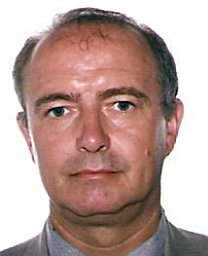 Salvatore Sciacchitano合作论文数School of Medicine, University of Catania12
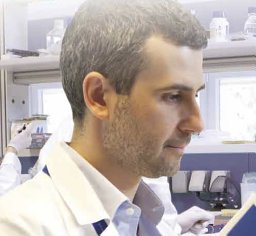 Luca Lavra合作论文数Dip. Medicina Sperimentale e Patologia, Università di Roma La Sapienza9
 Alessandra Ulivieri合作论文数9
 Ruggeri Rosaria Maddalena合作论文数Dipartimento Clinico-Sperimentale di Medicina e Farmacologia, Policlinico Universitario8
 Nancy Haigwood合作论文数Oregon National Primate Research Center, Oregon Health & Science University7Krebs Shelly J合作论文数The Vaccine and Gene Therapy Institute;Oregon National Primate Research Center6
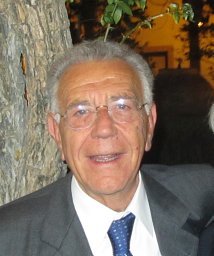 Francesco Trimarchi合作论文数Department of Medicine and Pharmacology, University of Messina6
 Armando Bartolazzi合作论文数Departments of Immunology ( A. Ba .;Regina Elena Cancer Institute;Departments of Immunology, Regina Elena Cancer Institute6
 Alfredo Campenni合作论文数5Roberto Dominici合作论文数5Silvia Soddu合作论文数Molecular Oncogenesis Laboratory, Regina Elena Cancer Institute5Vitarelli Enrica合作论文数4Caivano Antonella合作论文数4
 Pasquale Barba合作论文数4Gaetano Barresi合作论文数4William F. Sutton合作论文数4
 Valerio Costa合作论文数Institute of Genetics and Biophysics "A. Buzzati-Traverso" (IGB),, CNR4Hany M. Ibrahim合作论文数3Roberta Manco合作论文数3
 Yasaman Esmaeili合作论文数Isfahan University of Medical Sciences3
 Gwenoline Borhis合作论文数3
 Juan Pablo Jaworski合作论文数Instituto de Virología, Instituto Nacional de Tecnología Agropecuaria3
 Carlo Bellotti合作论文数Department of Surgical Sciences, La Sapienza University3Salvatore Benvenga合作论文数3Sergio Baldari合作论文数Department of Radiological Sciences, University of Messina3Andrea Valenti合作论文数3Yolande Richard合作论文数French Institute of Health and Medical Research3
 Sean Patrick Mcburney合作论文数3
 Alfredo Ciccodicola合作论文数Institute of Genetics and Biophysics “Adriano Buzzati-Traverso,”, IGB-CNR3
 Cinzia Rinaldo合作论文数Department of Experimental Oncology, Regina Elena Cancer Institute3
 Antonella Prisco合作论文数CNR Institute of Genetics and Biophysics3Pooyan Makvandi合作论文数2Cuccaro Fausta合作论文数2
 Farnaz Dabbagh Moghaddam合作论文数Institute for Photonics and Nanotechnologies, National Research Council2
 Satar Yousefiasl合作论文数School of Dentistry, Hamadan University of Medical Sciences2Angela Simone合作论文数2Emidio Luciani合作论文数2
 Ashkan Bigham合作论文数Institute of Polymers, Composites and Biomaterials, National Research Council (IPCB-CNR),2Stéphane Isnard合作论文数2
 Matineh Ghomi合作论文数Sch Chem, Damghan Univ2Salvatore Cannavò合作论文数2Bosquet Nathalie合作论文数2Fidanza Paolo合作论文数2
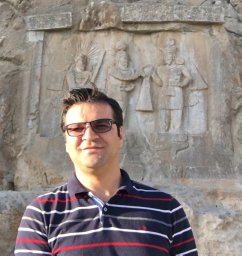 Sharifi Esmaeel合作论文数Institute of Biochemistry and Biophysics, University of Tehran2
 David Charles Montefiori合作论文数Laboratory for HIV and COVID-19 Vaccine Research and Development, Department of Surgery, Division of Surgical Sciences, Duke University School of Medicine;Duke Human Vaccine Institute, Duke University2
 Franklin Tay合作论文数Department of Endodontics, Dental College of Georgia, Augusta University2




