BACKGROUND:Accurate risk stratification for patients with three-vessel coronary artery disease (3VD) undergoing percutaneous coronary intervention (PCI) remains important in contemporary practice. SYNTAX-based mortality prediction models require reassessment in modern PCI populations. METHODS:This post-hoc analysis of the Multivessel TALENT trial evaluated the core and extended logistic clinical SYNTAX Score (LCSS) for predicting 1-year all-cause mortality. Discrimination was assessed using the area under the receiver-operating characteristic curve (AUC), and calibration using calibration intercept, calibration slope, graphical calibration, and the E-statistic. Prediction scores were calculated within each of 20 imputed datasets, with model performance evaluated within each imputation and summarised across imputations. Intercept-and-slope recalibration and decision curve analysis were also performed. RESULTS:At 1 year, 46 (3.0%) of 1,548 enrolled patients had died. The pooled AUCs were 0.716 for the LCSS core model and 0.744 for the extended model, compared with 0.629 for the anatomical SYNTAX Score and 0.632 for the functional SYNTAX Score. LCSS models systematically overestimated absolute risk, although observed mortality increased across predicted-risk quintiles. Decision curve analysis showed a positive net benefit for the original and recalibrated LCSS models across threshold probabilities of 1% to 10%, with numerically higher net benefit for the recalibrated extended model across much of the evaluated threshold range. CONCLUSION:In contemporary PCI for 3VD, the LCSS showed moderate discrimination for 1-year all-cause mortality while overestimating its absolute risk. Recalibration improved agreement with observed risk in this cohort and may inform future validation and model refinement.
BACKGROUND:Coronary artery bypass grafting (CABG) is the preferred invasive treatment option for complex coronary artery disease (CAD), bypassing flow-limiting lesions and high-risk plaques (HRP), thereby reducing clinical events. It also provides graft collateralization, preventing cardiac events due to proximal plaque rupture or erosion, and vessel occlusion. This study evaluated the prevalence of HRPs in segments proximal and distal to graft anastomoses and in non-grafted segments, using coronary computed tomography angiography (CCTA) in patients with left main and three-vessel disease enrolled in the FASTTRACK CABG study. METHODS:Coronary segments were categorized as proximal, distal, or non-grafted. Segments ≥1.5 mm on CCTA were screened for HRP features: low-attenuation plaque, positive remodelling, spotty calcification, and napkin ring. Minimal lumen area (MLA) and plaque burden at MLA were assessed in segments ≥3 mm in diameter. Perivascular adipose tissue attenuation was evaluated in major coronary arteries. RESULTS:In 102 patients, 1767 segments were analyzed: 986 proximal, 348 distal, and 341 non-grafted. HRP prevalence was highest in proximal segments (45.13 % vs. 8.33 % distal vs. 28.74 % non-grafted, p < 0.001). Non-grafted vessels with a Fractional Flow Reserve Computed Tomography (FFRCT) ≥0.80 had High-Risk Plaques (HRPs) in 40.38 % of cases, compared to 32.58 % for those with an FFRCT <0.80. The prevalence of HRPs between patients or vessels with graft occlusions and those without, was similar. Likewise, there was no significant difference in perivascular fat attenuation between patients and vessels with and without HRP. CONCLUSIONS:In patients undergoing CABG for complex CAD, surgery effectively bypassed most HRPs, however, a substantial proportion remained in non-grafted vessels. TRIAL REGISTRATION:NCT04142021.
BACKGROUND:Complete coronary revascularization has significant clinical outcome implications; however, there is no objective, quantitative, or universal definition. AIM:To provide a quantitative personalized assessment of myocardium at risk before and after coronary artery bypass grafting (CABG) surgery. METHODS:Percent left ventricular myocardial blood flow distribution (LV%MYO) was derived from coronary CT angiography (CCTA) and used to quantify the myocardium at risk of ischemia in the 16 SYNTAX coronary segments of the 114 patients in the multicenter, prospective FASTTRACK CABG trial. Given each point of the fixed SYNTAX myocardial weighting factor represents 16.7 % (1/6) of myocardial blood flow, the myocardial weighting factor of each coronary segment was calculated as 6 × LV%MYO. The patency of bypass grafts was assessed on 30-day follow-up CCTA, and the residual LV%MYO was obtained by subtracting the LV%MYO in segments anastomosed with non-stenotic grafts from the pre-CABG global LV%MYO. RESULTS:LV%MYO were analyzable in 106 patients (mean age 65.6 (8.9) years, 87 % male); 53 had ≥1 total occlusion. The fixed myocardial weighting factor for most SYNTAX coronary segments differs significantly from the weighting factor derived from LV%MYO. The pre-CABG global LV%MYO, and the residual LV%MYO in 96 patients with post-CABG CCTA were 70.1 (18.8)% and 14.0 (15.3)%, respectively. Complete revascularization (residual LV%MYO ≤10 %) was achieved in 42 patients (43.8 %). The operator's discretion not to graft was the main reason that 106 coronary segments were not revascularized, with graft occlusion accounting for 22.6 %. CONCLUSION:CCTA-derived LV%MYO allows an objective and individualized quantification of the myocardium at risk, facilitating prospective prediction and retrospective assessment of the completeness of revascularization in CABG patients.
Background: Since the initial attempt to adapt the anatomical SYNTAX score (aSS) to coronary computed tomography angiography (CCTA), CCTA imaging technology has evolved, and is currently used as a "decisionmaker" for revascularization strategy in complex coronary artery disease (CAD) and has rendered necessary some updating of the aSS to the CCTA modality. Objectives: The aim is to provide updated definitions of the aSS derived from CCTA in patients with complex CAD undergoing CABG. Methods: The modifications of CCTA-aSS are the following; (i) updated definition and detection criteria of total occlusion (TO) in CCTA based on length assessment, (ii) inclusion of scoring points for serial bifurcations located in one single coronary segment. (iii) inclusion of weighing score points for lesions located distal to a TO, not visualized on conventional coronary angiography, but visible in CCTA, (iv) removal of thrombus and bridging collateral items from the weighing score, considering the limited diagnostic capability of CCTA in detecting these specific lesion characteristics. Results: the updated CCTA-aSS was tested in a first -in -man study using the sole guidance of CCTA for the planning and performance of bypass surgery in complex CAD (n = 114). An interobserver analysis showed excellent reproducibility (ICC = 0.96, 95 % confidence interval 0.94-0.97). Conclusion: The updated CCTA-aSS was implemented in a cohort of patients with complex CAD undergoing CABG with the sole guidance of CCTA and FFRCT and the Inter-reproducibility of the analysis of the updated score was found excellent. The prognostic value of the modified CCTA-aSS will be examined in future studies.
Background: Coronary artery lumen volume (V) to myocardial mass (M) ratio (V/M) can show the mismatch between epicardial coronary arteries and the underlying myocardium. Methods: The V, M and V/M were obtained from the coronary computed tomography angiography (CCTA) of patients in the FAST-TRACK CABG study, the first-in-human trial of coronary artery bypass grafting (CABG) guided solely by CCTA and fractional flow reserve derived from CCTA (FFRCT) in patients with complex coronary artery disease (CAD). The correlations between V/M ratios and baseline characteristics were determined and compared with those from the ADVANCE registry, an unselected cohort of historical controls with chronic CAD. Results: The V/M ratio was obtained in 106 of the 114 pre-CABG CCTAs. Mean age was 65.6 years and 87% of them were male. The anatomical SYNTAX score from CCTA was significantly higher than the functional SYNTAX score derived using FFRCT [43.1 (15.2) vs 41.1 (16.5), p < 0.001]. Mean V, M, and V/M were 2204 mm(3), 137 g, and 16.5 mm(3)/g, respectively. There were weak negative correlations between V and anatomical and functional SYNTAX scores (Pearson's r = -0.26 and -0.34). V and V/M had a strong correlation (r = 0.82). The V/M ratio in the current study was significantly lower than that in the ADVANCE registry (median 16.1 vs. 24.8 [1st quartile 20.1]). Conclusion: Systematically smaller V/M ratios were found in this population with severe CAD requiring CABG compared to an unselected cohort with chronic CAD. The V/M ratio could provide additional non-invasive assessment of CAD especially when combined with FFRCT.
Traditionally, coronary angiography was restricted to visual estimation of contrast-filled lumen in coronary obstructive diseases. Over the previous decades, considerable development has been made in quantitatively analyzing coronary angiography, significantly improving its accuracy and reproducibility. Notably, the integration of artificial intelligence (AI) and machine learning into quantitative coronary angiography (QCA) holds promise for further enhancing diagnostic accuracy and predictive capabilities. In addition, non-invasive fractional flow reserve (FFR) indices, including computed tomography-FFR, have emerged as valuable tools, offering precise physiological assessment of coronary artery disease without the need for invasive procedures. These innovations allow for a more comprehensive evaluation of disease severity and aid in guiding revascularization decisions. This review traces the development of QCA technologies over the years, highlighting key milestones and current advancements. It also explores prospects that could revolutionize the field, such as AI integration and improved imaging techniques. By addressing both historical context and future directions, the article underscores the ongoing evolution of QCA and its critical role in the accurate assessment and management of coronary artery diseases. Through continuous innovation, QCA is poised to remain at the forefront of cardiovascular diagnostics, offering clinicians invaluable tools for improving patient care.
BACKGROUND AND AIMS:In patients with three-vessel disease and/or left main disease, selecting revascularization strategy based on coronary computed tomography angiography (CCTA) has a high level of virtual agreement with treatment decisions based on invasive coronary angiography (ICA). METHODS:In this study, coronary artery bypass grafting (CABG) procedures were planned based on CCTA without knowledge of ICA. The CABG strategy was recommended by a central core laboratory assessing the anatomy and functionality of the coronary circulation. The primary feasibility endpoint was the percentage of operations performed without access to the ICA. The primary safety endpoint was graft patency on 30-day follow-up CCTA. Secondary endpoints included topographical adequacy of grafting, major adverse cardiac and cerebrovascular (MACCE), and major bleeding events at 30 days. The study was considered positive if the lower boundary of confidence intervals (CI) for feasibility was ≥75% (NCT04142021). RESULTS:The study enrolled 114 patients with a mean (standard deviation) anatomical SYNTAX score and Society of Thoracic Surgery score of 43.6 (15.3) and 0.81 (0.63), respectively. Unblinding ICA was required in one case yielding a feasibility of 99.1% (95% CI 95.2%-100%). The concordance and agreement in revascularization planning between the ICA- and CCTA-Heart Teams was 82.9% with a moderate kappa of 0.58 (95% CI 0.50-0.66) and between the CCTA-Heart Team and actual treatment was 83.7% with a substantial kappa of 0.61 (95% CI 0.53-0.68). The 30-day follow-up CCTA in 102 patients (91.9%) showed an anastomosis patency rate of 92.6%, whilst MACCE was 7.2% and major bleeding 2.7%. CONCLUSIONS:CABG guided by CCTA is feasible and has an acceptable safety profile in a selected population of complex coronary artery disease.
Abstract Background/Introduction coronary revascularization in patients with de novo three-vessel coronary artery disease (3VD) without Left Main disease can be performed by either PCI or CABG after objective Heart Team consensus. In the ongoing Multivessel TALENT trial (NCT04390672)1, the intended multivessel PCI is performed using DES with ultrathin struts and biodegradable polymers under the guidance of quantitative flow ratio (QFR) and intracoronary imaging with IVUS or OCT. Purpose The Logistic Clinical SYNTAX score (logSYNTAX) to predict 2-year all-cause mortality after PCI was developed in 15,883 patients treated in the GLOBAL LEADERS trial and externally validated in 10,100 patients. This study aims to predict 2-year all-cause mortality after intended multivessel PCI in the currently enrolled trial population to identify patients who should be considered high risk. Methods and results We performed an interim analysis in the first consecutive 781 patients of the ongoing Multivessel TALENT Trial aimed to enrol 1550 patients. Thirteen clinical predictors are used in the logSYNTAX score: SYNTAX I-score, presence of 3VD and/or LM disease, age, creatinine clearance in mL/min, LVEF, BMI, serum hemoglobin level(g/dL), the White Blood Cell Count (WBC, in 109 cells/L) and the presence of COPD, PVD, diabetes mellitus, current smoking and/or a history of stroke. LVEF and BMI have additional squared terms to adjust for non-linear associations with all-cause mortality. The predicted mortality was estimated using the survival function developed in the GLOBAL LEADERS trial. We considered patients high-risk if the estimated risk was above the 3rd quartile. In 563 patients, all thirteen predictors necessary for 2-year mortality prediction were available. Median 2-year all-cause mortality of 1.9% (1.09-3.82; IQR2.73). 142 patients (25%) with an increased estimated 2-year mortality risk (>3.8%) due to higher prevalence of the aforementioned predictors; higher median age [75 (9.0) vs. 67 (12.0), p <0.001], a lower median LVEF [55% (20) vs. 94% (35.5), p <0.001] and a higher median SYNTAX score [26.0 (13.5) vs. 20.0(11.0), p <0.001]. A complete overview of predictors can be found in table 1. High age, an impaired LVEF, and an increased anatomical SYNTAX-I score were the main contributors to high mortality in this study cohort (see figure 1). Conclusion(s) In 563 patients, the median predicted 2-year all-cause mortality was 1.9%. Nevertheless, a non-neglectable amount of patients were estimated to be at increased risk for all-cause 2-year mortality. Accurate prediction by knowledge of aforementioned predictors is pivotal for appropriate mortality risk prediction to segregate high-risk patients with 3VD for individual decision-making on coronary revascularization, even if surgical revascularization is no option, and guide optimal treatment with use of intravascular imaging to achieve an optimal PCI result.Table 1Figure 1
Immunomodulatory drugs are available to maintain immune homeostasis but some have undesirable side effects. Six oligo- and poly-saccharides were assessed for their pro- and anti-inflammatory responses in two in vitro model systems, the monocytic THP-1 cell line and human whole blood cultures (HWBC). The compounds were first characterised for their molecular mass and physical properties. Following incubation with lipopolysaccharide (LPS) or the compounds, cytokine and chemokine secretion was assayed in both models and intracellular TNF-α was measured by flow cytometry in HWBC cell sub-populations. LPS, inulin, galacturonan, heteroglycan and fucoidan demonstrated pro-inflammatory properties and intracellular TNF-α expression was increased in the monocytes of HWBC. Mannan and xyloglucan did not elicit any significant responses. Inulin induced maximum cytokine secretion and heteroglycan induced maximum chemokine secretion in HWBC. This study emphasises the potential of inulin and heteroglycan as potential immunomodulatory therapeutics and that HWBC had a greater and more varied response in comparison to THP-1 cells.
Background: The feasibility of using coronary computed tomography angiography (CCTA) for long-term prediction of vital prognosis post-revascularization remains unknown.Objectives: To compare the prognostic value of the SYNTAX score II 2020 (SS-2020) derived from invasive coronary angiography (ICA) or CCTA in patients with three-vessel disease and/or left main coronary artery disease undergoing percutaneous or surgical revascularization.Methods: In the SYNTAX III REVOLUTION trial, the probability of death at five years was retrospectively assessed by calculating the SS-2020 using ICA and CCTA. High- and low-risk patients for mortality were categorized according to the median percentages of predicted mortality based on both modalities. The discriminative abilities of the SS-2020 were assessed using Harrell's C statistic.Results: The vital status at five years of the 215 patients revascularized percutaneously (64 patients, 29.8%) or surgically (151 patients, 70.2%) was established through national registries. In patients undergoing revascularization, the SS-2020 was possibly helpful in discriminating vital prognosis at 5 years, with similar results seen with ICA and CCTA (C-index with ICA = 0.75, intercept = -0.19, slope = 0.92 and C-index with CCTA = 0.75, intercept = -0.22, slope = 0.99). In high- and low-risk patients, Kaplan-Meier estimates showed significant, and almost identical relative differences in observed mortality, irrespective of imaging modality (ICA: 93.8% vs 78.7%, log-lank P < 0.001; CCTA: 93.7% vs 78.5%, log-lank P < 0.001).Conclusions: The predictive ability of the SS-2020 for five-year all-cause mortality derived from ICA and CCTA was comparable, and could helpfully discriminate vital prognosis in high- and low-risk patients.
To describe the updated coronary computed tomographic angiography (CCTA)-based coronary artery bypass graft (CABG) anatomic SYNTAX Score (aSS) and assess its utility and reproducibility for assessing the completeness of revascularization after CABG. The CCTA-CABG aSS is a visual assessment using CCTA post-CABG which quantifies the failure in effectively grafting stenotic coronary segments, and therefore assesses the completeness of surgical revascularization. It is calculated by subtracting the aSS of successfully anastomosed coronary segments from the aSS of the native coronary tree. The inter-observer reproducibility of the CCTA-CABG aSS was evaluated in 45 consecutive patients with three-vessel disease with or without left main disease who underwent a CCTA 30 days (± 7 days) after CABG. The CCTA-CABG aSS was evaluated in 45 consecutive patients with 117 bypass grafts and 152 anastomoses. The median native coronary aSS was 35.0 [interquartile range (IQR) 27.0–41.0], whilst the median CCTA-CABG aSS was 13.0 (IQR 9.0–20.5). The inter-observer level of agreement for the native coronary aSS and the CCTA-CABG aSS were both substantial with respective Kappas of 0.67 and 0.61. The CCTA-CABG aSS was feasible in all patients who underwent CABG for complex coronary artery disease with substantial inter-observer reproducibility, and therefore can be used to quantify the completeness of revascularization after CABG.
The SYNTAX trial randomized patients equally eligible for coronary artery bypass grafting or percutaneous coronary intervention using the Heart Team approach. The SYNTAXES study achieved a follow-up rate of 93.8% and reported the 10-year vital status. Factors associated with increased mortality at 10 years were pharmacologically treated diabetes mellitus, increased waist circumference, reduced left ventricular function, prior cerebrovascular and peripheral vascular disease, western Europe and North American descent, current smoking, chronic obstructive pulmonary disease, elevated C-reactive protein, anemia, and an increase in HbA1c. Procedural factors associated with higher 10 years mortality include periprocedural myocardial infarction, extensive stenting, small stents, ≥1 heavily calcified lesion, ≥1 bifurcation lesion, residual SYNTAX score >8, and staged percutaneous coronary intervention. Optimal medical therapy at 5 years, use of statins, on-pump coronary artery bypass grafting, multiple arterial grafts, and higher physical component score and mental component score were associated with lower mortality at 10 years. Numerous scores and prediction models were developed to help individualize risk assessment. Machine learning has emerged as a novel approach for developing risk models.
BACKGROUND:There are no data comparing sirolimus-coated balloons (SCBs [MagicTouch, Concept Medical]) to paclitaxel-coated balloons (PCBs [SeQuent Please Neo, B. Braun]) for the treatment of de novo small vessel disease (SVD). OBJECTIVES:This study sought to compare quantitative coronary angiographic outcomes at 6 months after treatment of de novo SVD with a PCB or SCB. METHODS:This prospective, multicenter, noninferiority trial randomized 121 patients (129 SVD lesions) to treatment with an SCB or PCB, with balloon sizing determined using optical coherence tomography. The primary endpoint was noninferiority for the 6-month angiographic net lumen gain. RESULTS:Angiographic follow-up was completed in 109 (90.1%) patients in the per-protocol analysis. The mean ± SD angiographic net gains were 0.25 ± 0.40 mm with SCBs vs 0.48 ± 0.37 mm with PCBs, resulting in SCBs failing to meet the 0.30 mm criterion for noninferiority (Pnoninferiority = 0.173), with an absolute difference of -0.23 mm (95% CI: -0.37 to -0.09) secondary to a smaller late loss (0.00 ± 0.32 mm vs 0.32 ± 0.47 mm; P < 0.001) and more frequent late lumen enlargement (53.7% vs 30.0%; OR: 2.60; 95% CI: 1.22-5.67; P = 0.014) with PCBs. Binary restenosis rates were 32.8% and 12.5% following treatment with SCBs and PCBs, respectively (OR: 3.41; 95% CI: 1.36-9.44; P = 0.012). The mean angiography-derived fractional flow ratio at follow-up was 0.86 ± 0.15 following treatment with SCBs and 0.91 ± 0.09 following PCBs (P = 0.026); a fractional flow ratio ≤0.80 occurred in 13 and 5 vessels after treatment with SCBs and PCBs, respectively. CONCLUSIONS:The SCB MagicTouch failed to demonstrate noninferiority for angiographic net lumen gain at 6 months compared to the PCB SeQuent Please Neo.
 Patrick Serruys合作论文数CORRIB Research Centre for Advanced Imaging and Core Laboratory, University of Galway;National University of Ireland135
 Onuma Yoshinobu合作论文数79
 Scot Garg合作论文数Thoraxcenter, Erasmus Medical Center36
 Hector M Garcia-Garcia合作论文数33
 Arie Pieter Kappetein合作论文数Medtronic;Thoraxcenter, Erasmus Medical Center33Farooq Vasim合作论文数32
 Marie-Claude Morice合作论文数Institut Cardiovasculaire Paris31Keith D. Dawkins合作论文数27
 Stephan Windecker合作论文数Faculty of Medicine, University of Bern;Department of Cardiology, University Cardiovascular Center Bern University Hospital26C. Bourantas合作论文数24Gerrit-Anne van Es合作论文数Cardialysis24
 David R. Holmes III合作论文数Graduate School of Biomedical Sciences, Mayo Clinic;Department of Physiology & Biomedical Engineering, Mayo Clinic;National Institutes of Health22
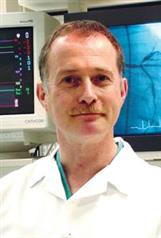 Ted E. Feldman合作论文数Cardiac Catheterization Laboratory, NorthShore University HealthSystem, Evanston Hospital;Northwestern University Medical School22Daniele Andreini合作论文数21
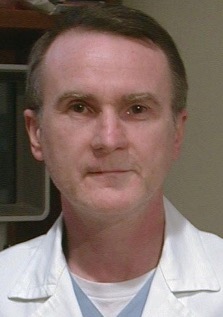 Antonio Colombo合作论文数Department of Cardiology, Humanitas University;Columbia Presbyterian Medical Center;Stamford Medical Hospital20
 Chrysafios Girasis合作论文数20
 Shigetaka Kageyama合作论文数19de Vries Ton合作论文数19
 Torsten Doenst合作论文数Department of Cardiac Surgery, University of Leipzig Heart Center19
 Wiebke Friedrich合作论文数18Saima Mushtaq合作论文数18
 Giulio Pompilio合作论文数Dipartimento di Chirurgia Cardiovascolare, Centro Cardiologico Monzino IRCCS;Dipartimento di Scienze Biomediche, Chirurgiche ed Odontoiatriche, University of Milano18
 Elisabeth Stahle合作论文数17
 Johan De Mey合作论文数15
 Marco Valgimigli合作论文数Faculty of Biomedical Sciences, Università della Svizzera italiana;Cardiology Department, Cardiocentro Ticino15
 Y. Zhang (张瑶俊)合作论文数13Shinichiro Masuda合作论文数13
 Kai Ninomiya合作论文数13
 Carlos Collet合作论文数Cardiovascular Center Aalst, OLV Clinic;OLV Ziekenhuis Aalst-Asse-Ninove13
 Mark La Meir合作论文数University of Brussels13
 Nozomi Kotoku合作论文数12
 Kaoru Tanaka合作论文数12
 Carlos M. Campos合作论文数Instituto do Coração, University of São Paulo12
 Ewout Steyerberg合作论文数Julius Center, University Medical Center Utrecht12
 Ulf Teichgraber合作论文数12
 Ulrich Schneider合作论文数11
 Gregg Stone合作论文数The Zena and Michael A. Wiener Cardiovascular Institute, Icahn School of Medicine at Mount Sinai11
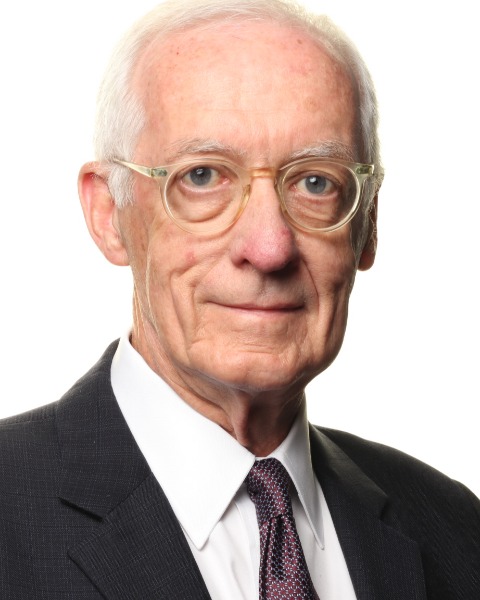 Michael Mack合作论文数Baylor Scott & White Health11
 Joanna Wykrzykowska合作论文数Department of Cardiology, University Medical Center Groningen11
 Takashi Muramatsu合作论文数10
 William Wyns合作论文数University of Galway;National University of Ireland Galway10
 Gianluca Pontone合作论文数10
 Pascal Vranckx合作论文数10Yuki Katagiri合作论文数9
 Javeid Iqbal合作论文数Dept Cardiol, Sheffield Teaching Hosp NHS Trust9
 Taku Asano合作论文数9
 van Klaveren David合作论文数Erasmus MC, Dept Publ Hlth, Rotterdam, Netherlands9van Es Gerrit Anne合作论文数9




