The population of patients with moderate and severe CKD is growing. Frail and older patients comprise an increasing proportion. Many studies still exclude this group, so the evidence base is limited. In 2013 the advisory board of ERBP initiated, in collaboration with European Union of Geriatric Medicine Societies (EUGMS), the development of a guideline on the management of older patients with CKD stage 3b or higher (eGFR >45 mL/min/1.73 m). The full guideline has recently been published and is freely available online and on the website of ERBP (www.european-renalbest-practice.org). This paper summarises main recommendations of the guideline and their underlying rationales.
The population of patients with moderate and severe CKD is growing. Frail and older patients comprise an increasing proportion. Many studies still exclude this group, so the evidence base is limited. In 2013 the advisory board of ERBP initiated, in collaboration with European Union of Geriatric Medicine Societies (EUGMS), the development of a guideline on the management of older patients with CKD stage 3b or higher (eGFR >45 mL/min/1.73 m2). The full guideline has recently been published and is freely available online and on the website of ERBP (www.european-renal-best-practice.org). This paper summarises main recommendations of the guideline and their underlying rationales.
As people age, chronic kidney disease becomes more common, but it rarely leads to end-stage kidney disease. When it does, the choice between dialysis and conservative care can be daunting, as much depends on life expectancy and personal expectations of medical care. Shared decision making implies adequately informing patients about their options, and facilitating deliberation of the available information, such that decisions are tailored to the individual's values and preferences. Accurate estimations of one's risk of progression to end-stage kidney disease and death with or without dialysis are essential for shared decision making to be effective. Formal risk prediction models can help, provided they are externally validated, well-calibrated and discriminative; include unambiguous and measureable variables; and come with readily applicable equations or scores. Reliable, externally validated risk prediction models for progression of chronic kidney disease to end-stage kidney disease or mortality in frail elderly with or without chronic kidney disease are scant. Within this paper, we discuss a number of promising models, highlighting both the strengths and limitations physicians should understand for using them judiciously, and emphasize the need for external validation over new development for further advancing the field.
Axial gout is a well-documented but uncommon manifestation of gout. Its mimicking nature and the impracticality of axial joint aspiration might considerably delay its diagnosis. We report a case in a normouricemic renal transplant recipient, whereby the primary symptom of severe neck pain suggested pyogenic spondylodiscitis as an initial tentative diagnosis. Clinical findings included a high C-reactive protein concentration and elevated body temperature. The patient did not respond to empiric antibiotic treatment and suffered consecutive attacks of severe wrist and ankle pain in conjunction with a persistent fever. Blood and joint cultures were negative, but analysis of aspirated ankle joint fluid revealed monosodium urate crystals. A dual-energy computed tomography scan confirmed the presence of monosodium urate crystals in the costovertebral joints. Colchicine treatment dramatically improved the patient's clinical condition. Axial gout should be considered in transplant recipients with severe neck or back pain, fever, and increased inflammatory parameters with a high likelihood of an infectious etiology, despite the presence of paradoxically normal or even decreased serum urate concentrations. Dual-energy computed tomography is a noninvasive technique of possible benefit in the detection of axial gout when joint fluid aspiration is not deemed safe.
 Evi Nagler合作论文数3
 Andrew Findlay合作论文数2Leen De Vos合作论文数2
 Filippo Aucella合作论文数2
 Dieneke van asselt合作论文数2
 Osasuyi Iyasere合作论文数2
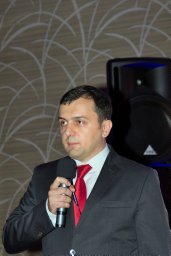 Ionut Nistor合作论文数Dept Nephrol, Gr T Popa Univ Med & Pharm2Van Der Meersch Hans合作论文数2
 Sofie Dhaese合作论文数Jan Yperman Hospital (WT),, Ghent University Hospital2
 Denis Fouque合作论文数Hospices Civils de Lyon;Oxford University Press;Université Claude Bernard Lyon 12Ken Farrington合作论文数Renal Unit, Lister Hosp2Joosten Hanneke合作论文数2
 Adrian Constantin Covic合作论文数University of Medicine "Gr T. Popa ";Dr. C.I. Parhon” Hospital2
 James Tattersall合作论文数European Renal2Maarten W. Taal合作论文数2Juan F. Macías Núñez合作论文数2
 Wim Terryn合作论文数Department of Nephrology, University Hospital2Wim Van Biesen合作论文数2
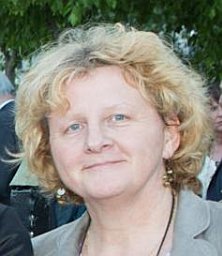 Kitty Jager合作论文数Academic Medical Center;University of Amsterdam2
 Naomi Clyne合作论文数2
 Dorothea Nitsch合作论文数Department of Non-communicable Disease Epidemiology, Faculty of Epidemiology and Population Health, London School of Hygiene & Tropical Medicine2Sabine N Van Der Veer合作论文数2
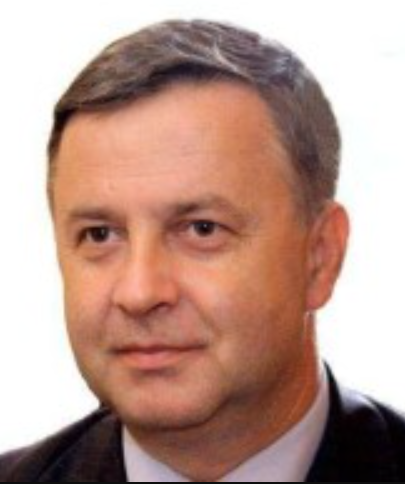 Tomasz Grodzicki合作论文数Department of Internal Medicine Jagiellonian, University Medical College2
 Steven Van Laecke合作论文数From the Department of Internal Medicine, University Hospital2
 Nele Van Den Noortgate合作论文数2Mooney Andrew合作论文数1




