BACKGROUND:Sudden unexpected infant death (SUID) is a leading cause of infant mortality in the United States. Hospitals have implemented infant safe sleep programs with varying measures and degrees of success, but few have demonstrated improvements in hospital-based and home safe sleep practices with nurse subject matter experts (SMEs) and community SUID prevention campaigns. AIMS:This project evaluated the impact of a state-wide, evidence-based infant safe sleep program for birthing hospitals using nurse SMEs and a community awareness campaign on nurse knowledge, safe sleep environments, and trends in infant sleep-related deaths. METHODS:Between 2016 and 2021, a pre- and post-test quality improvement intervention-based design was used to enroll hospitals and train and embed SMEs to educate peers, conduct practice surveillance and audits, and address practice deviations. A website housed comprehensive resources, and a large-scale community-based social and print media campaign on safe sleep practices occurred. Nurse and practice data from 12 hospitals that fully implemented the program were compared pre- and post-implementation. State-wide survey data for key safe sleep indicators reported by parents were compared from our 12 birthing hospitals to other facilities. RESULTS:Of trained nurses (N = 902), 83.4% reported making substantial or exceptional progress in being proactive in surveillance of safe sleep environments. Pre- and post-implementation environmental audits showed a significantly higher proportion of infants in safe sleep positions post-implementation (94.3%) than pre-implementation (89.6%) (p = 0.001). Statewide survey data from birth parents discharged from our program hospitals significantly outperformed those discharged from other state facilities. Multi-media campaigns resulted in over 1.4 million impressions on our website. Sleep-related deaths for infants born at four program hospitals dropped 16.1% from 31 in 2018 to 26 in 2021. LINKING EVIDENCE TO ACTION:A safe sleep program improved hospital-based nurses' knowledge and practice and birth parent's knowledge and behaviors, and it was associated with a decrease in infant sleep-related deaths.
Background: Hyperthermia is a known risk for sudden unexpected infant death. The practice of hat placement at birth to prevent transient hypothermia may not be necessary and sets an early standard for clothing infants that may lead to hyperthermia postnatally. Objective: To examine the elimination of hats on thermoregulation (eg, hypothermia, <97.6°F) in full-term newborns with no abnormalities within 24 hours of birth. Methods: In 2018, an institution guideline discontinued the use of hats at birth. Subsequently, newborn body temperatures were respectively extracted from electronic health records and data were compared from 482 infants (>38 weeks' gestation and newborn birth weight >2500 g) prior to (n = 257) and following (n = 225) the practice change. Body temperatures prior to and after the practice change to eliminate hats use were compared. Results: No statistically significant difference was observed: (1) in the proportion of infants experiencing hypothermia with or without hat use, respectively, 23.7% compared with 31.1% (P = .09) and (2) in the odds of an infant experiencing hypothermia when adjusting for relevant covariates (odds ratio = 1.44; 95% confidence interval 0.89-2.32; P = .14). Conclusions: Our findings demonstrate that the use of hats on infants at birth had no measurable impact on newborn thermoregulation.
BACKGROUND:Hyperthermia is a known risk for sudden unexpected infant death. The practice of hat placement at birth to prevent transient hypothermia may not be necessary and sets an early standard for clothing infants that may lead to hyperthermia postnatally. OBJECTIVE:To examine the elimination of hats on thermoregulation (eg, hypothermia, <97.6°F) in full-term newborns with no abnormalities within 24 hours of birth. METHODS:In 2018, an institution guideline discontinued the use of hats at birth. Subsequently, newborn body temperatures were respectively extracted from electronic health records and data were compared from 482 infants (>38 weeks' gestation and newborn birth weight >2500 g) prior to ( n = 257) and following ( n = 225) the practice change. Body temperatures prior to and after the practice change to eliminate hats use were compared. RESULTS:No statistically significant difference was observed: (1) in the proportion of infants experiencing hypothermia with or without hat use, respectively, 23.7% compared with 31.1% ( P = .09) and (2) in the odds of an infant experiencing hypothermia when adjusting for relevant covariates (odds ratio = 1.44; 95% confidence interval 0.89-2.32; P = .14). CONCLUSIONS:Our findings demonstrate that the use of hats on infants at birth had no measurable impact on newborn thermoregulation.
BACKGROUND:Pennsylvania sudden unexpected infant death rates rank among the highest nationally. A nursing team developed, implemented, evaluated, and disseminated an evidence-based quality improvement (QI) program at birthing hospitals in Pennsylvania to address this issue. To facilitate implementation, clinical nurses were educated as Subject Matter Experts (SMEs) to empower them to transform and sustain outcomes-driven QI for infant safe sleep nursing practice.METHODS:This descriptive study examined outcomes from 268 nurses who received comprehensive education on infant safe sleep and the SME role. Likert-type scale surveys measured knowledge gained and progress made in practice following education. A programmatic dashboard tracked program implementation. Descriptive statistics were used to report findings.INTERVENTION:SME nurses ( N = 268) completed two interactive learning modules addressing safe sleep guidelines and teaching strategies and attended a workshop to acquire skills for program implementation. Key competencies included data collection and dissemination, policy development, and communication techniques.RESULTS:Immediate posteducation surveys completed by SMEs indicated that over 98% of respondents strongly agreed or agreed they were able to effectively demonstrate communication strategies, identify SME role components, provide environment surveillance, and demonstrate best practices in infant safe sleep. To allow time for assimilation of the of SME role, a survey was initiated at 6 months to capture progress made. Seventy-eight SMEs responded to the survey and reported exceptional or substantial progress in 10 areas for SME responsibilities.CONCLUSION:Use of the SME role for program implementation led to highly favorable SME-reported outcomes in leading a hospital-based QI program.
Background: An increase in infant drops on a postpartum unit prompted a quality improvement project to examine causes and formulate risk reduction strategies. Review of health records revealed that infant drops occurred more frequently when mothers fell asleep holding infants. Methods: A prospective descriptive study was conducted with a convenience sample of 101 postpartum mother-infant dyads. Hourly assessments of maternal sleepiness using the Stanford Sleepiness Scale (SSS) and surveillance of patient rooms were performed during hospitalizations (N = 4,550 observations). Results: Mothers slept on average 3.7 hours/day (median = 5.0). Sleepiness followed an expected nighttime routine on postpartum day 1 regardless of when mothers arrived on the unit. Peak sleepiness was observed at 04:00 (mean SSS score = 5.3; standard deviation [SD] = 2.6), and mothers were most awake until 18:00 (mean SSS score = 1.9; SD = 1.7). No infant drops occurred during the project; however, 50 participants required at least one intervention or corrective action to address unsafe sleep. Of 1,718 observations of mothers in bed with their infant, there were 35 instances (2.0%) where nurses observed mothers asleep holding their infant. Conclusion: Frequent observations of maternal sleepiness and infant environments may prevent infant drops and provide opportunities for intervening with risk reduction strategies, including education on safe sleep for infants.
Objective: To explore women's use and acceptance of Everhealthier Women, a mobile health (mHealth) application (app) designed to provide women with easy access to preventive health information and to promote adherence to life-saving clinical screenings and disease prevention behaviors. Design: Qualitative descriptive study. Setting: A Special Supplemental Nutrition Program for Women, Infants, and Children (WIC) office in a large Northeastern U.S. city. Participants: Fifteen low-income women ages 18 to 30 years who used WIC services. Methods: Participants completed a baseline survey regarding their use of technology to obtain health information. Next, they received an introductory session to Everhealthier Women on a mobile device by a study staff member and individually explored the app. Afterward, they completed a questionnaire in the waiting room to assess their initial views on the acceptability and usefulness of the app. Participants were then contacted over a period of 3 weeks to elicit feedback about their app use through a series of open-ended questions. Descriptive statistics were calculated, and content analysis was performed. Results: Fourteen of the 15 participants reported using the Internet to search for health information in the past. Seven participants had used mHealth apps, and 14 believed that Everhealthier Women was easy to navigate and beneficial for women of all ages. They reported being more likely to use the app if it was recommended by a friend or health care provider. The app was mainly used to search for health information and set appointment reminders. Conclusion: mHealth apps can be powerful public health tools; however, evidence should inform their development. Research about specific apps, such as Everhealthier Women, advances our knowledge about the benefits of mHealth and implementation challenges and could inform stakeholders of the optimal level of investment in new technologies. Consideration of financial, time, and personal constraints is needed to evaluate the use of mHealth apps by economically disadvantaged populations.
For many years, the In Focus section of the Journal of Obstetric, Gynecologic, & Neonatal Nursing (JOGNN) has been used to disseminate the latest information on specific topics related to obstetric, gynecologic, and neonatal nursing. Each series has a particular focus and includes an introductory editorial by the guest editor and three or four solicited articles. However, the function and content of this section of the journal evolved over time. Clinically oriented articles originally appeared in a standalone publication of the Nurses Association of the American College of Obstetricians and Gynecologists: NAACOG’s Clinical Issues in Perinatal and Women’s Health Nursing that was published quarterly from 1990 to 1992. In 1993, with the title change of the association, the title of the publication was changed to AWHONN’s Clinical Issues in Perinatal and Women’s Health Nursing. As is evident from the title, the publication had a heavy clinical focus on issues confronting perinatal and women’s health nurses, and each issue contained approximately 12 to 15 solicited articles.
This study investigates what needs to be considered in our current health services to appropriately respond to abused Korean immigrant women. Using a community-based participatory approach, this qualitative interpretive description analyzed counseling documents and semi-structured interviews. Data analyses suggested that intimate partner violence (IPV) screening for ethnic minority women in health care settings can be improved by informing patients about the role of health care providers in addressing IPV, establishing rapport before IPV screening, assuring confidentiality is maintained, respecting Korean immigrant women's unique perspectives and response toward IPV, providing translation services, and collaborating with ethnic minority women's community organizations.
Objective: To evaluate the association between maternal obesity and mood disorders including depression, anxiety, stress, and pregnancy-specific stress during pregnancy.Study design: This was a planned secondary analysis of a prospective cohort study investigating factors associated with preterm delivery. The cohort included women who initiated prenatal care before 20 weeks with a singleton pregnancy. Maternal mental health was assessed using four standard psychosocial behavioral measures to screen for depression, pregnancy-specific stress, anxiety, and stress. Screen positive scores for each tool were established based on previously published high scores.Results: Of the 1010 women included in the cohort, 355 (35.1%) were obese. There was no significant difference in the number of obese women with stress (64.2% versus 68.4%, p=0.18), pregnancy-specific stress (26.2% versus 22.1%, p=0.15), or anxiety (38.6% versus 41.2%, p=0.42); however, a greater number of obese women did report symptoms consistent with major depression when compared to women with BMIs <30 (30.4% versus 21.2%, p<0.01).Conclusion: Obese women had higher rates of depression in early pregnancy compared to nonobese women. As many of the health behavior interventions for obese women during pregnancy have proven ineffective, incorporating depression screening and treatment into prenatal care may improve perinatal outcomes.
To determine if a relationship exists between maternal fatigue and unsafe maternal–infant sleep practices or infant drops. Descriptive study design. Three randomly designated postpartum rooms in a 33-bed mother–baby unit that provides couplet nursing care. A convenience sample of 92 women in the postpartum period, 18 years and older, English speaking, and not receiving intravenous magnesium sulfate for hypertension. The time frame studied was time to admission to the mother–baby unit to discharge from the hospital. Women were assessed hourly for fatigue using the Stanford Sleepiness Scale. In addition, the hospital room environment was assessed hourly for evidence of unsafe sleep practices using an investigator developed environmental safety survey. Unsafe sleep practices that were identified were immediately rectified. During the project period, five infant drops occurred although no infant drops occurred among the 92 participants. Unsafe infant sleep practices were identified in 22% (n = 20) of the participants and immediately rectified. Common unsafe sleep practices included a hospital bed not in its lowest position, co-sleeping, and having less than two side rails in upright position. These mothers averaged 6.8 hours of observed sleep (0–13 hours) during the postpartum hospital stay (31–59 hours) with an average sleep interval of 2.94 hours (0–6 hours) Hourly observation of environment and subjective assessment of maternal fatigue may prevent infant drops.
Within the past year, two newborns died from sudden infant death syndrome (SIDS) after discharge from our urban tertiary care health system. According to the Centers for Disease Control and Prevention ( Centers for Disease Control and Prevention, 2016d Centers for Disease Control and PreventionUnderstanding the problem. 2016http://www.cdc.gov/sids/aboutsuidandsids.htm Google Scholar ), SIDS is a type of sudden, unexplained infant death (SUID) defined as “the sudden death of an infant less than 1 year of age that cannot be explained after a thorough investigation is conducted, including a complete autopsy, examination of the death scene, and a review of the clinical history” (para. 8). Most SIDS deaths occur when an infant is between 1 and 4 months of age (U.S. Department of Health and Human Services [ U.S. Department of Health and Human Services, 2014 U.S. Department of Health and Human ServicesSIDS by baby's age infographic. 2014https://www.nichd.nih.gov/sts/news/downloadable/Pages/infographic_byage.aspx Google Scholar ). Needless to say, we were horrified by these losses and began to explore what we could do as nurses within a birthing hospital to help prevent such occurrences in the future and to promote safe sleep practices.
Both prenatal stress and gestational weight gain (GWG) outside of the Institute of Medicine (IOM) guidelines have been associated with a higher risk of select adverse pregnancy outcomes. The relationship between maternal distress and GWG is not well studied. The purpose of our study was to determine if maternal distress about weight gain, diet and physical changes during pregnancy are associated with GWG abnormalities. A planned secondary analysis of a prospective cohort study was performed. Of the 747 women enrolled, 653 (87%) delivered >/= 37 weeks and had documented weight at delivery. Women were asked to fill out a validated questionnaire about perinatal distress(PD) at 3 time points (V1:16-20 wks, V2:20-24 wks, V3:24-28 wks), incomplete questionnaires were excluded. For the purpose of our study we focused on 3 questions related to diet and weight gain during pregnancy; Q1: "I find weight gain during pregnancy troubling", Q6: "I am worried about eating healthy food for the baby", Q7: "Overall, the changes in my body shape and size during pregnancy bother me". The questions were scored on a scale of 0 (not at all) to 4 (extremely). Women were divided into IOM weight gain categories (below, within and above) based on total weight gain for pregnancy and initial visit BMI. For each of the 3 time points, the mean for each of the 3 questions and the total PD score was calculated. ANOVA with Bonferroni correction was used to determine the difference in means between groups. Most women, 41.7% had GWG > IOM recommendations, 25.7% had weight gain below and 32.6% were within recommendations. There was no significant difference among the groups for the mean Q6 score or total PD score(Table). Women whose GWG exceeded guidelines had significantly higher mean scores for Q1 and Q7 at all 3 time points compared to those with GWG below or within recommendations(Table). There were no significant differences between BMI category and mean question score or total PD score. Women with more negative emotions about weight gain and physical changes during pregnancy are more likely to exceed IOM GWG guidelines. Providing additional tools for weight and dietary management to these women early in pregnancy may reduce their total weight gain and improve their mental health attitudes towards the physical changes of pregnancy.R01NR014784-01
Marilyn Stringer, PhD, WHNP‐BC, FAAN Associate Editor
Objectives: To test if combining positive results of sequential magnified naked-eye examination (MNEE) and visual inspection of cervix after application of acetic acid (VIA) would increase diagnostic indices for precancerous and cancerous cervical lesions in comparison to the gold standard positive Pap test in a developing country set up.A secondary objective was to evaluate the effectiveness of nurse training and patient acceptance of this screening approach.
Poster Presentation Purpose for the Program A subset of postpartum patients in whom hypertension was diagnosed was readmitted within 7 days of giving birth at the hospital because of advancing disease. Our current practice for providing care to these women was to have them return for reevaluation at a 1‐week follow‐up appointment at our hypertensive clinic. As a result of our readmission data, we determined that increased outreach was needed between discharge time and follow‐up time when subtle signs of advancing disease may occur. Proposed Change To improve patient outcomes and decrease our 7‐day readmission rate for this population, we piloted a nurse outreach program using text messages (TM) as a tool to bridge this time gap. We hypothesized that TM would provide the woman flexibility in response time that would better meet her and her infant's needs during this early recovery period. The implementation of TM is not time dependent, and the script can be cut and pasted from patient to patient. Implementation, Outcomes, and Evaluation The purpose of this TM was to provide reassurance, answers to questions and problem‐solving solutions, and to identify women who needed escalated care. We developed a standardized TM that was sent to women 3 to 4 days after discharge. During our 3‐month pilot ( N = 123 patients), we observed a 34% ( n = 41) response rate; 27% ( n = 11) required a follow‐up phone contact to attain additional information to determine if escalation was needed. In nine instances, phone triage was adequate in addressing concerns. Two of the 11 phone contacts indicated a need for escalation in care and referral to an acute care center. In one TM the woman stated, "I'm at the baby's appointment and they checked my blood pressure and I think I need to go to the hospital but I have no way to get there." In response to this woman's needs, the nurse called the woman to obtain further assessment, determined that additional care was required, and facilitated the woman's transport to care. Implications for Nursing Practice Nurses and participants expressed satisfaction with TM. Because of the success of this pilot program, we plan to offer it to all postpartum women in whom hypertension is diagnosed to determine whether our 7‐day readmission rate for this issue decreases.
Social reformer, author, and statistician, Florence Nightingale, the founder of modern nursing, championed the prevention and control of infection. Her seminal work on combatting unhealthy hospital environments with the use of fresh air, clean water, cleanliness, and light ( McDonald, 2012 McDonald L. Florence Nightingale and hospital reform. Wilfrid Laurier University Press, Waterloo, Ontario, Canada2012 Google Scholar ) laid the foundation for contemporary nursing practice. Based on Nightingale's vision and a holistic approach to care, the nursing paradigm promotes a framework to support health and prevent disease. The four concepts of the nursing paradigm, the individual, the environment, health, and nursing, provide the context in which to implement evidenced‐based interventions to reduce health risks for the individual. Within the nursing paradigm, the individual refers to the person in receipt of care, and this person may represent an individual, a family, or a community. Health refers to the degree of wellness or illness experienced by the person. Nursing refers to the actions, characteristics, and attributes of the individual providing care. Environment refers to the internal and external conditions, circumstances, and influences that affect the person ( Parker and Smith, 2010 Parker M.E. Smith M.C. Nursing theories and nursing practice. 3rd ed. F. A. Davis, Philadelphia, PA2010 Google Scholar ). Marilyn Stringer, PhD, WHNP, FAAN Associate Editor
To forge strong relationships among nurse scholars from the University of Pennsylvania School of Nursing, Philadelphia, PA (USA); University of Botswana School of Nursing, Gaborone, Botswana; the Hospital of the University of Pennsylvania, Philadelphia; Princess Marina Hospital (PMH), Gaborone; and the Ministry of Health of Botswana, a strategic global partnership was created to bridge nursing practice and education. This partnership focused on changing practice at PMH through the translation of new knowledge and evidence-based practice. Guided by the National Institutes of Health team science field guide, the conceptual implementation of this highly successful practice change initiative is described in detail, highlighting our strategies, challenges and continued collaboration for nurses to be leaders in improving health in Botswana.
Women in developing countries face many barriers that prevent them from receiving adequate, timely cervical cancer screening.In Egypt the prevalence of cervical cancer was 7.8/100,000 with 2713 newly annual reported cases.Objectives: to increase women's awareness of cervical cancer risk using counseling and to determine nursing's role in the screening tests.Methods: A cross sectional design, of non-pregnant, non-virginal women was recruited.Results: 450 non-pregnant women were counseled and consented for screening.The nurse was able to identify squamous columnar junction 100%.In comparing positive visual inspection with acetic acid (VIA) to pap smear screening results, findings were 17.1% (n=77) and 5.1% (n=68) , respectively.In comparing negative VIA to pap smear screening results, findings were 82.9 % (n=373) and 83.8% (n=377), respectively.Conclusion: Nurse's performing VIA is as effective screening tool for determining precancerous or cancerous cervical lesions.
Objective To determine which words or phrases women from three different age groups (12–21, 22–45, 46 and greater) and four different ethnicities (African American, Hispanic, Asian, White) use to describe breast milk. Design Evidence‐based quality improvement project. Sample Women greater than the age of 12 and of African American, Asian, White, or Hispanic ethnicity. Methods Through a survey, a total of 216 women were individually asked, How would you complete the following sentence to describe the value of breast milk and breast feeding. Breast milk is like… The women were also asked how they would describe their ethnicity and their age group. Implementation Strategies Qualitative descriptive design with a survey of women in the maternity ward and outside of the hospital of the University of Pennsylvania, on streets in West Philadelphia, and through an anonymous online survey. Results We used qualitative descriptive data analysis to identify seven themes for words or phrases that describe breastfeeding: priceless gift, health, nutrition, protection, natural, bonding, and other. The responses were separated by race and then by the response's theme. Within each race, the percentage of responses in each theme varied. Among the Asian and Hispanic respondents, the most popular theme was natural. The most popular theme among White respondents was priceless gift and among African American respondents was nutrition. Conclusion/Implications for Nursing Practice To effectively communicate the value of breast milk to new mothers, nurses should emphasize that breastfeeding is natural and nutritious. It is also effective to refer to breast milk as a priceless gift, such as liquid gold. The results of this study indicate that it would be ineffective to encourage new mothers to breastfeed by describing the low cost of breastfeeding or by explaining how breastfeeding can help a new mother lose weight. Based on these results, it is apparent that women of different ethnicities use different language to describe the value of breast milk. However, no parallel pattern was identified among women of differing age groups. The implications of this study will be useful to health providers as they teach new mothers about breastfeeding. To determine which words or phrases women from three different age groups (12–21, 22–45, 46 and greater) and four different ethnicities (African American, Hispanic, Asian, White) use to describe breast milk. Evidence‐based quality improvement project. Women greater than the age of 12 and of African American, Asian, White, or Hispanic ethnicity. Through a survey, a total of 216 women were individually asked, How would you complete the following sentence to describe the value of breast milk and breast feeding. Breast milk is like… The women were also asked how they would describe their ethnicity and their age group. Qualitative descriptive design with a survey of women in the maternity ward and outside of the hospital of the University of Pennsylvania, on streets in West Philadelphia, and through an anonymous online survey. We used qualitative descriptive data analysis to identify seven themes for words or phrases that describe breastfeeding: priceless gift, health, nutrition, protection, natural, bonding, and other. The responses were separated by race and then by the response's theme. Within each race, the percentage of responses in each theme varied. Among the Asian and Hispanic respondents, the most popular theme was natural. The most popular theme among White respondents was priceless gift and among African American respondents was nutrition. To effectively communicate the value of breast milk to new mothers, nurses should emphasize that breastfeeding is natural and nutritious. It is also effective to refer to breast milk as a priceless gift, such as liquid gold. The results of this study indicate that it would be ineffective to encourage new mothers to breastfeed by describing the low cost of breastfeeding or by explaining how breastfeeding can help a new mother lose weight. Based on these results, it is apparent that women of different ethnicities use different language to describe the value of breast milk. However, no parallel pattern was identified among women of differing age groups. The implications of this study will be useful to health providers as they teach new mothers about breastfeeding.
Marilyn Stringer Associate Editor Recently, issues such as female hygiene, contraception, family planning, pregnancy, preventative health care, and maintaining the balance between work and life while fulfilling military and personnel obligations have all come to the forefront of military and Veteran care and research agendas. Through the exemplary work of nurse scholars in the military and Veterans Administration health care systems, a growing body of literature addresses the physical, emotional, and social health issues and concerns unique to female service members during active duty in the United States, during deployment, and during nonactive duty as Veterans. The TriService Nursing Research Program has been instrumental in expanding the scope and impact of military nursing research. This program establishes research priorities for military nurse scientists, which include categories for Force Health Protection, Nursing Competencies and Practice, and Leadership, Ethics, and Mentoring. This program’s long-standing grant mechanisms have led to many studies that examine interventions to improve women’s health, translate evidence-based practices into clinical care, and inform and shape health policies (Uniformed Services University of the Health Sciences, 2011). Without support from the military and Veterans Administrations, advancement and dissemination of science related to women in the military and women Veterans would be limited.
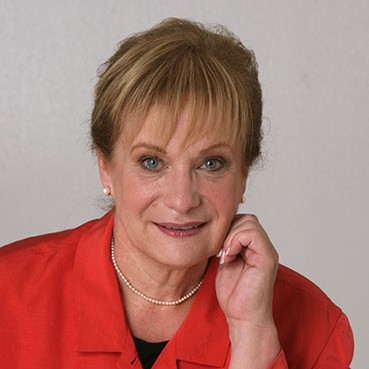 Rosemary Carol Polomano合作论文数School of Nursing, University of Pennsylvania8
 Teitelman Anne M合作论文数Center for Health Equities Research School, Nursing University of Pennsylvania6
 Nick Giordano合作论文数5
 Susan R Miesnik合作论文数4Tali Averbuch合作论文数3Jessica Lazzeri合作论文数3
 George A. Macones合作论文数Department of Women's Health, Dell Medical School, The University of Texas at Austin3Marianne D. Bittle合作论文数2Marjorie Muecke合作论文数2Sahar Naguib合作论文数2Meredith Rochon合作论文数2Joanne Quinones合作论文数2
 Amy Witkoski Stimpfel合作论文数Rory Meyers College of Nursing, New York University2
 Celeste P. Durnwald合作论文数The Division of Maternal Fetal Medicine, Department of Obstetrics and Gynecology, Perelman School of Medicine, University of Pennsylvania2Jemmott Loretta S合作论文数2
 Anthony Odibo合作论文数Division of Maternal Fetal Medicine, Washington University Physicians, Washington University in St. Louis;Barnes-Jewish Hospital;Missouri Baptist Medical Center;Progress West Hospital2
 Michal A. Elovitz合作论文数Elovitz Lab, Department of Obstetrics and Gynecology, Perelman School of Medicine, University of Pennsylvania;Center for Research on Reproduction and Women's Health, Perelman School of Medicine, University of Pennsylvania2
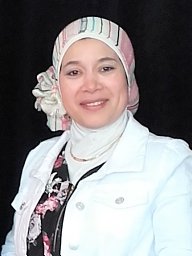 Howieda Fouly合作论文数Assiut University, Assiut University2Helen Knapp合作论文数2
 Atef M Darwish合作论文数Women's Health University Center, Assiut University2B Clothier合作论文数1Dalal Eshra合作论文数1Lakshmi Rajeswaran合作论文数1Bonnie Renner Ohnishi合作论文数1Karen Peddicord合作论文数1Laura F. Scalise合作论文数1Lori Christ合作论文数1Jeane Ann Grisso合作论文数1Jessica Reyes合作论文数1
 Kefalotse Dithole合作论文数1Kelly Ruhstaller合作论文数1Elizabeth Quigley合作论文数1Sarah J McGrath合作论文数1Mohamed Galal合作论文数1Su Kyung Kim合作论文数1DeAnne K Hilfinger Messias合作论文数1Victoria L Rich合作论文数1
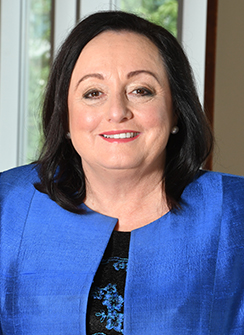 Patricia M Davidson合作论文数School of Nursing, Johns Hopkins University;Australia’s University of Wollongong;World Health Organization;Faculty of Health, University of Technology Sydney1
 Sarah J. Ratcliffe合作论文数Department of Biostatistics, Epidemiology and Informatics, Perelman School of Medicine, University of Pennsylvania1
 Patricia D’Antonio合作论文数Department of Family and Community Health, School of Nursing, University of Pennsylvania;Barbara Bates Center for the Study of the History of Nursing, University of Pennsylvania;Leonard Davis Institute of Health Economics, University of Pennsylvania1
 Eleanor Krassen Covan合作论文数1Correa-de-Araujo Rosaly合作论文数1Suplee Patricia Dunphy合作论文数1Sindhu Siriorn合作论文数1Founds Sandra A合作论文数1
 Lynn Sommers合作论文数Department Family & Community Health, School of Nursing, University of Pennsylvania1
 Josefina Tuazon合作论文数University of the Philippines Manila, University of the Philippines Manila1Karen Reesman合作论文数1




