This study addresses limitations of traditional kinetic Monte Carlo (kMC) simulations, particularly their inability to capture latent surface dynamics on electrocatalysts due to complex many-body interactions among adsorbates, reactants, and intermediates. These shortcomings limit their predictive accuracy, often exacerbated by the separate limitations of density functional theory (DFT) in calculating activation energies (E a) accurately. To overcome these challenges, we introduced a hybrid model that combines advanced machine learning (ML) with first-principles kMC. In this work, our approach defines "effective" activation energies incorporating nuanced physical phenomena that are absent in conventional kinetic models but evident in experiments. This hybrid model leverages these predictive effective activation energies to unveil underlying chemical phenomena occurring on catalyst surfaces. These phenomena include changes in product generation, surface coverage, and the dominant reaction mechanisms over time, which have been validated through experimental outcomes using MXene catalysts. Additionally, the ML component of our model not only provides an empirical fit but also infers underlying parameters that guide the subsequent DFT calculations based on changeable surface coverage over time.
MXenes, a class of two-dimensional (2D) carbides and/or nitrides, are increasingly utilized in various electrochemical reduction reactions owing to their electronic conductivity, specific surface area, and tunable surface chemistry. Previous studies have indicated that the performance of MXenes in catalyzing the hydrogen evolution reaction (HER) and oxygen reduction reaction (ORR) is influenced by their surface termination groups. However, our understanding of how these groups affect electrocatalytic performance remains limited, especially for nitride MXenes. This work investigates the effects of termination group modification on the HER and ORR activity of Ti4N3 nitride MXene in alkaline media. Ti4N3 MXene was synthesized via oxygen-assisted molten salt fluoride etching and delaminated using different solvents, including tetramethylammonium hydroxide (TMAOH), dimethyl sulfoxide (DMSO), water (H2O), and tetrabutylammonium hydroxide (TBAOH). Characterization through FTIR, EDS, and XPS revealed that all delaminated MXenes have hydroxyl and fluoro terminations, with the former being the predominant group. Among the samples, Ti4N3 delaminated with TBAOH (referred to as Ti4N3-TBAOH) had the highest -OH surface coverage. While the initial HER activity was comparable for all the nitride samples, we observed different onset and overpotentials after activation through chronopotentiometry, likely due to the removal of the passivation layer and the consequent increase in the -OH surface coverage. Ti4N3-TMAOH demonstrated the highest improvement, with a nearly 300-mV decrease in the overpotential at -10 mA/cm2. For the ORR activity, all OH-terminated Ti4N3 MXenes exhibited very similar onset and half-wave potentials despite having different surface coverages. Overall, our results show that while varying the delamination agent alters the coverage of OH/F functional groups, it does not significantly affect the overall catalytic performance, which offers flexibility when preparing nitride MXenes for these applications. These insights provide an experimental basis to further exploration of surface modification of nitride MXenes for fuel cell and water splitting applications.
Transition metal (TM)-based single atom catalysts (SACs) have emerged as a promising solution for the electrochemical nitrogen reduction reaction (NRR) due to their unique d-orbitals and low coordination, which facilitate efficient N-2 bond weakening and increased reactivity. However, conventional theoretical approaches fail to incorporate the kinetics of TM aggregation, a crucial factor in SAC systems that affects catalyst stability and activity over time. Addressing this, we combined kinetic evaluations with thermodynamic and electronic analyses on 216 SAC candidates, using boron carbon nitride (BCN) as a substrate. Our findings revealed that Cr anchored to BCN exhibits a high turnover frequency (3.1 x 10(-6) s(-1)) under mild conditions (300 K, 1 bar), attributed to its minimal TM aggregation over time. This research not only fills the gap in kinetic research within the SAC field but also proposes a SAC candidate distinguished by its superior kinetics, thermodynamic, and electronic properties.
In this paper, we have demonstrated radio frequency (RF) heating of susceptor nanomaterials coupled with conventional catalysts to enable a new class of heterogeneous catalytic reactors with localized, volumetric heating. The recent emphasis on industrial decarbonization has highlighted the need to reduce greenhouse gas emissions from chemical process heating. Existing industrial scale catalytic reactors use fuel-fired furnaces to achieve high temperatures which contributes to CO2 emissions and requires on-site infrastructure. Compared to conventional heating, this work uses a power-to-chemicals route, where RF fields (1-200 MHz) are utilized to volumetrically heat RF-responsive carbon nanomaterials integrated with the catalyst. With the option of using renewable electricity sources, the greenhouse gas emissions associated with the process can be reduced, thereby contributing to industrial decarbonization. We demonstrate the use of an RF applicator to drive the highly endothermic propane dehydrogenation reaction on a Pt/alumina catalyst using carbon nanotubes as the RF susceptors. The propane conversion and propylene yield using RF heating were similar to those obtained when the reactor was heated externally in an oven (conventional heating (CH)) at 500 degrees C. After each reaction cycle, the catalyst was successfully regenerated by RF heating in air to remove deposited carbon. In this work, we investigate how radio frequency heating of admixture of catalyst and RF susceptor can drive the propane dehydrogenation reaction, enabling distributed chemical manufacturing based on electric power rather than fossil fuel heating.
The need for non-precious-metal catalysts for the nitrogenreductionreaction (NRR) is growing due to the high cost of precious-metal catalysts.Transition metal oxides (TMOs) are a promising option, but there islimited experimental and computational evidence for their use. Thepresent work is a comprehensive investigation of multiple TMOs utilizinga multifaceted approach. Specifically, we integrated density functionaltheory (DFT) to analyze thermodynamic and electronic properties, kineticMonte Carlo (kMC) to simulate the entire reaction pathway for candidatematerials, and long-short-term memory (LSTM) methods to incorporatethe long-term surface degradation within the kinetic model. Usingthis approach, we predicted that V2O3 wouldexhibit superior NRR activity compared to a noble Ru catalyst, witha turnover frequency 1000 times higher, while also demonstrating stableperformance for over 10,000 h. It is noteworthy that one of the keyfactors contributing to the high performance of TMOs is their uniqueability to upshift the O 2p-band due to the tensile strain generatedby N-2-TM site binding. This allows for swift H transferto adjacent N-containing species on TM sites by weakening H bindingstrength, leading to an accelerated NRR process. Overall, this workprovides a holistic investigation of TMOs through a comprehensiveDFT-kMC-LSTM approach and demonstrates their uniqueability to leverage complementary H transfer between TM and O sitesrather than suppressing the competing hydrogen evolution reaction(HER) processes.
• Methane valorization is limited by products that are more reactive than methane. • Few examples exist of OCM catalysts delivering C 2 product yields above 30% • C-H bond energies and linear free energy relations explain yield limitations. • Inclusion of additional reactions and transport effects reduces predicted yields. • The prognosis for catalyst improvement is poor; process innovations are needed.
As an alternative to the traditional Haber-Bosch process for ammonia synthesis under high temperature and pressure, the electrochemical nitrogen reduction reaction (NRR) under ambient conditions has been getting attention. Although ruthenium (Ru) is considered the holy-grail catalyst for the NH3 process, it suffers from low selectivity due to the competition between NRR and hydrogen evolution reaction. Experimental screening of new candidate catalysts that can circumvent this challenge is highly resource -intensive, requiring significant labor and expensive precursors. To address this challenge, we have combined density functional theory and kinetic Monte Carlo to shortlist high -performing NRR catalysts. Specifically, this framework utilizes a combination of thermodynamic, electronic, and kinetic analyses to investigate different bimetallic catalysts (i.e., RuTi, RuV2, Ru3W, RuZn3, and RuZr) with specially designed separate active sites for N2 and H adsorption to enhance NRR performance. Our investigations revealed that the newly suggested RuV2 has superior NRR activity with decreased thermodynamic overpotential and increased reaction rates that surpass those of Ru. Notably, RuV2 shows a high N2 selectivity by significantly reducing H poisoning on the catalyst surface and increasing the amount of NH3 with a turnover frequency of 1.1 x 10⁻⁴ s-1 under mild conditions (300 K and 1 bar), which is 1 000 times greater than that of a pure Ru electrocatalyst. Given these key observations, we believe our framework can play a pivotal role in elucidating the role of different active sites for NRR and can be extended to other high-impact metallic catalyst families in the future.
By combining capture and catalytic conversion of carbon dioxide to chemicals and fuels in a single process operation, one can potentially increase the efficiency and feasibility of waste carbon utilization. We report here results for CO2 capture using amines supported on high-surface-area silicas, including fumed silica and mesoporous SBA-15, in tandem with a homogeneous ruthenium hydrogenation catalyst in a batch reactor system, and compare these with previous reports for two- and three-phase versions of capture + hydrogenation systems. While diamine- and polyamine-functionalized solid capture agents led to higher methanol productivities than homogeneous amine and homogeneous catalyst combinations, turnover of the amine capture sites is a significant limitation that has not been previously recognized. These results demonstrate that tandem catalysis in these systems has not yet been achieved, despite previous claims to the contrary. (C) 2021 Elsevier Inc. All rights reserved.
Polyoxometalates have been explored as multi-electron active species in both aqueous and non-aqueous redox flow batteries. Although non-aqueous systems in principle offer a wider voltage window for redox flow battery operation, realization of this potential requires a judicious choice of solvent as well as polyoxometalate properties. We demonstrate here the superior performance of N,N-dimethylformamide(DMF)compared to acetonitrile as a solvent for redox flow batteries based on Li 3 PMo 12 O 40 . This compound displays two 1-electron transfers in acetonitrile but can access an extra quasi-reversible 2-electron redox process in DMF. A cell containing 10 mM solution of Li 3 PMo 12 O 40 in DMF produced a cell voltage of 0.7 V with 2-electron transfers(State of Charge = 60%) and showed a good cyclability. As a means to boost energy density, operation of the redox flow battery at a higher concentration of 0.1 M Li 3 PMo 12 O 40 produced cells with cell voltage of 0.6 V in acetonitrile and a cell voltage of 1.0 V in DMF; both showed excellent coulombic efficiencies of more than 90% over the course of 30 cycles. Energy density was also increased by employing an asymmetric cell with different polyoxometalates on each side to extend cell voltage.Li 6 P 2 W 18 O 62 exhibited 3 quasi-reversible 2-electron transfers in the potential range between-2.05 V and-0.5 V vs. Ag/Ag + . 10 mM Li 6 P 2 W 18 O 62 /Li 3 PMo 12 O 40 in DMF produced a cell with cell voltage of 1.3 V involving 4-electron transfers(State of Charge = 50%) with coulombic efficiency of nearly 100% and energy efficiency of nearly 70% throughout the test with more than 20 cycles. These promising results demonstrate proof-of-concept approaches to improving the performance of polyoxometalates in non-aqueous redox flow batteries.
The effects of cation exchange on methanol oxidation and dehydration by supported H3PMo12O40 catalysts were investigated by exchanging polyoxometalate (POM) protons with cations such as Na+, Me2+, Cu2+, and Al3+. The activity decreased dramatically for both oxidation and dehydration pathways with cation addition. The measured oxidation and dehydration turnover frequencies over Na-, Mg-, and Cu-exchanged POMs were primarily a function of the H+/POM ratio of the catalysts, and differences in the charge of the exchanged cations had little impact. Similar behavior with cation exchange was also observed for ethanol dehydration and oxidation. This study suggests that there are limited benefits of cation-exchanging supported POMs for reactions under mild conditions because changes to POM reducibility induced by cation exchange were not catalytically relevant, and decreasing the number and strength of acid sites crucial to selective oxidation and dehydration catalysis decreases the activity under these conditions.
If you are in a university that has a research portfolio of any size, odds are your institution has a VPR or VCR: a vice president/provost/chancellor for research. Whatever the titles and reporting structure, that person has responsibility for overseeing the institution’s research enterprise, its integrity, and its compliance with legal and regulatory requirements, especially at the federal level. Depending on the school, other responsibilities may include graduate studies, university-wide institutes, or intellectual property, commercialization, and economic development. The VPR job often isn’t seen as a rung on the ladder to a university presidency; the dean → provost → president path is more frequently trodden than any passing through the VPR’s office.When heading off to graduate school or deciding on a career, few academics likely had a goal of becoming a VPR—including those of us who have served in that role. I’m certain that none of us in the role fully appreciated the breadth, complexity, and challenges of the portfolio before we accepted it. So how did each of us get here, why do we love (and occasionally hate) the job, and what does it take to be successful? There are probably as many answers to those questions as there are past and present VPRs. My perspective is undoubtedly shaped by my own experiences—serving twice as a VPR (nonconsecutively and in different institutions), three times as a director of a center or institute, and seven years as a department chairperson.Most VPRs come from the sciences, engineering, or medicine; my own education and academic home are in chemical engineering, with courtesy appointments in chemistry. Let’s face it, if you don’t have an appreciation for the capital demands, costs, regulatory issues, facilities needs, and safety responsibilities of conducting research in scientific fields, you will probably be underequipped for the role. Yet if you cannot credibly articulate the importance of and vigorously support creative scholarship in the arts, humanities, and social sciences, including law, public policy, and business, you may find it difficult to provide vision and leadership of multidisciplinary efforts that address the grand challenges of today and tomorrow. Those efforts are not all about science and technology, even if scorekeeping by counting research dollars often gives that appearance. The best academic leaders are those who can recognize opportunity, articulate a vision, and draw in the talents and interests of faculty members in order to define and shape actions from the bottom up. Mark Barteau joined Texas A&M University in February 2018 as its vice president for research. Earlier he served as senior vice provost for research and strategic initiatives at the University of Delaware. JIM LYLE, TEXAS A&M UNIVERSITYPPT|High resolutionResearch chops are also critical. A VPR who gives the impression that those who can’t compete in research become research administrators is likely to be viewed by faculty members as a bureaucrat rather than as a champion and a leader. Nothing could be more damaging for motivating both the faculty and the VPR. Somewhere along the way one must also have learned to take satisfaction from fostering the success of others. Such servant leadership is essential. So is a real commitment to the professional development of team members at all levels.Over the past decade or more, several trends have contributed to the need for larger, more complex, but also more agile operations under the VPR. Although some people may see that growth as yet another example of “administrative bloat,” our response to the trends is critical to keeping US research universities, both individually and collectively, the best in the world.The first trend is the ever-increasing compliance burden. A new VPR is likely to be hit with an alphabet soup of committees (IACUC [institutional animal care and use committee], IRB [institutional review board], and more) and responsibilities (research integrity, export controls, and biosafety, to name a few) to which he or she may have had limited exposure as a researcher. Changes in funding-agency requirements—whether dealing with archiving and securing data or with the Common Rule, which governs research on human subjects—necessitate that the compliance team be engaged with faculty members and effectively communicate why “the way it was done last time” may no longer be satisfactory.Compliance oversight is often a balancing act: helping faculty members carry out research in a demonstrably compliant way, with minimized burdens and hurdles, while also working cooperatively with the lawyers and auditors who often see their jobs as risk minimization rather than risk management. At major research universities, the compliance infrastructure is usually reasonably complete in extent if not always in depth. However, having mentored leaders from aspiring research institutions participating in NSF’s Experimental Program to Stimulate Competitive Research and the National Institutes of Health’s Institutional Development Award program, I think it is fair to say that aspiring research institutions often underestimate the extent of their compliance needs.The second, and more rewarding trend, is the rise of coordinated research development activities under the VPR. When I first hired an individual for such a role a decade ago, my short version of the job description was “matchmaker-in-chief”—someone who could help bring together faculty members from different fields and connect them with each other and with outside collaborators and funders to increase research competitiveness and impact. Around the same time, the National Organization of Research Development Professionals was established, recognizing the growing need for leadership and support in research development.The drivers for the two trends have come from several directions, including the shift in federal funding away from single-investigator, curiosity-driven research and the increasing role of research universities, both public and private, in economic development. That expanding role has led to a heightened emphasis on intellectual property, entrepreneurship education for students and faculty, and commercialization. Although some people may view those topics as outside the traditional core of universities’ research portfolios, they have become integral to developing partnerships and funding opportunities that benefit students and faculty and boost institutional reputations.For me, what’s important is not the title or prestige of being the VPR, it’s the programs, partnerships, and facilities that I can drive forward in that role. It’s enabling faculty and students to unleash their creative talents. It’s the satisfaction of building launching pads for future research successes, whether they come quickly or long after one’s leadership has been forgotten. Finally, it’s the call to be a champion, both within the university community and beyond—to alumni, community and business leaders, elected officials, media, thought leaders, and more—for the vitality of our research universities. How better to help meet the challenges of today and to ensure that we advance the human and scientific capabilities to meet those of tomorrow?© 2019 American Institute of Physics.
 Hicham Idriss合作论文数Department of Chemistry, University of Auckland11
 Jochen Lauterbach合作论文数School of Chemical Engineering;Purdue University;School of Chemical Engineering, Purdue University10
 Orest Skoplyak合作论文数10Raghubir Gupta合作论文数9Cathy L. Tway合作论文数9Gerard Baillely合作论文数9
 Burkart, Michael合作论文数Department of Chemistry and Biochemistry, Division of Physical Sciences, University of California, San Diego9
 Joseph B. Powell合作论文数9
 Gaurav Sant合作论文数Samueli School of Engineering, University of California, Los Angeles9
 Jennifer M. Brunner Dunn合作论文数International Institute for Nanotechnology, Weinberg College of Arts and Sciences, Northwestern University9
 Sharon C. Glotzer合作论文数Biointerfaces Institute, Department of Chemical Engineering, College of Engineering, University of Michigan9
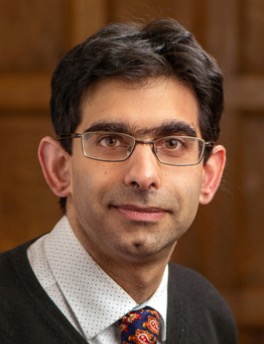 Nilay Hazari合作论文数Department of Chemistry, Yale Faculty of Arts and Sciences, Yale University;Yale School of Medicine, Yale University9
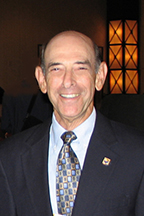 Richard Eisenberg合作论文数Department of Chemistry, School of Arts & Sciences, University of Rochester9
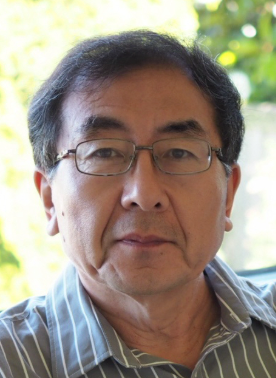 Jingguang Chen合作论文数Columbia University in the City of New York;Brookhaven National Laboratory9
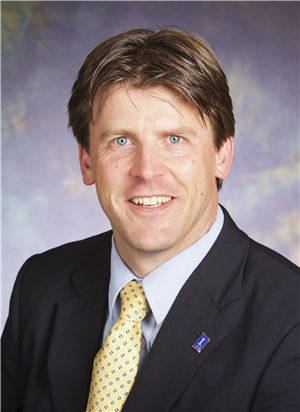 Paul J. A. Kenis合作论文数Materials Research Laboratory, Department of Chemical & Biomolecular Engineering, The Grainger College of Engineering, University of Illinois at Urbana-Champaign9
 Tim Swager合作论文数Department of Chemistry, Massachusetts Institute of Technology;Fluorityx;Xibus Systems9
 Samuel H. Gellman合作论文数Department of Chemistry, College of Letters & Science, University of Wisconsin-Madison9
 Peter Rossky合作论文数Department of Chemistry, Wiess School of Natural Sciences, Rice University9
 David Allen合作论文数Center for Energy and Environmental Resources, McKetta Department of Chemical Engineering, Cockrell School of Engineering, The University of Texas at Austin9Alan D. Palkowitz合作论文数9
 Anne Gaffney合作论文数Energy, Environment, Science and Technology Division, Idaho National Laboratory;Chemical Engineering Department, University of South Carolina9
 Matthew Kanan合作论文数Department of Chemistry, School of Humanities and Sciences, Stanford University9
 Michelle V Buchanan合作论文数U.S. Department of Energy’s Office of Science9
 Richmond Sarpong合作论文数Department of Chemistry, College of Chemistry, University of California, Berkeley8Joseph C. Dellamorte合作论文数8Miriam E. John合作论文数7Michael Wara合作论文数7
 Sally Benson合作论文数Precourt Institute for Energy, Stanford University;Department of Energy Resource Engineering, Stanford University7Inkyung Song合作论文数Department of Anaesthesiology and Pain Medicine, Seoul National University Hospital7
 Keith Paustian合作论文数Department of Soil and Crop Sciences, College of Agricultural Sciences, Colorado State University;Natural Resource Ecology Laboratory, Colorado State University7
 Charles Hopkinson合作论文数Department of Marine Sciences, Franklin College of Arts and Sciences, University of Georgia7
 John M. Vohs合作论文数Department of Chemical and Biomolecular Engineering, School of Engineering and Applied Science, University of Pennsylvania;School of Arts & Sciences, University of Pennsylvania7
 Riley M. Duren合作论文数Jet Propulsion Laboratory;California Institute of Technology;Jet Propulsion Laboratory, California Institute of Technology7
 Annie Levasseur合作论文数Université de Montréal7
 Jennifer L. Wilcox合作论文数Department of Chemical and Biomolecular Engineering, University of Pennsylvania7Dane Boysen合作论文数6Jianwu (Jim) Tang合作论文数6
 Mahdi Al-Kaisi合作论文数6
 Erica Belmont合作论文数Department of Mechanical Engineering, University of Wyoming6
 Christopher W. Jones合作论文数School of Chemical and Biomolecular Engineering, College of Engineering, Georgia Institute of Technology6
 Peter B. Kelemen合作论文数Lamont-Doherty Earth Observatory, Columbia Climate School, Columbia University;Department of Earth & Environmental Sciences, Columbia University;American Museum of Natural History6
 Joan Brennecke合作论文数McKetta Department of Chemical Engineering, Cockrell School of Engineering, The University of Texas at Austin6Tiffany G. Troxler合作论文数Southeast Environmental Research Center and Department of Biological Sciences, Florida International University6
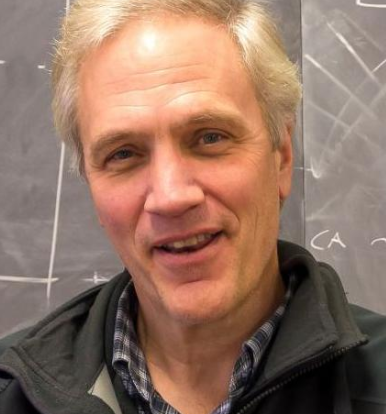 Stephen Pacala合作论文数Department of Ecology and Evolutionary Biology, Princeton University6Richard Birdsey合作论文数6
 Weiting Yu合作论文数5
 Robert J. Madix合作论文数Paulson School of Engineering, Harvard University;Department of Chemical Engineering, School of Engineering, Stanford University5
 Trenton Wilke合作论文数4
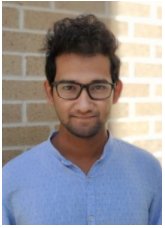 Silabrata Pahari合作论文数Artie McFerrin Dept Chem Engn, Texas A&M Univ4




