BACKGROUND:Severe atherosclerotic internal carotid artery stenosis may progress to complete internal carotid artery occlusion (ICAO). Therefore, ICAO represents an advanced form of carotid artery disease. We sought to investigate the association between ICAO with atherosclerotic disease in other arterial beds and vascular risk factors and to identify the patient implications of the diagnosis of ICAO. METHODS:Using the term "Internal carotid artery occlusion," a search of PubMed/MEDLINE, Scopus, and Embase between 1980 and 2025 revealed 10,588 results. After exclusion of case reports, letters to the Editor and Editorials, 5771 reports were identified. Following meticulous screening of the identified reports, 28 studies specifically addressing patient with ICAO cohorts were included in the final analysis. A quantitative and qualitative synthesis analysis was performed. A questionnaire was subsequently developed and sent out to 63 participants from the United States (n = 21) and several European countries (n = 42), aiming to achieve consensus regarding the optimal management of patients with ICAO. Three participants did not respond. The Consensus Coordinator abstained from voting to avoid introducing bias, resulting in a final voting panel of 60 participants. RESULTS:Across included studies, the proportion of patients with ICAO presenting with neurologic symptoms varied widely, ranging from 38% to 100%, whereas approximately 24% to 27% of patients were asymptomatic at the time of diagnosis. Consensus (≥75%) was achieved in 11 of the 17 (64.7%) prespecified statements. Most participants agreed that atherosclerotic ICAO represents a systemic manifestation of advanced atherosclerosis rather than isolated cerebrovascular pathology (56/60; 93.3%). Duplex ultrasound study should be used as the first-line diagnostic tool for suspected ICAO, with computed tomography angiography or magnetic resonance angiography confirmation if necessary (59/60; 98.3%). Optimal medical therapy (including antiplatelet, antihypertensives, statins, and glycemic control) remains the cornerstone of ICAO management (59/60; 98.3%). Lifestyle and metabolic risk factor optimization, smoking cessation, optimizing body weight, a healthy diet and exercise, should be strongly advised in all patients with ICAO (60/60; 100%). Most participants concurred that ICAO revascularization should be centralized in specialized vascular-neuro centers equipped for intraoperative neuromonitoring and advanced hemodynamic control (57/60; 95.0%). Finally, most participants agreed that current evidence for ICAO intervention is insufficient and that a global registry should be created to record outcomes and guide future trials (56/60; 93.3%). CONCLUSIONS:This international, multispecialty consensus highlights ICAO as a marker of advanced, systemic atherosclerosis. Management should emphasize comprehensive evaluation for multisystem vascular disease and aggressive modification of cardiovascular risk factors. Best medical therapy remains the cornerstone of the management of patients with ICAO, with conservative or invasive interventions considered selectively based on symptom status, anatomic considerations, procedural risk, and institutional expertise, to reduce the overall cardiovascular disease burden.
Background: Foot ulcers and minor amputations represent notable complications of peripheral arterial disease (PAD), and this risk is further heightened by concomitant diabetes. A comprehensive assessment should account for comorbid conditions, vascular status, and prior surgical interventions to inform optimal treatment strategies. The present study evaluates the impact of PAD and revascularization on the probability of major amputation following an initial minor amputation. Methods: We conducted a retrospective cohort study of patients undergoing minor lower extremity amputation at a single tertiary referral center between 2017 and 2023. Limbs were identified using five Current Procedural Terminology codes and followed for <= 1 year after the index procedure. Data collected included demographics, comorbidities, wound characteristics, Wound, Ischemia, and foot Infection stage when available, and attempted revascularization categorized as endovascular, open, or diagnostic only. The primary exposure was PAD. Primary outcomes were major amputation at 30 days, 6 months, and 1 year, and 1-year all-cause mortality. Kaplan-Meier analysis estimated 1-year amputation-free survival with comparisons by log-rank test. Time to major amputation was evaluated using Cox proportional hazards models. Multivariable logistic regression and limb-level generalized estimating equation models accounting for within-patient clustering were performed as secondary analyses. Results: A total of 973 limbs from 861 patients who underwent minor lower extremity amputation were included (mean age, 60.2 +/- 13.3 years; 32.8% female) with PAD present in 46.0% of limbs. Progression to major amputation occurred in 11.5% of limbs during follow-up, and the 1-year all-cause mortality rates was 10.8% among limbs with known survival status. Limbs with PAD had higher crude major amputation rates compared with non-PAD limbs (16.3% vs 7.3%; P < .001). Kaplan-Meier analysis demonstrated shorter amputation-free survival among limbs with PAD (324 +/- 5 days vs 348 +/- 3 days; log-rank P < .001). In multivariable Cox analysis, PAD was independently associated with increased hazard of major amputation (hazard ratio [HR], 2.03; 95% confidence interval [CI], 1.31-3.16; P = .002), along with dialysis-dependent end-stage renal disease (HR, 2.71; 95% CI, 1.64-4.47; P< .001), thrombophilia (HR, 2.48; 95% CI, 1.21-5.07; P = .013), and Black race (HR, 1.68; 95% CI, 1.09-2.59; P = .019). Atrial fibrillation was independently associated with a lower hazard of major amputation (HR, 0.37; 95% CI, 0.16-0.89; P = .026). Revascularization was attempted in 280 limbs (61.8% endovascular, 26.8% open, 11.4% diagnostic only). Major amputation rates did not differ by revascularization strategy (P = .199). The limb-level generalized estimating equation model confirmed these findings, with PAD (P = .004), dialysis-dependent end-stage renal disease (P < .001), and thrombophilia (P = .016) remaining significant. Other covariates, including age, coronary artery disease, hypertension, smoking status, and revascularization, were not associated with major amputation. Conclusions: PAD significantly increases the risk of major amputation following a minor foot amputation. Dialysis dependence, thrombophilia, and cerebrovascular disease further contribute to this heightened risk. Notably, the specific revascularization method performed did not affect outcomes. These findings emphasize the paramount importance of assessing PAD status and comorbidity profile during patient counseling.
OBJECTIVE:Branched endovascular aortic repair (BEVAR) has been increasingly used as a treatment option for thoracoabdominal aortic aneurysms, but the risk of renal artery (RA) branch occlusion remains a concern. The aim of this study was to evaluate the effect of RA diameter and stent length on renal outcomes after BEVAR. METHODS:Clinical data from consecutive patients enrolled in two prospective, nonrandomized, physician-sponsored investigational device exemption studies between 2017 and 2025 were reviewed. Patients treated by BEVAR using patient-specific or off-the-shelf company-manufactured devices with at least one RA directional branch were included. All RA branches were treated with Viabahn (W. L. Gore & Associates, Inc) self-expandable and/or balloon-expandable stent grafts. RA diameter was stratified as ≤5 or >5 mm and branch stent length as <60 or ≥60 mm. The primary end point was the cumulative incidence of RA branch occlusion per patient. Secondary end points were RA branch primary patency, cumulative incidence of RA target vessel instability (RA-TVI; defined as any occlusion, stenosis requiring reintervention, or type Ic/IIIc endoleak), and cumulative incidence of acute kidney injury (AKI) and/or new-onset dialysis, as defined by Risk, Injury, Failure, Loss of kidney function, and End-stage kidney disease (RIFLE) criteria. RESULTS:A total of 154 patients (62% male, 71.7 ± 9.8 years old) underwent BEVAR with 250 RA directional branches. The diameter was ≤5 mm in 76 RA branches (30%) and >5 mm in 174 RA branches (70%), whereas RA branch stent length was <60 mm in 94 branches (38%) and ≥60 mm in 156 branches (62%). After a median follow-up of 52 months (75% interquartile range, 29-85 months), there were four (2.6%) patients with four RA branch occlusions. The cumulative incidence of RA branch occlusion per patient was 2 ± 1.2% and 2.8 ± 1.4% at 1 and 5 years, respectively. The incidence of RA branch occlusion was significantly higher in smaller RAs (≤5 mm: 9 ± 5% vs >5 mm: 1 ± 1%; P = .021) and longer RA branches (<60 mm: 2 ± 2.2% vs ≥60 mm: 3 ± 1.3%; P = .797) at 5 years. Similarly, RA primary patency was lower in smaller RAs (≤5 mm: 93 ± 3% vs >5 mm: 95 ± 3%; P = .093) and longer RA branches (<60 mm: 98 ± 1% vs ≥60 mm: 89 ± 5%; P = .097) during the same period. Most RA-TVI events (80%) occurred in the first year. At 5 years, the cumulative incidence of RA-TVI was similar by RA diameter (≤5 mm: 10 ± 3% vs 11 ± 3; P = .666) and RA branch stent length (<60 mm: 13 ± 5% vs ≥60 mm: 8 ± 3%; P = .574). AKI occurred in eight patients (5%), with only two patients (1%) requiring new-onset dialysis. There was no significant difference in the cumulative incidence of AKI or new-onset dialysis by RA diameter (<5 mm: 13.3 ± 8.7% vs ≥5 mm: 3.0 ± 2.1%; P = .06), but patients with longer RA branches had an increased risk at 5 years (<60 mm: 5.7 ± 1.1% vs ≥60 mm: 7.7 ± 0.8%; P = .042). CONCLUSIONS:The incidence of RA branch occlusion was low (2.6%) among patients treated with BEVAR using Viabahn self-expandable and/or balloon-expandable stent grafts, but the risk was higher among patients with smaller RAs and longer RA branches. Similarly, smaller RAs and longer RA branches had lower primary patency, with an increased cumulative incidence of RA-TVI for longer branches. Patients with longer RA branches had an increased incidence of AKI or new-onset dialysis at 5 years. These data provide a benchmark for comparison of custom BEVAR and T-branch devices with other multibranched thoracoabdominal aortic aneurysm stent graft designs.
The field of endovascular surgery continues to evolve rapidly with the introduction of novel techniques and devices. Among the most significant advances in recent decades is the development of branched and fenestrated endografts, which have become the cornerstone of treatment for complex aortic pathologies, including thoracoabdominal aortic aneurysms. These devices enable the preservation of visceral vessel perfusion while allowing for effective aneurysm exclusion. However, their use introduces technical challenges that demand a high level of expertise, particularly during the catheterization of target vessels. Target vessel cannulation is widely recognized as one of the most technically demanding and time-consuming steps in fenestrated and branched endovascular aneurysm repair (FEVAR and BEVAR, respectively). This difficulty is often exacerbated in patients with hostile anatomy - such as extreme aortic angulation, severe vessel tortuosity, small-caliber, or heavily calcified arteries. In such settings, prolonged attempts at vessel catheterization may increase the risk of complications, including ischemic injury to abdominal organs, dissection, perforation, or embolization due to plaque disruption. To address these procedural challenges, several bailout strategies have been introduced. These techniques are generally reserved for non-standard cases and are not employed in routine or straightforward anatomies. One such strategy is the snare-ride technique, which has gained recognition as a practical and reproducible approach using widely available endovascular tools. It involves the snaring of a guidewire from the aortic component and advancing the wire and the snare assembly into the target vessel, using femoral access. While effective, this technique has raised concerns about its potential to cause endothelial trauma, particularly when the snare is advanced into a diseased vessel. To mitigate these risks, we propose modifying the traditional snare-ride technique. In this article, we introduce the Modified Snare-Ride Technique, a bailout approach designed to enhance the safety and effectiveness of target vessel cannulation in anatomically complex settings. After obtaining access to the intended target vessel with a stiff supporting wire, large sheath, and a deflecting sheath for control, through-and-through access is obtained from the portal to the contralateral stiff sheath. Once established, the lower stiff sheath is advanced to the origin of the target vessel, thereby pinning the through-and-through wire in position near the target vessel orifice. In doing so, the portal sheath can then be advanced along the through-and-through wire to the vessel origin for easy cannulation and delivery of the bridging stent. The modification avoids advancing the entire snare system into the vessel and instead uses a through-and-through access to improve pushability, control, and deliverability. This adjustment minimizes mechanical damage to the vessel wall and reduces the risk of vascular injury. However, its usability is dependent upon device and sheath size compatibility. By enhancing wire support and control with deflectable sheaths, this modified strategy provides an alternative that can be selectively employed when traditional techniques fail or are unsafe.Clinical ImpactTarget vessel catheterization remains one of the most challenging steps in fenestrated and branched endovascular aneurysm repair, particularly in patients with complex anatomy and unfavorable branch orientation. The modified Snare-Ride technique provides a reproducible bailout strategy that stabilizes sheath positioning at the target vessel origin while potentially reducing the risk of visceral artery injury associated with the original technique. By facilitating target vessel incorporation in difficult anatomical scenarios, this approach may expand endovascular treatment options, improve technical success rates, and reduce the need for more invasive alternative catheterization strategies.
OBJECTIVE:Branched/fenestrated endovascular repair has become the mainstay treatment for thoracoabdominal aortic aneurysms (TAAAs) and pararenal aortic aneurysms (PAAs), yet little is known about its impact on patient quality of life (QoL). Long-term QoL trends in patients from the GORE EXCLUDER Thoracoabdominal Branch Endoprosthesis (TAMBE) multicenter, prospective pivotal trial were examined. METHODS:In enrolled patients with TAAA or PAA who underwent TAMBE repair, the RAND 36-Item Health Survey (SF-36) was collected at baseline and at 1, 3, 6, and 12 months postoperatively. QoL physical and mental domain scores were compared from baseline to 1 year in the overall cohort and in subgroups of aneurysm type, frailty risk, occlusion, or reintervention. Patient characteristics were summarized using descriptive statistics and mean QoL scores were compared across timepoints using paired t tests. RESULTS:The cohort of 121 patients had a mean age 73 years, 82.8% were male (n = 101), 83.6% were White (n = 102); 59.0% (n = 72) had an extent IV TAAA, 41.3% (n = 50) had a PAA, and 77.7% (n = 94) were low frailty risk. In this analysis, 13.2% of patients (n = 16) experienced a branch vessel/graft occlusion and 14.0% (n = 17) underwent a reintervention. All QoL domain scores decreased at 1 month postoperatively, predominantly in physical health limitations (P < .0001). All QoL domains recovered toward baseline by 3 months postoperatively, but then gradually declined to 1 year; differences were statistically significant compared with baseline (P ≤ .05). There was no mean QoL domain score difference at any time point among the aneurysm type, branch occlusion, or reintervention subgroups (P ≥ .071). Physical domain scores between frailty risks were significant (P ≤ .05). CONCLUSIONS:Patients experienced an immediate decrease in all QoL domains after undergoing a TAMBE procedure, especially physical health, but recovered by 3 months postoperatively. Aneurysm extent, branch occlusion, and reinterventions did not impact QoL trends. Patients who underwent endovascular TAAA/PAA TAMBE repair exhibited a gradual decrease in health-related QoL over the long term. This result may be representative of the comorbid and elderly population who require such operations.
Fenestrated endovascular repair (FEVAR) has become a safe and effective option for the treatment of complex aortic aneurysms (CAA). Complications can occur, including endoleaks like type IIIc endoleak, characterized by flow between a fenestration and its bridging stent. Although some endoleaks may resolve spontaneously, most require secondary interventions to prevent further expansion of the aneurysmal sac and other complications. We describe a percutaneous "stent-and-plug" rescue maneuver performed in 5 consecutive patients with refractory type IIIc endoleaks after company-manufactured FEVAR grafts. Under moderate sedation and bilateral femoral access, the target-vessel stent was balloon-protected while the free space of the fenestration causing the endoleak was catheterized contralaterally; a 5 × 16 mm iCast™ stent was deployed within the fenestration, and an Amplatzer vascular plug was positioned inside the new stent. Then, the renal-stent balloon was re-inflated to crush the stent-plug complex and achieve a seal in the fenestration. Endoleaks emerged at a mean of 2.47 months (range 1.10-7.1) after the index repair, persisting despite one (n = 3) or 2 (n = 2) prior angioplasty or re-stenting attempts. The stent-and-plug technique achieved technical success in 4 of the 5 cases; the remaining case required one additional procedure to achieve complete sealing. No renal branch occlusion, dialysis-requiring renal injury, or procedure-related mortality occurred. The mean follow-up after rescue was 8.96 months (range 1.4-15.3), with no sac growth observed. Stenting and plugging the fenestration-free space offers a feasible option for treating persistent type IIIc endoleaks when conventional secondary interventions fail; extended surveillance is necessary to confirm long-term durability.
OBJECTIVE:Aneurysm behavior after fenestrated and branched endovascular aortic repair (F/B-EVAR) is a marker of treatment success and has been linked with long-term survival. This study aimed to characterize longitudinal changes in residual aneurysm sac behavior after F/B-EVAR and relate these changes to aortic outcomes. METHODS:We retrospectively analyzed F/B-EVARs performed in 10 sponsor-investigator investigational device exemption trials (2005-2024). Serial imaging after repair was evaluated for changes in residual aneurysm sac behavior. Changes in sac behavior over time were investigated with a multistate time-to-event survival model, and the time-dependent effect of sac behavior on outcomes was analyzed with a competing risks model for aortic events and nonaortic death. RESULTS:A total of 1932 patients met the study criteria; 1223 patients (63%) were treated for thoracoabdominal aneurysm with a median preoperative maximum aortic diameter of 61 mm (interquartile range [IQR], 57-67 mm). The median follow-up was 3.5 years (IQR, 2.3-4.6 years) with 3 surveillance imaging studies (IQR, 2-5 studies) available per patient. Endoleak occurred in 1043 patients (54%) and 343 (18%) underwent reintervention. At 1 year, the predicted probabilities of sac states were: 32% for regression (95% confidence interval [CI], 25-40), 42% stability (95% CI, 35-49), expansion 6% expansion (95% CI, 4-7), and 7% death (95% CI, 6-9); the probability of the aneurysm state not yet observed was 14% (95% CI, 10-20). The presence and absence of endoleak at any time in follow-up were associated with the risks of transition to a state of sac expansion (hazard ratio [HR], 1.3; 95% CI, 1.1-1.6; log-rank P = .003) or regression (HR, 2.1; 95% CI, 1.6-2.9; log-rank P < .0001), respectively. Aortic events, including rupture, dissection, and death, occurred in 78 patients (4%). Sac expansion demonstrated at any time after F/B-EVAR was associated with the cause-specific hazards of an aortic event (HR, 3.2; 95% CI, 1.6-6.4; log-rank P = .009), as well as nonaortic death (HR, 1.3; 95% CI, 1-1.6; log-rank P = .02). The hazard of an aortic event did not differ between states of stability and regression, but the presence of an endoleak significantly modified the hazard of aortic event with sac stability (HR, 2.2; 95% CI, 1.1-4.6; log-rank P = .04). CONCLUSIONS:Residual aneurysm sac behavior after F/B-EVAR is dynamic and influenced by the presence of an endoleak. Sac expansion, even when occurring later in follow-up, was associated with increased hazards of both aortic events and nonaortic death. These findings underscore the importance of diligent surveillance and timely intervention for endoleaks after F/B-EVAR.
OBJECTIVE:Recent commercial approval of the thoracoabdominal multibranch endoprosthesis (TAMBE) has enabled wide dissemination of four-vessel multibranched endovascular aortic repairs in the United States. However, the real-world performance benchmarks remain incompletely characterized. This study evaluated 30-day clinical outcomes of patients receiving TAMBE across diverse practice settings. METHODS:We performed a retrospective study of commercial TAMBE implants across multiple US centers between May 2024 and November 2025. The primary outcomes were 30-day mortality and technical success. Secondary outcomes included overall adverse events (AE) and major adverse events (MAE). Intraoperative metrics and clinical outcomes were compared between centers with previous investigational access to TAMBE (PRE) and those adopting the device after commercial approval (POST). RESULTS:A total of 182 patients from 11 centers were included. The mean age was 73.8 ± 9.01 years. Most patients were the American Society of Anesthesiologists class III (51.6%) or IV (36.3%), with a high prevalence of previous aortic repairs (20.1% open; 40.5% endovascular repair). Aneurysm extent included complex abdominal aneurysms (68.3%) and thoracoabdominal aneurysms (31.7%). Technical success was achieved in 95% of cases. Thirty-day mortality was 3.3%, and 20.3% of patients experienced AE, among which MAE occurred in 13.7%. Technical success, 30-day mortality, and MAE did not differ between the PRE and POST centers. POST centers had longer operative, fluoroscopy times, and higher 30-day AE (33.3% vs 11.8%, P <.001). Thoracoabdominal aortic aneurysms were more frequently repaired in the PRE centers (69% vs 54.5%), whereas pararenal aneurysms were more commonly treated at the POST centers (34.9% vs 27.1%). The overall incidence of spinal cord ischemia (SCI) did not differ significantly between PRE and POST centers (9.1% vs 5.6%; P = .43). At PRE centers, most SCI events resolved with minimal residual deficit (60%), whereas at POST centers, the majority of SCI cases resulted in permanent, severe deficits (75%). CONCLUSIONS:Early commercial experience demonstrates that TAMBE can be safely adopted in broader clinical practice, with high technical success and low 30-day mortality across participating centers. Although POST centers demonstrated higher overall 30-day AE rates and longer procedural times, MAE was similar across center types. These findings underscore the importance of comprehensive training, standardized perioperative protocols, and continued monitoring of neurologic outcomes as TAMBE implementation expands.
OBJECTIVE:The use of cerebrospinal fluid drains (CSFDs) for the prevention or mitigation of spinal cord ischemia (SCI) is a subject of debate for patients undergoing branch/fenestrated endovascular aortic repair. We sought to evaluate the practices surrounding CSFD use concurrently with rates of SCI occurrence, recovery, and CSFD complications in the US Aortic Research Consortium. METHODS:We conducted a retrospective analysis of the US Aortic Research Consortium registry consisting of patients undergoing branch/fenestrated endovascular aortic repair under individual physician-sponsored investigational device exemptions from January 2011 to April 2024. A composite variable consisting of SCI, major CSFD complication, or intracerebral hemorrhage was designated as the primary outcome. Patterns of CSFD use, rates of SCI and recovery, and CSFD complications were analyzed by year. Subanalyses were stratified by Crawford extent (CE) classification based on the length of aortic coverage, with high-risk patients defined as CE I to III. To further characterize the relationship between SCI and CSFD use, patient cohorts were compared by prophylactic CSFD (pCSFD) (n = 949), therapeutic CSFD (tCSFD) (n = 27), and no CSFD (n = 1609). Multivariable logistic regression was performed to determine variables associated with the composite outcome. Survival analysis was conducted using the Kaplan-Meier method. RESULTS:Among 2585 patients, 196 (7.6%) experienced the composite outcome, gradually declining from a maximum of 25.0% (5 patients) in 2011 to 2.9% (11 patients) in 2023. Concurrently, the use of pCSFDs declined from a maximum of 100% in 2011 to 11.0% in 2023 without any substantial increase in tCSFDs. Among high-risk patients (n = 1026), 132 (12.9%) experienced the primary composite outcome, declining from a maximum of 38.5% (5 patients) in 2013 to 3.1% (4 patients) in 2023. PCSFDs in high-risk patients, although nearly universal (92.9%-100%) until 2016, have also been on a continuous decline, reaching a minimum of 23.1% in 2024, without increase in tCSFD use (0%-5.9%). The degree of SCI resolution was not significantly different in the pCSFD (94 patients, 45.7% complete resolution), tCSFD (23 patients, 43.5% complete resolution), or no CSFD (21 patients, 42.9% complete resolution) cohorts (P = .11). Major CSFD complications did not differ between the pCSFD and tCSFD cohorts (13.4% vs 12.0%; P = .85). Multivariable logistic regression revealed CE II (odds ratio [OR], 2.35; 95% confidence interval [CI], 1.48-3.75; P < .001) and III (OR, 2.11; 95% CI, 1.31-3.40; P = .002), staging (OR, 1.66; 95% CI, 1.17-2.35; P = .004), and estimated blood loss of >350 mL (OR, 1.52; 95% CI, 1.11-2.09; P = .009) to be associated significantly with the composite outcome. CONCLUSIONS:Composite outcome rates have continued to improve despite declining pCSFD use. SCI recovery was not impacted favorably regardless of pCSFD, tCSFD, or no CSFD use. In the setting of comprehensive SCI prevention protocols, pCSFD use may not be warranted, even in most high-risk patients.
 William A. Marston合作论文数63
 Gustavo Oderich合作论文数Division of Vascular Surgery and Endovascular Therapy, Baylor College of Medicine55Carlos H. Timaran合作论文数55
 Adam Wayne Beck合作论文数49Andres Schanzer合作论文数49F. Ezequiel Parodi合作论文数41Luigi Pascarella合作论文数41
 Matthew Eagleton合作论文数Department of Vascular Surgery, Cleveland Clinic Foundation40Sweet Matthew P合作论文数38McGinigle Katharine L合作论文数School of Medicine, University of North Carolina at Chapel Hill35Warren J. Gasper合作论文数28Raghuveer Vallabhaneni合作论文数27Jacob Wood合作论文数25
 Fernando Motta合作论文数25Vivian Carla Gomes合作论文数Correspondence to: Vivian Carla Gomes, Avenida Afonso Mariano Fagundes, 425, Comp. 33. Saúde, São Paulo, São Paulo 04054-000, Brazil23
 Emanuel R Tenorio合作论文数Advanced Endovascular Aortic Research Program, Mayo Clinic22W. Anthony Lee合作论文数20
 Corey A. Kalbaugh合作论文数Academic Department of Surgery, Greenville Hospital System University Medical Center20
 Mendes Bernardo C合作论文数Mayo Clinic19
 Jon S Matsumura合作论文数Department of Surgery, School of Medicine and Public Health, University of Wisconsin19Jason R Crowner合作论文数17
 Jonathon W. Homeister合作论文数Department of Pathology and Laboratory Medicine, School of Medicine, The University of North Carolina at Chapel Hil17Caterina Gallippi合作论文数Joint Department of Biomedical Engineering, College of Arts and Sciences, The University of North Carolina at Chapel Hill17Ying Huang合作论文数Mayo Clinic, Gonda Vascular Center16Mauro Gargiulo合作论文数14Robert Mendes合作论文数14Stéphan Haulon合作论文数13
 Ehsan Benrashid合作论文数13
 Tilo Kolbel合作论文数12Blair A. Keagy合作论文数11
 Melissa Caughey合作论文数Joint Department of Biomedical Engineering, College of Arts and Sciences, The University of North Carolina at Chapel Hill11
 Enrico Gallitto合作论文数10
 Gabriela Torres合作论文数Univ N Carolina, Joint Dept Biomed Engn, Chapel Hill, NC 27515 USA10
 Nuno Dias合作论文数10
 Darren B. Schneider合作论文数Surgery Faculty, Perelman School of Medicine, University of Pennsylvania10
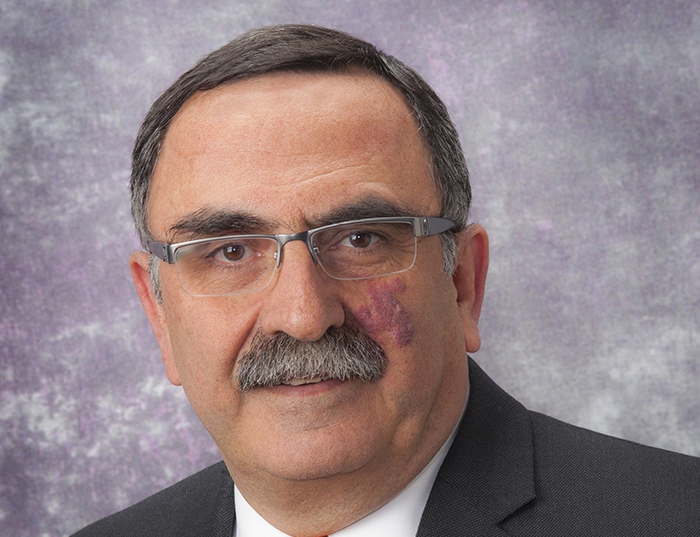 Michel S. Makaroun合作论文数Department of Surgery, University of Pittsburgh10Paul J. Riesenman合作论文数10
 Gianluca Faggioli合作论文数Department of Medical and Surgical Sciences, University of Bologna10William D. Jordan合作论文数Birmingham10
 Nikolaos Tsilimparis合作论文数9
 Anders Wanhainen合作论文数Department of Surgical Sciences, Uppsala University9Tomasz Jakimowicz合作论文数9
 Kevin Mani合作论文数9Priya Vasan合作论文数8
 Dichen Sun合作论文数8Sydney E Browder合作论文数Department of Surgery, University of North Carolina8
 Tomasz J. Czernuszewicz合作论文数8Richard P. Cambria合作论文数8




