There is a lack of strong evidence for use of expensive bone substitutes. This study compares perioperative data and patient reported quality-of-life outcomes across the varied types of bone graft extenders. The study analyzes the existing Quality and Outcomes Database and evaluates patient reported outcomes for 1–3 level lumbar fusion procedures comparing across different types of biologics bone graft. We retrospectively analyzed a prospectively collected data registry. Bone graft implant data were collected and grouped into the following categories: (1) Autograft with basic allograft (2) Enhanced, synthetic, or cellular allograft (3) Use of BMP. Preoperative and 1 year patient reported outcomes and perioperative data from the prospective collected registry were analyzed. There were 384 patients included in this study. There were 168 (43.8
OBJECTIVE:Enhanced Recovery After Surgery (ERAS) is a multidisciplinary approach to surgical care that aims to improve outcomes and reduce costs. Its application to spine surgery has been increasing in recent years, with a notable focus on lumbar fusion. This study describes the development, implementation, and outcomes of the first ERAS pathway for ambulatory spine surgery and the largest ambulatory minimally invasive transforaminal lumbar interbody fusion (MIS TLIF) series to date. METHODS:A comprehensive protocol for ambulatory lumbar fusion is described, including patient selection criteria, a multimodal analgesia regimen, and discharge assessment. Consecutive patients undergoing 1- or 2-level MIS TLIF using the described protocol at a single ambulatory surgery center (ASC) over a five-year period were queried. RESULTS:A total of 215 patients underwent ambulatory MIS TLIF over the study period. There were no intraoperative or immediate postoperative complications. All but one patient (99.5%) were discharged home from the ASC. Almost three-quarters (71.2%) were discharged on the day of surgery. Thirty- and 90-day readmission rates were 1.4% and 2.8%, respectively. Only one readmission (0.5%) was for intractable back pain. There were no reoperations or mortalities within 90 days of surgery. CONCLUSIONS:MIS TLIF can be performed safely in a freestanding ambulatory surgery center with minimal perioperative and short-term morbidity. The addition of comprehensive ERAS protocols to the ambulatory setting can promote the transition of fusion procedures to this lower cost environment in an effort to provide higher value care.
STUDY DESIGN:Retrospective analysis of prospectively collected data.OBJECTIVE:Assess the cost-utility of anterior cervical discectomy and fusion (ACDF) performed in the ambulatory surgery center (ASC) versus inpatient hospital setting for Medicare and privately insured patients at one-year follow-up.SUMMARY OF BACKGROUND DATA:Outpatient ACDF has gained popularity due to improved safety and reduced costs. Formal cost-utility studies for ambulatory versus inpatient ACDF are lacking, precluding an accurate assessment of cost-effectiveness.MATERIALS AND METHODS:A total of 6504 patients enrolled in the Quality Outcomes Database (QOD) undergoing one-level to two-level ACDF at a single ASC (520) or the inpatient hospital setting (5984) were compared. Propensity matching generated 748 patients for analysis (374 per cohort). Demographic data, resource utilization, patient-reported outcome measures, and quality-adjusted life-years (QALYs) were assessed. Direct costs (1-year resource use×unit costs based on Medicare national allowable payment amounts) and indirect costs (missed workdays×average US daily wage) were recorded. Incremental cost-effectiveness ratios were calculated.RESULTS:Complication rates and improvements in patient-reported outcome measures and QALYs were similar between groups. Ambulatory ACDF was associated with significantly lower total costs at 1 year for Medicare ($5879.46) and privately insured ($12,873.97) patients, respectively. The incremental cost-effectiveness ratios for inpatient ACDF was $3,674,662 and $8,046,231 for Medicare and privately insured patients, respectively, reflecting unacceptably poor cost-utility.CONCLUSION:Inpatient ACDF is associated with significant increases in total costs compared to the ASC setting without a safety, outcome, or QALY benefit. The ASC setting is a dominant option from a health economy perspective for first-time one-l to two-level ACDF in select patients compared to the inpatient hospital setting.
-OBJECTIVE: Cervical microendoscopic laminofor-aminotomy (MELF) has been proven to be an effective, motion preserving procedure for the surgical treatment of cervical radiculopathy. Cervical 4 (C4) radiculopathies are often unrecognized by the initial evaluating physician and may be misdiagnosed as axial neck pain. In this study, we compare MELF to anterior cervical disk fusion (ACDF) for C4 radiculopathy in the largest series of minimally invasive foraminotomy for C4 radiculopathy to date. -METHODS: This is a single-institution retrospective chart review of 42 cases for C4 radiculopathy, 21 MELF and 21 ACDF. Primary outcome measures were length of sur-gery, length of hospital stay, and time to return to work. Secondary outcome measures were visual analog scale (VAS) neck pain and reoperation rate.-RESULTS: All patients were diagnosed with a unilateral C4 radiculopathy using magnetic resonance imaging or steroid injections. The length of surgery and length of hospital stay were significantly decreased in the MELF group compared with ACDF. VAS neck pain significantly decreased for patients in both groups, but the difference between MELF and ACDF was not statistically significant. There were no major complications. No patient underwent revision at the index level or adjacent levels in the MELF group.-CONCLUSIONS: We demonstrate that C4 radiculopathy can be identified with appropriate history, physical ex-amination, and targeted nerve root injections. When iden-tified, these radiculopathies that fail conservative therapy can be effectively treated with cervical microendoscopic laminoforaminotomy, with comparable outcomes to ACDF. The length of surgery and length of stay are reduced when compared with ACDF.
Background: Chronic subdural hematoma (CSDH) is primarily a disease of the elderly. Less invasive interventions are often offered for elderly (> 80 years) patients due to concerns for elevated surgical risk, although data suggesting a clear outcome benefit is lacking. Methods: All patients aged 65 years or older who underwent surgical treatment for CSDH at a single institution over a 4-year period were evaluated in this retrospective analysis. Surgical options included twist drill craniostomy (TDC), burr hole craniotomy (BHC), or standard craniotomy (SC). Outcomes, demographics, and clinical data were collected. Practice patterns and outcomes for patients older than 80 years old were compared to the age 65-80 cohort. Results: 110 patients received TDC, 35 received BHC, and 54 received SC. There was no significant difference in post-operative complications, outcomes, or late recurrence (30-90 days). Recurrence at 30 days was significantly higher for TDC (37.3% vs. 2.9% vs 16.7%, p 80 group, SC had higher risk of stroke and increased length of stay. Conclusion: Twist drill craniostomy, burr hole craniostomy, and standard craniotomy have similar neurologic outcomes in elderly patients. Presence of thick membranes is a relative contra-indication for TDC due to high 30-day recurrence. Patients > 80 have higher risk of stroke and increased length of stay with SC.
INTRODUCTION: Posterior cervical foraminotomy (PCF) is a motion-sparing surgical option for unilateral cervical radiculopathy caused by foraminal stenosis. The evolution of microendoscopic (MED) techniques makes it an ideal procedure for the outpatient setting. There are few studies to date that report the safety and efficacy of this procedure specifically in the ambulatory setting. METHODS: This study was a retrospective case series of all patients who underwent MED-PCF at a single ambulatory surgery center over a 6-year period. Standard demographic and perioperative data were collected. Outcome measures included visual analog scale (VAS) pain scores, postoperative complications, 30-day readmission, and need for reoperation at the index or adjacent levels. RESULTS: A total of 825 patients underwent MED-PCF during the 6-year study period. Mean age was 56.5 years. Most patients underwent decompression at C5-6 (260, 31.5%) or C6-7 (426, 51.6%). Eighty-five patients (10.3%) underwent surgery at multiple levels. Mean operative time was 38.0 minutes for single-level cases and 53.1 minutes for multilevel cases. There were no intraoperative or immediate postoperative complications. All patients were discharged home with an approximate length of stay of 3 hours (mean 182.7 ± 44.8 minutes). The vast majority of patients (85.7%) experienced improved VAS pain scores postoperatively and achieved a good or excellent clinical outcome (75.8%) according to the Odom criteria. Almost half (43.5%) had complete resolution of their preoperative pain (ie. postoperative VAS pain score of 0). Very few patients (5, 0.6%) were readmitted within 30 days. Only 46 patients (5.6%) required reoperation at the index level (35, 4.2%), adjacent level (16, 1.9%), or both (5, 0.6%). Mean follow-up was 13.4 months. CONCLUSIONS: MED-PCF can be performed safely in the ambulatory setting with excellent efficacy and low reoperation rates.
INTRODUCTION: Micro-endoscopic posterior cervical foraminotomy and discectomy (MPCF) has served as a minimally invasive, motion sparing alternative to ACDF for unilateral cervical radiculopathy for decades. While growing data suggests similar effectiveness, the cost effectiveness and potentially superior healthcare value of MPCF vs ACDF remains largely unstudied. METHODS: The National Quality Outcomes Database (QOD) was queried for 323 consecutive ASA 1-3 patients (201 ACDF, 122 MPCF) performed at the authors' single institution for unilateral cervical radiculopathy at our ambulatory surgical center (ASC). Propensity-matching yielded 222 patients. Resource utilization, missed workdays, and EQ5D quality adjusted life year (QALY) gains were assessed over a one-year period. Direct cost (resource use x unit costs based on Medicare national allowable payment amounts) and indirect cost (missed workdays x average US daily wage) were recorded and incremental cost-effectiveness ratio (ICER) was calculated. RESULTS: Estimated blood loss, and length of surgery were less for MPCF vs. ACDF (p < 0.001). All other safety measures and patient-reported outcomes were similar between cohorts. MPCF vs. ACDF demonstrated reduction in total one-year costs of $6,709 (Medicare) and $13,061 (private payers) (p < 0.001), and comparable QALYs gained. ACDF vs. MPCF had a cost ineffective ICER of $91,773/QALY-gained and $178,668/QALY for Medicare and private payer patients, respectively. CONCLUSIONS: MPCF is a health-economically dominant option to ACDF for unilateral cervical radiculopathy given the increased healthcare costs despite comparable safety, outcome, and QALY gains associated with ACDF.
BACKGROUND: Anterior cervical discectomy and fusion (ACDF) and posterior cervical foraminotomy (PCF) are the most common surgical approaches for medically refractory cervical radiculopathy. Rigorous cost-effectiveness studies comparing ACDF and PCF are lacking. OBJECTIVE: To assess the cost-utility of ACDF vs PCF performed in the ambulatory surgery center setting for Medicare and privately insured patients at 1-year follow-up. METHODS: A total of 323 patients who underwent 1-level ACDF (201) or PCF (122) at a single ambulatory surgery center were compared. Propensity matching generated 110 pairs (220 patients) for analysis. Demographic data, resource utilization, patient-reported outcome measures, and quality-adjusted life-years were assessed. Direct costs (1-year resource use × unit costs based on Medicare national allowable payment amounts) and indirect costs (missed workdays × average US daily wage) were recorded. Incremental cost-effectiveness ratios were calculated. RESULTS: Perioperative safety, 90-day readmission, and 1-year reoperation rates were similar between groups. Both groups experienced significant improvements in all patient-reported outcome measures at 3 months that was maintained at 12 months. The ACDF cohort had a significantly higher preoperative Neck Disability Index and a significantly greater improvement in health-state utility (ie, quality-adjusted life-years gained) at 12 months. ACDF was associated with significantly higher total costs at 1 year for both Medicare ($11 744) and privately insured ($21 228) patients. The incremental cost-effectiveness ratio for ACDF was $184 654 and $333 774 for Medicare and privately insured patients, respectively, reflecting poor cost-utility. CONCLUSION: Single-level ACDF may not be cost-effective in comparison with PCF for surgical management of unilateral cervical radiculopathy.
BACKGROUND:Ambulatory surgery centers (ASCs) have emerged as an alternative setting for surgical care as part of the national effort to lower health care costs. The literature regarding the safety of minimally invasive transforaminal lumbar interbody fusion (MIS TLIF) in the ASC setting is limited to few small case series.OBJECTIVE:To assess the safety and efficacy of MIS TLIF performed in the ASC vs inpatient hospital setting.METHODS:A total of 775 patients prospectively enrolled in the Quality Outcomes Database undergoing single-level MIS TLIF at a single ASC (100) or the inpatient hospital setting (675) were compared. Propensity matching generated 200 patients for analysis (100 per cohort). Demographic data, resource utilization, patient-reported outcome measures (PROMs), and patient satisfaction were assessed.RESULTS:There were no significant differences regarding baseline demographic data, clinical history, or comorbidities after propensity matching. Only 1 patient required inpatient transfer from the ASC because of intractable pain. All other patients were discharged home within 23 hours of surgery. The rates of 90-day readmission (2.0%) and reoperation (0%) were equivalent between groups. Both groups experienced significant improvements in all PROMs (Oswestry Disability Index, EuroQol-5D, back pain, and leg pain) at 3 months that were maintained at 1 year. PROMs did not differ between groups at any time point. Patient satisfaction was similar between groups at 3 and 12 months after surgery.CONCLUSION:In carefully selected patients, MIS TLIF may be performed safely in the ASC setting with no statistically significant difference in safety or efficacy in comparison with the inpatient setting.
OBJECTIVE: Ambulatory surgery centers (ASCs) have become an increasingly attractive setting for spine surgery in recent decades. Although posterior cervical foraminotomy (PCF) is widely performed in ASCs, there are no studies supporting the safety of this practice. We aimed to demonstrate the feasibility and safety of microendoscopic (MED)-PCF in a large cohort of patients at a freestanding ASC. METHODS: Consecutive patients undergoing MED-PCF for unilateral cervical radiculopathy at a single freestanding ASC from January 2013 to December 2020 were queried. Standard demographic and perioperative data were collected. Outcomes included need for inpatient transfer, perioperative complications, 30-day readmission, 30-day reoperation, and clinical improvement according to the Odom criteria. RESULTS: A total of 1106 patients underwent MED-PCF during the study period. Mean age was 53.3 +/- 10.3 years. Most patients underwent decompression at C5-6 (31.4%) or C6-7 (51.9%). Approximately 10% underwent surgery at multiple levels. Mean operative time was 40.0 +/- 16.4 minutes. There were no intraoperative or immediate postoperative complications. All patients were discharged home within a few hours of surgery. The rates of 30-day readmission (0.81%) and reoperation (0.36%) were exceedingly low. Nearly 3 quarters of patients (73.7%) achieved a good or excellent clinical outcome (73.7%) according to the Odom criteria. CONCLUSIONS: MED-PCF can be performed in a freestanding ASC with exceedingly low rates of perioperative complications and short-term readmission or reoperation. Our findings support the ongoing migration of PCF from the hospital to the ambulatory setting. Future studies assessing patient-reported outcomes and long-term reoperation rates are necessary.
BACKGROUND: Decompressive hemicraniectomy (DHC) is a treatment of space-occupying hemispheric infarct. Current surgical guidelines use criteria of age <60 years and surgery within 48 hours of stroke onset. OBJECTIVE: The purpose of this study was to evaluate the neurologic outcome after DHC and evaluate the relationship of stroke volume and outcomes. METHODS: A retrospective review was performed of patients undergoing DHC for cerebral infarct from 2016 to 2019. Unfavorable outcome was defined as modified Rankin Scale (mRS) score >3. Patients with precraniectomy magnetic resonance imaging were selected as a subset for volumetric stroke volume analysis using RAPID software (iSchemaView, Redwood City, California), with stroke volume defined as apparent diffusion coefficient <620 on diffusion-weighted imaging. RESULTS: Fifty-two patients met the inclusion criteria. At 90 days, favorable outcome was achieved in 11 patients (21.2%), and 41 patients (78.8%) had unfavorable outcomes (15 [29%] died). Surgery after 48 hours, age >60 years, and multivessel distribution did not significantly affect 90-day mRS score (P = 0.091, 0.111, and 0.664, respectively). In volumetric subset analysis, 10 patients of 41 (31.3%) achieved favorable outcomes, and no patients with volume of infarct >280 mL had a favorable outcome. There was a trend of lower volumes associated with favorable outcomes, but this did not meet significance (favorable 207 +/- 68.7 vs. unfavorable 262 +/- 117.1; P = 0.163). CONCLUSIONS: Outcomes after DHC for malignant hemispheric infarct were not affected by current accepted guidelines. Volume of infarct may have an effect on outcome after DHC. Further research to aid in predicting which patients benefit from decompressive craniectomy is warranted.
OBJECTIVE Several studies have demonstrated that anterior cervical discectomy and fusion (ACDF) surgery in the outpatient versus hospital setting provides improved efficiency, cost-effectiveness, and patient satisfaction without a compromise in safety or outcome. Recent anecdotal reports, however, have questioned whether outpatient ACDF surgery is safe in the > 65-year-old Medicare population. To date, no clinical study has assessed the safety of outpatient ACDF in an ambulatory surgery center (ASC), specifically in a Medicare population. The authors set out to analyze their 3-year experience with Medicare-enrolled patients undergoing ACDF surgery at a single ASC to determine its safety profile, perioperative care protocol, and associated outcomes. METHODS A retrospective analysis of 119 consecutive patients > 65 years (Medicare-eligible) who underwent 1-, 2-, or 3-level ACDF at a single ASC from 2015 to 2018 (since Medicare payment approval) was conducted. All patients were in American Society of Anesthesiologists classes I-III. Postoperatively, patients were observed for a minimum of 4 hours in a recovery setting for the following factors: neck swelling, neurological status, ability to swallow solid food, and urination capacity. All patients received a multimodal pain management regimen prior to discharge home. Data were collected on patient demographics, comorbidities, operative details, and all perioperative and 90-day morbidity. RESULTS Complete data were available for all 119 consecutive Medicare-eligible patients, 97 (81.5%) of whom were actively enrolled in Medicare. One-, 2-, and 3-level ACDFs were performed in 103 (86.6%), 15 (12.6%), and 1 (0.8%) patients, respectively. No patients required return to the operating room for intervention within the 4-hour postanesthesia care unit observation window. No patients required transfer from the ASC to the hospital setting for further observation or intervention. Thirty-day adverse events were reported in 2.4% of cases, all of which resolved by 90 days after surgery. The incidence of 90-day hospital readmission was 1.7% (n = 2), with 1 patient (0.8%) requiring reoperation at the index level for deep infection. All-cause 90-day mortality was 0%. CONCLUSIONS An analysis of consecutive Medicare patients (American Society of Anesthesiologists classes I-III) who underwent mostly 1-level and some 2-level ACDFs in an ASC setting demonstrates that surgical complications occur at a low rate with a safety profile similar to that reported for both inpatient ACDF and patients younger than 65 years. In an effort to reduce cost and improve efficiency of care, surgeons can safely perform ACDF in the Medicare population in an ASC environment utilizing patient selection criteria and perioperative management similar to those reported here.
Minimally invasive transforaminal lumbar interbody fusion (MIS-TLIF) allows for surgical treatment of back and leg pain while theoretically minimizing adjacent tissue injury that could lead to adjacent segment degeneration and instability. To date, no study has compared the rates of symptomatic adjacent segment disease following MIS vs open TLIF.
 Adamson Tim E合作论文数11Deborah Pfortmiller合作论文数10
 Matthew J. McGirt合作论文数Carolina Neurosurgery & Spine Associates;Atrium University Hospital8Steve H Monk合作论文数7Vincent Rossi合作论文数6Paul Kim合作论文数6E. Hunter Dyer合作论文数5
 Domagoj Coric合作论文数5
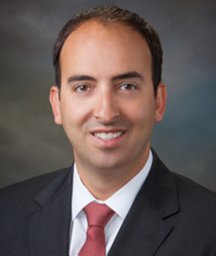 Christopher M. Holland合作论文数Department of Anatomy and Neurobiology, Boston University School of Medicine5
 Michael Bohl合作论文数4
 Ummey Hani合作论文数Sect Neurosurg, Aga Khan Univ Hosp4
 Daniel Zeitouni合作论文数School of Medicine, University of North Carolina at Chapel Hill4David Cowan合作论文数3Paul Keetae Kim合作论文数2Byron C Branch合作论文数2Martin M. Henegar合作论文数2Joe D. Bernard合作论文数2Steve Monk合作论文数2Jonathan M Parish合作论文数2Anthony M. Asher合作论文数1Tyler Atkins合作论文数1Mark Van Poppel合作论文数1Deveney Franklin合作论文数1
 Brandon Karimian合作论文数1David R. Peters合作论文数1Jonathan D. Clemente合作论文数1
 Zuckerman Scott L合作论文数Spinal Column Surgical Outcomes and Quality Research Laboratory, Vanderbilt University1Asher Anthony L合作论文数1
 Scott L. Parker合作论文数Johns Hopkins University School of Medicine1William R. Stetler合作论文数1




