During inertial confinement fusion experiments at the National Ignition Facility (NIF), a capsule filled with deuterium and tritium (DT) gas, surrounded by a DT ice layer and a high-density carbon ablator, is driven to the temperature and densities required to initiate fusion. In the indirect method, 2 MJ of NIF laser light heats the inside of a gold hohlraum to a radiation temperature of 300 eV; thermal x rays from the hohlraum interior couple to the capsule and create a central hotspot at tens of millions degrees Kelvin and a density of 100-200 g/cm3. During the laser interaction with the gold wall, m-band x rays are produced at ∼2.5 keV; these can penetrate into the capsule and preheat the ablator and DT fuel. Preheat can impact instability growth rates in the ablation front and at the fuel-ablator interface. Monitoring the hohlraum x-ray spectrum throughout the implosion is, therefore, critical; for this purpose, a Multilayer Mirror (MLM) with flat response in the 2-4 keV range has been installed in the NIF 37° Dante calorimeter. Precision engineering and x-ray calibration of components mean the channel will report 2-4 keV spectral power with an uncertainty of ±8.7%.
At the National Ignition Facility (NIF), storage phosphor image plates (IP) are used extensively for recording x-rays, charged particles, and neutrons. For x-ray imaging and spectroscopy, absolute and relative calibrations are important for extracting plasma information from the diagnostics. We use Fuji MS, SR, and TR image plates that have been cut to fit custom diagnostic envelopes. The image plates are scanned on a General Electric FLA 7000 IP flying spot scanner. Calibrations for sensitivity, spatial scale, and temperature dependent fade are applied. During a set of recent calibrations, we noticed large shifts in the absolute calibration of the image plate system. The possible source of these shifts is discussed. We discuss scanner stability and a method for calibration. We discuss the fade and temperature effects of the image plates and how this correction is applied within the NIF environment. We also compare our NIF GE FLA 7000 IP scanner with a new General Electric Amersham Typhoon IP scanner.
Current surgical hospital quality programs provide benchmark performance reports based on specialty (e.g., general or vascular surgery) or procedure (e.g., colectomy, hernia repair). However, it is unknown whether hospital performance varies for subgroups of patient demographics (e.g., elderly vs. non-elderly) or risk factors (e.g., emergent vs. non-emergent). The objectives of this study were (1) to evaluate whether hospital performance varies for different subgroups and (2) to determine the number of hospitals with significant differences in performance for each subgroup.
CUNES 53-08-060 is a large piece of a three-column Old Babylonian tablet that contained all or part of a lamentation to Inanna or Dumuzi. The piece measures 83 × 136 × 30 mm and appears to be the bottom half of the original tablet, with the leftmost part of the tablet missing. The theme is Inanna's search for the battered and dying shepherd Dumuzi, who, in one unusually graphic passage, is depicted as a slaughtered bull: His eyes (blankly) stare straight in front of him; a ḫaluppu-tree is formed at (his) nose/mouth by the (spurting) blood; everything in his innards is broken up. The final literary section on the tablet seems to be a fitting conclusion to Inanna's search for Dumuzi, which suggests that this was the conclusion to the entire composition. Keywords: CUNES 53-08-060; Dumuzi; Inanna; lamentation; Old Babylonian tablet
585 Background: For patients undergoing surgery for cancer, it has been suggested that risk-adjustment with cancer-specific variables is needed when evaluating short-term outcomes. Our objectives were to assess the influence of cancer-related variables on postoperative complications and hospital quality comparisons. Methods: Patients from ACS NSQIP and NCDB who underwent colorectal resection for cancer were linked (2006-2008) to create a dataset containing robust information on comorbidities, complications, and oncologic variables. Three hierarchical models were developed predicting the NSQIP outcome 30-day mortality or any serious morbidity using variables from (1) NSQIP only, (2) NCDB only, and (3) a combined model using NSQIP and NCDB. Models were compared with fit statistics and hospital outlier agreement. Results: From 146 NSQIP hospitals, 11401 patients underwent a colorectal resection for cancer, of which, 1954 (17%) experienced a mortality or serious morbidity event. The first five variables selected in the NCDB-only model were Charlson comorbidity score, neoadjuvant therapy use, T stage, primary payer, and M stage (c-statistic, 0.64; AIC, 9886). The first five variables selected in the NSQIP-only model were ASA class, preop sepsis, albumin, surgical procedure, and COPD (c-statistic, 0.66; AIC, 9787). In the combined model, neoadjuvant therapy use was the only cancer-specific variable selected in the top five. The remaining variables were ASA class, preop sepsis, albumin, and wound class (c-statistic, 0.67; AIC, 9455). At the hospital-level, the NCDB-only model identified three high outliers (worse than expected) and one low outlier (better than expected). Both the NSQIP-only and combined models identified the same four high and two low outlying hospitals (kappa: 1.0), which agreed marginally with the NCDB-only model (kappa: 0.59). Conclusions: Addition of cancer-specific variables to NSQIP models slightly improved model fit; however, hospital outcome comparisons were identical. For patients with colorectal cancer undergoing resection, cancer-related factors have limited predictive ability for short-term outcomes and did not influence hospital quality comparisons.
Introduction: Patients who undergo emergency surgery represent a high-risk population and have been shown to have poor outcomes. However, little is known about the variability in the quality of emergency general surgical care across hospitals. The objectives of this study were to compare 30-day outcomes after three common emergency general surgery procedures and to determine whether the quality of emergency surgical care is procedure-dependent or intrinsic to other aspects of the hospital environment. Methods: Patients who underwent emergency appendectomy, cholecystectomy, or colectomy at 95 hospitals that reported at least 20 of each procedure were identified in the 2005-2008 American College of Surgeons National Surgical Quality Improvement Project (ACS NSQIP) database. Outcomes of interest included 30-day overall morbidity and serious morbidity/mortality. Forward step-wise multivariable logistic regression models identified variables included in hierarchical models. Based upon the expected probabilities of the outcome derived from the hierarchical model, observed to expected (O/E) ratios for each outcome after the three procedures were calculated for each hospital. Hospitals were divided into three roughly equal groups based upon O/E ratios (Figure). Agreements on hospital outcomes for overall morbidity and serious morbidity/mortality after appendectomy, cholecystectomy, and colectomy were assessed using the kappa statistic and the Kendall's coefficient of concordance. Results: Of the 30,788 appendectomies, 1,984 (6.4%) patients had any morbidity, and 1,143 (3.7%) patients had a serious morbidity or died. Of the 5,824 cholecystectomies, 503 (8.6%) patients had any morbidity, and 369 (6.3%) patients had a serious morbidity or died. Of the 8,992 colectomies, 4,200 (46.7%) patients had any morbidity, and 3,737 (41.6%) patients had a serious morbidity or died. For overall morbidity, O/E ratios for appendectomy ranged from 0.31 to 2.52; O/E ratios for cholecystectomy ranged from 0 to 3.2; O/E ratios for colectomy ranged from 0.43 to 1.53. For serious morbidity/mortality, O/E ratios for appendectomy ranged from 0.21 to 2.93: O/E ratios for cholecystectomy ranged from 0 to 4.32; O/E ratios for colectomy ranged from 0.6 to 1.63. Hospitals outcomes based upon tercile rank after one procedure were not similar to those after the other procedures for either overall morbidity (kappa=0.13) or serious morbidity/mortality (kappa=0.16). Only nine (9.4%) hospitals for overall morbidity and nine (9.4%) hospitals for serious morbidity/mortality were rated in the highest tercile for all procedures. Four (4.2%) hospitals for overall morbidity and seven (7.4%) hospitals for serious morbidity/mortality were rated in the lowest tercile for all procedures. Conclusion: All three emergency general surgery procedures were associated with substantial 30-day overall morbidity and serious morbidity/mortality. Most hospitals did not have uniform outcomes across all three procedures. Individual hospitals should examine their procedure-specific outcomes after emergency general surgeries to focus quality improvement initiatives appropriately.
INTRODUCTION To facilitate diagnoses, this study determined the efficacy of commercial oral fluid collection devices for their ability to recover three human immunoglobulin isotypes; immunoglobulin A (IgA), IgG, and IgM. METHODS The sandwich enzyme-linked immunosorbent assay was used to determine antibody recovery from the following devices: (i) OraSure oral specimen collection device, (ii) saliva*sampler, (iii) ORALscreen collector, (iv) Dri-Angle, (v) no. 2 cotton roll, (vi) all-gauze sponges device, and (vii) DentaSwabs. For each isotype tested, the recovered eluate was compared with the concentration applied to the device. The performance of each device was determined at various antibody concentrations. RESULTS Recovery of IgA from the saliva*sampler, ORALscreen collector, Dri-Angle and cotton roll was comparable to that seeded onto the device. When compared with the seeded IgG concentration, the mean concentration of antibody recovered by each product differed by approximately +/- 9 ng/ml. The average amount of IgM recovered by the cotton roll and all-gauze sponges device was approximately 29 and 39 ng/ml, respectively, less (P < 0.0001) than that seeded on the device. For all isotypes tested, the amount of antibody recovered from the device was dependent on the initial seeding concentration. CONCLUSION Collectively, these data suggest that the product used for specimen collection can affect retrieval of antibodies and potentially confound patient diagnosis.
In a 1993 essay entitled The Paradoxes of American Jewish Culture, Stephen J. Whitfield found no shortage of them, including the following: “[The] american Jewish subculture looks drab in the light of an american culture that Jews have helped to energize, a mass culture that has dazzled the world.”1 a good deal of the work done by scholars of Jewish studies has been energized by the desire to settle this paradox. There has been an attempt to rebalance the scales, to reinvigorate the Jewish subculture by claiming ownership of hollywood, musical theater, comedy, Tin Pan alley, and other cultural goods the Jews presented to america without asking for a receipt. Toward this end, Jewish cultural studies counters “the devaluation of Jewish difference” in order to “make Jewish literature, culture, and history work better to enhance Jewish possibilities for living richly.”2 For Whitfield, the future health of american Jewry is linked to the success of this cultural reclamation project. his exuberant and fascinating In Search of American Jewish Culture is a lost-and-found of Jewish inventiveness he believes is crucial to a full appreciation of that culture, and essential also for american Jews who must decide “what they and their descendants might want to live for.” Whitfield’s account of american Jewish culture includes Jews “who did not want to serve a manifestly ethnic or communal purpose.”3 he is content to ignore their wishes. Whitfield is not alone. Though important critics such as robert alter and harold Bloom are committed to what Whitfield has termed a maximalist approach to Jewish studies, a stance that views as Jewish only works that “bear directly on [the Jews’] beliefs and experiences as a people,” the ascendancy of Jewish cultural studies in the 1990s heralded the arrival of a rigorous minimalism.4 In an attitude that might
We are creating an interactive, simulated "Cancer Genetics Tower" for the self-paced learning of Clinical Cancer Genetics by medical students (go to: http://casemed.case.edu/cancergenetics). The environment uses gaming theory to engage the students into achieving specific learning objectives. The first few levels contain virtual laboratories where students achieve the basic underpinnings of Cancer Genetics. The next levels apply these principles to clinical practice. A virtual attending physician and four virtual patients, available for questioning through virtual video conferencing, enrich each floor. The pinnacle clinical simulation challenges the learner to integrate all information and demonstrate mastery, thus "winning" the game. A pilot test of the program by 17 medical students yielded very favorable feedback; the students found the Tower a "great way to teach", it held their attention, and it made learning fun. A majority of the students preferred the Tower over other resources to learn Cancer Genetics.
There is one interpretation of Saul Bellow’s enigmatic Dr Tamkin character no critic has been tempted to offer: that he is a realistic portrayal of a modern Jewish type. He has been described in nearly every other imaginable way, because Seize the Day’s Tamkin is a repellent character that has attracted a lot of attention. Spouting insights and bunk, offering sympathy to the tale’s hapless hero, Tommy Wilhelm, while picking his pocket, Tamkin has been an irresistible if daunting subject for literary analysis. In one noted interpretation, Gilead Morahg argues that it is the ‘‘apparent discrepancy between Tamkin’s dubious and seemingly negative personality and his uncanny ability to communicate positive, healing ideas’’ that accounts for Tamkin’s opacity. Morahg resolves this discrepancy by painting Tamkin as a kind of literary artist who fails to live up to the ideals he seeks to teach. But the gap between Tamkin’s words and deeds is not the most important problem he presents to the prospective critic. It is only part of a larger question that Daniel Weiss identified forty years ago and that has still not been successfully answered. That question is whether Tamkin is a credible figure in a work of realistic fiction. As Weiss put it in his early essay, ‘‘Dr Tamkin, the psychologist, is a problem’’ because ‘‘the realistic hyperbole that envelops him is hazardous to the realism of the novel.’’ In other words, the essential question about Tamkin is whether a person like him could exist. Morahg skirts this question and the hyperbole that invites it, focusing instead on how Tamkin’s vices and ideals serve Bellow’s artistic aims by yielding a ‘‘compelling fictional enigma that attracts the attention and demands the consideration of both protagonist and reader.’’ But this is of little help to the many critics who struggle to solve the riddle of Tamkin’s nature. They are well aware that he is a ‘‘compelling fictional enigma.’’ Anyone who considers Tamkin’s claims that he was psychiatrist to the Egyptian royal family,
Faculty at the CWRU School of Medicine are creating a web-based, interactive, simulated “Cancer Genetics Tower” for the self-paced learning of Clinical Cancer Genetics by medical students (go to: http://casemed.case.edu/cancergenetics). The environment uses gaming theory to engage the students into achieving specific learning objectives. The first few levels contain virtual laboratories where students achieve the basic underpinnings of Cancer Genetics. The next levels apply these principles to clinical practice. A virtual attending physician and four virtual patients, available for questioning through virtual video conferencing, enrich each floor. Progress through the Tower is dependent upon the achievement of the learning objectives for each floor and scoring adequately on multiple choice questions. The pinnacle clinical simulation challenges the learner to integrate all information and demonstrate mastery, thus “winning” the game. The application is scheduled for use by the medical class matriculating in 2007. A pilot test of the program by 17 medical students yielded very favorable feedback; the students found the Tower a “great way to teach”, it held their attention, and it made learning fun. They found it easy to navigate through the environment and enjoyed the activities designed to help them achieve the learning objectives. A majority of the students preferred the Tower over other resources to learn Cancer Genetics. (Support: PHS, NCI R25 CA092357-01A2)
 SA Ralls合作论文数12Jc Cecil合作论文数10Horning G M合作论文数5David G. Charlton合作论文数5Dm Meyer合作论文数4Lg Simonson合作论文数4Jw Simecek合作论文数4DL Leonard合作论文数4Proskin Hm合作论文数4Js Arthur合作论文数4
 Clifford Ko (克利福德·科)合作论文数Department of Health Policy and Management, Fielding School of Public Health, University of California, Los Angeles;Division of Research and Optimal Patient Care, American College of Surgeons4Howard W. Roberts合作论文数University of Kentucky, College of Dentistry, 800 Rose Street, Lexington, KY, 40536, USA4J.C. Kuehne合作论文数4Mark E. Stone合作论文数4TE SOUTHARD合作论文数3Kenneth H. Burrell合作论文数3John J. Hefferren合作论文数3nancy wolf合作论文数3Sz Schade合作论文数3Ma Listgarten合作论文数3robert l boyd合作论文数3Pihlstrom Bruce L合作论文数3Wrenn Gregg合作论文数3
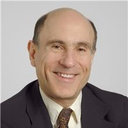 Peter Imrey合作论文数Department of Quantitative Health Sciences, Cleveland Clinic3Georgia L. Wiesner合作论文数3James C. Ragain合作论文数Naval Dental Research Institute3
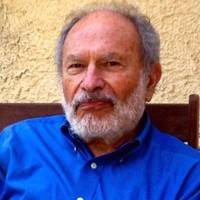 Stuart L. Fischman合作论文数Department of Oral Diagnostic Sciences, School of Dental Medicine, University at Buffalo3
 Klara Papp合作论文数111j(w),3
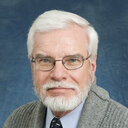 Thomas Nosek合作论文数3
 Karl Y. Bilimoria合作论文数Department of Surgery, School of Medicine, Indiana University3Tin-Lup Wong合作论文数3
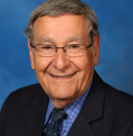 Sebastian Ciancio合作论文数Department of Periodontics and Endodontics, State University of New York at Buffalo;Center for Dental Studies, State University of New York at Buffalo3LE ROSS合作论文数2FR Leal合作论文数2J. S. Arthur合作论文数2rosa helena合作论文数2JA Bolden合作论文数2robert c emling合作论文数2t kohut合作论文数2Sa Leone合作论文数2Rb Dagostino合作论文数2anne l matthews合作论文数2Tr Jones合作论文数2SO ZIMMERMAN合作论文数2RS Karaway合作论文数2RL Ahlf合作论文数2Nw Chilton合作论文数2A Kingman合作论文数2
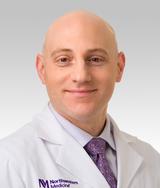 Ryan P Merkow合作论文数Department of Surgery, Feinberg School of Medicine, Northwestern University2




