Introduction: The HD21 trial compares BrECADD with eBEACOPP for the first-line treatment of advanced stage classical Hodgkin Lymphoma (AS-cHL). We previously reported a superior acute tolerability profile for BrECADD. However, persisting treatment sequelae as peripheral neuropathy or gonadal dysfunction are a major concern for survivors of AS-cHL. Accordingly, resolution of organ toxicities is highly relevant from the patient´s perspective. Therefore, we report treatment-related toxicities at twelve months follow-up (FU12) after treatment in HD21. Methods: Adult patients ≤60 years of age with AS-cHL were included in this ongoing international open label randomized phase III trial and randomized in a 1:1 ratio to receive PET2-guided 4–6 cycles of either standard eBEACOPP or experimental BrECADD treatment. For detection of treatment sequelae at FU12, non-hematological adverse events and serum levels of FSH levels are reported. The trial was registered at clinicaltrials.gov (NCT02661503) and conducted according to ICH-GCP guidelines. Results: Between July 2016 and August 2020, we enrolled 1,500 patients from 9 countries. Baseline characteristics were well balanced between treatment arms. Documented FU12 was available in 1395/1470 (94.9%) patients in the ITT cohort. 557 (80.8%) and 566 (80.2%) patients had no documented toxicity following eBEACOPP and BrECADD, respectively. At FU12, grade 2 or higher PNP was reported for 17 (2.7%) patients following eBEACOPP and for 12 (1.9%) patients following BrECADD; however, no or only grade 1 PNP was reported for most patients in both treatment groups with 97.3% for eBEACOPP and 98.1% for BrECADD. Rate of PNP was numerically higher in patients receiving 6 cycles of chemotherapy (3.0%) compared to 4 cycles (1.9%). FSH levels at FU12 were available for 597 patients and were higher for patients who received eBEACOPP (mean FSH 29.4 and 31.8 after 4 and 6 cycles, respectively) compared to BrECADD (mean FSH 18.3 and 20.5 after 4 and 6 cycles, respectively. Other than PNP, most frequent organ toxicities at FU12 were classified as respiratory, thoracic or mediastinal disorders (4.4%), and cardiac disorders (2.9%). All other organ toxicities were rare and equally distributed between trial arms. Conclusions: Complete resolution of acute adverse events is frequent following either regimen in the GHSG HD21 study. However, less patients report higher grade PNP or impaired gonadal function at FU12 after treatment with BrECADD than after eBEACOPP. Accordingly, persisting toxicities were reported in only few patients after BrECADD. Although these results are indicate good overall tolerability, they still need to be complemented by patient-reported outcomes for which analyses are ongoing. The non-inferiority of the experimental BrECADD regimen also remains to be demonstrated to draw definitive conclusions. The research was funded by: Takeda Keywords: Hodgkin lymphoma, Molecular Targeted Therapies, Ongoing Trials Conflicts of interests pertinent to the abstract. P. Borchmann Consultant or advisory role: Takeda Oncology, Bristol-Myers Squibb, Merck Sharp & Dohme, Roche, Novartis, Amgen, Miltenyi Biotech Honoraria: Takeda Oncology, Novartis, Bristol-Myers Squibb, Roche, Merck Sharp & Dohme, Miltenyi Biotech, Incyte, Abbvie Research funding: Takeda Oncology, Roche, Novartis, Merck Sharp & Dohme, Amgen
Background: Improved treatments are needed for patients (pts) with high-risk (HR) DLBCL. Intensification of R-CHOP has not improved outcomes. Furthermore, pts with HR disease are frequently excluded from trials due the need for rapid treatment initiation, an independent predictor of poor outcome. Glofitamab (glo) is a CD20/CD3 bispecific antibody achieving 39% complete remission (CR) rate R/R DLBCL (Dickinson, NEJM 2023). We present an interim analysis of an ongoing investigator-initiated, parallel-arm, phase I/II study of glo in combination with R-CHOP or polatuzumab vedotin (pola)-R-CHP in younger pts with HR DLBCL. Methods: Eligible pts include untreated DLBCL, age 18–65, and at least one HR feature: IPI ≥3, NCCN-IPI ≥4, or proven double-hit status. To minimise treatment delay, enrolment is allowed after 1 cycle of R-CHOP and ECOG <4 at baseline or <2 at C2 is permitted. Pts receive 5 cycles of glo (2.5 mg & 10 mg step-up in C2, 30 mg in C3-6) in combination with R-CHOP (Arm A) or Pola-R-CHP (Arm B), followed by 2 cycles of glo consolidation. Primary endpoints are safety, relative dose intensity (RDI) and rate of treatment discontinuation. Responses are evaluated after cycles 2, 4 and 6 and then 3–6 monthly. Adverse events (AEs) are graded using CTCAE V5.0, except cytokine-release syndrome (CRS) and neurotoxicity (ICANS) graded by ASTCT criteria. Results: 47 patients have received ≥1 dose of study treatment at Nov 1, 2022 (25 Arm A, 22 Arm B). 42 (89%) have de novo DLBCL and 5 (11%) have transformed indolent lymphoma. Median age was 52 years (range 24–65), IPI was ≥3 in 81%, and NCCN-IPI was ≥4 in 81%. The median TMTV was 673 cm3 (IQR 249–1221 cm3). Median time from diagnosis to first R-CHOP was 15 days (IQR 11–21.5). Grade (Gr) ≥3 AEs were seen in 10/25 (40%) (Arm A) and 11/21 (52%) (Arm B). There were no Gr 5 AEs. Febrile neutropenia was observed in 1/25 (4%) and 6/21 (29%) and CRS Gr 1 in 5/25 (20%) and 5/21 (24%), respectively. There was 1 episode of Gr 2 CRS in Arm A. Neuropathy was limited to Gr 1–2 in 11/25 (44%) and 5/21 (24%) respectively. No ICANS was observed. The RDI was ≥90% for cyclophosphamide, doxorubicin, pola, vincristine and glo in 93%, 93%, 100%, 76% and 88% of patients, respectively. There was 1 dose interruption of doxorubicin and 3 interruptions to glo, 2 for infection and 1 for rash. 41 treated pts had at least 1 efficacy assessment, with best overall response rate 100%. Of 25 pts who reached the end of induction (EOI) assessment, 19 (76%) demonstrated CR, 5 (20%) PR and 1 (5%) PD. At a median follow up of 3.7 months (mo), the estimated PFS at 6-mo was 91% (Figure). Of the 5 pts with PR at EOI, none has progressed with median follow up 6.1 mo. Encore Abstract - previously submitted to EHA 2023 The research was funded by: F Hoffman La Roche Keywords: Aggressive B-cell non-Hodgkin lymphoma, Combination Therapies, Ongoing Trials Conflicts of interests pertinent to the abstract. A. Minson Honoraria: Roche Research funding: Novartis, Roche Educational grants: Novartis N. Hamad Honoraria: Roche J. F. Seymour Honoraria: Abbvie, Acerta, Celgene, Genentech, Janssen, Roche, Sunesis, Takeda Research funding: AbbVie, Genentech, Celgene, Janssen M. Dickinson Honoraria: Roche, AbbVie, GenMab, Novartis, Kite, Gilead, Bristol Myers Squibb Research funding: Roche, Novartis, Gilead, Takeda
Introduction: MALT1 is a key component of the CARD11-BCL10-MALT1 (CBM) complex, which activates the classical NF-κB pathway. JNJ-67856633 (JNJ-6633), a highly selective protease inhibitor of CBM-mediated NF-κB signaling, demonstrated potent anti-lymphoma activity in preclinical models. Here, we present results from a phase 1 dose escalation study of JNJ-6633 in patients (pts) with R/R B-NHL and CLL. Methods: Pts were ≥18 years with R/R B-NHL or CLL (per WHO/iwCLL criteria), ECOG PS ≤1, and ≥1 or 2 lines of therapy (LOT). Dose escalation was supported by a modified continual reassessment method to identify recommended phase 2 dose (RP2D). Pts received oral 50–600 mg JNJ-6633 once daily (QD). Loading doses (LD) were explored to accelerate steady-state exposure of JNJ-6633: 2 LD using capsules at 400 mg QD for 14 days followed by 300 mg QD, and 300 mg twice daily for 7 days followed by 300 mg QD. Similar LD were used for tablets. Results: At a clinical cutoff of 22 January 2023, 109 pts with R/R B-NHL or CLL received JNJ-6633 (n = 89, capsules; n = 20, tablets). Median duration of treatment was 10.3 weeks (range 0.57–176.29). Most common histology was diffuse large B-cell lymphoma (n = 65 [59.6%]). Treatment-emergent AEs were reported in 97.2% pts (Table). Hyperbilirubinemia was observed in 44% of pts and taken into consideration when selecting RP2D. Dose limiting toxicities were reported in 5 pts (400 mg, Grade 3 [G3] hyponatremia; 600 mg, G2 bradycardia; 300 mg, G3 febrile neutropenia; 400 mg LD, G3 renal failure; 300 mg LD, G3 acute renal failure); 4 pts continued with same dosing and 1 pt had dose reduction. Maximum-administered dose was 600 mg QD and maximum-tolerated dose was not reached. Based on toxicity profile, RP2D was 300 mg QD and LD 300 mg. No new safety signals were observed with both formulations at different LD. Preliminary pharmacokinetic data showed JNJ-6633 is rapidly absorbed (median Tmax, range 2–5 h), slowly eliminated at 50–600 mg doses, and accumulated ∼8-fold upon multiple dosing. Steady-state exposure of 50 mg capsule increased in an approximately dose proportional manner as the dose increased from 50 to 400 mg. Exposures were comparable between tablet doses of 200 or 240 mg and a capsule dose of 300 mg. Overall response rate (ORR) at RP2D (n = 36) was 27.8% (complete response, n = 4 [11.1%]; partial response, n = 6 [16.7%]). Responses were observed across indolent and aggressive histologic subtypes. Conclusions: Preliminary data from this phase 1 dose escalation study of JNJ-6633 indicates it has a manageable hematological and non-hematological safety profile. JNJ-6633 demonstrated clinical activity in indolent and aggressive lymphomas. LD may be associated with higher ORR and is further explored in expansion cohorts. Safety and efficacy results from this dose escalation study supported targeting MALT1 in pts with R/R B-NHL and CLL and further evaluation of JNJ-6633 in expansion cohorts. Encore Abstract—previously submitted to EHA 2023 The research was funded by: Janssen Pharmaceuticals Keywords: chronic lymphocytic leukemia (CLL), molecular targeted therapies, non-Hodgkin (pediatric, adolescent, and young adult) No conflicts of interests pertinent to the abstract.
Background: Glofitamab is a T-cell engaging bispecific antibody (Ab) with a novel 2:1 configuration that confers bivalency for CD20 (B cells) and monovalency for CD3 (T cells). In a Phase I/II study (NCT03075696), escalating glofitamab doses were highly active and well tolerated in patients with relapsed/refractory (R/R) B-cell lymphomas, with obinutuzumab pretreatment (Gpt) and Cycle (C) 1 step-up dosing providing effective cytokine release syndrome (CRS) mitigation. Aims: We present pivotal Phase II expansion results in patients with R/R diffuse large B-cell lymphoma (DLBCL) and ≥2 prior therapies. Methods: All patients had DLBCL (DLBCL not otherwise specified [NOS], high-grade B-cell lymphoma, primary mediastinal large B-cell lymphoma, or transformed follicular lymphoma) and had received ≥2 prior regimens, including ≥1 anti-(a) CD20 Ab and ≥1 anthracycline. Intravenous (IV) Gpt (1000mg) was given 7 days before the first glofitamab dose. IV glofitamab was then given as step-up doses on Day (D) 1 (2.5mg) and D8 (10mg) of C1 and at the target dose (30mg) on D1 of C2–12 (21-day cycles). The primary endpoint was complete response (CR) rate assessed by Independent Review Committee (IRC) using Lugano 2014 criteria. CRS was assessed using ASTCT criteria. All patients provided informed consent. Results: As of September 14, 2021, 107 patients had received ≥1 dose of study treatment (median age: 66 years [21–90]; Ann Arbor stage III–IV disease: 74%; IPI score ≥3: 54%; DLBCL NOS: 74%). Median prior therapies was 3 (2–7); 59% had ≥3 prior therapies and 35% had received prior CAR T-cells (CAR-Ts). Most patients were refractory to a prior aCD20 Ab-containing regimen (85%) and to their most recent regimen (85%). Many were refractory to their initial therapy (59%) and to prior CAR-Ts (32%). After a median follow-up of 9 months (0.1–16), overall response and CR rates by IRC were 50.0% and 35.2%, respectively. CR rates were consistent in patients with and without prior CAR-Ts (32% vs 37%). Median time to CR was 42 days (95% CI: 41–48). The majority of CRs (33/38; 87%) were ongoing at data cut. An estimated 84% of complete responders and 61% of responders remained in response at 9 months. At data cut, the projected 12-month overall survival rate was 48%, and 92% of complete responders were alive. These results are consistent with earlier Phase I data in 100 patients treated with target glofitamab doses ≥10mg (CR rate: 34%; estimated 20-month CR rate in complete responders: 72%). CRS occurred in 68% of patients, was primarily associated with the initial doses, and was mostly Grade (Gr) 1 (51%) or Gr 2 (12%); Gr 3 (3%) and Gr 4 (2%) events were uncommon. All but 2 CRS events were resolved at data cut. Glofitamab-related neurologic adverse events (AEs) potentially consistent with immune effector cell-associated neurotoxicity syndrome (ICANS) occurred in 3 patients (all Gr 1–2). No glofitamab-related Gr 5 (fatal) AEs occurred. Glofitamab-related AEs leading to discontinuation were uncommon (3 patients, 3%). Summary/Conclusion: Fixed-duration glofitamab induces durable complete remissions and has favorable safety in patients with R/R DLBCL and ≥2 prior therapies, including those with prior exposure to CAR-Ts. Glofitamab is a promising new therapy for patients with heavily pretreated and/or highly refractory DLBCL.
Introduction: Prognosis is poor for patients with relapsed/refractory (R/R) diffuse large B-cell lymphoma (DLBCL), particularly those who are ineligible for autologous stem cell transplant (ASCT) or who relapse after second-line therapy (Gisselbrecht C, et al. Br J Haematol 2018). While chimeric antigen receptor therapies have shown favorable response rates in R/R DLBCL, convenient off-the-shelf options are needed, especially for patients with rapidly progressing disease (Sermer D, et al. Blood Adv 2020). Glofitamab is a full-length, humanized immunoglobulin G1 bispecific antibody with two regions that bind to CD20 (B cells) and one region that binds to CD3 (T cells). In an ongoing Phase I study in patients with R/R non-Hodgkin lymphoma, glofitamab monotherapy has induced high response rates with a manageable safety profile (NCT03075696; Hutchings M, et al. ASH 2020). Rituximab in combination with GemOx (R-GemOx) is widely used for patients with R/R DLBCL who are not eligible for ASCT (Mounier N, et al. Haematologica 2013). Methods: GO41944 (NCT04408638) is a Phase III, open-label, randomized trial designed to evaluate the safety and efficacy of glofitamab plus gemcitabine and oxaliplatin (glofit-GemOx) vs R-GemOx in patients with R/R DLBCL. Eligible patients must be aged ≥18 years, have histologically confirmed DLBCL (excluding transformed indolent disease, and high-grade B-cell lymphoma (BCL) with MYC and BCL2 and/or BCL6 rearrangements), and have received ≥1 prior systemic therapies; patients who have failed only one prior line of therapy must not be eligible for high-dose chemotherapy followed by ASCT. Prior treatment with GemOx, R-GemOx or a CD20xCD3 bispecific antibody is not permitted. Patients are randomized 2:1 to receive up to eight 21-day cycles of either glofit-GemOx (intravenous [IV], followed by up to four cycles of glofitamab monotherapy) or R-GemOx (IV). A single dose of obinutuzumab is administered seven days prior to the first glofitamab administration. Randomization is stratified by number of prior lines of therapy and outcome of last systemic therapy (relapsed vs refractory). The primary objective is overall survival from time of randomization. Secondary efficacy objectives include progression-free survival, complete and overall response rates, duration of response, and time to deterioration in physical functioning and fatigue, and in lymphoma symptoms. Safety objectives comprise rate of adverse events, change from baseline in targeted vital signs and clinical laboratory test results, and tolerability. Pharmacokinetic, immunogenicity and biomarker endpoints will also be explored. The study started on February 17, 2021; an estimated enrollment of 270 patients by the study completion date of March 2022 is anticipated. EA – previously submitted to ASCO and EHA 2021. The research was funded by: F. Hoffmann-La Roche Ltd/Genentech, Inc. Third-party medical writing assistance, under the direction of the authors, was provided by Katie Buxton, PhD, of Ashfield MedComms, an Ashfield Health company, and was funded by F. Hoffmann-La Roche Ltd/Genentech, Inc. Keywords: Aggressive B-cell non-Hodgkin lymphoma, Ongoing Trials Conflicts of interests pertinent to the abstract M. Hertzberg Consultant or advisory role: Takeda, Gilead, F. Hoffmann-La Roche Ltd, MSD Honoraria: F. Hoffmann-La Roche Ltd, Janssen, Takeda, Bristol-Myers Squibb Research funding: F. Hoffmann-La Roche Ltd, Janssen, GSK M. Ku Consultant or advisory role: F. Hoffmann-La Roche Ltd, Antengene Research funding: Karyopharm O. Catalani Employment or leadership position: F. Hoffmann-La Roche Ltd B. Althaus Employment or leadership position: Genentech, Inc. Stock ownership: F. Hoffmann-La Roche Ltd S. Simko Employment or leadership position: Genentech, Inc. Stock ownership: F. Hoffmann-La Roche Ltd G. P. Gregory Consultant or advisory role: F. Hoffmann-La Roche Ltd, Novartis/Sandoz, Janssen, Gilead Honoraria: F. Hoffmann-La Roche Ltd Research funding: F. Hoffmann-La Roche Ltd, BeiGene, MSD, AbbVie, Janssen Educational grants: F. Hoffmann-La Roche Ltd, Novartis Other remuneration: Speakers' bureau: F. Hoffmann-La Roche Ltd; Expert testimony: Janssen
Introduction: Polatuzumab vedotin (Pola) is a novel antibody-drug conjugate targeting CD79b on B-cell non-Hodgkin lymphoma. In the randomized cohort of GO29365, a Phase [Ph] Ib/II study (NCT02257567; data cut-off: April 30, 2018), Pola plus bendamustine and rituximab (Pola+BR) improved progression-free survival (PFS) and overall survival (OS) compared with BR alone in patients (pts) with relapsed/refractory diffuse large B-cell lymphoma (R/R DLBCL). The study met its primary endpoint, with an independent review committee (IRC)-assessed complete response (CR) rate of 40.0% with Pola+BR vs 17.5% with BR. These results led to regulatory approvals of Pola+BR for the treatment of pts with R/R DLBCL. The study was later amended to include a single-arm Ph II extension (Ext) cohort of additional pts who received Pola+BR. Here, we report updated results from the GO29365 study, including the Ph Ib safety run-in cohort, Ph II randomized arms, and previously unpublished results from the Ext cohort. Methods: This open-label study enrolled pts with R/R DLBCL (aged ≥18 years, stem cell transplant [SCT]-ineligible, ECOG performance status of 0-2). Pts with Grade [Gr] >1 peripheral neuropathy [PN] were excluded. In the initial study, Pola+BR was investigated in DLBCL in a Ph Ib safety run-in cohort (Pola+BR; N=6) and Ph II randomized arms (Pola+BR vs BR; N=80); full methods were previously described (Sehn et al. J Clin Oncol 2020). Pts in the Ext cohort received Pola+BR with the same dosing regimen (Pola 1.8mg/kg IV with each cycle of BR). The primary endpoint was IRC-assessed CR at primary response assessment [PRA] by PET-CT (modified Lugano criteria). Secondary endpoints included objective response rate (ORR), best objective response (BOR), OS, PFS, duration of response (DOR), and safety. Results: As of January 2, 2020, median follow-up for pts treated with Pola+BR was 56.1 mo in the safety run-in cohort (N=6), 42.9 mo in the randomized arm (N=40), and 9.7 mo for the Ext cohort (N=106). Baseline characteristics (Table 1) were largely similar between the randomized Pola+BR arm and the Ext cohort. Updated survival data from the randomized cohort (Pola+BR vs BR) showed the median IRC-assessed PFS (95% confidence interval [CI]) was 9.2 (6.0-13.0) vs 3.7 (2.1-4.5) mo (hazard ratio [HR] 0.4; 95% CI: 0.2-0.7); median OS (95% CI) was 12.4 (9.0-32.0) vs 4.7 (3.7-8.3) mo (HR 0.4; 95% CI: 0.2-0.7), respectively (Figure). In the Pola+BR arm, 6 pts (15%) had an IRC-assessed DOR of >24 mo (range: 26.6-38.6 mo) at last follow-up; 5 pts received no new treatment, 1 pt underwent an allogeneic SCT. In the Ext cohort (N=106), the primary endpoint of IRC-assessed PET-CR at PRA was 39.6% (n=42; 95% CI: 30.3-49.6) (Table 2), consistent with that observed in the randomized Pola+BR arm (16/40; 40.0%). The BOR rate was 56.6% and best CR rate was 52.8%. The median (95% CI) IRC-assessed PFS and OS were 6.1 (5.1-8.0) and 11.0 (8.3-14.2) mo, respectively; however, OS was not fully mature. An exploratory subgroup analysis of all Pola+BR-treated pts (N=152) showed differences in median (m) PFS and OS between: pts who were primary refractory (n=97) vs non-primary refractory (n=55) (mPFS: 4.8 vs 12.6 mo; mOS: 7.8 vs 32 mo); pts who were refractory to last treatment (n=116) vs pts who were not (n=36) (mPFS: 5.3 vs 14.2 mo; mOS: 9.1 mo vs not reached); and pts who had received 1 (n=50) vs ≥2 (n=102) prior lines of therapy (mPFS: 10.4 vs 6 mo; mOS: 14 vs 9.5 mo). There were no new safety signals with Pola+BR. A safety analysis of all pts who received Pola+BR in the safety run-in, randomized and Ext cohorts (N=151) showed that 121 (80.1%) pts had Gr 3-4 adverse events (AEs), 84 (55.6%) had serious AEs, most commonly infections, febrile neutropenia, and pyrexia, and 18 (11.9%) had Gr 5 AEs, which were primarily infections. PN events of any grade were reported in 46 (30.5%) pts; 3 pts experienced Gr 3 PN, 2 of which were reported as muscular weakness. Secondary malignancies were reported in 4 (2.6%) pts. Conclusions: With additional follow-up for the randomized arms, the significant improvement in PFS and OS seen with Pola+BR vs BR persisted. The Ext cohort of additional pts who received Pola+BR (N=106) shows overall consistent efficacy with the randomized Pola+BR arm. No new safety signals were identified with Pola+BR. These data further strengthen the evidence that Pola+BR is an effective treatment for R/R DLBCL. An updated clinical cut-off date providing more mature data will be presented. Disclosures Sehn: Amgen: Consultancy, Honoraria; AbbVie: Consultancy, Honoraria; Apobiologix: Consultancy, Honoraria; AstraZeneca: Consultancy, Honoraria; Genentech, Inc.: Consultancy, Honoraria, Research Funding; Acerta: Consultancy, Honoraria; Celgene: Consultancy, Honoraria; Janssen: Consultancy, Honoraria; Kite: Consultancy, Honoraria; Gilead: Consultancy, Honoraria; Karyopharm: Consultancy, Honoraria; Lundbeck: Consultancy, Honoraria; Merck: Consultancy, Honoraria; MorphoSys: Consultancy, Honoraria; F. Hoffmann-La Roche Ltd: Consultancy, Honoraria, Research Funding; Seattle Genetics: Consultancy, Honoraria; Teva: Consultancy, Honoraria, Research Funding; Takeda: Consultancy, Honoraria; Servier: Consultancy, Honoraria; Chugai: Consultancy, Honoraria; TG therapeutics: Consultancy, Honoraria; Verastem Oncology: Consultancy, Honoraria. Hertzberg:Bristol Myers Squibb: Honoraria; Takeda: Honoraria, Membership on an entity's Board of Directors or advisory committees; F. Hoffmann-La Roche Ltd: Honoraria, Membership on an entity's Board of Directors or advisory committees; MSD: Honoraria, Membership on an entity's Board of Directors or advisory committees; Janssen: Membership on an entity's Board of Directors or advisory committees. Opat:CSL Behring: Consultancy, Honoraria, Membership on an entity's Board of Directors or advisory committees; F. Hoffmann-La Roche Ltd: Consultancy, Honoraria, Membership on an entity's Board of Directors or advisory committees, Research Funding; AbbVie: Consultancy, Honoraria, Membership on an entity's Board of Directors or advisory committees, Research Funding; Janssen: Consultancy, Honoraria, Membership on an entity's Board of Directors or advisory committees, Research Funding; Epizyme: Research Funding; AstraZenca: Consultancy, Honoraria, Membership on an entity's Board of Directors or advisory committees, Research Funding; Merck: Consultancy, Honoraria, Membership on an entity's Board of Directors or advisory committees, Research Funding; Gilead: Consultancy, Membership on an entity's Board of Directors or advisory committees, Research Funding; BeiGene: Consultancy, Membership on an entity's Board of Directors or advisory committees, Research Funding. Herrera:Immune Design: Research Funding; AstraZeneca: Research Funding; Karyopharm: Consultancy; Pharmacyclics: Research Funding; Merck: Consultancy, Research Funding; Seattle Genetics: Consultancy, Research Funding; Genentech, Inc./F. Hoffmann-La Roche Ltd: Consultancy, Research Funding; Gilead Sciences: Consultancy, Research Funding; Bristol Myers Squibb: Consultancy, Other: Travel, Accomodations, Expenses, Research Funding. Assouline:AbbVie: Consultancy, Honoraria, Speakers Bureau; F. Hoffmann-La Roche Ltd: Consultancy, Honoraria, Research Funding; Janssen: Consultancy, Honoraria, Speakers Bureau; Takeda: Research Funding; Pfizer: Consultancy, Honoraria; AstraZeneca: Consultancy, Honoraria, Speakers Bureau; BeiGene: Consultancy, Honoraria, Research Funding. Flowers:Cancer Prevention and Research Institute of Texas: Research Funding; Eastern Cooperative Oncology Group: Research Funding; TG Therapeutics: Research Funding; Millennium/Takeda: Consultancy, Research Funding; Bayer: Consultancy; V Foundation: Research Funding; Kite: Research Funding; National Cancer Institute: Research Funding; BeiGene: Consultancy; Spectrum: Consultancy; Acerta: Research Funding; Pharmacyclics/Janssen: Consultancy; Karyopharm: Consultancy; OptumRx: Consultancy; Celgene: Consultancy, Research Funding; Gilead: Consultancy, Research Funding; Genentech, Inc./F. Hoffmann-La Roche Ltd: Consultancy, Research Funding; Denovo Biopharma: Consultancy; AbbVie: Consultancy, Research Funding; Leukemia and Lymphoma Society: Membership on an entity's Board of Directors or advisory committees; Burroughs Wellcome Fund: Research Funding. Kim:Takeda: Consultancy; Sanofi: Consultancy; F. Hoffmann-La Roche Ltd/Genentech, Inc.: Consultancy; Voronoi: Consultancy; Boryung: Consultancy; AstraZeneca and Korea Health Industry Development Institute: Research Funding; Novartis: Consultancy; AstraZeneca: Consultancy. McMillan:Celgene: Honoraria, Other: Travel expenses, Speakers Bureau; Pfizer: Research Funding; F. Hoffmann-La Roche Ltd: Honoraria, Other: Travel expenses, Speakers Bureau. Ozcan:Janssen: Other: Travel support, Research Funding; Abdi Ibrahim: Other; Sanofi: Other; Jazz Pharmaceuticals: Other; Amgen: Honoraria, Other: Travel support; Bristol Myers Squibb: Other: Travel support; F. Hoffmann-La Roche Ltd: Other: Travel support, Research Funding; Takeda: Honoraria, Other: Travel support, Research Funding; Celgene: Research Funding; Bayer: Research Funding; AbbVie: Other: Travel support, Research Funding; MSD: Research Funding; Archigen Biotech: Research Funding. Salles:Karyopharm: Consultancy; Janssen: Consultancy, Honoraria, Other: Participation in educational events; Celgene: Consultancy, Honoraria, Other: Participation in educational events; Gilead: Consultancy, Honoraria, Other: Participation in educational events; Abbvie: Consultancy, Honoraria, Other: Participation in educational events; Genmab: Consultancy; Autolus: Consultancy; Debiopharm: Consultancy; Amgen: Honoraria, Other: Participation in educational events; Kite: Consultancy, Honoraria, Other; MorphoSys: Consultancy, Honoraria, Other; F. Hoffman-La Roche Ltd: Consultancy, Honoraria, Other; Takeda: Consultancy, Honoraria, Other; Novartis: Consultancy, Honoraria, Other; Epizyme: Consultancy; Bristol Myers Squibb: Consultancy, Other. Musick:Roche/Genentech, Inc.: Current Employment; F. Hoffmann-La Roche Ltd: Current equity holder in publicly-traded company. Hirata:Genentech, Inc.: Current Employment; F. Hoffmann-La Roche Ltd: Current equity holder in publicly-traded company. Chang:F. Hoffmann-La Roche: Current Employment, Current equity holder in private company. Ku:Genentech, Inc.: Current Employment; F. Hoffmann-La Roche: Current Employment, Current equity holder in publicly-traded company. Matasar:Rocket Medical: Consultancy, Research Funding; Seattle Genetics: Consultancy, Honoraria, Research Funding; Daiichi Sankyo: Consultancy; Genentech, Inc.: Consultancy, Honoraria, Research Funding; Bayer: Consultancy, Honoraria, Research Funding; Merck: Consultancy; Juno Therapeutics: Consultancy; Immunovaccine Technologies: Honoraria, Research Funding; Pharmacyclics: Honoraria, Research Funding; Janssen: Honoraria, Research Funding; IGM Biosciences: Research Funding; GlaxoSmithKline: Honoraria, Research Funding; Takeda: Consultancy, Honoraria; F. Hoffmann-La Roche Ltd: Consultancy, Honoraria, Research Funding; Teva: Consultancy.
Background: B-cell non-Hodgkin lymphomas (B-NHL) are frequently characterised by deregulation of the B-cell leukaemia/lymphoma-2 (BCL2) family of anti-apoptotic proteins. Venetoclax is a BCL2-specific inhibitor approved for chronic lymphocytic leukemia (CLL), with activity in other B-cell malignancies in small cohorts. Venetoclax has been available for patients (pts) with relapsed/refractory B-NHL via the Abbvie compassionate access scheme or as off label treatment, however data regarding effectiveness in this setting are scarce. Methods: We performed a multicentre, international, retrospective study of the clinical outcomes and safety of pts with B-NHL (excluding CLL) who received venetoclax either as monotherapy or as combination treatment in Australia or Denmark between 7/2016 and 12/2018. Results: The baseline characteristics of the 24 eligible pts are summarised in the table (Figure 1a). Target daily dose varied from 400-1200mg and was reached in 77%. Among all pts, the objective response rate (ORR) was 35%, clinical benefit rate (SD/PR/CR) 65% and CR rate 8%; one patient each with MCL and transformed follicular lymphoma. The Waldenstrom macroglobulinaemia patient achieved a MR with monotherapy, improving to a PR when cyclophosphamide and dexamethasone were subsequently added. The ORR was 50% and 27% for pts treated with venetoclax combined with additional systemic therapy and monotherapy respectively. The ORR was 42% in MCL (ORR 66%, n=2 in those receiving combination treatment, and ORR 33%, n=3 in BTK inhibitor refractory pts) and 0% in DLBCL. 1/5 patients bearing TP53 aberrations (n=5 [MCL n=3, Richter's n=2]) had a response (PR). Median time on venetoclax, PFS and OS for all pts were 2.7, 2.4 and 3.1 months respectively (Figure 1b,c). 5 pts had a PFS >6 months (maximum 20.4 months), and 6 pts (25%) were alive at last follow-up, with 4 (17%) remaining on venetoclax. 75% (n=3) of these received concurrent therapy (ibrutinib n=2) and 25% (n=1) received monotherapy. Causes of death included progressive lymphoma (78%, n=14) and infection (11%, n=2). 10 (50%) discontinued therapy due to PD and 4 (20%) due to adverse events. The most frequent grade 3/4 adverse events were neutropenia(35%, n=6), febrile neutropenia(18%, n=3), tumour lysis syndrome (laboratory 33%, n=8 [MCL n=6, DLBCL n=1, Richter's n=1], clinical 8%, n=2 [MCL n=2]), thrombocytopenia (17%, n=4) infection (12%, n=3) and anaemia (8%, n=2), and diarrhoea (4%, n=1) Keywords: B-cell lymphoma; venetoclax. Disclosures: El-Galaly, T: Employment Leadership Position: Roche. Tam, C: Honoraria: Abbvie; Research Funding: Abbvie. Seymour, J: Consultant Advisory Role: Abbvie, Roche 7, Janssen; Honoraria: Abbvie, Roche 7, Janssen; Research Funding: Abbvie, Roche 7, Janssen; Other Remuneration: Abbvie, Roche 7, Janssen, (speaker). Cheah, C: Consultant Advisory Role: Roche, Janssen, Takeda, MSD, Gilead, Bristol Myers Squibb, AstraZeneca; Honoraria: Roche, Janssen, Takeda, MSD, Gilead, Bristol Myers Squibb, AstraZeneca; Research Funding: Celgene, Roche, Abbvie; Other Remuneration: Roche, Amgen (travel expenses).
BACKGROUND Oral and dental disease is a major cause of long-term morbidity following allogeneic blood and marrow transplantation (Allo-BMT). This study aimed to describe the extent and range of oral and dental complications in BMT recipients and to identify gaps in service provision provided to this high-risk group. METHODS Participants were Allo-BMT recipients, aged >18 years, and received transplants between 2000 and 2012 in NSW. They completed seven surveys, the purpose-designed Sydney Post-BMT Study survey and six other validated instruments. RESULTS Of 441 respondents, many reported dry mouth (45.1%), dental caries (36.7%), mouth ulcers (35.3%), oral GVHD (35.1%), gingivitis (16.2%), tooth abscess (6.1%) and oral cancer (1.5%). Regular dental visits were reported by 66.2% of survivors. Middle-high income, older age and geographic location showed a positive association with regular dental visits. Of those who did not visit the dentist regularly, 37% stated they did not feel it necessary, 36% reported cost and 20% stated it was not advised by the treating team. CONCLUSION Despite oral complications commonly occurring after Allo-BMT, many survivors receive inadequate dental care. These results emphasize the need for improved oral health education, the importance of regular dental checks and improvement in the delivery of dental health services for BMT survivors.
Improving Health-Related Quality of Life (HRQoL) is an increasingly significant goal in oncology, and Hodgkin's Lymphoma (HL) is no exception. With the increased demand for patient reported outcomes, reference values (RVs) are needed for designing clinical trials (CTs), interpreting effects of new therapies and contextualizing the results of individual patients. This abstract describes RVs for HL using the EORTC QLQ-C30. We searched EORTC HL CTs where baseline HRQOL before treatment was assessed with QLQ-C30 (version 3.0). We reported mean scores of the overall sample and by disease stage (III, IV), age (<25, 25-40, 40<) and gender (male, female). One phase III CT (EORTC 20012 – 343 patients aged between 16 and 60 years, with no comorbidities and treated with BEACOPP or ABVD) was included in the descriptive analysis. At baseline, the mean Global Health/QoL score was 54.86. Mean functional scores ranged from 56.82 (role functioning) to 84.51 (cognitive functioning), and mean symptoms scores ranged from 9.19 (diarrhea) to 49.97 (fatigue). Considering Osoba et al.'s (1999) recommendations, neither moderate (> 10) nor large (> 20) clinically meaningful differences were found among the subgroups. However, several small differences (> 5) were found: social functioning (76.45 vs. 68.71), pain (30.14 vs. 35.74) and insomnia (43.62 vs. 51.54) differed between stages of the disease while appetite loss (35.33 vs. 25 vs. 27.61) and constipation (11 vs. 14.07 vs. 19.95) varied between age groups. Comparing gender, emotional (67.91 vs. 62.17), cognitive (85.93 vs. 80.16) and social (72.55 vs. 65.45) functioning were better in men. Fatigue (48.28 vs. 55.16) and appetite loss (26.87 vs. 35.71) were prevalent symptoms in women. These results can aid the interpretation of HRQoL data among a small subgroup of patients. An update on a bigger and more representative sample would confirm RVs' relevance in research and clinical practice.
Introduction: The Phase III GALLIUM study (NCT01332968) showed that obinutuzumab (GA101; G) significantly prolonged PFS in previously untreated follicular lymphoma (FL) pts relative to rituximab (R) when combined with chemotherapy (chemo; CHOP, CVP or bendamustine [B]). Grade 3–5 AEs and SAEs were more common with G-chemo. Updated results for each immunochemotherapy regimen are reported here. Methods: Pts were aged ≥18 years with documented, previously untreated FL (grades 1–3a), advanced disease (stage III/IV or stage II with tumour diameter ≥ 7 cm), ECOG PS 0–2, and requiring treatment according to GELF criteria. Chemo regimen was allocated by centre. Pts were randomised 1:1 (stratified by chemo, FLIPI-1 group and geographical region) to R 375 mg/m2 on day (D) 1 of each cycle (C) or G 1000 mg on D1, 8 and 15 of C1 and D1 of C2–8, for 6 or 8 cycles depending on chemo. Pts with CR or PR at end of induction (per Cheson 2007) continued to receive R or G every 2 months for 2 years or until progression. The cut-off date for this analysis was 10 September 2016. All pts gave informed consent. Conclusions: In treatment-naive FL pts, PFS was superior with G-chemo relative to R-chemo with consistent effects across chemo regimens. Some differences were seen in safety profiles between chemo regimens, but comparisons may be confounded by the lack of randomisation. Keywords: follicular lymphoma (FL); obinutuzumab; rituximab.
Bone loss occurs frequently following allogeneic haematopoietic stem cell transplantation (alloSCT). The Australasian Leukaemia and Lymphoma Group conducted a prospective phase II study of pretransplant zoledronic acid (ZA) and individualised post-transplant ZA to prevent bone loss in alloSCT recipients. Patients received ZA 4 mg before conditioning. Administration of post-transplant ZA from days 100 to 365 post alloSCT was determined by a risk-adapted algorithm based on serial bone density assessments and glucocorticoid exposure. Of 82 patients enrolled, 70 were alive and without relapse at day 100. A single pretransplant dose of ZA prevented femoral neck bone loss at day 100 compared with baseline (mean change −2.6±4.6%). Using the risk-adapted protocol, 42 patients received ZA between days 100 and 365 post alloSCT, and this minimised bone loss at day 365 compared with pretransplant levels (mean change −2.9±5.3%). Femoral neck bone loss was significantly reduced in ZA-treated patients compared with historical untreated controls at days 100 and 365. This study demonstrates that a single dose of ZA pre-alloSCT prevents femoral neck bone loss at day 100 post alloSCT, and that a risk-adapted algorithm is able to guide ZA administration from days 100 to 365 post transplant and minimise further bone loss.
Allogeneic haematopoietic stem cell transplantation (allo-HSCT) entails long-term morbidities that impair survivors' quality of life through broad physical and psychosocial sequelae. Current data and survival measurements may be inadequate for contemporary Australian allo-HSCT recipients. This study sought to comprehensively describe survivorship in an up-to-date, local setting through validated measurements and a novel questionnaire designed to complement and address limitations of current instruments. All adults who received an allo-HSCT between 2000 and 2012 in New South Wales were eligible and included, if alive, those literate and consenting to the study, which encompassed seven survey instruments. Four hundred and forty-three survivors participated, which is 76% of contactable (n=583) and 66% of eligible survivors (n= 669). Chronic GVHD (cGVHD) and co-morbidity rates were similar to published data. Noteworthy results include prevalent sexual dysfunction (66% females, 52% males), loss of income (low income increased from 21 to 36%, P<0.001) and employment (full-time employment fell from 64 to 33%, P<0.001), suboptimal vaccination (31% complete), and health screening (≈50%). Risk factors for poor vaccination and health screening were cGVHD, younger age, less education, rural/regional residence and transplantation <2 years. This study suggests that improvement in survivorship may necessitate structural changes in the current delivery of health services.
The majority of patients with Hodgkin lymphoma enjoy durable remissions following front-line treatment. This typically involves combination chemotherapy with or without radiotherapy. A significant minority of patients experience relapsed/refractory disease, of whom only approximately half can be 'salvaged' with conventional second-line treatments. Until recently, for those patients either failing or who are not fit for salvage, there have been few curative alternatives. Furthermore, there is a significant risk of delayed treatment complications to conventional therapies, including secondary malignancies and cardiac disease. However, novel targeted therapies are producing excellent results in clinical trials. They provide additional treatment options for those with relapsing/refractory disease; they may have potential in front-line therapy. The anti-CD30 antibody brentuximab vedotin (BV) has been tested as monotherapy and in combination in a variety of clinical settings, including in relapsed/refractory patients and as consolidative therapy following standard second-line therapy. Nivolumab and pembrolizumab, currently used in other malignancies that are known to utilise the programmed death pathway for survival, have shown outstanding results when used as single agents in heavily pre-treated (including BV refractory) patients. Individualising and adapting a patient's treatment course, whether augmenting or rationalising therapy, based on an interim positron emission tomography/computed tomography response is an important strategy currently under exploration to minimise toxicity while maximising response. Further work is needed to explore clinical and biological factors associated with improved outcomes. Knowledge of these factors combined with the movement of novel therapies into the front-line setting will enable individualised therapy to enhance clinical responses and minimise toxicities.
 David Gottlieb合作论文数School of Medicine, Faculty of Medicine and Health, The University of Sydney11
 Andrew Grigg合作论文数Eastern Haematology Oncology Group11
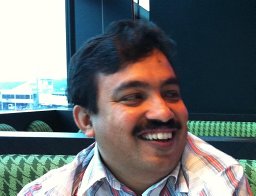 Biju George合作论文数Department of Haematology, Christian Medical College11
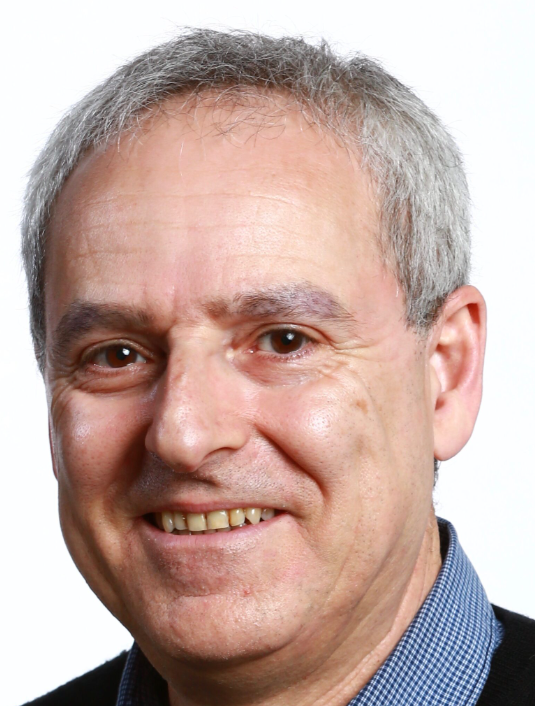 Emmanuel Favaloro合作论文数Sydney Centres for Thrombosis and Haemostasis, Westmead Hospital9Kerridge Ian合作论文数9Kenneth F. Bradstock合作论文数Westmead Hospital9
 John Seymour合作论文数Department of Haematology, Peter MacCallum Cancer Centre;Department of Haematology, Royal Melbourne Hospital;Division of Cancer Medicine, Peter MacCallum Cancer Centre8Robin Filshie合作论文数7
 John James Moore合作论文数5Gillian Huang合作论文数5P Petinos合作论文数4
 John Reynolds合作论文数4A. Schwarer合作论文数4
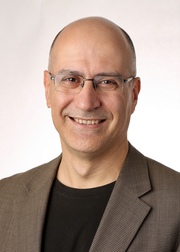 Pablo Fernandez Penas合作论文数Dermatology, Sydney Medical School, Faculty of Medicine and Health, The University of Sydney4
 David Ritchie合作论文数Division of Medicine, Dentistry and Health Sciences, The University of Melbourne;The Sir Peter Maccallum Department of Oncology, The University of Melbourne;Royal Melbourne Hospital4Greenwood Matthew合作论文数4
 Andrew Spencer合作论文数The Alfred Hospital;Alfred Health;Australian Centre for Blood Diseases, School of Translational Medicine, Faculty of Medicine, Nursing and Health Sciences, Monash University4Kerry Taylor合作论文数Institute of Medical and Veterinary Science;Australasian Leukaemia and Lymphoma Group;Novartis Pharmaceuticals;Institute of Medical and Veterinary Science, Australasian Leukaemia and Lymphoma Group4
 Nicole Gilroy合作论文数Department of Infectious Diseases, Westmead Hospital4N Guzzo-Pernell合作论文数3M McGurgan合作论文数3P. Giri合作论文数3David McDonald合作论文数3Costas K Yannakou合作论文数3D. Burgess合作论文数3S. Patil合作论文数3K Lynch合作论文数3C Arthur合作论文数3A Street合作论文数3
 Chan Cheah合作论文数Department of Haematology, Sir Charles Gairdner Hospital3Copeman M合作论文数3
 Timothy Hughes合作论文数Adelaide Medical School, Faculty of Health and Medical Sciences, The University of Adelaide;South Australian Health and Medical Research Institute3Max Wolf合作论文数3
 John Bashford合作论文数School of Medicine;University of Tasmania;School of Medicine, University of Tasmania3
 Maher K. Gandhi合作论文数Clinical School, University of Cambridge3Susan Branford合作论文数3Andrew Wei合作论文数Dept Haematol, Alfred Hosp3
 Dave Litton合作论文数3Jerry Koutts合作论文数3V. Antonenas合作论文数2Valdete Schaub合作论文数2
 Hans Theodor Eich合作论文数Department of Radiation Oncology, University of Münster;Department of Radiotherapy, Faculty of Medicine, University of Münster2Sm Jane合作论文数2Lugui Qiu合作论文数2L. Brice合作论文数2M. Kabir合作论文数2A Bryant合作论文数2Gaurav Sutrave合作论文数Westmead Hosp, Stem Cell Transplant & Cell Therapies Program, Sydney, NSW, Australia2J. Meissner合作论文数2




