Engineering students are among the least likely to study abroad as undergraduate students despite the increasingly global nature of related work due to: (1) the high number of credits required for graduation, (2) challenging courses that build upon each other and are sequential, (3) students not typically having foreign language skills. While many universities are focused on trying to increase study abroad access and opportunities, there are little data to assess the tangible benefits for engineering students. Approximately 200 undergraduate engineering students at a selective private institution in the Midwest were part of the current study. The students that participated in a 6-week summer study abroad program during the summer of 2019 were surveyed before and after participating in the program. The results were analyzed statistically (primarily with paired t-tests) to better understand the programmatic benefits. Students were asked to evaluate themselves on measures of cultural self-assessment, and students pre vs. post responses showed growth in every category (statistically significant at 95% confidence level or above). Students participating in a summer study abroad program were more likely to graduate with a higher number of overall credits earned and more likely to have earned an additional credential such as a minor or second major.
The primary goal of our undergraduate program is to produce engineers who are one step ahead of their peers, who have begun to prepare themselves for more than just their entry-level jobs. In order to accomplish this, we seek improvements to the educational process outside the classroom and ways to encourage students to have a more direct role in their own personal development. For this purpose, we present here the Notre Dame Electronic Portfolio (NDeP) project, which is designed to help us meet this goal. To date, we have successfully launched the NDeP project to a class of ~80 chemical engineering sophomores who were able to create electronic portfolios, and we were able to assess these portfolios using a rubric developed for this purpose.
A coarse-grained Brownian dynamics model was used to simulate two proteins of similar sizes inside model membrane pores of varying size and hydrophobicity. The two proteins, which have radii of gyration of approximately 9.5 Å in their native states, are a 36-residue hydrophilic villin head piece (HP-36) and a 40-residue hydrophobic amyloid beta (Aβ-40). From calculations of the separation factor, it is found that the two proteins are best separated using a pore radius of 15 Å and that hydrophobic pores select Aβ-40 while the hydrophilic pores preferentially pass through HP-36. In addition, it is found that a simple model based on the net hydropathy of a protein is capable of estimating the separation factor trends of other protein pairs. Together, the coarse-grained Brownian dynamics model and the simple model are fast methodologies to guide experimental membrane design and to provide insights on protein structure variations. Graphical Abstract Simulation setup and snapshots of protein in various pore sizes.
The performance of the general AMBER force field (GAFF) was evaluated by computing the density (rho), dielectric constant (epsilon), viscosity (eta), and enthalpy of vaporization (Delta H-vap) for 19 different organic solvents at 298 K and 1 atm. The force field performed very well for liquid densities, with deviations from experiment averaging around 3%. The performance of the force field was much worse for the other properties, with average absolute deviations of 10% for Delta H-vap, 35% for epsilon, and 132% for eta. A set of modified GAFF parameters were developed for each fluid using an optimization procedure to uniformly scale the Lennard-Jones parameters and partial charges. The modified parameters generally yielded more accurate properties than the original GAFF model, though discrepancies still remained for some liquids. Since these properties depend on the parameters of this class of force field in a complex and nonadditive manner, it is unlikely that any combination of parameters will yield a very high accuracy for all four properties. In particular, obtaining accurate dielectric constants and viscosities without compromising the liquid density or enthalpy of vaporization may require the use of a polarizable force field.
The viscosity and density of the ionic liquid (IL) 1-n-hexyl-3-methylimidazolium bis(trifluoromethylsulfonyl)imide ([C6mim][NTf2]), the molecular solvent tetraethylene glycol dimethyl ether (tetraglyme or G4) and their binary mixtures were measured experimentally as a function of temperature. The same systems were also studied using classical molecular dynamics (MD) simulations. The viscosities of the [C6mim][NTf2]/G4 mixtures decrease with increasing G4 concentration, though not as much as an ideal mixing model would predict. Detailed analysis of the MD results reveals that G4 preferentially solvates cations, leading to a reduction in the interaction energy between cations and anions and a subsequent enhancement in anion mobility. A similar effect has been reported when glymes are mixed with salts containing alkali metal cations, with the resulting mixtures being called “solvate” ionic liquids. The simulations predict that the ionic conductivity will be maximized when the G4 mole fraction is around 10–20%. The ability of G4 to effectively solvate the cations stems from localized charges on the oxygen. The simulations predict that solvents having large localized positive charges would preferentially solvate anions, leading to enhanced cation mobility.
Carbon dioxide is undergoing a renaissance as an alternative to synthetic refrigerants due to its environmental advantages in addition to a high density and excellent transport properties. A weakness of carbon dioxide is having a critical point which occurs at a lower temperature and higher pressure than most other fluids used as refrigerants. This combination leads to high operating pressures, especially on the heat rejection side of the thermodynamic cycle.
The reaction kinetics between CO2 and trihexyl(tetradecyl)phosphonium ([P66614])-based ionic liquids (ILs) with prolinate ([Pro]), 2-cyanopyrrolide ([2-CNpyr]), and 3-(trifluoromethyl)pyrazolide ([3-CF3pyra]) anions are studied at temperatures from 22-60 °C. The absorption of CO2 is carried out in a stirred reactor under pseudo first order conditions. ILs are diluted to concentrations of 0.05, 0.1 and 0.15 M with tetraglyme--a nonreactive, low volatility solvent with much lower viscosity than the ILs. Physical solubility of CO2 in the mixtures is calculated using correlations developed from CO2 solubility measurements in tetraglyme and the N2O-analogy for ILs and dilute IL solutions. The diffusivity of CO2 is estimated from viscosity-dependent correlations chosen after a thorough literature review. The results indicate partial first order reaction kinetics with respect to IL with values ranging from 19,500 L mol(-1) s(-1) ([P66614][Pro]) to 3200 L mol(-1) s(-1) ([P66614][3-CF3pyra]) at 22 °C. The second order reaction rate constants follow Arrhenius behavior with the highest activation energy of 43 kJ mol(-1) measured for [P66614][Pro]. ILs with aprotic heterocylic anions (AHA), on the other hand, show small activation energies of 18 and 11 kJ mol(-1) for [P66614][3-CF3pyra] and [P66614][2-CNpyr], respectively. The ILs studied in this work exhibit reactivity comparable to or higher than common aqueous amines. High reaction rates and tunable capacity make ILs, and AHA ILs in particular, attractive solvents for CO2 separations.
Experiments with independent pressurization of the direct methanol fuel cell anode and cathode allow for the observation of DMFC operation with carbon dioxide gas formation suppressed. Results indicate that the limiting current density is strongly related to the applied pressure, and, therefore, to the presence of CO2 in the liquid phase. An additional experiment where CO2 is allowed to accumulate in recycled anode fuel solution over a period of time and is then stripped from solution using nitrogen gas indicates that the presence of CO2 in anode fuel solution at any pressure contributes to significant decreases in power and current density. Because CO2 bubbles are ubiquitous in direct methanol fuel cells, this finding is key to the optimization of these systems.
Principles of kinetic theory are used to model the coalescence of bubbles in horizontal and vertical upflows where bubble movements are restricted by channel geometry. There are four critical variables that determine the rate at which a swarm of small bubbles will coalesce: the initial bubble population, the average initial bubble diameter, the average relative velocity of the bubbles, and the efficiency of bubble collisions. A model based on dimensional considerations is proposed to predict bubble size as a function of flow position. This model agrees well with experimental results for air/water and air/water/glycerin systems performed in a rectangular channel with an aspect ratio of 12.5 and a cross-sectional area of 2cm2 under both vertical and horizontal orientations.
The influence of calcium phosphate nanoshell materials oil the uptake, viability, and mineralization of human fetal osteoblast cultures was evaluated. Proliferation rates and alkaline phosphatase activity Of the Cultures were unaffected by the addition of nanoshells to the growth media, but mineralization levels were enhanced by nearly 40%, in contrast to media prepared Without nanoshells, or with other calcium phosphate nanomaterials. Nanoshells were internalized by macropinocytosis, and migrated toward the cell nucleus at a rate of 0.34 mu m hr(-1). Dye-loaded nanoshells maintained high light emission intensity for over five days while inside the cells, where they could I be used as intracellular markers for in vitro microscopic imaging. From these results, it appears that the Cap nanoshells could be developed into a safe sensor and delivery vehicle for osteoblast cell Culture Studies, whereas the carrier itself has intrinsic bioactivity and may itself upregulate the formation of new bone. (C) 2008 Wiley Periodicals, Inc.
Heterogeneous bubble nucleation was studied on surfaces having nanometer scale asperities and indentations as well as different surface-fluid interaction energies. Nonequilibrium molecular dynamics simulations at constant normal stress and either temperature or heat flux were carried out for the Lennard-Jones fluid in contact with a Lennard-Jones solid. When surface defects were of the same size or smaller than the estimated critical nucleus (the smallest nucleus whose growth is energetically favored) size of 1000-2000 angstrom(3), there was no difference between the defected surfaces and atomically smooth surfaces. On the other hand, surfaces with significantly larger indentations had nucleation rates that were about two orders of magnitude higher than the systems with small defects. Moreover nucleation was localized in the large indentations. This localization was greatest under constant heat flux conditions and when the solid-fluid interactions were weak. The results suggest strategies for enhancing heterogeneous bubble nucleation rates as well as for controlling the location of nucleation events.
The production Of CO2 gas at the DMFC anode leads to dramatic increases in pumping power requirements and reduced power output because of mass transfer limitations as bubble trains form in the channels of larger stacks. Experimental observations taken in a 5 cm(2) DMFC test cell operated at 60 degrees C, 1atm, and with a methanol/water fuel flow rates of 5-10 cm(3) min(-1) indicate that the rate of bubble formation can be reduced by increasing the fuel flow because more liquid is available for the CO2 to dissolve in. Further observations indicate that KOH and LiOH added to the fuel eliminates CO2 gas formation in situ at low concentrations because of the greatly increased solubility that results.A mathematical model for the volumetric rate of CO2 gas production that includes effects of temperature and solubility is developed and extended to include the effects of hydroxide ions in solution. The model is used to predict the onset location of gas formation in the flow field as well as the void fraction at any point in the flow field. Predictions from the model agree very well with our experiments. Model predictions explain differences in the initial location of bubble formation for fuel solutions pre-saturated with CO2 as opposed to CO2-free solutions. Experiments with KOH and LiOH added to fuel solutions confirm the validity of the model extension that includes solubility that is enhanced by chemical reaction.Experiments with LiOH, KOH, and ammonium hydroxide show that the long-term durability of standard Pt-Ru/Nafion((R))/Pt membrane electrode assemblies is compromised because of the presence of lithium, potassium, and ammonium cations that interact with the Nafione membrane and result in increasing the ohmic limitations of the polymer electrolyte membrane. Experiments with Ca(OH)(2), while reducing gas formation, precipitate the product CaCO3 out of solution too rapidly for downstream filtering, blocking channels in the flow field. (c) 2007 Elsevier B.V. All rights reserved.
NPT and NPzzT molecular dynamics simulations of Lennard-Jones atoms were used to compare homogeneous and heterogeneous nucleation. In the heterogeneous cases, the attraction between the fluid and a smooth fcc 100 surface was varied. Multiple simulations were used to determine nucleation times from which nucleation rates were estimated using a transient nucleation model. Calculations demonstrated a clear enhancement in nucleation rates in the heterogeneous cases compared to the homogeneous case. To obtain homogeneous nucleation rates similar to the heterogeneous cases required temperatures about 10 K higher. It was also found that void formation was favored as the attraction between the liquid and solid was decreased. Varying the system size, thermostatting method, and barostat time constant affected quantitative results, but not the qualitative trends.
The consequences of an oscillatory fluid shear mechanism on nutrient transport in bone during physical activity and ultrasonic therapy are discussed. During movement, periodic stress on bone creates transient pressure gradients that circulate interstitial fluid through calcified bone. A transport model derived from oscillatory Taylor–Aris dispersion phenomena was used to predict a ratio of effective-to-molecular diffusivity, K/D, for solutes of varying sizes up to 50nm in diameter, in pores filled with interstitial fluid and pericellular matrix. The magnitude of the estimated transport enhancement depended on the molecular size, pore dimension, applied frequency and the displacement of the fluid during pressurization. For oscillation frequencies and amplitudes corresponding to those experienced during normal human activity, transport enhancements of up to 100 fold are expected for molecules larger than 5nm in diameter. Enhancements of up to one order of magnitude, due to ultrasound stimulations in the MHz frequency range, are also expected for 7-nm-sized solutes. No effects are anticipated for ions, whose molecular diffusion time is too fast relative to the oscillation frequency. This model is expected to be useful for understanding differences in bone growth as a function of type of movement or to develop new physical therapies.
The mechanism of the formation for cocurrent downflow pulse flow was studied experimentally in a packed bed of inert spheres of 3, 6, and 8 mm using an air-water flow. By measurement of the flow distance until pulses are observed, the spatial growth rate of convective disturbances within the pulsing flow regime were determined. Observations indicate that pulses form from trickling flow as the result of a global convective instability. Further, experiments indicate that an analogous transition exists for the formation of pulses from the dispersed bubble flow regime, except that pulses form as the flow rates are adjusted to become less severe. Existing global instability models based on averaged (dispersed flow) momentum equations were modified to explain experimental results. A key uncertainty in modeling pulse formation from trickle flow is the regularization (i.e., stabilization) force. Re-examination of this issue suggests some mechanistic inconsistencies with surface tension which had been used in previous studies. Consistent with the present experiments, it is proposed that gravity may be the primary restoring force. Incorporating gravity stabilization into the dispersed flow equations provides predictions that are at least as good as the previous models. A similar dispersed flow model is used to explain the bubbly flow to pulse transition. While predictions agree with experimental data for part of the range, model accuracy is limited by the accuracy of constitutive expressions for interaction forces between phases.
 Joan Brennecke合作论文数McKetta Department of Chemical Engineering, Cockrell School of Engineering, The University of Texas at Austin8
 Arvind Varma合作论文数Davidson School of Chemical Engineering, Purdue University8
 David T. Leighton合作论文数Department of Chemical Engineering, University of Colorado8
 Edward Maginn合作论文数Department of Chemical and Biomolecular Engineering, University of Notre Dame8
 M. Sangalli合作论文数5
 William Schneider合作论文数Department of Chemistry & Biochemistry, College of Science, University of Notre Dame5
 Benjamin A. Wilhite合作论文数Department of Chemical;Biomolecular Engineering and, Connecticut Global Fuel Cell Center;Department of Chemical|Biomolecular Engineering, Connecticut Global Fuel Cell Center5L.A. Jurman合作论文数4X. Huang合作论文数4W Kuru合作论文数4b d woods合作论文数3
 Christopher T Gallagher合作论文数3george mozurkewich合作论文数3
 Michael D. Lundin合作论文数Lawrence 660453
 Vemuri Balakotaiah合作论文数William A. Brookshire Department of Chemical and Biomolecular Engineering, Cullen College of Engineering, University of Houston3
 Hsueh-Chia Chang合作论文数Department of Chemical and Biomolecular Engineering, College of Engineering, University of Notre Dame;Aopia Biosciences3Thomas J Hanratty合作论文数3
 Brian J. Motil合作论文数3D. D. Uphold合作论文数3Stephanie M. Schmidt合作论文数2Yushan Zhang合作论文数2Ruiyun Wu合作论文数2
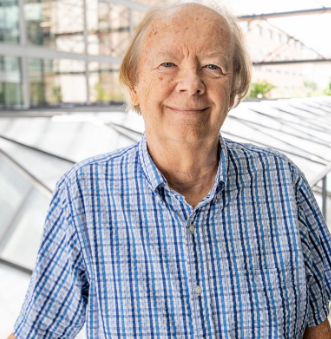 Mark A. Stadtherr合作论文数Department of Biomedical Engineering, Cockrell School of Engineering, University of Texas at Austin2
 Thomas R. Gohndrone合作论文数2
 Brian Ray Novak合作论文数Department of Mechanical Engineering, Louisiana State University2
 Yong Zhang合作论文数Boston University2
 Yasuhiro Kamotani合作论文数Case School of Engineering, Case Western Reserve University2Stefan Elbel合作论文数Department of Mechanical Science and Engineering, The Grainger College of Engineering, University of Illinois at Urbana-Champaign2D. D. Back合作论文数2
 Agnes E. Ostafin合作论文数Department of Chemical Engineering, University of Notre Dame2Joseph A. Shaeiwitz合作论文数1yingxi elaine zhu合作论文数1
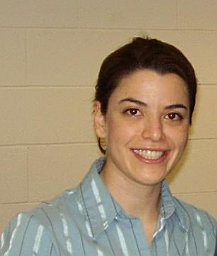 Gurkan Burcu E合作论文数Department of Chemical and Biomolecular Engineering, University of Notre Dame1Ye Congwang合作论文数1Meyers, K.合作论文数1Cassandra Deering-Rice合作论文数Department of Pharmacology and Toxicology, University of Utah1Slosar Jenalle L合作论文数1Tweed Kent Ailis M合作论文数1Moran Kathleen A合作论文数1Oh Seung-Min合作论文数1
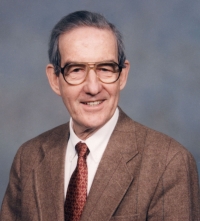 Thomas J. Hanratty合作论文数School of Chemical Sciences, College of Liberal Arts & Sciences, University of Illinois Urbana-Champaign1K. Bruno合作论文数1Kenneth Bruno合作论文数1W. B. Whiting合作论文数1John M. Veranth合作论文数Department of Pharmacology;University of Utah;Department of Pharmacology, University of Utah1E. D. Montalbano合作论文数1
 Jeffrey Kantor合作论文数College of Engineering, University of Notre Dame1




