PURPOSE:We conducted a phase II multicenter clinical trial to test the hypothesis that 18F-fluorodeoxyglucose positron emission tomography (FDG-PET)-based chemoradiation (CRT) dose deescalation would provide noninferior locoregional control compared with historical controls among patients with early-stage p16+ oropharyngeal cancer. We also hypothesized that human papillomavirus (HPV) circulating tumor DNA (ctDNA) changes during treatment predict locoregional recurrence (LRR). PATIENTS AND METHODS:Patients with stage I/II p16+ oropharyngeal squamous cell carcinoma were planned to receive radiation 70 Gy in 35 fractions with concurrent weekly carboplatin and paclitaxel. All patients underwent FDG-PET at baseline and at radiation therapy (RT) fraction 10. Patients with ≥50% decrease from baseline to mid-treatment metabolic tumor volume had treatment deescalated to 54 Gy in 27 fractions. The primary endpoint was LRR. Plasma HPV ctDNA was evaluated weekly and in surveillance. RESULTS:Of 84 evaluable patients, 43% met deescalation criteria. With a median follow-up of 37.8 months, 24-month LRR for the entire cohort was 7.8% [90% confidence interval (CI), 2.6%-12.6%], which was less than the 25% rate specified for assessing noninferiority, thereby meeting the primary endpoint. At 1 month after RT, the mean of multiple quality of life measures between the two groups was improved in the 54 Gy cohort, exceeding the minimal clinically important difference threshold. During CRT, week 1 percentage increase in ctDNA relative to baseline was significantly associated with worse loco-regional control (LRC; HR = 1.052 per 10 percentage point increase in ctDNA; 95% CI, 1.007-1.099; P = 0.023) and loco-regional progression-free survival (HR = 1.038; 95% CI, 1.002-1.076; P = 0.035). CONCLUSIONS:FDG-PET-based RT dose personalization resulted in promising LRR outcomes in early-stage oropharynx cancer with improved short-term patient-reported outcomes. Furthermore, HPV ctDNA changes early in treatment may predict LRC.
Chordomas are rare cancers that arise along the axial skeleton. Alterations in metabolism are a hallmark of cancer, and we sought to identify metabolic vulnerabilities in chordoma. We discovered that the tricarboxylic acid (TCA)-related enzyme isocitrate dehydrogenase-1 (IDH1) was expressed highly in bulk and single-cell patient-derived chordomas and was associated with worse survival outcomes. IDH1 catalyzes the conversion of isocitrate and nicotinamide adenine dinucleotide phosphate (NADP+) to alpha-ketoglutarate (⍺-KG) and NADPH. This critical reaction influences TCA cycle metabolism, regulates epigenetic pathways, and affects redox balance. Both IDH1 knockdown and treatment with an inhibitor targeting IDH1 were toxic to chordoma cells. An integrated analysis of the transcriptomic, chromatin, and metabolomic responses on IDH1 inhibition converged on deregulated glutathione metabolism. IDH1 inhibition was associated with increased expression and enrichment of activating H3K27ac at NRF2 (nuclear factor erythroid 2-related factor 2) signature genes including those in the glutathione biosynthetic pathway. This was accompanied by reduction of both NADPH/NADP+ and reduced/oxidized glutathione (GSH/GSSG) ratios. Importantly, IDH1 inhibitor-driven toxicity was rescued via media supplementation with the antioxidant N-acetylcysteine, suggesting that IDH1 inhibition in chordomas creates a redox-dependent metabolic vulnerability. Finally, IDH1 inhibitor treatment reduced tumor growth in two independent chordoma mouse xenograft models. Our findings suggest a potential therapeutic avenue for further exploration in chordoma.
BACKGROUND:University of Michigan Cancer Center (UMCC) protocol 9520 treated stage III/IV locally advanced squamous cell carcinoma of the larynx (LASCCL) with cisplatin and 5-fluorouracil to select for definitive therapy based on response. Studies have shown that neutrophil-lymphocyte ratio (NLR) and lymphocyte-monocyte ratio (LMR) are potential prognostic markers in p16-negative LASCCL. This study analyzes the predictive value of NLR and LMR. METHODS:Samples from 193 LASCCL patients treated with chemotherapy were reviewed. Response to induction chemotherapy was tested with logistic regression. Optimal cut-points were determined by Youden's index. Survival was tested with Cox proportional hazards models. RESULTS:LMR had a positive association, NLR had a negative association with response to chemotherapy (p = 0.004;0.07). Response was higher in patients with LMR ≥ 2.8 (p = 0.0007) and NLR ≤ 2.8 (p = 0.04). Overall and disease-specific survival improved with LMR ≥ 2.8 (p = 0.0002;0.004) and NLR ≤ 2.8 (p = 0.10;0.03). CONCLUSIONS:Low NLR and high LMR were associated with favorable responses to chemotherapy and survival in LASCCL.
 Chris Komarck合作论文数4
 Thomas E. Carey合作论文数Department of Otolaryngology-Head and Neck Surgery, Medical School, University of Michigan;Kresge Hearing Research Institute, Medical School, University of Michigan;Department of Pharmacology, Medical School, University of Michigan4
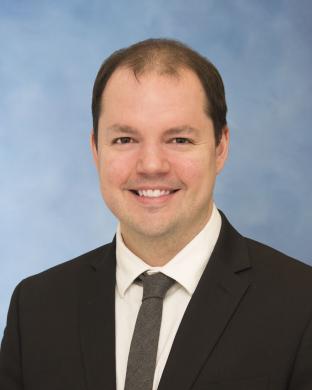 J. Chad Brenner合作论文数Michigan Otolaryngology and Translational Oncology Laboratory, Department of Otolaryngology-Head and Neck Surgery, University of Michigan4
 Douglas Chepeha合作论文数Institute of Medical Science, Temerty Faculty of Medicine, University of Toronto;Mount Sinai Hospita3
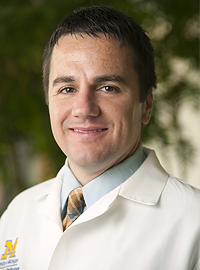 Jonathan B. McHugh合作论文数Department of Oral Surgery, University of Michigan;Department of Pathology, University of Michigan3
 Walline Heather M合作论文数3
 Emily Light Bellile合作论文数Biostatistics Unit, Center for Cancer Biostatistics, School of Public Health, University of Michigan3
 Erin McKean合作论文数3
 Nisha J D'Silva合作论文数School of Dentistry, University of Michigan;University of Michigan Medical School2
 Carol R. Bradford合作论文数Department of Otolaryngology - Head and Neck Surgery, Michigan Medicine, University of Michigan2
 Carol Rossier Bradford合作论文数The Ohio State University College of Medicine2
 Gregory T. Wolf合作论文数Department of Otolaryngology-Head and Neck Surgery, University of Michigan Medical Center2
 Francis P. Worden合作论文数Department of Medical Oncology, Michigan Medicine, University of Michigan2Elizabeth A Van Tubergen合作论文数1Stephen E. Feinberg合作论文数1C R Bradford合作论文数1Rita Larsen-Reindorf合作论文数1Keith Casper合作论文数1
 Kwabena Owusu Danquah合作论文数Faculty of Allied Health Sciences, Kwame Nkrumah University of Science and Technology1
 Rajat Banerjee合作论文数School of Dentistry, University of Michigan1Pratyusha Yalamanchi合作论文数1
 Emmanuel Acheampong合作论文数Centre for Precision Health, Edith Cowan University1
 Qiao Li合作论文数Translational Tumor Immunology Lab, Department of Surgery, Medical School, University of Michigan1
 Michelle Mierzwa合作论文数Department of Radiation Oncology, Medical School, University of Michigan;Otolaryngology Clinic, Taubman Center1
 Charles Mayo合作论文数Department of Radiation Oncology, Medical School, University of Michigan1
 Joseph R Evans合作论文数Department of Radiation Oncology, Medical School, University of Michigan1
 Sofia D. Merajver合作论文数School of Public Health, University of Michigan;Department of Internal Medicine, University of Michigan1
 Kitrina G Cordell合作论文数1
 Osei Owusu-Afriyie合作论文数1Vander Broek Robert合作论文数1Light Emily合作论文数1
 Solomon E Quayson合作论文数1
 Susan K Foltin合作论文数1
 Min Liu (刘敏)合作论文数School of Physics, Central South University1
 Peter Donkor合作论文数1Shiuhyang Kuo合作论文数1Amanda L. Willis合作论文数Translational Genomics Research Institute1
 William K.B.A. Owiredu合作论文数1Jonathan B. Mchugh合作论文数1
 Keith L. Kirkwood合作论文数Department of Oral Biology, School of Dental Medicine, University at Buffalo;Cell, Gene and Tissue Engineering Center, University at Buffalo1




