Background: Virtually all adult studies of APOE genotypes and cognition have included individuals over 60. In older adults, epsilon 4 carriers may manifest greater cognitive asymmetries than non-epsilon 4 carriers even in the absence of overall mean differences. General cognitive ability may also be affected by aging and APOE genotype, but most studies have inadequately addressed this potential confound. The goals of this study were to examine, in middle age, the relationship of APOE genotype with episodic memory and verbal-visuospatial episodic memory asymmetries, after accounting for prior general cognitive ability.Method: We compared epsilon 4+ and epsilon 4-individuals in 626 male twins in their 50s. We examined verbal and visuospatial episodic memory and verbal-visual asymmetry scores after adjusting for cognitive ability at age 20. Analyses corrected for correlations between twin pair members.Results: Compared with epsilon 4-individuals, epsilon 4 carriers performed significantly more poorly on verbal, but not visuospatial memory, manifested significantly greater cognitive asymmetry, and also had significantly more concerns about memory. At age 20, epsilon 4 carriers had higher general cognitive ability than epsilon 4-individuals, and current memory differences were enhanced after adjusting for age 20 cognitive ability.Conclusions: Small, but significant, APOE-epsilon 4-related memory deficits appear in the sixth decade of life in individuals who show no signs of preclinical dementia. The results partially support studies of older adults that suggest that increased cognitive asymmetries reflect risk for dementia and are associated with the APOE-epsilon 4 genotype. The results also highlight the potential problems of not having accurate data on prior cognitive ability.
Attention-deficit hyperactivity disorder (ADHD) is currently recognized as a neurobiological, genetically based disorder in both children and adults. In this article we examine whether, by using a sample of middle-aged male twin veterans, the phenotypic characterization, prevalence, heritability and the longitudinal course of the illness is comparable to results observed in samples of children and adolescents. We evaluated the utility of adult reports of lifetime ADHD symptoms by examining the heritability of retrospectively reported childhood symptoms, using both symptom-based and discrete classification-based approaches, as well as examining the persistence of ADHD symptoms into adulthood for that subsample of individuals who were judged to possibly have ADHD as children. Our results showed prevalence rates that were approximately similar to those observed in other studies, demonstrable familiality, similar item endorsement patterns, a strong genetic association between hyperactive and inattentive subtypes, and a longitudinal decline in symptom severity. We concluded that while assessing ADHD in adult probands may be less accurate than with children or adolescents, since it demonstrates several characteristics in common with other assessment techniques it remains a viable diagnostic and research strategy, even with population samples.
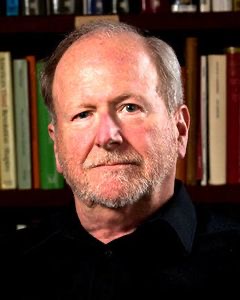 Michael Lyons合作论文数Department of Psychological & Brain Sciences, College of Arts & Sciences, Boston University;Center for Clinical Biopsychology, Boston University;Harvard Institute of Psychiatric Epidemiology and Genetics2
 William Kremen合作论文数Department of Psychiatry, School of Medicine, University of California, San Diego2
 MD Grant合作论文数1
 Stephen Faraone合作论文数Department of Psychiatry, Upstate Medical University;Department of Neuroscience and Physiology, Upstate Medical University;Harvard Medical School1
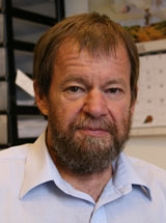 Gerard D. Schellenberg合作论文数Department of Pathology and Laboratory Medicine, Perelman School of Medicine, University of Pennsylvania;Penn Neurodegeneration Genomics Center, Perelman School of Medicine, University of Pennsylvania1Seth A. Eisen合作论文数1Corwin Boake合作论文数1
 Kristen Jacobson合作论文数Department of Psychiatry and Behavioral Neuroscience, The University of Chicago1
 Hong Xian合作论文数Department of Internal Medicine, Washington University School of Medicine1
 Carol E Franz合作论文数Department of Psychiatry, University of California1




