Background: Intervertebral disc (IVD) degeneration is a major contributor to chronic back pain. Previously considered sterile, evidence for IVD bacteria is growing, with Cutibacterium acnes particularly implicated. As this microbe also plays a role in acne vulgaris of the skin, we postulated that exposure to C. acnes in adolescence might predispose to IVD degeneration. Methods: Patients undergoing lumbar disc surgery (n=110, mean age = 53, 68% female) for back pain were recruited at two UK centres. Using scrupulous microbiome-preserving techniques we collected IVDs per-operatively and saliva, skin swabs, stool, urine and blood pre-operatively. Stool underwent metagenomic sequencing; IVD and skin swabs from patients and operating staff were collected for targeted full-length16S rRNA gene sequencing. Blood genotyping allowed polygenic risk score (PRS) for acne to be constructed. Acne PRS was examined in patients and TwinsUK participants (n=3572) having data regarding acne and back pain. Findings: PERMANOVA test showed differential microbial composition in spine vs skin samples (p = 0·001), suggesting IVD microbes were not the result of contamination. The most abundant IVD bacterial species (90/99 IVD samples) was Cutibacterium acnes. Differential abundance by Modic change in adjacent IVDs was seen, however did not survive adjustment. Stool samples showed lower alpha diversity (p = 0·02, Wilcoxon rank-sum test) in patients taking opiates.While we found no association between acne PRS and back pain in the limited patient sample, we found in TwinsUK participants, higher PRS for acne was relatively protective against chronic back pain (OR=0·93, p=0·04). Interpretation: C. acnes is the predominant bacterium in degenerate IVDs and does not reflect contemporaneous adult skin microbiome. Genetic susceptibility to acne protects against back pain suggesting that skin-related adaptive immune mechanisms in young adulthood protect against IVD degeneration later in life.
Preterm birth (PTB) remains a leading cause of neonatal morbidity and mortality, with no new preventive therapeutics introduced since the 1970s. Evidence increasingly implicates adverse vaginal microbiome-immune interactions in its aetiology. We report the effects of the live biotherapeutic, Lactobacillus crispatus CTV-05 (LACTIN-V), in an observational study of pregnant individuals at high-risk of PTB (n=61). LACTIN-V treatment was associated with a shift towards L. crispatus-dominated microbiota, which was sustained at eight weeks post-cessation and confirmed to be viable CTV-05. Engraftment of LACTIN-V was accompanied by significant reductions in cervicovaginal fluid concentrations of IL-1β, IL-6, C3a, C3b/iC3b, C4, and Factor H, changes not seen in untreated time-matched controls. We also highlight the utility of metabolic profiling by Desorption Electrospray Ionisation in identifying individuals most likely to benefit from treatment and for assessing therapeutic response. The reduced PTB rate observed with LACTIN-V administration supports its use in preventing microbiome–immune–mediated PTB.
Background We conducted a single-arm interventional study, to explore mucosal changes associated with clinical remission under oral vancomycin (OV) treatment, in primary sclerosing cholangitis-associated inflammatory bowel disease (PSC-IBD); NCT05376228.Methods Fifteen patients with PSC and active colitis (median fecal calprotectin 459 mu g/g; median total Mayo score 5) were treated with OV (125 mg QID) for 4 weeks and followed-up for a further 4 weeks of treatment withdrawal (8 weeks, end-of-study). Colonic biopsies were obtained at baseline and Week 4. Clinical assessments, and serum and stool samples (metagenomics, metatranscriptomics, and metabolomics) were collected at Weeks 0, 2, 4, and 8. The primary efficacy outcome measure was the induction of clinical remission.Results Oral vancomycin resulted in clinical remission in 12/15 patients and significant reductions in fecal calprotectin. Oral vancomycin was associated with reduced abundances of Lachnospiraceae, genera Blautia and Bacteroides; and enrichment of Enterobacteriaceae, and genera Veillonella, Akkermansia, and Escherichia. Oral vancomycin treatment was associated with the downregulation of multiple metatranscriptomic pathways (including short-chain fatty acid [SCFA] metabolism and bile acid [BA] biotransformation), along with host genes and multiple pathways involved in inflammatory responses and antimicrobial defence; and an upregulation of genes associated with extracellular matrix repair. Oral vancomycin use resulted in the loss of specific fecal SCFAs and secondary BAs, including lithocholic acid derivatives. Colitis activity relapsed following OV withdrawal, with host mucosal and microbial changes trending toward baseline.Conclusions Four weeks of OV induces remission in PSC-IBD activity, associated with a reduction in gut bacterial diversity and compositional changes relating to BA and SCFA homeostasis.
Background Environmental enteropathy (EE) is a highly prevalent subclinical inflammatory intestinal disorder associated with growth failure, impaired neurocognitive development, poor response to oral vaccines, and micronutrient deficiencies. However, EE research and clinical trials are hampered by the lack of non-invasive tools for measuring intestinal function in detail. This study aims to develop new tools for the measurement of multiple domains of gut functional capacity. Methods The GI TOOLS project is a cross-sectional study that will recruit adults aged 18-65 years with EE in Lusaka, Zambia. Each participant will undergo assessment of gut functional capacity using novel near-point-of-care tools and provide multiple samples for detailed laboratory analyses. Participants will also undergo endoscopy for collection of duodenal biopsies. Novel techniques include stable isotopes approaches to measuring digestion, absorption, and bidirectional transmucosal amino acid flux, a non-invasive fluorescence tool for real-time evaluation of gut permeability, and assessment of reverse permeation of intravenous antibiotics to be carried out separately in Zimbabwe. Stool and duodenal microbiome sequencing using MinION sequencing, metabolome analysis applied to plasma and intestinal fluids, blood immune cell phenotyping, in vitro epithelial barrier models, and duodenal immunohistochemistry will also be used to explore EE in depth. These will all be integrated with gold standard histology and mucosal morphometry, alongside lactulose permeation data, and stool and plasma biomarker analysis. The protocol has been approved by ethics committees and regulators in Zambia, Zimbabwe, and the UK. Participants will give informed consent before they can participate Anticipated outcomes Based on this extensive phenotyping, tests will be developed which can be simplified and refined for use in adults and children with EE, and for clinical trials. Findings from this project will be disseminated through in-person meetings with caregivers and regulatory bodies, presentations at conferences and in peer-reviewed journals.
Abstract Background IBD phenotypes differ between non-White (NW) and White (WH) populations. Ethnic differences can influence the effectiveness of non-IBD medications, and IBD therapies differ by IBD phenotype. An unanswered question is whether IBD therapies are equally efficacious, with a similar side effect profile, for all ethnic groups. This multi-centre cohort study sought to compare the effectiveness and adverse events (AEs) of IBD therapies in WH and NW patients. Methods Phenotypic and outcome data were extracted from the UK IBD BioResource, a large-scale IBD database enrolling patients across the UK. Response and AEs to 5-ASAs, thiopurines, anti-TNFs and anti-integrins were assessed. Treatment effectiveness was defined as treatment persistence free of discontinuation or failure, and evaluated using Kaplan-Meier survival and Cox regression analysis. The risk of experiencing any AE (and individual AEs with a given treatment) was assessed using Cox regression analysis. Models were adjusted for sex, smoking status, IBD subtype, disease duration, disease location/extent, disease behaviour (CD), perianal disease (CD), co-morbidities, presence of extra-intestinal manifestations, age at commencing therapy, steroid and concomitant immunomodulator use, and the occurrence of an AE (in treatment response models). Results In total 27,433 patients were included [51.1% females; median age at diagnosis 30 years (IQR 21-43); 94.7% WH, 5.3% NW (71.3% South Asian)]. NW were diagnosed at a younger age, exhibited different disease phenotypes, and were younger at treatment initiation therapy than WH. However, no differences in treatment persistence between WH and NW were identified for all therapies analysed, in either CD or UC (Table 1). NW were at significantly increased risk of AEs when treated with thiopurines [HR 1.16 (95% CI 1.00-1.35), p=0.046] and a similar trend was observed for anti-TNFs [HR 1.25 (95% CI 0.99-1.56), p=0.057]; Table 2]. Specifically, NW were at increased risk of developing leucopenia [HR 1.66 (95% CI 1.10-2.42), p=0.01] and pancreatitis [ p=0.009] with thiopurines, and renal dysfunction with anti-TNFs [HR 2.33 (95% CI 1.11-4.38), p=0.02]. Conclusion This is the first large-scale study focussing on ethnic differences in IBD treatment response. No differences were observed in treatment response, but we have shown that thiopurines are associated with increased risks of leucopenia and pancreatitis, whilst anti-TNFs are associated with a higher risk of renal dysfunction in NW patients. These findings underscore the importance of thorough pre-treatment risk assessment and patient counselling by clinicians, and the need for more diverse patient representation in research.
Fecal abundances of Enterobacteriaceae and Enterococcaceae are elevated in patients following Roux-en-Y gastric bypass (RYGB) surgery. Concurrently, fecal concentrations of tyramine, derived from gut bacterial metabolism of tyrosine and/or food, increased post-RYGB. Furthermore, emerging evidence suggests that RYGB is associated with increased colorectal cancer (CRC) risk. However, the causal link between RYGB-associated microbial metabolites and CRC risk remains unclear. Hence, this study investigated the tyrosine metabolism of Enterobacteriaceae and Enterococcaceae strains isolated from patients post-RYGB and explored the causal effects of tyramine on the CRC risk and tumorigenesis using both human colonic cancer cell line (HCT 116) and wild-type and ApcMin/+ mice. We isolated 31 bacterial isolates belonging to Enterobacteriaceae and Enterococcaceae families from the feces of patients with RYGB surgery. By culturing the isolates in tyrosine-supplemented medium, we found that Citrobacter produced phenol as a main product of tyrosine, whereas Enterobacter and Klebsiella produced 4-hydroxyphenylacetate, Escherichia produced 4-hydroxyphenyllactate and 4-hydroxyphenylpyruvate, and Enterococcus and two Klebsiella isolates produced tyramine. These observations suggested the gut bacterial contribution to increased fecal concentrations of tyramine post-RYGB. We subsequently evaluated the impact of tyramine on CRC risk and development. Tyramine induced necrosis and promoted cell proliferation and DNA damage of HCT 116 cells. Daily oral administration of tyramine for 49 days to wild-type mice resulted in visible adenomas in 5 out of 12 mice, accompanied by significantly enhanced DNA damage (γH2AX +) and an increased trend of cell proliferation (Ki67 +) in the ileum, along with an upregulated expression of the cell division cycle gene (Cdc34b) in the colon. To evaluate the impact of tyramine on intestinal tumor growth, we treated ApcMin/+ mice with the same doses of tyramine and duration. These mice showed larger colonic tumor size and increased intestinal cell proliferation and inflammation (e.g., increased mRNA expression of IL-17A and higher number of Ly6G + neutrophils) compared to water-treated ApcMin/+ control mice. Our results collectively suggested that RYGB-associated fecal bacteria could contribute to tyramine production and tyramine increased CRC risk by increasing DNA damage, cell proliferation, and pro-inflammatory responses of the gut. Monitoring and modulating tyramine concentrations in high-risk individuals could aid CRC prognosis and management.
Aberration of the "gut-liver axis" contributes to the development and progression of metabolic dysfunction-associated steatotic liver disease (MASLD). Here, we use multi-omics to analyze the gut microbiota composition and metabolic profile of patients with type-2 diabetes mellitus (T2DM). T2DM patients were screened for liver disease by blood tests, ultrasound, and liver stiffness measurements. Stool microbiota was analyzed by 16S rRNA gene sequencing; metabolomic profiling by Nuclear Magnetic Resonance spectroscopy and Ultra-High Performance-Mass Spectrometry. Microbiome and metabolic signatures were analyzed in the whole cohort and in matched subsets to identify signatures specific for steatosis (MASLD +/-) or fibrosis (Fibrosis +/-). Gut permeability was assessed in-vitro using monolayers of MDCK cells and trans-epithelial electric resistance (TEER). Cytokine profile was assessed in serum and stools.Overall, 285 patients were enrolled: 255 serum, 252 urine and 97 stool samples were analyzed. Anaeroplasma and Escherichia/Shigella ASVs were higher, while Butyricicoccus ASVs were lower in those with normal liver. In MASLD +/-, Butyricicoccus ASV was significantly higher in those with steatosis. In the Fibrosis +/-, Butyricicoccus ASV was significantly lower in those with fibrosis. Glycochenodeoxycholic acid-3-sulfate (G-UDCA-3S) appeared to be higher in MASLD with fibrosis. Fecal water from patients with MASLD and fibrosis caused the greatest drop in the TEER vs those with normal liver; this was reversed with protease inhibitors. Finally, fecal IL-13 was lower in MASLD with fibrosis. We identified microbiome signatures which were specific for steatosis and fibrosis and independent of other metabolic risk factors. Moreover, we conclude that protease-related gut permeability plays a role in those MASLD patients with fibrosis, and that disease progression is linked to a gut-liver axis which is at least partially independent of T2DM.
OBJECTIVE:Targeting bacterial translocation in cirrhosis is limited to antibiotics with risk of antimicrobial resistance. This study explored the therapeutic potential of a non-absorbable, gut-restricted, engineered carbon bead adsorbent, Yaq-001 in models of cirrhosis and acute-on-chronic liver failure (ACLF) and, its safety and tolerability in a clinical trial in cirrhosis. DESIGN:Performance of Yaq-001 was evaluated in vitro. Two-rat models of cirrhosis and ACLF, (4 weeks, bile duct ligation with or without lipopolysaccharide), receiving Yaq-001 for 2 weeks; and two-mouse models of cirrhosis (6-week and 12-week carbon tetrachloride (CCl4)) receiving Yaq-001 for 6 weeks were studied. Organ and immune function, gut permeability, transcriptomics, microbiome composition and metabolomics were analysed. The effect of faecal water on gut permeability from animal models was evaluated on intestinal organoids. A multicentre, double-blind, randomised, placebo-controlled clinical trial in 28 patients with cirrhosis, administered 4 gr/day Yaq-001 for 3 months was performed. RESULTS:Yaq-001 exhibited rapid adsorption kinetics for endotoxin. In vivo, Yaq-001 reduced liver injury, progression of fibrosis, portal hypertension, renal dysfunction and mortality of ACLF animals significantly. Significant impact on severity of endotoxaemia, hyperammonaemia, liver cell death, systemic inflammation and organ transcriptomics with variable modulation of inflammation, cell death and senescence in the liver, kidneys, brain and colon was observed. Yaq-001 reduced gut permeability in the organoids and impacted positively on the microbiome composition and metabolism. Yaq-001 regulated as a device met its primary endpoint of safety and tolerability in the clinical trial. CONCLUSIONS:This study provides strong preclinical rationale and safety in patients with cirrhosis to allow clinical translation. TRIAL REGISTRATION NUMBER:NCT03202498.
The human ileum contains a high density of enteroendocrine L-cells, which release the appetite-suppressing hormones glucagon-like peptide-1 (GLP-1) and peptide tyrosine tyrosine (PYY) in response to food intake. Recent evidence highlighted the potential role of food structures in PYY release, but the link between food structures, ileal metabolites, and appetite hormone release remains unclear owing to limited access to intact human ileum. In a randomized crossover trial (ISRCTN11327221; isrctn.com ), we investigated the role of human ileum in GLP-1 and PYY release by giving healthy volunteers diets differing in fiber and food structure: high-fiber (intact or disrupted food structures) or low-fiber disrupted food structures. We used nasoenteric tubes to sample chyme from the intact distal ileum lumina of humans in the fasted state and every 60 min for 480 min postprandially. We demonstrate the highly dynamic, wide-ranging molecular environment of the ileum over time, with a substantial decrease in ileum bacterial numbers and bacterial metabolites after food intake. We also show that high-fiber diets, independent of food structure, increased PYY release compared with a low-fiber diet during 0 to 240 min postprandially. High-fiber diets also increased ileal stachyose, and a disrupted high-fiber diet increased certain ileal amino acids. Treatment of human ileal organoids with ileal fluids or an amino acid and stachyose mixture stimulated PYY expression in a similar profile to blood PYY concentrations, confirming the role of ileal metabolites in PYY release. Our study demonstrates the diet-induced changes over time in the metabolite environment of intact human ileum, which play a role in PYY release.
Introduction Lower diversity of the gut microbiome prior to allogeneic haematopoietic cell transplantation (HCT) correlates with reduced survival after the intervention. Most patients undergoing HCT for a haematological malignancy have previously received intensive chemotherapy, resulting in prolonged neutropenic episodes requiring broad-spectrum antibiotics; use of these has been linked to reduced microbiome diversity. Intestinal microbiota transplant (IMT) is a novel treatment approach that restores this diversity. We hypothesised that IMT performed prior to initiation of HCT conditioning restores microbiome diversity during the early stages of HCT, leading to decreased frequency of complications and improved outcomes of HCT.Methods and analysis 50 adult patients receiving allogeneic HCT will be recruited into this phase IIa trial and randomised 1:1 to receive capsulised IMT or matched placebo shortly prior to initiation of HCT conditioning and followed for up to 12 months. The primary outcome will be to assess the increase in alpha diversity between pre-IMT and that measured at ~42 days after IMT administration (day +28 of HCT), comparing the difference between patients receiving IMT compared with placebo. Secondary outcomes will include tolerability, the dynamics of gut microbiome diversity metrics and taxonomy over all time points assessed, as well as clinical outcomes (including burden of invasive infections, days of fever, admission to intensive care, development of graft-vs-host disease and mortality).Ethics and dissemination This study was approved by a UK Research Ethics Committee (REC reference: 23/NE/0105). Dissemination of results will be in concert with patient and public involvement group input and is expected to be primarily via abstract presentation at conferences and manuscripts in peer-reviewed journals.Trial registration numbers NCT6355583; EudraCT: 2022-003617-10.
 Benjamin Mullish合作论文数83
 Julie A K McDonald合作论文数Bacterial Pathogenesis, Department of Life Sciences, Faculty of Natural Sciences, Imperial College London48
 Elaine Holmes合作论文数Department of Metabolism, Digestion and Reproduction, Faculty of Medicine, Imperial College London;Center for Computational and Systems Medicine, Murdoch University38
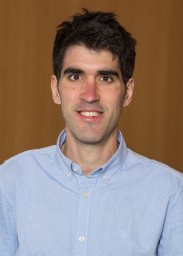 Jesus Miguens Blanco合作论文数Div Digest Dis, Imperial Coll London37
 Jia Li合作论文数Digestive Diseases, Department of Metabolism, Digestion and Reproduction, Faculty of Medicine, Imperial College London30
 David MacIntyre合作论文数University of Adelaide;Calla Lily Clinical Care;Department of Metabolism, Digestion and Reproduction, Faculty of Medicine, Imperial College London26
 Mark Thursz合作论文数Department of Metabolism, Digestion and Reproduction, Faculty of Medicine, Imperial College London;St Mary's Hospital24
 James Kinross合作论文数St. Mary’s Hospital, Imperial College22
 Phillip R. Bennett合作论文数21
 Horace Williams合作论文数20
 Jeremy Nicholson合作论文数Institute of Global Health Innovation, Faculty of Medicine, Imperial College London;Department of Metabolism, Digestion and Reproduction, Faculty of Medicine, Imperial College London19Smith Ann合作论文数16
 Yun S Lee合作论文数Imperial Coll London, London, England15
 Jessica Allegretti合作论文数15
 Nick Powell合作论文数Digestive Diseases, Department of Metabolism, Digestion and Reproduction, Faculty of Medicine, Imperial College London14
 Alexandros Pechlivanis合作论文数Department of Chemistry, Aristotle University of Thessaloniki14
 Rohma Ghani合作论文数Northwick Park Hospital14
 Laura Martinez-Gili合作论文数Dept Metab Digest & Reprod, Imperial Coll London12Davies Frances J合作论文数12
 Julian Teare合作论文数Department of Surgery & Cancer, Faculty of Medicine, Imperial College London12
 Zoltan Takats合作论文数Department of Metabolism, Digestion and Reproduction, Faculty of Medicine, Imperial College London12Lauren Roberts合作论文数11James Alexander合作论文数11
 Lindsay M. Kindinger合作论文数Department of Obstetrics and Gynecology, St. Mary's Hospital11
 Fergus Shanahan合作论文数Department of Medicine, University College Cork, National University of Ireland11Alasdair Scott合作论文数10
 Colin Hill合作论文数School of Microbiology, University College Cork10
 Alan Dobson合作论文数University College Cork Environmental Research Institute10Nathan Danckert合作论文数9
 Jose Ivan Serrano Contreras合作论文数9Tim Orchard合作论文数Digestive Diseases, Department of Metabolism, Digestion and Reproduction, Faculty of Medicine, Imperial College London9
 Ara Darzi合作论文数Department of Surgery & Cancer, Faculty of Medicine, Imperial College London9Jiri Pavlu合作论文数Department of Hematology, Imperial College9Andrew J. Weightman合作论文数Cardiff School of Biosciences;Cardiff University;Cardiff School of Biosciences, Cardiff University9Lucy C Hicks合作论文数8Sue F Plummer合作论文数8
 Dina Kao合作论文数Division of Gastroenterology, University of Alberta8
 Gary Frost合作论文数Department of Metabolism, Digestion and Reproduction, Faculty of Medicine, Imperial College London;Melico8
 Eshwar Mahenthiralingam合作论文数School of Biosciences, Cardiff University8Matthew R Lewis合作论文数7Isabel Garcia Perez合作论文数7Madeline Carrellas合作论文数7
 Roberta Forlano合作论文数Department of Metabolism, Digestion and Reproduction, Imperial College7
 Robert Goldin合作论文数Department of Metabolism, Digestion and Reproduction, Faculty of Medicine, Imperial College London7
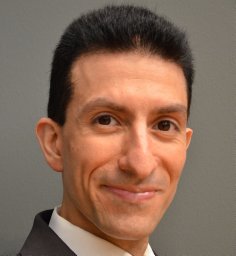 Hutan Ashrafian合作论文数Department of Surgery & Cancer, Faculty of Medicine, Imperial College London;Flagship Pioneering;Oxford Medical Products;Leeds University Business School;Institute of Global Health Innovation;NHS Digital Academy;Institute of Polymaths7Brian V. Jones合作论文数7
 Ailsa Hart合作论文数Department of Metabolism, Digestion and Reproduction, Faculty of Medicine, Imperial College London7Grace F Barker合作论文数6Maria Kyrgiou合作论文数6




