People desire friends who have qualities such as similarity, the ability to provide support, opportunities for socialisation, assistance in achieving self-serving goals and access to potential mates. In the current study, we aimed to examine the degree of overlap between the friends people consider ideal and those they actually have. Using a sample of 6224 participants from 12 countries, we found that, across five dimensions of friendship, ideal and actual friendships considerably overlapped and ideal preferences were significant and strong predictors of actual friendships. Still, the overlap between ideal and actual friendships was not complete; rather, a small deficit emerged, with participants getting less of what they wanted. These results were consistent across the 12 countries in our sample. We also found significant effects of the Dark Triad personality traits on several dimensions of friendship.
Evolutionary theorizing predicts that parenthood is associated with higher hedonic wellbeing (experiencing more positive and fewer negative emotions), higher eudaimonic wellbeing (experiencing greater meaning in life), and greater life satisfaction. To test this hypothesis, we analyzed a dataset comprising 5,556 participants drawn from 10 different nations. We found a small positive effect of parenthood on eudaimonic wellbeing, which was more pronounced for women. Conversely, we found virtually no differences between parents and nonparents across all measured dimensions of hedonic wellbeing and life satisfaction. Furthermore, for most dimensions, we did not detect significant interactions between parenthood status and sex, age, or relationship status. Additionally, participants with children reported lower relationship satisfaction than those without children; however, the observed difference was small. Our results contrast with evolutionary predictions, as well as empirical findings showing that parents perceive their children as sources of positive emotions and life purpose, creating a paradox for which we offer a possible resolution.
Background: The adverse effects of medical treatment (AEMT) are unintentional injuries that occur during medical procedures and can cause significant harm, disability, and even death. AEMTs represent a global healthcare challenge with varying regional impacts. This study aimed to assess the global burden of AEMTs from 1990 to 2021 using data from the Global Burden of Disease (GBD) Study 2021. Methods: Data from the GBD 2021 study were analyzed, and the results were reported as numbers and age-standardized rates (ASR). Results: In 2021, the worldwide burden of AEMT was calculated to be 12.5 million incident cases (ASR: 150.4 per 100000), marking a 5.3% decrease since 1990. AEMT-related deaths in 2021 totaled 122,330 (ASR: 1.5 per 100000), reflecting a 36.1% reduction since 1990. The incidence rate was the highest in New Zealand (1,345.5 per 100000), while Indonesia had the lowest rate (12.9 per 100000). From 1990 to 2021, Brazil witnessed the highest increase in incidence (225.7%), while Israel experienced the largest decrease (50.3%). Incident cases peaked at 65–69 and 70–74 years of age for females and males, respectively, with higher rates in females aged 20–69. The burden of AEMT decreased as sociodemographic index levels rose from 1990 to 2021. Conclusion: The global burden of AEMT remains a critical challenge characterized by regional disparities and age-related trends. While the absolute burden increased, ASRs decreased, indicating improvements in healthcare. This study highlights the need for age-specific guidelines, enhanced training, and improved reporting. Continued advancements in healthcare systems and technology are crucial for safer treatment outcomes globally.
ObjectiveTo assess the burden of dietary iron deficiency in the Middle East and North Africa (MENA) region, focusing on prevalence and years lived with disability (YLD) in 2021 and their changes since 1990.MethodsData from the Global Burden of Disease (GBD) 2021 study were utilised to report counts and age-standardised rates for prevalence and YLD related to dietary iron deficiency. All estimates were accompanied by 95% uncertainty intervals (UIs).ResultsIn 2021, the age-standardised prevalence of dietary iron deficiency in the MENA region was 14368.2 per 100,000, representing a 26% decline since 1990. The highest age-standardised prevalence rates were observed in Yemen (30146.5), Sudan (19296.9), and Morocco (15,303) per 100,000 population. Prevalence was notably highest among children under 5 years old and women of reproductive age, with a gradual decline in older age groups. The greatest reductions in prevalence were seen among older age groups, indicating an age-related downward trend from 1990 to 2021.ConclusionDespite some improvements, dietary iron deficiency remains a significant public health concern in the MENA region, particularly in countries with lower socio-demographic indices (SDI). Targeted interventions are essential, especially for vulnerable groups such as children and women.
To investigate the global, regional, and national burden of the diseases attributable to excess body weight (EBW) from 1990 to 2019, stratified by age, sex, underlying cause, and sociodemographic index (SDI). Using the Comparative Risk Assessment approach of the Global Burden of Disease (GBD) study 2019, the burden of diseases attributable to EBW was reported for the period from 1990 to 2019. For adults, EBW was defined as a body mass index (BMI) exceeding 25 kg/m2, while for children aged 1 to 19 years, EBW was determined according to the standards set by the International Obesity Taskforce. The burden was reported in terms of numbers, proportions, and age-standardised rates per 100,000, accompanied by corresponding 95
This study examined the moderating effect of self-compassion on the relationship between post-traumatic symptoms (PTS) and post-traumatic growth (PTG) among adults with trauma exposure. A sample of 413 participants (254 women, 155 men) aged 18 to 81 years (M = 33.8; SD = 12.9) completed questionnaires assessing trauma exposure, PTS, PTG, and self-compassion. The results indicated that women reported significantly higher PTS and lower self-compassion than men, while no significant gender differences were found for PTG. Correlational analyses revealed a significant positive association between PTS and PTG, and a significant negative association between PTS and self-compassion. Moderation analysis demonstrated that self-compassion significantly moderated the relationship between PTS and PTG, with higher levels of self-compassion linked to greater PTG, even at elevated levels of PTS. These findings underscore the importance of self-compassion as a protective factor in trauma recovery, promoting positive psychological transformation despite the presence of distress.
Objective: This study presents the most recent data on the incidence, prevalence, and years lived with disability (YLDs) due to anxiety disorders across the Middle East and North Africa (MENA) region from 1990-2021, analysed by sex, age, and sociodemographic index (SDI).Methods: We reported the burden of anxiety disorders using data sourced from the Global Burden of Disease 2021 study. The estimates of prevalence, DALYs, and YLDs are provided as numbers and age-standardised rates, accompanied by their 95% uncertainty intervals (UIs).Results: In 2021, the age-standardised point prevalence of anxiety disorders in the region was 5.95 thousand, with an incidence rate of 883.4 per 100,000. The number of YLDs in 2021 reached 4.5 million. From 1990 to 2021, the burden of anxiety disorders increased significantly. Lebanon had the highest burden in 2021. Among both sexes, the 10-14 age group had the highest incidence rate, while the 15-19 age group had the highest prevalence and YLD rates. In 2021, most age groups in the MENA region had YLD rates that were higher than the global average.Conclusion: This study highlights the urgent need for a multidisciplinary approach to prevent and manage anxiety disorders. Ensuring accessible and affordable treatment options for all affected individuals is crucial. Governments should prioritise supporting programmes to effectively address mental health issues, given the unique socioeconomic and geopolitical challenges in the MENA region. By including effective preventive methods alongside treatment in healthcare strategies, the burden of anxiety disorders can be significantly reduced.
OBJECTIVE:To report the prevalence, incidence, and Years Lived with Disability (YLD) due to viral skin diseases (VSD) in the MENA region from 1990 to 2021, focusing on age, sex, and socio-demographic index (SDI) using GBD 2021 data. METHODS:Data on the burden of VSD were sourced from the Global Burden of Disease (GBD) 2021 study, covering 21 countries in the MENA region. The results included the counts and age-standardised rates per 100,000 population, along with the associated 95 % uncertainty intervals (UIs). RESULTS:In 2021, the MENA region exhibited an age-standardised prevalence rate of 1257.6 cases per 100,000 population for VSD and an incidence rate of 990.5 cases per 100,000. Prevalence rates peaked sharply in the 5-9 age group before declining with age for both sexes, indicating a higher burden in younger populations. A strong positive relationship existed between the YLD rate and SDI, suggesting an increased burden of VSD with higher SDIs. CONCLUSION:This study highlights the increasing burden of viral skin diseases (VSD) in the MENA region, especially among younger populations, with males also experiencing a slightly higher burden than females. Given the influence of multiple factors, a comprehensive strategy focusing on data systems, healthcare delivery, and regional collaboration is vital. Addressing these areas will help mitigate VSD's impact and improve health outcomes.
OBJECTIVE:To examine the burden of benign prostatic hyperplasia (BPH) in the Middle East and North Africa (MENA) region from 1990 to 2021 by age and sociodemographic index (SDI). METHODS:Data were sourced from the Global Burden of Disease (GBD) 2021 database. We analysed the incidence, prevalence, and years lived with disability (YLDs) attributable to BPH across the MENA region and its constituent countries. RESULTS:In 2021, the MENA region had an estimated 4.7 million prevalent cases of BPH, with an age-standardised prevalence rate of 2168.6 per 100,000. BPH contributed to 93.6 thousand YLDs, with an age-standardised YLD rate of 42.8 per 100,000. The highest prevalence and incidence rates were observed in Jordan, Qatar, and Iran, while Egypt and Yemen recorded the lowest rates. The burden of BPH was found to increase with age, peaking in the 65-69 age range. CONCLUSION:This study reveals an increasing burden of BPH in the MENA region, primarily due to aging populations. These findings underscore the need for tailored public health policies and strategies to enhance early detection, prevention, and management of BPH, thereby reducing its impact on healthcare systems and individuals.
Understanding the factors influencing children's safety practices, such as helmet use, is essential for developing effective interventions. This study investigates the relationship between parental bicycle helmet use and their children, focusing on parental attitudes and behaviours. The study was conducted in S & Oslash;r-Tr & Oslash;ndelag, Norway, with 103 parent-child dyads (children aged 10-16) using convenience sampling and a cross-sectional survey. The primary aim was to assess whether parental attitudes or behaviours more strongly predict children's helmet use and examine if child age and sex moderate these relationships. The survey evaluated cycling frequency, helmet use, perceived social norms and the costs and benefits of helmet use. Although nearly all children owned helmets, they wore them less frequently than their parents. A positive correlation was observed between parent and child helmet-wearing and cycling, indicating parental behaviour's significant role in shaping children's safety practices. An Actor-Partner Interdependence Model was used to understand the attitudes and behaviour of children in relation to helmet wearing, while accounting for the influence of the parent attitudes and behaviour. When this dyadic relationship was considered, the impact of parental attitudes on children's helmet use was indirect, mediated through children's own attitudes, and younger children mimicked parental behaviour more than older children. These findings highlight the importance of parental modelling in encouraging helmet use. Interventions should focus on enhancing parental engagement and addressing children's perceived barriers. By elucidating the dynamics of parental influence, this research aids in developing effective safety campaigns to promote helmet use and cycling safety for young cyclists.
Alzheimer's disease (AD) ranks among the leading causes of morbidity and mortality worldwide. The objective was to evaluate the burden of AD and other dementias among the countries of the Middle East and North Africa (MENA) region by age and sex from 1990 to 2021. The data were sourced from the Global Burden of Disease (GBD) study 2021. The estimates are presented as counts and age-standardised rates per 100,000 accompanied by 95% uncertainty intervals (UIs). In 2021, AD and other dementias recorded an age-standardised prevalence of 772.7 per 100,000 in the MENA region (95% UI 671.2-877.6 per 100,000). This rate decreased by 4.9% in comparison to 1990, marking a statistically significant change. AD and other dementias also accounted for approximately 73.79 thousand deaths in the region in 2021, with the age-standardised rate decreasing by 8.6% compared to 1990. Moreover, the disability-adjusted life years (DALY) rate was 476.3 per 100,000 population (95% UI 225.6-1004.2), representing a 7.7% decrease from 1990 to 2021. Lebanon registered the highest point prevalence per 100,000 at 828.25, while the United Arab Emirates recorded the lowest at 652.43. The age-standardised point prevalence decreased from 1990 to 2021 in 13 of the MENA countries, while no significant changes were observed in eight of countries. Additionally, in 2021, women experienced higher prevalence rates, DALYs, compared to men. In the MENA region, age-standardised dementia prevalence rose with age in both sexes. The burden of dementia in MENA has decreased from 1990 to 2021, but it remains higher than global estimates. Furthermore, the findings indicate that dementia imposes a greater burden on the female population compared to males. To achieve a more accurate estimation of the burden of Alzheimer's disease and other dementias, more systematic studies in low- to middle-income countries within the MENA region are required.
Background and aims Despite the last decade's significant development in the scientific study of work addiction/workaholism, this area of research is still facing a fundamental challenge, namely the need for a valid and reliable measurement tool that shows cross-cultural invariance and, as such, allows for worldwide studies on this phenomenon. Methods An initial 16-item questionnaire, developed within an addiction framework, was administered alongside job stress, job satisfaction, and self-esteem measures in a total sample of 31,352 employees from six continents and 85 cultures (63.5% females, mean age of 39.24 years). Results Based on theoretical premises and psychometric testing, the International Work Addiction Scale (IWAS) was developed as a short measure representing essential features of work addiction. The seven-item version (IWAS-7), covering all seven components of work addiction, showed partial scalar invariance across 81 cultures, while the five-item version (IWAS-5) showed it across all 85 cultures. Higher levels of work addiction on both versions were associated with higher job stress, lower job satisfaction, and lower self-esteem across cultures. The optimal cut-offs for the IWAS-7 (24 points) and IWAS-5 (18 points) were established with an overall accuracy of 96% for both versions. Discussion and conclusions The IWAS is a valid, reliable, and short screening scale that can be used in different cultures and languages, providing comparative and generalizable results. The scale can be used globally in clinical and organizational settings, with the IWAS-5 being recommended for most practical and clinical situations. This is the first study to provide data supporting the hypothesis that work addiction is a universal phenomenon worldwide.
INTRODUCTION:Tobacco use remains a significant public health issue worldwide, causing over 7 million deaths annually. Polytobacco use has become a common phenomenon. This study aims to analyze reasons for cigarette and tobacco product use, dual use and poly use among university students by sex, in China and Cyprus, selected owing to their still high consumption rates. METHODS:An online survey was conducted among 589 university students (55% women) with a mean age of 24.2 years from Guangzhou, China, and the Republic of Cyprus. Participants reported their use of cigarettes, e-cigarettes, and waterpipes, as well as their reasons for using these products. Statistical analyses included chi-squared tests, and effect sizes were computed using the phi (φ) coefficient. RESULTS:The Chinese participants gave as reasons for using cigarettes: 'because of the taste', 'because it looks cool', 'to get high' and 'because friends and family use them'. These were less frequently given by the Cypriots who opted more for 'to relax and relieve tension'. Compared to the Cypriot participants, the more frequent reasons given for consuming e-cigarettes and waterpipes among Chinese students were: 'due to boredom', 'because it looks cool', 'to get high', 'because I am hooked', 'because friends or family members use them', 'because they are less harmful than regular cigarettes' and 'because friends of family members allow their use more'. Dual or poly users felt more addicted than those who practiced single use. Among e-cigarette users, dual users and poly users valued the taste of the product more than single users. In general, men found more reasons for tobacco use than women did. CONCLUSIONS:This study shows substantial differences in the motivation for using these products according to the product type, number of tobacco/nicotine products used, country, and sex. Understanding the reasons for tobacco use can inform targeted interventions aimed at reducing tobacco consumption among young adults.
Objective Driver distractions are a significant contributor to road accidents and fatalities worldwide. The present research investigated the prevalence of observable driver distractions on both sides of Nicosia, as well as exploring the effect of drivers’ characteristics and time-related variables on their prevalence. Methods Roadside observations were conducted at eight randomly selected locations in the city of Nicosia, Cyprus. Four of these sites were located in the area of Nicosia controlled by the Republic of Cyprus, and the other four were in the area that is referred to as the Turkish Republic of Northern Cyprus (TRNC) by its administration. Results A total of 16,070 drivers were observed, with 8,948 being in the Republic of Cyprus (South) and 7,122 in the Turkish-controlled section of Nicosia (North). A slightly higher proportion of drivers were observed driving distracted in the South (28.0%) than was found in the northern part of the city (25.7%). The most commonly observed secondary tasks in the South were using headphones (9.2%), talking to a passenger (8.1%) and using a mobile 0.4%, 3.7% talking and 2.7% texting). In contrast, the most commonly observed secondary tasks in the North were talking to passengers (10.2%), wearing headphones (8.4%) and using a mobile 0.6% for talking and 2.5% for texting). Gender-related differences were found for a number of different distractions (i.e., talking to passengers, drinking, and handheld mobile phone conversations), and age emerged as a significant predictor for most secondary tasks, including talking to passengers, smoking, hands-free mobile phone use, handheld mobile phone use, texting/keying numbers, drinking and engagement in any type of distraction (all distractions combined). The overall pattern for age was that middle-aged and older drivers were less likely to be distracted than younger drivers. Conclusions A relatively high proportion of drivers on both sides of Nicosia were engaged in a secondary task while driving. These findings clearly indicate that younger drivers are more likely to drive distracted, which probably contributes to their higher crash rates.
High systolic blood pressure (HSBP) is associated with several metabolic and non-metabolic disorders. This research aimed to document the deaths and disability-adjusted life-years (DALYs) attributable to HSBP in the Middle East and North Africa (MENA) region between 1990 and 2019, by age, sex, underlying cause and socio-demographic index (SDI). We used the methodological framework and data drawn from the Global Burden of Disease study 2019 to identify the burden of diseases attributable to HSBP, from 1990 to 2019, in the MENA region. The estimates reported were presented as counts, population-attributable fractions, and age-standardised rates (per 100,000), along with 95% uncertainty intervals. In 2019, 803.6 thousand (687.1 to 923.8) deaths were attributed to HSBP in MENA, which accounted for 25.9% (22.9–28.6%) of all deaths. The number of regional DALYs caused by HSBP in 2019 was 19.0 million (16.3–21.9 million), which accounted for 11.6% (10.1–13.3%) of all DALYs, and was 23.4% (15.9–31.5%) lower than in 1990. The highest age-standardised DALY rate for 2019 was observed in Afghanistan, with the lowest in Kuwait. Additionally, the DALY rate in MENA rose with age for both sexs. Furthermore, a negative linear relationship was found between SDI and the age-standardised DALY rates. The region has a substantial HSBP-related burden. Policymakers and healthcare professionals should prioritize interventions that effectively promote the early detection of HSBP, access to quality healthcare, and lifestyle modifications to mitigate the HSBP burden in the MENA countries.
Objectives: To report the burden of chronic kidney disease (CKD) among those aged 70 and above in Iran by age, sex, and province from 1990 to 2021. Design: Systematic analysis. Outcome measures: Data were obtained from the Global Burden of Disease study 2021. All estimates were reported as counts and age-standardized rates per 100000 individuals, with their corresponding 95% uncertainty intervals (UIs). Results: In 2021, CKD recorded an age-standardized prevalence of approximately 44 thousand per 100000 population among adults 70 years and older in Iran (95% UI: 39807–47784.5 per 100000). This rate meant a 5% increase compared to 1990, which was statistically significant. CKD also accounted for 8,725 deaths in the elderly population of Iran in 2021. Furthermore, disability-adjusted life years (DALY) rates were 3697.7 per 100000 population and had a 28.2% increase in the span of 1990–2021. Fars and Chahar Mahaal and Bakhtiari had the highest and lowest point prevalence per 100000 at 50357.2 and 40453.9, respectively, in the elderly population. In 2021, the prevalence, deaths, and DALYs due to CKD did not differ significantly between the two sexes, although the numbers were slightly higher in the female population. Moreover, the age-standardized prevalence, deaths, and DALYs of CKD in the elderly of Iran in 2021 started to rise in the 70–74 and increased with aging. Conclusions: The burden of CKD in the elderly of Iran has increased over the past 30 years. This is in line with the increase in the elderly population and the rising of its related risk factors. Preemptive measures, public knowledge raising, and the implementation of risk management policies can brighten the future of Iran’s elderly population in terms of non-communicable diseases, especially CKD.
INTRODUCTION:Previous research has identified the perception of penalties as one of the most important deterrents to road traffic offenses. This study investigated whether the perceived effectiveness and the perceived strictness of penalties for different traffic offenses are associated with prior punishment experience and evaluation perspective (personal - if participants were being punished themselves, vs. general - for punishing all drivers). METHOD:A convenience sample of 1,374 Lithuanian drivers participated in the survey (56.3% males; aged 18-77 years). Among them, 801 participants had no penalties for traffic offenses, 333 reported monetary fines in the last year, and 240 reported having their drivers license suspended at least once in their driving career. A scale with 10 specific penalties for traffic offenses was developed to measure the perceived effectiveness and strictness of penalties. Half of the participants evaluated the penalties as if they were personally sanctioned for each traffic offense (personal perspective), while the other half assessed the effectiveness and strictness of the penalties for drivers in general. RESULTS:The results indicated that the perceived effectiveness of penalties was related to the evaluation perspective, being higher for changing one's own behavior than for changing behavior in general. However, the perceived effectiveness of penalties was not related to prior punishment experience. Males and drivers who had experienced their license being suspended reported the highest perceived strictness of the penalties, whereas females and drivers with no prior punishment experience perceived penalties as the least strict. PRACTICAL APPLICATIONS:These findings suggest the need for developing new ways of communicating penalties to different groups of drivers. Nevertheless, this research was exploratory in nature and further research is warranted.
Objectives: To investigate the relationship between depression/anxiety and hypertension (HTN) in a large population-based sample in Iran. Design: A cross-sectional study. Setting: Tabriz, the capital of East Azerbaijan province in northwest Iran. Participants: A total of 1362 individuals were chosen from a representative sample of community-dwelling older adults aged 60 and above, residing in Tabriz. Participants were selected using the probability proportional to size sampling method. Outcome measures: A structured survey was used to measure socio-demographic variables, along with the hospital anxiety and depression scale. Blood pressure (BP) was measured using a standard mercury sphygmomanometer. Results: The results of a multiple logistic regression revealed that age (70-79 years old; P=0.01), employment status (housewives; P=0.02), level of education (illiterate; P<0.01), smoking status (having quit smoking; P<0.01), and depression (P=0.02) were related to HTN among these older adults. Conclusions: These findings highlight the critical importance of integrating mental health assessments and interventions in HTN management and prevention strategies, particularly for older populations.
The current research aimed to study the strategies that people employ in order to become more desirable as mates in different cultural settings. More specifically, using a closed-ended questionnaire on a sample of 7181 participants from 14 different countries, we identified 10 different strategies that people employ to become more appealing as mates. Participants indicated that they had more frequently used the "Enhance looks," followed by the "Show off abilities and talents," and the "Demonstrate similarity" strategies. On the other hand, they had less frequently used the "Keep undesirable things hidden," the "Show off and exaggerate wealth and abilities," and the "Drastic appearance changes" strategies. Female participants indicated that they had more extensive used the "Enhance looks" strategy than male participants, while male participants indicated that they had more extensive used the "Increase income and social status" and the "Show off and exaggerate wealth and abilities" strategies than female participants. The sex effects, as well as the extent of use, were generally consistent across the different cultures. The identified strategies were classified further into two main strategies, namely the "Develop and demonstrate desirable traits" and the "Deceive about undesirable traits," which was generally consistent across the different countries.
BackgroundVitamin A deficiency (VAD) is a common micronutrient deficiency that imposes a substantial burden worldwide. This study examined the burden of VAD from 1990 to 2019 in the Middle East and North Africa (MENA) region by age, sex and sociodemographic index (SDI).MethodsThe data were obtained from the Global Burden of Disease (GBD) 2019 database. We reported the prevalence, incidence, and years lived with disability (YLDs) that were attributable to VAD for the MENA region, along with its constituent countries.ResultsIn 2019, the MENA region had 30.6 million prevalent cases of VAD, with an age-standardized prevalence rate of 5249.9 per 100,000 population. In addition, VAD was responsible for 62.2 thousand YLDs, with an age-standardized YLD rate of 10.2 per 100,000. The age-standardized prevalence [50.3% (−55.9 to −44.7)] and YLD [−49.3% (−55.3 to −43.1)] rates of VAD have significantly decreased since 1990. In 2019, the MENA region’s VAD-attributable YLD rate was below the global average for males and females across all age groups. Additionally, SDI was negatively associated the age-standardized YLD rate of VAD.ConclusionThis study underscores the necessity of frequently updating health data and developing guidelines and regulations to prevent, detect early, and effectively treat VAD in the MENA countries.
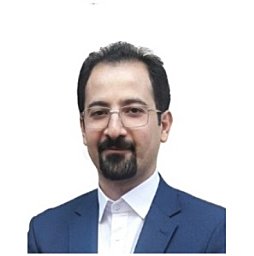 Safiri Saeid合作论文数School of Nursing and Midwifery, Maragheh University of Medical Sciences59
 maria eugenia gras合作论文数Qual Life Res Inst, Univ Girona51
 Ali-Asghar Kolahi合作论文数Department of Community Medicine, Beheshti University51
 Seyed Aria Nejadghaderi合作论文数Universal Sci Educ & Res Network, USERN43
 Sílvia Font-Mayolas合作论文数Quality of Life Research Institute, University of Girona42
 Montserrat Planes Pedra合作论文数39
 Stephens Amanda N合作论文数Accident Research Centre, Monash University26
 Maryam Noori合作论文数Student Res Comm, Iran Univ Med Sci21
 Gary S. Collins合作论文数Department of Applied Health Sciences, College of Medicine and Health, University of Birmingham21Nahid Karamzad合作论文数Dept Biochem & Diet Therapy, Tabriz Univ Med Sci17
 Tetiana Hill合作论文数Business School, 3769University of Hertfordshire, Hatfield, UK.16
 Seyed Ehsan Mousavi合作论文数15
 Agata Błachnio合作论文数The John Paul II Catholic University of Lublin15
 Aneta Przepiórka合作论文数Inst Psychol, John Paul II Catholic Univ Lublin15
 Kristin V Carson-Chahhoud合作论文数Australian Centre for Precision Health, University of South Australia13
 Jay Kaufman合作论文数Department of Epidemiology, Biostatistics, & Occupational Health, School of Population and Global Health, Faculty of Medicine and Health Sciences, McGill University13
 Mohammad Ali Mansournia合作论文数Department Epidemiology and Biostatistics, School of Public Health, Tehran University of Medical Sciences;National Institute for Medical Research & Development;Research Institute for Endocrine Sciences12Francesc Prat合作论文数Quality of Life Research Institute, University of Girona12Timo Juhani Lajunen合作论文数Department of Psychology, Norges Teknisk-Naturvitenskapelige Universitet11
 Almasi-Hashiani Amir合作论文数10
 Taylor Joanne E合作论文数9
 Menelaos Apostolou合作论文数Department of Psychology, University of Warwick9
 Yanina Lisun合作论文数8
 Burcu Tekes合作论文数Department of Psychology, Başkent University8
 Nicola Luigi Bragazzi合作论文数Saarland University8M Cunill合作论文数8
 Monica Cunill合作论文数8
 Ali Shamekh合作论文数Student Research Committee, Tabriz University of Medical Sciences7
 Fran Calvo合作论文数Quality of Life Research Institute, Universitat de Girona7
 Denisse Lisette Manrique Millones合作论文数Department of Psychology, Universidad Científica del Sur7
 Josefina Patino Maso合作论文数Departamento de Enfermería, Universidad de Girona7
 Morteza Abdollahi合作论文数Sina Hospital, Tehran University of Medical Sciences7
 Mahasti Alizadeh合作论文数7
 Zeinab Mohseni Afshar合作论文数Imam Reza Hospital, Kermanshah University of Medical Sciences6
 Mohammad Barary合作论文数Students' Scientific Research Center (SSRC), Tehran University of Medical Sciences6
 Rezvan Hosseinzadeh合作论文数Student Research Committee, Babol University of Medical Sciences6
 Arefeh Babazadeh合作论文数Infectious Diseases and Tropical Medicine Research Center Health Research Institute, Babol University of Medical Sciences6
 Yan Wang (王燕)合作论文数School of Social Development and Public Policy, Fudan University6
 Terence T. Sio合作论文数Department of Radiation Oncology, Mayo Clinic;Mayo Clinic Comprehensive Cancer Center6
 Ayubi Erfan合作论文数School of Public Health, Shahid Beheshti University of Medical Sciences;School of Public Health, Tehran University of Medical Sciences;Shahid Beheshti University of Medical Sciences, Tehran University of Medical Sciences6
 Ebrahimpour Soheil合作论文数Infectious Diseases and Tropical Medicine Research Center, Babol University of Medical Sciences6
 Yohsuke Ohtsubo合作论文数University of Arizona;University of Science and Technology;University of Arizona, University of Science and Technology6
 Kuljit Singh合作论文数Gold Coast University Hospital6Kimia Motlagh Asghari合作论文数5Ana Belen Gomez合作论文数5
 Huaji Wang合作论文数Cranfield Univ, Sch Aerosp Transport & Mfg, Cranfield MK43 0AL, Beds, England5
 Laura Seibokaite合作论文数Corresponding author.5Kirk P M合作论文数5
 Yifan Zhao合作论文数Centre for Life-cycle Engineering and Management, Cranfield University5




