Over the last few decades, significant strides have been made in handwriting recognition (HR), which is the automatic transcription of handwritten documents. HR often focuses on modern handwritten material, but in the electronic age, the volume of handwritten material is rapidly declining. However, we believe HR is on the verge of having major application to historical record collections. In recent years, archives and genealogical organizations have conducted huge campaigns to transcribe valuable historical record content with such transcription being largely done through human-intensive labor. HR has the potential of revolutionizing these transcription endeavors. To test the hypothesis that this technology is close to applicability, and to provide a testbed for reducing any accuracy gaps, we have developed an evaluation paradigm for historical record handwriting recognition. We created a huge test corpus consisting of four historical data collections of four differing genres and three languages. In this paper, we provide the details of these extensive resources which we intend to release to the research community for further study. Since several research organizations have already participated in this evaluation, we also show initial results and comparisons to human levels of performance.
In the last decade, significant, largely-governmental funding has been applied to the automatic transcription of handwritten documents. Uses for this kind of technology are somewhat limited given that the numbers of handwritten documents are on the decline. However, certain types of handwritten historical records can be crucial for genealogical research in that they identify key vital facts. In recent years, organizations like FamilySearch have exhausted huge efforts to identify, digitize, and transcribe these kinds of genealogically-rich records. Until now, such transcription has largely been done through massive crowd-sourced labor. We believe handwriting recognition technology is only a few years away from profitable application to genealogical documents. To test this hypothesis, we developed an evaluation paradigm for measuring handwriting recognition performance on four data collections of differing genres and languages. We invited research organizations to participate in the evaluation and compared performance to the outcome of human annotation. In this paper, we provide the details of this paradigm, including the guidelines, corpora and evaluation tools. Then we illustrate the exciting system results which suggest that the state-of-the-art is very close to providing real-world benefit to the automatic transcription of genealogically-rich documents.
Small delay defect (SDD) testing is expected to become more prevalent as technology nodes continue to shrink and design frequencies continue to increase. In this paper, we critically examine previously published methods for evaluating SDD coverage and identify their shortcomings as an accurate and practical coverage metric. We propose an accurate method for measuring the coverage of small delay defects by any given pattern set. We demonstrate that the proposed metric overcomes the identified shortcomings of previously published approaches. For several ISCAS and industrial circuits, we generate test patterns and compare their SDD coverage values using different methods. Experimental results also demonstrate that the proposed method is several times faster to compute. Finally, we evaluate different testing strategies for screening small delay defects.
Volume diagnostics introduces important means for yield learning as conventional techniques become more expensive and insufficient in identifying systematic yield limiters. Integrating DFM practices within the design flows requires faster identification and ranking of systematic yield limiters in the design. This paper presents a paradigm for identifying outliers in the fail signatures obtained from volume fail data using fail rate prediction from chip-level CAA analysis. Results from case study shows that a comparative analysis between predicted and observed fail rates can highlight potential yield limiters.
The state of men's health, internationally, is a deep public health concern. Despite pressure from the World Health Organisation that all health policy should consider the specific needs of both men and women through their push for ‘gender mainstreaming’, and increased interest in men's health, there have been relatively few gendered policy responses relating to men's health. In this article, we compare the men's health policy contexts in Australia, the UK and Ireland. We show that different advocacy groups have lobbied for men's health policies in these three jurisdictions and that different approaches have been adopted in order to advance or abandon men's health policy work. The absence of men's health policies or gender mainstreaming has severely limited the capacity to develop well-co-ordinated national programmes that meet the health needs of men and their families.
Shrinking feature size and increased wire density increase the likelihood of occurrence of bridge related defects. N- detect based pattern sets are used commonly to improve the detection of bridge defects. However, achieving high bridge coverage requires deterministic bridge sites extraction from physical layout and bridge fault pattern generation. In this paper, we present a comprehensive comparative analysis about the effectiveness of deterministic bridge fault patterns and n-detect patterns for two large designs (90 and 65nm). We show that extracting different types of bridge faults is required as they represent different unique defect sites. Simulation results show that n-detect patterns have very poor bridge coverage performance and commonly used metric bridge coverage estimate (BCE) does not relate to the true bridge fault coverage. Finally, we discuss the DPPM impact for deterministic bridge fault and n-detect stuck-at patterns for the 90nm design.
This work presents a silicon evaluation of testing for small-delay defects using an approach called longest path avoidance testing. The motivation for LPA testing is to improve outgoing product quality by identifying delay defects that escape critical path delay testing. Results from experiments run on high volume production 180 nm ASIC are quantified in terms of test escapes and reliability escapes. Techniques for modeling the impact of small-delay testing are discussed.
This paper is the third in a lecture series on statistical analysis of semiconductor test data. Statistical test methods offer increased value in IC manufacturing and test over traditional maverick silicon screening methods by optimizing the trade-off between yield and reliability in deep sub-micron CMOS technologies. Effective use of the vast volume of data generated by test can lead to cost-effective screening of subtle defects, burn-in reduction or elimination and test cost reduction through adaptive test
Slag composition determines the physical and chemical properties as well as the application performance of molten oxide mixtures. Therefore, it is necessary to establish a routine instrumental technique to produce accurate and precise analytical results for better process and production control. In the present paper, a multi-component analysis technique of powdered metallurgical slag samples by X-ray Fluorescence Spectrometer (XRFS) has been demonstrated. This technique provides rapid and accurate results, with minimum sample preparation. It eliminates the requirement for a fused disc, using briquetted samples protected by a layer of Borax(R). While the use of theoretical alpha coefficients has allowed accurate calibrations to be made using fewer standard samples, the application of "pseudo-Voight" function to curve fitting makes it possible to resolve overlapped peaks in X-ray spectra that cannot be physically separated. The analytical results of both certified reference materials and industrial slag samples measured using the present technique are comparable to those of the same samples obtained by conventional fused disc measurements.
Objective: To determine the effect of preincisional bupivacaine hydrochloride infiltration on postoperative pain after tonsillectomy.Design: Prospective, randomized, double-blind clinical trial. Setting: A secondary/tertiary referral center in Christchurch, New Zealand.Patients: A volunteer sample of 70 patients, aged 16 to 42 years, with recurrent tonsillitis. Seven patients were excluded.Interventions: After randomization, one group received 5 mL of 0.5% bupivacaine hydrochloride in the peritonsillar space, with the patient under general anesthesia. The other group received 5 mL of isotonic sodium chloride solution, with the patient under general anesthesia. Both groups underwent surgery with a standardized surgical and anesthetic technique.Main Outcome Measures: Postoperative pain was assessed with a visual analog scale at 15 minutes and 1, 4, 12, 16, and 24 hours after the procedure. Postoperative analgesic requirement, length of admission, and antiemetic requirement were also assessed.Results: No statistical difference was found between the 2 groups for postoperative pain by means of the visual analog scale at any time interval, nor was any statistical difference found for the other variables measured. A trend toward less pain in the immediate postoperative period in the group receiving bupivacaine was noted.Conclusion: No statistically significant benefit is found for use of preincisional bupivacaine in tonsillectomy.
From the Publisher:Harmless artificial life-forms are on the loose on the Internet. Computer viruses and even robots are now able to evolve like their biological counterparts. Telecommunications companies are sending small packets of software to go forth and multiply to cope with ever-increasing telephone traffic. Protein-based computers are on the agenda, and a team in Japan is building an organic brain as clever as a kitten. Welcome to the startling world of Artificial Life. Artificial Life scientists are taking inanimate materials such as computer software and robots and making them behave just like living organisms. In the process, they are discovering much about what drives evolution and just what it means to say that something is alive. Virtual Organisms traces the emergence of this field from the days when it was practiced by a few maverick scientists to the present and the current boom in ALife research. Leading technology correspondent Mark Ward presents a fascinating survey of current ideas about the origins of life and the engines of evolution. Through interviews with leading developers of Artificial Life and through his own compelling research, Ward shows how the convergence of technology with biology has enormous implications. In an accessible, entertaining manner, Virtual Organisms reveals an unexplored avenue in predicting the future of Artificial Life and discusses whether new forms of ALife may be evolving beyond their designer's control.
The enhancement of ultrasound-induced cell destruction, lysis, and sonoporation in low cell concentration suspensions (2 x 10(5)/mL) by the presence of contrast agents (gas bubble to cell ratio = 230) was demonstrated using cervical cancer cells (HeLa S3) suspensions containing micron-size denatured albumin microspheres filled with air (Albunex) or octafluoropropane (Optison). The suspensions were insonificated by 2-MHz continuous or tone burst ultrasound in near field. The spatial peak-pressure amplitude was 0.2 MPa. The enhancement of cell destruction due to Optison was shown to be much higher than that due to Albunex for similar bubble concentration and ultrasound conditions. For tone burst exposures, significant lysis and sonoporation only occurred in the presence of a contrast agent. The majority of the bioeffects observed occurred in the first 5 min of exposure. The relationship between the enhancement of bioeffects and duty cycle of tone burst ultrasound appears to indicate that both stable gas spheres of contrast agents and cavitation nuclei created by the disruption of the gas spheres play a significant role in causing the bioeffects.
Recent studies have shown that the novel antioxidant LY231617 protects against ischaemia-induced neuronal damage in rat models of global cerebral ischaemia. In the present studies we have examined the effects of LY231617 in the gerbil model of global cerebral ischaemia. We also examined the effects of four nitric oxide synthase inhibitors (3-bromo-7-nitroindazole, N(G)-nitro-L-arginine methyl ester, aminoguanidine and S-methylisothiourea sulphate) in this model. LY231617 (50 mg/kg p.o. or 30 mg/kg i.p.) was administered either 30 min prior to occlusion or immediately post-occlusion followed by three further doses at 4, 24 and 48 h after the initial dose. 3-Bromo-7-nitroindazole was administered at 40 mg/kg i.p. immediately after occlusion followed by 20 mg/kg i.p. at 3, 6, 24 and 48 h, N(G)-nitro-L-arginine methyl ester was administered at 10 mg/kg i.p. immediately after occlusion followed by 5 mg/kg i.p. at 3, 6, 24 and 48 h. Aminoguanidine was administered at 80 mg/kg i.p. immediately after occlusion followed by 40 mg/kg i.p. at 3, 6, 24 and 48 h and S-methylisothiourea sulphate was administered at 10 mg/kg i.p. immediately, 3, 6, 24 and 48 h after occlusion. We also examined the effects of aminoguanidine administered at 80 mg/kg i.p. immediately after occlusion followed by 40 mg/kg i.p. at 3, 6, 24, 48, 72 and 96 h and S-methylisothiourea sulphate administered at 10 mg/kg i.p. immediately, 3, 6, 24, 48, 72 and 96 h after occlusion. Control animals were either sham operated or subjected to 5 min bilateral carotid occlusion. Extensive neuronal death was observed in the CA1 layer of the hippocampus in 5-min bilateral carotid artery occluded animals 5 days after surgery. LY231617 provided significant neuroprotection against the ischaemia-induced brain damage when administration was initiated before or after occlusion (P < 0.05). The neuronal NO synthase inhibitors, 3-bromo-7-nitroindazole and a general NO synthase inhibitor, N(G)-nitro-L-arginine methyl ester also provided significant neuroprotection (P < 0.05). In contrast aminoguanidine and S-methylisothiourea sulphate (two inducible NO synthase inhibitors) failed to protect against the ischaemia-induced brain damage. These results indicate that free radicals and nitric oxide are involved in ischaemia-induced brain damage following global cerebral ischaemia. Antioxidants such as LY231617 or neuronal NO synthase inhibitors can prevent the ischaemia-induced neurodegeneration and may be useful as anti-ischaemic agents.
Under some conditions, substituting worked examples for problems or exercises enhances learning and subsequent problem solving. Under other conditions, worked examples are no more effective, and possibly less effective, than solving problems. Using cognitive load theory, we hypothesize that the critical factors for enhanced learning are whether the worked examples can direct attention appropriately and reduce cognitive load. It is suggested that worked examples requiring students to mentally integrate multiple sources of information are not effective because they fail with respect to both of these factors. The results of five experiments using geometric optics and kinematics under classroom conditions provided evidence for these hypotheses. Worked examples, formatted to reduce the need for students to mentally integrate multiple sources of information, resulted in test performance superior to either conventional problems or to worked examples requiring students to split their attention between, for example, text and equations or text and diagrams. We conclude that because traditional worked example formats frequently are random with respect to cognitive factors, they may be ineffective in some areas and require restructuring.
 P H Wender合作论文数3
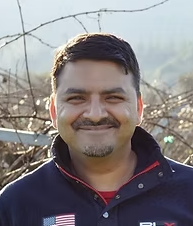 Sandeep K Goel合作论文数Taiwan Semiconductor Manufacturing Company3Frederick W. Reimherr合作论文数3
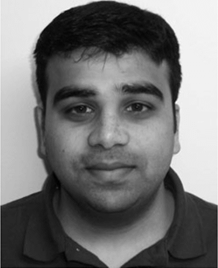 Ritesh Turakhia合作论文数2
 Brady Benware合作论文数Logic, LSI2Heath E. Nielson合作论文数2Narendra Devta-Prasanna合作论文数Univ. of Iowa2Patrick Schone合作论文数Family History Department
Church of Jesus Christ of Latter-day Saints2J Bellingham合作论文数1DR WOOD合作论文数1Zande, J.合作论文数1Caroline Hicks合作论文数1Ja Panetta合作论文数1Arun Gunda合作论文数1jenny carless合作论文数1E North Temple合作论文数1MJ ONeill合作论文数1S. Bose合作论文数1Z. Ahmed合作论文数1P. Krishnamurthy合作论文数1
Brady Benware合作论文数Logic, LSI2Heath E. Nielson合作论文数2Narendra Devta-Prasanna合作论文数Univ. of Iowa2Patrick Schone合作论文数Family History Department
Church of Jesus Christ of Latter-day Saints2J Bellingham合作论文数1DR WOOD合作论文数1Zande, J.合作论文数1Caroline Hicks合作论文数1Ja Panetta合作论文数1Arun Gunda合作论文数1jenny carless合作论文数1E North Temple合作论文数1MJ ONeill合作论文数1S. Bose合作论文数1Z. Ahmed合作论文数1P. Krishnamurthy合作论文数1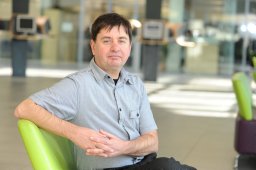 Robertson Steve合作论文数Centre for Men's Health, Leeds Metropolitan University1
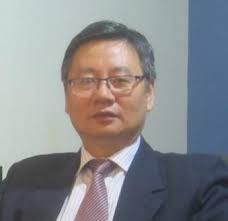 Liming Lu合作论文数CSIRO Mineral Resources/ISIJ International Advisory Board/Shanghai University/University of Science and Technology Liaoning/Central South University1
 James P. Smith合作论文数RAND Corporation1
 David R. Wood合作论文数School of Computer Science, Carleton University, Ottawa, Canada1
 Michael O'Neill合作论文数Department of Molecular and Cell Biology, College of Liberal Arts and Sciences, University of Connecticut1
 Patricia Fryer合作论文数Institute of Geophysics and Planetology, University of Hawai‘i at Manoa;School of Ocean and Earth Science and Technology, University of Hawai‘i at Manoa1Kristina Hofberg合作论文数1Robert Daasch合作论文数Electrical and Computer Engineering
Original Appointment1Loren Lemmerman合作论文数1
Patricia Fryer合作论文数Institute of Geophysics and Planetology, University of Hawai‘i at Manoa;School of Ocean and Earth Science and Technology, University of Hawai‘i at Manoa1Kristina Hofberg合作论文数1Robert Daasch合作论文数Electrical and Computer Engineering
Original Appointment1Loren Lemmerman合作论文数1 Alan K. White合作论文数Centre for Men's Health, Leeds Metropolitan University1Andrew Shepard合作论文数1
 Ronald T. Azuma合作论文数Intel Corporation1
 Michel Goedert合作论文数MRC Laboratory of Molecular Biology, University of Cambridge1
 Robert Madge合作论文数Information Technology and Services1Mike Hutton合作论文数1Scott Stevenson合作论文数1
 Alex Mclean合作论文数Goldsmiths College, University of London1
 Annalisa Cavallini合作论文数Eli Lilly & Co Ltd1
 John Sweller合作论文数School of Education, University of New South Wales1Nilesh Raman Vasan合作论文数1R. Daasch合作论文数Electrical and Computer Engineering
Original Appointment1
John Sweller合作论文数School of Education, University of New South Wales1Nilesh Raman Vasan合作论文数1R. Daasch合作论文数Electrical and Computer Engineering
Original Appointment1 Noel Richardson合作论文数Institute of Technology Carlow1




