Urbanization alters avian communities, generally lowering the number of species and contemporaneously increasing their functional relatedness, leading to biotic homogenization. Urbanization can also negatively affect the phylogenetic diversity of species assemblages, potentially decreasing their evolutionary distinctiveness. We compare species assemblages in a gradient of building density in seventeen European cities to test whether the evolutionary distinctiveness of communities is shaped by the degree of urbanization. We found a significant decline in the evolutionary uniqueness of avian communities in highly dense urban areas, compared to low and medium-dense areas. Overall, communities from dense city centers supported one million years of evolutionary history less than communities from low-dense urban areas. Such evolutionary homogenization was due to a filtering process of the most evolutionarily unique birds. Metrics related to evolutionary uniqueness have to play a role when assessing the effects of urbanization and can be used to identify local conservation priorities.
Understanding habitat and spatial overlap in sympatric species of urban areas would aid in predicting species and community modifications in response to global change. Habitat overlap has been widely investigated for specialist species but neglected for generalists living in urban settings. Many corvid species are generalists and are adapted to urban areas. This work aimed to determine the urban habitat requirements and spatial overlap of five corvid species in sixteen European cities during the breeding season. All five studied corvid species had high overlap in their habitat selection while still having particular tendencies. We found three species, the Carrion/Hooded Crow, Rook, and Eurasian Magpie, selected open habitats. The Western Jackdaw avoided areas with bare soil cover, and the Eurasian Jay chose more forested areas. The species with similar habitat selection also had congruent spatial distributions. Our results indicate that although the corvids had some tendencies regarding habitat selection, as generalists, they still tolerated a wide range of urban habitats, which resulted in high overlap in their habitat niches and spatial distributions.
Urbanization affects avian community composition in European cities, increasing biotic homogenization. Anthropic pollution (such as light at night and noise) is among the most important drivers shaping bird use in urban areas, where bird species are mainly attracted by urban greenery. In this study, we collected data on 127 breeding bird species at 1349 point counts distributed along a gradient of urbanization in fourteen different European cities. The main aim was to explore the effects of anthropic pollution and city characteristics, on shaping the avian communities, regarding species’ diet composition. The green cover of urban areas increased the number of insectivorous and omnivorous bird species, while slightly decreasing the overall diet heterogeneity of the avian communities. The green heterogeneity—a measure of evenness considering the relative coverage of grass, shrubs and trees—was positively correlated with the richness of granivorous, insectivorous, and omnivorous species, increasing the level of diet heterogeneity in the assemblages. Additionally, the effects of light pollution on avian communities were associated with the species' diet. Overall, light pollution negatively affected insectivorous and omnivorous bird species while not affecting granivorous species. The noise pollution, in contrast, was not significantly associated with changes in species assemblages. Our results offer some tips to urban planners, managers, and ecologists, in the challenge of producing more eco-friendly cities for the future.
Young animals need to grow to a large body size fast to maximise their survival prospects until sexual maturity. However, body size varies substantially in wild populations, and neither the selection pressures maintaining this variation, nor the regulatory mechanisms are well understood. IGF-1 administration has been shown to accelerate growth, but this does not necessarily imply that natural variation in growth rate is IGF-1 dependent. To test the latter we administered OSI-906 to pied flycatcher Ficedula hypoleuca nestlings, which has an inhibitory effect on IGF-1 receptor activity. We performed the experiment in two breeding seasons to test the prediction that blocking the IGF-1 receptor downregulates growth. As predicted, OSI-906 treated nestlings had lower body mass and reached a smaller structural size than siblings receiving a vehicle only, with the mass difference being most profound at the age preceding the highest body mass growth rate. The IGF-1 receptor inhibition effect on growth varied with age and year of study, and we discuss possible explanations. The OSI-906 administration results indicate that natural variation in growth rate is regulated by IGF-1, and constitutes a novel tool to study causes and consequences of growth variation, but details of the underlying mechanism still need to be resolved.
The effects of anthropogenic noise on the incubation behaviour of birds are poorly studied. The available studies often focus on the effect of one type of noise, but recent work has demonstrated that structurally different noises with the same loudness may cause different responses depending on the masking effect on birds’ acoustic communication. Therefore, including different noise types in the same study can best elucidate the effects of noise properties on bird behaviour and reproduction. In this study, we used two structurally different noise types to explore noise effects on the incubation behaviour of great tits (Parus major). Female great tits incubate, and males feed them. We filmed 25 pairs of great tits in the control phase (no additional noise) and the experimental phase for two hours using the continuous playback of a chainsaw or the lawnmower noise with the same amplitude. The chainsaw noise significantly decreased the number of female nest visits but did not affect nest attendance. The lawnmower noise, meanwhile, did not influence any aspect of incubation behaviour. As chainsaw noise is higher in frequency (0.5–8 kHz vs. 0.2–2 kHz for lawnmower), there is a greater degree of overlap with passerines’ hearing range (1–8 kHz), and it probably hinders their ability to receive acoustic signals and cues. The chainsaw noise likely alters the incubating behaviour of passerines via increased vigilance (the incubating female does not hear partner’s calls) or decreased foraging as well. The impact of noise on birds’ behaviour can also be explained by possible association with human activity and the match between acoustic and visual cues.
Urban and suburban areas are among the fastest-growing land-use types globally, reducing and fragmenting natural habitats for many animal species and making human-wildlife interactions more common. However, cities also create habitat for several species considered urban tolerant or urban exploiter species. Additionally, the environmental characteristics of urban areas can strongly affect the life quality of citizens. This study aimed to assess the effectiveness of common bird species as indicators of urban areas with high environmental quality within cities. Our study recorded 128 bird species in 1441 point counts distributed in fifteen different European cities. We classified urban areas as “high environmental quality” – HEQ when they were simultaneously characterized by a high vegetation cover and heterogeneity, low level of light pollution, and avian communities with high potential resilience to face ecological stress. Species indicators of HEQ urban areas were identified using the species-level indicator value (IndVal) analysis. Such species can be used as ecological indicators of HEQ in different European cities. The list of top ten birds indicators of HEQ in European cities is led by the Eurasian blackcap, selected as an indicator in more than half of the survey cities. Other birds indicators of HEQ in multiple cities are Blackbird (47%), Great tit (40%), Blue tit, Tree sparrow and Magpie (all 33%). The mean specificity of the top-ranked bird indicator of HEQ urban areas (Eurasian blackcap) was 0.778. Most of the HEQ-indicators are resident or resident/short migratory species characterized by territorial behaviour. Our findings support using multiple species as bioindicators of urban changes by using specific groups with few common species as surrogates of HEQ urban areas. The approach proposed in this study can be applied in different European cities to monitor biodiversity status periodically, even involving citizen science initiatives.
Europe is an urbanized continent characterized by a long history of human-wildlife interactions. This study aimed to assess the effects of specific elements of urbanization and urban pollution on complementary avian diversity metrics, to provide new insights on the conservation of urban birds. Our study recorded 133 bird species at 1624 point counts uniformly distributed in seventeen different European cities. Our results thus covered a large spatial scale, confirming both effects of geographical and local attributes of the cities on avian diversity. However, we found contrasting effects for the different diversity components analyzed. Overall, taxonomic diversity (bird species richness), phylogenetic diversity and relatedness were significantly and negatively associated with latitude, while functional dispersion of communities showed no association whatsoever. At the local level (within the city), we found that urban greenery (grass, bush, and trees) is positively correlated with the number of breeding bird species, while the building cover showed a detrimental effect. Functional dispersion was the less affected diversity metric, while grass and trees and water (rivers or urban streams) positively affected the phylogenetic diversity of avian communities. Finally, the phylogenetic relatedness of species increased with all the main indicators of urbanization (building surface, floors, pedestrian's density and level of light pollution) and was only mitigated by the presence of bushes. We argue that maintaining adequate levels of avian diversity within the urban settlements can help to increase the potential resilience of urban ecosystems exposed to the stress provoked by rapid and continuous changes. We listed some characteristics of the cities providing positive and negative effects on each facet of urban avian diversity.
Climate change influences population demography by altering patterns of gene flow and reproductive isolation. Direct mutation rates offer the possibility for accurate dating on the within-species level but are currently only available for a handful of vertebrate species. Here, we use the first directly estimated mutation rate in birds to study the evolutionary history of pied flycatchers (Ficedula hypoleuca). Using a combination of demographic inference and species distribution modelling, we show that all major population splits in this forest-dependent system occurred during periods of increased climate instability and rapid global temperature change. We show that the divergent Spanish subspecies originated during the Eemian–Weichselian transition 115–104 thousand years ago (kya), and not during the last glacial maximum (26.5–19 kya), as previously suggested. The magnitude and rates of climate change during the glacial–interglacial transitions that preceded population splits in pied flycatchers were similar to, or exceeded, those predicted to occur in the course of the current, human-induced climate crisis. As such, our results provide a timely reminder of the strong impact that episodes of climate instability and rapid temperature changes can have on species' evolutionary trajectories, with important implications for the natural world in the Anthropocene.
The integration and synthesis of the data in different areas of science is drastically slowed and hindered by a lack of standards and networking programmes. Long-term studies of individually marked animals are not an exception. These studies are especially important as instrumental for understanding evolutionary and ecological processes in the wild. Further, their number and global distribution provides a unique opportunity to assess the generality of patterns and to address broad-scale global issues (e.g. climate change). To solve data integration issues and enable a new scale of ecological and evolutionary research based on long-terms studies of birds, we have created the SPI-Birds Network and Database (www.spibirds.org) – a large-scale initiative that connects data from, and researchers working on, studies of wild populations of individually recognizable (usually ringed) birds. Within a year of the establishment, SPI-Birds counts 120 members working on more than 80 populations, with data concerning breeding attempts of almost a million individual birds over a 1700 cumulative years, and counting. SPI-Birds acts as a data hub and a catalogue of studied populations. It prevents data loss, secures easy data finding, use and integration, and thus facilitates collaboration and synthesis. We provide community-derived data and meta-data standards and improve data integrity guided by of Findable, Accessible, Interoperable, and Reusable (FAIR), and aligned with the existing metadata languages (e.g. ecological meta-data language). The encouraging community involvement stems from SPI-Bird's decentralized approach: research groups retain full control over data use and their way of data management, while SPI-Birds creates tailored pipelines to convert each unique data format into a standard format. We outline the lessons learned, so that other communities (e.g. those working on other taxa) can adapt our successful model. Creating community-specific hubs (such as ours, COMADRE for animal demography, etc.) will aid much-needed large-scale ecological data integration.
Detailed knowledge of habitat utilization by animals is integral in understanding their ability to adjust resource exploitation to the conditions of heterogeneous and constantly changing habitats. To identify the most important micro- and macrohabitat landscape characteristics that are important factors for birds when choosing foraging patches in their territory, we used a radio-telemetric approach with nestling-feeding great tit (Parus major) females in a heterogeneous habitat mosaic. We showed that birds preferred to forage in areas with low or high but not mid-range normalized difference vegetation index (NDVI) values, similarly in coniferous and deciduous forests. At the same time, foraging birds avoided areas with low or high but not mid-range canopy cover only in the dense deciduous forest, whereas in the more open coniferous forest, females used areas, which vary widely in the amount of canopy coverage. Females employing this foraging behaviour raised larger broods on average. Our results suggest that foraging microhabitat selection in forest passerines is a complicated process subject to diverse and interacting effects of habitat characteristics other than simply a habitat's position on a food-richness axis. Moreover, the study demonstrates how using a micro-scale approach can reveal subtle, but significant, habitat selection mechanisms that remain hidden at a macro-scale level.
Avian plumage harbors various pathogens such as feather-degrading bacteria, which have the potential to reduce host fitness. A growing body of evidence suggests that the secretion of the uropygial gland of birds-preen oil-acts as one of the first lines of defence against harmful bacteria. However, previous studies on the antimicrobial impact of preen oil have yielded controversial results. The impact of preen oil on bacterial densities of feathers was experimentally investigated in two passerine species: great tits Parus major and pied flycatchers Ficedula hypoleuca. More specifically, we tested whether the antibacterial effect of the preen oil secreted by the same individual differs from that of the preen oil originating from the gland of other species. In the laboratory, ventral feathers were treated with preen oil from (1) an individual's own gland, (2) from the gland of another passerine species, or (3) from the gland of a phylogenetically distant bird species. We detected a significant antibacterial effect of preen oil on bacteria that were attached to feathers, though the effect did not depend on whether the oil originated from the individual's own gland or from the gland of another bird species. However, treatment with preen oil suppressed the density of bacteria more in the pied flycatcher than in the great tit. This is the first study providing experimental evidence that preen oil represents an important antimicrobial mechanism against those plumage bacteria that are attached to feathers.
Studies have provided inconsistent evidence regarding the effects on behaviour of nucleotide polymorphism at the DRD4 gene. For instance, the DRD4 gene affects exploratory behaviour in some bird species and populations but not in others. Our earlier experiment with a wild Great Tit Parus major population revealed an important impact of the DRD4 gene on behavioural variation during the breeding season. The aim of this study was to clarify these results by measuring individual behavioural differences (exploration and anxiety) in Great Tits under controlled conditions before the beginning of egg-laying in order to exclude the potential impacts of breeding (egg-laying, motivation to feed nestlings, the potential effect of a partner) and the natural environment (e.g. the presence of predators). Birds were caught from their natural habitat and their behaviour was tested in a trial room the following morning. Individuals with the CT heterozygous genotype (SNP830) performed more actively in different contexts (visiting a novel object in the trial room and vocal behaviour during handling) compared with homozygotes, and the relationships were consistent in males and females. In light of the results from our previous study (heterozygous males, but not females, had a shorter latency to feed nestlings than CC homozygotes), we conclude that the same DRD4 gene variants affect behavioural responses in a controlled environment and wild contexts in the same directions, but that these relationships are not sex-specific under standardized conditions.
Although birds might increase nesting survival by selecting safe sites, nest predation is a major limiting factor in natural bird populations. We investigated how forest structure, predator distribution, and nest location contribute to nest predation risk, and whether lower predation probabilities characterize formerly “safe” sites. We distributed 304 artificial ground and tree nests in a forest landscape, following the previous year locations of forest grouse observations (with and without broods). We modelled nest predation incidence using generalized mixed models; we also identified potential nest predators by tooth/bill marks on plasticine eggs. We found complex habitat effects: nest predation depended non-linearly on the stand age (low risk in post-clear-cut stands; peak values in middle-aged stands) and there were no simple relationships with predator proximity or nest concealment. Predation probabilities were higher in tree nests than in ground nests, and did not differ in the locations where broods had been observed or not.
Many organisms adjust their reproductive phenology in response to climate change, but phenological sensitivity to temperature may vary between species. For example, resident and migratory birds have vastly different annual cycles, which can cause differential temperature sensitivity at the breeding grounds, and may affect competitive dynamics. Currently, however, adjustment to climate change in resident and migratory birds have been studied separately or at relatively small geographical scales with varying time series durations and methodologies. Here, we studied differential effects of temperature on resident and migratory birds using the mean egg laying initiation dates from 10 European nest box schemes between 1991 and 2015 that had data on at least one resident tit species and at least one migratory flycatcher species. We found that both tits and flycatchers advanced laying in response to spring warming, but resident tit populations advanced more strongly in relation to temperature increases than migratory flycatchers. These different temperature responses have already led to a divergence in laying dates between tits and flycatchers of on average 0.94days per decade over the current study period. Interestingly, this divergence was stronger at lower latitudes where the interval between tit and flycatcher phenology is smaller and winter conditions can be considered more favorable for resident birds. This could indicate that phenological adjustment to climate change by flycatchers is increasingly hampered by competition with resident species. Indeed, we found that tit laying date had an additional effect on flycatcher laying date after controlling for temperature, and this effect was strongest in areas with the shortest interval between both species groups. Combined, our results suggest that the differential effect of climate change on species groups with overlapping breeding ecology affects the phenological interval between them, potentially affecting interspecific interactions.
To gain a selective advantage for survival in stochastic environments, the growth of different body parameters of juvenile animals should be constantly adjusted according to prevailing conditions. Hormones, especially insulin-like growth factor 1 (IGF-1), are an important part of physiological mechanisms mediating life-history variability in free-living animals when connecting available resources (e.g. food) with pathways of somatic growth. We used an IGF-1 injection treatment in free-living European Pied Flycatcher Ficedula hypoleuca nestlings to mimic experimentally the differentiation of growth conditions for chicks with a similar genetic background. We showed that there is probably a physiological trade-off for young animals between the growth rates of structural size and body mass, where IGF-1 could be part of the physiological modulatory system of this trade-off. By weakening internal constraints that limit growth, IGF-1 could help to relieve the trade-off between these competing body size parameters.
1. Natural selection has generated a diversity of ways in which vertebrates allocate their resources between fundamental life-history traits. The availability of possible evolutionary trajectories of these traits is limited by various genetic, physiological and phylogenetic constraints. This causes trade-offs due to shared resource pools for, or genetic linkage of, competing traits. The majority of these trade-offs are mediated by hormones and create the variability in phenotypes that can be -observed in nature. 2. Insulin-like growth factor 1 (IGF-1) is an evolutionarily conserved peptide, which has been shown to be essential in the regulation of body size, the pattern of reproductive investment and life span across a broad taxonomic range of model species in laboratory and domesticated conditions. However, studies addressing corresponding evolutionary hypotheses on a broader scale and in free-living vertebrates are very rare. 3. In this phylogenetic comparative study on free-living passerines (Passeriformes), we explore the way in which plasma IGF-1 levels underlie the evolution of body size and demographic fitness correlates (clutch size, egg weight, life span). 4. We showed firstly that IGF-1 levels were positively associated with the body size of passerines, although smaller birds had larger IGF-1-mediated investment into building up their body faster. IGF-1 levels were negatively associated with life span of passerines, and more so in birds with smaller body weight. Finally, IGF-1 levels were negatively associated with clutch size in heavier species, and positively associated with egg weight in species with higher body weight and longer duration of parental care. The pattern was opposite in species with smaller body weight and shorter duration of parental care. 5. The described evolutionary framework indicates that variation in IGF-1 levels can be regarded as an important mechanism that may underlie life-history evolution in passerines. IGF-1 could act as a physiological link mediating the inter-regulatory growth-reproduction-lifespan "life-history triangle" on the pace-of-life continuum. Interestingly, body weight and investment into parental care have likely imposed a constraining effect on the IGF-1-mediated co-evolution of demographic fitness traits, such as life span or reproductive investment. This has limited the availability of adaptive pathways via which those traits could evolve as passerines diversified.
Summary Life history of animals is strongly linked with the variability in postnatal growth rates, because the ability to achieve necessary body mass early in life is directly connected with the ability to survive and reproduce later in life. Surprisingly, little is known about the physiological mechanisms connecting food availability with the variability of growth in wild animals. We used a hormonal injection treatment in free‐living nestlings of the pied flycatcher (Ficedula hypoleuca). In doing this, we aimed to see how their plasma insulin‐like growth factor 1 (IGF‐1) levels and its mediation of growth rate vary in response to administration of exogenous IGF‐1 during the early period of postnatal development. We showed that the levels of IGF‐1 as well as growth rate and body size, in terms of body mass and tarsus length, were significantly higher in IGF‐1‐injected nestlings, compared with those in the control group. These differences became especially pronounced from day 7 post‐hatch onwards during the 13‐day nestling period. Additionally, the proportional investment into growth was more profoundly downregulated in IGF‐1‐injected nestlings at the end of the nestling period, which achieved fledging size earlier, compared with control nestlings. Our results are the first to highlight IGF‐1 as the causal link between growth conditions and variability of growth rate and body size in wild vertebrates. Interestingly, the change in IGF‐1 levels also showed a plausible, distinct adaptive age‐ and physical maturity‐dependent pattern in nestlings to match the benefits gained by them when investing in growth, with the cost endured during the early days of postnatal development to maximize their fitness. Therefore, this mechanism might be among those mediating the maintenance of genetic variability in growth rates in populations, presumably regardless of the presence of strong directional selection acting upon them. A Lay Summary is available for this article.
Growing animals face allocation problems whenever receiving suboptimal amounts of resources in very stochastic natural environments, possibly through a trade‐off between growth and somatic maintenance. However, the extent to which such a trade‐off exists has remained an open question. We used an insulin‐like growth factor 1 (IGF‐1) injection treatment in free‐living pied flycatcher Ficedula hypoleuca nestlings to see how IGF‐1 levels mediate the development of an antioxidant phenotype via glutathione peroxidase (GPx). Our study showed that IGF‐1 levels underlie variation in GPx activity and provides important information for understanding the mechanisms behind the growth variation of passerines.
Maternally-derived glucocorticoids can modify the normal development of young animals. To date, little is known about maternal effects that are mediated by acute embryonic exposure to glucocorticoids. In birds, elevated maternal transmission of corticosterone (CORT) to egg albumen is mainly dependent on acute stress. In this study, we increased CORT levels in the egg albumen of a wild passerine, the great tit (Parus major), breeding in favourable deciduous and less suitable coniferous habitat. Subsequently we measured the somatic growth, baseline and acute glucocorticoid responses, immunity and behaviour of prenatally manipulated offspring with respect to control siblings. We found that prenatally CORT-exposed nestlings had lower baseline CORT levels, a more rapid decline in CORT during recovery from a standardized stressor, and a reduced heterophil/lymphocyte ratio compared with controls. Although stress-induced total CORT levels remained unchanged, free CORT levels were significantly lower and the levels of corticosteroid binding globulins (CBG) significantly higher in experimental offspring. Prenatally CORT-exposed offspring begged longer after hatching than controls. Stress-induced behavioural activity of fledglings did not differ between treatments, while its association with baseline CORT levels was significant in the control group only. The body mass and tarsus length of fledglings was positively affected by manipulation in unfavourable coniferous habitat only. We conclude that maternal effects related to elevated levels of albumen CORT modify diverse aspects of offspring phenotype and potentially increase offspring performance in resource poor environments. Moreover, our results indicate that maternal glucocorticoids may suppress the effect of hormones on behavioural responses.
The crucial question in evolutionary ecology is to find out how physiological traits have coevolved so animals fit their stochastic environments. The plasticity of these different physiological mechanisms is largely mediated by hormones, like glucocorticoids and insulin-like growth factor 1 (IGF-1). Brood size manipulation with nestlings of free-living great tits (Parus major) was carried out to see the way in which plasma IGF-1 and feather corticosterone, a predictor of long-term sustained plasma corticosterone level, are associated across different nutritional conditions and how this association predicts survival during the nestling phase. We showed that the association between levels of IGF-1 and corticosterone depended on physiological condition of nestlings. Namely, there was a positive association between the hormones in nestlings from the decreased broods and a negative association in nestlings from the enlarged broods. Furthermore, we showed that the interaction between levels of IGF-1 and corticosterone was also related with the survival of the nestlings. Our results suggest that signalling pathways of IGF-1 and corticosterone most likely interact with each other in a nutrition-dependent way to maximize the rate of development and survival of nestlings in their stochastic environment.
 Raivo Mand合作论文数Institute of Zoology and Hydrobi - ology23
 Vallo Tilgar合作论文数Institute of Zoology and Hydrobiology;Centre of Basic and Applied Ecology;University of Tartu;Institute of Zoology and Hydrobiology, University of Tartu18
 Priit Kilgas合作论文数13
 Jaanis Lodjak合作论文数Institute of Ecology and Earth Sciences, University of Tartu12
 Toni Laaksonen合作论文数Centre for Drug Research, University of Helsinki8Andrey Bushuev合作论文数7
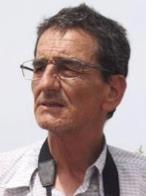 Jaime Potti合作论文数Department of Evolutionary Ecology, Estacion Biologica de Donana7
 C. (Christiaan) Both合作论文数Faculty of Science and Engineering, University of Groningen;Groningen Institute for Evolutionary Life Sciences, University of Groningen7
 Alexander V. Artemyev合作论文数Karelian Research Centre6
 Indrikis Krams合作论文数Institute of Systematic Biology;University of Daugavpils;Institute of Systematic Biology, University of Daugavpils6
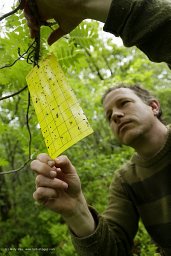 Malcolm Burgess合作论文数University of Queensland6
 Eugen Belskii合作论文数6Pauli Saag合作论文数6Raphaël Bussière合作论文数5Theodoros Kominos合作论文数5
 Fabio Pruscini合作论文数5Nikos Bukas合作论文数5Antonia Galanaki合作论文数5Miroslav Král合作论文数5
 Paivi Sirkia合作论文数Department of Biology, University of Turku5
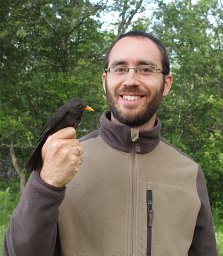 Ibáñez-Álamo Juan Diego合作论文数Dept Zool, Univ Granada5
 Markó Gábor合作论文数Behavioural Ecology Group, Eötvös Loránd University5
 Federico Morelli合作论文数Faculty of Environmental Sciences, Czech University of Life Sciences Prague;Bournemouth University;University of Zielona Gora5
 Yanina Benedetti合作论文数Faculty of Environmental Sciences, Department of Applied Geoinformatics and Spatial Planning, Czech University of Life Sciences Prague5
 Piotr Tryjanowski合作论文数Institute of Zoology, Poznan University of Life Sciences5
 Mario Díaz合作论文数The National Museum of Natural Sciences5
 Juan C. Moreno Sastoque合作论文数Neural Rehabilitation Group, CSIC;Instituto Cajal, CSIC5
 Andreas Nord合作论文数Department of Animal Ecology, Lund University5Stanislav Bureš合作论文数5Jukka Suhonen合作论文数Department of Computer Systems, Tampere University of Technology5
 Jiri Reif合作论文数5
 Peter Adamik合作论文数Museum of Natural History5Marja-Liisa Kaisanlahti-Jokimaki合作论文数4
 Olaf Ciebiera合作论文数4
 Vladimir Grinkov合作论文数4
 Jukka Jokimaki合作论文数Arctic Centre, University of Lapland4
 Helene Marie Lampe合作论文数4
 Leszek Jerzak合作论文数Faculty of Biological Sciences, University of Zielona Góra4
 Anders Pape Møller合作论文数French National Centre for Scientific Research4
 Marcel Visser合作论文数Department of Animal Ecology, Netherlands Institute of Ecology;Faculty of Science and Engineering, University of Groningen3
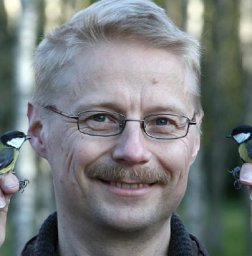 Tapio Eeva合作论文数Section of Ecology, University of Turku3
 Leonid V Sokolov合作论文数Russian Academy of Sciences Institute of Semiconductor Physics3
 Blandine Doligez合作论文数3
 Jukka T. Forsman合作论文数Department of Biology;, University of Oulu;Department of Biology|, University of Oulu3Elena Ivankina合作论文数2
 Kaisa Telve合作论文数2elo rasmann合作论文数2Anvar B. Kerimov合作论文数2
 David Moravec合作论文数Faculty of Environmental Sciences, Czech University of Life Sciences Prague2




