1036 Background: Activating PIK3CA mutations are established oncogenic drivers and predictive biomarkers in MBC. In contrast, PIK3CA amplifications are rare, poorly characterized, and of unclear clinical significance. Tissue-based studies report a prevalence of 1–7%, but their detection and relevance in ctDNA are largely unexplored. Moreover, whether amplifications interact with co-occurring mutations to define a distinct high-risk subset is unknown. We therefore aimed to characterize the impact of PIK3CA amplifications detected in ctDNA through a multi-institutional cohort of patients (pts) with MBC. Methods: This retrospective study analyzed a multi-institutional cohort of 1579 pts with MBC and baseline ctDNA testing with the Guardant360 NGS panel within a large academic consortium (PMAC). Hormone Receptor positivity (HR+) and HER2 status were defined based on the most recent biopsy. Associations between SNVs, CNVs, and clinical characteristics were assessed using multivariable logistic regression. The impact of prognosis, adjusted for the number of prior treatment lines, was evaluated through Cox regression for overall survival (OS), defined from time of baseline ctDNA collection. Results: Among 1,579 pts, 1,121 (71%) were HR+/HER2–, 214 (13.5%) HER2+, and 244 (15.5%) had triple-negative breast cancer (TNBC). PIK3CA CNVs were detected in 7.7% of pts, and 44.7% harbored a concomitant PIK3CA SNVs. PIK3CA CNVs were significantly enriched in TNBC compared with other subtypes (Odds Ratio [OR] 2.02, p=0.011). In the overall population, PIK3CA CNVs were associated with significantly worse OS (HR 2.46, p<0.001), an effect observed across all subtypes, including HR+/HER2– (HR 2.21, p<0.001), HER2+ (HR 5.23, p<0.001), and TNBC (HR 1.81, p=0.018). In multivariable analysis, PIK3CA CNVs remained independently associated with inferior OS in the overall cohort (HR 1.61, p=0.015) and in HR+/HER2– disease (HR 1.38, p=0.048). Notably, the coexistence of a PIK3CA CNV and mutation identified a subset with particularly poor prognosis. Compared with patients harboring PIK3CA SNVs alone, those with concurrent SNVs and CNVs had significantly worse OS in the overall population (HR 1.80, p=0.002), in HR+/HER2– disease (HR 1.51, p=0.037), and in TNBC (HR 5.72, p<0.001). Conclusions: PIK3CA amplifications detected in ctDNA are relatively frequent in MBC and are associated with significantly worse survival across molecular subtypes. The coexistence of PIK3CA amplification and mutation identifies a distinct high-risk subset with particularly poor prognosis, beyond the effect of mutations alone. Further mechanistic understanding and real-world outcome analyses are needed to determine whether PIK3CA amplifications, alone or in combination with mutations, have predictive relevance for response or resistance to PI3K-pathway inhibitors.
TPS648 Background: The monarchE and NATALEE trials showed that the addition of a CDK4/6 inhibitor (CDK4/6i; abemaciclib or ribociclib) to adjuvant endocrine therapy (ET) improves invasive disease-free survival (iDFS) in patients with ER+/HER2- high-risk and high-intermediate risk early breast cancer (eBC), including those with node-positive disease and select high-risk node negative tumors. However, the absolute benefit was modest (monarchE: 6.4% at 4 years; NATALEE: 3.3% at 3 years) suggesting that while a subset of patients derive benefit, many high-risk patients will not recur following ET alone. Improved strategies are needed to more precisely identify patients most likely to benefit from adjuvant CDK4/6i. Circulating tumor DNA (ctDNA) is an established biomarker of molecular residual disease (MRD) in eBC; its detection is associated with a significant risk of recurrence, and lack of detection with highly sensitive assays is associated with excellent prognosis. The SIGNAL-ER-101 trial evaluates whether tumor informed ctDNA detection during post-surgical adjuvant therapy can identify ER+/HER2- patients at highest risk of recurrence who are most likely to benefit from the addition of a CDK4/6i to standard-of-care (SOC) adjuvant ET and avoid overtreatment in patients who are likely to benefit with ET alone. Methods: SIGNAL-ER-101 is a Natera-sponsored prospective, open-label, single-arm, multicenter phase II treat-on-MRD study that aims to enroll 725 patients with intermediate-risk, stage II ER+/HER2- eBC who have undergone surgical resection and have no prior exposure to a CDK4/6i. Patients will be enrolled before receipt of any planned chemotherapy and/or radiation and within 6 months of initiating ET. Personalized, tumor-informed ctDNA testing will be performed using the Signatera Genome assay (Natera, Inc.), developed from archived tumor tissue and matched normal DNA to detect tumor-specific variants in plasma. Patients who are ctDNA-positive at baseline will be initiated on adjuvant CDK4/6i (ribociclib or abemaciclib) plus ET for a minimum of two years. Patients who are ctDNA-negative will receive ET alone and undergo MRD surveillance with ctDNA testing every three months. Upon detection of ctDNA during surveillance, patients will undergo staging scans to exclude distant metastatic disease prior to the addition of CDK4/6i therapy to ET. Selection of the specific CDK4/6i and ET will be at the discretion of the treating physician based on available SOC adjuvant therapy options. Patients will be followed for up to nine years to assess outcomes, including the study primary endpoint (iDFS) and key secondary endpoints (e.g., overall survival). The primary endpoint will be met if 4-year IDFS is non-inferior to that from NATALEE (3% non-inferiority margin: 93.9% vs 90.9%), aiming to evaluate whether ctDNA-guided treatment preserves efficacy while reducing over-treatment. Recruitment is expected to begin in March 2026. Clinical trial information: NCT07214532 .
GATA3 mutations are among the most common alterations in hormone receptor-positive (HR+) breast cancer (BC), yet these have no targeted therapies. MDM2 is an E3 ubiquitin ligase that targets p53 for degradation, and pre-clinical data suggests MDM2 inhibition may effectively treat GATA3mut HR+ BC. The GATA3 co-mutational landscape has been described only in primary BC tissue, and the mechanism of MDM2-driven efficacy is incompletely understood. Circulating tumor DNA (ctDNA) was assessed for GATA3 mutations via targeted sequencing. Associations with co-alterations and clinical/pathologic factors were estimated using Pearson's chi-squared test, two-sample Wilcoxon rank-sum, and multivariable logistic regression. Impact on survival was analyzed using multivariable Cox regression analysis. Tissue-based data from the Clinical Proteomic Tumor Analysis Consortium (CPTAC) database was evaluated for expression and phosphorylation of GATA3 and associated proteins. Among 609 patients with HR + /HER2− MBC, ctDNA detected non-synonymous GATA3 variants ctDNA in 69 (11
Background: Invasive lobular carcinoma (ILC) comprises 10-15% of all breast cancers (BC), predominantly presenting as low grade and hormone receptor positive (HRpos). Triple-negative ILC (TN-ILC) is rare, accounting for approximately 2% of all triple-negative BC (TNBC) and 0.1% of all BC. Due to its rarity, TN-ILC is poorly understood and lacks well-established treatment standards. This study aims to investigate the genomic characteristics of TN-ILC through circulating tumor DNA (ctDNA) profiling within a large multi-center consortium. Methods: The study analyzed a retrospective cohort of 750 patients (pts) with HER2 negative metastatic BC with ctDNA testing using the Guardant360 NGS panel within a large multicenter academic consortium. HR and HER2 status were defined based on the most recent biopsy. Associations across single nucleotide and copy number variations (SNVs and CNVs), histology, and HR status were tested by multinomial logistic regression in terms of Relative Risk Ratio (RRR), adjusting for significant clinical characteristics (i.e., lines of treatment, metastatic sites). Oncogenic pathway analysis was defined based on Sanchez-Vega F et al, Cell. 2018. Prognosis was analyzed for overall survival (OS) defined from the time of ctDNA collection. Results: Among the 750 pts analyzed, the cohort consisted of TN-ILC (N:16, 2%), HRpos-ILC (N:91, 12%), TN-invasive ductal carcinoma (IDC) (N:186, 25%), and HRpos-IDC (N:457, 61%). In TN-ILC, the most frequently altered genes were PIK3CA (50%), TP53 (44%), ERBB2 (25%), and CDH1 (25%). Less frequent alterations included BRAF, ALK, ARID1A, MET, RB1, and SMAD4, each occurring in 12-19% of cases. PIK3CA (48%) and TP53 (39%) had a similar alteration frequency in HRpos-ILC, and ESR1alterations were also common (36%). Multivariable multinomial logistic regression, designed with TN-IDC as reference, investigated differences in oncogenic pathway alterations across histologies and subtypes. In TN-ILC, a significant association was observed for RAS SNVs (RRR = 7.9, p = 0.038) and PI3K SNVs (RRR = 4.32, P = 0.015). In HRpos-ILC, cell cycle CNVs (RRR = 0.3, P = 0.013) and P53 SNVs (RRR = 0.26, P < 0.001) had a significantly lower prevalence than in TN-IDC, while RAS SNVs (RRR = 4.94, P = 0.022) and PI3K SNVs (RRR = 2.6, P = 0.003) were more common. Single gene alterations were investigated across significantly altered pathways. PIK3CA SNVs were more common in TN-ILC (50%) compared to TN-IDC (16%), but similar in frequency to HRpos-ILC (42%) (P<0.001). PTEN SNVs were higher in HRpos-ILC (11%) than in TN-IDC and TN-ILC (respectively 0% and 6%). KRAS SNVs were more represented in HRpos- and TN-ILC (respectively 6% and 8%), with respect to TN-IDC (1%) (P= 0.017). TP53 SNVs were significantly more detected in TN-IDC (68%) than in HRpos and TN-ILC (respectively 44% and 35%, P<0.001). A similarly unfavorable outcome was observed for TN-ILC and TN-IDC (median OS 12 and 13 months, respectively), compared to their HRpos counterparts (median OS 31 and 33 months, respectively) (P<0.001). Conclusions: Our study highlights distinct genomic features of triple-negative ILC detectable through ctDNA. These findings reinforce the need for improved understanding of TN-ILC to define personalized treatment options for this aggressive and rare subtype. Citation Format: Lorenzo Gerratana,Andrew A. Davis, Lorenzo Foffano, Carolina Reduzzi, Emily Podany, Arielle J. Medford, Marko Velimirovic, Katherine Clifton, Annika Putur, Laura Munoz-Arcos, Letizia Pontolillo, Rachel O Abelman, Caterina Gianni, Shaili Tapiavala, Elisabetta Molteni, Marla D Lipsyc-Sharf, Eleonora Nicolò, Eleni Andreopoulou, William J Gradishar, Fabio Puglisi, Cynthia X. Ma, Aditya Bardia, Massimo Cristofanilli. Differential ctDNA-based genomic features of Triple-Negative Metastatic Lobular Breast carcinoma: insights into a rare and poorly understood disease [abstract]. In: Proceedings of the San Antonio Breast Cancer Symposium 2024; 2024 Dec 10-13; San Antonio, TX. Philadelphia (PA): AACR; Clin Cancer Res 2025;31(12 Suppl):Abstract nr P1-05-16.
Background: Prior studies have shown that Black patients (pts) are more likely to present with de novo metastatic breast cancer (mBC) compared to White pts and have worse survival outcomes. Our prior research demonstrated some somatic differences in circulating tumor DNA (ctDNA) mutation profiles between Black and White pts with mBC (Podany et al., SABCS 2023). However, there remains a research gap in exploring somatic differences between Black and White pts with de novo versus recurrent mBC. Methods: This retrospective cohort study included pts with mBC who underwent genomic profiling using the commercially available Guardant360 ctDNA assay. All pts were treated at Washington University in St. Louis, Massachusetts General Hospital, or Northwestern University. Race was pt reported and ancestry data were not available. Clinical and pathologic data were obtained through electronic medical record review. We performed descriptive analysis of clinical variables and pathway variants in Black and White pts with de novo mBC, then performed univariate, multivariate, and multinomial analyses to evaluate single gene mutations and pathway variants within the entire cohort and the estrogen receptor positive, HER2 negative (ER+/HER2-) subpopulation. We then performed a logistic regression to determine clinical and genomic differences between Black pts with de novo mBC versus recurrent mBC. Results: 274 of 1134 pts (24.2%) had de novo mBC in the overall cohort, 33 of whom self-identified as Black (12.0%) and 210 as White (76.6%). 26.2% of pts had ctDNA collection prior to any therapy, 24.0% after 1st line therapy, and the remaining pts after 2 or more lines of therapy. In the ER+/HER2- population, there were 193 pts (193/855, 22.6%) with de novo mBC, of whom 29 were Black (15.0%). ctDNA results from Black pts with de novo mBC showed a higher frequency of CCND1 copy number variants (cnv) (OR 4.08, CI 1.49-11.15, p=0.006) and GATA3 single nucleotide variants (snv) (OR 3.11, CI 1.10-8.78, p=0.032) on univariate analysis when compared to White pts with de novo mBC. The CCND1 cnv remained significant (OR 3.64, CI 1.30-10.17, p=0.014) on multivariate analysis, controlled for lines of therapy. Black pts with de novo mBC also had a higher frequency of mutations within the cell cycle pathway (OR 2.59, CI 1.15-5.83, p=0.022). On multivariate analysis within the ER+/HER2- cohort, Black pts with de novo mBC were more likely to have nodal metastases (OR 2.63, CI 1.07-6.44, p=0.035), GATA3 snv (OR 3.99, CI 1.23-12.95, p=0.021), CCND1 cnv (OR 3.91, CI 1.21-12.63, p=0.023), and cell cycle pathway mutations (OR 3.19, CI 1.17-8.71, p=0.023) when compared to White pts with ER+/HER2- de novo mBC. When compared to Black pts with recurrent mBC, Black pts with de novo mBC were significantly more likely to have cell cycle pathway mutations (OR 2.71, CI 1.03-7.13, p=0.044) and less likely to have lung metastases (OR 0.33, CI 0.12-0.90, p=0.030). We observed consistent results when performing multinomial analysis comparing de novo versus recurrent mBC across Black and White pts. Discussion: Our findings in this large multi-institutional clinical genomic ctDNA database demonstrate that GATA3 snv, CCND1 cnv, and cell cycle pathway alterations were more common in Black versus White pts with de novo ER+/HER2- mBC, all of which have been associated with more aggressive tumor biology. Moreover, in Black patients, cell cycle pathway alterations were more common in de novo versus recurrent mBC. These differences in tumor genomics may partially explain outcome inequities between Black and White pts, and we are further exploring these findings in the context of social determinants of health. Citation Format: Emily Podany, Lorenzo Foffano, Arielle J. Medford, Lorenzo Gerratana, Katherine Clifton, Shaili Tapiavala, Marko Velimirovic, Marla Lipsyc-Sharf, Carolina Reduzzi, Annika Putur, Letizia Pontolillo, Foluso O. Ademuyiwa, Fabio Puglisi, William J. Gradishar, Cynthia X. Ma, Aditya Bardia, Massimo Cristofanilli, Andrew A. Davis. Evaluating racial genomic differences in de novo metastatic breast cancer utilizing ctDNA: results from a large multi-center consortium [abstract]. In: Proceedings of the San Antonio Breast Cancer Symposium 2024; 2024 Dec 10-13; San Antonio, TX. Philadelphia (PA): AACR; Clin Cancer Res 2025;31(12 Suppl):Abstract nr PS9-04.
Importance Black patients with metastatic breast cancer (mBC) have higher mortality rates than White patients despite advances in treatment. Objectives To examine whether Black patients with metastatic breast cancer have different genomic profiles compared with White patients and whether there are inequities in targeted treatment use between these groups. Design, Setting, and Participants This retrospective, population-based cohort study assessed adult patients with mBC who underwent genomic profiling at academic institutions in the US between January 1, 2015, and December 31, 2023. Data analysis was performed between July 2023 and July 2024. A validation cohort was also included. Exposures Targeted treatment use. Main Outcomes and Measures The main outcomes were differences in circulating tumor DNA profiles and use of phosphoinositide 3-kinase (PI3K), mammalian target of rapamycin (mTOR), and cyclin-dependent kinase 4/6 (CDK4/6) inhibitors between Black and White patients with metastatic breast cancer. Results The study sample included 1327 women with mBC (mean [SD] age, 58.0 [12.8] years; 140 Black and 1057 White). Black patients had a significantly higher rate of GATA3 single-nucleotide variants (odds ratio, 2.31; 95% CI, 1.17-4.54; P = .02) and CCND2 copy number variants (odds ratio, 4.63; 95% CI, 1.79-11.97; P = .002) on multivariate analysis. These differences were validated in a population-based evidence cohort of 27 224 patients. Black patients with PIK3CA single-nucleotide variants were significantly less likely to receive PI3K inhibitors than White patients (1 of 17 [5.9%] vs 45 of 156 [28.8%]; P = .04), whereas there was no difference in use of CDK4/6 and mTOR inhibitors, which do not require a targetable alteration. Black patients had a shorter overall survival from the time of circulating tumor DNA testing compared with White patients. Conclusions and Relevance This cohort study of patients with mBC found somatic differences, shorter overall survival, and targeted treatment disparities in PI3K inhibitor use in Black compared with White patients despite equal incidence of PIK3CA alterations. Researchers should consider these differences when designing future research and interventions to address the striking and persistent outcomes gap between Black and White patients with mBC.
Supplemental Figure 2. Interaction between HER2-low status and oncogenic pathways on overall survival.
Cyclin-dependent kinase 4/6 inhibitors (CDK4/6i) plus endocrine therapy (ET) are the mainstay of treatment for hormone receptor positive, HER2 negative (HR + /HER2−) metastatic breast cancer (MBC). However, disease progression is inevitable and unveiling resistance mechanisms is crucial to guide post-CDK4/6i therapeutic strategies. In this study, we retrospectively analyzed a real-world, multi-institutional cohort of patients with HR + /HER2- MBC characterized by circulating tumor DNA (ctDNA) through next-generation sequencing (NGS) before starting second-line treatment. Among 93 patients previously treated with CDK4/6i, PIK3CA (37.6
Background: Detecting minimal residual disease (MRD) in the adjuvant setting can help identify patients (pts) with early breast cancer (EBC) at a higher risk of recurrence. Circulating tumor DNA (ctDNA)-based MRD detection is strongly associated with recurrence. Typically, MRD tests require prior knowledge of the tissue genetic alterations. However, obtaining tissue samples can be challenging. This multi-institution retrospective analysis investigates the impact of a plasma-only genetic and epigenetic ctDNA testing on the care of pts with EBC. Methods: Our retrospective study included 73 pts with stage I-III EBC who had MRD testing after curative-intent treatment between 09/2022 - 06/2024 at Weill Cornell Medicine (New York) and University of California Los Angeles (Los Angeles, CA). ctDNA evaluation was performed using the Guardant Reveal® (GR) tissue-free assay (Guardant Health, Redwood City, CA), a next-generation sequencing panel. ctDNA presence was determined by a custom bioinformatics classifier identifying tumor-derived variants and epigenetic methylation profiles. All tests were ordered in the real-world clinical setting, and data were gathered through a retrospective review of electronic medical records with appropriate IRB approval. A descriptive analysis was performed. Results: By 06/2024, 73 EBC pts had plasma-only ctDNA testing for MRD monitoring post-surgery. At diagnosis 22% were stage I, 53% were stage II and 21% of pts were stage III. Tumor subtypes included HR+/HER2- (44; 60%), HR-/HER2- (11; 15%), HER2+ (17; 24%), 1 case was unknown. Fifty-five pts (75%) had received neo/adjuvant chemotherapy. Among these, 10 pts had pathological complete response. At the time of the analysis, 49 pts were still receiving adjuvant therapy. The median recurrence free survival (RFS) since surgery was 22.5 months (interquartile range [IQR] 13.3-36.8). With a median follow-up of 2.2 years (IQR, 1.6-3.2) since diagnosis, 6 pts had a distant recurrence. Among them, 3 were HR+/HER2-, 2 were HR-/HER2- and 1 was HER2+ EBC. From 09/2022 to 06/2024, 124 GR tests were performed, with a median of one test (IQR 1-2) per patient. Thirty-nine pts (53%) had one GR test, while 47% had ≥2 tests. The median time between subsequent tests was 119 days (IQR, 93-200). 16 tests (13%) were positive, with 10 pts having at least one GR+ result over a median time of 7 months (IQR 2.7-12.1) from first testing to last follow-up. The first GR test was ordered after a median time from surgery of 13.8 months (IQR 7.0-50.5). Five out of 6 relapses were preceded by MRD+ testing, except for one patient that developed a solitary brain lesion. Pts with ctDNA+ had a primary EBC stage II or III (7 and 2, respectively, 1 unknown). In 7/10 pts, after a first ctDNA+ result, an imaging scan was planned with detection of distant asymptomatic disease recurrence in 3 cases. In 3/10 patients, a follow-up test after 3 months led to further scans and detection of 2 additional relapses. At the time of the analysis 5 patients MRD+ were free of detectable metastases (clinically or radiologically). Overall, ctDNA detection was the only prognostic factor for RFS (p <.001). These data estimate a negative predictive value of 98.4% and a positive predictive value of 50% for this GR test, with a related sensitivity and specificity of 83.3% and 92.5%, respectively. Conclusions: Our analysis suggests the utility of a tissue-free ctDNA assay in diagnosing minimal residual disease. This could have clinical implications by enabling earlier diagnosis and possibly intervention to delay or prevent metastatic recurrence. We confirm prior studies showing high specificity for recurrence detection with multi-omic plasma-only MRD testing. Sensitivity limitations may be due to the small sample size and short follow-up. These findings warrant further study in larger cohorts and future clinical trials. Citation Format: Caterina Gianni, Eleonora Nicolo’, Marla Lipsyc-Sharf, Brian DiCarlo, Eleni Andreopoulou, Ashley Schreier, Jeannine Donahue, Letizia Pontolillo, Laura S. Muñoz-Arcos, Mara Serena Serafini, Elisabetta Molteni, Nadia Bayou, Kelly Eng, Amanda Kaylan Strickland, Marko Velimirovic, Lorenzo Gerratana, Andrew A. Davis, Arielle Medford, Olivier Elemento, Aditya Bardia, Ugo De Giorgi, Carolina Reduzzi, Massimo Cristofanilli. Clinical impact of MRD detection via ctDNA tumor-agnostic assay in early-stage breast cancer patients: a real-world experience [abstract]. In: Proceedings of the San Antonio Breast Cancer Symposium 2024; 2024 Dec 10-13; San Antonio, TX. Philadelphia (PA): AACR; Clin Cancer Res 2025;31(12 Suppl):Abstract nr P4-01-19.
Supplemental Figure 3. Interaction between HER2-positive status and oncogenic pathways on overall survival.
The study explored endocrine resistance by leveraging machine learning to establish the prognostic stratification of predicted Circulating tumor cells (CTCs), assessing its integration with circulating tumor DNA (ctDNA) features and contextually evaluate the potential of CTCs-based transcriptomics. 1,118 patients with a diagnosis of luminal-like Metastatic Breast Cancer (MBC) were characterized for ctDNA through NGS before treatment start, predicted CTCs were computed through a K nearest neighbor algorithm. Differences across subgroups were analyzed through chi square or Fisher’s exact test according to sample size and corrected for False Discovery Rate. Differences in survival were tested by log-rank test and uni- and multivariable Cox regression. CTCs transcriptomics was performed through RNAseq after sorting with DEPArray NxT. Univariable and multivariable analysis adjusted for ctDNA alterations revealed a significant impact of CTCs predictive stratification on both progression-free survival (PFS) and overall survival (OS). Alterations in RTK and ER pathways were significantly correlated with predicted-Stage IVaggressive. The combined impact of CTCs stratification and RTK/ER pathway alterations influenced patient outcomes, with predicted-Stage IVaggressive having a negative impact on PFS regardless of the mutational status. The pilot exploratory CTCs transcriptomics analysis showed transcriptional changes linked to cell proliferation such as under expression of MALAT1 and overexpression of GREM1, GPR85 and OCM. Our data underline the potential of an integration between ctDNA and CTCs, both through quantification and transcriptomic analysis, for a deeper understanding of tumor biology and treatment response in HR-positive, HER2-negative MBC.
Supplemental Figure 1. Mutation distribution for the PIK3CA gene in the overall study population divided by HER2 status.
1072 Background: While the transition to a triple negative (TNBC)-like profile represents a recognized mechanism of treatment resistance for hormone receptor-positive, HER2-negative (HR+/HER2-) MBC, the molecular mechanisms of this phenomenon remain largely unknown. This analysis investigated the genomic and prognostic differences between HR+/HER2– and TNBC across treatment lines through ctDNA profiling analysis Methods: This retrospective study analyzed a multi-institutional cohort of 1071 patients (pts) with HER2 negative MBC and ctDNA testing with the Guardant360 NGS panel within a large academic consortium (PMAC). HR and HER2 status were defined based on the most recent biopsy, pts with ER-low profile (ER < 10% regardless of PR status) were excluded. Associations across single nucleotide and copy number variations (SNVs and CNVs), HR+/HER2– and TNBC subtypes across treatment lines were tested by multinomial logistic regression (MLR) in terms of Relative Risk Ratio (RRR). The impact of prognosis was evaluated through Cox regression for overall survival (OS), defined from time of baseline ctDNA collection. Results: There were 827 pts with HR+/HER2- MBC (77.2%) and 244 pts with TNBC (22.8%). Multivariable MLR, designed with first line HR+/HER2- as the reference, investigated genomic alterations across treatment lines. In second line, ESR1 SNVs (RRR 7.34, p < 0.001) and EGFR CNVs (RRR 0.15, p = 0.01) were significantly associated with HR+/HER2-, while TP53 SNVs had a higher prevalence in TNBC (RRR 2.71, p = 0.009). In third line, ESR1 SNVs were significantly enriched in HR+/HER2- (RRR 5.44, p < 0.001), while TP53 SNVs emerged for TNBC (RRR 5.26, p < 0.001). From fourth line onward (≥ 4L), ESR1 SNVs (RRR 8.09, p < 0.001), TP53 SNVs (RRR 1.81, p = 0.022) and PIK3CA CNVs (RRR 5.93, p = 0.003) showed higher prevalence in HR+/HER2- relative to first line HR+/HER2-, while TP53 SNVs were also associated with TNBC (RRR 10.43, p < 0.001). Compared to TNBC, HR+/HER2– had a favorable prognostic impact in terms of OS in first (HR 0.32, p < 0.001), second (HR 0.35, p < 0.001) and third line (HR 0.37, p < 0.001). However, in ≥ 4L, no significant differences emerged (HR 0.79, p = 0.282), with similar results observed with respect to TNBC across all lines (HR 1.01, p = 0.929). MYC CNVs had an unfavorable prognostic role for both HR+/HER2− ≥4L (HR 2.41, p = 0.004) and TNBC in all lines (HR 2.14, p = 0.014). Conclusions: Our study suggests a dynamic molecular evolution of HR+/HER2– MBC, with a progressive acquisition of molecular and prognostic features compatible with a TNBC-like profile and loss of endocrine sensitivity. These findings highlight the need for comprehensive biological characterization of this subtype across treatment lines to better understand its evolution under therapeutic pressure and consequently adapt treatments.
Background: Circulating tumor (ct) DNA testing is a standard of care approach to evaluate patients (pts) with advanced or metastatic breast cancer (BC) for the detection of resistant and actionable somatic (s) alterations. ctDNA testing could identify incidental germline (g) mutations. While the prognostic and predictive role of known gBRCA1/2 mutation is well established, the significance of sBRCA1/2 alterations is still debated. We aimed to establish a variant allele frequency (VAF) threshold to distinguish germline from somatic mutations and to explore the impact of BRCA1/2 alterations detected by ctDNA on survival outcomes. Methods: A retrospective multi-institutional cohort of pts with BC and at least one BRCA1/2 mutation detected by standard clinical ctDNA next-generation sequencing (Guardant 360®) for metastatic disease was included in the analysis. The incidence of BRCA1/2 mutation detected by ctDNA and germline testing was analyzed to assess VAF threshold to predict the likelihood of detecting germline mutations. Receiving operating characteristic (ROC) curves were generated to determine the VAF cut-off; differences in survival were tested using the log-rank test. Results: 294 pts were included in the analysis. BRCA1 and BRCA2 mutations were detected in 104 (35.4%) and 166 (56.5%) pts respectively, while 24 (8.2%) had a co-mutation in BRCA1 and BRCA2 genes. The median age at diagnosis was 50 years (interquartile range [IQR] 44-62), and family history of cancer was known for 45.9% of pts. The most represented subtype was hormone receptor positive/HER2 negative (HR+/HER2-) (70.4%), followed by triple negative (TN) (15.7%) and HER2 positive (13.9%). At the time of the first BRCA1/2 detection in ctDNA, bone (67.1%) and visceral (56.2%) sites were mainly involved. The mean VAF was 10.0% (standard deviation [SD] 19.7%, range 0.02%-84.3%) for BRCA1 and 12.1% (SD 20.1%, range 0.06%-80.3%) for BRCA2 alterations. The most co-mutated genes were TP53 (58.1%), PIK3CA (35.8%), EGFR (25.1%), ESR1 (23.7%), and ERBB2 (17.2%). The germline testing was available for 157 (53.4%) pts, detecting a gBRCA1 mutation in 16 (10.2%) pts and a gBRCA2 mutation in 37 (23.6%) pts. Comparing the ctDNA and germline testing, 13/16 pts had concordant BRCA1 mutation. In 3 discordant cases, only BRCA2 alteration with different VAF (0.30-80.1%) was detected by ctDNA. All pts with gBRCA2 mutations (37) also had a BRCA2 mutation in ctDNA. An optimal VAF cut-off of 38.4% (AUC 0.99) for BRCA1 and 16.1% (AUC 0.96) for BRCA2 was established as the threshold for the likelihood of a germline mutation detected by ctDNA analysis. For 18 pts with TNBC and 91 pts with HR+/HER2- BC, the detection of BRCA1/2 mutations was at the ctDNA baseline test, before starting a new treatment, with a median of 2 (range 0-9) previous lines of therapy. The median progression-free survival (mPFS) was 7.3 months (mos) (CI 3.9-10.7) for TNBC pts and 8.4 mos (CI 4.5-12.3) for HR+/HER2- pts; no significant survival differences were observed between BRCA1 and BRCA2 mutations. The 2-year overall survival (OS) rate was 69% and 78% in the TN and HR+/HER2- subgroups. Exploring the outcome according to therapy in the HR+/HER2- subgroup, no significant differences were assessed between chemotherapy, CDK4/6 inhibitors plus endocrine therapy, or PARP inhibitors, although a longer mPFS for the latter was observed (4.5 vs. 8.9 vs. 14 mos). Conclusions: The VAF cut-off identified for the likelihood of a germinal mutation detected by ctDNA resulted lower than expected, underlining the importance of a larger germline BC screening, with considerable impact on therapeutic decision making and germline testing of other family members. Further analysis to explore the interplay of different co-mutations with BRCA1/2 will be performed and validation in additional dataset is needed. Citation Format: Letizia Pontolillo, Carolina Reduzzi, Andrew A. Davis, Arielle J. Medford, Emily Podany, Lorenzo Gerratana, Annika Putur,, Surbhi Warrior, Caterina Gianni, Eleonora Nicolò, Katherine Clifton, Whitney L. Hensing, Marko Velimirovic, Laura Munoz-Arcos, Mara S. Serafini, Elisabetta Molteni, Marla Lipsyc-Sharf, Jeannine Donahue, Neelima Vidula, Nadia Bayou, Charles S. Dai, Jennifer C. Keenan, Amir Behdad, William J. Gradishar, Emilio Bria, Cynthia X. Ma, Diana Giannarelli, Aditya Bardia, Massimo Cristofanilli. BRCA1/2 alterations in circulating tumor DNA: correlation with germline origin and impact on survival in breast cancer [abstract]. In: Proceedings of the San Antonio Breast Cancer Symposium 2024; 2024 Dec 10-13; San Antonio, TX. Philadelphia (PA): AACR; Clin Cancer Res 2025;31(12 Suppl):Abstract nr P2-05-21.
Cyclin-dependent kinase 4/6 inhibitors (CDK4/6i) plus endocrine therapy (ET) are the mainstay of treatment for hormone receptor positive, HER2 negative (HR + /HER2-) metastatic breast cancer (MBC). However, disease progression is inevitable and unveiling resistance mechanisms is crucial to guide post-CDK4/6i therapeutic strategies. In this study, we retrospectively analyzed a real-world, multi-institutional cohort of patients with HR + /HER2- MBC characterized by circulating tumor DNA (ctDNA) through next-generation sequencing (NGS) before starting second-line treatment. Among 93 patients previously treated with CDK4/6i, PIK3CA (37.6%), ESR1 (46.2%) and TP53 (31.2%) were the most altered genes. Comparing with a CDK4/6i plus ET na & iuml;ve control cohort, ESR1 (p < 0.001) was significantly associated with first-line exposure. In multivariable analyses, PTEN alterations were independently associated with shorter progression free survival (PFS) (p = 0.008) and overall survival (OS) (p = 0.006), while TP53 (p = 0.031), CCDN1 (p = 0.003) and the ET second-line clinician's choice (p = 0.011) impacted the OS. Moreover, a low-mutant allele frequency was correlated to longer PFS (p = 0.017) and OS (p = 0.038). These findings highlight the prognostic relevance of specific molecular alterations and support the role of genomic profiling in guiding second-line treatment decisions after CDK4/6i therapy. Prospective validation is warranted to confirm the clinical utility of this approach in HR + /HER2 - MBC.
Abstract Background: Despite how commonly synonymous mutations (SYN) and unknown significance (VUS) are detected in tissue and circulating tumor DNA (ctDNA) next-generation sequencing (NGS), the potential for these somatic changes to impact personalized approaches in metastatic breast cancer (MBC) is unclear. Emerging evidence suggests that SYN mutations may play a role in cancer biology through changes in mRNA stability, splicing, and gene expression. The aim of this study was to characterize SYN and VUS in a large multicenter consortium and to analyze their interplay with pathogenic variants (PATH). Methods: The study retrospectively analyzed a multi-institutional cohort comprising 1189 patients with MBC characterized for ctDNA using NGS (Guardant360™, Guardant Health) before treatment start (BL) and at disease progression (PD). Pathway classification was defined based on prior research (Sanchez-Vega F et al, Cell. 2018). Single Nucleotide Variations (SNVs) were annotated for oncogenicity (OncoKB) and protein domain (UniProtKB). Associations between clinical characteristics and pathway classifications for SYN and VUS were explored by multinomial logistic regression; survival was tested through Cox regression in terms of overall survival (OS). Results: Hormone-receptor positive (HR+)/HER2 negative (luminal-like) was the most represented subtype (68.7%) followed by HER2-positive (14.6%), and triple-negative (TNBC) (16.7%). PATH were mainly detected in the TP53 DNA binding domain, ESR1 ligand binding domain, helical and catalytic domains of PIK3CA, SYN in the ligand binding domain of ESR1, MET Sema, KIT protein kinase domain, and FGFR1 Ig-like C2-type 1. In contrast, VUS were mainly found in the ESR1 ligand binding domain, MET Sema, ATM PI3K/PI4K catalytic domain, DDR2 Protein kinase and PIK3CA C2 PI3K-type. Analyzing pathways, after multivariable multinomial logistic regression, RAS SYN, PI3K and ESR PATH were significantly associated with HER2+ MBC (respectively RRR=4.14, P=0.046; RRR = 0.474, P < 0.001 and RRR = 0.306, P < 0.001). TNBC was associated with PATH PI3K (RRR = 0.366, P < 0.001), PATH P53 (RRR = 4.71, P < 0.001) and PATH RAS (RRR = 0.362, P = 0.026, 95% CI 0.147 - 0.888). In luminal-like MBC, a significant impact on OS was observed for SYN P53 (HR = 2.53, P = 0.008) and PATH ER (HR = 1.54, P < 0.001), PATH P53 (HR = 1.56, P < 0.001), PATH cell-cycle (HR = 1.64, P = 0.0299), and PATH RAS (HR = 1.62, P = 0.010). An impact on OS was observed in TNBC for SYN cell-cycle (HR = 5.41, P = 0.006), VUS ESR (HR = 2.87, P = 0.018), PATH P53 (HR = 1.84, P = 0.012) and PATH cell-cycle (HR = 5.07, P < 0.001). VUS MYC (HR = 38.5, P = 0.001) and PATH PI3K3 (HR = 2.32, P = 0.022) were significant among HER2 positive. Differences in SYN, VUS and PATH alterations were then compared between baseline and progressive disease. While a significant increase in mutant allele frequency (MAF) was observed for PATH (P=0.0010) and VUS (P=0.0152) at PD, no differences were highlighted for SYN (P=0.8362). Conclusions: In our cohort we characterized the MBC for PATH, VUS and SYN utilizing the ctDNA. In this study, considering the complex genomic landscape of MBC, we demonstrated that both SYN and VUS mutations had an impact on the survival outcome. Therefore, further analysis to validate the prognostic and predictive role of SYN and VUS, with or without PATH mutations, are needed to better characterize and monitoring of MBC through ctDNA. Moreover, functional studies are needed to better understand their role in the nuanced biology of MBC. Citation Format: Elisabetta Molteni, Carolina Reduzzi, Andrew Davis, Lorenzo Foffano, Arielle Medford, Katherine Clifton, Whitney L. Hensing, Marko Velimirovic, Ami N. Shah, Laura Munoz Arcos, Charles S. Dai, Jennifer C. Keenan, Elyssa Denault, William Gradishar, Giuseppe Damante, Amir Behdad, Lorenzo Gerratana, Fabio Puglisi, Cynthia Ma, Aditya Bardia, Massimo Cristofanilli. Integration of synonymous mutations and variants of unknown significance for basal and longitudinal characterization of metastatic breast cancer by circulating tumor DNA [abstract]. In: Proceedings of the 2023 San Antonio Breast Cancer Symposium; 2023 Dec 5-9; San Antonio, TX. Philadelphia (PA): AACR; Cancer Res 2024;84(9 Suppl):Abstract nr PO5-15-02.
 Lorenzo Gerratana合作论文数44
 Massimo Cristofanilli合作论文数Department of Medicine, Weill Cornell Medical College, Cornell University;Englander Institute of Precision Medicine, Weill Cornell Medicine, Cornell University;Meyer Cancer Center, Weill Cornell Medicine, Cornell University43
 Katherine Clifton合作论文数40
 Andrew A. Davis合作论文数38
 Carolina Reduzzi合作论文数Biomarkers Unit, Department of Experimental Oncology and Molecular Medicine.38Charles Dai合作论文数Massachusetts General Hospital33
 Cynthia Ma合作论文数33
 Aditya Bardia合作论文数Dana-Farber/Harvard Cancer Center32Whitney L. Hensing合作论文数27
 Amir Behdad合作论文数Hematology and Oncologys, Department of Medicine, Feinberg School of Medicine, Northwestern University26
 Nirali N. Shah合作论文数Center for Cancer Research, National Cancer Institute25
 Medford Arielle合作论文数23
 Fabio Puglisi合作论文数20
 Paolo D'Amico合作论文数Northwestern Univ, Chicago, IL 60611 USA18
 William J Gradishar合作论文数Division of Hematology and Oncology, Department of Medicine, Feinberg School of Medicine, Northwestern University;Robert H. Lurie Comprehensive Cancer Center, Northwestern University18Letizia Pontolillo合作论文数14Ademuyiwa Foluso O合作论文数12Seth A. Wander合作论文数12Elisabetta Molteni合作论文数11
 Jennifer C. Keenan合作论文数10
 Firas H Wehbe合作论文数Department of Preventive Medicine, Feinberg School of Medicine, Northwestern University10Zhang Qiang合作论文数10Eleonora Nicolò合作论文数9Lorenzo Foffano合作论文数8
 Jeannine Donahue合作论文数8Nusayba Bagegni合作论文数8Caterina Gianni合作论文数8
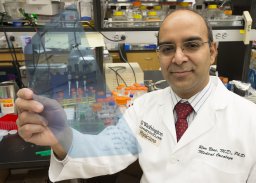 Ron Bose合作论文数Div Oncol, Washington Univ8
 Mateusz Opyrchal合作论文数Roswell Pk Comprehens Canc Ctr8
 Eleni Andreopoulou合作论文数Joan and Sanford I. Weill Department of Medicine, Weill Cornell Medicine, Cornell University8Laura Munoz Arcos合作论文数7
 Emilio Bria合作论文数Dipartimento di Medicina e Chirurgia Traslazionale, Faculty of Medicine and Surgery, Università Cattolica del Sacro Cuore7Elyssa Denault合作论文数6Emily L. Podany合作论文数6Andrew Davis合作论文数6Surbhi Warrior合作论文数5
 Mara Serena Serafini合作论文数5
 Giannarelli Diana合作论文数Clinical Trial Center, Istituti Fisioterapici Ospitalieri;Istituto Nazionale Tumori Regina Elena, Istituto Dermatologico San Gallicano, IFO5
 Eleonora Nicolo合作论文数4
 Spring Laura合作论文数Massachusetts General Hospital;Harvard Medical School4
 Leif Ellisen合作论文数Center for Cancer Research, Mass General Research Institute, Massachusetts General Hospital;Harvard Medical School4Bruce A. Chabner合作论文数4Shaili Tapiavala合作论文数3Annika Putur合作论文数3Leslie Bucheit合作论文数3Whitney L Hensing合作论文数3Lesli A Kiedrowski合作论文数Guardant Hlth, Redwood City, CA USA3




