Purpose To report the results of the Trans Tasman Radiation Oncology Group randomized phase III trial designed to determine whether the addition of concurrent chemotherapy to postoperative radiotherapy (CRT) improved locoregional control in patients with high-risk cutaneous squamous cell carcinoma of the head and neck. Patients and Methods The primary objective was to determine whether there was a difference in freedom from locoregional relapse (FFLRR) between 60 or 66 Gy (6 to 6.5 weeks) with or without weekly carboplatin (area under the curve 2) after resection of gross disease. Secondary efficacy objectives were to compare disease-free survival and overall survival. Results Three hundred twenty-one patients were randomly assigned, with 310 patients commencing allocated treatment (radiotherapy [RT] alone, n = 157; CRT, n = 153). Two hundred thirty-eight patients (77%) had high-risk nodal disease, 59 (19%) had high-risk primary or in-transit disease, and 13 (4%) had both. Median follow-up was 60 months. Median RT dose was 60 Gy, with 84% of patients randomly assigned to CRT completing six cycles of carboplatin. The 2- and 5-year FFLRR rates were 88% (95% CI, 83% to 93%) and 83% (95% CI, 77% to 90%), respectively, for RT and 89% (95% CI, 84% to 94%) and 87% (95% CI, 81% to 93%; hazard ratio, 0.84; 95% CI, 0.46 to 1.55; P = .58), respectively, for CRT. There were no significant differences in disease-free or overall survival. Locoregional failure was the most common site of first treatment failure, with isolated distant metastases as the first site of failure seen in 7% of both arms. Treatment was well tolerated in both arms, with no observed enhancement of RT toxicity with carboplatin. Grade 3 or 4 late toxicities were infrequent. Conclusion Although surgery and postoperative RT provided excellent FFLRR, there was no observed benefit with the addition of weekly carboplatin.
BACKGROUND/AIMS:We sought to determine factors associated with the overall survival from relapse (OSR) of acute myeloid leukaemia (AML) after allogeneic haemopoietic stem cell transplantation (alloHSCT) and the effect of first salvage therapy and subsequent graft-versus-host disease (GVHD) on OSR.METHODS:Data on 386 patients from nine Australian centres with relapsed AML post-alloHSCT were collected retrospectively. OSR was calculated using the Kaplan-Meier method. Univariate and multivariate analyses were conducted using the log-rank test and proportional hazards modelling, respectively and a prognostic index for OSR was derived from multivariate modelling.RESULTS:On multivariate analysis, relapse within 6 months (hazard ratio (HR) 2.4, P < 0.001) and grade 3-4 acute GVHD preceding relapse (HR 2.0, P = 0.004), were associated with inferior OSR. Patients with 1-2 factors had inferior OSR compared to those with zero factors (all patients: HR 2.3, P < 0.001, patients given salvage: HR 1.8, P < 0.001). The first salvage therapy used post-relapse was donor cell therapy (DCT) (second alloHSCT or donor lymphocyte infusion) in 75, re-induction chemotherapy (CT) in 103, radiotherapy in 8 and interferon-α in 6. Although re-induction CT death rate was low (2%), survival after CT was inferior to DCT (HR 1.9, P < 0.001). No survival benefit was seen for patients who developed GVHD following salvage therapy (P = 0.405).CONCLUSION:Patients with AML who relapse beyond 6 months from alloHSCT without prior grade 3-4 acute GVHD have a better outcome from salvage therapy. Salvage treatments employing DCT as the initial treatment of AML relapse confer a survival advantage over CT.
6008 Background: We report on the first multi-centre randomized phase III trial of post-operative radiotherapy (PORT) vs post-operative chemo-RT (CRT) in high-risk cutaneous squamous cell carcinoma of the head and neck (cSCCHN) (NCT00193895). Methods: The primary objective was to determine whether there was a freedom from loco-regional relapse (FLRR) difference between patients randomly assigned to 60-66Gy (6-6.5 weeks) with or without weekly carboplatin (AUC 2) following resection of gross disease. Patients were stratified to high-risk nodal (either extracapsular nodal extension, intra-parotid nodal disease of any size or number, cervical nodal disease with ≥2 nodes or largest node > 3cm) or high-risk primary (T3-T4 or in-transit metastases). Patients with both features were stratified to the high-risk nodal group. Secondary objectives included disease-free survival (DFS), overall survival (OS) and acute & late toxicity (CTCAE V3). Results: 321 patients were randomly assigned between 2005-2014, with 11 not commencing treatment protocol due to disease progression or withdrawal of consent. Of the 310 patients commencing treatment protocol (157 RT and 153 CRT), 230 (74%) had high-risk nodal, 70 (22%) high-risk primary and 10 (3%) both. Median follow up was 60 months, median RT dose was 60Gy and 85% randomised to CRT completed 6 cycles of carboplatin. The 2- & 5-year FLRR (95% CI) for the RT arm was 88% (83-93%)/83% (77-90%) and for CRT 89% (84-94%)/87% (81-93%) (HR 0.85; 95%CI [0.46-1.55]; p = 0.59). The 2- & 5 year DFS (95% CI) for the RT arm was 78% (72-85%)/67% (60-76%) and for CRT 83% (77-89%)/73% (66-81%) (HR 0.85; 95%CI [0.55-1.29]; p = 0.43). The 2- & 5 year OS (95% CI) for the RT arm was 88% (83-93%)/76% (69-84%) and for CRT 88% (83-94%)/79% (72-86%) (HR 0.95; 95%CI [0.58-1.57]; p = 0.84). 134 (43%) experienced Grade 3/4 skin toxicity; 49% RT, 37% CRT (p = 0.039). 12 (3.9%) experienced Grade 3/4 subcutaneous fibrosis; 2.5% RT, 5.2% CRT. Conclusions: While surgery and PORT provided excellent FLRR with acceptable toxicity, the addition of weekly carboplatin did not improve outcomes in high-risk cSCCHN. Clinical trial information: NCT00193895.
Thymoglobulin (TG) given with conditioning for allogeneic haematopoietic SCT (alloHSCT) is effective in reducing the risk of acute and chronic GVHD (cGVHD). Whether conventional risk factors for GVHD apply to TG-conditioned alloHSCT is unknown. We retrospectively studied 356 adults from three centres who received TG 4.5 mg/kg prior to alloHSCT for haematologic malignancy. Donors were unrelated in 64%. At 3 years, OS was 61% (95% confidence interval (CI) 55–67%), cumulative incidence of relapse was 28% (95% CI 23–33%) and non-relapse mortality was 19% (14–24%). The cumulative incidences of grade 2–4, and grade 3–4 acute GVHD were 23% (95% CI 19–28%) and 10% (95% CI 6–13%), respectively. The cumulative incidence of cGVHD requiring systemic immunosuppression (cGVHD-IS) at 3 years was 32% (95% CI 27–37%). On multivariate analysis, counterintuitively, recipient age over 40 was associated with a significantly decreased risk of cGVHD-IS (P=0.001). We report for the first time a paradoxical association of older age with reduced cGVHD in TG recipients, and conclude that traditional risk factors for GVHD may behave differently in the context of pre-transplant TG.
Glomerular filtration rate (GFR) can accurately be determined using 51Cr-ethylenediaminetetraacetic acid (EDTA) plasma clearance counting but is time-consuming and requires technical skills and equipment not always available in imaging departments. 68Ga-EDTA can be readily available using an onsite generator, and PET/CT enables both imaging of renal function and accurate camera-based quantitation of clearance of activity from blood and its appearance in the urine. This study aimed to assess agreement between 68Ga-EDTA GFR (68Ga-GFR) and 51Cr-EDTA GFR (51Cr-GFR), using serial plasma sampling and PET imaging. Methods: 68Ga-EDTA and 51Cr-EDTA were injected concurrently in 31 patients. Dynamic PET/CT encompassing the kidneys was acquired for 10 min followed by 3 sequential 3-min multibed step acquisitions from kidneys to bladder. PET quantification was performed using renal activity at 1–2 min (PETinitial), renal excretion at 2–10 min (PETearly), and, subsequently, urinary excretion into the collecting system and bladder (PETlate). Plasma sampling at 2, 3, and 4 h was performed, with 68Ga followed by 51Cr counting after positron decay. The level of agreement for GFR determination was calculated using a Bland–Altman plot and Pearson correlation coefficient (PCC). Results: 51Cr-GFR ranged from 10 to 220 mL/min (mean, 85 mL/min). There was good agreement between 68Ga-GFR and 51Cr-GFR using serial plasma sampling, with a Bland–Altman bias of −14 ± 20 mL/min and a PCC of 0.94 (95% confidence interval, 0.88–0.97). Of the 3 methods used for camera-based quantification, the strongest correlation was for plasma sampling–derived GFR with PETlate (PCC of 0.90; 95% confidence interval, 0.80–0.95). Conclusion: 68Ga-GFR agreed well with 51Cr-GFR for estimation of GFR using serial plasma counting. PET dynamic imaging provides a method to estimate GFR without plasma sampling, with the additional advantage of enabling renal imaging in a single study. Additional validation in a larger cohort is warranted to further assess utility.
Background Initial treatment of acute promyelocytic leukaemia traditionally involves tretinoin (all-trans retinoic acid) combined with anthracycline-based risk-adapted chemotherapy, with arsenic trioxide being the treatment of choice at relapse. To try to reduce the relapse rate, we combined arsenic trioxide with tretinoin and idarubicin in induction therapy, and used arsenic trioxide with tretinoin as consolidation therapy.Methods Patients with previously untreated genetically confirmed acute promyelocytic leukaemia were eligible for this study. Eligibilty also required Eastern Cooperative Oncology Group performance status 0-3, age older than 1 year, normal left ventricular ejection fraction, Q-Tc interval less than 500 ms, absence of serious comorbidity, and written informed consent. Patients with genetic variants of acute promyelocytic leukaemia (fusion of genes other than PML with RARA) were ineligible. Induction comprised 45 mg/m(2) oral tretinoin in four divided doses daily on days 1-36, 6-12 mg/m(2) intravenous idarubicin on days 2, 4, 6, and 8, adjusted for age, and 0.15 mg/kg intravenous arsenic trioxide once daily on days 9-36. Supportive therapy included blood products for protocol-specified haemostatic targets, and 1 mg/kg prednisone daily as prophylaxis against differentiation syndrome. Two consolidation cycles with tretinoin and arsenic trioxide were followed by maintenance therapy with oral tretinoin, 6-mercaptopurine, and methotrexate for 2 years. The primary endpoints of the study were freedom from relapse and early death (within 36 days of treatment start) and we assessed improvement compared with the 2 year interim results. To assess durability of remission we compared the primary endpoints and disease-free and overall survival at 5 years in APML4 with the 2 year interim APML4 data and the APML3 treatment protocol that excluded arsenic trioxide. This study is registered with the Australian New Zealand Clinical Trials Registry, number ACTRN12605000070639.Findings 124 patients were enrolled between Nov 10, 2004, and Sept 23, 2009, with data cutoff of March 15, 2012. Four (3%) patients died early. After a median follow-up of 4.2 years (IQR, 3.2-5.2), the 5 year freedom from relapse was 95% (95% CI 89-98), disease-free survival was 95% (89-98), event-free survival was 90% (83-94), and overall survival was 94% (89-97). The comparison with APML3 data showed that hazard ratios were 0.23 (95% CI 0.08-0.64, p=0.002) for freedom from relapse, 0.21 (0.07-0.59, p=0.001) for disease-free survival, 0.34 (0.16-0.69, p=0.002) for event-free survival, and 0.35 (0.14-0.91, p=0.02) for overall survival.Interpretation Incorporation of arsenic trioxide in initial therapy induction and consolidation for acute promyelocytic leukaemia reduced the risk of relapse when compared with historical controls. This improvement, together with a non-significant reduction in early deaths and absence of deaths in remission, translated into better event-free and overall survival.
Background: Prognostic information can rationalise clinical follow-up after radical cancer treatment. This retrospective cohort study of radical head and neck (chemo) radiotherapy patients examines the clinical safety and cost implications of stratifying follow-up intensity by post-treatment (18)FDG-PET-CT response.Methods: In 2008 clinical review after radical head and neck radiotherapy was reduced from 3- to 6-monthly for patients with complete (18)FDG-PET-CT response at 3 months. 184 patients treated after this change ("PET Stratified'', 2009-11) were compared to 178 patients treated before ("Standard'', 2005-7). Clinical safety was assessed by the time to detection of recurrence, overall survival and potential for radical treatment of recurrence. A hospital cost analysis was performed using individual patient data.Results: 127 of 178 Standard and 148 of 184 PET Stratified patients achieved complete response on post-treatment imaging. Baseline clinical characteristics were comparable. Median follow-up from response assessment was 4.8 years in the Standard cohort and 2.1 years for PET Stratified. PET Stratified patients had a mean 4.4 outpatient visits in 2 years, compared to 7.0 among Standard patients. Over 90% of patients remained free of recurrence at 2 years in both cohorts. Time to detection of recurrence was similar between two cohorts (HR1.05, 95% CI 0.45-2.52), as was overall survival (HR0.91, 95% CI 0.36-2.29). The proportion of radically treatable recurrences was also similar (42% Standard vs. 47% PET Stratified). The hospital cost savings per patient from reduced review were AUD$2606 over 2 years, AUD$5012 over five.Conclusion: (18)FDG-PET-CT to stratify follow-up intensity after radical radiotherapy for head and neck cancer reduces costs with no apparent clinical detriment. (C) 2015 Elsevier Ltd. All rights reserved.
BACKGROUND:Optimal therapy for men relapsing after initial chemotherapy for germ cell tumours (GCT) is poorly defined. Both conventional dose salvage regimens and high-dose chemotherapy with autologous stem cell transplantation (HDCT-ASCT) have been utilised.AIMS:To examine patients who received HDCT-ASCT for relapsed GCT within a single Australian centre.METHODS:Records between 2000 and 2012 were analysed for baseline characteristics, treatment-related toxicity and survival. Prognosis at the time of HDCT-ASCT was classified according to the International Prognostic Factors Study Group (IPFSG).RESULTS:Seventeen patients received HDCT-ASCT, median age 34 (21-46), with 41% having primary refractory disease and 53% with high/very high risk disease by IPFSG. The most common regimen utilised was paclitaxel/ifosfamide followed by high-dose carboplatin/etoposide (TI-CE; n = 12). The median duration of grade 4 (G4) neutropenia was 11 days (range 9-17) with febrile neutropenia in 90% resulting in four intensive care unit admissions (8%). Median duration of G4 thrombocytopenia was 10 days (range 8-19) requiring a median of two pooled platelets bags (range 0-33) per episode. Transplant-related mortality occurred in one patient (veno-occlusive disease). Twenty-seven per cent of HDCT-ASCT cycles were associated with grade 3 mucositis (median total parenteral nutrition days = 5 (0-23)). Two-year progression-free survival (PFS) and overall survival (OS) rates were 59% and 71%. Patients who received HDCT-ASCT as second or subsequent relapse fared worse than those treated with HDCT-ASCT at first relapse (hazard ratio 0.23 (95% confidence interval: 0.04, 1.37; P-value 0.09). Three-year OS for those who received TI-CE at first relapse was 90%.CONCLUSIONS:HDCT-ASCT for relapsed GCT is effective with acceptable toxicity. There was encouraging PFS/OS, particularly in a poor-prognosis cohort.
CDKN2A (p16) disruption is reported as a frequent event in head and neck squamous cell carcinomas that confers poor prognosis. We investigated the frequency of different potential mechanisms of CDKN2A inactivation in oral tongue squamous cell carcinomas (OTSCC) and their impact on patient outcome. From a cohort of 153 OTSCC patients, 131 formalin fixed paraffin embedded blocks of pre‐treatment primary tumours were suitable for further molecular analysis. We assessed CDKN2A (p16) levels by immunohistochemistry (IHC), promoter methylation status by methylation‐sensitive high resolution melting, mutation status by Sanger sequencing, gene copy number variation by fluorescence in situ hybridisation, and correlated these with patient outcome. We found that the majority of OTSCC did not overexpress p16 (110/116, 95%), assessed by IHC. The frequency of CDKN2A mutations was 20% (21/103), homozygous loss was 7% (7/97), hemizygous loss 31% (30/97), and promoter methylation was 18% (20/113). We found no evidence of these mechanisms in 24/106 (23%) p16 IHC negative tumours. No significant correlation was identified between any potential mechanism of CDKN2A inactivation and clinical features, including smoking status and age. There was a non‐significant trend for worse overall survival for p16 IHC negative patients versus positive patients (HR = 1.81, 95% CI = 0.44–7.47, p = 0.40). No relationship was found between mechanisms of CDKN2A disruption and patient outcome. In conclusion, we demonstrate that CDKN2A alteration is a frequent event in OTSCC tumourigenesis. However, no correlation was identified between different potential mechanisms of CDKN2A disruption and clinical characteristics or patient outcome.
We aimed to prospectively observe cellular metabolism and proliferation in patients with non-small-cell lung cancer (NSCLC) during radical chemoradiation therapy using serial PET/CT with F-18-FDG and 3'-deoxy-3'-F-18-fluorothymidine (F-18-FLT). Methods: Twenty patients with stage I-Ill NSCLC and candidates for radical chemoradiation therapy (60 Gy in 30 fractions over 6 wk) were recruited. F-18-FDG and F-18-FLT PET/CT were performed at baseline and during therapy (weeks 2 and 4). Tumor response was assessed semiquantitatively and using visual response criteria. Results: The median and range for primary tumor volume (cm(3)) at baseline on F-18-FDG were 28 and 2-241, respectively, and on F-18-FLT 31 and 2-184, respectively. At week 2, F-18-FDG was 26 (range, 2-164), and F-18-FLT was 11 (range, 0-111). At week 4, F-18-FDG was 19 (1-147), and F-18-FLT was 7(0-48). The median and range of maximum standardized uptake value (SUVmax) at baseline on F-18-FDG were 14 and 4-31, respectively, and on F-18-FLT 6 and 2-12, respectively. Week 2 F-18-FDG median SUVmax was 10 (2-31), and F-18-FLT median SUVmax was 3 (1-15); week 4 F-18-FDG median SUVmax was 10(2-15), and F-18-FLT median SUVmax was 2 (2-9). There was fair agreement between visual tumor response on F-18-FDG and F-18-FLT during therapy (Cohen's unweighted kappa statistic, 0.27 at week 2 and 0.355 at week 4). Cerebral metastases were detected on 1 baseline F-18-FLT scan, resulting in palliative management. Progressive disease was detected on week 2 scans in 3 patients, resulting in changes to radiation therapy (2 patients) and treatment intent (1 patient). Conclusion: This study demonstrates that F-18-FLT PET/CT is a more sensitive tracer of early treatment response than F-18-FDG PET/CT. The ability of these tracers to detect distinct biologic processes may lead to their use as biomarkers for personalized radiation therapy and prognosis in the future.
Gastrointestinal toxicity, including oral mucositis, is a frequent complication of intensive combination chemotherapy for acute myeloid leukaemia (AML) and contributes substantially to treatment‐related mortality. We conducted a placebo‐controlled randomized trial to evaluate the efficacy of palifermin (keratinocyte growth factor), given at 60 μg/kg per daily IV for 3 d before and after chemotherapy, for mucosal protection in adult patients with previously untreated AML receiving induction therapy with idarubicin, high‐dose cytarabine and etoposide. Among 155 randomized patients, there was no statistically significant difference in the rate of grade 3 and 4 oral mucositis (primary study endpoint) between the two treatment arms (three in palifermin arm (4%), 8 in placebo arm (10%; P = 0·21); however, when considering the severity of oral mucositis (World Health Organization grade 0–4), there was evidence of reduced rates of higher grades of oral mucositis in the palifermin arm (P = 0·0007, test for trend). There was a statistically significantly lower rate of grades 3 and 4 gastrointestinal adverse events in the palifermin arm (21% vs. 44% in placebo arm; P = 0·003), mainly due to a reduction in severe diarrhoea (8% palifermin, 26% placebo; P = 0·01). Palifermin has activity as a mucosal protectant in AML patients receiving intensive chemotherapy. This trial is registered at ACTRN012605000095662.
To the Editor,Treatment outcomes for prostate cancer radiotherapy improve with increased dose delivered to the prostate [1]. To enable dose escalation to the prostate without increasing treatment t...
OBJECTIVES:Chronic treatment with valproate (VPA) is commonly associated with weight gain, which potentially has important health implications, in particular increased central fat distribution. We utilized a VPA-discordant same-sex, twin and matched sibling pair study design to primarily examine for differences in fat distribution between patients with epilepsy treated with VPA compared to their matched twin or sibling control. Weight, blood pressure, and leptin levels were assessed. METHODS:Height, weight, waist and hip measurements, exercise, blood pressure (BP), and serum leptin levels were measured. Body composition was measured using dual-energy x-ray absorptiometry (DXA). Abdominal fat was expressed as a percentage of the abdominal region (AFat%); and of whole body fat (WBF); (AFat%WBF). Mean within-pair differences were assessed (VPA-user and nonuser). Restricted maximum likelihood (REML) linear mixed model analysis was fitted to examine associations of anthropometrics, zygosity, gender, menopausal status, VPA dose and duration, with weight and AFat%. RESULTS:We studied 19 pairs of VPA-discordant, gender-matched (five male, 14 female) twins and siblings. Mean (standard deviation, SD) duration of therapy for VPA users was 11.0 (7.4) years. There were no statistically significant within-pair differences in age, height, weight, body mass index (BMI), BP, leptin level, WBF, AFat%, or AFat%WBF. For pairs in which VPA-user was treated for >11 years there were statistically significant mean within-pair differences in AFat%, (+7.1%, p = 0.03, n = 10 pairs), mean BP (+11.0 mm Hg, p = 0.006, n = 8 pairs); but not in AFat%WBF. VPA duration was positively associated with weight (estimate +0.98 kg/per year of VPA, p = 0.03); VPA treatment duration and dose were not significantly associated with AFat%. SIGNIFICANCE:This study demonstrated a relationship between long-term VPA use and abdominal adiposity (AFat%), which could have significant health implications. We recommend ongoing monitoring of weight, BMI, and blood pressure for patients taking VPA.
BACKGROUND The combination of ATRA and anthracycline-based chemotherapy has traditionally been regarded as the gold standard for induction and consolidation in previously untreated APL patients (pts), with ATO usually reserved for relapse. Recent data in Sanz low-risk (LR) and intermediate-risk (IR) APL indicate ATRA + ATO is superior to ATRA + chemotherapy (N Engl J Med 2013), but the optimal therapy for high-risk (HiR) pts remains unclear. In an attempt to improve anti-leukemic efficacy whilst limiting reliance on anthracyclines for all risk categories of APL, the ALLG incorporated ATO into an ATRA + reduced chemotherapy backbone, and the results of an interim analysis with a median follow-up of 2 years (yr) have been published (Blood 120:1570, 2012). Herein, we report results of the protocol-specified final analysis, conducted when all surviving pts had been followed for at least 2 yr after completion of consolidation. METHODS As published, APML4 protocol treatment comprised: (i) induction with ATRA (45 mg/m2 d1-36), IDA (12 mg/m2 d2,4,6,8), ATO (0.15 mg/kg d9-36), prophylactic prednisone (1 mg/kg d1-10) and aggressive hemostatic support; (ii) consolidation with ATRA and ATO (continuous in cycle 1, intermittent in cycle 2); (iii) 2 yr oral maintenance with ATRA, 6-mercaptopurine and methotrexate. Between 2004-2009, 124 evaluable pts were accrued, and median follow-up by the censor-reversing Kaplan-Meier method in this final analysis is 4.2 yr. RESULTS Median age was 44 (3-78) yr, median white cell count was 2.4 x 10⁹/L (0.1-85.8), and median platelet count 22 x 109/L (2-173). Risk groups were 33 LR, 67 IR, 23 HiR, 1 unknown. FLT3 mutations were present in 44%, and 11% had ≥ 2 additional cytogenetic abnormalities (2+ACA). There were 4 (3.2%) deaths during induction (myocardial infarction d1, cerebral hemorrhage d3 and d7, cerebral edema and seizures d30). Grade 3-4 non-hematological adverse events included differentiation syndrome in 14%, and frequent but reversible biochemical hepatic and gastrointestinal toxicity. Q-Tc prolongation > 500 msec occurred in 14%, but there were no cases of ventricular arrhythmias or torsades de pointe. Significant neurological and cutaneous toxicity were infrequent. After induction, 118 pts (95%) achieved hematological complete remission; 112 commenced consolidation, and all were in molecular remission after cycle 2. A total of 5 relapses and 3 deaths have occurred post-induction, but none of the deaths were attributable to protocol therapy. Severe adverse events were less common during the chemotherapy-free consolidation cycles, especially cycle 2. The frequency of grade 3-4 neutropenia was 62% in cycle 1 and 27% in cycle 2, but there was no grade 3-4 thrombocytopenia. The following table lists event-free survival (EFS), disease-free survival (DFS), overall survival (OS) and cumulative incidence of relapse (CIR): Table All pts LR IR HiR 2 yr 5 yr 2 yr 5 yr 2 yr 5 yr 2 yr 5 yr EFS 92% 90% 97% 97% 93% 89% 83% 83% DFS 97% 95% 100% 100% 97% 93% 95% 95% OS 94% 94% 97% 97% 96% 96% 87% 87% CIR 3% 5% 0% 0% 3% 7% 5% 5% In univariate analysis, 2+ACA predicted for inferior DFS (P = .04), whereas age > 70 was associated with increased risk of early death (ED, P = .02), inferior EFS (P = .0002), and inferior OS (P = .001). Neither Sanz risk category nor FLT3 mutation status was significantly correlated with these outcome endpoints (all P > .05). In multivariate analysis, the significant associations of 2+ACA (P = .04 for DFS) and age > 70 (P = .0002 for EFS, P = .005 for OS) were retained. In addition, Sanz risk category was correlated with EFS (P[trend] = .003) and OS (P[trend] = .02). When compared with our previous ALLG APML3 trial (ATRA + IDA for induction and consolidation without ATO; Haematologica 2012), treatment with APML4 was associated with substantial and statistically significant improvements (see Figure) in EFS (P = .002), DFS (P = .001) and OS (P = .02). The significance of trial assignment was retained in multivariate analysis when APML3 and APML4 data were combined. CONCLUSIONS APML4 is a potent anti-leukemic regimen with manageable toxicity and a low ED rate. EFS and OS remain impressive with mature follow-up, and were influenced primarily by advanced age and Sanz risk category. The CIR was 5%, and was only associated with 2+ACA. Our results support the inclusion of ATO in induction and consolidation as front-line therapy for APL whilst simultaneously limiting cumulative anthracycline exposure. Figure 1 Figure 1. Disclosures Off Label Use: Arsenic trioxide is currently only registered in the US, Europe and Australia for the treatment of relapsed APL. This report includes its use in the initial treatment of APL.
To review the response and outcomes of 177Lu-DOTA-octreotate chemoradionuclide therapy (LuTate PRCRT) in patients with neuroendocrine tumour (NET) expressing high levels of somatostatin receptors with uncontrolled symptoms or disease progression.
DNA promoter hypermethylation is reported to be a frequent event and a putative prognostic marker in HNSCC that is most commonly evaluated with non-quantitative methylation-specific PCR (MSP). We sought to validate reported hypermethylated genes in a single HNSCC subsite with quantitative methodology and correlate these results with patient outcome. Methylation status in bisulfite modified DNA from 115 oral tongue squamous cell carcinoma (OTSCC) samples was assessed by methylation-specific high resolution melting (MS-HRM), sensitive-melting after real time MSP (SMART-MSP) and bisulfite pyrosequencing. Significant levels of methylation were defined as quantities above 10%. In contrast to much of the literature, either no or infrequent locus-specific methylation was identified by MS-HRM for DAPK1, RASSF1A, MGMT, MLH1, APC, CDH1, CDH13, BRCA1, ERCC1, ATM, RUNX3 and ABO. Assessment by SMART-MSP of DAPK1 and RASSF1A loci confirmed insignificant levels of methylation on quantification (median 0.0015% for DAPK1, 0% for RASSF1A). Gel electrophoresis of SMART-MSP products produced bands for both insignificant levels of methylation and false positives, indicating a major cause for overestimation of methylation events with the use of non-quantitative methodology. Patient tumors with hypermethylation of RUNX3 (18/108) and ABO (22/107) detected by MS-HRM, had significantly worse survival (5-year OS: 32% versus 57%, p=0.01, and 32% versus 57%, p=0.03; respectively). However, when heterogeneous methylation was quantified with pyrosequencing, only patients with RUNX3 hypermethylated tumors retained a statistically significantly worse outcome (4 year OS 22% vs 61%, HR=3.51, 95% CI: 1.56-7.90, p=0.001). Interrogation of The Cancer Genome Atlas database for HNSCC samples with both methylation and outcome data available (n=305), revealed a similarly absent or low frequency of methylation events for the loci investigated. However, the presence of RUNX3 hypermethylation did not correlate with worse outcome for patients (HR = 1.27; 95% CI: 0.56 - 2.88; p=0.57 and HR = 1.08; 95% CI: 0.65 - 1.82; p =0.76, OTSCC and HNSCC, respectively). In OTSCC, we found little evidence of promoter hypermethylation of genes previously reported to be frequently methylated in HNSCC. Whilst OTSCC may have subsite-specific methylation for the loci examined, it is likely that previously reports have overestimated methylation events with the use of non-quantitative methodology.
 June Corry合作论文数Division of Radiation Oncology Locked Bag No 1, Peter MacCallum Cancer Centre14
 Danny Rischin合作论文数Division of Cancer Medicine, Peter MacCallum Cancer Centre;Department of Medical Oncology, Peter MacCallum Cancer Centre;The University of Melbourne13
 Jeffrey Szer合作论文数Royal Melbourne Hosp8
 Annette Lim合作论文数Peter Mac8
 Benjamin Solomon合作论文数Department of Medical Oncology, Peter MacCallum Cancer Centre8
 Stephen N. Davis合作论文数Department of Medicine, School of Medicine, University of Maryland;University of Maryland Medical Center7
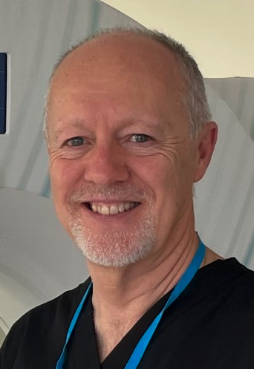 Rodney Hicks合作论文数Melbourne Theranostic Innovation Centre;Faculty of Medicine Nursing and Health Sciences, Monash University;University of Melbourne7
 Christopher Levi合作论文数Univ Newcastle, John Hunter Hosp, Dept Neurol, Newcastle, NSW, Australia6
 Angel Christopher M合作论文数6
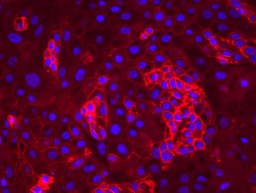 Young Richard J合作论文数Peter MacCallum Canc Ctr6Hertzberg Mark合作论文数6
 Stephen Fox合作论文数The Sir Peter Maccallum Department of Oncology, The University of Melbourne;Division of Medicine, Dentistry and Health Sciences, The University of Melbourne;Peter MacCallum Cancer Center6
 John Seymour合作论文数Department of Haematology, Peter MacCallum Cancer Centre;Department of Haematology, Royal Melbourne Hospital;Division of Cancer Medicine, Peter MacCallum Cancer Centre6
 Stephen Kleid合作论文数6
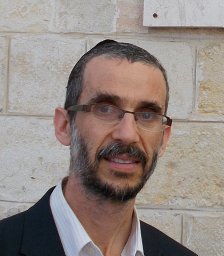 Alan Herschtal合作论文数Telstra Corporation6Shane G. Supple合作论文数5
 Søren Tvorup Christensen合作论文数Department of Biology, Faculty of Science, University of Copenhagen5
 John James Moore合作论文数5David Wiesenfeld合作论文数Department of Surgery, Melbourne Medical School, Faculty of Medicine, Dentistry and Health Sciences, The University of Melbourne5
 Alan Barber合作论文数Faculty of Medical and Health Sciences, University of Auckland;Centre for Brain Research, University of Auckland5
 Andrew Grigg合作论文数Eastern Haematology Oncology Group5
 Elizabeth Sigston合作论文数5A Dobrovic合作论文数5Juliana Di Iulio合作论文数5Bernard Lyons合作论文数4
 Deidre Anne De Silva合作论文数Office of Academic & Clinical Development, Duke-NUS Medical School4Patricia Desmond合作论文数Department of Radiology, Melbourne Medical School, Faculty of Medicine, Dentistry and Health Sciences, The University of Melbourne4
 David Ritchie合作论文数Division of Medicine, Dentistry and Health Sciences, The University of Melbourne;The Sir Peter Maccallum Department of Oncology, The University of Melbourne;Royal Melbourne Hospital4
 David Ball合作论文数Division of Radiation Oncology and Cancer Imaging, Peter MacCallum Cancer Centre;Sir Peter MacCallum Department of Oncology, University of Melbourne4
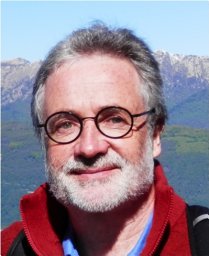 Tomas Kron合作论文数Peter MacCallum Cancer Centre4Beligaswatte Ashanka合作论文数4Firkin F合作论文数4
 Geoffrey Donnan合作论文数Faculty of Medicine, Dentistry and Health Sciences, The University of Melbourne4Kerry Taylor合作论文数Institute of Medical and Veterinary Science;Australasian Leukaemia and Lymphoma Group;Novartis Pharmaceuticals;Institute of Medical and Veterinary Science, Australasian Leukaemia and Lymphoma Group4Campbell Tiley合作论文数4
 Mark Parsons合作论文数South Western Sydney Clinical School, The University of New South Wales;Department of Neurology, Royal Melbourne Hospital4
 David Binns合作论文数European Bioinformatics Institute4Elena A. Takano合作论文数4Christen D. Barras合作论文数4
 Michael MacManus合作论文数Division of Radiation Oncology, Peter MacCallum Cancer Centre;The Sir Peter Maccallum Department of Oncology, University of Melbourne;Division of Medicine, Dentistry and Health Sciences, University of Melbourne4Peter Browett合作论文数4Hongdo Do合作论文数4
 Alberto Catalano合作论文数4Greg Fitt合作论文数3
 Amanda Hugman合作论文数3Michael Seldon合作论文数3
 Marie Gerdtz合作论文数Department of Nursing, Melbourne School of Health Sciences, Faculty of Medicine, Dentistry and Health Sciences, The University of Melbourne3
 Bruce Campbell合作论文数Faculty of Medicine, Dentistry and Health Sciences, University of Melbourne;Department of Medicine, Royal Melbourne Hospital, University of Melbourne;Florey Institute of Neuroscience and Mental Health3Bradstock Ken合作论文数3




