OBJECTIVE:This study aimed to document the prevalence and severity of vasomotor symptoms (VMS) and sexual symptoms among refugee women in Melbourne, Australia. METHODS:This cross-sectional study included refugee women, aged 18-63 years, recruited from community centers and social media between February and July 2023. The Menopause-specific Quality of Life (MENQOL) questionnaire measured VMS and sexual symptoms. The scores were compared between different menopausal states. RESULTS:Of 333 participants, 62.8% were premenopausal, 8.0% perimenopausal and 29.2% postmenopausal, with a median age of 40 years (range 18-63 years). Moderate-severe VMS was most prevalent amongst perimenopausal (20.8%; 95% confidence interval [CI]: 8.9-41.4%) versus postmenopausal (9.5%; 95% CI: 5.0-17.3%) and premenopausal (0%) women. Moderate-severe sexual symptoms affected 15.8% (95% CI: 5.2-39.3%) of perimenopausal and 16.9% (95% CI: 10.4-26.1%) of postmenopausal women versus 1.4% (95% CI: 0.3-5.3%) of premenopausal women. Perimenopausal and postmenopausal women had higher VMS and sexual symptom scores than premenopausal women (both p < 0.0001); the scores were also higher in perimenopausal women than postmenopausal women (p = 0.016 and p = 0.013, respectively). CONCLUSION:While perimenopausal and postmenopausal VMS and sexual symptoms are not uncommon amongst refugee women, these symptoms were less prevalent in postmenopausal refugees than in the non-refugee population. Further research is warranted to confirm and expand on these findings.
( Aust N Z J Obstet Gynaecol . 2022;62:813–825) The impact of postpartum hemorrhage (PPH, loss of ≥500 mL blood within 24 h of birth) on women, families, and communities is significant. PPH has been reported with increasing incidence and severity in well-resourced countries and is a major contributor to global maternal morbidity and mortality. Diagnosis can be challenging due to variability of risk factors and underestimation of blood loss leading to delayed response and treatment. Prognostic models to identify patients at risk and to provide resources and facilitate early intervention are not commonly integrated into clinical practice. Few, if any, are considered validated for use in the general obstetric population. This systematic review provides a comprehensive evaluation of current PPH prognostic models to identify best practices for prediction, describe model characteristics, and compare performance.
Refugee and asylum seeker women face a variety of health challenges. However, little is known globally about health problems in these women at midlife and beyond, including menopausal symptoms, sexual dysfunctions and pelvic floor disorders. This scoping review aimed to understand these neglected health issues with respect to prevalence and risk factors. Eight databases were searched in August 2022 without the limit of publication year. Data were analyzed narratively. A total of 10 reports from seven studies were included with 945 women living in Australia, Canada, the USA and Pakistan. Three reports were addressing menopause, seven addressed sexual dysfunctions and one addressed pelvic floor disorders. There were no data regarding menopause symptoms; however, perceptions of menopause varied widely across studies. Few studies reported a high prevalence of sexual dysfunctions and pelvic organ prolapses, but none of them used a validated questionnaire. Taboos and cultural factors, lack of knowledge and education, lack of family support, language insufficiency and financial problems were common barriers to not seeking care for these health issues. This review demonstrates lack of evidence of these neglected health issues in refugee and asylum seeker women at midlife, and further studies with validated questionnaires and larger samples are warranted.
BACKGROUND:Provision of sexual health services requires gender-sensitive management, facilities, and staff, as well as planning for gender-sensitive caregivers and education. Couples suffering from vaginismus face many types of barriers to accessing sexual health services. This qualitative study was conducted to explain the needs of sexual health services in women with primary vaginismus in Iran.METHODS:This qualitative study was conducted through the participation of 20 participants including service providers, women with vaginismus and their husbands in 2022, Iran. The samples were selected using purposive sampling method and considering the maximum variation. For data collection, in-depth semi-structured individual interviews were conducted and continued until data saturation was reached. The collected data were analyzed in MAXQDA10 software using conventional content analysis approach based on the criteria proposed by Graneheim and Lundman.RESULTS:Data analysis led to the emergence of three main themes: 1) Comprehensive preventive sex education which included the three categories of sex education in the education system, premarital sex education through the health system, and sex education through the media with scientific content; 2) Efficient sexual health clinics which included three categories of therapist's skills, empowerment of sexual therapist, and structural features of sexual health clinics and cultural considerations in establishing sexual health clinics; and 3) Protocol for management and treatment of sexual problems which consisted of sexual education and counseling content, treatment requirements, and sex education approaches.CONCLUSION:Based on the results of the study, comprehensive preventive sex education through the education system and the Ministry of Health can improve the attitudes of adolescents and young people. Moreover, it can take a fundamental step in solving sexual problems by providing the infrastructure necessary for the establishment of efficient sexual health clinics and protocols required to manage and treat such problems.
Infertility stigma is a hidden burden that overshadows the dimensions of reproductive and sexual health in infertile women. The aim of this study was to develop and evaluate the psychometric properties of the Female Infertility Stigma Instrument (ISI-F). This mixed method study with sequential exploratory design was conducted in qualitative and quantitative phases. In the first phase, the initial item pool of the Female Infertility Stigma Instrument (ISI-F) was generated using in-depth interviews. In the quantitative phase, psychometric properties of the ISI-f including content, face and construct validity, as well as reliability (internal consistency and stability) were assessed. Exploratory factor analysis was performed on the collected data from 300 infertile women for evaluation of construct validity. Data was analyzed using SPSS version 20. This study has followed the Mixed Methods Article Reporting Standards checklist. The final version of ISI-F had 20 items. Total CVI and CVR were 0.94 and 0.87, respectively. Explanatory factor analysis identified 3 main factors that explained 54.013
Background Postpartum haemorrhage (PPH) remains a leading cause of maternal mortality and morbidity worldwide, and the rate is increasing. Using a reliable predictive model could identify those at risk, support management and treatment, and improve maternal outcomes. Aims To systematically identify and appraise existing prognostic models for PPH and ascertain suitability for clinical use. Materials and Methods MEDLINE, CINAHL, Embase, and the Cochrane Library were searched using combinations of terms and synonyms, including ‘postpartum haemorrhage’, ‘prognostic model’, and ‘risk factors’. Observational or experimental studies describing a prognostic model for risk of PPH, published in English, were included. The Critical Appraisal and Data Extraction for Systematic Reviews of Prediction Modelling Studies checklist informed data extraction and the Prediction Model Risk of Bias Assessment Tool guided analysis. Results Sixteen studies met the inclusion criteria after screening 1612 records. All studies were hospital settings from eight different countries. Models were developed for women who experienced vaginal birth ( n = 7), caesarean birth ( n = 2), any type of birth ( n = 2), hypertensive disorders ( n = 1) and those with placental abnormalities ( n = 4). All studies were at high risk of bias due to use of inappropriate analysis methods or omission of important statistical considerations or suboptimal validation. Conclusions No existing prognostic models for PPH are ready for clinical application. Future research is needed to externally validate existing models and potentially develop a new model that is reliable and applicable to clinical practice.
BACKGROUND:The purpose of this study was evaluating the relationship between fatty acid (FA) intakes and the Assisted Reproductive Technique (ART) outcomes in infertile women.METHODS:In this descriptive longitudinal study, a validated food frequency questionnaire (FFQ) was used to measure dietary intakes among 217 women with primary infertility seeking ART treatments at Isfahan Fertility and Infertility Center, Isfahan, Iran. The average number of total and metaphase II (MII) oocytes, the fertilization rate, the ratio of good and bad quality embryo and biochemical and clinical pregnancy were assessed. Analyses were performed using mean, standard deviation, Chi-square test, ANOVA, ANCOVA, logistic regression.RESULTS:A total of 140 women were finally included in the study. There was a positive relationship between the average number of total and MII oocytes and the amount of total fatty acids (TFAs), saturated fatty acids (SFAs), monounsaturated fatty acids (MUFAs), polyunsaturated fatty acids (PUFAs), linoleic acids, linolenic acids, and oleic acids intakes, while eicosapentaenoic acids (EPAs) and docosahexaenoic acids (DHAs) intakes had an inverse relationship. Consuming more amounts of TFAs, SFAs, PUFAs, MUFAs, linoleic acids, and oleic acids was associated with the lower fertilization rate, whereas the consumption of linolenic acids and EPAs increased the fertilization rate. The ratio of good quality embryo was directly affected by the amount of PUFAs intakes. Additionally, there was a negative correlation between the amount of SFAs intakes and the number of pregnant women.CONCLUSION:TFAs, SFA, PUFA, and MUFA intakes could have both beneficial and adverse impacts on ART outcomes.
Background: Based on studies on animal models, vitamin D plays an essential role in reproduction by controlling Ca and Mg levels. Despite these findings, the effects of vitamin D deficiency and supplementation on the outcome of assisted reproductive techniques (ART) remain controversial. Therefore, the aim of the present study was to assess the relationship between serum and follicular fluid 25-OH vitamin D levels on reproductive outcomes of infertile women. Materials and Methods: This prospective cohort study included 150 infertile women who underwent in vitro fertilization (IVF) or intracytoplasmic sperm injection (ICSI). The participants were allocated to one of the three groups according to their serum and follicular fluid 25-OH vitamin D concentrations (less than 10 ng/ml, between 10 and 30 ng/ ml and more than 30 ng/ml), and fertilization, cleavage and biochemical and clinical pregnancy rates were compared among the groups. Data was analyzed by SPSS software and using Chi-square and Spearman correlation coefficient. Results: Serum and follicular fluid vitamin D levels significantly correlated with biochemical (P=0.008), (P=0.003) and clinical pregnancy (P=0.017), (P=0.001) rates respectively . However, the quality of embryos (P=0.125), (P=0.106) and fertilization rate (P=0.082), (P=0.059) were not associated with the level of serum and follicular fluid vitamin D. Conclusion: This study found that women with higher levels of vitamin D in their serum and follicular fluid are significantly more likely to achieve pregnancy but without affecting the quality of embryo and fertility rate.
Background: Primary dysmenorrhea is a cyclic cramp in pelvic which interferes with daily activity. This study determined the effect of Cinnamon on relieving dysmenorrhea. Methods: This is a randomized, double-blind clinical trial. The intervention group received Cinnamon (capsules contained 1000 mg cinnamon) and the control group received placebo (capsules contained 1000 mg starch) during the first 72 h of menstruation for two cycles continuously. The Visual Analogue Scale was used to determine the severity of pain. The subjects were followed up for two cycles. Descriptive statistics, Independent T test, analysis of variance (ANOVA) with repeated measures were used for continuous quantitative variables. Mann-Whitney and Chi-square tests were used for nominal and ordinal qualitative variables. Results: The results showed the mean intensity of dysmenorrhea significantly decreased over time in both groups (time: P < 0.001) and this reduction was significantly different over time between two groups (time"group: P = 0.02). There is significantly more reduction in the intervention group. Also the pain reduction in the intervention group was significantly lower than the placebo group after the first treatment (P = 0.001) and the second treatment (P = 0.002) compared to before treatment. Conclusions: Cinnamon can reduce the intensity of primary dysmenorrhea. This aromatic spice for relive of primary dysmenorrhea is recommended.
Background: Infertility is one of the most common challenges that women in reproductive age would encounter today. The maternal nutritional status could be a determinant of oocyte quality and embryonic growth. This study was conducted to assess the relationship between dietary patterns and reproductive outcomes in infertile women. Materials and Methods: This prospective cohort study was conducted on 140 women with primary infertility who had referred to Isfahan Fertility and Infertility center, Isfahan, Iran. The average number of total oocytes and metaphase II oocytes, the fertilization rate, the ratio of good and bad quality embryo and biochemical and clinical pregnancy were considered as the outcomes of assisted reproductive techniques (ART). A 168-item food frequency questionnaire was used for estimating the dietary intakes during the last year. Factor analysis was used for identifying the dietary patterns and analysis of variance (ANOVA), analysis of covariance (ANCOVA), chi-square, and logistic regression analysis were used for assessing the relation between dietary patterns and ART's outcomes. Results: Three major dietary patterns (the healthy, western and unhealthy diet) were identified. Women with high adherence to the "healthy diet" had a higher educational level and were employed. There was a significant increase in the average number of total oocytes (P-trend=0.009) and metaphase II oocytes (P-trend=0.006) in the third tertile of "healthy diet" compared to the first tertile. Also, women with high adherence to the second tertile of "unhealthy" diet compared to the first tertile, had a significantly lower chance of getting pregnant [odds ratio (OR): 0.14, 95% confidence interval (CI): 0.3-0.7]. Conclusion: Nutrition status could affect infertility treatment outcomes. Greater adherence to the healthy diet may enhance oocyte quality and quantity. Unhealthy diet could adversely affect the chance of getting pregnant.
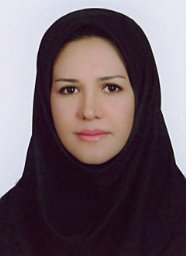 Mahboube Taebi合作论文数Faculty of Nursing and Midwifery, Isfahan University of Medical Sciences5
 Rakibul M Islam合作论文数3
 Mohammad Nasr-Esfahani合作论文数3
 Susan Davis合作论文数School of Public Health and Preventive Medicine, Monash University;Women's Health Clinic, Alfred Health3
 Ensieh Fooladi合作论文数School of Nursing and Midwifery, Monash University3
 Nourosadat Kariman合作论文数Nursing Midwifery Faculty, Shahid Beheshti Medical University2
 Ann Nicholson合作论文数Faculty of Information Technology, Monash University2
 Sharon Licqurish合作论文数School of Nursing and Midwifery, Australian Catholic University2
 Wentao Li合作论文数Department of Obstetrics and Gynaecology, Clinical Sciences at Monash Health, Monash University2
 Ben W. Mol合作论文数Department of Obstetrics & Gynaecology, Monash University;School of Clinical Sciences, Monash University;Aberdeen Centre for Women's Health Research, University of Aberdeen2
 Bethany Carr合作论文数School of Nursing and Midwifery, Monash University2
 Atefeh Rezaeian合作论文数1
 Gholamreza Askari合作论文数1
 Vida Ghasemi合作论文数Department of Public Health, Asadabad School of Medical Sciences1
 Mojdeh Banaei合作论文数Mother and Child Welfare Research Center, Hormozgan University of Medical Sciences1
 Nasibeh Roozbeh合作论文数Mother and Child Welfare Research Center, Hormozgan University of Medical Science1
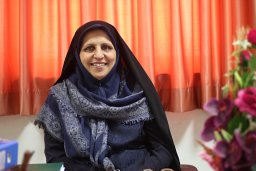 Dolatian Mahrokh合作论文数Dept Midwifery & Reprod Hlth, Shahid Beheshti Univ Med Sci1
 Motahar Heidari-Beni合作论文数School of Nutrition and Food Science, Isfahan University of Medical Sciences1
 Alavi Majd Hamid合作论文数Dept Biostat, Shahid Beheshti Univ Med Sci1Ali Montazeri合作论文数1




