In super-aged societies such as Japan, achieving "healthy longevity with well-being" requires not only medical and long-term care services but also a seamless continuum that integrates health promotion, frailty prevention, and community-based support, along with age-friendly physical and social environments that support functional ability, social participation, and independent living. Within this framework, oral frailty (OF)-defined as the accumulation of slight declines in oral function, including tooth loss, chewing and swallowing difficulties, oral dryness, and low articulatory oral motor skills-has emerged as a key indicator linking oral health to systemic frailty, disability, and mortality. Originating in Japan, the concept of OF emphasizes early detection and reversibility through multidisciplinary collaboration. The 2024 Consensus Statement issued by three academic societies (the Japan Geriatrics Society, the Japanese Society of Gerodontology, and the Japanese Association on Sarcopenia and Frailty) proposed a definition, conceptual model, and assessment using the Oral Frailty 5-item Checklist (OF-5). This review summarizes the development of OF initiatives within Japan's Community-Based Integrated Care System and discusses recent international trends, including the WHO Global Oral Health Action Plan (2023-2030), the FDI policy statement "Oral Health for Healthy Ageing," and emerging global research evidence. Practical examples, such as a community-wide campaign in Hiratsuka City, illustrate multisectoral collaboration to prevent and raise awareness of OF. Finally, we highlight future directions, including integration of oral health into community development, strengthening interprofessional collaboration, and leveraging digital technologies for monitoring and education. By integrating clinical, community, and policy perspectives, the Japanese concept of OF offers a promising, implementable model for global healthy aging.
AIM:Dynapenia-loss of muscle strength despite preserved muscle mass-is a clinical concern linked to functional decline in older adults. Diabetes may contribute to dynapenia; however, few studies have examined whether this association varies by sex and age. Clarifying these differences may help inform targeted prevention strategies. This study investigated the association between diabetes and dynapenia in community-dwelling older adults in Japan, focusing on sex- and age-specific differences. METHODS:We conducted a cross-sectional analysis using pooled data from four geriatric cohorts in Japan. Participants were classified into three groups: (1) established diabetes (treatment or HbA1c ≥ 6.5%), (2) prediabetes (HbA1c 5.7%-6.4%, no treatment), and (3) non-diabetes (HbA1c < 5.7%, no treatment). Dynapenia was defined per Asian Working Group for Sarcopenia 2019 cutoffs as low grip strength with preserved muscle mass. Sex-stratified logistic regression examined the association between diabetes status and dynapenia, adjusting for age, body fat, comorbidities, lifestyle factors, and cohort. Analyses were also stratified by age group (65-74 and ≥ 75 years). RESULTS:Among 3085 participants (34.8% men; median age: 70 years), the prevalence of dynapenia was 13.0% in both sexes. In women, dynapenia prevalence increased with glycemic status; adjusted ORs were 1.32 (95% CI: 0.97-1.78) for prediabetes and 1.86 (1.27-2.71) for established diabetes. Stratified analyses showed significant associations in men aged 65-74 and women aged ≥ 75. CONCLUSIONS:Diabetes was associated with dynapenia, with distinct patterns by sex and age. Targeted strategies may be needed for younger-old men and older-old women with diabetes.
Background/Objectives: Chronic inflammation is a fundamental biological process underlying aging and frailty. We recently demonstrated that an anti-inflammatory diet, assessed using the Dietary Inflammatory Index (DII), was associated with serum high-sensitivity C-reactive protein levels and frailty incidence among community-dwelling older adults. The present study aimed to co-produce behavior change intervention promoting an anti-inflammatory diet by participatory action research with older adults. Particularly, increasing intake of dietary fiber was targeted as it represents a nutrient with the highest anti-inflammatory potential within the DII framework. Methods: Participants were community-dwelling older adults engaged in frailty checkup activity. Six co-production workshops were conducted between May 2022 and February 2023, integrating semi-structured group work and scientific evidence. Participant satisfaction was assessed after each session. Changes in dietary behavior were evaluated using DII score and dietary intake assessed by the Brief Self-Administered Diet History Questionnaire (BDHQ). Results: A cumulative total of 66 participants was involved (mean age, 73.7 ± 4.8 years; 80.0% women). When compared before and after co-production workshops, total DII scores and DII scores calculated by anti-inflammatory nutrients significantly decreased (p = 0.031 and p = 0.020, respectively). Dietary fiber intake also significantly increased following the workshop (p = 0.044). Among dietary fiber-rich food groups, mushroom consumption showed a particularly significant increase (p = 0.048). Conclusions: Co-production workshops integrating group work and scientific evidence were effective in promoting behavioral changes toward an anti-inflammatory diet among community-dwelling older adults. This developed intervention may represent a feasible and practical dietary strategy for frailty prevention in community settings.
OBJECTIVES:Few studies have examined how age and place of death among end-of-life patients are associated with the medical care they receive and the signs of death. Therefore, we aimed to clarify the characteristics of medical care, the implementation of living wills, and the signs of death in end-of-life patients by administering a self-developed questionnaire to physicians with expertise in end-of-life care. METHODS:Data were obtained through a web-based questionnaire administered to physicians registered with the Japan Society For Dying With Dignity. Each physician was asked to share data on a patient they had cared for, such as age, sex, place of death, presence of medical procedures and a living will, and signs of death. RESULTS:In total, 437 patients, aged 79.4 ± 15.3 years, were analyzed. Pain control and palliative care were provided to 225 and 278 patients, respectively. Moreover, 172 patients possessed a living will. After adjusting for factors using logistic regression analysis, the odds ratios (ORs) for pain control and palliative care were significantly lower in the older age groups. The OR for pain control in nursing homes, compared with home, was 0.305 [95% confidence interval (CI), 0.081-0.920], and the OR for palliative care was 0.212 [95% CI, 0.073-0.544]. The ORs of living wills were significantly lower in patients aged ≥90 years (0.401 [95% CI, 0.199-0.800]) than in those aged 20-64 and in hospitals (0.494 [95% CI, 0.294-0.815]) than at home. Factor analysis of 18 signs of death identified three factors. Factor 1 reflected global terminal decline, and receipt of palliative care was significantly associated with the signs loading on factor 1. CONCLUSION:Provision of pain control, palliative care, and living wills differed by age group and place of death. Our findings suggest priorities for end-of-life care across settings and for representative studies.
BACKGROUND:Sarcopenia is driven by multifactorial insults, including undernutrition and disuse; however, the causal links between inadequate nutrition and the loss of muscle mass and strength remain unclear. This study aimed to establish mouse models of protein and/or fat deficiency and to investigate their interaction with disuse on skeletal muscle. METHODS:Nine-week-old male C57BL/6J mice fed isocaloric diets for 8 weeks: normal chow (NC), low fat (LF), low protein (LP), or low protein and low fat (LPLF). Outcomes included body weight, grip strength test, gastrocnemius and soleus muscle weights, cross-sectional area (CSA) of gastrocnemius muscle fibers, and gastrocnemius muscle mRNA expression of ubiquitin-proteasome system (UPS) markers (atrogin-1, MuRF1) and inflammatory cytokines (TNF-α, IL-6, IL-1β). After the 8-week diet phase, a disuse model using bilateral hindlimb immobilization for 1, 3, or 7 days was applied under continued isocaloric feeding to assess diet-disuse interactions. RESULTS:Compared with NC, the LF, LP, and LPLF groups showed reduced body weight, grip strength, muscle mass, and myofiber CSA. Upregulation of UPS-related genes was observed in LPLF, whereas the expression of inflammation-related genes did not differ from NC in LF, LP, and LPLF. When combined with immobilization, LP and LPLF diets further exacerbated the decreases in muscle mass and strength compared with NC, accompanied by increased expression of both UPS- and inflammation-related genes. CONCLUSIONS:An animal model of diet-induced reduction in muscle mass and strength was established, which will be useful for investigating the effects of protein and fat deficiency on skeletal muscle. Elucidating the detailed molecular pathways involved remains an important goal for future research and may provide new insights into nutritional approaches to prevent or treat sarcopenia.
BACKGROUND:Advance care planning (ACP) ensures that future care is provided during serious illness, considering an individual's wishes; it is particularly important for older adults. Regarding ACP practices during the coronavirus disease (COVID-19) outbreak, although there are reports on patients, reports on geriatricians are scarce. AIM:This study evaluated the rate of ACP practice during the COVID-19 outbreak through a questionnaire survey of geriatricians. METHODS:This cross-sectional study surveyed geriatric specialists, who were members of the Japanese Geriatric Society, between October and December 2022 using an anonymous online questionnaire. The questionnaire covered the treatment of COVID-19 patients, difficulties encountered when caring for older patients with COVID-19 infection, and COVID-19 sequelae. Multiple logistic regression with a forward stepwise method was performed to determine the factors associated with ACP practices. RESULTS:Of the 258 surveyed doctors, 74 (28.7%) practiced ACP. Multiple logistic regression identified that age 20-49 years and experience in treating (or visiting facilities to treat) patients with COVID-19 infection were factors related to doctors that were significantly and positively associated with ACP practice. Additionally, a significant decline in the patients' cognitive functions and difficulties in preventing COVID-19 infection were positively associated with ACP practiced by doctors. CONCLUSIONS:This study suggested that ACP should be practiced for older patients with dementia before COVID-19 infection, which would worsen their dementia symptoms. Moreover, ACP should be emphasized for older patients admitted to facilities. Our results could help devise effective measures to facilitate ACP practices.
Patients tend to lose the ability to smile during the course of dementia. However, such impairments have rarely been reported, likely due to challenges in quantifying facial expressions. However, feature extraction is now automated due to recent developments in deep learning, which is a machine learning method used in artificial intelligence (AI). We used the output of image-classification AI to quantify smiles in participants with Alzheimer’s disease (AD) and with normal cognition (NC). We found that the ability to form a smile upon request is impaired in patients with AD and that it is associated with reduced volumes of the nucleus accumbens and pallidum. Furthermore, smiling faces were classified with higher accuracy than neutral faces in discriminating between AD and NC. A score from neutral face showed significant correlation with cognitive function. These findings generate hypotheses regarding the neural mechanisms underlying impaired facial expressions in dementia.
 Katsuya Iijima合作论文数144Sumito Ogawa合作论文数126
 Yasuyoshi Ouchi合作论文数Geriatric Medicine, Graduate School of Medicine, University of Tokyo, Japan103
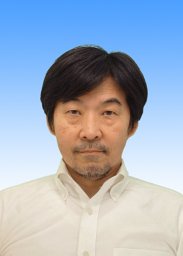 Masato Eto合作论文数Graduate School of Medicine, University of Tokyo102
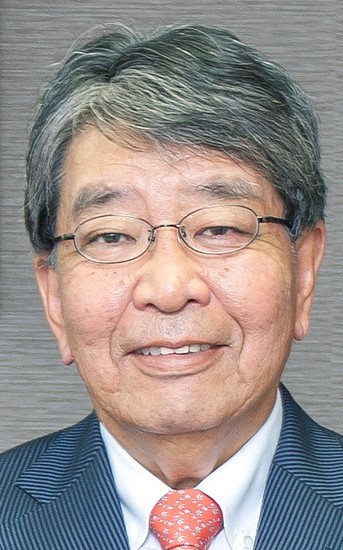 Kenji Toba合作论文数Tokyo Metropolitan Institute for Geriatrics and Gerontology101Koichi Kozaki合作论文数94
 Taro Kojima合作论文数75Y Ouchi合作论文数73Bo-Kyung Son合作论文数Graduate School of Medicine, The University of Tokyo49Ishii Shinya合作论文数Department of Geriatric Medicine, The University of Tokyo47
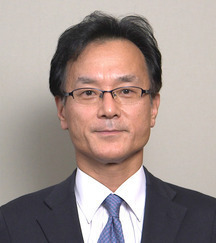 Hidenori Arai (荒井秀典)合作论文数National Center for Geriatrics and Gerontology43Yumi Umeda-Kameyama合作论文数Department of Geriatric Medicine, The University of Tokyo39Yamaguchi Yasuhiro合作论文数39
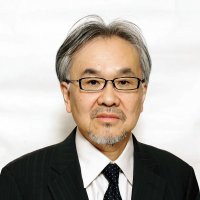 Masatsugu Horiuchi (堀内正嗣)合作论文数Department of Molecular Cardiovascular Biology and Pharmacology, Ehime University Graduate School of Medicine36
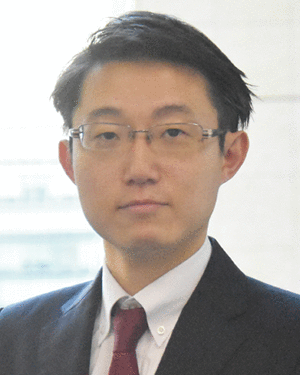 Tanaka Tomoki合作论文数35
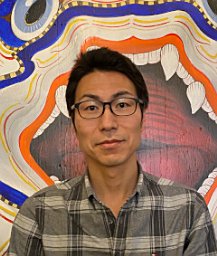 Masayoshi Hashimoto合作论文数First Department of Surgery Sendagi, Nippon Medical School35Mitsutaka Yakabe合作论文数31Hajime Orimo合作论文数28Shibasaki Koji合作论文数25Ishii Masaki合作论文数蔵野大学分子細胞生物学研究室24Hidetaka Ota合作论文数23
 Hiromi Rakugi (樂木宏実)合作论文数Division of Medicine, Graduate School of Medicine, Osaka University23
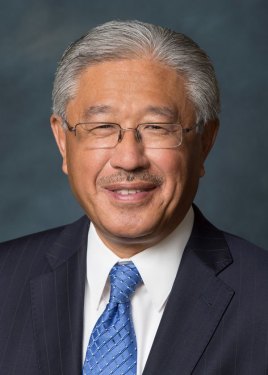 Victor J. Dzau (曹文凯)合作论文数Department of Medicine, Duke University School of Medicine;National Academy of Medicine21
 Masafumi Kuzuya (葛谷雅文)合作论文数Department of Community Healthcare and Geriatrics, Nagoya University20Tatsuya Hosoi合作论文数19Shizuru Yamada合作论文数19Kiwami Kidana合作论文数18M Yoshizumi合作论文数17
 Junya Ako合作论文数School of Medicine, Kitasato University;Kitasato University and Hospital16Takashi Yamanaka合作论文数15Hattori Yukari合作论文数15Hiroshi Yamamoto合作论文数15Koichi Yamamoto合作论文数Division of Cardiology, Sakurabashi Watanabe Hospital14Shota Hamada合作论文数14N Sudoh合作论文数13Kiyoshi Yamaguchi合作论文数13Jing Yu合作论文数13Shinji Teramoto合作论文数13K Nagano合作论文数11
 Keisuke Maeda合作论文数Aichi Medical University11Y Ohike合作论文数11
 Tatsuro Inoue合作论文数Dept Geriatr Med, Natl Ctr Geriatr & Gerontol11Masaru Iwai合作论文数11Kyo Takahashi合作论文数Graduate School of Medicine, the University of Tokyo11Yumiko Ohike合作论文数11Hironobu Hamaya合作论文数10Shoya Matsumoto合作论文数10
 Yusuke Suzuki合作论文数10
 Liang-Kung Chen合作论文数Center for Healthy Longevity and Aging Sciences, National Yang Ming Chiao Tung University;Institute of Hospital and Health Care Administration National Yang Ming Chiao Tung University;Aging and Health Research Center, National Yang Ming University;Center of Geriatrics and Gerontology, Taipei Veterans General Hospital;Taipei Municipal Gan-Dau Hospital10




