Dermatologic oncology’s precision medicine revolutionizes skin cancer detection by integrating advanced technologies and personalized patient data. Dermatologic oncology concentrates on detecting skin cancer, utilizing modern techniques and technologies to detect and classify several kinds of cutaneous malignancies. Leveraging medical knowledge or advanced imaging approaches like dermoscopy and reflectance confocal microscopy; dermatologists effectively investigate skin cancer for subtle signs of malignancy. Furthermore, computer-aided diagnostic (CAD) systems, controlled by machine learning (ML) methods, are gradually deployed to boost diagnostic accuracy by investigating massive datasets of dermatoscopic images. It is a multi-disciplinary method that allows early recognition of skin lesions and enables precise prognostication and particular treatment approach, finally enhancing patient outcomes in dermatologic oncology. This paper presents the Fractals Snake Optimization with Deep Learning for Accurate Classification of Skin Cancer in Dermoscopy Images (SODL-ACSCDI) approach. The purpose of the SODL-ACSCDI approach is to identify and categorize the existence of skin cancer on Dermoscopic images. The SODL-ACSCDI technique applies a contrast enhancement process as the initial step. Next, the SODL-ACSCDI technique involves the SE-ResNet+FPN model for deriving intrinsic and complex feature patterns from dermoscopic images. Additionally, the SO technique can help boost the hyperparameter selection of the SE-ResNet+FPN approach. Furthermore, skin cancer classification uses the convolutional autoencoder (CAE) approach. The experimentation results of the SODL-ACSCDI technique could be examined using a dermoscopic image dataset. A wide-ranging result of the SODL-ACSCDI technique indicated a superior performance of 99.61% compared to recent models concerning various metrics.
Malware detection in Internet of Things (IoT) cloud platforms is a crucial security system for securing data and devices' integrity, secrecy, and availability. IoT devices are linked to cloud-based services offering storage, calculating, and analytics abilities. However, these devices are also exposed to malware attacks that could cause significant damage. Malware detection in IoT cloud platforms involves analyzing and identifying potential threats like Trojans, viruses, ransomware, and worms. It is done through several processes, including behavior-based detection, signature-based detection, and anomaly-based detection. The study proposes a Chaos Game Optimization with improved deep learning for Malware Detection (CGOIDL-MD) technique in the IoT cloud platform. The proposed CGOIDL-MD technique majorly concentrates on the automated detection and classification of malware in the IoT cloud framework. The CGOIDL-MD method applies the CGO-based feature subset selection (CGO-FSS) approach to select features. Besides, the stacked long short-term memory sequence-to-sequence autoencoder (SLSTM-SSAE) approach was exploited for malware classification and detection. Moreover, the arithmetic optimization algorithm (AOA) technique was exploited for the hyperparameter selection technique. The simulation outcomes of the CGOIDL-MD technique were tested on the malware dataset, and the outcome can be studied from different perspectives. The experimentation outcomes illustrate the betterment of the CGOIDL-MD technique under various measures.
Sarcasm is a type of communication designed to harass or mock an individual using words against their accurate meaning. It signifies a negative sentiment but a positive sentiment. Sarcasm detection is challenging due to the gap between its intended and literal meaning and how sarcasm is expressed, specifically in Arabic, which has a complex and rich linguistic structure. Effective sarcasm detection is significant for Sentiment Analysis (SA) and can significantly improve the performance of various Natural Language Processing (NLP) applications. This study presents an Artificial Intelligence-based Natural Language Processing Driven Applied Linguistic using Bidirectional Temporal Convolutional Networks (AINLP-ALBTCN) technique on Sarcasm Detection in Arabic Corpus. The AINLP-ALBTCN technique concentrates on classifying and detecting sarcasm in Arabic Corpus. Initially, the AINLP-ALBTCN approach applies a series of data pre-processing steps to convert the input data into synchronized formats. Then, the word2vec embedding model is used to generate feature vectors. Furthermore, the BTCN technique is employed as a classification method to detect and classify sarcasm. Finally, the Sand Cat Swarm Optimization (SCSO) approach is chosen for hyperparameter optimization of the BTCN method, enhancing the performance of sarcasm detection. A wide range of experiments are conducted to demonstrate the promising outcomes of the AINLP-ALBTCN technique under the ArSarcasm dataset. The experimental validation of the AINLP-ALBTCN technique portrayed a superior accuracy value of 95.59 % over existing models in the sarcasm classification process.
Antibiotics become an emerging contaminant and receive more interests due to its ecotoxicological and strong stability in water ecosystems. Antibiotic adsorption onto carbon materials are biochars among the wastewater mechanisms. This research used machine learning (ML) techniques to generate general adsorption forecasting model for sulfamethoxazole (SMX) and tetracycline (TC) on CBM. Dirichlet design parameters and a combined combination of Neumann and Dirichlet boundary situation are applied to the system of differential equations. In addition, the proposed method use the learning under supervision technique of a nonlinear autoregressive for estimating the CO2 concentration and flows in units of rate of a reaction characteristics, an exogenous (NARX) neural network model with two activation functions was used (Log-sigmoid and hyperbolic tangent) and for both the findings of a TC and SMX absorption simulations showed the random forest performed support vector tree and nonlinear autoregressive exogenous neural networks and machine learning methods. Their relevance and complete dependency graph evaluation lead reasonable CBM uses for antimicrobial wastewater treatment. Also, machine learning forecasting model with good generalization capability is useful for building effective CBMs with few empirical screens. It evaluates the accuracy, precision, recall, false positive rate (FPR), and false negative rate (FNR) and also reduces the experimental screening.
Sign language (SL) recognition for individuals with hearing disabilities involves leveraging machine learning (ML) and computer vision (CV) approaches for interpreting and understanding SL gestures. By employing cameras and deep learning (DL) approaches, namely convolutional neural networks (CNN) and recurrent neural networks (RNN), these models analyze facial expressions, hand movements, and body gestures connected with SL. The major challenges in SL recognition comprise the diversity of signs, differences in signing styles, and the need to recognize the context in which signs are utilized. Therefore, this manuscript develops an SL detection by Improved Coyote Optimization Algorithm with DL (SLR-ICOADL) technique for hearing disabled persons. The goal of the SLR-ICOADL technique is to accomplish an accurate detection model that enables communication for persons using SL as a primary case of expression. At the initial stage, the SLR-ICOADL technique applies a bilateral filtering (BF) approach for noise elimination. Following this, the SLR-ICOADL technique uses the Inception-ResNetv2 for feature extraction. Meanwhile, the ICOA is utilized to select the optimal hyperparameter values of the DL model. At last, the extreme learning machine (ELM) classification model can be utilized for the recognition of various kinds of signs. To exhibit the better performance of the SLR-ICOADL approach, a detailed set of experiments are performed. The experimental outcome emphasizes that the SLR-ICOADL technique gains promising performance in the SL detection process.
Dialects are language variations that occur due to differences in social groups or geographical regions. Dialect speech recognition is the approach to accurately transcribe spoken language that involves regional variation in vocabulary, syntax, and pronunciation. Models need to be trained on various dialects to handle linguistic differences effectively. The latest advancements in automatic speech recognition (ASR) and complex systems methods are showing progress in recurrent neural networks (RNN), deep neural networks (DNN), and convolutional neural networks (CNN). Multi-dialect speech recognition remains a challenge, notwithstanding the progress of deep learning (DL) in speech recognition for many computing applications in environmental modeling and smart cities. Even though the dialect-specific acoustic model is known to perform well, it is not easier to maintain when the number of dialects for all the languages is large and dialect-specific data are limited. This paper offers an Automated Multi-Dialect Speech Recognition using the Stacked Attention-based Deep Learning (MDSR-SADL) technique in environmental modeling and smart cities. The MDSR-SADL technique primarily applies the DL model to identify various dialects. In the MDSR-SADL technique, stacked long short-term memory with attention-based autoencoder (SLSTM-AAE) model is used, which integrates stack modeling with LSTM and AE. Besides, the attention model enables dialect identification by offering dialect details for speech identification. The MDSR-SADL model uses the Fractals Harris Hawks Optimization (FHHO) model for hyperparameter selection. A sequence of simulations was implemented to illustrate the improved solution of the MDSR-SADL model. The experimental investigation of the MDSR-SADL technique exhibits superior accuracy values of 99.52% and 99.55% over other techniques under Tibetan and Chinese datasets.
Lung cancer (LC) is a life-threatening and dangerous disease all over the world. However, earlier diagnoses and treatment can save lives. Earlier diagnoses of malevolent cells in the lungs responsible for oxygenating the human body and expelling carbon dioxide due to significant procedures are critical. Even though a computed tomography (CT) scan is the best imaging approach in the healthcare sector, it is challenging for physicians to identify and interpret the tumour from CT scans. LC diagnosis in CT scan using artificial intelligence (AI) can help radiologists in earlier diagnoses, enhance performance, and decrease false negatives. Deep learning (DL) for detecting lymph node contribution on histopathological slides has become popular due to its great significance in patient diagnoses and treatment. This study introduces a computer-aided diagnosis for LC by utilizing the Waterwheel Plant Algorithm with DL (CADLC-WWPADL) approach. The primary aim of the CADLC-WWPADL approach is to classify and identify the existence of LC on CT scans. The CADLC-WWPADL method uses a lightweight MobileNet model for feature extraction. Besides, the CADLC-WWPADL method employs WWPA for the hyperparameter tuning process. Furthermore, the symmetrical autoencoder (SAE) model is utilized for classification. An investigational evaluation is performed to demonstrate the significant detection outputs of the CADLC-WWPADL technique. An extensive comparative study reported that the CADLC-WWPADL technique effectively performs with other models with a maximum accuracy of 99.05% under the benchmark CT image dataset.
Load forecasting in Smart Grids (SG) is a major module of current energy management systems, that play a vital role in optimizing resource allocation, improving grid stability, and assisting the combination of renewable energy sources (RES). It contains the predictive of electricity consumption forms over certain time intervals. Load Forecasting remains a stimulating task as load data has exhibited changing patterns because of factors such as weather change and shifts in energy usage behaviour. The beginning of advanced data analytics and machine learning (ML) approaches; particularly deep learning (DL) has mostly enhanced load forecasting accuracy. Deep neural networks (DNNs) namely Long Short-Term Memory (LSTM) and Convolutional Neural Networks (CNN) have achieved popularity for their capability to capture difficult temporal dependencies in load data. This study designs a Short-Load Forecasting scheme using a Hybrid Deep Learning and Beluga Whale Optimization (LFS-HDLBWO) approach. The major intention of the LFS-HDLBWO technique is to predict the load in the SG environment. To accomplish this, the LFS-HDLBWO technique initially uses a Z-score normalization approach for scaling the input dataset. Besides, the LFS-HDLBWO technique makes use of convolutional bidirectional long short-term memory with an autoencoder (CBLSTM-AE) model for load prediction purposes. Finally, the BWO algorithm could be used for optimal hyperparameter selection of the CBLSTM-AE algorithm, which helps to enhance the overall prediction results. A wide-ranging experimental analysis was made to illustrate the better predictive results of the LFS-HDLBWO method. The obtained value demonstrates the outstanding performance of the LFS-HDLBWO system over other existing DL algorithms with a minimum average error rate of 3.43 and 2.26 under FE and Dayton grid datasets, respectively.
Securing user electronics devices has become a significant concern in the digital period, and a forward-thinking solution covers the fusion of blockchain (BC) technology and deep learning (DL) methods. Blockchain improves device safety by transforming access management, storing credentials on a tamper-resistant ledger, mitigating the risk of unauthorized access and giving a robust defence against malevolent actors. Integrating DL into this framework also raises safety measures, as it permits devices to inspect and regulate to develop attacks distinctly. DL models accurately recognize intricate designs and anomalies, allowing the technique to distinguish and threaten possible attacks in real time. The fusion of BC and DL not only improves the reliability of user electronics but also establishes a dynamic and adaptive safety system, enhancing consumer confidence in the safety of their devices. Therefore, this study presents a BC-Based Access Management with DL Threat Modeling (BCAM-DLTM) technique for securing consumer electronics devices in the IoT ecosystems. The BCAM-DLTM technique mainly follows a two-phase procedure: access management and threat detection. Moreover, BC technology can be applied to the access management of consumer electronics devices. Besides, the BCAM-DLTM technique applies a deep belief networks (DBNs) model for proficiently identifying threats. To enhance the recognition results of the DBN model, the hyperparameter tuning procedure uses the reptile search algorithm (RSA). The experimental outcome study of the BCAM-DLTM approach employs the NSLKDD dataset. The comprehensive results of the BCAM-DLTM approach portrayed a superior accuracy outcome of 99.63% over existing models in terms of distinct metrics.
Sign language is commonly used to interact with people who have speech and hearing disorders. Sign language was exploited for interacting with people having developmental impairments who have some or no communication skills. Communication using Sign language has become a fruitful means of interaction for speech- and hearing-impaired people. The hand gesture recognition technique is useful for dumb and deaf people by using convolutional neural networks (CNNs) and human–computer interface for recognizing the static indication of sign language. Therefore, this study presents a new Sand Cat Swarm Optimizer with Deep Wavelet Autoencoder-based Intelligent Sign Language Recognition (SCSO-DWAESLR) technique for hearing- and speech-impaired persons. In the presented SCSO-DWAESLR technique, computer vision and CNN concepts are utilized for identifying sign languages to aid the interaction of hearing- and speech-impaired persons. The SCSO-DWAESLR method makes use of the Inception v3 model for the feature map generation process. In addition, the DWAE classifier is utilized for the recognition and classification of different kinds of signs posed by hearing- and speech-impaired persons. Finally, the hyperparameters related to the DWAE classifier are optimally chosen by using the SCSO algorithm. For exhibiting the effectual recognition outcomes of the SCSO-DWAESLR technique, a detailed experimental analysis was performed. The comparative outcome highlights the superior recognition performance of the SCSO-DWAESLR method over existing techniques under several evaluation metrics.
The rapid evolution of communication systems towards the next generation has led to an increased deployment of Internet of Things (IoT) devices for various real-time applications. However, these devices often face limitations in terms of processing power and battery life, which can hinder overall system performance. Additionally, applications such as augmented reality and surveillance require intensive computations within tight timeframes. This research focuses on investigating a mobile edge computing (MEC) network empowered by unmanned aerial vehicle intelligent reflecting surfaces (UAV-IRS) to enhance the computational energy efficiency of the system through optimized resource allocation. The MEC infrastructure incorporates the energy transfer circuit (ETC) and edge server (ES), co-located with the intelligent access point (AP). To eliminate interference between energy transfer and data transmission, a time-division multiple access method is utilized. In the first phase, the ETC wirelessly transfers power to low-power IoT devices, which efficiently harvest and store the received energy in their batteries. In the second phase, IoT devices employ the stored energy for local computing or offloading tasks. Furthermore, the presence of tall buildings may obstruct communication routes, impacting system functionality. To address these challenges, we propose an optimization framework that simultaneously considers time, power, phase shift design, and local computational resources. This joint optimization problem is non-convex and non-linear, making it NP-hard. To tackle this complexity, we decompose the problem into subproblems and solve them iteratively using a convex optimization toolbox like CVX. Through simulations, we demonstrate that our proposed optimization framework significantly improves 40.7% system performance compared to alternative approaches.
Sign language recognition and classification for hearing-impaired people is a vital application of computer vision (CV) and machine learning (ML) approaches. It contains developing structures that take sign language gestures carried out by individuals and transform them into textual or auditory output for transmission aspects. It is critical to realize that establishing a robust and correct sign language recognition and classification method is a difficult task because of several challenges like differences in signing styles, occlusions, lighting conditions, and individual variances in hand movements and shapes. Thus, it needs a group of CV approaches, ML systems, and a varied and representative database for training and testing. In this study, we propose an Enhanced Bald Eagle Search Optimizer with Transfer Learning Sign Language Recognition (EBESO-TLSLR) technique for hearing-impaired persons. The presented EBESO-TLSLR technique aims to offer effective communication among hearing-impaired persons and normal persons using deep learning models. In the EBESO-TLSLR technique, the SqueezeNet model is used for feature map generation. For recognition of sign language classes, the long short-term memory (LSTM) method can be used. Finally, the EBESO approach is exploited for the optimal hyperparameter election of the LSTM method. The simulation results of the EBESO-TLSLR method are validated on the sign language dataset. The simulation outcomes illustrate the superior results of the EBESO-TLSLR technique in terms of different measures.
The construction of an automatic voice pathology detection system employing machine learning algorithms to study voice abnormalities is crucial for the early detection of voice pathologies and identifying the specific type of pathology from which patients suffer. This paper’s primary objective is to construct a deep learning model for accurate speech pathology identification. Manual audio feature extraction was employed as a foundation for the categorization process. Incorporating an additional piece of information, i.e., voice gender, via a two-level classifier model was the most critical aspect of this work. The first level determines whether the audio input is a male or female voice, and the second level determines whether the agent is pathological or healthy. Similar to the bulk of earlier efforts, the current study analyzed the audio signal by focusing solely on a single vowel, such as /a/, and ignoring phrases and other vowels. The analysis was performed on the Saarbruecken Voice Database,. The two-level cascaded model attained an accuracy and F1 score of 88.84% and 87.39%, respectively, which was superior to earlier attempts on the same dataset and provides a steppingstone towards a more precise early diagnosis of voice complications.
The rapid advancement of deep learning technology has led to the presentation of various network architectures for classification, making it easier to implement intelligent waste classification systems. However, existing waste classification models have problems such as low accuracy and slow processing. The current system does not utilize automatic classification. The proposed method uses Vision Transformer based on Multilayer Hybrid Convolution Neural Network for automatic waste classification (VT-MLH-CNN). The proposed method enhances the accuracy of waste classification and reduces the time taken for classification. Initially, it collects the data images, then the features are extracted, and next, it is processed into data normalization. The proposed model performs better by altering the number of network modules and connections. After this study determines the proper waste picture categorization variables, the best strategy is selected as the final model. The simulation results indicated that the suggested approach has a simplified network model and greater waste categorization accuracy compared to certain current efforts. Numerous tests on the TrashNet dataset demonstrate the usefulness of the recommended method, which achieves classification accuracy of up to 95.8%, which is 5.28% and 4.6% greater than those state-of-the-art techniques.
Coastal areas are at a higher risk of flooding, and novel changes in the climate are induced to raise the sea level. Flood acceleration and frequency have increased recently because of unplanned infrastructural conveniences and anthropogenic activities. Therefore, the assessment of flood susceptibility mapping is considered the most significant flood management model. In this paper, flood susceptibility identification is performed by applying the innovative Multi-criteria decision-making model (MCDM) called Analytical Hierarchy Process (AHP) by ensembles with Support vector machine (AHP-SVM) and Decision Tree (AHP-DT). This model combines two Representation concentration pathway (RCP) scenarios such as RCP 2.6 & RCP 8.5. The factors influencing the coastal flooding in Bandar Abbas, Iran, identified through Flood susceptibility mapping. Multi-criteria decision-making (MCDM) has been applied to evaluate the Coastal flood conditioning factors, and ensemble machine learning (ML) approaches are employed for Coastal risk factor (CRF) prediction and classification. The statistical variances are measured through Friedman and Wilcoxon signed rank tests and statistical metrics such as Accuracy, sensitivity, and specificity. Among the models, AHP-DT obtained an improved AUC value of ROC as 0.95. After applying the ML models, the northern and western park of Raidak Basin River recognises very low and low flood susceptibility because of their topographic characteristics. The eastern part of the middle section fell very high and high CFSM. Observed from this result analysis, the people living nearer to the coastline are distributed by the low to medium exposure in the region of the west and middle of the considered study area. The results of this study can help decision-makers take necessary risk reduction approaches in the high-risk flooding zones of the coastal system.
ChatGPT, developed by OpenAI, is an advanced language model that excels at generating human-like text responses in conversational settings. As ChatGPT interacts with the user, it creates a range of sentiments from them, involving neutral, positive, or negative expressions. Sentiment analysis (SA), also called opinion mining, is a branch of natural language processing (NLP) that defines the emotional tone or sentiment conveyed in textual data. Sentiment analysis (SA) plays a major role in understanding how people respond and perceive different entities, involving services, products, brands, or artificial intelligence (AI) models GPT. Analyzing the sentiment toward ChatGPT gives valuable insight into, user experience, areas, and satisfaction for development. The study presents a moth flame optimization with hybrid deep learning-based sentiment analysis (MFOHDL-SA) on ChatGPT. The major aim of the MFOHDL-SA method is to design an automated AI model to properly classify the tweets as positive, negative, or neutral in sentiment towards ChatGPT. To accomplish this, the MFOHDL-SA technique initially pre-processes the tweets in different stages. Next, the TF-IDF model is used for the word embedding process. Moreover, the HDL method comprising a convolutional neural network with long short-term memory (CNN-LSTM) method was utilized for sentiment classification. To improve the classifier results of the HDL model, the MFO algorithm is used for hyperparameter tuning. The simulation results of the MFOHDL-SA technique are validated on the Twitter dataset from the Kaggle repository. The obtained experimental outcomes stated the betterment of the MFOHDL-SA approach over other existing techniques in terms of different measures. This provides a valued understanding of public sentiment towards ChatGPT on Twitter, allowing improved understanding and assessment of its impact and perception among users.
Due to exponential increase in smart resource limited devices and high speed communication technologies, Internet of Things (IoT) have received significant attention in different application areas. However, IoT environment is highly susceptible to cyber-attacks because of memory, processing, and communication restrictions. Since traditional models are not adequate for accomplishing security in the IoT environment, the recent developments of deep learning (DL) models find beneficial. This study introduces novel hybrid metaheuristics feature selection with stacked deep learning enabled cyber-attack detection (HMFS-SDLCAD) model. The major intention of the HMFS-SDLCAD model is to recognize the occurrence of cyberattacks in the IoT environment. At the preliminary stage, data pre-processing is carried out to transform the input data into useful format. In addition, salp swarm optimization based on particle swarm optimization (SSOPSO) algorithm is used for feature selection process. Besides, stacked bidirectional gated recurrent unit (SBiGRU) model is utilized for the identification and classification of cyberattacks. Finally, whale optimization algorithm (WOA) is employed for optimal hyperparameter optimization process. The experimental analysis of the HMFS-SDLCAD model is validated using benchmark dataset and the results are assessed under several aspects. The simulation outcomes pointed out the improvements of the HMFS-SDLCAD model over recent approaches.
The Internet of Things (IoT) based Wireless Sensor Networks (WSNs) contain interconnected autonomous sensor nodes (SN), which wirelessly communicate with each other and the wider internet structure. Intrusion detection to secure IoT-based WSNs is critical for identifying and responding to great security attacks and threats that can cooperate with the integrity, availability, and privacy of the network and its data. Machine learning (ML) algorithms are deployed for detecting difficult patterns and subtle anomalies in IoT data. Artificial intelligence (AI) driven methods are learned and adapted from novel data for improving detection accuracy over time. In this article, we introduce a Red Kite Optimization Algorithm with an Average Ensemble Model for Intrusion Detection (RKOA-AEID) technique for Secure IoT-based WSN. The purpose of the RKOA-AEID methodology is to accomplish security solutions for IoT-assisted WSNs. To accomplish this, the RKOA-AEID technique performs pre-processing to scale the input data using min-max normalization. In addition, the RKOA-AEID technique performs an RKOA-based feature selection approach to elect an optimum set of features. For intrusion detection, an average ensemble learning model is used. Finally, the Lévy-fight chaotic whale optimization Algorithm (LCWOA) can be executed for the optimum hyperparameter chosen for the ensemble models. The performance evaluation of the RKOA-AEID algorithm can be tested on the benchmark WSN-DS dataset. The extensive experimental outcomes stated the higher outcome of the RKOA-AEID algorithm with other approaches with an improved accuracy of 98.94%.
In smart video surveillance systems, violence detection becomes challenging to ensure public safety and security. With the proliferation of surveillance cameras in public areas, there is an increasing need for automated algorithms that can accurately and efficiently detect violent behavior in real time. This article presents a Tuna Swarm Optimization with Deep Learning Enabled Violence Detection (TSODL-VD) technique to classify violent actions in surveillance videos. The TSODL-VD technique enables the recognition of violence and can be a measure to avoid chaotic situations. In the presented TSODL-VD technique, the residual-DenseNet model is applied for feature vector generation from the input video frames and then passed into the stacked autoencoder (SAE) classifier. The SAE model is enforced to recognize the events into violence and non-violence events. To improve the violence detection effectiveness of the TSODL-VD procedure, the TSO protocol is utilized as a hyperparameter optimizer for the residual-DenseNet model. The performance validation of the TSODL-VD procedure has experimented on a benchmark violence dataset. The experimental results demonstrate that the TSODL-VD technique accomplishes precise and rapid detection outcomes over the recent state-of-the-art approaches.
 Abdelwahed Motwakel合作论文数College of Business Administration in Hawtat Bani Tamim, Prince Sattam Bin Abdulaziz University10
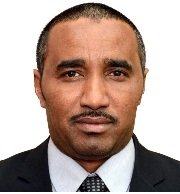 Anwer Mustafa Hilal合作论文数Dept Comp & Self Dev, Prince Sattam Bin Abdulaziz Univ6
 Ishfaq Yaseen合作论文数Dept Comp & Self Dev, Prince Sattam bin Abdulaziz Univ5
 Abu Sarwar Zamani合作论文数Dept Comp & Self Dev, Prince Sattam bin Abdulaziz Univ5
 Ghadah Aldehim合作论文数5Suhanda Drar合作论文数4Manar Ahmed Hamza合作论文数3
 Saud S. Alotaibi合作论文数3
 Mohammed Rizwanullah合作论文数Dept Comp & Self Dev, Prince Sattam bin Abdulaziz Univ3Nuha Alruwais合作论文数Univ Southampton3
 Radwa Marzouk合作论文数3
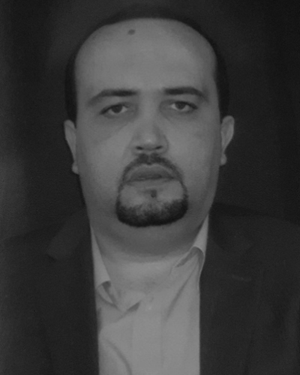 Mohamed K. Nour合作论文数Dept Comp Sci, Umm Al Qura Univ3Mohammed A Assiri合作论文数King Saud University3
 Mesfer Al Duhayyim合作论文数Dept Nat & Appl Sci, Prince Sattam Bin Abdulaziz Univ3
 Ayadi, M.合作论文数Lab. Math. Applique, Havre Univ. of Sfax;c;Lab. Math. Applique, Havre Univ. of Sfax3
 Amel Ksibi合作论文数3
 Ahmed S. Salama合作论文数3
 Mashael Maashi合作论文数3Heba G. Mohamed合作论文数2Amal M. Nouri合作论文数2Noura Abdelaziz Ahmed合作论文数2Ahmed Mahmud合作论文数2Randa Allafi合作论文数2
 Ibrahim R. Alzahrani合作论文数2
 Ayman Yafoz合作论文数2
 Abdullah Alzahrani合作论文数2Mohammed Aljebreen合作论文数Community College, King Saud University2
 Haya Mesfer Alshahrani合作论文数Dept Informat Syst, Princess Nourah Bint Abdulrahman Univ2Amal Al-Rasheed合作论文数Dept Informat Syst, Princess Nourah bint Abdulrahman Univ2Dalia H. Elkamchouchi合作论文数Dept Informat Technol, Princess Nourah Bint Abdulrahman Univ2Fatma Alrayes合作论文数Dept Informat Syst, Princess Nourah Bint Abdulrahman Univ2Heba Mohsen合作论文数Computer Science, Ain Shams University Faculty of Computer and Information Science2
 Abdullah Mohamed合作论文数Res Ctr, Future Univ Egypt2
 Raed Alsini合作论文数Dept Informat Syst, King Abdulaziz Univ2
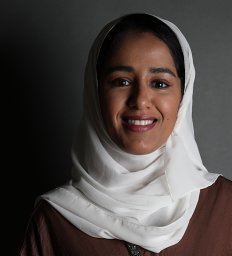 Rana Alabdan合作论文数Dept Informat Syst, Majmaah Univ2
 Mohammed Zakariah合作论文数King Saud Univ, Coll Comp & Informat Sci, Res Ctr, Riyadh 11451, Saudi Arabia2
 Amira Sayed A. Aziz合作论文数2Hanan Mengash合作论文数2Meshari H. Alanazi合作论文数1Alanoud Al Mazroa合作论文数1Jamal Alsamri合作论文数1Azza Elneil Osman合作论文数1
 Faiz Alotaibi合作论文数1Sultan Refa Alotaibi合作论文数1Bayan Alabdullah合作论文数1
 Kamal M Othman合作论文数1Faisal Nafie合作论文数1Ahmed Sayed合作论文数1
 Jaber S. Alzahrani合作论文数Dept Ind Engn, Umm Al Qura Univ1




