The present study examines the protection of intermediate chemical compounds and analyses some landmark decisions of the EPO Boards of Appeal. The majority of the decisions under consideration focus on the inventive step requirement (Article 56 EPC). The role of an intermediate product in an innovative production process does not inherently render it inventive. However, it may be eligible for protection if its transformation into the final product requires an original inventive step. It is possible to claim both intermediate and final products in a single patent application, provided there is a strong technical and structural link between them. The rulings highlight the importance of demonstrating an unexpected technical effect—such as a substantial increase in yield—to justify the grant of the patent.
In the era of smart garments, textile electrodes for electromyography (EMG) or functional electric stimulation (FES) represent a very interesting and promising area of development and exploitation. In this frame, we conducted a patent landscape analysis of textile solution for EMG sensing and FES actuation, using Espacenet as a reference database and Orbit Intelligent platform as a data analysis tool. The landscape analysis focused on the following aspects: filing trends, top applicants in this domain, main publication countries, forward citations, and collaborations between applicants. Following the screening process, a total of 97 patent families were subjected to subsequent analysis. China and the United States account for the majority of patents. The main applicants by volume of the topics studied are universities or research public entities.
The estimation of forest volume plays a crucial role in sustainable management practices aimed at reducing emissions resulting from deforestation and forest degradation. This particular study focused on investigating the correlation between the volume of A. seyal trees and RADAR backscatter, and subsequently deriving tree volume from the backscatter data obtained from RADAR. Field data was collected from two different locations, where systematic samples were established and measurements of tree height (Ht) and diameter at breast height (DBH) were taken. Additionally, Sentinel 1 C-band RADAR (VV, VH polarization), PALSAR, and ALOS 2 L-band (HH, HV polarization) backscatter data were acquired and analyzed to assess their sensitivity in estimating tree biophysical parameters. Land cover maps were then generated using Sentinel 1 data, and tree volume at the second site was obtained using a water cloud model based on ALOS 2 data. In the Wad Elbashir forest, the backscatter data from Sentinel 1 and ALOS PALSAR (cross-polarization) during the dry season exhibited a strong correlation with tree volume (R2 = 0.56 and R2 = 0.70, respectively). However, these relationships were found to be insignificant during the wet season and with like-polarization. In contrast to DBH, tree height (Ht) demonstrated a robust relationship (R2 = 0.60) with sigma-naught for ALOS PALSAR. In Okalma, ALOS 2 HH backscatter data showed a relatively strong correlation with tree volume (R2 = 0.54) compared to HV (R2 = 0.49), and lower R2 values were observed between tree volume and Sentinel 1 data when cross and like-polarization were assessed. Furthermore, tree height (Ht) exhibited a strong correlation with sigma-naught for σ° HH, σ° HV, σ° VV, and σ° VH (R2 = 0.73, R2 = 0.72, R2 = 0.62, and R2 = 0.66, respectively). Furthermore, the utilization of a water cloud model incorporating gaps (with a constant β) fails to accurately estimate tree volume. When β is adjusted based on the backscattering coefficient, it was observed that a linear function overestimated tree volume at higher values, while a quadratic function provided more appropriate estimates. The application of a semi-empirical model known as the Extended Water Cloud Model effectively mapped the volume of the forest. Additionally, it is deduced that RADAR data acquired during the dry season exhibits a correlation with tree biophysical parameters, enabling the retrieval of these parameters in both A. seyal plantations and natural stands. The techniques and equations derived from the EWCM, utilizing L-band-like polarization data, can be employed to spatially map the distribution of aboveground biomass and carbon in dry forests.
Context: RIICE (Remote sensing-based Information and Insurance for Crops in Emerging Economies) technology, developed since 2010 by sarmap and the International Rice Research Institute, has proven effective in Southeast Asia for monitoring rice production using satellite data. In Nigeria, rice is a key staple crop, yet reliable data on cultivated area and yield are lacking, limiting the ability to design effective interventions for improving productivity. Objective: This study aims to apply and improve the RIICE approach to provide accurate and up-to-date estimates of rice cultivated area, yield, and yield gaps in Nigeria. Methods: Over 1500 geolocated ground-truth points were collected across Kano, Jigawa, and Benue States during the 2022 and 2023 wet and dry seasons. RIICE technology was used to analyze the temporal signatures of satellite data to detect rice areas and crop season start dates. These outputs, combined with agronomic inputs such as soil characteristics, fertilizer use, and water availability, were fed into a crop model to estimate yields and assess yield gaps. Results and conclusion: In the 2023 wet season, estimated rice cultivation areas were 226,702 ha in Kano, 113,871 ha in Jigawa, and 317,282 ha in Benue, with detection accuracy ranging from 85 to 90 % in Kano and Jigawa and 75–85 % in Benue. Yield estimates showed Kano achieving averages of 5.1 t/ha (dry) and 5.0 t/ha (wet) under irrigated system, while Jigawa yielded 3.9 t/ha (dry) and 3.8 t/ha (wet). In Benue, yields averaged 3.5 t/ha, with some areas producing <1.0 t/ha. Yield gaps were significant: 3.0–3.2 t/ha in Kano and 4.0–4.1 t/ha in Jigawa, highlighting the need for targeted agronomic interventions to bridge these gaps and enhance rice productivity. Significance: The results demonstrate the effectiveness of integrating remote sensing with ground data and crop models for reliable yield estimation and, consequently, identifying the critical target areas where interventions are the most eventually needed.
The aim of this study is to present an overview of patented industrial hydrogen peroxide production processes. Searches were conducted using two databases, namely, Espacenet and Orbit, using mainly IPC and CPC classification symbols, sometimes combined with keywords. An analysis of the data from the Orbit database reveals that the anthraquinone auto-oxidation (AO) process and electrochemical methods have the highest number of active patents. When examining patent applications filed from 2020 onwards, electrochemical methods are found to be the most prevalent, followed by the auto-oxidation of anthraquinone. The data suggest that companies are investing less in the anthraquinone auto-oxidation process compared to electrochemical methods. Research is now focused on synthesizing hydrogen peroxide from water by means of photocatalytic methods, instead of direct synthesis using H2 and O2.
Metabolic diseases are increasing in relevance both in health and the economy in most countries. In this direction, if gold-standard technologies are based on blood analysis, non-invasive glucose monitoring is a relevant and great challenge that has not yet been fully resolved. Sweat represents a more suitable medium for the non-invasive sensing and monitoring of glucose than other bodily fluids, such as saliva, tears, or urine. However, the measurement of glucose levels requires the use of highly precise and sensitive sensors, given the low glucose concentration in sweat. This paper provides an overview of the patent landscape related to wearable biosensors for the monitoring of glucose levels in sweat.
This study analyzes patents and patent applications for wearable, non-invasive continuous glucose monitors (CGMs), distinguishing between those specifically claiming sports applications and those potentially applicable to sports. Although largely untested, the capacity of CGMs to capture the duration, magnitude, and frequency of interstitial glucose fluctuations may present a unique opportunity to monitor fueling adequacy around competitive events and training sessions, with applications for applied research and sports nutrition practice. We used Espacenet and FamPat databases to conduct both text-based and classification-based queries to enhance the precision and scope of our findings. The patents were categorized into three main technological groups: optical, electrochemical, and electromagnetic. For each category, we analyzed their suitability and limitations in practical applications. We also conducted a forward citation analysis to assess the impact and interest generated by these technological families and applications. Our insights highlight the drive towards continuous, wearable, and sport-oriented glucose monitors, with optical glucose monitoring technologies being the most frequently patented by major wearable companies due to their ease of integration into devices like smartwatches and rings. Patents of CGMs based on biofluids showed the greater technological impact among the documents evaluated in this study, and they could represent a promising frontier in the market of non-invasive glucose monitoring.
Chitosan is a biopolymer synthesized by deacetylation of chitin, a polysaccharide that can be obtained from various renewable resources, mainly waste from marine food production [...]
Most scientific publishers require authors to submit their manuscripts with a text reporting their parallel activities which might be considered as Conflicts-of-Interest (COI), including patent-related ones. The patenting activities that are disclosed by authors or institutions as COI in articles within Conflicts-of-Interest Statements (COIS) are generally analyzed in the literature either within small datasets or using non-systematic methodologies. This study proposes methods for assessing COIS presence and their main features across biomedical topics and journals, particularly with respect to the patent filing details that may be disclosed herein. These methods have been established and tested in the freely available PubMed database by searching the literature indexed herein during the period 2011–2022. However, when comparing the results of such searches within PubMed and a selection of journals’ websites for a specific topic (such as COVID-19), COIS appear unevenly available and searchable in PubMed owing to the varying practices that each journal implements. Thus, COIS appear a possibly underestimated source of patent information but the search and analysis of COI disclosures in biomedical literature requires well-designed and controlled strategies for identifying the relevant evidences for a given scope, such as prior art analysis and legal or strategic evaluation of patenting activities.
Plastic waste is one of the world's biggest sources of pollution. Despite the growing trend towards recycling, there are currently no effective technologies to offset the continuous increase in plastic production. Polyesters and polyamides are among the most widely produced single-use plastics, mainly used in the manufacture of textiles and soft drink bottles. Currently, only a small proportion of these polymers can be effectively recycled. The two primary methods employed for this purpose are mechanical and chemical recycling. Presently, mechanical recycling remains the more widely adopted process within the industrial sector. However, the treatment process is limited to a narrow range of waste materials as it is impossible to remove dyes and the mechanical properties deteriorate due to incompatibility between different plastic materials. Another critical limit of this recycling technology is the limited number of recycling loops that can be done due to the thermal degradation that occurs during the extrusion process. The alternative option is chemical recycling, which allows the depolymerization of the original product to recover the monomers directly. The main drawbacks are the long reaction times and the many solvents needed to achieve high-purity products. As a results, chemical recycling is only economically feasible for large companies that can produce the virgin polymer in situ. In this work, a new technology has been patented. This process consists of three main steps. The first one is the distillation-assisted cyclodepolymerization (DA-CDP), introduced as a modification of the CDP process. In this unit, cyclic oligomers together with high molecular weight compounds are produced. Then, after polymer purification, it is possible to achieve the same molecular weight as the initial polymer in less than 30 min, exploiting the ring-opening polymerization (ROP) of the next step.
The objective of this presentation is to provide an overview of the methodology employed in patent landscape analyses (PLA), with a particular focus on the patented processes used to produce hydrogen peroxide.Patents are an essential source of technical knowledge that may not be found anywhere else. In a paper published in World Patent Information it is posited that 57 % of technical information can be found exclusively in patents. Even if the quantity of information is difficult to quantify, the rising number of patent applications demonstrates the growing importance of patents as a source of information.A patent landscape is a specific type of patent search conducted with the objective of identifying the most recent inventions or to study the development of a particular technology.An example of PLA is reported, focused on the industrial production of hydrogen peroxide. The search was carried out using a combination of classification schemes (IPC – International Patent Classification and CPC – Cooperative Patent Classification) and keywords.The global patent landscape is dominated by China, the USA and Japan. The patenting trend indicates a rise in the number of filings for electrolytic and photocatalytic methods, with a notable acceleration in the latter.These results can be beneficial for researchers and technology transfer professionals. Researchers may utilize these findings to develop new photocatalytic methods or enhance the alkyl anthraquinone auto-oxidation (AO) process, focusing on the catalytic systems and reactors utilized for the hydrogenation step, for example.
This invention refers to an innovative treatment capable of forming a coating on metallic lithium. This coating is able to solve the problem of dendritic growth, which represents a safety risk for batteries in terms of overheating or even catching fire. It is a process for the surface fluorination of metallic lithium using elemental fluorine. In this way, a uniform and impurity-free surface layer of lithium fluoride is formed on the whole surface of metallic lithium. This highly reproducible treatment can also be carried out on a large scale; it allows the creation of a material that can be advantageously used as anode in lithium batteries, since it guarantees significantly higher performances than those obtained by using bare metallic lithium anodes, and also those with lithium metal anodes equipped with a lithium fluoride layer, in which the creation of a lithium fluoride layer is achieved in situ by organic or other inorganic fluorinating agents.
This report aims to provide a patent landscape analysis on carbon allotrope-based textile electrodes and biosensors to measure biosignals and detect several parameters. Espacenet, a free-of-charge patent database provided by the EPO (European Patent Office) and containing data on more than 140 million patent publications from over 100 countries, was used as the reference database. The patent search was carried out by combining keywords and classification symbols. Both classification schemes (IPC–International Patent Classification and CPC–Cooperative Patent Classification) were used. As a result of this study, a total of 227 patent documents were found between 2002 and 2023. The first patent application claiming a fabric electrode arrangement with carbon black as conductive material was filed in 2002 (and published in 2004) by Philips. 2021 was the year with the highest number of published patent applications, with 36 documents. The United States was ranked first with 126 patent documents. Carbon nanotubes and graphene are the most patented carbon allotrope materials, while body temperature, motion, and heart rate measurements are the main disclosed applications. We also analyzed the Orbit database obtaining 288 patent documents (vs. 227) with only 238 still active records (148 granted and 90 pending applications): the first application by Philips on an electrode arrangement is confirmed, and the patent distribution shows a peak in the period 2016–2020 (146 records available), while today it seems to be stable or even decreasing (“only” 52 records in the half period January 2021–June 2023). This outcome suggests that this material and related technology has reached its maximum exploitation or has not demonstrated a disruptive output.
 Gatti, L.合作论文数16Francesco Holecz合作论文数15Francesco Collivignarelli合作论文数10
 Mirco Boschetti合作论文数CNR IREA, Inst Electromagnet Sensing Environm8Eduardo Jimmy P. Quilang合作论文数7
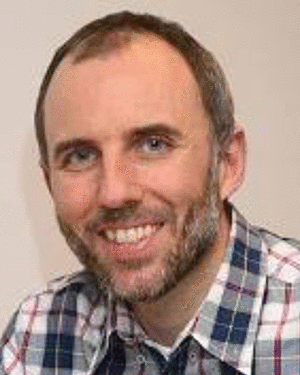 Andrew Nelson合作论文数7
 Flavio Manenti合作论文数Dipartimento di Chimica, Materiali e Ingegneria Chimica "Giulio Natta", Politecnico di Milano7
 Tri Setiyono合作论文数Department of Agronomy and Horticulture, University of Nebraska-Lincoln7Giuseppe Andreoni合作论文数6
 Lorenzo Busetto合作论文数Remote Sensing of Environmental Dynamics Laboratory, Università degli Studi Milano-Bicocca6A. Maunahan合作论文数5jeny raviz合作论文数5Arnel Rala合作论文数5
 Alice G. Laborte合作论文数International Rice Research Institute (IRRI), DAPO, P.O. Box 7777, Metro Manila, Philippines5
 Vo Quang Minh合作论文数5F. Collivignarelli合作论文数4F Holecz合作论文数4Alessio Cantone合作论文数4
 Daniela Stroppiana合作论文数Institute for Electromagnetic Sensing of the Environment4
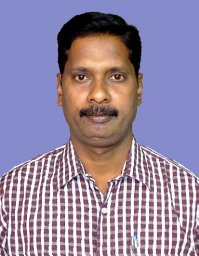 S. Pazhanivelan .合作论文数4T. D. Setiyono合作论文数3Mary Rose Mabalay合作论文数3
 Aileen Maunahan合作论文数3Emma D. Quicho合作论文数3Kristiano Prifti合作论文数3alfie bacong合作论文数3Sonia Asilo合作论文数Fac Geoinformat Sci & Earth Observat, Univ Twente3
 Tuan Quoc Vo合作论文数Can Tho University3
 Andrea Galeazzi合作论文数3
 Manuel Campos-Taberner合作论文数Univ Valencia, Fac Phys, Dept Earth Phys & Thermodynam, Dr Moliner 50, E-46100 Valencia, Spain3
 Francesco Nutini合作论文数3
 Giacinto Manfron合作论文数Institute for Electromagnetic Sensing of the Environment, National Research Council;Department of Agricultural and Environmental Sciences - Production, University of Milan;Institute for Electromagnetic Sensing of the Environment, University of Milan3
 Francisco Javier Garcia Haro合作论文数Earth Physics and Thermodynamics Department, Universitat de Valencia;Departamento Termodinamica, Facultat de Fisica, Universitat de Valencia3
 Paolo Pasquali合作论文数Dipartimento di Sanità Alimentare ed Animale, Istituto Superiore di Sanità Rome Italy3Nasreen Islam Khan合作论文数Centre for Environmental Risk Assessment and Remediation, University of South Australia3Lorena Villano合作论文数2
 Manoj Kumar Yadav合作论文数2Jean Rochielle Mirandilla合作论文数2mary mabalay合作论文数2
 Matteo Fedeli合作论文数Ctr Sustainable Proc Engn Res SuPER, Politecn Milan2
 Nguyen Huu Quyen合作论文数2Veasna Touch合作论文数2
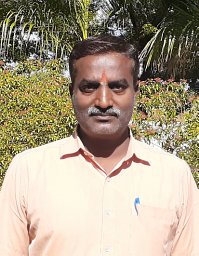 Subramanian Elangovan合作论文数Dept Farm Management, Tamil Nadu Agr Univ2Gonçal Grau-Muedra合作论文数2
 Kannan Pandian合作论文数Dept Soils & Environm, Tamil Nadu Agr Univ2
 Ramin Azar合作论文数2
 Dimitris G. Stavrakoudis合作论文数Department of Electrical and Computer Engineering, Aristotle University of Thessaloniki2Dimitrios Katsantonis合作论文数Cereal Institute, National Agricultural Research Foundation2
 Davide Moscatelli合作论文数Dipartimento di Chimica, Materiali e Ingegneria Chimica “Giulio Natta”,, Politecnico di Milano2




