The progesterone concentration in endometrial tissue after using vaginal progesterone supplementation is significantly higher than that with IM progesterone administration, whereas; serum progesterone levels are approximately four times higher with IM progesterone compared with vaginal administration. Therefore, serum progesterone cut-off points will differ according to the route of progesterone administration. This study aims to assess the association between serum progesterone levels on the day of frozen embryo transfer (FET) and pregnancy outcomes in artificial FET cycles. This multicenter prospective cohort study, conducted at different centers of Indira IVF Hospitals across India, included 353 women aged 21–40 years who underwent hormone replacement therapy-based FET cycles with intramuscular (IM) progesterone administered up to the day of embryo transfer. The mean serum progesterone level was 31.36 ± 13.78 ng/mL. Participants were categorized into quartiles based on serum progesterone levels: Q1 (<21.7 ng/mL), Q2 (21.7–28.1 ng/mL), Q3 (28.2–40.0 ng/mL), and Q4 (≥40.0 ng/mL). No significant differences in ongoing pregnancy rate (OPR), clinical pregnancy rate (CPR), first-trimester miscarriage rates, or live birth rate (LBR) were observed across the quartiles. Binary logistic regression revealed no statistically significant differences in OPR among the quartiles. Our findings suggest that serum progesterone levels do not significantly influence clinical outcomes, including OPR, CPR, and LBR, in patients undergoing artificial FET cycles with IM progesterone support.
Ovarian stimulation (OS) is a crucial component of clinical IVF treatment that strongly influences outcomes. As such, it is useful to understand the indicators for successful OS during IVF. As OS leads to multiple follicular recruitment, it can be quantified as number of oocytes retrieved. Optimal OS should help to maximize the number of oocytes, thus improving preclinical laboratory outcomes. Optimal preclinical outcomes should ultimately lead to clinical outcomes with maximal efficacy, safety, and cost-effectiveness. To help guide successful OS, this review details prognostic factors and appropriate endpoints for an optimal OS at each stage of the IVF cycle.
Abstract Background Currently, there is no consensus on the optimal management of women with low prognosis in ART. In this Delphi consensus, a panel of international experts provided real-world clinical perspectives on a series of literature-supported consensus statements regarding the overall relevance of the POSEIDON criteria for women with low prognosis in ART. Methods Using a Delphi-consensus framework, twelve experts plus two Scientific Coordinators discussed and amended statements and supporting references proposed by the Scientific Coordinators (Round 1). Statements were distributed via an online survey to an extended panel of 53 experts, of whom 36 who voted anonymously on their level of agreement or disagreement with each statement using a six-point Likert-type scale (1 = Absolutely agree; 2 = More than agree; 3 = Agree; 4 = Disagree; 5 = More than disagree; 6 = Absolutely disagree) (Round 2). Consensus was reached if > 66% of participants agreed or disagreed. Results The extended panel voted on seventeen statements and subcategorized them according to relevance. All but one statement reached consensus during the first round; the remaining statement reached consensus after rewording. Statements were categorized according to impact, low-prognosis validation, outcomes and patient management. The POSEIDON criteria are timely and clinically sound. The preferred success measure is cumulative live birth and key management strategies include the use of recombinant FSH preparations, supplementation with r-hLH, dose increases and oocyte/embryo accumulation through vitrification. Tools such as the ART Calculator and Follicle-to-Oocyte Index may be considered. Validation data from large, prospective studies in each POSEIDON group are now needed to corroborate existing retrospective data. Conclusions This Delphi consensus provides an overview of expert opinion on the clinical implications of the POSEIDON criteria for women with low prognosis to ovarian stimulation.
Varicocele can reduce male fertility potential through various oxidative stress mechanisms. Excessive production of reactive oxygen species may overwhelm the sperm's defenses against oxidative stress, damaging the sperm chromatin. Sperm DNA fragmentation, in the form of DNA strand breaks, is recognized as a consequence of the oxidative stress cascade and is commonly found in the ejaculates of men with varicocele and fertility issues. This paper reviews the current knowledge regarding the association between varicocele, oxidative stress, sperm DNA fragmentation, and male infertility, and examines the role of varicocele repair in alleviating oxidative-sperm DNA fragmentation in these patients. Additionally, we highlight areas for further research to address knowledge gaps relevant to clinical practice.
OBJECTIVE:To describe the reproductive and obstetric outcomes of an intracytoplasmic sperm injection cycle with preimplantation genetic testing for aneuploidy in an advanced reproductive-age woman with high-grade mosaic Turner syndrome. METHODS:Case report of a 39-year-old woman diagnosed with mosaic Turner Syndrome 45,X[90]/46,XX[10] karyotype who underwent in vitro fertilization treatment with blastocyst trophectoderm biopsy for preimplantation genetic testing using next-generation sequencing. RESULT(S):Two of the four blastocysts biopsied were euploid. The patient achieved ongoing pregnancy after the first single euploid frozen embryo transfer, followed by the birth of a healthy child. CONCLUSION:Autologous intracytoplasmic sperm injection cycles can be considered in a select group of advanced reproductive-age women diagnosed with high-grade mosaic Turner syndrome.
OBJECTIVE:To determine whether elective frozen embryo transfer (eFET), or the 'freeze-all' strategy, associated with better cumulative clinical outcomes compared with fresh embryo transfer (ET).METHODS:A total of 7,236 IVF cycles that were followed by a fresh ET or eFET between 2013 and 2017. The patients were subjected to controlled ovarian stimulation (COS) with a gonadotropin-releasing hormone (GnRH) antagonist protocol and cleavage-stage ET. Embryo cryopreservation was performed on day 3 by vitrification using an open system. A comparison of cumulative outcomes between the eFET (n=4,065cycles) and the fresh ET groups (n=3,171cycles) were performed. The analysis was performed in four groups of patients based on the number of retrieved oocytes: Group 1: poor responders (1-3 oocytes); Group 2: suboptimal responders (4-9 oocytes); Group 3: normal responders (10-15 oocytes); and Group 4: hyper-responders (>15 oocytes). The primary outcome was the cumulative live birth rate (CLBR) per stimulated cycle.RESULTS:There were a total of 10,283 ETs (n=5,639 eFET group; n=4,644 fresh group). The freeze-all strategy is associated with improved CLBRs in normal and hyper-responders, but not in suboptimal and poor responders. In Group 1, there were 351 IVF cycles and 387 ETs in total, and the CLBR was 14.3% and 17.7% (p=0.584) for the eFET and fresh group, respectively. In Group 2, there were 2,074 IVF cycles and 2,465 ET in total, and the CLBR was 25.1% and 23.3% (p=0.083) in the eFET and fresh group, respectively. There was a significant difference in the CLBR in Groups 3 and 4, favouring the eFET strategy. In Group 3, 2226 IVF cycles and 3243 ET were performed. The CLBR was 40.5% in the eFET and 36.6% in the fresh group (p<0.001). In Group 4, there were 2547 IVF cycles and 3,188 ET in total, and the CLBR was 52.2% and 47.7% (p<0.001) in the eFET and fresh group, respectively. The number needed to treat to achieve one additional live birth was 25.9 in Group 3 and 22.3 in Group 4.CONCLUSIONS:The implementation of the freeze-all strategy should be individualized. The freeze-all strategy is associated with improved CLBRs in normal and hyper-responders, but not in suboptimal and poor responders.
Varicocele is the leading cause of male infertility. It can affect sperm quantity and quality through various non-mutually exclusive pathophysiological mechanisms, mainly oxidative stress. Excessive production of reactive oxygen species may overwhelm the sperm's defenses against oxidative stress and harm the sperm's DNA. Excessive sperm DNA breaks, so-called sperm DNA fragmentation, result from the oxidative stress cascade and are commonly found in the ejaculates of men with varicocele and fertility-related issues. Measuring sperm DNA fragmentation can provide valuable information on the extent of harm and might help select candidates for surgical treatment. Varicocelectomy is beneficial for alleviating oxidative stress-associated infertility and improving sperm DNA integrity. However, reproductive outcomes of infertile men with elevated sperm DNA fragmentation rates and surgically treated varicoceles remain poorly studied, and there is a need for well-designed trials to determine the impact of sperm DNA fragmentation reduction on natural and medically assisted reproduction.
Background:The purpose of the study was to compare three-dimensional (3D) ultrasound semiautomatic antral follicle count (AFC) with two-dimensional (2D) ultrasound real-time AFC to evaluate patients with deep endometriosis and/or endometrioma submitted to ovarian stimulation (OS). Methods:This was a retrospective cohort study assessing all women with documented diagnosis of deep endometriosis who underwent OS for assisted reproduction treatment. The primary outcome was the difference between AFC by semiautomatic 3D follicle count using 3D volume datasets and 2D ultrasound count with the number of oocytes retrieved at the end of the cycle. The 3D ultrasound AFC was obtained using sonography-based automated volume count (SonoAVC), and the 2D ultrasound AFC data was collected from the electronic medical record. Results:Total of 36 women had deep endometriosis documented by magnetic resonance imaging, laparoscopy, or ultrasonography and 3D ovarian volume datasets stored from their first exam. The differences between the 2D and 3D AFC and the number of oocytes retrieved at the end of the stimulation were compared, showing no significant statistical difference between both methods (P = 0.59). Correlations were similar using both methods when compared to the number of oocytes retrieved (2D [r = 0.83, confidence interval (CI) = 0.68-0.9, P < 0.001]); (3D [r = 0.81, CI = 0.46-0.83, P < 0.001]). Conclusion:3D semiautomatic AFC can be used to access the ovarian reserve in patients with endometriosis.
Introduction Progesterone is an essential hormone involved in the process of implantation and pregnancy maintenance. Evidence from recent studies has supported the importance of serum progesterone level around the time of embryo transfer in hormonal replacement therapy frozen embryo transfer cycles and recommended the need for individualised luteal support. Low progesterone around the time of embryo transfer is found to be associated with decreased rate of pregnancy after frozen embryo transfer. This single-centre, longitudinal, randomised, interventional controlled study aims to compare the rate of ongoing pregnancy between two groups of women with progesterone level below 10 ng/mL on the day of frozen embryo transfer: the study group using 800 mg vaginal micronised progesterone supplemented with 50 mg intramuscular progesterone per day and the control group using only 800 mg vaginal micronised progesterone. Methods and analysis We enrol patients who are undergoing frozen embryo transfers with blastocyst-stage or cleavage-stage embryos and who satisfy the inclusion and exclusion criteria. After signing the informed consent, participants are randomised into two groups: the study group using vaginal micronised progesterone supplemented with progesterone intramuscular 50 mg per day and the control group using only vaginal micronised progesterone. Randomisation will be performed using R software at a 1:1 allocation ratio. Sequentially numbered, opaque sealed envelopes are used for allocation. The primary outcome is the rate of ongoing pregnancy. To demonstrate a difference of 10% with regard to rate of ongoing pregnancy, at least 370 participants per arm are required (type I error α=0.05, power=0.8). Assuming a dropout rate of 10%, a total of 824 patients (412 per group) will be invited. Ethics and dissemination This study was approved by the Ethics Committee of Tu Du Hospital on 17 May 2021 (reference number: 1251/QĐ-BVTD). All participants provide informed consent before being enrolled in the study. The results of our study will be submitted to reproductive medicine conferences and journals. Trial registration number NCT04897269.
Poor ovarian response remains one of the most challenging tasks for an IVF clinician. In this review, we aim to highlight the ongoing research for optimizing the prognosis in poor ovarian response patients. The newly introduced POSEIDON criteria argue that the first step is to move from a poor response to a poor prognosis concept, while improving identification and stratification of the different sub-types of poor prognosis patients prior to ovarian stimulation. The immediate marker of success is the ability of the ovarian stimulation to retrieve the number of oocytes needed to obtain at least one euploid blastocyst for transfer in each patient. This surrogate marker of success should not replace live birth as the most important outcome, but it should be approached as a useful tool for clinicians to evaluate their strategy for achieving live birth in the shortest timespan possible in the individual patient/ couple.
Although there are many potential advantages associated with performing a freeze-all cycle over fresh ET, it seems that the freeze-all strategy is not designed for all of IVF patients. Based on the findings of available RCTs, it seems reasonable to implement this strategy in patients with a risk of OHSS, hyper-responders/PCOS patients, and when performing PGT in the blastocyst stage. Further, RCTs are needed to evaluate the appropriateness of the freeze-all strategy for all other possible indications. Thus, implementation of the freeze-all strategy should be individualised and offered to all patients who would most likely benefit from it.
AIM:To evaluate the overall performance and oocyte quality of follicular phase stimulation (FPS) vs. luteal phase stimulation (LPS) among patients undergoing double ovarian stimulation (DuoStim). MATERIALS AND METHODS:Observational retrospective two-center cohort study including 79 infertile women who underwent a total of 87 DuoStim cycles between January 2017 and May 2019. Besides assessing baseline characteristics in order to determine the patients' clinical profile, we analyzed the FPS and LPS regarding the total dose of gonadotropin received, the duration of stimulation, the number and maturity of oocytes, fertilization and blastocyst formation rates, and the number of blastocysts obtained. RESULTS:The patients' baseline characteristics were compatible with a diminished ovarian reserve and poor reproductive prognosis. While the luteal phase needed longer stimulation (12 days (5-19) vs. 11 (7-16), p < .001) and slightly higher gonadotropin doses (2946 ± 890 IU vs. 2550 ± 970 IU, p < .001), no significant differences were detected in the oocyte maturity, fertilization, and blastocyst formation rates. However, the number of oocytes retrieved (5 (0-16) vs. 4 (0-15), p = .006), mature oocytes (4 (0-15) vs. 3 (0-11), p = .032), and blastocysts obtained (70 vs. 53) were substantially greater after LPS. CONCLUSIONS:The DuoStim strategy in poor prognosis patients increases the number of oocytes and blastocysts available. Moreover, the number of oocytes and blastocysts obtained are higher after LPS when compared to FPS. Thus, it should be considered for selected patients in order to not only improve reproductive outcomes but also shorten the time to pregnancy.
Endometriosis affects a great proportion of women during their reproductive years and may impair female fertility in several ways. Ovarian endometrioma (OE) is the most frequent phenotype and growing evidence suggest an endometrioma-mediated damage to the ovary, ovarian reserve and oocyte quality. Traditionally, surgery has been the first-line treatment in cases of OE. Great advances in assisted reproduction and fertility preservation techniques opened new possibilities towards a more conservative approach. Herein we discuss multiple mechanisms responsible for the deterioration of the reproductive capacity in cases of OE as well as the pros and cons of different treatment options. The management of endometrioma-related subfertility remains controversial and it will depend on patient's intentions and priorities. In the "internet era" patients tend to be hyper-informed and more participative, but they are often misguided and misinformed. Thus, doctors should be able to convert these individuals into well-informed patients in order to facilitate the process of shared decision making, which is extremely relevant in the context of OEs.
How many couples that have not yet become parents abandon in vitro fertilization (IVF) treatment owing to the psychological burden associated with treatment failure? Psychological stress is by far the most important factor in IVF treatment termination. Up to 50% of patients change doctors after their first IVF attempt. In the United States, up to 65.2% of patients with health insurance coverage that would be eligible to undergo another IVF treatment after a failed treatment do not seek further care (1Domar A.D. Pooney K. Hacker M.R. Sakkas D. Dodge L.E. Burden of care is the primary reason why insured women terminate in vitro fertilization treatment.Fertil Steril. 2019; 109: 1121-1126Abstract Full Text Full Text PDF Scopus (30) Google Scholar). This discontinuation of treatment among insured patients is most commonly attributed to psychological burdens, including feeling too stressed to continue and the strain of infertility on the couple's relationship. Even in countries where the government pays for three to six IVF cycles, about one-third of patients abandon treatment after at least one failed IVF cycle, highlighting the importance of the first IVF attempt (2Brandes M. van der Steen J.O. Bokdam S.B. Hamilton C.J. de Bruin J.P. Nelen W.L. Kremer J.A. When and why do subfertile couples discontinue their fertility care? A longitudinal cohort study in a secondary care subfertility population.Hum Reprod. 2009; 24: 3127-3135Crossref PubMed Scopus (144) Google Scholar). In contrast, in many developing nations, there is no IVF insurance or government coverage, so patients must pay for treatment out of their own pockets. As a result, many patients spend their lifetime financial savings for access to one IVF attempt, which most likely will result in failure. Furthermore, patients without IVF insurance coverage have threefold higher odds of treatment discontinuation compared with women with IVF insurance coverage (3Bedrick B.S. Anderson K. Broughton D.E. Hamilton B. Jungheim E.S. Factors associated with early in vitro fertilization treatment discontinuation.Fertil Steril. 2019; 112: 105-111Abstract Full Text Full Text PDF PubMed Scopus (11) Google Scholar). Therefore, although treatment costs are an important consideration at all times, there is a critical need to evaluate treatment effectiveness from the first cycle. Patients who choose to discontinue could, indeed, have a favorable prognosis and possibility to conceive, but psychological and financial pressures spoil their chance to have a biological child; patients may eventually regret this loss. Several factors can converge in a "perfect storm" that prompts the discontinuation of IVF care after the first failed cycle. First, the clinical efficiency in terms of live birth rates (LBRs) remains low. Although this phenomenon has been known for decades, refinements and advances in reproductive treatments have not improved LBR at the first attempt per initiated cycle, which remains in the range of 25%–30% (4Adamson G. de Mouzon J. Chambers G. et al.International Committee for Monitoring Assisted Reproductive Technology: world report on assisted reproductive technology, 2011.Fertil Steril. 2018; 110: 1067-1080Abstract Full Text Full Text PDF PubMed Scopus (138) Google Scholar). Second, there is a lack of translational research bridging the gap between basic science and clinical application. Instead, this gap is occupied by whims that are immediately adopted by the medical community because they are easy to implement—such as scratching the uterus of a patient and pretending that it is a thoughtful treatment—or adding pills empirically, the last being an antidepressant. Finally, although robust meta-analyses are sometimes needed to summarize the current knowledge about a specific medical issue, such studies have become the Holy Grail in reproductive literature. Instead of critically revising the existing knowledge produced by randomized clinical trials (RCTs) and identifying biases, some meta-analyses are simply adding anything that might fit, like a "food processor," regardless of study quality and power. We have paid more attention to massaged poor-quality data through epidemiologic and statistical techniques than to creating high-quality data. For some topics, there are more meta-analyses than RCTs. In cooking terms, we need more excellent chefs than food critics to better understand the relationships among reproducibility, cumulative evidence, and the truth of clinical claims. The metrics we use should be adapted to our main priority—that is, patient first—rather than preferred rules for clinicians or IVF centers. We have moved from the number of eggs retrieved or fertilization rates to cumulative live birth rate (CLBR) as a reliable way of reporting the success of an IVF program. The term cumulative means increasing in quantity by successive additions for patients repeatedly treated in one IVF center, incorporating all theoretical possibilities that are sitting in the freezer or in the cloud for all patients to conceive. From the patient perspective, the CLBR is informative after an unsuccessful cycle; but if the patient discontinues treatment, her CLBR will be 0. The main goal of an IVF treatment is for patients to bring home a healthy baby in the shortest period of time with the lowest number of embryo transfers performed. Patients are not interested in how many cycles it takes at a specific center for any patient to conceive; rather, they want to know their real chances to conceive a baby at the first attempt. This goal is relevant for specific interventions that will improve the success rate in terms of live birth at the first attempt—even if there will be no change in the CLBR, which is often used as an argument against adopting a technique that will benefit a patient in the first attempt. Worse yet, such interventions are reserved for implantation failure, when patients have attempted at least three unsuccessful cycles. However, because many patients will discontinue treatment after three failed attempts, they will never have an opportunity to implement a strategy that is only advocated by failure. Those proceeding with further treatments frequently ask why such a technique was not implemented earlier to enable them to avoid cycle failures, some of which ended in miscarriage and its associated medical risks and emotional distress. These phenomena underscore that personalization in reproductive medicine must evolve considerably compared with other areas of medicine. The use of genetics and molecular diagnostics could lead to improvements in IVF treatment efficacy, and the potential benefits of such approaches should be discussed with patients in the first IVF attempt (5Simon C. Sakkas D. Gardner D. Critchley H. Precision medicine in human reproduction. Special issue.Biol Reprod. 2019; 101: 1075Crossref PubMed Scopus (2) Google Scholar). We cannot defend the implementation of add-on treatments without an evidence base. Rather, we argue for a shift of mindset in the new decade: to use all available scientific evidence to support our patients in providing their best IVF treatment first, because sometimes the first treatment may be their only treatment, at least in our clinic. Furthermore, there is no economic rationale for either the patient or the doctor to undergo several failed cycles before offering the best possible care.
 Sandro C. Esteves合作论文数Androfert, Andrology and Human Reproduction Clinic;Department of Surgery, Faculty of Medical Sciences, State University of Campinas;Faculty of Health, Aarhus University;American Centre for Reproductive Medicine, Cleveland Clinic43
 Selmo Geber合作论文数Ctr de Medicine Reprodutiva, ORIGEN16
 Peter Humaidan合作论文数14Marcello Valle合作论文数14
 Marcos Sampaio合作论文数Physics Department, Federal University of Minas Gerais13
 Thor Haahr合作论文数Skive Regional Hospital, Aarhus University6
 Carlo Alviggi合作论文数Urologic and Reproductive Medicine, University of Naples “Federico II”,6
 Sesh Kamal Sunkara合作论文数5
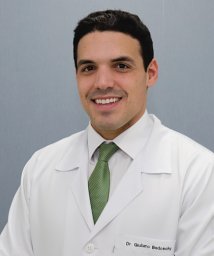 Bedoschi Giuliano合作论文数Laboratory of Molecular Reproduction &Fertility Preservation, Obstetrics and Gynecology, New York Medical College;Innovation Institute for Fertility Preservation and IVF5
 Alessandro Conforti合作论文数Scienze Riproduttive ed Odontostomat, ologiche -Università degli Studi di Napoli 'Federico II'5
 Ashok Agarwal合作论文数Lerner College of Medicine, Case Western Reserve University5
 F GUIMARAES合作论文数4Robert Fischer合作论文数4
 Filippo Maria Ubaldi合作论文数Centres for Reproductive Medicine, Genera4Orvieto R合作论文数3
 Nikolaos P. Polyzos合作论文数Klebsiella oxytoca Working Group, Thessaloníki, Greece3
 Hakan Yarali合作论文数Faculty of Medicine, Hacettepe University3Quoc Anh Nguyen合作论文数2
 Bianca Bianco合作论文数2
 Vuong Thi Ngoc Lan合作论文数2Thi Minh Chau Le合作论文数2Phuc Thinh Ong合作论文数Ctr Populat Hlth Sci, Hanoi Univ Publ Hlth2
 Christofolini Denise Maria合作论文数Department of Gynecology and Obstetrics, Faculdade de Medicina do ABC (1) (FMABC),2La Marca Antonio合作论文数2
 Daniela Galliano合作论文数2
 Vaiarelli Alberto合作论文数Universitair Ziekenhuis Brussel, Vrije Universiteit Brussel2
 Ahmad Majzoub合作论文数Department of Urology, Hamad Medical Corporation2
 Gustavo Nardini Cecchino合作论文数2
 Fabiola Couceiro Bento合作论文数2
 Claus Yding Andersen合作论文数Laboratory of Reproductive Biology, Juliane Marie Center for Children,;Women and Reproduction, University Hospital of Copenhagen;Faculty of Health Science, University of Copenhagen2
 Manish Banker合作论文数Pulse Women's Hospital;Endoscopy, Pulse Women's Hospital;Pulse Women's Hospital, Pulse Women's Hospital2
 Caio Parente Barbosa合作论文数Genetics and Human Reproduction Division, Gynecology and Obstetric Department, Santo André, Brazil2
 Michael Grynberg合作论文数2
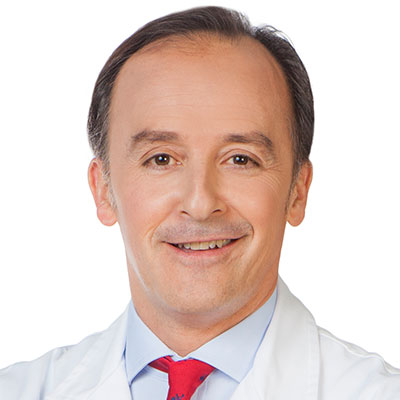 Juan Antonio García Velasco合作论文数Departamento für Especialidades Médicas y Salud Pública, Universidad Rey Juan Carlos;IVIRMA Global Research Alliance2
 Michael H. Dahan合作论文数Department of Reproductive Medicine;University of California , San Diego;Department of Reproductive Medicine, University of California , San Diego2Ciro Dresch Martinhago合作论文数Department of Genetics Ribeirão Preto Medical School, University of São Paulo2
 Miguel A Checa合作论文数2Klaus Buehler合作论文数1Denny Sakkas合作论文数1Vera Baukloh合作论文数1Mariana Furtado Meinberg合作论文数1Khaled Terras合作论文数1Kshitiz Murdia合作论文数1Le Quang Thanh合作论文数1Maria Cerrillo合作论文数1Baris Altay合作论文数1Shu Foong合作论文数1
 Rima Dada合作论文数1




