Background Telemedicine has gained traction in surgical subspecialties, particularly since the COVID-19 pandemic. This study aims to identify whether telemedicine can be appropriately integrated within surgical oncology practice. Methods This retrospective study evaluated patients who received either telemedicine or office follow-up after undergoing surgical oncology operations between 2016 and 2021. The telemedicine group (TG) and office group (OG) received a 15-question survey regarding their satisfaction with their care. Patient outcomes and responses were analyzed utilizing propensity-score matching in 1:1 fashion. Results Telemedicine group and OG each had 21 patients. Length of stay, complication frequency, follow-up frequency, and readmissions frequency within 90-days were comparable between groups. Telemedicine group expressed comparable satisfaction with postoperative care relative to OG (95.2% vs. 85.7%, p = 0.61). All telemedicine patients said they would utilize telemedicine again in the future and would recommend its use to others. Conclusion Patient satisfaction with postoperative telemedicine follow-up is comparable to those with in-person follow-up.
Background: There is limited evidence on the optimal surveillance approach in patients with low- and very low -risk gastrointestinal stromal tumors, resulting in inconsistent and arbitrary approaches to surveillance in this population. In this study, we reviewed our institutional approach to surveillance in patients with low- and very low -risk gastrointestinal stromal tumors and the costs associated with detecting recurrence. Methods: We retrospectively reviewed consecutive adult patients treated for low- and very low -risk gastrointestinal stromal tumors at our institution from 2010 to 2019. Data collected included patient and tumor characteristics, surgical management, and postoperative follow-up. Surveillance -related expenses were calculated using estimates of average costs obtained from our institution. A cost analysis was performed to evaluate estimated yearly costs based on the surveillance strategy used. Results: There were 60 patients included. The mean age at diagnosis was 63.9 (+/- 12.5) years. The primary tumor was typically in the stomach (73%; n = 44). Computed tomography scan of the abdomen and pelvis with intravenous contrast was the most common surveillance modality (total = 226 scans). No recurrences were identified. Median follow-up duration was 49.0 (interquartile range = 19.5-61.5) months. The mean number of surveillance images per patient was 4 (+/- 2.6). Surveillance imaging was obtained more frequently than just annually in 83% (n = 50) of patients, with an estimated yearly cost of $2,840.77 (interquartile range = $2,273.62-$3,895.92) and no detection of recurrence. Conclusion: In this study population, patients with low- and very low -risk gastrointestinal stromal tumors underwent frequent imaging studies for surveillance with little yield and at substantial cost. Further multi -institutional studies on practice patterns and outcomes of surveillance are warranted to better inform standardized surveillance recommendations. (c) 2023 Elsevier Inc. All rights reserved.
Objective The objective of this study is to analyze the outcomes of patients with resectable/borderline resectable PDAC who receive total neoadjuvant therapy vs upfront surgery. Methods and Analysis Patients who were treated at a single institution from 2006 to 2021 were included. The primary outcome was overall survival (OS). Secondary outcomes included disease free survival (DFS), rates of lymph node positivity, and R0 resection. All survival analyses were performed with intention-to-treat. Results 26 patients received neoadjuvant chemotherapy and radiation (TNT), 28 received neoadjuvant chemotherapy only (NAC), and 168 received upfront surgery. Demographics were comparable across all three groups. Patients who received TNT or NAC had longer OS and DFS compared to the surgery first patients ( P < .01). Patients who received TNT had a lymph node positivity rate of 0% at time of surgery compared to 5.3% and 13.3% in the NAC and surgery-first groups, respectively ( P < .01). The rate of R0 resection did not differ between groups ( P = .17). Conclusion Patients with resectable/borderline resectable PDAC who receive neoadjuvant therapy have longer OS and RFS relative to those who receive upfront surgery.
BACKGROUND:Same-day discharge after mastectomy has potential patient- and hospital-level benefits; however, few data are available regarding factors affecting the likelihood of same-day discharge in order to address barriers. We sought to evaluate factors contributing to same-day discharge, focusing on the timing of mastectomy during the operative day. METHODS:We conducted a single-institution retrospective review of patients who underwent mastectomies for malignancy over a 3-y time frame. Clinicopathologic variables were collected along with a binary variable for mastectomy start time (morning versus afternoon). Our primary endpoint was rate of same-day discharge. A multivariable logistic regression model was constructed from significant univariate variables to determine independent predictors of same-day discharge. A secondary endpoint was a cost-utility analysis for morning versus afternoon start time, using hospital cost data. RESULTS:There were 451 patients included in the analysis. Factors associated with same-day discharge rate included the American Society of Anesthesiologists score, use of a preoperative regional anesthesia block, type of mastectomy performed, individual surgeon variation, and a morning start for the mastectomy. On multivariable analysis, morning start was a strong independent predictor of same-day discharge (odd ratio = 2.83; 95% CI, 1.75-4.60). The cost-utility analysis favored a morning start, with average cost savings of $550 per patient. CONCLUSION:Despite patient- and surgeon-specific variations, simple scheduling policies can improve same-day discharge rates after mastectomy, leading to improved hospital bed use and cost reduction.
Background Patients undergoing oncologic resection are at risk of developing venous thromboembolism (VTE), and this can lead to increased morbidity and hospital costs. Low-molecular weight heparin (LMWH) is recommended as extended thromboprophylaxis (ETP) in high-risk patients and has been shown to reduce rates of VTE. Methods This is a retrospective review of consecutive patients undergoing resection for oncologic indications at a single institution from May 2016 to May 2019. This study evaluated the use of apixaban as ETP at discharge. The primary outcomes were deep vein thrombosis (DVT), pulmonary embolism (PE), or mesenteric/portal venous thromboembolism at 30, 60, and 90 days postoperatively. Results A total of 600 patients were included; 449 patients received no ETP, and 151 patients received apixaban. PE occurred in 1.1, 1.6, and 2.3% of patients without ETP and 0, 0, and .7% of patients in the apixaban group (at 30, 60, and 90 days; P = .338, P = .201, and P = .306, respectively). DVT occurred in 1.8, 2.1, and 2.8% of patients without ETP and 0, 0, and 1.4% in the apixaban group ( P = .211, P = .121, and P = .535, respectively). The total cost, including ETP and readmission for VTE, per patient was US $5.51 more in the apixaban group. Conclusion Apixaban therapy for ETP did not produce a statistically significant reduction in VTE events in our patients. Future studies should include more patients in a prospective multicenter trial.
BACKGROUND:Postoperative inpatients experience increased stress due to pain and poor restorative sleep than non-surgical inpatients. OBJECTIVES AND METHODS:A total of 101 patients, undergoing major oncologic surgery, were randomized to a postoperative sleep protocol (n = 50) or standard postoperative care (n = 51), between August 2020 and November 2021. The primary endpoint of the study was postoperative sleep time after major oncologic surgery. Sleep time and steps were measured using a Fitbit Charge 4®. RESULTS:There was no statistically significant difference found in postoperative sleep time between the sleep protocol and standard group (median sleep time of 427 min vs. 402 min; p = 0.852, respectively). Major complication rates were similar in both groups (7.4% vs. 8.9%). Multivariate analysis found sex and Charlson Comorbidity Index to be significant factors affecting postoperative sleep time and step count. Postoperative delirium was only observed in the standard group, although this did not reach statistical significance. There were no in hospital mortalities. CONCLUSION:The use of a sleep protocol was found to be safe in our study population. There was no statistical difference in postoperative sleep time or major complications. Institution of a more humane sleep protocol for postoperative inpatients should be considered.
Khan, Mariam Tajalli MD; Kolbeinsson, Hordur MD; Phad, Matthew MS; Wright, Gerald P Jr MD, FACS; Assifi, M Mura MD, FACS; Chung, Mathew H MD, FACS Author Information
BACKGROUND:Preoperative imaging in clinical stage II melanoma is not indicated per National Comprehensive Cancer Network (NCCN) guidelines but remains common in clinical practice.METHODS:Patients presenting with cutaneous clinical stage II melanoma from 2007 to 2019 were retrospectively reviewed. A clinical decision analysis with cost data was designed to understand ideal practice patterns in managing stage II melanoma, with pre-versus selective post-operative imaging as the initial decision node.RESULTS:There were 277 subjects included, and 143 underwent preoperative imaging (49.5%). This changed management (i.e. no surgery) in one patient (0.4%). Overall, 16 patients had additional findings on imaging (5.8%). Upfront surgery with selective postoperative imaging was a more cost-effective strategy than routine performance of preoperative imaging, with savings of $1677 per patient.CONCLUSION:Preoperative imaging is a low yield, costly approach for patients with clinical stage II melanoma with minimal impact on the decision to proceed with surgical management.
Introduction: Access to patients' electronic medical records (EMRs) on personal communi-cation devices (PCDs) is beneficial but can negatively impact surgeons. In a recent op-ed, Cohen et al. explored this technology "empowerment/enslavement paradox" and its po-tential effect on surgeon burnout. We examined if there is a relationship between accessing EMRs on PCDs and surgeon burnout.Methods: This was a cohort study with retrospective and prospective arms. Trainees and attendings with a background in general surgery completed the Maslach Burnout Index for Medical Personnel, a validated survey scored on three areas of burnout (emotional exhaustion, depersonalization, and low personal accomplishment). Data on login fre-quency to EMRs on PCDs over the previous 6 mo were obtained. Pearson correlation co-efficients were calculated to determine if burnout and login frequency were associated. Results: There were 52 participants included. Residents were 61.5% (n = 32) of participants. The mean login frequency over 6 mo was 431.0 +/- 323.9. The mean scores (out of 6) for emotional exhaustion, depersonalization, and personal accomplishment were 2.3 +/- 1.1, 1.9 +/- 1.2, and 4.9 +/- 0.8, respectively. There was no correlation between burnout and logins. Residents had higher median depersonalization scores (2.3 versus 1.2, P = 0.03) and total logins (417.5 versus 210.0, P < 0.001) than attendings. Participants who overestimated logins had higher median emotional exhaustion and depersonalization scores than those who underestimated (2.6 versus 1.4, P = 0.03, and 2.4 versus 0.8, P = 0.003, respectively). Conclusions: Using EMRs on PCDs is common, but frequency of logins did not correlate with burnout scores in this study. However, perception of increased workload may contribute to experiencing burnout.(c) 2023 Elsevier Inc. All rights reserved.
668 Background: We investigated the impact of distance traveled to a tertiary care center for treatment in the management and outcomes of patients with pancreatic adenocarcinoma (PDAC). Methods: Patients treated for operable PDAC at a single institution from 2010-2019 were retrospectively reviewed. Data was collected on demographics, tumor characteristics, social determinants of health, diagnostic/staging work-up, surgical details, and outcomes. Patients were divided into three groups based on distance from our institution: Group A, <10 miles, Group B, >11-50 miles, or Group C, > 50 miles. The primary outcome was two-year survival. Results: There were 314 patients included. The mean age was 67.6+10.5 years. Patients farther from the hospital were less likely to undergo CT with contrast (Group B 97.1% versus Group C 89.0%, p = 0.02) and more likely to get MRCP (Group A 17.0% versus Group C 36.3%, p = 0.01) for staging. Distance was also associated with increased time to first encounter with medical or surgical oncology (Group A 6 days versus Group C 9 days, p = 0.02) and treatment initiation (Group A 22 days versus Group C 28 days, p < 0.001). There were no differences in postoperative complications, length of stay, discharge disposition, or follow-up. Two-year survival was better in Group A than Group B (54.1% versus 35.5%, p = 0.04). There was no difference in five-year survival. In the multivariable model for two-year survival, no patient or tumor characteristics were significant. Conclusions: In this PDAC population, patients living farther from a tertiary cancer center had worse two-year postoperative survival. Prospective studies in this area are needed.
Pancreatic cancer is one of the leading causes for cancer-related deaths in the United States. Majority of patients present with unresectable or metastatic disease. For those that present with localized disease, a multidisciplinary approach is necessary to maximize survival and optimize outcomes. The quality and safety of surgery for pancreatic cancer have improved in recent years with increasing adoption of minimally invasive techniques and surgical adjuncts. Systemic chemotherapy has also evolved to impact survival. It is now increasingly being utilized in the neoadjuvant setting, often with concomitant radiation. Increased utilization of genomic testing in metastatic pancreatic cancer has led to better understanding of their biology, thereby allowing clinicians to consider potential targeted therapies. Similarly, targeted agents such as PARP inhibitors and immune checkpoint- inhibitors have emerged with promising results. In summary, pancreatic cancer remains a disease with poor long-term survival. However, recent developments have led to improved outcomes and have changed practice in the past decade. This review summarizes current practices in pancreatic cancer treatment and the milestones that brought us to where we are today, along with emerging therapies.
Outcomes from ipsilateral breast tumor recurrence
Background: There has been significant controversy over the carcinogenic potential of per- and polyfluoroalkyl substances (PFAS). Study design: A total of 37 serum and tumor samples from patients with hepatobiliary and gastrointestinal malignancy were tested for 24 analytes of PFAS. Results: At least one PFAS analyte was found in 97% (36/37) of the serum samples and 41% (15/37) of the tumor samples. The serum Perfluorooctanesulfonic acid (PFOS) levels were significantly higher than the national levels (6.77 ng/mL vs. 5.20 ng/mL; p = 0.038). Patients with PFOS in tumor samples had significantly higher levels in serum when compared to tumor samples without PFOS (9.4 ng/mL vs 5.5 ng/mL; p = 0.015). Conclusions: Patients were found to have significantly higher levels of PFOS when compared to the reported national levels. Additionally, the patients with higher serum levels of PFOS also had tumor positive samples.
INTRODUCTION: Surgical patients experience increased stress due to pain, decreased sleep efficiency, and more disturbances than nonsurgical patients. There is limited evidence on sleep protocols and their effect on postoperative recovery. METHODS: Between August 2020 and November 2021 we randomized 101 patients to a postoperative sleep protocol (n = 50) or standard postoperative care (n = 51). The primary objective of the study was to maintain patients’ overall sleep time while hospitalized and evaluate the use of a pragmatic sleep protocol. Preoperative and postoperative sleep time and steps were measured using a Fitbit Charge 4. RESULTS: Preoperative and postoperative sleep times were similar across all patients (median sleep time of 415 minutes vs 410 minutes, respectively). No differences were found in postoperative sleep time between the sleep protocol and standard group (median sleep time of 427 minutes vs 402 minutes; p = 0.852, respectively). The number of vital signs per day were reduced in the sleep protocol group. Pancreaticoduodenectomy was the most common surgery performed. Complications were similar across groups (39% vs 40%). Multivariate analysis found sex and Charlson Comorbidity Index (CCI) to be significant factors affecting postoperative sleep time and step count. Age, BMI, sleep protocol, private room, previous medication use, and surgical duration did not affect postoperative sleep or steps. CONCLUSION: The use of a pragmatic sleep protocol did not change the sleep time of surgical patients postoperatively. However, both groups of patients did maintain sleep time compared with preoperative values. Sex and CCI were factors affecting postoperative sleep and step counts.
Background:The Kirsten rat sarcoma (KRAS) mutation predicts negative outcomes following resection of colorectal liver metastases (CRLM) and adjuvant hepatic arterial infusion (HAI) pump chemotherapy. Less is known on the effects of KRAS mutation on tumor response in patients with unresectable CRLM undergoing HAI chemotherapy with floxuridine.Methods:This is a retrospective cohort study investigating the effects of KRAS mutation on tumor response in patients with unresectable CRLM treated with HAI chemotherapy. Primary endpoint was objective response rate (ORR), secondary endpoints included overall tumor response and conversion to resectability.Results:Twenty-five patients with unresectable liver metastases from colorectal cancer were treated with HAI chemotherapy between 2017-2019. Median number of liver lesions was 12 (range, 1-59) and almost all (n=24) had prior chemotherapy before starting HAI therapy. Median number of cycles administered via HAI pump was 6 (range, 3-12). Overall decrease in liver tumor burden was 63.5% (median; range, -257-100%) with an ORR of 20/25 (80%) and 10 (40%) patients converting to resectable status. Eleven (44%) patients had KRAS positive tumors. When compared to wild-type, KRAS positive tumors had less overall percent decrease (58% vs. 70%; P=0.04) and ORR (7/11 vs. 13/13; P=0.03). Fewer patients with KRAS positive tumors converted to resectable status during HAI therapy (2/11 vs. 8/13; P=0.05). At a median follow-up of 14.6 months (range, 4.0-36.6 months), overall survival is 45% among KRAS-positive and 77% for wild type patients.Conclusions:KRAS mutational status in patients with unresectable liver metastases from colorectal cancer predicts worse response to HAI chemotherapy compared to wild type.
 Gerald Paul Wright合作论文数Grand Rapids Medical Education Partners, General Surgery Residency Program;College of Human Medicine, Michigan State University;College of Human Medicine, Michigan State University55
 M. Mura Assifi合作论文数16Hordur M Kolbeinsson合作论文数15Mariam Khan合作论文数10Kathrine Kelly-Schuette合作论文数8Onesti Jill K合作论文数8M. Assifi合作论文数7Wolf Andrea M合作论文数7
 Anton J. Bilchik合作论文数Saint John’s Cancer Institute;John Wayne Cancer Institute7Alan T Davis合作论文数6Wei Ye合作论文数6Allison Hoppe合作论文数5Tracy Koehler合作论文数5
 Donald L. Morton合作论文数John Wayne Cancer Institute;University of California, Los Angeles5Goslin Brent合作论文数Grand Rapids Medical Education Partners, Michigan State University General Surgery Residency5Thomas F. Wood合作论文数5Arida Siripong合作论文数4Sreenivasa R. Chandana合作论文数4Jesse K Kelley合作论文数4
 Stanley M Zagorski合作论文数4Michael G. Doherty合作论文数3Marianne K Melnik合作论文数3Jessica Walker合作论文数3Joseph T Carroll合作论文数3Varma Manish K合作论文数3
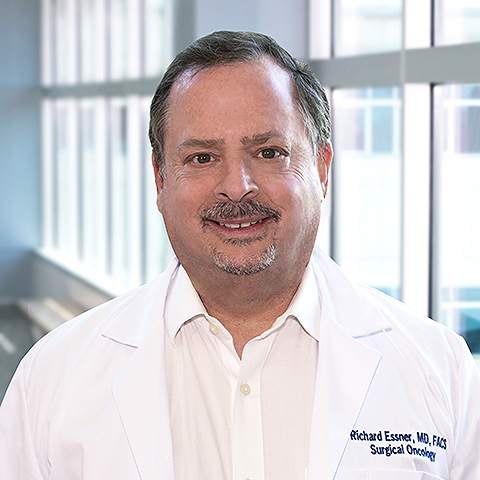 Richard Essner合作论文数Saint John’s Cancer Institute3Reynold Yee合作论文数3Rishab K. Gupta合作论文数3Leland J. Foshag合作论文数3Kenneth P. Ramming合作论文数3Roxanne Kyriakakis合作论文数2D. Michael Rose合作论文数2Leon D Oostendorp合作论文数2Chi-Chi Mbanugo合作论文数2Nadia Nikroo合作论文数2Susanna Wang合作论文数2
 Nicole Mitchell合作论文数Department of Music, College and Graduate School of Arts & Sciences, University of Virginia2sant p chawla合作论文数2Lauren M Blanck合作论文数2Austin Frisch合作论文数2David Kwon合作论文数2Shruti Sevak合作论文数2
 Ayat Elsherif合作论文数Department of General Surgery, Cleveland Clinic2
 Armando E. Giuliano合作论文数Saul and Joyce Brandman Breast Center, Samuel Oschin Comprehensive Cancer Institute, Cedars Sinai;Division of Surgical Oncology, Cedars Sinai;Department of Surgery, Cedars Sinai2
 Hendren Samantha合作论文数2Melnik Marianne K合作论文数2
 Rachel Saunders合作论文数2
 Jared L Johnson合作论文数Google Inc2
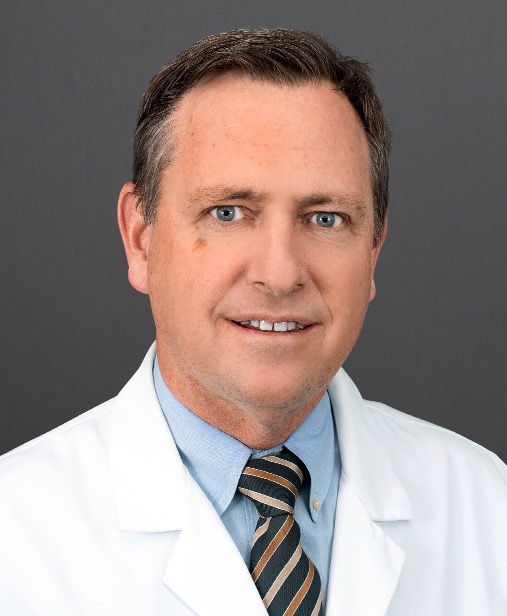 David L Bartlett合作论文数Allegheny Health Network Cancer Institute;Surgery Division, Center for Cancer Research, National Cancer Institute2




