Immunotherapy has revolutionised cancer therapy but current immune checkpoint inhibitors (ICI) produce low response rates in most cancers, indicating that new therapeutic options are needed. Conventional immune-oncology (IO) discovery uses preclinical models with limited translation capacity as they do not fully recapitulate human tumour complexity. We use multimodal patient molecular data with modern machine learning (ML) methods to identify new IO targets with improved clinical potential.
Purpose: To identify druggable gene targets that would sensitize NSCLCs to available chemotherapy agents. Experimental Procedures: We developed a CRISPR-Cas9 lentivirus library of 12,474 sgRNAs targeting 660 FDA proved ‘druggable’ putative proteins (18 guides/gene) and investigated their potential to chemosensitize (“drop out” in the presence of taxane) the NSCLC lung adenocarcinoma (LUAD) line NCI-H2009 (TP53 and KRAS mutant) in parallel studies in vitro (tissue culture) & in vivo (xenografts). Key elements of our experiments were: the use low doses of paclitaxel (IC10 values for in vitro and in vivo doses that barely affected tumor growth) compared to control treatment; treatment schedules in vitro and in vivo that mirrored those used in patients; multiple biologic replicates for each transfection and drug selection; and large representation (2,000 cells/sgRNA) for each guide. At the end time point (1 month) we harvested multiple replicates of the taxane and control treatments and sequenced each to identify each guide that “remained” or “dropped out.” Data Summary: We were looking for guides that selectively dropped out in the setting of low dose taxane exposure comparing taxane to control treatment and in vitro to in vivo results. Of importance, we found little overlap between guides that dropped out during taxane exposure in tissue culture vs those that dropped out in xenografts. From the top 10 gene “sensitizers” that selectively dropped out only with taxane treatment and selectively dropped out in xenografts compared to 2D mass tissue culture, we focused on SOAT1 (Sterol O-Acyltransferase 1). SOAT1 is a key enzyme for lipid metabolism which mediates conversion of intracellular free cholesterol to cholesteryl esters which are then stored as lipid droplets. SOAT1 is a potential cancer therapeutic target with a clinically available inhibitor, avasimibe. H2009 cells with SOAT1 hemizygously removed (CRISPR) grew well in vitro and in vivo in the absence of chemotherapy treatment, but were dramatically sensitized to taxanes compared to parental H2009 cells. While avasimibe treatment, at concentrations achievable in patients, sensitized NSCLC to taxanes, this sensitization was not as dramatic as hemizygous removal by CRISPR. Of equal importance, SOAT1 H2009 hemizygous knockout (KO) cells were also dramatically sensitized to etoposide, pemetrexed, and gemcitabine, other chemotherapy agents used in NSCLC treatment. Mechanistically, RNAseq analysis identified G2/M cell cycle related gene sets as enriched in the H2009 SOAT1 KO xenografts compared to SOAT1 wildtype xenografts with paclitaxel treatment. Conclusions: Our results using CRISPR screening in vivo, identified SOAT1 as a critical therapeutic chemosensitizing target requiring only 50% inhibition of activity for sensitizing NSCLC to several chemotherapy agents routinely used in the clinic. Citation Format: Long Shan Li, Kenneth Huffman, Huiyu Li, Michael Peyton, Hyunsil Park, Kimberley Avila, Luc Girard, Mathew Augustine, Joshua T. Mendell, John D. Minna. In vivo CRISPR screen identifies SOAT1 as a chemotherapy chemosensitizing target for non-small cell lung cancer (NSCLC) [abstract]. In: Proceedings of the American Association for Cancer Research Annual Meeting 2023; Part 1 (Regular and Invited Abstracts); 2023 Apr 14-19; Orlando, FL. Philadelphia (PA): AACR; Cancer Res 2023;83(7_Suppl):Abstract nr 2690.
BACKGROUND:We aimed to describe the financial implications of cytoreductive surgery and hyperthermic intraperitoneal chemotherapy (CRS/HIPEC) in the USA.MATERIALS AND METHODS:We conducted a retrospective cost analysis of 100 CRS/HIPEC procedures to examine the impact of patient and procedural factors on hospital costs and reimbursement. A comparison of surgeons' work relative value units (wRVUs) between CRS/HIPEC and a representative sample of complex surgical oncology procedures was made to assess the physicians' compensation rate. Univariable and multivariable backward logistic regression was used to analyze the association between perioperative variables and high direct cost (HDCs).RESULTS:The median direct cost per CRS/HIPEC procedure was US $44,770. The median hospital reimbursement was US $43,066, while professional reimbursement was US $8608, resulting in a positive contribution margin of US $7493/procedure. However, the contribution margin significantly varied with the payer mix. Privately insured patients had a positive median contribution margin of US $23,033, whereas Medicare-insured patients had a negative contribution margin of US $13,034. Length of stay (LOS) had the most significant association with HDC, and major complications had the most significant association with LOS. Finally, CRS/HIPEC procedures generated a median of 13 wRVU/h, which is significantly lower than the wRVU/h generated by open pancreatoduodenectomies, open gastrectomies, and hepatectomies. However, higher operation complexity and multiple visceral resections help compensate for the relatively low wRVU/h.CONCLUSIONS:CRS/HIPEC is an expensive operation, and prolonged LOS has the most significant impact on the total cost of the procedure. High-quality care is essential to improve patient outcomes and maintain the economic sustainability of the procedure.
Cytoreductive surgery with hyperthermic peritoneal chemotherapy (HIPEC) is a technically challenging and resource-intensive operation.The financial burden of this operation often limits the initiation and maintenance of a peritoneal surface malignancy program.This report (https:// doi.org/ 10. 1245/ s10434-023-14442-y) describes the financial footprint of 100 consecutive cytoreduction and HIPEC operations.
BACKGROUND:Veteran populations have five times the incidence of hepatocellular carcinoma (HCC) compared with the general population. The incidence of HCC has increased in the Veteran's Affairs Health System (VAHS), primarily due to the increased prevalence of cirrhosis. This study aimed to characterize differences in treatment patterns and overall survival rates across the five VAHS geographic regions.METHODS:Using the VA Corporate Data Warehouse, the authors built a comprehensive national dataset of Veteran patients with HCC diagnosed between 2001 and 2015 to compare patients across VAHS regions. A multivariable Cox proportional hazards model was used to identify factors associated with 5-year all-cause mortality. Kaplan-Meier curves were used to visualize the patient survival function, and the log-rank test was applied to test statistical significance.RESULTS:This retrospective study analyzed 13,434 patients. The West region had the highest rate of overall treatment receipt (63.6%), and the Southwest had the lowest rate (52.9%). After adjustment for demographic, clinicopathologic, treatment, and hospital factors, treatment in a non-West region continued to be significantly associated with a 10% to 13% increased risk of 5-year mortality (Midwest: hazard ratio [HR], 1.11; 95% confidence interval [CI], 1.03-1.17; Northeast: HR, 1.10; 95% CI, 1.03-1.17; Southeast: HR, 1.13; 95% CI, 1.06-1.21; Southwest: HR, 1.11; 95% CI, 1.03-1.19) (p < 0.01).CONCLUSIONS:Treatment patterns and overall survival rates of HCC patients differ significantly across VAHS geographic regions. Targeted interventions to increase the rate of treatment in the non-West regions are needed to improve survival of HCC Veterans and provide uniformly high-quality care across VAHS facilities.
BackgroundA mechanistic basis for non-small cell lung cancer (NSCLC) initiation in never smokers, a disease with high frequency EGFR mutations (EGFRm), is unknown. Air pollution particulate matter (PM) is known to be associated with the risk of NSCLC, however a direct cause and mechanism remain elusive.MethodsWe analysed 463,679 individuals to address the associations of increasing 2.5μm PM (PM2.5) concentrations with cancer risk. We performed ultra-deep profiling of 247 normal lung tissue samples, analysed normal lung tissue from humans and mice following exposures to PM, and investigated the consequences of PM in mouse lung cancer models.ResultsIncreasing PM2.5 levels are associated with increased risk of EGFRm NSCLC in England, S.Korea and Taiwan and with increased risk of mesothelioma, lung, anal, small intestine, GBM and laryngeal carcinomas in UK Biobank (HR>1.1 for each 1ug/m3 PM2.5 increment). 18-33% of normal lung tissue samples harbour driver mutations in EGFR and KRAS in the absence of malignancy. PM promotes a macrophage response and a progenitor-like state in lung epithelium harbouring mutant EGFR. Consistent with PM promoting NSCLC in at-risk epithelium harbouring driver mutations, PM accelerates tumourigenesis in three EGFR or KRAS driven lung cancer models in a dose-dependent manner. Finally, we uncover an actionable inflammatory axis driven by IL1B in response to PM, in agreement with reductions in lung cancer incidence with anti-IL1B therapy.ConclusionsThese results shed light on the etiology of EGFRm lung cancer and suggest that oncogenic mutations may be necessary but insufficient for tumour formation. These data reveal a mechanistic basis for PM driven lung cancer in the absence of classical carcinogen-driven mutagenesis, reminiscent of models of tumour initiation and promotion proposed 70 years ago, providing an urgent mandate to limit air pollution and reveal opportunities for molecular targeted cancer prevention.Legal entity responsible for the studyThe authors.FundingCancer Research UK, Mark Foundation, Lung Cancer Research Foundation, Rosetrees Trust, Bristol Myers Squibb.DisclosureK.R. Litchfield: Financial Interests, Personal, Invited Speaker: Roche Tissue Diagnostics; Financial Interests, Personal, Other, Consulting work: Monopteros Therapeutics; Financial Interests, Institutional, Research Grant: Ono/LifeArc; Financial Interests, Institutional, Research Grant, Research funding: Genesis Therapeutics; Non-Financial Interests, Institutional, Proprietary Information, Collaboration on data analysis: BMS. M. Jamal-Hanjani: Financial Interests, Personal, Invited Speaker, Invited speaker honorarium: Oslo Cancer Cluster, Astex Pharmaceutical; Non-Financial Interests, Personal, Advisory Role, Scientific Advisory Board and Steering Committee member: Achilles Therapeutics; Other, Personal, Other, I am named as co-inventor on patent PCT/US2017/028013 relating to methods for lung cancer detection: Patent. C. Swanton: Financial Interests, Personal, Invited Speaker, Activity took place in 2016: Pfizer, Celgene; Financial Interests, Personal, Invited Speaker, October 26th 2020: Novartis; Financial Interests, Personal, Invited Speaker: Roche/Ventana, BMS, AstraZeneca, MSD, Illumina, GlaxoSmithKline; Financial Interests, Personal, Advisory Board, AdBoard - November 12th, 2020: Amgen; Financial Interests, Personal, Advisory Board: Genentech, Sarah Canon Research Institute, Medicxi; Financial Interests, Personal, Advisory Board, Joined October 2020. Also have stock options: Bicycle Therapeutics; Financial Interests, Personal, Advisory Board, Member of the Science Management Committee. Also have stock options: GRAIL; Financial Interests, Personal, Other, Consultancy agreement: Roche Innovation Centre Shanghai; Financial Interests, Personal, Full or part-time Employment, Chief Clinician since October 2017: Cancer Research UK; Financial Interests, Personal, Ownership Interest, Co-Founder of Achilles Therapeutics. Also, have stock options in this company: Achilles Therapeutics; Financial Interests, Personal, Stocks/Shares, Stocks owned until June 2021: GRAIL, ApoGen Biotechnologies; Financial Interests, Personal, Stocks/Shares: Epic Biosciences, Bicycle Therapeutics; Financial Interests, Institutional, Research Grant, Funded RUBICON grant - October 2018 - April 2021: Bristol Myers Squibb; Financial Interests, Institutional, Research Grant, Collaboration in minimal residual disease sequencing technologies: Archer Dx Inc.; Financial Interests, Institutional, Research Grant: Pfizer, Ono Pharmaceutical, Boehringer Ingelheim; Financial Interests, Institutional, Invited Speaker, Chief Investigator for the MeRmaiD1 clinical trial and chair of the steering committee: AstraZeneca; Financial Interests, Institutional, Research Grant, Research Grants from 2015-2019: Roche-Ventana; Financial Interests, Personal, Other, Co-chief investigator: NHS-Galleri Clinical Trial; Non-Financial Interests, Personal, Principal Investigator, Chief Investigator for MeRmaiD1 clinical trial: AstraZeneca; Non-Financial Interests, Personal, Invited Speaker, From 2019: AACR; Non-Financial Interests, Personal, Other, Board of Directors: AACR; Non-Financial Interests, Personal, Advisory Role, EACR Advisory Council member: EACR. All other authors have declared no conflicts of interest. BackgroundA mechanistic basis for non-small cell lung cancer (NSCLC) initiation in never smokers, a disease with high frequency EGFR mutations (EGFRm), is unknown. Air pollution particulate matter (PM) is known to be associated with the risk of NSCLC, however a direct cause and mechanism remain elusive. A mechanistic basis for non-small cell lung cancer (NSCLC) initiation in never smokers, a disease with high frequency EGFR mutations (EGFRm), is unknown. Air pollution particulate matter (PM) is known to be associated with the risk of NSCLC, however a direct cause and mechanism remain elusive. MethodsWe analysed 463,679 individuals to address the associations of increasing 2.5μm PM (PM2.5) concentrations with cancer risk. We performed ultra-deep profiling of 247 normal lung tissue samples, analysed normal lung tissue from humans and mice following exposures to PM, and investigated the consequences of PM in mouse lung cancer models. We analysed 463,679 individuals to address the associations of increasing 2.5μm PM (PM2.5) concentrations with cancer risk. We performed ultra-deep profiling of 247 normal lung tissue samples, analysed normal lung tissue from humans and mice following exposures to PM, and investigated the consequences of PM in mouse lung cancer models. ResultsIncreasing PM2.5 levels are associated with increased risk of EGFRm NSCLC in England, S.Korea and Taiwan and with increased risk of mesothelioma, lung, anal, small intestine, GBM and laryngeal carcinomas in UK Biobank (HR>1.1 for each 1ug/m3 PM2.5 increment). 18-33% of normal lung tissue samples harbour driver mutations in EGFR and KRAS in the absence of malignancy. PM promotes a macrophage response and a progenitor-like state in lung epithelium harbouring mutant EGFR. Consistent with PM promoting NSCLC in at-risk epithelium harbouring driver mutations, PM accelerates tumourigenesis in three EGFR or KRAS driven lung cancer models in a dose-dependent manner. Finally, we uncover an actionable inflammatory axis driven by IL1B in response to PM, in agreement with reductions in lung cancer incidence with anti-IL1B therapy. Increasing PM2.5 levels are associated with increased risk of EGFRm NSCLC in England, S.Korea and Taiwan and with increased risk of mesothelioma, lung, anal, small intestine, GBM and laryngeal carcinomas in UK Biobank (HR>1.1 for each 1ug/m3 PM2.5 increment). 18-33% of normal lung tissue samples harbour driver mutations in EGFR and KRAS in the absence of malignancy. PM promotes a macrophage response and a progenitor-like state in lung epithelium harbouring mutant EGFR. Consistent with PM promoting NSCLC in at-risk epithelium harbouring driver mutations, PM accelerates tumourigenesis in three EGFR or KRAS driven lung cancer models in a dose-dependent manner. Finally, we uncover an actionable inflammatory axis driven by IL1B in response to PM, in agreement with reductions in lung cancer incidence with anti-IL1B therapy. ConclusionsThese results shed light on the etiology of EGFRm lung cancer and suggest that oncogenic mutations may be necessary but insufficient for tumour formation. These data reveal a mechanistic basis for PM driven lung cancer in the absence of classical carcinogen-driven mutagenesis, reminiscent of models of tumour initiation and promotion proposed 70 years ago, providing an urgent mandate to limit air pollution and reveal opportunities for molecular targeted cancer prevention. These results shed light on the etiology of EGFRm lung cancer and suggest that oncogenic mutations may be necessary but insufficient for tumour formation. These data reveal a mechanistic basis for PM driven lung cancer in the absence of classical carcinogen-driven mutagenesis, reminiscent of models of tumour initiation and promotion proposed 70 years ago, providing an urgent mandate to limit air pollution and reveal opportunities for molecular targeted cancer prevention.
Introduction: Minimizing fragmented care (FC) or care received from multiple institutions was identified as a priority for improving cancer patients' outcomes by the Institute of Medicine. The negative impact of FC has been explored in multiple malignancies, however, no data exists exploring its effect in pancreatic adenocarcinoma (PDAC). This study characterizes patient- and hospital-level factors associated with fragmented care (FC) in PDAC patients and its impact in overall survival (OS). Methods: All patients/stages treated for PDAC (2005-2017) in the Texas Cancer Registry were included. Patient, hospital and treatment factors were analyzed in multivariate models to identify factors predicting FC and OS. Results: Of 18,079 patients, 44%(7,932) had FC. In FC group, 30% and 45% received some treatment at NIH-Designated and High-Volume hospitals versus 11% and 26% in the No-FC group, respectively. Across all SEER stages, FC was associated with improved OS (FIG.1). FC (HR .74, p< .0001), surgery (HR .59, p<.0001), adjuvant (HR .88, p<.0001) or neoadjuvant chemotherapy (HR .86, p<.0001) were all associated with improved OS. Hispanics were less likely to receive FC (OR .82, p <.0001) while patients initially treated at NIH-D and HV-C were also more likely to receive FC (OR 1.73, p <.0001; OR 1.54 p<.0001 respectively). Conclusions: Contrary to what has been reported in other disease sites, FC was associated with improved survival in this cohort of PDAC patients. While typically a marker of worse quality of care, FC in this patient population may represent improved access to higher level of specialized care.
Introduction: Preoperative biliary stenting (PBS) prior to pancreatoduodenectomy (PD) remains controversial and has been associated with bile contamination, microbiome changes and increased risk of postoperative pancreatic fistula (POPF). This study evaluates the impact of PBS on the risk of clinically relevant (CR)-POPF after PD in a national cohort of patients. Methods: Patients with biliary obstruction (total bilirubin >1.2 mg/dl) that underwent elective PD were identified in the American College of Surgeons-NSQIP dataset (2014-2019). A validated modified Fistula Risk Score (FRS) was used to stratify this cohort into two groups (low FRS ≤6, high FRS >6). Within each group, patient factors, PBS use, CR-POPF and postoperative outcomes were analyzed. Multivariate regression model was used to assess factors associated with CR-POPF. Results: Out of 3864 patients that underwent PD, 3109 (80%) received PBS, 1579 (41%) had a high-FRS and 2285 (59%) had a low-FRS. The rate of CR-POPF was 15%, 24.5%, and 8.5% for the entire cohort, high-FRS and low-FRS groups, respectively. The rate of CR-POPF was similar with (15.1%) and without PBS (14.7%) In both low- and high-FRS groups, PBS was not associated with increased risk for CR-POPF (8.3% vs 9.2% and 25% vs 23%). However, in the low-FRS group, PBS was associated with a reduced LOS (OR 0.7, 95% CI=0.51-0.92, p=0.012) and increased infectious complications (OR 1.6, 95% CI=1.19-2.24, p=0.003). Conclusion: In this retrospective study of a national cohort of PD patients, PBS was not associated with an increased risk of CR-POPF in both low- and high-FRS groups.Tabled 1EP02D-062 Table 1. Multivariable Model*VariablesLow FRSHigh FRSOdds RatioCI (95%)P-ValueOdds RatioCI (95%)P-ValueCR-POPFPBS0.9420.652-1.3630.7531.2590.926-1.7120.142Prolonged LOSPBS0.6820.506-0.9190.0120.9160.659-1.2730.601Infectious ComplicationsPBS1.631.186-2.2410.0031.2170.889-1.6650.221*Adjusted for Mortality, CR-POPF, Prolonged (LOS >14 days), Discharge-not-to-home Open table in a new tab *Adjusted for Mortality, CR-POPF, Prolonged (LOS >14 days), Discharge-not-to-home
A mechanistic basis for non-small cell lung cancer (NSCLC) initiation in never smokers, a disease with a high frequency of EGFR mutations (EGFRm), is unknown. The air pollutant, particulate matter (PM), is known to be associated with the risk of NSCLC, however a direct cause and mechanism remain elusive. We analysed 463,679 individuals to address the associations of increasing 2.5um PM (PM2.5) concentrations with cancer risk. We performed ultra-deep profiling of 247 normal lung tissue samples, analysed normal lung tissue from humans and mice following exposures to PM, and investigated the consequences of PM on tumour promotion in mouse lung cancer models. Increasing PM2.5 levels were associated with increased risk of EGFRm NSCLC in England, S.Korea and Taiwan and with increased risk of mesothelioma (HR=1.19), lung (HR=1.16), anal (HR=1.23), small intestine (HR=1.30), GBM (HR=1.19), lip, oral cavity and pharynx (HR: 1.15) and laryngeal carcinomas (HR=1.26) in UK Biobank; HR for each 1ug/m3 PM2.5 increment. 18-33% of normal lung tissue samples harbour driver mutations in EGFR and KRAS in the absence of malignancy. PM promotes a macrophage response and a progenitor-like state in lung epithelium harbouring mutant EGFR. Consistent with PM promoting NSCLC in at-risk epithelium harbouring driver mutations, PM increased tumour burden in three EGFR or KRAS driven lung cancer models in a dose-dependent manner. Finally, we uncover an actionable inflammatory axis driven by IL1B in response to PM, with anti-IL1B therapy preventing PM-induced mouse tumour formation, consistent with reductions in human lung cancer incidence with anti-IL1B therapy. These results shed light on the aetiology of EGFRm lung cancer, particularly in never-smokers, and suggest that oncogenic mutations may be necessary but insufficient for tumour formation. These data reveal a mechanistic basis for PM driven lung cancer in the absence of classical carcinogen-driven mutagenesis, reminiscent of models of tumour initiation and promotion proposed 70 years ago, providing evidence to limit air pollution and opportunities for molecular targeted cancer prevention.
Introduction: Despite advances, readmission and mortality rates for surgical patients with colon cancer remain high. Prediction models using regression techniques allows for risk stratification to aid periprocedural care. Technological advances have enabled large data to be analyzed using machine learning (ML) algorithms. A national database of colon cancer patients was selected to determine whether ML methods better predict outcomes following surgery compared to conventional methods. Methods: Surgical colon cancer patients were identified using the 2013 National Cancer Database (NCDB). The negative outcome was defined as a composite of 30-d unplanned readmission and 30-and 90-d mortality. ML models, including Random Forest and XGBoost, were built and compared with conventional logistic regression. For the ac-counting of unbalanced outcomes, a synthetic minority oversampling technique (SMOTE) was implemented and applied using XGBoost. Results: Analysis included 528,060 patients. The negative outcome occurred in 11.6% of patients. Model building utilized 30 variables. The primary metric for model comparison was area under the curve (AUC). In comparison to logistic regression (AUC 0.730, 95% CI: 0.725-0.735), AUC's for ML algorithms ranged between 0.748 and 0.757, with the Random Forest model (AUC 0.757, 95% CI: 0.752-0.762) outperforming XGBoost (AUC 0.756, 95% CI: 0.751-0.761) and XGBoost using SMOTE data (AUC 0.748, 95% CI: 0.743-0.753). Conclusions: We show that a large registry of surgical colon cancer patients can be utilized to build ML models to improve outcome prediction with differential discriminative ability. These results reveal the potential of these methods to enhance risk prediction, leading to improved strategies to mitigate those risks. (c) 2022 Elsevier Inc. All rights reserved.
Introduction: Minimally invasive distal pancreatectomy (MIDP) has become increasingly used in practice. Multiple studies have shown improvements in estimated blood loss (EBL), length of stay (LOS) and decreased complication rates. We aim to evaluate the impact of operative approach on postoperative outcomes in octogenarians undergoing distal pancreatectomy. Method: Elective non-emergent distal pancreatectomies (DPs) were identified from the 2014–2019 ACS-NSQIP Procedure Targeted Pancreatectomy Participant Use Data Files. Outcomes examined included: mortality, major complications, minor complications, postoperative pancreatic fistula (POPF), clinically relevant postoperative pancreatic fistula (CR-POPF), prolonged postoperative length-of-stay (P-LOS), and Non-home discharge (NHD). Outcomes were compared between open (ODP) and MIDP groups. Multivariable logistic regression models were constructed to examine the risk-adjusted impact of approach on outcomes. Results: Of 9,681 elective DPs, only 634 were octogenarians. Of these, 330 were ODP and 332 MIDP (87, 26.2% were robotic). The MIDP group was less likely to have greater than 10% weight loss (5.12% vs 11.33%, p=0.015), to have received preoperative chemotherapy (6.93% vs 15%, p=0.02), preoperative radiation (1.81% vs 7%, p=0.03) and to have had pancreatic adenocarcinoma (51.81% vs 54.33%, p<0.001). On univariable analysis, MIDP had lower incidence of major complications (5.52% vs 8.33%, p=0.02) and P-LOS (19.58% vs 36.67%, p<0.001). On multivariable analysis, MIDP remained independently predictive of a lesser rate of P-LOS (OR: 0.39, P<0.001). Conclusions: MIPD was independently predictive of shorter LOS in octogenarians. MIDP is a safe and effective approach in this frail population.Tabled 1Table 1. Multivariable Model for Prolonged Length of Stay (>7days)PredictorOdds Ratio95% C.I.P-valueMIDP0.390.27-0.57<0.001COPD2.891.25-6.670.01310% Weight Loss0.80.41-1.550.517Preoperative Chemotherapy0.750.38-1.510.431Preoperative Radiotherapy1.310.48-3.540.585Pancreatic adenocarcinoma1.360.93-1.970.104 Open table in a new tab
BACKGROUND:The incidence of hepatocellular carcinoma (HCC) has substantially increased over the last two decades within the Veteran Affairs Health System (VAHS). This study aims to describe the temporal trend of early-stage HCC (ES-HCC) treatment in the VAHS and identify patient/hospital factors associated with treatment disparities. PATIENTS AND METHODS:VA Corporate Data Warehouse was used to identify patients diagnosed with ES-HCC (stages I/II) from 2001 to 2015. Initial course of therapy was categorized as curative treatment (CT), noncurative treatment (NCT), or no treatment (NT). Univariate logistic regression and stepwise multivariate logistic regression models were used to analyze factors associated with receipt of treatment (CT/NCT) versus NT and receipt of CT versus NCT. RESULTS:Our study included 9504 patients (15% CT, 51% NCT, and 34% NT). During the study period, the rate of overall treatment increased, while the rate of CT decreased (p < 0.001). Stage II, age > 65 years, presence of non-alcoholic fatty liver disease (NAFLD), Child-Pugh C, higher Model for End-Stage Liver Disease (MELD) score, platelets < 100,000/mm3, low hospital complexity score, and Southwest location were significantly associated with higher rates of NT (all p < 0.05). Factors significantly associated with decreased utilization of CT included Hispanic race, lower hospital complexity score, and treatment in the Midwest, West, or Southeast regions (all p < 0.05). CONCLUSIONS:There is a significant trend toward increased overall treatment utilization with decreased use of curative-intent approaches for ES-HCC in the national veteran population, and significant hospital and regional disparities exist. Further characterization and investigation of these factors may facilitate implementation of interventions to improve treatment utilization for the veteran population with HCC.
BACKGROUND:Accurate clinical staging (CS) of gastric cancer is critical for appropriate treatment selection and prognostication, but CS remains highly imprecise. Our study evaluates factors associated with inaccurate CS, the impact of inaccurate CS on outcomes, and utilization of adjuvant therapy in patients who are understaged.METHODS:We conducted a retrospective review of NCDB patients diagnosed with clinical early stage gastric adenocarcinoma (cT1-2N0M0) between 2004 and 2016. Patients not undergoing upfront gastrectomy or with missing pathologic staging were excluded. Patients were classified as accurately staged, inaccurately staged with receipt of adjuvant therapy (IS+), and inaccurately staged with no receipt of adjuvant therapy (IS-). Logistic regression was utilized to assess the impact of factors on CS accuracy and receipt of adjuvant therapies. Kaplan-Meier and Cox proportional hazard methods were used for survival analysis.RESULTS:Approximately 40% of patients were inaccurately staged (IS). cT2, moderately/poorly differentiated, and site-overlapping tumors were associated with increased likelihood of being IS. Treatment at an academic facility was associated with decreased likelihood of understaging. Only 54% of patients who were IS received adjuvant therapy.CONCLUSION:Accurate CS of gastric cancer remains inadequate. Understaging is associated with detrimental effects on receiving guideline-concordant care and, possibly, patient outcomes. Targeted interventions reducing the proportion of understaged patients and ensuring receipt of appropriate therapy is needed to optimize outcomes. Patients with high-risk disease that are frequently understaged may benefit from selective neoadjuvant therapy. Centralization of gastric cancer care may also be a key strategy in improving receipt of guideline-concordant therapies.
The robotic platform for cholecystectomy has been extensively studied in comparison to its laparoscopic counterpart with acceptable outcomes. However, wide acceptance of a robotic approach to cholecystectomy has been limited by increased operative room (OR) times and substantially higher cost. This is a single-institution retrospective review of Veteran patients presenting for elective laparoscopic (LC) and robotic (RC) cholecystectomies for benign biliary disease at the Dallas VA Medical Center. The primary goal was to interrogate 30-day morbidity as well as operative room times, estimated blood loss (EBL), hospital length of stay (LOS), and conversion rates. The entire cohort included 612 patients (age = 55.1 ± 12.9 years, men = 77.9%, BMI = 31.2 ± 6.3 kg/m2) undergoing elective cholecystectomy (LC = 441 and RC = 171) for benign biliary disease (biliary colic = 78.8%, history of biliary pancreatitis = 7.8%, history of cholecystitis = 5.7%). Univariate analysis comparing LC and RC showed the two groups to be of similar age (55.4 ± 12.4 vs. 54.4 ± 14.2 years; p = 0.4), male gender (79.4% vs. 74.3%, p = 0.2), and BMI (31.1 ± 6.4 vs. 31.5 ± 6.3 kg/m2; p = 0.5). Except for dyslipidemia (LC = 48.3% vs. RC = 36.8%; p = 0.01), both groups had the same rate of co-morbid conditions. ASA level III and IV (LC = 60.1 vs. RC = 69.0%, p = 0.04) was higher in the RC group. Both groups underwent surgical intervention for similar indications (biliary colic LC = 80.5% vs. RC = 74.3; p = 0.1). Hospital LOS (1.7 ± 3.2 vs. 0.3 ± 0.9 days, p < 0.001), EBL (32.3 ± 52.3 vs. 17.0 ± 43.1; p = 0.001), and conversion to open (6.6% vs. 0.6%, p = 0.001) were all superior with the robotic platform. Thirty-day overall morbidity (9.8% vs. 12.3%, p = 0.4), skin-to-skin OR time (84.5 ± 33.5 vs. 88.0 ± 35.3 min, p = 0.2), and total OR time (129.2 ± 36.8 vs. 129.7 ± 39.7, p = 0.9) were similar between the LC and RC groups. Despite being older and having more comorbidities, Veteran patients undergoing robotic cholecystectomy experienced equivalent OR time and a moderate improvement in conversion rate, EBL, and hospital LOS compared to those undergoing conventional laparoscopy, therein demonstrating the safety and efficacy of the robotic platform for this patient population.
Background: Hepatic angiosarcoma (AS) and hepatic epithelioid hemangioendothelioma (HEHE) are rare primary hepatic vascular malignancies (PHVM) that remain poorly understood. To guide management, we sought to identify factors and trends predicting survival after surgical intervention using a national database. Materials and methods: In a retrospective analysis of the National Cancer Database patients with a diagnosis of PHVM were identified. Clinicopathologic factors were extracted and compared. Overall survival (OS) was estimated and predictors of survival were identified. Results: Three hundred ninty patients with AS and 216 with HEHE were identified. Only 16% of AS and 36% of HEHE patients underwent surgery. The median OS for patients who underwent surgical intervention was 97 months, with 5-year OS of 30% for AS versus 69% for HEHE patients (P < 0.001). Tumor biology strongly impacted OS, with AS histology (Hazard Ratio [HR] of 3.61 [1.55-8.42]), moderate/poor tumor differentiation (HR = 3.86 [1.03-14.46]) and tumor size (HR = 1.01 [1.00-1.01]) conferring worse prognosis. The presence of metastatic disease in the surgically managed cohort (HR = 5.22 [2.01-13.57]) and involved surgical margins (HR = 3.87 [1.59-9.42]), were independently associated with worse survival. Conclusions: In this national cohort of PHVM, tumor biology, in the form of angiosarcoma histology, tumor differentiation and tumor size, was strongly associated with worse survival after surgery. Additionally, residual tumor burden after resection, in the form of positive surgical margins or the presence of metastasis, was also negatively associated with survival. Long-term clinical outcomes remain poor for patients with the above high-risk features, emphasizing the need to develop effective forms of adjuvant systemic therapies for this group of malignancies. Published by Elsevier Inc.
 Polanco Patricio M合作论文数Division of Surgical Oncology, University of Pittsburgh Medical Center46Yopp Adam C合作论文数Univ Texas Southwestern Med Ctr Dallas41Porembka Matthew R合作论文数Department of Surgery, Washington University41Mansour John C合作论文数Div Surg Oncol, Univ Texas Southwestern Med Ctr Dallas40Sam C. Wang合作论文数Center for Cardiovascular Development;Baylor College of Medicine;Department of Medicine;Department of Molecular and Cellular;Biology;Department of Molecular and Human Genetics;Winters Center for Heart Failure Research;Baylor College of;Medicine;Methodist Hospital, DeBakey Heart;Center;Department of Surgery;Baylor College of Medicine, Baylor College of Medicine32
 Herbert Zeh III合作论文数The University of Texas Southwestern Medical Center;University of Pittsburgh;Harold C. Simmons Comprehensive Cancer Center, The University of Texas Southwestern24
 Michael Choti合作论文数Banner MD Anderson Cancer Center, Banner Gateway Medical Center, Banner Health20
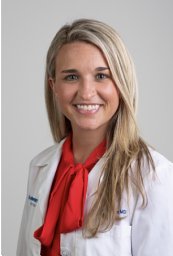 Caitlin Hester合作论文数Dept Surg Oncol, Univ Texas MD Anderson Canc Ctr15
 Rebecca M. Minter合作论文数Division of Surgical Oncology, Department of Surgery, University of Wisconsin-Madison14Wang Shi-Yi合作论文数11
 Nassour Ibrahim合作论文数10Dogeas Epameinondas合作论文数8
 Lieping Chen (陈列平)合作论文数School of Medicine, Yale University8Michelle R Ju合作论文数6
 Sheng Yao合作论文数6Gefeng Zhu合作论文数5
 Andres Abreu合作论文数4
 Rodrigo Alterio合作论文数Div Surg Oncol, Univ Texas Southwestern Med Ctr Dallas4
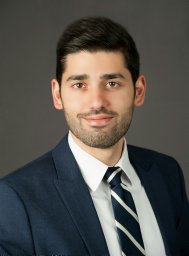 Amr Al Abbas合作论文数University of Texas Southwestern4Alana Christie合作论文数4Zhu Yuwen合作论文数4
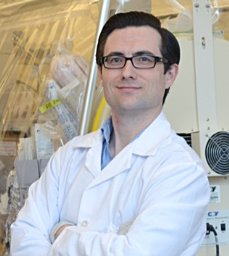 Ruff William E合作论文数School of Medicine, Yale University4Haiying Xu合作论文数4M. Broadwater合作论文数4
 Joshua Mendell合作论文数Molecular Biology Department, The University of Texas Southwestern Medical Center4Fallon Ngo合作论文数3Robert Nix合作论文数3Sarah J Flies合作论文数3Emile Farah合作论文数3
 John D Karalis合作论文数Department of Surgery, University of Texas Southwestern Medical Center3Linghua Zheng合作论文数Department of Immunobiology, Yale University3
 Kevin Litchfield合作论文数Department of Oncology, Cancer Institute, Faculty of Medical Sciences, University College London3
 Nicole Rich合作论文数Division of Digestive and Liver Diseases, UT Southwestern Medical Center3
 Xian Jin Xie合作论文数College of Dentistry and Dental Clinics, University of Iowa;Division of Biostatistics and Computational Biology, University of Iowa;Iowa Institute for Oral Health Research, University of Iowa3
 Hong Zhu合作论文数AbbVie3
 Karagkounis Georgios合作论文数Department of General Surgery, Case Western Reserve University School of Medicine3
 Koji Tamada (玉田耕治)合作论文数Graduate School of Medicine, Yamaguchi University;The Institute of Medical Science, The University of Tokyo;Research Institute for Cell Design Medical Science, Yamaguchi University3
 Charles Swanton合作论文数Cancer Evolution and Genome Instability Laboratory, The Francis Crick Institute3
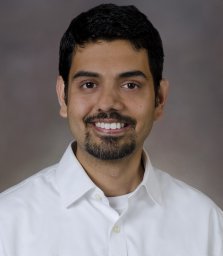 Sudarshan Anand合作论文数3
 Timothy M Pawlik合作论文数Department of Surgery, College of Medicine, The Ohio State University Wexner Medical Center3I. Malanchi合作论文数2F-C Kuan合作论文数2Javier Salgado Pogacnik合作论文数2K. Li合作论文数2
 Charles South合作论文数2C. Lee合作论文数2Zhihan Wan合作论文数2Ryusuke Omiya合作论文数2




