Advances in sequencing technologies continue to improve the resolution and completeness with which human genetic variation can be characterized. Short-read sequencing remains widely used due to its high base accuracy, throughput, and cost efficiency; however, its limited ability to resolve repetitive and structurally complex regions has accelerated adoption of long-read sequencing platforms, including those from Pacific Biosciences (PacBio) and Oxford Nanopore Technologies (ONT). We systematically compared sequencing technologies and variant calling pipelines for small variants and structural variants across diverse genomic contexts and sequencing depths. Short-read sequencing combined with DRAGEN achieved high accuracy for single-nucleotide variants (SNVs) and indels in well-mapped and moderately complex regions but showed reduced sensitivity and completeness for structural variant detection. In contrast, long-read sequencing platforms demonstrated clear advantages in detecting structural variants and resolving small variants in difficult genomic regions, although challenges remain in specific indel-prone sequence contexts. Among long-read pipelines, PacBio Revio with DeepVariant achieved the highest SNV and indel accuracy genome-wide, while ONT R10 with DeepVariant performed particularly well in clinically relevant loci. Structural variant detection was dominated by long-read optimized callers, with SVIM and Sawfish performing best for PacBio, and Sniffles2 and CuteSV2 for ONT, consistently outperforming short-read-based methods across variant classes and sizes. Coverage analyses indicated that long-read sequencing reached accuracy saturation between 20 × and 45 × , whereas short-read sequencing required more than 60 × coverage to approach maximal genome completeness. These results provide practical guidance for platform and pipeline selection. Long-read sequencing enables more comprehensive detection and resolution of structural variants and variation in complex genomic regions, while short-read sequencing remains a cost-effective and scalable solution for high-throughput genotyping and clinically focused applications.
Brain regions drive multiple physiological functions through specific gene expression patterns that adapt to environmental influences, drug treatments and disease conditions. To generate a detailed atlas of the brain transcriptome in the context of diabetes, we carried out RNA sequencing in hypothalamus, hippocampus, brainstem and striatum of the Goto-Kakizaki (GK) rat model of spontaneous type 2 diabetes, which was applied to identify gene transcription adaptation to improved glycemic control following vertical sleeve gastrectomy (VSG) in the GK. Over 19,000 distinct transcripts were detected in the rat brain, including 2794 which were consistently expressed in the four brain regions. Region-specific gene expression was identified in hypothalamus (n = 477), hippocampus (n = 468), brainstem (n = 1173) and striatum (n = 791), resulting in differential regulation of biological processes between regions. Differentially expressed genes between VSG and sham operated rats were only found in the hypothalamus and were predominantly involved in the regulation of endothelium and extracellular matrix. These results provide a detailed atlas of regional gene expression in the diabetic rat brain and suggest that the long term effects of gastrectomy-promoted diabetes remission involve functional changes in the hypothalamus endothelium.
Advances in DNA sequencing have transformed genomics, enabling comprehensive insights into human genetic variation. While short-read sequencing (SRS) remains dominant due to its high accuracy and affordability, its limitations in complex genomic regions have spurred the adoption of long-read sequencing (LRS) platforms, such as those from Pacific Biosciences (PacBio) and Oxford Nanopore Technologies (ONT). Despite these advances, there is still a lack of systematic, large-scale benchmarking of variant calling performance across diverse platforms, variant types, sequencing depths, and genomic contexts. Here, we present a comprehensive benchmark of sequencing technologies and variant calling algorithms, evaluating their performance in detecting single nucleotide polymorphisms (SNPs), insertions/deletions (indels), and structural variants (SVs). We show that while SRS combined with DeepVariant or DRAGEN offers excellent small variant detection in well-mapped regions, LRS technologies significantly outperform SRS in complex regions and SV detection. PacBio achieves high SNP and smaller SV accuracy even at moderate coverage, while ONT excels in detecting large SVs. The SV callers Dysgu and SVIM emerged as top performers across LRS datasets. Our results highlight that no single platform is optimal for all variant types or regions: SRS remains optimal for high-throughput small variant detection in accessible regions, whereas LRS is critical for capturing SVs and resolving difficult-to-map loci. These findings offer practical guidance for selecting sequencing technologies, coverage and variant calling strategies tailored to specific research or clinical goals, contributing to more accurate and cost-effective genomic analyses. Highlights ● State-of-the-art short variant calling algorithms are highly comparable but focus on precision and sensitivity differently ● Short-read technologies outperform long-read technologies for small SNP and InDels, with the exception of difficult-to-map variants. ● To capture the majority of variants, a minimum coverage of 15x for PacBio, 20x for SRS, or 30x for ONT is required. However, optimal coverage depends on zygosity, variant type, and the region of interest. ● Long-read technologies outperform short-read technologies for all validation sets tested for deletions and insertions in all size categories. ### Competing Interest Statement The authors have declared no competing interest. Canada Institute of Health Research (CIHR) project grant, PJT-191707 Genome Canada Genome Technology Platform grant
Bariatric surgery results in type 2 diabetes (T2D) improvement. To identify mechanisms associated with gastrectomy-promoted T2D remission in lean individuals, we performed pathophysiological, behavioural and molecular (liver transcriptome, metabolome and lipidome) investigations in the Goto-Kakizaki (GK) model of spontaneously-occurring non-obese T2D following vertical sleeve gastrectomy (VSG) or sham operation. VSG resulted in sustained reduction in hyperglycemia and changes in nycthemeral feeding patterns and activity. Liver transcriptome and lipidome profiling pointed to changes in the expression of genes involved in inflammation, PPAR signalling and fatty acid metabolism, and in the regulation of phosphatidylcholine and lysophosphatidylethanolamine classes. Deeper analysis revealed altered expression of genes involved in histone methylation and co-ordinately differential transcription of key regulators of the molecular clock (Clock, Arntl/Bmal1, Per1, Per2, Per3). In addition to previously reported changes in bile acid metabolism and gut microbiome in this model of VSG, our findings underline the multiple biological mechanisms associated with diabetes remission following VSG and suggest a contribution of chronobiology and epigenetic processes in the long-term therapeutic consequences of VSG in the context of polygenic non-obese T2D.
Whole genome sequencing (WGS) at high-depth (30X) allows the accurate discovery of variants in the coding and non-coding DNA regions and helps elucidate the genetic underpinnings of human health and diseases. Yet, due to the prohibitive cost of high-depth WGS, most large-scale genetic association studies use genotyping arrays or high-depth whole exome sequencing (WES). Here we propose a cost-effective method which we call “Whole Exome Genome Sequencing” (WEGS), that combines low-depth WGS and high-depth WES with up to 8 samples pooled and sequenced simultaneously (multiplexed). We experimentally assess the performance of WEGS with four different depth of coverage and sample multiplexing configurations. We show that the optimal WEGS configurations are 1.7–2.0 times cheaper than standard WES (no-plexing), 1.8–2.1 times cheaper than high-depth WGS, reach similar recall and precision rates in detecting coding variants as WES, and capture more population-specific variants in the rest of the genome that are difficult to recover when using genotype imputation methods. We apply WEGS to 862 patients with peripheral artery disease and show that it directly assesses more known disease-associated variants than a typical genotyping array and thousands of non-imputable variants per disease-associated locus.
The basal breast cancer subtype is enriched for triple-negative breast cancer (TNBC) and displays consistent large chromosomal deletions. Here, we characterize evolution and maintenance of chromosome 4p (chr4p) loss in basal breast cancer. Analysis of The Cancer Genome Atlas data shows recurrent deletion of chr4p in basal breast cancer. Phylogenetic analysis of a panel of 23 primary tumor/patient-derived xenograft basal breast cancers reveals early evolution of chr4p deletion. Mechanistically we show that chr4p loss is associated with enhanced proliferation. Gene function studies identify an unknown gene, C4orf19, within chr4p, which suppresses proliferation when overexpressed—a member of the PDCD10-GCKIII kinase module we name PGCKA1. Genome-wide pooled overexpression screens using a barcoded library of human open reading frames identify chromosomal regions, including chr4p, that suppress proliferation when overexpressed in a context-dependent manner, implicating network interactions. Together, these results shed light on the early emergence of complex aneuploid karyotypes involving chr4p and adaptive landscapes shaping breast cancer genomes.
Large chromosomal alterations are common in cancer and often show preferential gain or loss across many cancer types indicating their selective advantage. Triple negative breast cancer (TNBC) exhibits complex mutational spectrum without common oncogenic drivers yet displays consistent loss of large chromosomal regions. Here, we characterize selection pressures that maintain a recurrently deleted region of chromosome 4p in TNBC. We used single cell and bulk WGS phylogenetic analysis of TNCB PT/PDX panel to show that chr4p deletion is an early event in tumor evolution. We used scRNAseq gene expression and inferred copy number analysis to show that chr4p loss is associated with a proliferative state. This finding was confirmed by a combination of RNA in situ hybridization and immunofluorescence. We then tested the dosage sensitivity of genes residing within this region by individual and dual overexpression in TNBC PDX-derived cell lines and control normal cell line by assessing their effect on cell proliferation. The overexpression of genes within chr4p elicited a strong cell proliferation defect in cancer but not normal cell line models. We also characterized an unknown gene within chr4p region as a novel member of the STRIPAK complex. Genome-wide pooled ORFeome library screens identified a global pattern of background-specific dosage sensitive regions. Our study shows that large chromosomal deletions are maintained due to evolutionary early genetic network rewiring rendering multiple genes within such regions to be dosage sensitive. Ultimately, this work enhances our understanding of genetic events that modulate TNBC. Citation Format: Elena Kuzmin, Jean Monlong, Mathieu Bourgey, Jarry Barber, Tom Lesluyes, Toby Baker, Genevieve Morin, Dongmei Zou, Michael Schwartz, Yang Yang, Alain Pacis, Constanza Martinez, Hellen Kuasne, Anne-Marie Fortier, Rui Li, Claudia Kleinman, Sidong Huang, Peter van Loo, Quaid Morris, Jiannis Ragoussis, Guillaume Bourque, Morag Park. Evolution of large copy number variants in breast cancer through genetic network rewiring [abstract]. In: Proceedings of the American Association for Cancer Research Annual Meeting 2022; 2022 Apr 8-13. Philadelphia (PA): AACR; Cancer Res 2022;82(12_Suppl):Abstract nr 44.
Yang et al. investigate the association between epigenetic changes and white matter hyperintensities-markers of cerebral small vessel disease-in 9732 adults. Integrative cross-omics analyses implicate blood-brain barrier dysfunction and the immune response in WMH burden, and suggest antihyperlipidemic agents as a potential treatment. Cerebral white matter hyperintensities on MRI are markers of cerebral small vessel disease, a major risk factor for dementia and stroke. Despite the successful identification of multiple genetic variants associated with this highly heritable condition, its genetic architecture remains incompletely understood. More specifically, the role of DNA methylation has received little attention. We investigated the association between white matter hyperintensity burden and DNA methylation in blood at similar to 450 000 cytosine-phosphate-guanine (CpG) sites in 9732 middle-aged to older adults from 14 community-based studies. Single CpG and region-based association analyses were carried out. Functional annotation and integrative cross-omics analyses were performed to identify novel genes underlying the relationship between DNA methylation and white matter hyperintensities. We identified 12 single CpG and 46 region-based DNA methylation associations with white matter hyperintensity burden. Our top discovery single CpG, cg24202936 (P = 7.6 x 10(-8)), was associated with F2 expression in blood (P = 6.4 x 10(-5)) and co-localized with FOLH1 expression in brain (posterior probability = 0.75). Our top differentially methylated regions were in PRMT1 and in CCDC144NL-AS1, which were also represented in single CpG associations (cg17417856 and cg06809326, respectively). Through Mendelian randomization analyses cg06809326 was putatively associated with white matter hyperintensity burden (P = 0.03) and expression of CCDC144NL-AS1 possibly mediated this association. Differentially methylated region analysis, joint epigenetic association analysis and multi-omics co-localization analysis consistently identified a role of DNA methylation near SH3PXD2A, a locus previously identified in genome-wide association studies of white matter hyperintensities. Gene set enrichment analyses revealed functions of the identified DNA methylation loci in the blood-brain barrier and in the immune response. Integrative cross-omics analysis identified 19 key regulatory genes in two networks related to extracellular matrix organization, and lipid and lipoprotein metabolism. A drug-repositioning analysis indicated antihyperlipidaemic agents, more specifically peroxisome proliferator-activated receptor-alpha, as possible target drugs for white matter hyperintensities. Our epigenome-wide association study and integrative cross-omics analyses implicate novel genes influencing white matter hyperintensity burden, which converged on pathways related to the immune response and to a compromised blood-brain barrier possibly due to disrupted cell-cell and cell-extracellular matrix interactions. The results also suggest that antihyperlipidaemic therapy may contribute to lowering risk for white matter hyperintensities possibly through protection against blood-brain barrier disruption.
Perivascular space (PVS) burden is an emerging, poorly understood, magnetic resonance imaging marker of cerebral small vessel disease, a leading cause of stroke and dementia. Genome-wide association studies in up to 40,095 participants (18 population-based cohorts, 66.3 ± 8.6 yr, 96.9% European ancestry) revealed 24 genome-wide significant PVS risk loci, mainly in the white matter. These were associated with white matter PVS already in young adults ( N = 1,748; 22.1 ± 2.3 yr) and were enriched in early-onset leukodystrophy genes and genes expressed in fetal brain endothelial cells, suggesting early-life mechanisms. In total, 53% of white matter PVS risk loci showed nominally significant associations (27% after multiple-testing correction) in a Japanese population-based cohort ( N = 2,862; 68.3 ± 5.3 yr). Mendelian randomization supported causal associations of high blood pressure with basal ganglia and hippocampal PVS, and of basal ganglia PVS and hippocampal PVS with stroke, accounting for blood pressure. Our findings provide insight into the biology of PVS and cerebral small vessel disease, pointing to pathways involving extracellular matrix, membrane transport and developmental processes, and the potential for genetically informed prioritization of drug targets.
Inborn errors of human IFN-γ-dependent macrophagic immunity underlie mycobacterial diseases, whereas inborn errors of IFN-α/β-dependent intrinsic immunity underlie viral diseases. Both types of IFNs induce the transcription factor IRF1. We describe unrelated children with inherited complete IRF1 deficiency and early-onset, multiple, life-threatening diseases caused by weakly virulent mycobacteria and related intramacrophagic pathogens. These children have no history of severe viral disease, despite exposure to many viruses, including SARS-CoV-2, which is life-threatening in individuals with impaired IFN-α/β immunity. In leukocytes or fibroblasts stimulated in vitro, IRF1-dependent responses to IFN-γ are, both quantitatively and qualitatively, much stronger than those to IFN-α/β. Moreover, IRF1-deficient mononuclear phagocytes do not control mycobacteria and related pathogens normally when stimulated with IFN-γ. By contrast, IFN-α/β-dependent intrinsic immunity to nine viruses, including SARS-CoV-2, is almost normal in IRF1-deficient fibroblasts. Human IRF1 is essential for IFN-γ-dependent macrophagic immunity to mycobacteria, but largely redundant for IFN-α/β-dependent antiviral immunity.
Host genetics is a key determinant of COVID-19 outcomes. Previously, the COVID-19 Host Genetics Initiative genome-wide association study used common variants to identify multiple loci associated with COVID-19 outcomes. However, variants with the largest impact on COVID-19 outcomes are expected to be rare in the population. Hence, studying rare variants may provide additional insights into disease susceptibility and pathogenesis, thereby informing therapeutics development. Here, we combined whole-exome and whole-genome sequencing from 21 cohorts across 12 countries and performed rare variant exome-wide burden analyses for COVID-19 outcomes. In an analysis of 5,085 severe disease cases and 571,737 controls, we observed that carrying a rare deleterious variant in the SARS-CoV-2 sensor toll-like receptor TLR7 (on chromosome X) was associated with a 5.3-fold increase in severe disease (95% CI: 2.75-10.05, p = 5.41x10⁻⁷). This association was consistent across sexes. These results further support TLR7 as a genetic determinant of severe disease and suggest that larger studies on rare variants influencing COVID-19 outcomes could provide additional insights.
Patients with inherited CARMIL2 or CD28 deficiency have defective T cell CD28 signaling, but their immunological and clinical phenotypes remain largely unknown. We show that only one of three CARMIL2 isoforms is produced and functional across leukocyte subsets. Tested mutant CARMIL2 alleles from 89 patients and 52 families impair canonical NF-κB but not AP-1 and NFAT activation in T cells stimulated via CD28. Like CD28-deficient patients, CARMIL2-deficient patients display recalcitrant warts and low blood counts of CD4+ and CD8+ memory T cells and CD4+ TREGs. Unlike CD28-deficient patients, they have low counts of NK cells and memory B cells, and their antibody responses are weak. CARMIL2 deficiency is fully penetrant by the age of 10 yr and is characterized by numerous infections, EBV+ smooth muscle tumors, and mucocutaneous inflammation, including inflammatory bowel disease. Patients with somatic reversions of a mutant allele in CD4+ T cells have milder phenotypes. Our study suggests that CARMIL2 governs immunological pathways beyond CD28.
Despite the availability of highly efficacious vaccines, coronavirus disease 2019 (COVID-19) caused by severe acute respiratory syndrome coronavirus 2 (SARS-CoV-2) lacks effective drug treatment, which results in a high rate of mortality. To address this therapeutic shortcoming, we applied a systems biology approach to the study of patients hospitalized with severe COVID. We show that, at the time of hospital admission, patients who were equivalent on the clinical ordinal scale displayed significant differential monocyte epigenetic and transcriptomic attributes between those who would survive and those who would succumb to COVID-19. We identified messenger RNA metabolism, RNA splicing, and interferon signaling pathways as key host responses overactivated by patients who would not survive. Those pathways are prime drug targets to reduce mortality of critically ill patients with COVID-19, leading us to identify tacrolimus, zotatifin, and nintedanib as three strong candidates for treatment of severely ill patients at the time of hospital admission.
ABSTRACTWastewater-based epidemiology has emerged as a promising tool to monitor pathogens in a population, particularly when clinical diagnostic capacities become overwhelmed. During the ongoing COVID-19 pandemic caused by Severe Acute Respiratory Syndrome Coronavirus-2 (SARS-CoV-2), several jurisdictions have tracked viral concentrations in wastewater to inform public health authorities. While some studies have also sequenced SARS-CoV-2 genomes from wastewater, there have been relatively few direct comparisons between viral genetic diversity in wastewater and matched clinical samples from the same region and time period. Here we report sequencing and inference of SARS-CoV-2 mutations and variant lineages (including variants of concern) in 936 wastewater samples and thousands of matched clinical sequences collected between March 2020 and July 2021 in the cities of Montreal, Quebec City, and Laval, representing almost half the population of the Canadian province of Quebec. We benchmarked our sequencing and variant-calling methods on known viral genome sequences to establish thresholds for inferring variants in wastewater with confidence. We found that variant frequency estimates in wastewater and clinical samples are correlated over time in each city, with similar dates of first detection. Across all variant lineages, wastewater detection is more concordant with targeted outbreak sequencing than with semi-random clinical swab sampling. Most variants were first observed in clinical and outbreak data due to higher sequencing rate. However, wastewater sequencing is highly efficient, detecting more variants for a given sampling effort. This shows the potential for wastewater sequencing to provide useful public health data, especially at places or times when sufficient clinical sampling is infrequent or infeasible.
Perivascular space (PVS) burden is an emerging MRI-marker of cerebral small vessel disease (cSVD), a leading cause of stroke and dementia. Underlying mechanisms of PVS are unknown. PVS are thought to be related to the glymphatic system, involved in brain clearance of molecules such as amyloid beta. We aimed to decipher the genetic underpinnings of PVS burden. We conducted genome-wide and whole-exome association studies in N = 39,823 participants for white matter (WM) PVS, N = 40,000 for basal ganglia (BG) PVS and N = 40,095 for hippocampal (HIP) PVS (21 population-based cohorts, 66.3±8.6 years). As PVS were rated with different scales across cohorts, we tested association of genetic variants with the top quartile of PVS burden distribution in each cohort followed by a sample-size weighted meta-analysis. We searched for shared genetic variation with related vascular and neurological phenotypes using linkage disequilibrium-score regression, explored causality of associations with putative risk factors using Mendelian randomization and conducted extensive functional exploration of identified PVS loci using multiple bioinformatics approaches, including transcriptome-wide association studies. We identified 24 genome-wide significant PVS risk loci. These showed association with WM PVS already at age 20 in 1,748 young healthy adults, suggesting an important role of early-life factors. PVS loci were enriched in genes causing early-onset leukodystrophies and genes expressed in fetal brain endothelial cells. Mendelian randomization analyses supported causal associations of high blood pressure with BG and HIP PVS, and of BG PVS with stroke. Transcriptome-wide association and colocalization analyses suggest causal implication of 11 genes, that could be prioritized for experimental follow-up. Two-thirds of PVS loci point to novel pathways, involving extracellular matrix, membrane transport, and developmental processes, with enrichment in targets of existing drugs for vascular cognitive, and infectious disorders. In this first gene-mapping study of PVS, one of the earliest MRI-markers of cSVD, we describe 24 genome-wide significant risk loci. Our findings provide completely novel insight into the biology of PVS across the adult lifespan and its contribution to cSVD pathophysiology, with potential for genetically informed prioritization of drug targets for prevention trials of cSVD, a major cause of stroke and dementia worldwide.
The precisionFDA Truth Challenge V2 aimed to assess the state of the art of variant calling in challenging genomic regions. Starting with FASTQs, 20 challenge participants applied their variant-calling pipelines and submitted 64 variant call sets for one or more sequencing technologies (Illumina, PacBio HiFi, and Oxford Nanopore Technologies). Submissions were evaluated following best practices for benchmarking small variants with updated Genome in a Bottle benchmark sets and genome stratifications. Challenge submissions included numerous innovative methods, with graph-based and machine learning methods scoring best for short-read and long-read datasets, respectively. With machine learning approaches, combining multiple sequencing technologies performed particularly well. Recent developments in sequencing and variant calling have enabled benchmarking variants in challenging genomic regions, paving the way for the identification of previously unknown clinically relevant variants.
The pathophysiology of adverse events following programmed cell death protein 1 (PD-1) blockade, including tuberculosis (TB) and autoimmunity, remains poorly characterized. We studied a patient with inherited PD-1 deficiency and TB who died of pulmonary autoimmunity. The patient's leukocytes did not express PD-1 or respond to PD-1-mediated suppression. The patient's lymphocytes produced only small amounts of interferon (IFN)-γ upon mycobacterial stimuli, similarly to patients with inborn errors of IFN-γ production who are vulnerable to TB. This phenotype resulted from a combined depletion of Vδ2+ γδ T, mucosal-associated invariant T and CD56bright natural killer lymphocytes and dysfunction of other T lymphocyte subsets. Moreover, the patient displayed hepatosplenomegaly and an expansion of total, activated and RORγT+ CD4-CD8- double-negative αβ T cells, similar to patients with STAT3 gain-of-function mutations who display lymphoproliferative autoimmunity. This phenotype resulted from excessive amounts of STAT3-activating cytokines interleukin (IL)-6 and IL-23 produced by activated T lymphocytes and monocytes, and the STAT3-dependent expression of RORγT by activated T lymphocytes. Our work highlights the indispensable role of human PD-1 in governing both antimycobacterial immunity and self-tolerance, while identifying potentially actionable molecular targets for the diagnostic and therapeutic management of TB and autoimmunity in patients on PD-1 blockade.
We study a patient with the human papilloma virus (HPV)-2-driven "tree-man" phenotype and two relatives with unusually severe HPV4-driven warts. The giant horns form an HPV-2-driven multifocal benign epithelial tumor overexpressing viral oncogenes in the epidermis basal layer. The patients are unexpectedly homozygous for a private CD28 variant. They have no detectable CD28 on their T cells, with the exception of a small contingent of revertant memory CD4+ T cells. T cell development is barely affected, and T cells respond to CD3 and CD2, but not CD28, costimulation. Although the patients do not display HPV-2- and HPV-4-reactive CD4+ T cells in vitro, they make antibodies specific for both viruses in vivo. CD28-deficient mice are susceptible to cutaneous infections with the mouse papillomavirus MmuPV1. The control of HPV-2 and HPV-4 in keratinocytes is dependent on the T cell CD28 co-activation pathway. Surprisingly, human CD28-dependent T cell responses are largely redundant for protective immunity.
We studied a child with severe viral, bacterial, fungal, and parasitic diseases, who was homozygous for a loss-of-function mutation of REL, encoding c-Rel, which is selectively expressed in lymphoid and myeloid cells. The patient had low frequencies of NK, effector memory cells reexpressing CD45RA (Temra) CD8+ T cells, memory CD4+ T cells, including Th1 and Th1*, Tregs, and memory B cells, whereas the counts and proportions of other leukocyte subsets were normal. Functional deficits of myeloid cells included the abolition of IL-12 and IL-23 production by conventional DC1s (cDC1s) and monocytes, but not cDC2s. c-Rel was also required for induction of CD86 expression on, and thus antigen-presenting cell function of, cDCs. Functional deficits of lymphoid cells included reduced IL-2 production by naive T cells, correlating with low proliferation and survival rates and poor production of Th1, Th2, and Th17 cytokines by memory CD4+ T cells. In naive CD4+ T cells, c-Rel is dispensable for early IL2 induction but contributes to later phases of IL2 expression. The patient's naive B cells displayed impaired MYC and BCL2L1 induction, compromising B cell survival and proliferation and preventing their differentiation into Ig-secreting plasmablasts. Inherited c-Rel deficiency disrupts the development and function of multiple myeloid and lymphoid cells, compromising innate and adaptive immunity to multiple infectious agents.
BACKGROUND:Coronavirus disease 2019 (COVID-19) primarily affects the lungs, but evidence of systemic disease with multi-organ involvement is emerging. Here, we developed a blood test to broadly quantify cell-, tissue-, and organ-specific injury due to COVID-19. METHODS:Our test leverages genome-wide methylation profiling of circulating cell-free DNA in plasma. We assessed the utility of this test to identify subjects with severe disease in two independent, longitudinal cohorts of hospitalized patients. Cell-free DNA profiling was performed on 104 plasma samples from 33 COVID-19 patients and compared to samples from patients with other viral infections and healthy controls. FINDINGS:We found evidence of injury to the lung and liver and involvement of red blood cell progenitors associated with severe COVID-19. The concentration of cell-free DNA correlated with the World Health Organization (WHO) ordinal scale for disease progression and was significantly increased in patients requiring intubation. CONCLUSIONS:This study points to the utility of cell-free DNA as an analyte to monitor and study COVID-19. FUNDING:This work was supported by NIH grants 1DP2AI138242 (to I.D.V.), R01AI146165 (to I.D.V., M.P.C., F.M.M., and J.R.), 1R01AI151059 (to I.D.V.), K08-CA230156 (to W.G.), and R33-AI129455 to C.Y.C., a Synergy award from the Rainin Foundation (to I.D.V.), a SARS-CoV-2 seed grant at Cornell (to I.D.V.), a National Sciences and Engineering Research Council of Canada fellowship PGS-D3 (to A.P.C.), and a Burroughs-Wellcome CAMS Award (to W.G.). D.C.V. is supported by a Fonds de la Recherche en Sante du Quebec Clinical Research Scholar Junior 2 award. C.Y.C. is supported by the California Initiative to Advance Precision Medicine, and the Charles and Helen Schwab Foundation.
 Guillaume Bourque合作论文数Department of Human Genetics, Faculty of Medicine, McGill University;Institute for the Advanced Study of Human Biology;Canadian Center for Computational Genomics;McGill University and Génome Québec Innovation Center29
 Jiannis Ragoussis合作论文数12
 Françoise Clerget-Darpoux合作论文数Unité de Recherche d'Epidemiologie Genetique (I.N.S.E.R.M. U 155),, Dominique Campion11Mark Lathrop合作论文数10
 Robert Eveleigh合作论文数9
 David Langlais合作论文数Department of Microbiology & Immunology, Faculty of Medicine and Health Sciences, McGill University8Letourneau Louis合作论文数6Rosain Jérémie合作论文数6
 Jean Monlong合作论文数Center for Genomic Regulation (CRG), Barcelona, Catalonia, Spain.;Universitat Pompeu Fabra (UPF),;McGill University;Universitat Pompeu Fabra (UPF),, McGill University6
 Nico Marr合作论文数6
 Laurent Abel合作论文数Imagine Institute;Inserm6
 Jean-Laurent Casanova合作论文数St. Giles Laboratory of Human Genetics of Infectious Diseases, The Rockefeller University;Howard Hughes Medical Institute;Rockefeller University Hospital;Laboratory of Human Genetics of Infectious Diseases, Imagine Institute, Necker Hospital for Sick Children6
 Jacinta Bustamante合作论文数5
 Daniel Sinnett合作论文数5
 Rui Yang合作论文数Tongji Medical College of Huazhong University of Science and Technology, 430000 Wuhan, Hubei Province, China5
 Stuart Tangye合作论文数Immunology and Immunodeficiency Lab, Garvan Institute of Medical Research;School of Clinical Medicine, Faculty of Medicine and Health, University of New South Wales5
 Béziat Vivien合作论文数Ctr Infect Med, Karolinska Inst5
 Franck Rapaport合作论文数Human Oncology and Pathogenesis Program,5
 Ogishi Masato合作论文数Graduate School of Medicine, University of Tokyo5
 Khan Taushif合作论文数a School of Computational &Integrative Sciences, Jawaharlal Nehru University;a School of Computational & Integrative Sciences, Jawaharlal Nehru University5
 Philippe Gros合作论文数Department of Biochemistry, School of Biomedical Sciences, McGill University;McGill University Research Centre on Complex Traits5
 Cindy S Ma合作论文数5
 Salma Baig合作论文数Montreal Neurol Inst Hosp, McGill Univ4Redouane Allache合作论文数Department of Neurosciences, Montreal Neurological Institute-Hospital, McGill University, Montreal, QC, Canada.4Charles P Couturier合作论文数McGill Univ, Montreal Neurol Inst & Hosp, Dept Neurol & Neurosurg, Montreal, PQ, Canada4
 Kevin Petrecca合作论文数Department of Neurology and Neurosurgery, McGill University;Montreal Neurological Institute and Hospital, McGill University Health Centre4
 Bratislav Misic合作论文数Department of Neurology and Neurosurgery, Faculty of Medicine and Health Sciences, McGill University;Montreal Neurological Institute, McGill University4
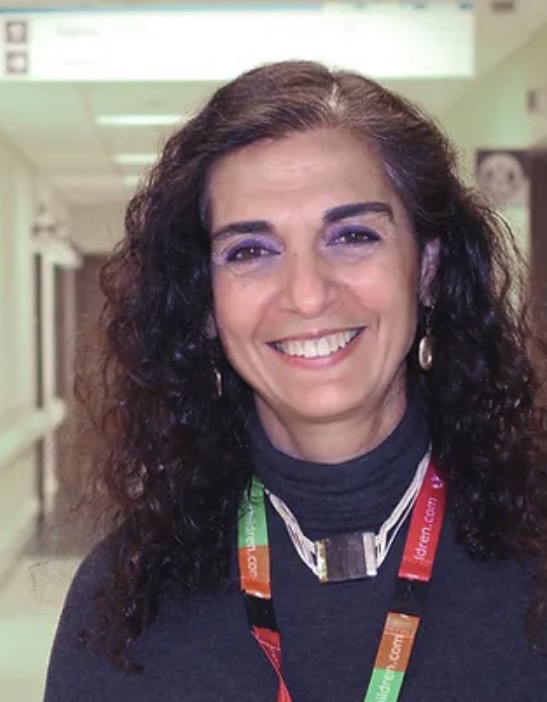 Nada Jabado合作论文数Department of Pathology, McGill University;Division of Hematology and Oncology, Montreal Children’s Hospital4
 Jacek Majewski合作论文数Department of Human Genetics, School of Biomedical Sciences, Faculty of Medicine and Health Sciences, McGill University;Genome Quebec Innovation Centre, McGill University4
 Cynthia Hawkins合作论文数Department of Laboratory Medicine & Pathobiology, Temerty Faculty of Medicine, University of Toronto;The Hospital for Sick Children4
 Gabriele Riva合作论文数4Alexandre Montpetit合作论文数Génome Québec Innovation Centre, McGill University4Pierre Lepage合作论文数4
 Eric Bouffet合作论文数Department of Paediatrics, University of Toronto;Division of Haematology/Oncology, Hospital for Sick Children4
 Marie-Christine Guiot合作论文数Department of Pathology, Faculty of Medicine and Health Sciences, McGill University;Montreal Neurological Hospital and Institute, McGill University;The Neuro;McGill University Health Centre (MUHC)-Optilab4
 Jack P Antel合作论文数Department of Neurology and Neurosurgery, Faculty of Medicine and Health Sciences, McGill University;Department of Microbiology & Immunology, McGill University4
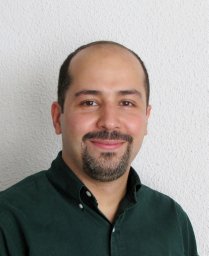 Yasser Riazalhosseini合作论文数Genetics Research Center, University of Social Welfare and Rehabilitation Sciences4
 Mahbuba Rahman合作论文数Children's Hospital Oakland Research Institute4Jasmine Healy合作论文数4
 Anne Puel合作论文数3Pascale Marquis合作论文数3Marie-Alexandra Alyanakian合作论文数3Geetha Rao合作论文数3Michelle Luciano合作论文数3
 Fumihiko Matsuda合作论文数3Marie Materna合作论文数3Fatima Al Ali合作论文数Department of Immunology, Sidra Medicine3
 Alain Pacis合作论文数3Hans J Grabe合作论文数3




