Studies in humans suggest that vitamin K is involved in the regulation of bone remodeling, but the precise mechanism at play remains unknown. In cells, vitamin K functions as a co-factor for the γ-glutamyl carboxylase (GGCX), an enzyme responsible for the conversion of glutamic acid residues (Glu) into γ-carboxyglutamic acid (Gla) residues in secreted proteins. We aim here at determining the role of γ-carboxylation in bone remodeling and at identifying the Gla protein(s) involved. We show that male mice lacking γ-carboxylation specifically in osteoblasts (Ggcxflox/flox;OCN-Cre) have increased bone mass at 6 months of age due to a reduced number of multinucleated bone resorbing osteoclasts. In co-culture experiments, Ggcx-deficient osteoblasts were less effective than control osteoblasts at supporting osteoclast formation. Among known Gla proteins, we identify GAS6 as an osteoblast-secreted γ-carboxylated factor which signals to differentiating osteoclasts. The GAS6 receptors MerTK and AXL are expressed in pre-osteoclasts and pharmacological inhibitors of AXL and MerTK block osteoclast generation in co-culture. Conversely, recombinant γ-carboxylated GAS6 dose-dependently increases the size of osteoclasts and the number of nuclei per osteoclast in culture. GAS6 marginally affected the induction of osteoclast-specific genes during osteoclast differentiation but significantly increased pre-osteoclast fusion. Finally, increasing bone marrow GAS6 level in transgenic male mice was sufficient to increase the number and size of osteoclasts and to decrease bone mass. This work identifies GAS6 as a novel osteoblast-derived vitamin K-dependent protein regulating osteoclast maturation.
Generation of vitamin K hydroxyquinone (VKH 2 ) by vitamin K oxidoreductase 1 (VKORC1) is essential for the γ-carboxylation of clotting factors by hepatocytes. Here, we uncover a non-redundant function of the vitamin K oxidoreductase paralogue VKORC1L1 in liver homeostasis. Mice lacking Vkorc1l1 globally or specifically in hepatocytes exhibit normal coagulation yet develop progressive metabolic dysfunction-associated steatotic liver disease (MASLD). Transcriptomic profiling revealed early dysregulation of lipid metabolism and inflammatory pathways, converging on human MASLD signatures, while genetic colocalization analyses implicate human VKORC1L1 variants in MASLD and liver fat accumulation. Mechanistically, VKORC1L1 prevents reactive oxygen species overload and DNA damage through vitamin K reduction, independently of γ-carboxylation. Loss of VKORC1L1 induces oxidative stress, chromosome instability, and aneuploidy, culminating in steatohepatitic hepatocellular carcinoma (HCC). Conversely, pharmacological vitamin K supplementation rescues oxidative stress, MASLD and DNA damage in Vkorc1l1 -deficient mice. These findings redefine vitamin K as a hepatic antioxidant and identify VKORC1L1 as a safeguard against MASLD and HCC.
Osteogenesis imperfecta (OI) is a rare bone fragility disorder. Previously, in a severe OI mouse model (Col1a1Jrt/+), a sex- and age-dependent metabolic phenotype was observed, correlating with elevated levels of the bone-derived hormone osteocalcin (OCN). This hormone is known to play a crucial role in managing energy metabolism, including glucose regulation and fat mass. In fact, upon high-fat diet (HFD) exposure, OI mice developed a metabolic syndrome linked to sex and OCN. To assess OCN’s role in OI, Col1a1Jrt/+ mice were crossed with OCN-deficient mice (Bglap). Under regular chow and HFD conditions, both OCN-dependent and OCN-independent metabolic alterations were identified. OCN-dependent processes were adipose tissue, liver, and insulin metabolism in a sex-, age-, and diet-dependent manner. OCN-independent traits included the pancreas in juvenile mice, HFD-induced pancreatic insulin levels and glucose intolerance, besides overall growth, fertility, and bone phenotype. Notably, increased juvenile energy expenditure was OCN-independent, while HFD-induced changes were OCN-driven. These findings demonstrate OCN’s role in shaping the metabolic phenotype while revealing distinct OCN-independent effects, emphasizing the complex genetic regulation of metabolism in OI.
Plasma fibronectin is a liver-derived glycoprotein that circulates at relatively high concentration and accumulates in tissues to form ECM. The role of plasma fibronectin in osteoblastogenesis, bone formation and remodeling has been suggested by many in vitro studies, but in vivo mouse models have not confirmed its role in bone formation and maintenance of bone mass. In this study we have performed skeletal phenotyping of adult, 6-month-old male and female, hepatocyte-specific fibronectin knockout (Fn1-/-ALB) mice. We report that mice have a significant loss of bone mass as analyzed by micro-Computed Tomography (μCT) of the tibial and vertebral trabecular bone. Dual-energy X-ray absorptiometry of the vertebral bone showed a decrease in bone mineral density. Histomorphometric analysis of bone cell numbers in vertebral bone showed a significant decrease in osteoblasts and in mineral apposition rates; there was also a significant reduction of a serum marker of bone formation (PINP), demonstrating an important role for plasma fibronectin in osteoblastogenesis in adult mice. The phenotype was observed only in male mice. Osteoclastogenesis was not affected. Analysis of plasma fibronectin levels in human osteoporosis via Canadian Multicentre Osteoporosis Study (CaMos) biobank demonstrated that circulating plasma fibronectin levels were significantly higher in men versus women aged 50 and over. Male osteoporotic patients showed significantly lower plasma fibronectin levels which correlated with low bone mineral density values, and with reduced T-scores of the lumbar spine (L1-4, p=0.0088), and of the total hip (p=0.0066) strongly suggesting an association between pFN levels and fracture risk in men.
Vitamin K is an essential micronutrient and a cofactor for the enzyme γ-glutamyl carboxylase, which adds a carboxyl group to specific glutamic acid residues in proteins transiting through the secretory pathway. Higher vitamin K intake has been linked to a reduced incidence of type 2 diabetes (T2D) in humans. Preclinical work suggests that this effect depends on the γ-carboxylation of specific proteins in β-cells, including endoplasmic reticulum Gla protein (ERGP), implicated in the control of intracellular Ca2+ levels. In this review we discuss these recent advances linking vitamin K and glucose metabolism, and argue that identification of γ-carboxylated proteins in β-cells is pivotal to better understand how vitamin K protects from T2D and to design targeted therapies for this disease.
PurposeBiallelic variants in FIG4 or VAC14 are associated with Yunis-Varón syndrome (YVS), which is characterized by multisystem involvement including skeletal findings, craniofacial dysmorphisms and CNS anomalies. Pathogenic variants in those same genes have also been associated with a predominantly neurological phenotype as well, and with nonsyndromic conditions such as Charcot-Marie-Tooth disease and amyotrophic lateral sclerosis. By describing five new cases of FIG4-associated YVS and reviewing the literature, we better delineate the clinical phenotype associated with loss-of-function of those genes. We also explored osteopenia mechanisms by assessing bone physiologic parameters in a mouse model.MethodsExome sequencing or Sanger sequencing was performed in five unrelated individuals. Bone histomorphometry was performed in Fig4plt/plt mice and compared to wild type. Relevant literature from the last 10 years was reviewed.ResultsAll individuals presented a phenotype overlapping the typical YVS and the brain anomalies and neurologic syndrome. Clinical features included developmental delay, structural brain malformations and skeletal anomalies such as osteopenia. Biallelic FIG4 variants were identified in each individual. In mice, bone histomorphometry parameters suggested that osteopenia might be secondary to reduced bone formation rather than increased bone degradation.ConclusionThis study contributes to a better understanding of the phenotypic variability related to pathogenic variants in FIG4 or VAC14 and suggests an important overlap between previously described phenotypes. The brain anomalies and neurologic syndrome is likely in the same spectrum as classical YVS. Further studies are still needed to clarify the effects of partial loss-of-function variants and to identify genotype-phenotype correlations.
Growth-arrest specific 6 (GAS6) is a secreted protein that acts as a ligand for TAM receptors (TYRO3, AXL and MERTK). In humans, GAS6 circulating levels and genetic variations in GAS6 are associated with hyperglycemia and increased risk of type 2 diabetes. However, the mechanisms by which GAS6 influences glucose metabolism are not understood. Here, we show that Gas6 deficiency in mice increases insulin sensitivity and protects from diet-induced insulin resistance. Conversely, increasing GAS6 circulating levels is sufficient to reduce insulin sensitivity in vivo. GAS6 inhibits the activation of the insulin receptor (IR) and reduces insulin response in muscle cells in vitro and in vivo. Mechanistically, AXL and IR form a complex, while GAS6 reprograms signaling pathways downstream of IR. This results in increased IR endocytosis following insulin treatment. This study contributes to a better understanding of the cellular and molecular mechanisms by which GAS6 and AXL influence insulin sensitivity.
Vitamin K is a micronutrient necessary for γ-carboxylation of glutamic acids. This post-translational modification occurs in the endoplasmic reticulum (ER) and affects secreted proteins. Recent clinical studies implicate vitamin K in the pathophysiology of diabetes, but the underlying molecular mechanism remains unknown. Here, we show that mouse β cells lacking γ-carboxylation fail to adapt their insulin secretion in the context of age-related insulin resistance or diet-induced β cell stress. In human islets, γ-carboxylase expression positively correlates with improved insulin secretion in response to glucose. We identify endoplasmic reticulum Gla protein (ERGP) as a γ-carboxylated ER-resident Ca2+-binding protein expressed in β cells. Mechanistically, γ-carboxylation of ERGP protects cells against Ca2+ overfilling by diminishing STIM1 and Orai1 interaction and restraining store-operated Ca2+ entry. These results reveal a critical role of vitamin K-dependent carboxylation in regulation of Ca2+ flux in β cells and in their capacity to adapt to metabolic stress.
Vitamin K is a micronutrient necessary for y-carboxylation of glutamic acids. This post-translational modifica-tion occurs in the endoplasmic reticulum (ER) and affects secreted proteins. Recent clinical studies implicate vitamin K in the pathophysiology of diabetes, but the underlying molecular mechanism remains unknown. Here, we show that mouse (3 cells lacking y-carboxylation fail to adapt their insulin secretion in the context of age-related insulin resistance or diet-induced (3 cell stress. In human islets, y-carboxylase expression posi-tively correlates with improved insulin secretion in response to glucose. We identify endoplasmic reticulum Gla protein (ERGP) as a y-carboxylated ER-resident Ca2+-binding protein expressed in (3 cells. Mechanisti-cally, y-carboxylation of ERGP protects cells against Ca2+ overfilling by diminishing STIM1 and Orai1 interac-tion and restraining store-operated Ca2+ entry. These results reveal a critical role of vitamin K-dependent carboxylation in regulation of Ca2+ flux in (3 cells and in their capacity to adapt to metabolic stress.
Patients with cystic fibrosis (CF) are at high risk of fat-soluble vitamin deficiencies, even with supplementation. The contribution of a suboptimal vitamin K status to respiratory and endocrine pathophysiology in CF has been inadequately characterized. This is a cross-sectional study in adult CF patients (≥18 years old) from the Montreal Cystic Fibrosis Cohort. Vitamin K1 (VK1) was measured with high-performance liquid chromatography, using fasted serum samples collected during an oral glucose tolerance test (OGTT: 2 h with plasma glucose and insulin every 30 min) ( n = 168). Patients were categorized according to VK1 status (suboptimal defined as <0.30 nmol/L). Suboptimal VK1 levels were observed in 66% of patients. Patients with a suboptimal VK1 status have a higher risk of colonization with Pseudomonas aeruginosa ( p = 0.001), have lower body mass index (BMI) ( p = 0.003), and were more likely to have exocrine pancreatic insufficiency ( p = 0.002). Using an established threshold for VK1, we did show significantly reduced OGTT-derived measures of insulin secretion in patients with a VK1 status below 0.30 nmol/L (first- and second-phase area under the curve (AUC)INS/GLU ( p = 0.002 and p = 0.006), AUCINS ( p = 0.012) and AUCINS/GLU ( p = 0.004)). Subclinical vitamin K deficiency is more common than other fat-soluble vitamin deficiencies in patients with CF. We demonstrate an association between a suboptimal VK1 status and measures of insulin secretion. We highlight the potential associations of mild vitamin K deficiency with pseudomonal colonization and lower BMI, although these need to be validated in prospective studies.
The physiological functions and downstream effectors of the atypical mitogen-activated protein kinase extracellular signal-regulated kinase 3 (ERK3) remain to be characterized. We recently reported that mice expressing catalytically-inactive ERK3 (Mapk6KD/KD ) exhibit a reduced postnatal growth rate as compared to control mice. Here, we show that genetic inactivation of ERK3 impairs postnatal skeletal muscle growth and adult muscle regeneration after injury. Loss of MAPK-activated protein kinase 5 (MK5) phenocopies the muscle phenotypes of Mapk6KD/KD mice. At the cellular level, genetic or pharmacological inactivation of ERK3 or MK5 induces precocious differentiation of C2C12 or primary myoblasts, concomitant with MyoD activation. Reciprocally, ectopic expression of activated MK5 inhibits myogenic differentiation. Mechanistically, we show that MK5 directly phosphorylates FoxO3, promoting its degradation and reducing its association with MyoD. Depletion of FoxO3 rescues in part the premature differentiation of C2C12 myoblasts observed upon inactivation of ERK3 or MK5. Our findings reveal that ERK3 and its substrate MK5 act in a linear signaling pathway to control postnatal myogenic differentiation.
Pou2af1 encodes for OCA-B, a coactivator of OCT-1/2 transcription factors, which plays a key role in B-cell maturation. The function of OCA-B has also been studied in T cells, where T cells from Pou2af1-/- mice have impaired functions, such as cytokine production and T follicular helper (Tfh) differentiation. Arguably, some of these T-cell phenotypes may result from impaired T-B interactions, secondary to the well-documented B-cell defects in Pou2af1-/- mice. Yet, Pou2af1 is actively transcribed in activated T cells, suggesting a T-cell-intrinsic role. To isolate the T-cell-intrinsic impact of Pou2af1, we generated Pou2af1fl/fl mice with specific genetic disruption of Pou2af1 either in all hematopoietic cells or exclusively in T cells. While we confirm that Pou2af1 is expressed in activated T cells, we surprisingly find that T-cell cytokine production is not impaired in Pou2af1-deficient T cells. Moreover, Pou2af1-sufficient and Pou2af1-deficient T cells have comparable transcriptome profiles, arguing against a T-cell-intrinsic role for Pou2af1. In line with these observations, we demonstrate that Tfh maturation is influenced by T-cell-extrinsic deletion of Pou2af1, as observed both in competitive bone marrow chimeras and in Pou2af1fl/fl mice with specific deletion in B cells. Overall, this study provides strong evidence that Pou2af1 does not act as a transcriptional coactivator in T cells, and conclusively demonstrates that loss of OCA-B in B cells indirectly impacts Tfh differentiation, clarifying the role of OCA-B in the immune system.
Pou2af1 encodes for OCA-B, a coactivator of OCT-1/2 transcription factors, which plays a key role in B-cell maturation. The function of OCA-B has also been studied in T cells, where T cells from Pou2af1 −/− mice have impaired functions, such as cytokine production and T follicular helper (Tfh) differentiation. Arguably, some of these T-cell phenotypes may result from impaired T–B interactions, secondary to the well-documented B-cell defects in Pou2af1 −/− mice. Yet, Pou2af1 is actively transcribed in activated T cells, suggesting a T-cell-intrinsic role. To isolate the T-cell-intrinsic impact of Pou2af1 , we generated Pou2af1 fl/fl mice with specific genetic disruption of Pou2af1 either in all hematopoietic cells or exclusively in T cells. While we confirm that Pou2af1 is expressed in activated T cells, we surprisingly find that T-cell cytokine production is not impaired in Pou2af1 -deficient T cells. Moreover, Pou2af1 -sufficient and Pou2af1 -deficient T cells have comparable transcriptome profiles, arguing against a T-cell-intrinsic role for Pou2af1 . In line with these observations, we demonstrate that Tfh maturation is influenced by T-cell-extrinsic deletion of Pou2af1 , as observed both in competitive bone marrow chimeras and in Pou2af1 fl/fl mice with specific deletion in B cells. Overall, this study provides strong evidence that Pou2af1 does not act as a transcriptional coactivator in T cells, and conclusively demonstrates that loss of OCA-B in B cells indirectly impacts Tfh differentiation, clarifying the role of OCA-B in the immune system.
Fibroblast growth factor 23 (FGF23) is a hormone secreted from fully differentiated osteoblasts and osteocytes that inhibits phosphate reabsorption by kidney proximal tubules. The full-length (i.e., intact) protein mediates FGF23 endocrine functions, while endoproteolytic cleavage at a consensus cleavage sequence for the proprotein convertases (PCs) inactivates FGF23. Two PCs, furin and PC5, were shown to cleave FGF23 in vitro at RHTR 179 ↓, but whether they are fulfilling this function in vivo is currently unknown. To address this question, we used here mice lacking either or both furin and PC5 in cell-specific manners and mice lacking the paired basic amino acid-cleaving enzyme 4 (PACE4) in all cells. Our analysis shows that furin inactivation in osteoblasts and osteocytes results in a 25% increase in circulating intact FGF23, without any significant impact on serum phosphate levels, whether mice are maintained on a normal or a low phosphate diet. Under conditions of iron deficiency, FGF23 is normally processed in control mice, but its processing is impaired in mice lacking furin in osteoblasts and osteocytes. In contrast, FGF23 is normally cleaved following erythropoietin or IL-1β injections in mice lacking furin or both furin and PC5, and in PACE4-deficient mice. Altogether, these studies suggest that furin is only partially responsible for FGF23 cleavage under certain conditions in vivo . The processing of FGF23 may therefore involve the redundant action of multiple PCs or of other peptidases in osteoblasts, osteocytes and hematopoietic cells.
Previously we have shown that young mice with a dominant severe form of osteogenesis imperfecta (OI), caused by mutated collagen type I, exhibit an altered glucose/insulin metabolism and energy expenditure along with elevated levels of osteocalcin, a bone-derived hormone involved in the regulation of whole-body metabolism. This study aimed to examine the long-term effects of a western diet in these OI mice. Male and female OI mice and wild type littermates (WT) were fed a high-fat diet (HFD) or a matched low-fat diet (LFD) for 26 weeks. HFD-induced obesity was observed in male and female WT and female OI mice, but not in male OI mice. HFD-fed WT and OI mice of both sexes developed hyperglycemia and glucose intolerance, but the degree of glucose intolerance was significantly lower in male and female OI mice compared to sex- and diet-matched WT mice. Indirect calorimetry revealed increased movement of male OI mice on HFD compared to LFD and, while HFD lowered energy expenditure in WT mice, energy expenditure was not changed in OI mice. Further, HFD-fed male OI mice demonstrated a diet-induced increased expression of the thermogenesis genes, Ucp1 and Pgc1α, in brown adipose tissue. On LFD, total and Gla-13 osteocalcin levels were similar in 30-week-old WT and OI mice, but on HFD, both were significantly higher in OI mice than WT. Thus, male OI mice respond to HFD with increased movement, energy expenditure, brown adipose tissue thermogenesis, and higher levels of osteocalcin, resulting in partial protection against HFD-induced obesity.
 Gerard Karsenty合作论文数Department of Genetics and Development, Columbia University Medical Center;Department of Biomedical Engineering, The Fu Foundation School of Engineering and Applied Science, Columbia University in the City of New York39
 Lacombe Julie合作论文数26
 Jean Vacher合作论文数11
 Omar Al Rifai合作论文数10
 Monzur Murshed合作论文数Faculty of Dentistry, McGill University8
 Colin Farquharson合作论文数Royal Dick Sch Vet Studies, Univ Edinburgh7
 Denis Faubert合作论文数7
 Carmen Huesa合作论文数7
 Monica Pata合作论文数6
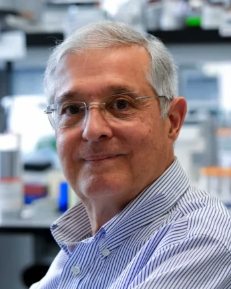 José Luis Millán合作论文数Center for Cardiovascular and Muscular Diseases, Sanford Burnham Prebys6
 Manisha Yadav合作论文数6
 Vicky E Macrae合作论文数6Daisuke Kajimura合作论文数6Kyle J Riley合作论文数5Celine Schott合作论文数5
 Bin Zhou合作论文数Medtronic5
 Derek Ball合作论文数Sch Med Med Sci & Nutr, Univ Aberdeen5M. Pata合作论文数4Rémi Rabasa-Lhoret合作论文数4
 Christopher James Clarke合作论文数Department of Medicine, Stony Brook University4
 Josephine T. Tauer合作论文数Department of Paediatrics and Adolescent Medicine, Johannes Kepler University of Linz4Lee Ha Won合作论文数4Germain Amélie合作论文数4
 Jianwen Wei合作论文数4
 Calvin P. H. Vary合作论文数Northwestern University, Northwestern University;and the Center for Molecular Medicine, Maine Medical Center Research Institute;Northwestern University, Northwestern University4
 Yusuf Hannun合作论文数Department of Biochemistry and Cell Biology, College of Arts and Sciences, Stony Brook University;Stony Brook Cancer Center4
 X. Edward Guo合作论文数Bone Bioengineering Laboratory, Department of Biomedical Engineering, Columbia University4
 Lutz Bunger合作论文数Sustainable Livestock Systems Group, Scottish Agricultural College4
 Nicholas M. Morton合作论文数Clore Laboratory, University of Buckingham4
 Svetlana V. Komarova合作论文数Department of Biomedical Engineering, McGill University/Department of Dentistry, McGill University4
 Patricia F. Ducy合作论文数Department of Pathology and Cell Biology, Columbia University4
 Franck Oury合作论文数4Guylaine Ferland合作论文数Institut Universitaire de Gériatrie de Montréal, Université de Montréal4sophie rajoanah合作论文数3Jessica Bonneau合作论文数3
 Anne-Frederique Turcotte合作论文数Dept Med, Univ Laval3Catherine Julien合作论文数3Karla J Suchacki合作论文数3
 Vincent Poitout合作论文数University of Montreal Hospital Research Centre;Departement de Biochimie et Medecine Moleculaire, Faculte de Medecine, Universite de Montreal3
 Nabil Georges Seidah合作论文数Departement de Biochimie et Medecine Moleculaire, Faculte de Medecine, Universite de Montreal;Departement de Medecine, Faculte de Medecine, Universite de Montreal;Institut De Recherches Cliniques De Montréal3
 Martin E Barrios-Llerena合作论文数3Khavandgar Zohreh合作论文数3Oldknow Karla J合作论文数3Mailhot Marjolaine合作论文数3
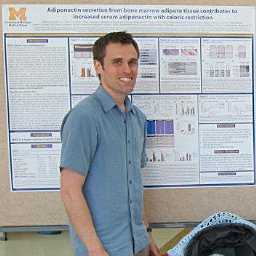 William P Cawthorn合作论文数University Michigan Ann Arbor, University of Michigan3Mosialou Ioanna合作论文数Dept Physiol & Cellular Biophys, Columbia Univ3
 Clifford J Rosen合作论文数Maine Medical Center’s Research Institute;Graduate School of Biomedical Science and Engineering, University of Maine;Jackson Laboratory;School of Medicine, Tufts University3Frank Rauch合作论文数3
 Ronald DePinho合作论文数Department of Cancer Biology, Division of Basic Science Research, The University of Texas MD Anderson Cancer Center3




