Several studies have explored how factors that deepen sleep (e.g., sleep deprivation) and factors that fragment sleep (e.g., environmental stimuli) facilitate the occurrence of somnambulistic episodes experienced by sleepwalkers in the sleep laboratory. Little is known, however, about the broader range of variables that sleepwalkers perceive as contributing to their episodes in their home environment. We examined self-reported precipitating and priming factors for sleepwalking in a large cohort of 188 adults diagnosed with primary somnambulism using a comprehensive questionnaire. The most frequently endorsed precipitating or priming factors for sleepwalking episodes were psychological stress (95%), bad dreams and nightmares (78%), and sleep deprivation (60%). Factors such as irregular sleep schedules, intense movies, and new sleep environments were also relatively common. In contrast, substance use (e.g., alcohol, caffeine) and physical ailments (e.g., fever, pain) were cited less frequently. We found few significant differences in reported factors based on biological sex, age of onset, or family history, although women were more likely to associate noisy environments and the use of hypnotics with their episodes. These findings emphasise the critical role of stress in sleepwalking and suggest that stress management and sleep hygiene should be incorporated into treatment strategies. Furthermore, our study underscores the growing recognition of dream-like mentation as an integral component of sleepwalking in adults. Future research should focus on refining our understanding of the role of psychosocial stressors and their possible neurobiological mechanisms underlying adult somnambulism.
The potential for the misdiagnosis of giftedness as attention deficit/hyperactivity disorder (ADHD) has been well documented, as has the clinical diagnostic profile of individuals with both giftedness and ADHD. This study aimed to examine parents' and teachers' responses to the Conners 3 behavioral rating scale of gifted students with ADHD compared to gifted students without ADHD and non-gifted students with ADHD. Ninety-two children aged 6 to 16 years were included in the study. On the basis of clinical assessments utilizing the K-SADS, the WISC-V, and other neurocognitive tests, the students were split into three groups: gifted/ADHD (n = 35), ADHD (n = 35), and gifted (n = 22). The results revealed that mothers', fathers', and teachers' responses to the Conners 3 rating scale distinguished well between the gifted group and the other two groups, but not between the gifted/ADHD and ADHD groups. The learning difficulties observed by teachers was the most significant element that distinguished gifted/ADHD students from non-gifted ADHD students. Other results indicated that mothers and fathers reported more inattention problems in their gifted/ADHD children than teachers. Additionally, mothers tended to observe more learning and executive function problems in their gifted/ADHD children than teachers did. These findings highlight the importance of multiple informants complementing each other in the assessment process for ADHD in a gifted context to counteract the masking effect between giftedness and ADHD.
Most evidence-based sleep interventions (e.g., graduated extinction of nighttime crying) are in opposition to many parents' values. This warrants taking a step back and asking the parents about their main concerns regarding their baby's sleep and the type of help they would be likely to use. This study aimed to describe and identify, among mothers of a 0- to 24-month-old child, the perceived impact of lack of sleep, sleep-related help-seeking behaviors as well as the most concerning aspects of the child's sleep, and preferred sleep intervention modalities. Another objective was to identify the factors associated with a negative impact of postpartum sleep, concerns for the child's sleep, and interest in sleep interventions. Canadian mothers (N = 932) were recruited by email snowball sampling and through Facebook to complete an online questionnaire designed for the purposes of the study. Most mothers reported a negative impact of postpartum sleep on their romantic relationship (79.4%) and quality of life (76.7%). Low parental self-efficacy (PSE) about managing the child's sleep was the best predictor of a negative impact of lack of sleep and sleep-related concerns, above and beyond any other child's or mother's characteristics. The preferred intervention modalities were reliable websites and online courses on child sleep, with a greater interest in home visits among mothers who need help the most (low self-efficacy, high concerns). Interventions should aim at increasing PSE about the child's sleep in both parents and include home visits for those who need it the most.
Background: Far from being benign, somnambulistic episodes can be frequent and/or severe and potentially injurious. Episodes may also be accompanied by sleep mentation with variable degrees of retrograde amnesia. The present study investigated how somnambulistic episodes unfold from childhood through adulthood, a topic that remains understudied. Methods: Adult sleepwalkers with a diagnosis of primary somnambulism and a childhood onset of the disorder (n = 113) were assessed for changes in frequency of their episodes, recall of episode-related sleep mentation and aggressive episodes during childhood, adolescence and adulthood. In addition, sleepwalkers (n = 52) with childhood-onset of sleep terrors were assessed for developmental changes in sleep terror frequency. Results: Results indicate that the frequency of somnambulistic episodes remains unchanged during childhood and adolescence before increasing during adulthood. An opposite trend was observed for sleep terrors. The frequency of aggressive somnambulistic episodes and of sleep mentation associated with somnambulism increased from childhood to adolescence and into adulthood. By contrast, the recall of sleep mentation associated with sleep terrors did not change over time. Additionally, a higher frequency of aggressive somnambulistic episodes predicted a higher frequency of sleep mentation associated with somnambulism. These patterns were similar across men and women. Conclusion: Our study demonstrates that in chronic sleepwalkers, sleep mentation associated with somnambulistic episodes increases with age while episodes worsen in frequency and severity from childhood to adulthood. These findings add to the limited literature in the field and provide valuable insights into how key clinical characteristics of somnambulism evolve across the lifespan. (C) 2021 Elsevier B.V. All rights reserved.
Background: It has been suggested that sleepwalkers are more difficult to awaken from sleep than are controls. However, no quantified comparisons have been made between these two populations. The main goal of this study was to assess arousal responsiveness via the presentation of auditory stimuli (AS) in sleepwalkers and controls during normal sleep and recovery sleep following sleep deprivation.Methods: Ten adult sleepwalkers and 10 age-matched control subjects were investigated. After a screening night, participants were presented with AS during slow-wave sleep (SWS), REM, and stage 2 sleep either during normal sleep or daytime recovery sleep following 25 h of sleep deprivation. The AS conditions were then reversed one week later.Results: When compared to controls sleepwalkers necessitated a significantly higher mean AS intensity (in dB) to induce awakenings and arousal responses during REM sleep whereas the two groups' mean values did not differ significantly during SWS and stage 2 sleep. Moreover, when compared to controls sleepwalkers had a significantly lower mean percentage of AS that induced arousal responses during REM sleep while the opposite pattern of results was found during SWS.Conclusions: The data indicate that sleepwalkers have a higher auditory awakening threshold than controls, but only for REM sleep. These findings may reflect a compensatory mechanism of the homeostatic process underlying sleep regulation during sleepwalkers' REM sleep in reaction to their difficulties maintaining consolidated periods of NREM sleep. (C) 2012 Elsevier B. V. All rights reserved.
Considerable progress has been made in the systematic study of nonrapid eye movement (NREM) sleep parasomnias. This chapter focuses on the clinical features, prevalence, pathophysiology, associated sleep parameters, and clinical variants of the prototypic NREM sleep parasomnias, namely confusional arousals, sleepwalking, and sleep terrors. Whereas the occurrence of NREM parasomnias in children is frequently viewed as relatively benign, these disorders often pose greater problems, including sleep-related injuries, in affected adults. Most episodes arise from sudden but incomplete arousal from slow-wave sleep and sometimes from stage 2 sleep. Factors that deepen or fragment sleep can facilitate or precipitate NREM parasomnias in predisposed individuals. NREM parasomnias can be associated with various primary sleep disorders or with medical conditions. Diagnosis of NREM parasomnias can often be made based on a detailed history, although some patients may require more extensive evaluations, including polysomnographic study with an expanded EEG montage. Sleep deprivation and the presentation of auditory stimuli during slow-wave sleep are two techniques that can increase the occurrence of behavioral manifestations under laboratory conditions. A variety of nonpharmacological treatments have been recommended for long-term management of NREM parasomnias, whereas pharmacological agents should be considered only if the behaviors are hazardous or extremely disruptive.
Somnambulism (or sleepwalking) is a non-rapid eye movement sleep parasomnia characterized by partial awakenings and behaviors usually initiated from slow wave sleep (SWS). Our clinical experience suggests that sleepwalkers are often complaining of daytime somnolence.
Sleepwalking (somnambulism) and sleep terrors are known as disorders of arousal, share many characteristics, and constitute 2 of the most frequent and impressive non-rapid eye movement (NREM) sleep parasomnias. This article presents key considerations in the assessment and diagnosis of NREM arousal parasomnias. The use of sleep deprivation before polysomnographic investigations can help capture episodes in the sleep laboratory. Auditory-based forced arousals from patients' slow wave sleep may also induce episodes. These and other investigative tools, including brain imaging, may pave the way toward a better understanding of disorders of arousal.
Parasomnias are undesirable physical or behavioral phenomena that occur during entry into sleep, within sleep, or during partial arousals from sleep (American Academy of Sleep Medicine, 2005). The focus of this chapter is confusional arousals, sleepwalking (somnambulism), and sleep terrors. These sleep disorders constitute the prototypic nonrapid-eye-movement (NREM) sleep parasomnias and are collectively termed “disorders of arousal” (Broughton, 1968) because of the autonomic and motor arousal that propels the patient towards partial wakefulness. A summary and comparison of the main features of NREM and REM sleep parasomnias are presented in Table 52.1. Disorders of arousal are more common in childhood than in adulthood and their prevalence rate decreases significantly with age. However, whereas the occurrence of NREM parasomnias in children is frequently viewed as a relatively benign and common event that will resolve spontaneously, these disorders often pose greater problems, including social inconvenience and sleep-related injury, in affected adults. In fact, injurious NREM sleep parasomnias in adults may be more prevalent than commonly believed (Schenck et al., 1989; Ohayon et al., 1999; Mahowald and Schenck, 2000c). The symptoms and manifestations of these NREM parasomnias can be considered along a spectrum. For instance, the patient’s affective expression can range from calm to extremely agitated, and the actual physical behaviors can range from simple and isolated actions (e.g., sitting up in bed, mumbling, fingering bed sheets) to complex behaviors (e.g., rearranging furniture, inappropriate sexual activity, playing a musical instrument, driving an automobile). Moreover,
UNLABELLED:STUDY OBJECTIVIES: several studies have investigated slow wave sleep EEG parameters, including slow-wave activity (SWA) in relation to somnambulism, but results have been both inconsistent and contradictory. The first goal of the present study was to conduct a quantitative analysis of sleepwalkers' sleep EEG by studying fluctuations in spectral power for delta (1-4 Hz) and slow delta (0.5-1 Hz) before the onset of somnambulistic episodes. A secondary aim was to detect slow-wave oscillations to examine changes in their amplitude and density prior to behavioral episodes.PARTICIPANTS:twenty-two adult sleepwalkers were investigated polysomnographically following 25 h of sleep deprivation.RESULTS:analysis of patients' sleep EEG over the 200 sec prior to the episodes' onset revealed that the episodes were not preceded by a gradual increase in spectral power for either delta or slow delta over frontal, central, or parietal leads. However, time course comparisons revealed significant changes in the density of slow-wave oscillations as well as in very slow oscillations with significant increases occurring during the final 20 sec immediately preceding episode onset.CONCLUSIONS:the specificity of these sleep EEG parameters for the occurrence and diagnosis of NREM parasomnias remains to be determined.
It has been suggested that sleepwalkers are more difficult to fully awaken from sleep than controls. However, no quantified comparisons have been made between these two populations. The present study assessed the effects of auditory stimuli (AS) in sleepwalkers and controls during normal and recovery sleep. Ten adult sleepwalkers and ten controls were investigated. Participants were presented with AS during slow-wave sleep (SWS), REM and stage 2 sleep either during normal or recovery sleep following 25hr of sleep deprivation. In the targeted sleep stage, 3sec AS were presented at 1min intervals in ascending intensities (40dB to 90dB) until an awakening (including awakenings and/or sleepwalking) or a maximum of 6 AS was reached. When compared to controls, sleepwalkers had a significantly higher mean intensity of AS (in dB) that induced awakenings during normal REM sleep, a significantly lower mean percentage of AS that induced awakenings during normal REM sleep, and a significantly higher mean percentage of AS that induced awakenings during recovery SWS. When compared to normal sleep, recovery sleep resulted in a significantly higher percentage of AS that induced arousals in both groups, and a significantly higher percentage of AS that induced awakenings in sleepwalkers during REM sleep. There were no other significant group or sleep period differences for the mean percentage of AS or mean intensity of AS that induced awakenings. The data suggest that sleepwalkers have a higher auditory awakening thresholds compared to controls but only during normal REM sleep.
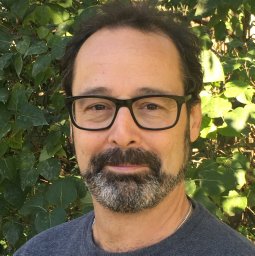 Antonio Zadra合作论文数Department of Psychology, Université de Montréal33
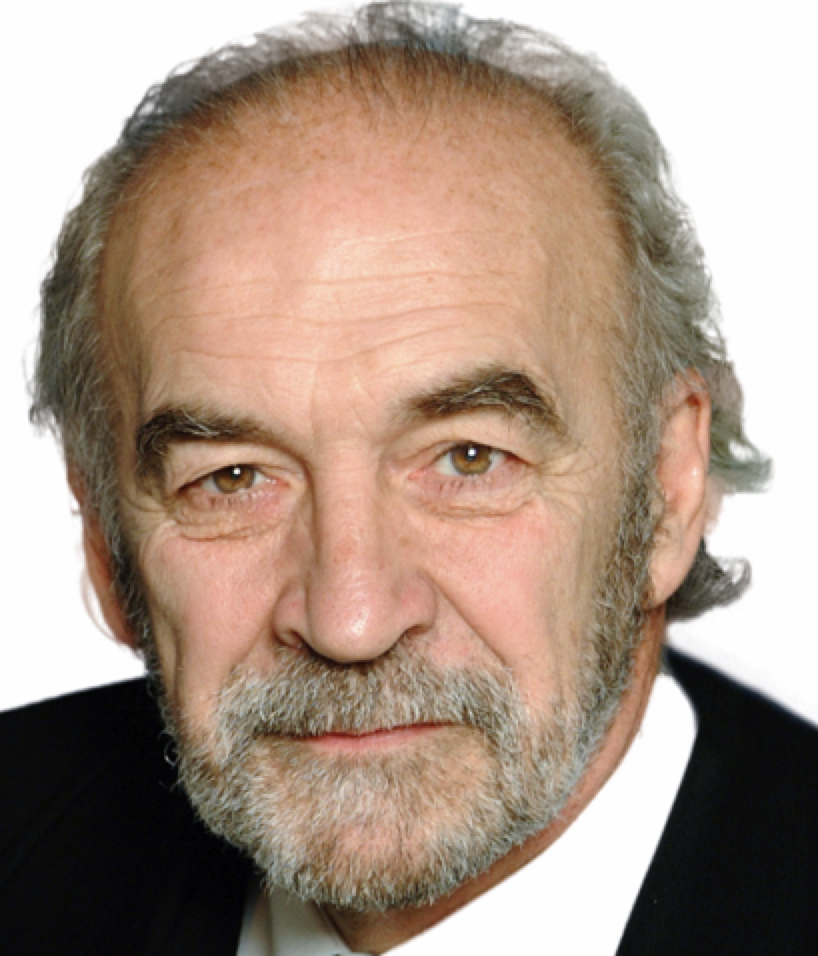 Jacques-Yves Montplaisir合作论文数Département de Psychiatrie et D’addictologie, Faculté de Médecine, University of Montreal25
 Jacques De Champlain合作论文数Faculté de Médecine, Université de Montréal7
 Rejean Couture合作论文数Faculty of Medicine, Université de Montréal7
 R. Wu合作论文数6S Joncas合作论文数5Alex Desautels合作论文数Douglas Hospital, McGill University5S Rompre合作论文数4
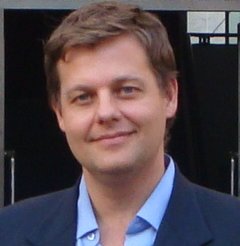 Denis Deblois合作论文数University of Montreal Hospital4Marc-André Laplante合作论文数3Laurent Jean Pierre Monassier合作论文数3Marc-Antoine Labelle合作论文数Institut Unversitaire de Gériatrie de Montréal, University of Montreal3Dias Jenny Pena合作论文数2
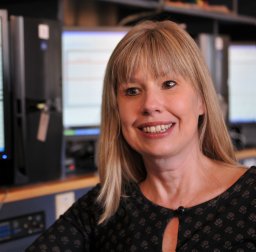 Julie Carrier合作论文数Département de psychologie, Université de Montréal2
 Nadia Gosselin合作论文数Sleep Disorder Center, Sacre-Cœur Hospital and University of Montreal2
 Dominique Petit合作论文数2Pierre Mcduff合作论文数Département de Psychologie, Université de Montréal2
 Juliette Francois-Sevigny合作论文数1
 Marie-Michelle Blouin合作论文数1Mongrain Valérie合作论文数1
 Cloe Blanchette‐Carriere合作论文数1
 Valerie Simard合作论文数1Steve Joncas合作论文数1
 Pierre Carayon合作论文数1B. Adam合作论文数1
 Naoko Tachibana合作论文数Human Brain Research Center, Kyoto University Graduate School of Medicine1Michel Cramer-Bornemann合作论文数1
 Ron Grunstein合作论文数Central Clinical School Woolcock Institute of Medical Research, University of Sydney;Faculty of Medicine and Health, University of Sydney1Mark R. Pressman合作论文数1
 Mark W. Mahowald合作论文数Minnesota Regional Sleep Disorders Center;Department of Neurology, University of Minnesota1
 Jean Richard Seguin合作论文数Ste-Justine Hospital Research Center1Jacques Sénécal合作论文数1
 Sébastien Talbot合作论文数Faculty of Medicine, Université de Montréal1
 Peter R Buchanan合作论文数1D. C. Donderi合作论文数1B. Ferrari合作论文数1




