Context The clinical manifestations of Cushing syndrome are variable, but an important number of patients present a metabolic syndrome, strongly associated with hepatic steatosis. Objective The aim of this study was to determine the prevalence of metabolic dysfunction associated steatotic liver disease (MASLD) at the diagnosis of Cushing syndrome. Methods We conducted a single-center retrospective study at Angers Hospital (France) between 2010 and 2020. Forty-nine patients followed for Cushing syndrome with available abdominal imaging at diagnosis were included. A mean liver/spleen density ratio < 1 on computed tomography was diagnostic of hepatic steatosis. Simple clinico-biological scores predictive of hepatic fibrosis (FIB-4, NAFLD Fibrosis Score, and eLIFT) were calculated for patients with hepatic steatosis. Results Of the 49 patients, 13 (26.5%) had hepatic steatosis at diagnosis of Cushing syndrome. All 13 had MASLD. These patients had a higher prevalence of type 2 diabetes and higher triglyceride levels in multivariate analysis. There was no difference according to the intensity or duration of Cushing syndrome. Among the 13 patients with MASLD, 2 (15.4%) had a significant fibrosis predictive score. Of the 4 patients with follow-up imaging after remission of Cushing syndrome, 3 had remission of steatosis between 1 and 5 years after remission of Cushing syndrome. No patient without MASLD at diagnosis had a worsening liver/spleen ratio after remission. Conclusion We estimated the prevalence of hepatic steatosis at the diagnosis of Cushing syndrome at 26.5%. The presence of metabolic factors was associated with the occurrence of hepatic steatosis.
Halogenated bisphenol A (BPA) derivatives are produced during disinfection treatment of drinking water or are synthesized as flame retardants (TCBPA or TBBPA). BPA is considered as an endocrine disruptor especially on human follicle-stimulating hormone receptor (FSHR). Using a global experimental approach, we assessed the effect of halogenated BPA derivatives on FSHR activity and estimated the risk of halogenated BPA derivatives to the reproductive health of exposed populations. For the first time, we show that FSHR binds halogenated BPA derivatives, at 10 nM, a concentration lower than those requires to modulate the activity of nuclear receptors and/or steroidogenesis enzymes. Indeed, bioluminescence assays show that FSHR response is lowered up to 42.36 % in the presence of BPA, up to 32.79 % by chlorinated BPA derivatives and up to 27.04 % by brominated BPA derivatives, at non-cytotoxic concentrations and without modification of basal receptor activity. Moreover, molecular docking, molecular dynamics simulations, and site-directed mutagenesis experiments demonstrate that the halogenated BPA derivatives bind the FSHR transmembrane domain reducing the signal transduction efficiency which lowers the cellular cAMP production and in fine disrupts the physiological effect of FSH. The potential reproductive health risk of exposed individuals was estimated by comparing urinary concentrations (through a collection of human biomonitoring data) with the lowest effective concentrations derived from in vitro cell assays. Our results suggest a potentially high concern for the risk of inhibition of the FSHR pathway. This global approach based on FSHR activity could enable the rapid characterization of the toxicity of halogenated BPA derivatives (or other compounds) and assess the associated risk of exposure to these halogenated BPA derivatives.
In this work, we implemented for the first time the cycloSaligenyl prodrug strategy to increase the bioavailability of fosmidomycin phosphate analogs in bacteria. Here, we report the synthesis of 34 cycloSaligenyl prodrugs of fosfoxacin and its derivatives. Among them, fifteen double prodrugs efficiently prevented the growth of the non-pathogenic, fast-growing Mycobacterium smegmatis.
Iron is an essential nutriment for almost all organisms, but this metal is poorly bioavailable. During infection, bacteria access iron from the host by importing either iron or heme. Pseudomonas aeruginosa, a gram-negative pathogen, secretes two siderophores, pyoverdine (PVD) and pyochelin (PCH), to access iron and is also able to use many siderophores produced by other microorganisms (called xenosiderophores). To access heme, P. aeruginosa uses three distinct uptake pathways, named Has, Phu, and Hxu. We previously showed that P. aeruginosa expresses the Has and Phu heme uptake systems and the PVD- and PCH-dependent iron uptake pathways in iron-restricted growth conditions, using proteomic and RT-qPCR approaches. Here, using the same approaches, we show that physiological concentrations of hemin in the bacterial growth medium result in the repression of the expression of the proteins of the PVD- and PCH-dependent iron uptake pathways, leading to less production of these two siderophores. This indicates that the pathogen adapts its phenotype to use hemin as an iron source rather than produce PVD and PCH to access iron. Moreover, the presence of both hemin and a xenosiderophore resulted in (i) the strong induction of the expression of the proteins of the added xenosiderophore uptake pathway, (ii) repression of the PVD- and PCH-dependent iron uptake pathways, and (iii) no effect on the expression levels of the Has, Phu, or Hxu systems, indicating that bacteria use both xenosiderophores and heme to access iron.
Enterobactin (ENT) is a tris-catechol siderophore used to acquire iron by multiple bacterial species. These ENT-dependent iron uptake systems have often been considered as potential gates in the bacterial envelope through which one can shuttle antibiotics (Trojan horse strategy). In practice, siderophore analogues containing catechol moieties have shown promise as vectors to which antibiotics may be attached. Bis- and tris-catechol vectors (BCVs and TCVs, respectively) were shown using structural biology and molecular modeling to mimic ENT binding to the outer membrane transporter PfeA in Pseudomonas aeruginosa. TCV but not BCV appears to cross the outer membrane via PfeA when linked to an antibiotic (linezolid). TCV is therefore a promising vector for Trojan horse strategies against P. aeruginosa, confirming the ENT-dependent iron uptake system as a gate to transport antibiotics into P. aeruginosa cells.
A recently developed inhibitor of retrograde transport, namely Retro-2.1, proved to be a potent and broad-spectrum lead in vitro against intracellular pathogens, such as toxins, parasites, intracellular bacteria and viruses. To circumvent its low aqueous solubility, a formulation in poly(ethylene glycol)-block-poly(D,L)lactide micelle nanoparticles was developed. This formulation enabled the study of the pharmacokinetic parameters of Retro-2.1 in mice following intravenous and intraperitoneal injections, revealing a short blood circulation time, with an elimination half-life of 5 and 6.7 h, respectively. To explain the poor pharmacokinetic parameters, the metabolic stability of Retro-2.1 was studied in vitro and in vivo, revealing fast cytochrome-P-450-mediated metabolism into a less potent hydroxylated analogue. Subcutaneous injection of Retro-2.1 formulated in a biocompatible and bioresorbable polymer-based thermosensitive hydrogel allowed for sustained release of the drug, with an elimination half-life of 19 h, and better control of its metabolism. This study provides a guideline on how to administer this promising lead in vivo in order to study its efficacy.
Background: Many studies link G protein-coupled receptors (GPCRs) to cancer. Some endocrine tumors are unresponsive to standard treatment and/or require long-term and poorly tolerated treatment. This study explored, by bioinformatics analysis, the tumoral profiling of the GPCR transcriptome to identify potential targets in these tumors aiming at drug repurposing. Methods: We explored the GPCR differentially expressed genes (DEGs) from public datasets (Gene Expression Omnibus (GEO) database and The Cancer Genome Atlas (TCGA)). The GEO datasets were available for two medullary thyroid cancers (MTCs), eighty-seven pheochromocytomas (PHEOs), sixty-one paragangliomas (PGLs), forty-seven pituitary adenomas and one-hundred-fifty adrenocortical cancers (ACCs). The TCGA dataset covered 92 ACCs. We identified GPCRs targeted by approved drugs from pharmacological databases (ChEMBL and DrugBank). Results: The profiling of dysregulated GPCRs was tumor specific. In MTC, we found 14 GPCR DEGs, including an upregulation of the dopamine receptor (DRD2) and adenosine receptor (ADORA2B), which were the target of many drugs. In PGL, seven GPCR genes were downregulated, including vasopressin receptor (AVPR1A) and PTH receptor (PTH1R), which were targeted by approved drugs. In ACC, PTH1R was also downregulated in both the GEO and TCGA datasets and was the target of osteoporosis drugs. Conclusions: We highlight specific GPCR signatures across the major endocrine tumors. These data could help to identify new opportunities for drug repurposing.
OBJECTIVE:Somatostatin receptor ligands (SRL) are useful to control central hyperthyroidism in patients with thyrotropin-secreting pituitary adenoma (TSH pituitary adenoma). The aim of this study was to describe the frequency of thyrotropin deficiency (TSH deficiency) in patients with TSH pituitary adenoma treated by SRL.DESIGN:Retrospective study.METHODS:Patients with central hyperthyroidism due to TSH pituitary adenoma treated by short or long-acting SRL were retrospectively included. TSH deficiency was defined by a low FT4 associated with non-elevated TSH concentrations during SRL therapy. We analysed the frequency of TSH deficiency and the characteristics of patients with or without TSH deficiency.RESULTS:Forty-six patients were included. SRL were used as the first-line therapy in 21 of 46 patients (46%). Central hyperthyroidism was controlled in 36 of 46 patients (78%). TSH deficiency appeared in 7 of 46 patients (15%) after a median time of 4 weeks (4-7) and for a median duration of 3 months (2.5-3). The TSH deficiency occurred after one to three injections of long-acting SRL used as first-line therapy in 6/7 cases. There were no differences in terms of clinical and hormonal features, size of adenomas or doses of SRL between patients with or without TSH deficiency.CONCLUSIONS:SRL can induce TSH deficiency in patients with central hyperthyroidism due to TSH pituitary adenoma. Thyrotropic function should be assessed before the first three injections of SRL in order to track TSH deficiency and reduce the frequency of injections when control of thyrotoxicosis rather than tumour reduction is the aim of the treatment.
Endocrine-disrupting chemicals have received significant concern, since they ubiquitously persist in the environment and are able to induce adverse effects on health, and more particularly on reproductive function. Most of the studies focused on nuclear hormone receptors as mediators of sex steroid hormones signaling. However, there are increasing evidences that peptides hormones of the Hypothalamo-Pituitary-Gonadal axis are targets of endocrine-disrupting chemicals (as Gonadotropin-Releasing Hormone, Follicle-Stimulating Hormone, Luteinizing Hormone…). The majority of these hormones act on G protein-coupled membrane receptors. This review summarizes the effects of endocrine-disrupting chemicals on homeostasis of peptides hormone of Hypothalamo-Pituitary-Gonadal axis and on their G protein-coupled membrane receptors signaling revealed by experimental, clinical, and epidemiological studies in human.
Hypertension is associated with excessive reactive oxygen species (ROS) production in vascular cells. Mitochondria undergo fusion and fission, a process playing a role in mitochondrial function. OPA1 is essential for mitochondrial fusion. Loss of OPA1 is associated with ROS production and cell dysfunction. We hypothesized that mitochondria fusion could reduce oxidative stress that defect in fusion would exacerbate hypertension. Using (a) Opa1 haploinsufficiency in isolated resistance arteries from Opa1+/- mice, (b) primary vascular cells from Opa1+/- mice, and (c) RNA interference experiments with siRNA against Opa1 in vascular cells, we investigated the role of mitochondria fusion in hypertension. In hypertension, Opa1 haploinsufficiency induced altered mitochondrial cristae structure both in vascular smooth muscle and endothelial cells but did not modify protein level of long and short forms of OPA1. In addition, we demonstrated an increase of mitochondrial ROS production, associated with a decrease of superoxide dismutase 1 protein expression. We also observed an increase of apoptosis in vascular cells and a decreased VSMCs proliferation. Blood pressure, vascular contractility, as well as endothelium-dependent and -independent relaxation were similar in Opa1+/- , WT, L-NAME-treated Opa1+/- and WT mice. Nevertheless, chronic NO-synthase inhibition with L-NAME induced a greater hypertension in Opa1+/- than in WT mice without compensatory arterial wall hypertrophy. This was associated with a stronger reduction in endothelium-dependent relaxation due to excessive ROS production. Our results highlight the protective role of mitochondria fusion in the vasculature during hypertension by limiting mitochondria ROS production.
Searchable abstracts of presentations at key conferences in endocrinology ISSN 1470-3947 (print) | ISSN 1479-6848 (online)
Differentiated thyroid cancers are more frequent in women than in men. These different frequencies may depend on differences in patient's behavior and in thyroid investigations. However, an impact on sexual hormones is likely, although this has been insufficiently elucidated. Estrogens may increase the production of mutagenic molecules in the thyroid cell and favor the proliferation and invasion of tumoral cells by regulating both the thyrocyte enzymatic machinery and the inflammatory process associated with tumor growth. On the other hand, the worse prognosis of thyroid cancer associated with the male gender is poorly explained.
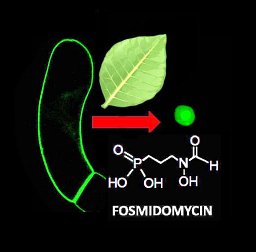
Three α,α-difluorophosphonate derivatives of fosmidomycin were synthesized from diethyl 1,1-difluorobut-3-enylphosphonate and were evaluated on Escherichia coli. Two of them are among the best 1-deoxy-d-xylulose 5-phosphate reductoisomerase inhibitors, with IC50 in the nM range, much better than fosmidomycin, the reference compound. They also showed an enhanced antimicrobial activity against E. coli on Petri dishes in comparison with the corresponding phosphates and the non-fluorinated phosphonate.
CONTEXT:Radioiodine-refractory thyroid cancers have poor outcomes and limited therapeutic options (tyrosine kinase inhibitors) due to transient efficacy and toxicity of treatments. Therefore, combinatorial treatments with new therapeutic approaches are needed. Many studies link G protein-coupled receptors (GPCRs) to cancer cell biology.OBJECTIVE:To perform a specific atlas of GPCR expression in progressive and refractory thyroid cancer to identify potential targets among GPCRs aiming at drug repositioning.METHODS:We analyzed samples from tumor and normal thyroid tissues from 17 patients with refractory thyroid cancer (12 papillary thyroid cancers [PTCs] and 5 follicular thyroid cancers [FTCs]). We assessed GPCR mRNA expression using NanoString technology with a custom panel of 371 GPCRs. The data were compared with public repositories and pharmacological databases to identify eligible drugs. The analysis of prognostic value of genes was also performed with TCGA datasets.RESULTS:With our transcriptomic analysis, 4 receptors were found to be downregulated in FTC (VIPR1, ADGRL2/LPHN2, ADGRA3, and ADGRV1). In PTC, 24 receptors were deregulated, 7 of which were also identified by bioinformatics analyses of publicly available datasets on primary thyroid cancers (VIPR1, ADORA1, GPRC5B, P2RY8, GABBR2, CYSLTR2, and LPAR5). Among all the differentially expressed genes, 22 GPCRs are the target of approved drugs and some GPCRs are also associated with prognostic factors.DISCUSSION:For the first time, we performed GPCR mRNA expression profiling in progressive and refractory thyroid cancers. These findings provide an opportunity to identify potential therapeutic targets for drug repositioning and precision medicine in radioiodine-refractory thyroid cancer.
Background/objectives Maternal obesity impacts vascular functions linked to metabolic disorders in offspring, leading to cardiovascular diseases during adulthood. Even if the relation between prenatal conditioning of cardiovascular diseases by maternal obesity and vascular function begins to be documented, little is known about resistance arteries. They are of particular interest because of their specific role in the regulation of local blood flow. Then our study aims to determine if maternal obesity can directly program fetal vascular dysfunction of resistance arteries, independently of metabolic disorders. Methods With a model of rats exposed in utero to mild maternal diet-induced obesity (OMO), we investigated third-order mesenteric arteries of 4-month old rats in absence of metabolic disorders. The methylation profile of these vessels was determined by reduced representation bisulfite sequencing (RRBS). Vascular structure and reactivity were investigated using histomorphometry analysis and wire-myography. The metabolic function was evaluated by insulin and glucose tolerance tests, plasma lipid profile, and adipose tissue analysis. Results At 4 months of age, small mesenteric arteries of OMO presented specific epigenetic modulations of matrix metalloproteinases (MMPs), collagens, and potassium channels genes in association with an outward remodeling and perturbations in the endothelium-dependent vasodilation pathways (greater contribution of EDHFs pathway in OMO males compared to control rats, and greater implication of PGI(2) in OMO females compared to control rats). These vascular modifications were detected in absence of metabolic disorders. Conclusions Our study reports a specific methylation profile of resistance arteries associated with vascular remodeling and vasodilation balance perturbations in offspring exposed in utero to maternal obesity, in absence of metabolic dysfunctions.
Iron acquisition pathways have often been considered to be gateways for the uptake of antibiotics into bacteria. Bacteria excrete chelators, called siderophores, to access iron. Antibiotic molecules can be covalently attached to siderophores for their transport into pathogens during the iron-uptake process. P. aeruginosa produces two siderophores and is also able to use many siderophores produced by other bacteria. We investigated the phenotypic plasticity of iron-uptake pathway expression in an epithelial cell infection assay in the presence of two different siderophore–antibiotic conjugates, one with a hydroxamate siderophore and the second with a tris-catechol. Proteomic and RT-qPCR approaches showed that P. aeruginosa was able to sense the presence of both compounds in its environment and adapt the expression of its iron uptake pathways to access iron via them. Moreover, the catechol-type siderophore–antibiotic was clearly more efficient in inducing the expression of its corresponding transporter than the hydroxamate compound when both were simultaneously present. In parallel, the expression of the proteins of the two iron uptake pathways using siderophores produced by P. aeruginosa was significantly repressed in the presence of both conjugates. Altogether, the data indicate that catechol-type siderophores are more promising vectors for antibiotic vectorization using a Trojan-horse strategy.
The retrograde transport inhibitor Retro-2 has a protective effect on cells and in mice against Shiga-like toxins and ricin. Retro-2 causes toxin accumulation in early endosomes and relocalization of the Golgi SNARE protein syntaxin-5 to the endoplasmic reticulum. The molecular mechanisms by which this is achieved remain unknown. Here, we show that Retro-2 targets the endoplasmic reticulum exit site component Sec16A, affecting anterograde transport of syntaxin-5 from the endoplasmic reticulum to the Golgi. The formation of canonical SNARE complexes involving syntaxin-5 is not affected in Retro-2-treated cells. By contrast, the interaction of syntaxin-5 with a newly discovered binding partner, the retrograde trafficking chaperone GPP130, is abolished, and we show that GPP130 must indeed bind to syntaxin-5 to drive Shiga toxin transport from the endosomes to the Golgi. We therefore identify Sec16A as a druggable target and provide evidence for a non-SNARE function for syntaxin-5 in interaction with GPP130.
Abstract Background: Somatostatin analogs (SSA) are efficiently used to control central hyperthyroidism in patients with thyrotropin-secreting pituitary neuroendocrine tumor (TSH-PitNET). The aim of this study was to describe the frequency of thyrotropin (TSH) deficiency under SSA in patients with TSH-PitNET. Methods: We retrospectively recruited patients presenting a central hyperthyroidism due to TSH-PitNET. Inclusion criteria were patients treated in first, second or third line by short or long-acting SSA, with central hyperthyroidism before SSA. Patients treated by radiotherapy or dopamine agonist were excluded. TSH deficiency was defined by either a low FT4 or low FT4 and FT3, associated with non-elevated TSH concentrations during SSA therapy. We analyzed the frequency of TSH deficiency and the characteristics of patients with or without TSH deficiency. Results: 46 patients were included in the study. SSA were used as the first-line therapy in 21 of 46 patients (46%). Central hyperthyroidism was controlled in 36 of 46 patients (78%). TSH deficiency appeared in 7 of 46 patients (15%), after a median time of 4 weeks (4–7) after the starting of SSA, and for a median duration of 3 months (2.5–3). The TSH deficiency occurred after 1 to 3 injections of long-acting SSA. There were no differences in terms of clinical and hormonal features and size of adenomas between patients with or without TSH deficiency. Conclusions: In patients with central hyperthyroidism due to TSH-PitNET, SSA can induce TSH deficiency. Thyrotropic function should be assessed before each injection of SSA in order to adapt the frequency of injection when control of thyrotoxicosis rather than tumor reduction is purpose of the treatment.
BACKGROUND:The presence of chemical pollutants in the environment can affect human health. Epidemiological and in vivo experimental studies reveal reprotoxic effects (undescended testis) of phthalates (diethylhexyl phthalate (DEHP), dibutyl phthalate (DBP)) and bisphenol A (BPA), resulting in particular of a decrease in INSL3 (Insulin-Like 3 peptide) production. This hormone is essential for normal testis development and acts on a G protein-coupled receptor: RXFP2.OBJECTIVES:The aim of this study was to evaluate the individual and combined impacts of DEHP, DBP, and BPA on human RXFP2 (hRXFP2) activity.METHODS:We used HEK293 cells transiently transfected with hRXFP2 and receptor activity was analyzed by measuring intracellular cAMP production. The mixture was established at concentrations reported in human amniotic fluid, for the three compounds.RESULTS:Individually, DEHP, DBP and BPA increased the response to INSL3 by 19.3 to 27.5%. This potentiating effect was specific for RXFP2, because it was absent in the cells which did not express this receptor. On the other hand, and interestingly, the mixture of the three compounds reduced significantly the response to INSL3 by 12%, and the observed effects were opposite to those predicted, suggesting an antagonist effect.DISCUSSION-CONCLUSION:Taken together, our results demonstrate for the first time that a mixture of phthalates and BPA present in human amniotic fluid disturbs the human RXFP2 function. Moreover, we demonstrate that mixture can produce potential antagonistic effects that are not displayed by the compounds, individually.
 Patrice Rodien合作论文数21Briet Claire合作论文数16Louis Gourdin合作论文数11
 Valentine Suteau合作论文数10
 Daniel Henrion合作论文数Institut National de la Santé et de la Recherche Médicale10Catherine Grosdemange-Billiard合作论文数7Marc Lombès合作论文数6
 Damien Le Menuet合作论文数6
 Marie Chabbert合作论文数5Denis Tritsch合作论文数5Meduri Geri合作论文数4Lièvremont Didier合作论文数4
 Isabelle J Schalk合作论文数4Illouz Frédéric合作论文数4Michel Rohmer合作论文数4Regis Coutant合作论文数4
 Say Viengchareun合作论文数Medecine Xavier;Klinik fur Nephrologie und Rheumatologie;Medecine Xavier|Klinik fur Nephrologie und Rheumatologie4
 Gaetan L.A. Mislin合作论文数4Laurent Loufrani合作论文数4Fanny S Krebs合作论文数3
 Rym Ben Boubaker合作论文数3
 Veronique Gasser合作论文数3Françoise Hoegy合作论文数3Celine Fassot合作论文数3
 Birgit Schiøtt合作论文数Interdisciplinary Nanoscience Center and Department of Chemistry, University of Aarhus3Marie-Laure Raffin-Sanson合作论文数2Paul Sibilia合作论文数2Maylis Lebeault合作论文数2Mathilde Louvigne合作论文数2Hélène Rudelle合作论文数2Tristan Champin合作论文数2Nicolas Zill合作论文数2Cyrielle Payen合作论文数Mitovasc Lab, Univ Angers2Méline Wery合作论文数2Amandine Ferriere合作论文数2
 Jeremy Esque合作论文数2Quentin Perraud合作论文数ESBS, Univ Strasbourg2Abdallah Dib合作论文数2Valérie Seegers合作论文数2Céline Grenier合作论文数2
 Andréa Hemmerlin合作论文数Inst Biol Mol Plantes, Univ Strasbourg2
 Emmanuel Sonnet合作论文数2Jennifer Bourreau合作论文数2
 Lucile Moynie合作论文数2
 Philippe Chanson合作论文数University Paris-Saclay;Bicêtre’s Hospital2
 Gerald Raverot合作论文数2Roland H. Stote合作论文数Structural Biology and Genomics Department, Institut de Génétique et de Biologie Moléculaire et Cellulaire, BP 10413, Illkirch, Strasbourg, France2
 Julie Grouleff合作论文数University of Aarhus, Aarhus University2Marie-Christine Vantyghem合作论文数2




