Dexterous manipulation of a multi-fingered prosthetic hand requires far more cognitive effort compared to typical 1 degree of freedom hands, which hinders their acceptance clinically. This paper presents a Myoelectrically-Operated Radio Frequency Identification (RFID) Prosthetic Hand (MORPH); an implementation of RFID with a myoelectric prosthetic hand as a means to amplify the controllable degrees of freedom. Contextual information from an object equipped with an RFID tag allows automatic preshaping along with dexterous control in an attempt to reduce the cognitive effort required to operate the terminal device. The myoelectric-RFID hybrid has been demonstrated in a proof-of-concept case study where an amputee was fitted with the device and subjected to activities adapted from the Jebsen Hand Function Test and the Smith Hand Function Evaluation with RFID-tagged and untagged items. Evaluation tests revealed that the MORPH system performed significantly better in 4 of the 8 tasks, and comparable to the control in the remainder.
For low-income countries, hypertension is the leading cause of death. Preeclampsia, a disorder often characterized by high blood pressure, is the second leading killer of pregnant women globally. Preeclampsia can be treated cheaply and effectively but very few women receive appropriate prenatal care. There are many different devices to measure blood pressure but they are poorly suited for use in developing countries. Great care has to be taken to engineer a device that incorporates the human-factors involved while maintaining affordability. A prototype of a low-cost device engineered specifically for semi-literate volunteers in developing countries has been created. Preliminary testing has shown reliable hypertension detection and plans have been made for field testing in rural communities this August 2010 in Nepal.
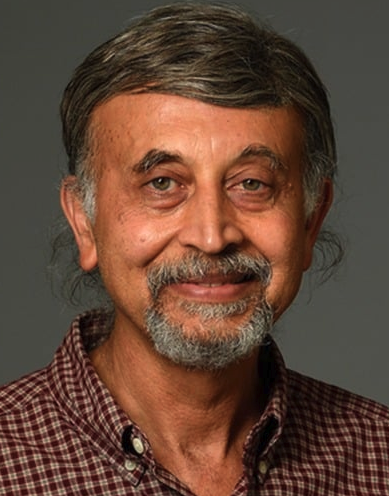 Nitish V. Thakor合作论文数Department of Biomedical Engineering, School of Medicine, Johns Hopkins University;Department of Electrical and Computer Engineering, Whiting School of Engineering, Johns Hopkins University;National University of Singapore2
 Ryan J Smith合作论文数Department of Internal Medicine, Mayo Clinic1
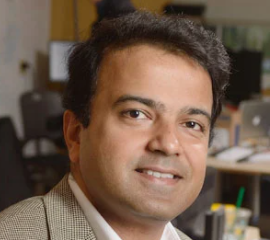 Soumyadipta Acharya合作论文数Biomedical Engineering, School of Medicine, Johns Hopkins University1
 Kaliki, R.合作论文数1
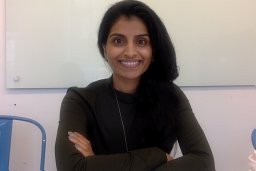 Gowri Jayaram合作论文数Sensory Motor Performance Program, Rehabilitation Institute of Chicago1
 Harshad Sanghvi合作论文数1
 Girish Singhal合作论文数Department of Biomedical Engineering, Johns Hopkins University1




