Objective: We describe changes in consumption of different information sources during the first year of the COVID-19 pandemic across Southeast Alaska.Study Design: We administered two surveys in Southeast Alaska at two critical points during the COVID-19 pandemic (April-June 2020 and November 2020-February 2021) resulting in a convenience sample (n > 1000) of respondents over age 18.Methods: Using survey responses from the two time points, we calculated absolute and percent changes in reported usage of 11 different information sources and tested these changes using a two-proportion z-score. We used logistic regression to estimate the probability of consuming national news, local news, internet sources, social media, and talking with trusted individuals while controlling for demographic variables (age, sex, ethnicity group), risk perceptions, and time. Results: We found no strong relationships between risk perceptions and the probability of consuming various information sources. Males were significantly less likely to consume national sources, local sources, and use social media. Respondents 65 years and older were significantly more likely to consume national sources and local sources and were significantly less likely to consume social media.Conclusions: Different demographic groups use various information sources differently in Southeast Alaska. This could result in uneven quality of, understanding of, and action upon public health messages.
In the small town of Sitka, Alaska, frequent and often catastrophic landslides threaten residents. One challenge associated with disaster preparedness is access to timely and reliable risk information. As with many small but diverse towns, who or what is a trustworthy source of information is often contested. To help improve landslide communication in Sitka, we used a community-partnered approach to social network analysis to identify (1) potential key actors for landslide risk communication and (2) structural holes that may inhibit efficient and equitable communication. This short take describes how we built trust and developed adaptive data collection methods to build an approach that was acceptable and actionable for Sitka, Alaska. This approach could be useful to other researchers for conducting social network analysis to improve risk communication, particularly in rural and remote contexts.
Climate change is thought to be one of the greatest public health threats of the 21st century and there has been a tremendous growth in the published literature describing the health implications of climate change over the last decade. Yet, there remain several critical knowledge gaps in this field. Closing these gaps is crucial to developing effective interventions to minimize the health risks from climate change. In this commentary, we discuss policy trends that have influenced the advancement of climate change and health research in the United States context. We then enumerate specific knowledge gaps that could be addressed by policies to advance scientific research. Finally, we describe tools and methods that have not yet been fully integrated into the field, but hold promise for advancing the science. Prioritizing this advancement offers the potential to improve public health-related policies on climate change.
 Ryan Linn Brown合作论文数RAND Corp, Santa Monica, CA USA2
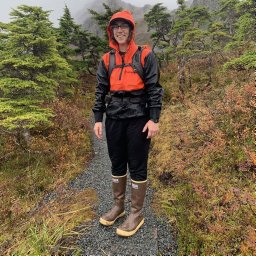 Cora Siebert合作论文数Sitka Sound Science Center1
 Aida Rahmattalabi合作论文数School of Mechanical Industrial and Manufacturing Engineering, Oregon State University1
 Madrigano Jaime合作论文数RAND Corp1
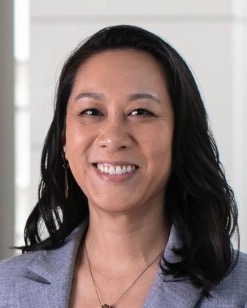 Regina Shih合作论文数Department of Epidemiology, Rollins School of Public Health, Emory University;Department of Health Policy and Management, Rollins School of Public Health, Emory University;Rand Corporation1
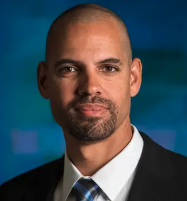 Benjamin Lee Preston合作论文数Pardee RAND Graduate School, RAND Corporation1
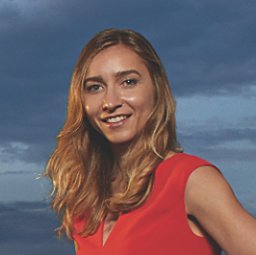 Phebe Vayanos合作论文数Department of Electrical and Electronic Engineering, Imperial College London1Jordan R. Fischbach合作论文数COLUMBIA UNIVERSITY1Ron A. Heintz合作论文数1




