INTRODUCTION:The perioperative morbidity of radical cystectomy (RC) is a critical factor for optimal decision-making in older adults with bladder cancer (BC). However, existing literature is dated and does not focus on older adults. We aimed to examine the real-world, perioperative morbidity of RC among older adults with BC. MATERIALS AND METHODS:We identified 6041 patients aged 66-89 years diagnosed with TanyNanycM0 urothelial bladder cancer from 2000 to 2017 who underwent RC in SEER-Medicare. Rates of perioperative morbidity and healthy days at home (HDAH) were examined using Medicare claims. The associations between baseline characteristics and each outcome were evaluated using logistic regression and negative binomial regression. RESULTS:The perioperative morbidity of RC is substantial, with 3859 (64 %) patients experiencing a complication during hospitalization or one requiring care utilization post-discharge. A total of 1764 (29 %) patients required ER evaluation within 90 days of surgery, and 2637 (44 %) were readmitted to the hospital. The median number of HDAH was 78 (interquartile range 66-82). Adjusted multivariable analyses demonstrated that a higher Charlson Comorbidity Index (CCI) and higher census tract poverty level were associated with increased risk of 90-day inpatient readmission, while older age, Black race, higher CCI, and lower annual hospital RC volume were associated with increased risk of 90-day complications. DISCUSSION:The real-world perioperative morbidity of RC in older adults is substantial and even greater than reported in prior institutional studies, with 44 % of patients requiring hospital-based care within 90 days of surgery. These observations inform clinical counseling of older adults with bladder cancer.
Abstract Identifying dementia severity from administrative claims poses challenges. This abstract discusses developing and validating a claims-based frailty index (CFI) cut-point for identifying moderate-to-severe dementia among Medicare beneficiaries, using data from the National Health and Aging Trends Study (NHATS) and Medicare Current Beneficiary Survey (MCBS). We used 2015 data from NHATS linked to Medicare claims to calculate CFI and determine the optimal cut-point that maximizes sensitivity and specificity in identifying moderate-to-severe dementia based on the Functional Assessment Staging. We validated this measure on an independent sample of community-dwelling Medicare beneficiaries with dementia from MCBS. Performance metrics included sensitivity, specificity, and positive and negative predictive values. From the NHATS development cohort (n=814), the CFI cut-point of 0.280 demonstrated strong performance (C-statistic of 0.78) in differentiating moderate-to-severe dementia cases, achieving the maximum sensitivity of 76.9% and specificity of 62.8%. This cut-point correlated significantly with dementia indicators, including higher rates of functional disability, dementia medication use, mortality, and nursing home admissions. Subsequent validation using the MCBS cohort (n=658) supported the cut-point’s utility in identifying moderate-to-severe dementia, with modest sensitivity of 0.49 and high specificity of 0.80. These two pivotal studies suggest that the CFI, with a cut-point of 0.28, is a robust tool for identifying moderate-to-severe dementia in Medicare claims data. By offering an evidence-based metric, this research facilitates a more targeted approach to allocating healthcare resources and planning care interventions for dementia patients, bridging a critical gap in the absence of direct clinical measures of dementia severity.
Disparities in opioid prescribing among racial and ethnic groups have been observed in outpatient and emergency department settings, but it is unknown whether similar disparities exist at discharge among hospitalized older adults. To determine filled opioid prescription rates on hospital discharge by race/ethnicity among Medicare beneficiaries. Retrospective cohort study. Medicare beneficiaries 65 years or older discharged from hospital in 2016, without opioid fills in the 90 days prior to hospitalization (opioid-naïve). Race/ethnicity was categorized by the Research Triangle Institute (RTI), grouped as Asian/Pacific Islander, Black, Hispanic, other (American Indian/Alaska Native/unknown/other), and White. The primary outcome was an opioid prescription claim within 2 days of hospital discharge. The secondary outcome was total morphine milligram equivalents (MMEs) among adults with a filled opioid prescription. Among 316,039 previously opioid-naïve beneficiaries (mean age, 76.8 years; 56.2
Abstract How claims-based frailty index (CFI) predicts post-acute skilled nursing facility (SNF) care outcomes is unknown. We used the National Health and Aging Trends Study 2011-2017 survey data linked to Medicare claims. CFI and comprehensive geriatric assessment-based frailty index (CGA-FI) were calculated at each survey and categorized into non-frail (<0.25), mild frailty (0.25-0.34), moderate frailty (0.35-0.44), and severe frailty (≥0.45). We examined the first post-acute SNF admission within 6 months after survey assessment. The primary outcome was home time in the 6 months following SNF admission defined as days not in hospital or nursing home. We estimated the effects of frailty on home time using linear regression for each frailty measure. The secondary outcome was total healthcare costs in the 6 months following SNF admission estimated using a generalized linear model with a gamma distribution and identity link. Analyses adjusted for age, sex, and income. In our sample of 643 Medicare beneficiaries (representing 2.7 Million beneficiaries nationally), increasing frailty was associated with greater home time loss and healthcare costs by both measures. The mean difference (95% CI) of home time loss for severe frailty compared with non-frailty was -39.2 [-66.8, -11.5] days by CFI and -43.2 [-60.0, -26.4] days by CGA-FI. The mean healthcare cost increase (95% CI) for severe frailty compared with non-frailty was $21,583 [$13,132, $30,033] by CFI and $11,110 [$6,236, $15,983] by CGA-FI, respectively. Pearson correlation between CFI and costs was higher than CGA-FI (0.1885 vs 0.0804). CFI up to 6 months before SNF admission predicts healthcare utilization.
Underdiagnosis, misdiagnosis, and patterns of social inequality that translate into unequal access to health systems all pose barriers to identifying and recruiting diverse and representative populations into research on Alzheimer's disease and Alzheimer's disease related dementias. In response, some have turned to algorithms to identify patients living with dementia using information that is associated with this condition but that is not as specific as a diagnosis. This paper explains six ethical issues associated with the use of such algorithms including the generation of new, sensitive, identifiable medical information for research purposes without participant consent, issues of justice and equity, risk, and ethical communication. It concludes with a discussion of strategies for addressing these issues and prompting valuable research.
Abstract The Centers for Medicare and Medicaid Services Hierarchical Condition Category (CMS-HCC) score is a standard risk adjustment tool to predict total Medicare costs. We examined whether a claims-based frailty index (CFI) could enhance the predictive capability of the CMS-HCC score. We utilized electronic health records linked with Medicare data, focusing on patients over 65, including surgical inpatients and outpatients from January 2017 to December 2018. Analyzing 1,855 surgical inpatients using logistic regression, we estimated the likelihood of incurring top 20% Medicare costs for 30 days, 90 days, and 1 year after surgery, comparing 1) the CMS-HCC score alone with 2) the CMS-HCC score combined with the CFI. Similarly, for 58,492 outpatients, we employed generalized estimating equations to estimate the likelihood of being in the top 20% of total Medicare costs for 1 year after an outpatient visit, comparing the same two models. The added value of CFI was assessed using net reclassification improvement (NRI) with 3 risk categories (0 to <10%, 10 to <20%, ≥20%) to compare the two prediction models. Including CFI with CMS-HCC score improved NRI by 7.3% for 30-day costs, 10.1% for 90-day costs, 9.8% for one-year costs in surgical inpatients, and 12.3% for annual costs in outpatients. The added contribution of CFI to CMS-HCC significantly improves the model’s ability to identify patients at high risk of incurring substantial medical costs (top 20%). Accounting for patient frailty may enable healthcare systems to more effectively allocate resources and implement targeted interventions, ultimately reducing healthcare expenditures.
Introduction: Coadministering COVID-19 and influenza fl uenza vaccines is recommended by public health authorities and intended to improve uptake and convenience; however, the extent of vaccine coadministration is largely unknown. Investigations into COVID-19 and influenza fl uenza vaccine coadministration are needed to describe compliance with newer recommendations and to identify potential gaps in the implementation of coadministration. Methods: A descriptive, repeated cross-sectional study between September 1, 2021 to November 30, 2021 (Period 1) and September 1, 2022 to November 30, 2022 (Period 2) was conducted. This study included community-dwelling Medicare beneficiaries fi ciaries >= 66 years who received an mRNA COVID-19 booster vaccine in Periods 1 and 2. The outcome was an influenza fl uenza vaccine administered on the same day as the COVID-19 vaccine. Adjusted ORs and 99% CIs were estimated using logistic regression to describe the association between beneficiaries' fi ciaries ' characteristics and vaccine coadministration. Statistical analysis was performed in 2023. Results: Among beneficiaries fi ciaries who received a COVID-19 vaccine, 78.8% in Period 1 (N=6,292,777) N =6,292,777) and 89.1% in Period 2 (N=4,757,501), N =4,757,501), received an influenza fl uenza vaccine at some point during the study period (i.e., before, after, or on the same day as their COVID-19 vaccine), though rates were lower in non-White and rural individuals. Vaccine coadministration increased from 11.1% to 36.5% between periods. Beneficiaries fi ciaries with dementia (aOR Period 2 =1.31; 99%CI=1.29-1.32) - 1.32) and in rural counties (aOR Period 2 =1.19; 99%CI=1.17-1.20) - 1.20) were more likely to receive coadministered vaccines, while those with cancer (aOR Period 2 =0.90; 99%CI=0.89-0.91) - 0.91) were less likely. Conclusions: Among Medicare beneficiaries fi ciaries vaccinated against COVID-19, influenza fl uenza vaccination was high, but coadministration of the 2 vaccines was low. Future work should explore which factors explain variation in the decision to receive coadministered vaccines. Am J Prev Med 2024;67(1):67-78. - 78. (c) 2024 The Authors. Published by Elsevier Inc. on behalf of American Journal of Preventive Medicine. This is an open access article under the CC BY license (http://creativecommons.org/licenses/by/4.0/).
Context:Minoritized populations experience higher rates of dementia and worse health outcomes than non-Hispanic white people, but they are vastly underrepresented in pragmatic clinical trials embedded in health care systems (ePCTs). Little guidance is available to consider health equity-relevant issues in ePCTs. Objective:This report describes the development, structure, and content of a guidance document developed by the National Institute on Aging Imbedded Pragmatic AD/ADRD Clinical Trials (IMPACT) Collaboratory to help investigators systematically assess the integration of health equity into all aspects of ePCT design. Design:Led by a task force of IMPACT investigators, a literature review of existing frameworks for health equity considerations in clinical trials was conducted. Next, priority health equity-relevant recommendations in the domains of ePCT design were solicited from Collaboratory experts. The 50 submitted recommendations were reduced to 36 nonoverlapping best practices and categorized into 6 domains, as follows: Getting Started, Community Stakeholder Engagement, Design and Analysis, Intervention Design and Implementation, Health Care System and Participant Selection, and Selecting Outcomes. Each domain had 6 best practice recommendations consisting of a succinctly worded main sentence, with 1 to 2 explanatory sentences. The content was finalized through an iterative process of editing and revision. Conclusions:Although specifically focused on ePCTs involving dementia care, the best practices are applicable to any ePCT and can be useful to advance health equity in traditional clinical trials. This guidance document provides a first step toward promoting holistic, structured integration of health equity into the design and conduct of ePCTs as a matter of good science.
Abstract The CMS introduced transitional care management (TCM) service in 2013 to improve care transitions from hospital to home and reduce readmission. TCM uptake has been slowly increasing over time; however, it remains uncertain whether TCM is delivered to patients at the highest risk of readmission. We used a 5% random sample of 2015-2019 Medicare fee-for-service claims. TCM service was identified using CPT codes and demographic information, census region, diagnosis codes, and frailty were measured. Of 1,556,347 eligible discharges (mean [standard deviation] age, 78.3 [7.8] years, 56.7% female, 84.2% White), TCM was delivered in 169,536 (10.9%) discharges and 30-day readmission occurred in 123,796 (8.0%) discharges. The 30-day readmission risk was higher among beneficiaries who were < 75 years (8.1%) vs ≥75 years (7.9%), male (8.7%) vs female (7.4%), Black (9.3%) or Hispanic (8.7%) vs White (7.8%) and Asian or Pacific Islander (8.0%), with dementia diagnosis (8.2%) vs without (7.9%), or with greater frailty (robust to severe frailty: 6.1% to 14.1%). TCM use was not necessarily higher among those with high-risk characteristics. Notably, TCM was more likely to be delivered to beneficiaries who were ≥75 years (12.3%) vs < 75 years (8.8%), White (11.3%) and Asian or Pacific Islander (10.8%) vs Black (9.0%) and Hispanic (8.4%), without dementia (11.0%) vs with (10.6%), and pre-frail or mildly frail (11.4%) vs moderately or severely frail (10.0-10.5%). Our study found that TCM is not delivered effectively to Medicare beneficiaries at high risk of readmission, including racial and ethnic minority groups, and those with moderate-to-severe frailty.
Abstract Medicare Advantage (MA) plans cover at a minimum the same services as fee-for-service Medicare (FFS), but may target patient populations that differ in health and frailty. Leveraging 2011 and 2015 National Health and Aging Trends Study (NHATS) linked to Medicare claims, we classified participants as FFS or MA beneficiaries based on 12 months of Medicare enrollment. We calculated a deficit accumulation-based frailty index (FI) and phenotypic frailty from the survey assessment. All analyses accounted for the complex sampling design and weighted to reflect national estimates. In 2011, MA beneficiaries were more likely to be female (MA vs FFS: 59.1% vs 55.6%), Black (9.6% vs 7.4%) or other race (9.8% vs 5.2%), and to have an estimated income <$25,000 (44.5% vs 39.4%). Although the mean FI was similar between MA and FFS (MA vs FFS: 0.25 vs 0.25), MA beneficiaries were more likely to have mild frailty by FI (20.1% vs 18.6%) but less likely to have severe frailty by FI (10.0% vs 11.7%) or phenotypic frailty (13.5% vs 14.0%). MA beneficiaries had a higher prevalence of some comorbidities, such as hypertension (MA vs FFS: 64.9% vs 63.3%) and diabetes (24.4% vs 23.3%), but a lower mean number of ADL disability (0.32 vs 0.39). In 2015 the results were similar, although MA beneficiaries had a higher prevalence of pre-frailty (MA 46.0% vs 43.3%). In conclusion, MA beneficiaries seem to have a lower level of deficit-accumulation frailty and phenotypic frailty. This difference is driven by comorbidities, but not functional disability.
Background: Several validated scales have been developed to measure frailty, yet the direct relationship between these measures and their scores remains unknown. To bridge this gap, we created a crosswalk of the most commonly used frailty scales. Methods: We used data from 7070 community-dwelling older adults who participated in National Health and Aging Trends Study (NHATS) Round 5 to construct a crosswalk among frailty scales. We operationalized the Study of Osteoporotic Fracture Index (SOF), FRAIL Scale, Frailty Phenotype, Clinical Frailty Scale (CFS), Vulnerable Elder Survey-13 (VES-13), Tilburg Frailty Indictor (TFI), Groningen Frailty Indicator (GFI), Edmonton Frailty Scale (EFS), and 40-item Frailty Index (FI). A crosswalk between FI and the frailty scales was created using the equipercentile linking method, a statistical procedure that produces equivalent scoring between scales according to percentile distributions. To demonstrate its validity, we determined the 4-year mortality risk across all scales for low-risk (equivalent to FI <0.20), moderate-risk (FI 0.20 to <0.40), and high-risk (FI =0.40) categories. Results: Using NHATS, the feasibility of calculating frailty scores was at least 90% for all nine scales, with the FI having the highest number of calculable scores. Participants considered frail on FI (cutpoint of 0.25) corresponded to the following scores on each frailty measure: SOF 1.3, FRAIL 1.7, Phenotype 1.7, CFS 5.3, VES-13 5.5, TFI 4.4, GFI 4.8, and EFS 5.8. Conversely, individuals considered frail according to the cutpoint of each frailty measure corresponded to the following FI scores: 0.37 for SOF, 0.40 for FRAIL, 0.42 for Phenotype, 0.21 for CFS, 0.16 for VES-13, 0.28 for TFI, 0.21 for GFI, and 0.37 for EFS. Across frailty scales, the 4-year mortality risks between the same categories were similar in magnitude. Conclusion: Our results provide clinicians and researchers with a useful tool to directly compare and interpret frailty scores across scales.
ObjectivesOlder adults undergoing orthopedic procedures are commonly discharged from the hospital on opioids, but risk factors for postdischarge opioid-related adverse drug events (ORADEs) have not been previously examined. We aimed to identify risk factors for ORADEs after hospital discharge following orthopedic procedures.MethodsThis is a retrospective cohort study of a national sample of Medicare beneficiaries 65 years or older, who underwent major orthopedic surgery during hospitalization in 2016 and had an opioid fill within 2 days of discharge. We excluded beneficiaries with hospice claims and those admitted from or discharged to a facility. We used billing codes and medication claims to define potential ORADEs requiring a hospital revisit within 30 days of discharge.ResultsAmong 30,514 hospitalizations with a major orthopedic procedure (89.7% arthroplasty, 5.6% treatment of fracture of dislocation, 4.7% other) and an opioid claim, a potential ORADE requiring hospital revisit occurred in 750 (2.5%). Independent risk factors included age of 80 years or older (hazard ratio [HR], 1.65; 95% confidence interval, 1.38-1.97), female sex (HR, 1.34 [1.16-1.56]), and clinical conditions, including heart failure (HR, 1.34 [1.10-1.62]), respiratory illness (HR, 1.23 [1.03-1.46]), kidney disease (HR, 1.23 [1.04-1.47]), dementia/delirium (HR, 1.63 [1.26-2.10]), anxiety disorder (HR, 1.42 [1.18-1.71]), and musculoskeletal/nervous system injuries (HR, 1.54 [1.24-1.90]). Prior opioid use, coprescribed sedating medications, and opioid prescription characteristics were not associated with ORADEs after adjustment for patient characteristics.ConclusionsPotential ORADEs occurred in 2.5% of older adults discharged with opioids after orthopedic surgery. These risk factors can inform clinician decision making, conversations with older adults, and targeting of harm reduction strategies.
Abstract Background Health profiles may help identify PLWH at risk for institutional admission after a short-term skilled nursing facility (SNF) stay. Methods We estimated rates of institutional admission in one-year follow-up after discharge from a SNF stay (<100 days) among Medicare FFS beneficiaries with HIV (2014-2019). Latent profile analysis identified subgroups based on prevalent conditions one year prior to discharge including 8 indices: mental health (MH range 0-6), substance use (SU 0-4), cardiovascular conditions (CV 0-9), sensory (SE 0-4), musculoskeletal (MU 0-10), pulmonary (PU 0-2), learning disabilities (LD 0-9), and other chronic conditions (OCC 0-11). Cox models estimated the association between latent profiles and time to institution admission (hospital, nursing home), adjusting for demographics, dual eligibility, HIV treatment; censoring included death and study end. Results The 618 PLWH studied were male (73%), with mean age 60 (standard deviation [sd] 11). Two latent health profiles were: CV+OCC+MH (n=77), median values CV=3, OCC=2, MH=1; healthy (n=541), median 0 for all. Compared to the healthy group, the CV+OCC+MH group had similar days spent in an institute (60 days [96] vs 66 days [96]), and similar hazards for institutional admission in adjusted models (HR:1.09, 95% CI [0.81-1.46]) in one-year after SNF discharge. HIV treatment for ≥80% of the time prior to discharge had lower hazards (HR:0.76 [0.59-0.98]) and dual eligibility had higher hazards (HR:1.32 [1.09, 1.61]) of returning to an institutional setting. Conclusions Latent profiles had similar risk for institutional admission in one-year after discharge from a SNF stay, despite having significantly different contributing factors.
Decision making for nursing home (NH) residents with Alzheimer disease and related dementias often involves input from multiple family members and NH staff to address goals of care at the end of life. Using data from the Assessment of Disparities and Variation for Alzheimer's disease Nursing home Care at End of life research study, a secondary analysis of qualitative data was conducted involving interviews of 144 NH staff and 44 proxies in 14 NHs to examine the perspectives of NH staff and proxies for NH residents with Alzheimer disease and related dementias on the involvement of multiple family members in decision making about end-of-life care decisions. Interviews took place between 2018 and 2021. Nursing home staff and proxies had differing perspectives of the involvement of multiple family members in decision making, with NH staff primarily viewing families as a source of conflict, whereas proxies viewed families as a source of support. Nursing home staff also had differing opinions of their role with families; some attempted to ameliorate conflict, and some did not get involved. Some NH staff felt that Black families had more conflict than White families, indicating unacceptable bias and stereotyping of Black families by NH staff. These findings suggest training and education is needed for NH staff to facilitate better communication with families and to support proxies in end-of-life decision making to address goals of care for NH residents with Alzheimer disease and related dementias.
Introduction COVID-19 booster vaccines are highly effective at reducing severe illness and death from COVID-19. Research is needed to identify whether racial and ethnic disparities observed for the primary series of the COVID-19 vaccines persist for booster vaccinations and how those disparities may vary by other characteristics. We aimed to measure racial and ethnic differences in booster vaccine receipt among U.S. Medicare beneficiaries and characterize potential variation by demographic characteristics.Methods We conducted a cohort study using CVS Health and Walgreens pharmacy data linked to Medicare claims. We included community-dwelling Medicare beneficiaries aged >= 66 years who received two mRNA vaccine doses (BNT162b2 and mRNA-1273) as of 8/1/2021. We followed beneficiaries from 8/1/2021 until booster vaccine receipt, death, Medicare disenrollment, or end of follow-up (12/31/2021). Adjusted Poisson regression was used to estimate rate ratios (RRs) and 95% confidence intervals (CIs) comparing vaccine uptake between groups.Results We identified 11,339,103 eligible beneficiaries (mean age 76 years, 60% female, 78% White). Overall, 67% received a booster vaccine (White = 68.5%; Asian = 67.0%; Black = 57.0%; Hispanic = 53.3%). Compared to White individuals, Black (RR = 0.78 [95%CI = 0.78-0.78]) and Hispanic individuals (RR = 0.72 [95% = CI 0.72-0.72]) had lower rates of booster vaccination. Disparities varied by geographic region, urbanicity, and Medicare plan/Medicaid eligibility. The relative magnitude of disparities was lesser in areas where vaccine uptake was lower in White individuals.Discussion Racial and ethnic disparities in COVID-19 vaccination have persisted for booster vaccines. These findings highlight that interventions to improve vaccine uptake should be designed at the intersection of race and ethnicity and geographic location.
 Roger B. Davis合作论文数Harvard Medical School;Division of General Medicine, Beth Israel Deaconess Medical Center52
 Russ Phillips合作论文数Global Health and Social Medicine, Harvard Medical School;Center for Primary Care, Harvard Medical School31
 Sandra Shi合作论文数From the Department of Psychiatry and Behavioral Sciences, NorthShore University HealthSystem25
 Christina C. Wee合作论文数Harvard Medical School;Division of General Medicine and Primary Care, Department of Medicine, Beth Israel Deaconess Medical Center22
 Edward R. Marcantonio合作论文数Beth Israel Deaconess Medical Center;Department of Medicine, Harvard Medical School19
 Long H. Ngo合作论文数Department of Medicine, Harvard T.H. Chan School of Public Health, Harvard University;Division of General Medicine, Beth Israel Deaconess Medical Center18
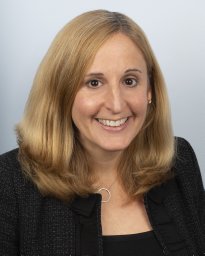 Mara A. Schonberg合作论文数Harvard Medical School, Beth Israel Deaconess Medical Center18
 Dae Hyun Kim合作论文数Harvard Medical School;Marcus Institute for Aging Research, Hebrew SeniorLife17
 RB Burns合作论文数16
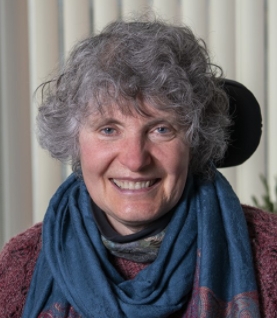 Lisa Iezzoni合作论文数Health Policy Research Center, Mongan Institute, Massachusetts General Hospital;Department of Medicine, Harvard Medical School, Harvard University13Ma Moskowitz合作论文数12Brianne Olivieri-Mui合作论文数Marcus Inst Aging Res, Hebrew Senior Life11
 Arlene S Ash合作论文数Department of Population and Quantitative Health Sciences, UMass Chan Medical School, University of Massachusetts Medical School11
 Susan Mitchell合作论文数Hebrew Senior Life Institute for Aging Research, Harvard Medical School, Harvard University11Mary Beth Hamel合作论文数10
 Chan Mi Park合作论文数Harvard T.H. Chan School of Public Health9Lopez Ruth Palan合作论文数School of Nursing, Massachusetts General Health Institute of Health Professions9Meghan Hendricksen合作论文数8Donglin Li合作论文数8G. Oh合作论文数7
 Ashley Roach合作论文数Sch Nursing, Oregon Hlth & Sci Univ7
 John Z. Ayanian合作论文数School of Public Health, University of Michigan;Institute for Healthcare Policy and Innovation, University of Michigan6
 Shoshana J Herzig合作论文数Harvard Medical School, Boston, Massachusetts, USA. sherzig@bidmc.harvard.edu6
 Melissa W Wachterman合作论文数6
 Gahee Oh合作论文数6
 Vincent Mor合作论文数Department of Health Services, Policy and Practice, Brown University School of Public Health;Center for Long Term Care Innovation & Quality, Brown University6Richard G. Roetzheim合作论文数6B. L. Olivieri-Mui合作论文数5B. Olivieri-Mui合作论文数5Cheryl N McMahill-Walraven合作论文数5Rebecca A Silliman合作论文数Department of Medicine, Boston University5Quyen Ngo-Metzger合作论文数5Alexander Smith合作论文数University of Manchester;Aerospace Technology Institute;Independent Design Review Group, BAE Systems Marine Ltd;Newcastle University5Karen M. Freund合作论文数5
 Steven Coughlin合作论文数Department of Biostatistics, Data Science, & Epidemiology, School of Public Health, Augusta University;Department of Nursing Science, College of Nursing, Augusta University5Anita Hendrix Rogers合作论文数4Preeti Chachlani合作论文数4MS Goel合作论文数4Yalin Deng合作论文数4
 Djeneba Audrey Djibo合作论文数4Stephanie Sison合作论文数4M Shwartz合作论文数4
 Daniel Harris合作论文数Swansea University Medical School, Swansea University4
 Julie Bynum合作论文数Division of Geriatric and Palliative Medicine, Medical School, University of Michigan;Institute for Healthcare Policy & Innovation, University of Michigan4
 Murray A. Mittleman合作论文数Department of Epidemiology, School of Public Health, Harvard T.H. Chan;Harvard Medical School4Drews Reed E合作论文数4Anderson Timothy S合作论文数University of Pittsburgh Medical Center, MIT Sloan School of Management4
 Andrew R Zullo合作论文数Department of Epidemiology,School of Public Health, Brown University/Department of Health Services, Policy & Practice,School of Public Health, Brown University4
 Kenneth J Mukamal合作论文数Department of Medicine, Beth Israel Deaconess Medical Center4




