Abstract Background and Purpose: Immune checkpoint therapy (ICT) has revolutionized cancer treatment; however, efficacy remains poor for some cancers, including small cell lung cancer (SCLC). Strategies to enhance immune responses include combining ICT with other existing cancer therapies. Targeted radioligand therapy uses a radiolabeled cancer-targeting vector, allowing for specific delivery of radiation to all tumor sites while minimizing radiation exposure to healthy tissues. Targeted Copper Theranostics (TCTs) is a targeted radioligand platform utilizing copper-64/67. We evaluated [67Cu]Cu-SARTATE in combination with ICT in a murine animal model using RP116 tumor cells. Methods: We administrated ∼5 MBq [64Cu]Cu-SARTATE to RP116 (a murine SCLC cell line expressing SSTR2) tumor- bearing immunocompetent C57BL/6 mice and assessed biodistribution and tumor uptake via PET imaging at 1, 4 and 24 h post IV injection. After completion of a dose escalation study, an efficacy study using [67Cu]Cu-SARTATE, mouse ICT analogues and the combination of [67Cu]Cu-SARTATE and ICT treatment groups in the same animal model was performed to evaluate therapeutic efficacy of copper-67-based TCT. Results: Tumor uptake of [64Cu]Cu-SARTATE was visualized by PET imaging over the first 24 h post-injection with high tumor uptake, consistent with multiple studies previously published showing uptake in human xenograft models with the same product. Tumor uptake of [67Cu]Cu-SARTATE was confirmed by ex vivo biodistribution and Cherenkov imaging, with no significant radiotoxicity observed via body condition and body weight measurements in mice receiving injected activities up to the maximum tested dose of 30 MBq. The combination of 30 MBq [67Cu]Cu-SARTATE, with both anti-PD-L1 and anti-CTLA4, improved median survival by 3, 7, or 13 days, compared to ICT-only (anti-PD-L1 plus anti-CTLA4), [67Cu]Cu-SARTATE-only or saline-only treated groups respectively. Conclusion: Biodistribution studies demonstrated high tumor-specific uptake for [64Cu]- and [67Cu]-Cu-SARTATE in this mouse syngeneic SCLC model. A dose escalation study demonstrated copper-67-based TCT could be used to effectively inhibit tumor growth with minimal radiotoxicity. The combination of TCT with ICTs improved overall survival compared to single-treatment control groups. Collectively, our results demonstrate that [67Cu]Cu-SARTATE in combination with ICTs improves overall survival. [67Cu]Cu-SARTATE may prime immunologically “cold” SCLC tumors to improve responsiveness to ICTs through a synergistic response. Tumor biomarkers are being investigated to understand how immune infiltration differs depending on treatment regime. Citation Format: Jaclyn L. Lange, Kurt R. Gehlsen, Lachlan E. McInnes, Jessica Van Zuylekom, Benjamin Blyth, Stacey E. Rudd, Paul S. Donnelly, Matt Harris. Copper-67 based targeted radioligand therapy to the somatostatin receptor 2 (SSTR2) provides added efficacy and may prime small cell lung cancer for immunotherapy. [abstract]. In: Proceedings of the AACR Special Conference in Cancer Research: Translating Targeted Therapies in Combination with Radiotherapy; 2025 Jan 26-29; San Diego, CA. Philadelphia (PA): AACR; Clin Cancer Res 2025;31(2_Suppl):Abstract nr B005.
Alzheimer's disease (AD) is the most prevalent cause of dementia characterized by a progressive cognitive decline. Addressing neuroinflammation represents a promising therapeutic avenue to treat AD; however, the development of effective antineuroinflammatory compounds is often hindered by their limited blood-brain barrier (BBB) permeability. Consequently, there is an urgent need for accurate, preclinical AD patient-specific BBB models to facilitate the early identification of immunomodulatory drugs capable of efficiently crossing the human AD BBB. This study presents a unique approach to BBB drug permeability screening as it utilizes the familial AD patient-derived induced brain endothelial-like cell (iBEC)-based model, which exhibits increased disease relevance and serves as an improved BBB drug permeability assessment tool when compared to traditionally employed in vitro models. To demonstrate its utility as a small molecule drug candidate screening platform, we investigated the effects of diacetylbis(N(4)-methylthiosemicarbazonato)copper(II) (CuII(atsm)) and a library of metal bis(thiosemicarbazone) complexes─a class of compounds exhibiting antineuroinflammatory therapeutic potential in neurodegenerative disorders. By evaluating the toxicity, cellular accumulation, and permeability of those compounds in the AD patient-derived iBEC, we have identified 3,4-hexanedione bis(N(4)-methylthiosemicarbazonato)copper(II) (CuII(dtsm)) as a candidate with good transport across the AD BBB. Furthermore, we have developed a multiplex approach where AD patient-derived iBEC were combined with immune modulators TNFα and IFNγ to establish an in vitro model representing the characteristic neuroinflammatory phenotype at the patient's BBB. Here, we observed that treatment with CuII(dtsm) not only reduced the expression of proinflammatory cytokine genes but also reversed the detrimental effects of TNFα and IFNγ on the integrity and function of the AD iBEC monolayer. This suggests a novel pathway through which copper bis(thiosemicarbazone) complexes may exert neurotherapeutic effects on AD by mitigating BBB neuroinflammation and related BBB integrity impairment. Together, the presented model provides an effective and easily scalable in vitro BBB platform for screening AD drug candidates. Its improved translational potential makes it a valuable tool for advancing the development of metal-based compounds aimed at modulating neuroinflammation in AD.
BACKGROUND:Ferroptosis is a form of regulated cell death characterised by lipid peroxidation as the terminal endpoint and a requirement for iron. Although it protects against cancer and infection, ferroptosis is also implicated in causing neuronal death in degenerative diseases of the central nervous system (CNS). The precise role for ferroptosis in causing neuronal death is yet to be fully resolved. METHODS:To elucidate the role of ferroptosis in neuronal death we utilised co-culture and conditioned medium transfer experiments involving microglia, astrocytes and neurones. We ratified clinical significance of our cell culture findings via assessment of human CNS tissue from cases of the fatal, paralysing neurodegenerative condition of amyotrophic lateral sclerosis (ALS). We utilised the SOD1G37R mouse model of ALS and a CNS-permeant ferroptosis inhibitor to verify pharmacological significance in vivo. RESULTS:We found that sublethal ferroptotic stress selectively affecting microglia triggers an inflammatory cascade that results in non-cell autonomous neuronal death. Central to this cascade is the conversion of astrocytes to a neurotoxic state. We show that spinal cord tissue from human cases of ALS exhibits a signature of ferroptosis that encompasses atomic, molecular and biochemical features. Further, we show the molecular correlation between ferroptosis and neurotoxic astrocytes evident in human ALS-affected spinal cord is recapitulated in the SOD1G37R mouse model where treatment with a CNS-permeant ferroptosis inhibitor, CuII(atsm), ameliorated these markers and was neuroprotective. CONCLUSIONS:By showing that microglia responding to sublethal ferroptotic stress culminates in non-cell autonomous neuronal death, our results implicate microglial ferroptotic stress as a rectifiable cause of neuronal death in neurodegenerative disease. As ferroptosis is currently primarily regarded as an intrinsic cell death phenomenon, these results introduce an entirely new pathophysiological role for ferroptosis in disease.
SARS-CoV-2 spike proteins have been shown to cross the blood-brain barrier (BBB) in mice and affect the integrity of human BBB cell models. However, the effects of SARS-CoV-2 spike proteins in relation to sporadic, late onset, Alzheimer's disease (AD) risk have not been extensively investigated. Here we characterized the individual and combined effects of SARS-CoV-2 spike protein subunits S1 RBD, S1 and S2 on BBB cell types (induced brain endothelial-like cells (iBECs) and astrocytes (iAstrocytes)) generated from induced pluripotent stem cells (iPSCs) harboring low (APOE3 carrier) or high (APOE4 carrier) relative Alzheimer's risk. We found that treatment with spike proteins did not alter iBEC integrity, although they induced the expression of several inflammatory cytokines. iAstrocytes exhibited a robust inflammatory response to SARS-CoV-2 spike protein treatment, with differences found in the levels of cytokine secretion between spike protein-treated APOE3 and APOE4 iAstrocytes. Finally, we tested the effects of potentially anti-inflammatory drugs during SARS-CoV-2 spike protein exposure in iAstrocytes, and discovered different responses between spike protein treated APOE4 iAstrocytes and APOE3 iAstrocytes, specifically in relation to IL-6, IL-8 and CCL2 secretion. Overall, our results indicate that APOE3 and APOE4 iAstrocytes respond differently to anti-inflammatory drug treatment during SARS-CoV-2 spike protein exposure with potential implications to therapeutic responses.
An entry from the Cambridge Structural Database, the world’s repository for small molecule crystal structures. The entry contains experimental data from a crystal diffraction study. The deposited dataset for this entry is freely available from the CCDC and typically includes 3D coordinates, cell parameters, space group, experimental conditions and quality measures.
Single-crystal X-ray diffraction studies for a variety of metal ion complexes of functionalised sarcophagines (sarcophagine=sar=3,6,10,13,16,19-hexa-azabicyclo[6.6.6]icosane) have further confirmed not only that the form of the metal ion/sar unit is unique for each metal, albeit with a sensitivity of the conformation to the associated counter anions, but also that for any given metal and ligand substituent, the dimensions (bond lengths and angles) of the complex and the substituent at the secondary nitrogen centres do not differ significantly from those of the isolated components. Despite this, where the substituent contains reactive sites, the reactivity differs markedly from that of their form in an uncoordinated substrate. Rationalisations are offered for these differences, in part through the use of Hirshfeld surface analysis of the intermolecular interactions. The kinetic inertness of the complexes means that the metal ions can be considered to act as regioselective protecting groups.
An entry from the Cambridge Structural Database, the world’s repository for small molecule crystal structures. The entry contains experimental data from a crystal diffraction study. The deposited dataset for this entry is freely available from the CCDC and typically includes 3D coordinates, cell parameters, space group, experimental conditions and quality measures.
P‐glycoprotein (P‐gp) is an efflux transporter at the blood–brain barrier (BBB) that hinders brain access of substrate drugs and clears endogenous molecules such as amyloid beta (Aβ) from the brain. As biometals such as copper (Cu) modulate many neuronal signalling pathways linked to P‐gp regulation, it was hypothesised that the bis(thiosemicarbazone) (BTSC) Cu‐releasing complex, copper II glyoxal bis(4‐methyl‐3‐thiosemicarbazone) (CuII[GTSM]), would enhance P‐gp expression and function at the BBB, while copper II diacetyl bis(4‐methyl‐3‐thiosemicarbazone) (CuII[ATSM]), which only releases Cu under hypoxic conditions, would not modulate P‐gp expression. Following treatment with 25–250 nM CuII(BTSC)s for 8–48 h, expression of P‐gp mRNA and protein in human brain endothelial (hCMEC/D3) cells was assessed by RT‐qPCR and Western blot, respectively. P‐gp function was assessed by measuring accumulation of the fluorescent P‐gp substrate, rhodamine 123 and intracellular Cu levels were quantified by inductively coupled plasma mass spectrometry. Interestingly, CuII(ATSM) significantly enhanced P‐gp expression and function 2‐fold and 1.3‐fold, respectively, whereas CuII(GTSM) reduced P‐gp expression 0.5‐fold and function by 200%. As both compounds increased intracellular Cu levels, the effect of different BTSC backbones, independent of Cu, on P‐gp expression was assessed. However, only the Cu‐ATSM complex enhanced P‐gp expression and this was mediated partly through activation (1.4‐fold) of the extracellular signal‐regulated kinase 1 and 2, an outcome that was significantly attenuated in the presence of an inhibitor of the mitogen‐activated protein kinase regulatory pathway. Our findings suggest that CuII(ATSM) and CuII(GTSM) have the potential to modulate the expression and function of P‐gp at the BBB to impact brain drug delivery and clearance of Aβ.
Neuroinflammation has a major role in several brain disorders including Alzheimer’s disease (AD), yet at present there are no effective anti-neuroinflammatory therapeutics available. Copper(II) complexes of bis(thiosemicarbazones) (CuII(gtsm) and CuII(atsm)) have broad therapeutic actions in preclinical models of neurodegeneration, with CuII(atsm) demonstrating beneficial outcomes on neuroinflammatory markers in vitro and in vivo. These findings suggest that copper(II) complexes could be harnessed as a new approach to modulate immune function in neurodegenerative diseases. In this study, we examined the anti-neuroinflammatory action of several low-molecular-weight, charge-neutral and lipophilic copper(II) complexes. Our analysis revealed that one compound, a thiosemicarbazone–pyridylhydrazone copper(II) complex (CuL5), delivered copper into cells in vitro and increased the concentration of copper in the brain in vivo. In a primary murine microglia culture, CuL5 was shown to decrease secretion of pro-inflammatory cytokine macrophage chemoattractant protein 1 (MCP-1) and expression of tumor necrosis factor alpha (Tnf), increase expression of metallothionein (Mt1), and modulate expression of Alzheimer’s disease-associated risk genes, Trem2 and Cd33. CuL5 also improved the phagocytic function of microglia in vitro. In 5xFAD model AD mice, treatment with CuL5 led to an improved performance in a spatial working memory test, while, interestingly, increased accumulation of amyloid plaques in treated mice. These findings demonstrate that CuL5 can induce anti-neuroinflammatory effects in vitro and provide selective benefit in vivo. The outcomes provide further support for the development of copper-based compounds to modulate neuroinflammation in brain diseases.
1237 Background: The gastrin releasing peptide receptor (GRPR) is a promising target for imaging and targeted radionuclide therapy for a variety of cancers including glioma, breast cancer and prostate cancer. Positron-emitting copper-64 has attractive physical characteristics for imaging and provides a diagnostic partner for the therapeutic radionuclide copper-67. A sarcophagine-based macrobicyclic cage amine conjugated to a bombesin (BBN) analogue was prepared. The complex was radiolabelled with [64Cu]CuII or [67Cu]CuII and the tumor targeting and therapeutic efficacy was evaluated in a PC-3 xenograft prostate cancer mouse model. The dosimetry of the [67Cu]Cu(SAR-BBN) complex was evaluated in healthy mice. Methods: A sarcophagine ligand containing a PEG-linker and a GRPR antagonist (SAR-BBN) was radiolabelled with [64Cu]CuII or [67Cu]CuII at either room temperature or 40°C in Results: [64Cu]Cu(SAR-BBN) displayed excellent tumour uptake and significant tumor retention at 24 hours post-injection Biodistribution studies showed rapid clearance through the kidneys, as well as hepatobiliary clearance. Uptake was also seen in the pancreas, an organ which expresses GRPR. Therapy with [67Cu]Cu(SAR-BBN) in the PC-3 prostate cancer model showed that it was well tolerated with no toxicity observed as assessed by body weight changes. [67Cu]Cu(SAR-BBN) significantly inhibited tumor growth, with a tumor growth inhibition of 93.5% on day 22, the last day all mice remained in the study. [67Cu]Cu(SAR-BBN) significantly increase survival (p
The synthetic copper-containing compound, CuATSM, has emerged as one of the most promising drug candidates developed for the treatment of amyotrophic lateral sclerosis (ALS). Multiple studies have reported CuATSM treatment provides therapeutic efficacy in various mouse models of ALS without any observable adverse effects. Moreover, recent results from an open label clinical study suggested that daily oral dosing with CuATSM slows disease progression in patients with both sporadic and familial ALS, providing encouraging support for CuATSM in the treatment of ALS. Here, we assessed CuATSM in high copy SOD1 G93A mice on the congenic C57BL/6 background, treating at 100 mg/kg/day by gavage, starting at 70 days of age. This dose in this specific model has not been assessed previously. Unexpectedly, we report a subset of mice initially administered CuATSM exhibited signs of clinical toxicity, that necessitated euthanasia in extremis after 3–51 days of treatment. Following a 1-week washout period, the remaining mice resumed treatment at the reduced dose of 60 mg/kg/day. At this revised dose, treatment with CuATSM slowed disease progression and increased survival relative to vehicle-treated littermates. This work provides the first evidence that CuATSM produces positive disease-modifying outcomes in high copy SOD1 G93A mice on a congenic C57BL/6 background. Furthermore, results from the 100 mg/kg/day phase of the study support dose escalation determination of tolerability as a prudent step when assessing treatments in previously unassessed models or genetic backgrounds.
The Ru(II)-catalyzed amidation of 2-arylpyridines with aryl isocyanates via C-H bond activation is less efficient than described previously, due to the formation of a series of side products, which were readily identified using direct infusion electrospray mass spectrometry and high-performance liquid chromatography-mass spectrometry.
Radionuclide therapy targeting prostate-specific membrane antigen (PSMA) is promising for prostate cancer. We previously reported a ligand, 64Cu-CuSarbisPSMA, featuring 2 lysine-ureido-glutamate groups. Here, we report the therapeutic potential of 67Cu-CuSarbisPSMA. Methods: Growth of PSMA-positive xenografts was evaluated after treatment with 67Cu-CuSarbisPSMA or 177Lu-LuPSMA imaging and therapy (I&T). Results: At 13 d after injection, tumor growth was similarly inhibited by the 2 tracers in a dose-dependent manner. Survival was comparable after single (30 MBq) or fractionated (2 × 15 MBq, 2 wk apart) administrations. Conclusion:67Cu-CuSarbisPSMA is efficacious in a PSMA-expressing model of prostate cancer.
1215 Background: The prostate-specific membrane antigen (PSMA) is a promising target for imaging and targeted radionuclide therapy of metastatic prostate cancer. Positron-emitting copper-64 has attractive physical characteristics for imaging and provides a diagnostic partner for the therapeutic radionuclide copper-67. A sarcophagine-based macrobicyclic cage amine conjugated to two glutamate-urea-lysine containing inhibitors of PSMA was prepared. The complex was radiolabelled with [64Cu]CuII or [67Cu]CuII and evaluated in a LNCaP xenograft prostate cancer mouse model. Methods: A sarcophagine ligand containing two glutamate-urea-lysine functional groups (SarbisPSMA) was synthesised. SarbisPSMA could be radiolabelled with [64Cu]CuII or [67Cu]CuII at room temperature in less than 20 minutes to give complexes with high radiochemical purity, without the need for further purification. Small animal PET/CT images and organ biodistribution data of LNCap tumour-bearing NSG mice were acquired at 1, 4, and 24 hours post-injections following intravenous administration of [64Cu]Cu(SarbisPSMA). Efficacy of a single administration at varying administered activity of [67Cu]Cu(SarbisPSMA) was compared to [177Lu]Lu(PSMAI&T) in LNCaP tumour-bearing NSG mice. Results: [64Cu]Cu(SarbisPSMA) displayed excellent tumour uptake and significant tumour retention at 24 hours post-injection (22% IA/g at 1 h and 26% IA/g at 24 h). Tumour, as well as kidney uptake could be blocked by over 90% by injection of excess non-radioactive peptide or 2-PMPA. The antitumour activity of [67Cu]Cu(SarbisPSMA) in the LNCaP prostate cancer model was equivalent to that of [177Lu]Lu(PSMAI&T), demonstrating the suitability of this novel agent for clinical assessment in the treatment of prostate cancer. Conclusions: [64/67Cu]Cu(SarbisPSMA) has excellent tumour uptake and retention, which was reflected in the promising antitumour activity that was equivalent to a Lu-177 based compound. This study warrants further investigation for the product as a theranostic agent for prostate cancer.
AbstractMolecules containing lysine‐ureido‐glutamate functional groups bind to the active site of prostate specific membrane antigen, which is overexpressed in prostate cancer. To prepare copper radiopharmaceuticals for the diagnosis and therapy of prostate cancer, macrobicyclic sarcophagine ligands tethered to either one or two lysine‐ureido‐glutamate functional groups through an appropriate linker have been prepared. Sarcophagine ligands can be readily radiolabeled with positron‐emitting copper‐64 at room temperature. The bivalent agent, in which two targeting groups are tethered to a single copper complex, dramatically outperforms the monomeric agent with respect to tumor uptake and retention. The high tumor uptake, low background, and prolonged tumor retention, even at 24 hours post injection, suggest the bivalent agent is a promising diagnostic for prostate cancer and could be used for prospective dosimetry for therapy with a copper‐67 variant.
Amyloid-β plaques, consisting of aggregated amyloid-β peptides, are one of the pathological hallmarks of Alzheimer's disease. Copper complexes formed using positron-emitting copper radionuclides that cross the blood-brain barrier and bind to specific molecular targets offer the possibility of noninvasive diagnostic imaging using positron emission tomography. New thiosemicarbazone-pyridylhydrazone based ligands that incorporate pyridyl-benzofuran functional groups designed to bind amyloid-β plaques have been synthesized. The ligands form stable complexes with copper(II) ( Kd = 10-18 M) and can be radiolabeled with copper-64 at room temperature. Subtle changes to the periphery of the ligand backbone alter the metabolic stability of the complexes in mouse and human liver microsomes, and influenced the ability of the complexes to cross the blood-brain barrier in mice. A lead complex was selected based on possessing the best metabolic stability and brain uptake in mice. Synthesis of this lead complex with isotopically enriched copper-65 allowed us to show that the complex bound to amyloid-β plaques present in post-mortem human brain tissue using laser ablation-inductively coupled plasma-mass spectrometry. This work provides insight into strategies to target metal complexes to amyloid-β plaques, and how small modifications to ligands can dramatically alter the metabolic stability of metal complexes as well as their ability to cross the blood-brain barrier.
Complexes containing positron-emitting radionuclides of copper have the potential to be of use for diagnostic imaging with positron emission tomography. Alzheimer’s disease is characterised by the presence of amyloid-β plaques in the brain. A new thiosemicarbazone-pyridyl hydrazone tetradentate ligand with a pyridyl-4-vinylpyridine functional group was prepared with the aim of making a copper complex that binds to amyloid-β plaques to assist in the diagnosis of Alzheimer’s disease. The ligand forms a charge neutral complex with copper(ii) that was characterised by X-ray crystallography and the electrochemical behaviour of the complex was investigated by cyclic voltammetry. The new ligand can be radiolabelled with positron-emitting copper-64 at room temperature in excellent radiochemical yields. The new complex interacts with synthetic amyloid-β fibrils and binds amyloid-β plaques present in post-mortem Alzheimer’s disease brain tissue.
Background: Neuroinflammation and biometal dyshomeostasis are key pathological features of several neurodegenerative diseases, including Alzheimer’s disease (AD). Inflammation and biometals are linked at the molecular level through regulation of metal buffering proteins such as the metallothioneins. Even though the molecular connections between metals and inflammation have been demonstrated, little information exists on the effect of copper modulation on brain inflammation. Methods: We demonstrate the immunomodulatory potential of the copper bis(thiosemicarbazone) complex CuII(atsm) in an neuroinflammatory model in vivo and describe its anti-inflammatory effects on microglia and astrocytes in vitro. Results: By using a sophisticated in vivo magnetic resonance imaging (MRI) approach, we report the efficacy of CuII(atsm) in reducing acute cerebrovascular inflammation caused by peripheral administration of bacterial lipopolysaccharide (LPS). CuII(atsm) also induced anti-inflammatory outcomes in primary microglia [significant reductions in nitric oxide (NO), monocyte chemoattractant protein 1 (MCP-1), and tumor necrosis factor (TNF)] and astrocytes [significantly reduced NO, MCP-1, and interleukin 6 (IL-6)] in vitro. These anti-inflammatory actions were associated with increased cellular copper levels and increased the neuroprotective protein metallothionein-1 (MT1) in microglia and astrocytes. Conclusion: The beneficial effects of CuII(atsm) on the neuroimmune system suggest copper complexes are potential therapeutics for the treatment of neuroinflammatory conditions.
Alzheimer's disease (AD) is the leading cause of dementia worldwide accounting for around 70% of all cases. There is currently no treatment for AD beyond symptom management and attempts at developing disease-modifying therapies have yielded very little. These strategies have traditionally targeted the peptide Aβ, which is thought to drive pathology. However, the lack of clinical translation of these Aβ-centric strategies underscores the need for diverse treatment strategies targeting other aspects of the disease. Metal dyshomeostasis is a common feature of several neurodegenerative diseases such as AD, Parkinson's disease, and frontotemporal dementia, and manipulation of metal homeostasis has been explored as a potential therapeutic avenue for these diseases. The copper ionophore glyoxalbis-[N4-methylthiosemicarbazonato]Cu(II) (CuII(gtsm)) has previously been shown to improve the cognitive deficits seen in an AD animal model; however, the molecular mechanism remained unclear. Here we report that the treatment of two animal tauopathy models (APP/PS1 and rTg4510) with CuII(gtsm) recovers the cognitive deficits seen in both neurodegenerative models. In both models, markers of tau pathology were significantly reduced with CuII(gtsm) treatment, and in the APP/PS1 model, the levels of Aβ remained unchanged. Analysis of tau kinases (GSK3β and CDK5) revealed no drug induced changes; however, both models exhibited a significant increase in the levels of the structural subunit of the tau phosphatase, PP2A. These findings suggest that targeting the tau phosphatase PP2A has therapeutic potential for preventing memory impairments and reducing the tau pathology seen in AD and other tauopathies.
 Paul Donnelly合作论文数School of Chemistry, Faculty of Science, University of Melbourne24
 Peter Roselt合作论文数7
 Anthony John White合作论文数Faculty of Medicine, Nursing and Health Sciences, Monash University;Victorian Heart Institute, Monash University7
 Carleen Cullinane合作论文数6
 Jonathan White合作论文数School of Chemistry, Faculty of Science, The University of Melbourne5
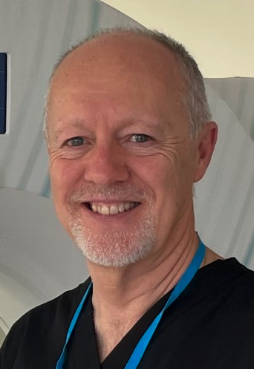 Rodney Hicks合作论文数Melbourne Theranostic Innovation Centre;Faculty of Medicine Nursing and Health Sciences, Monash University;University of Melbourne5Nicholas A Zia合作论文数4Jessica K Van Zuylekom合作论文数4
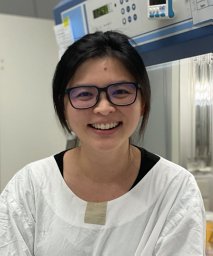 Hazel Quek合作论文数Mental Health and Neuroscience, QIMR Berghofer Medical Research Institute;School of Biomedical Science, The University of Queensland;QIMR Berghofer Medical Research Institute, The University of Queensland4Jeff R. Liddell合作论文数Department of Psychology, Monash University4Gojko Buncic合作论文数3Ellen Van Dam合作论文数3Matthew Harris合作论文数3
 Joanna M Wasielewska合作论文数Tech Univ Dresden, CRTD Ctr Regenerat Therapies TU Dresden, Fetscherstr 105, D-01307 Dresden, Germany3
 Mohammad B Haskali合作论文数Molecular Imaging Branch National Institute of Mental Health, National Institutes of Health3
 Catriona McLean合作论文数Alfred Hospital;The Florey Institute of Neuroscience and Mental Health, Monash University;The University of Melbourne;Department for Health and Wellbeing;Burnet Institute3
 Grubman Alexandra合作论文数Department of Microbiology, Monash University3
 Kysenius Kai合作论文数Neuroscience Center, University of Helsinki3Rudd Stacey E合作论文数School of Chemistry/Bio21 Institute, University of Melbourne (Australia3Hayne David J合作论文数School of Chemistry, University of Melbourne3
 Asif Noor合作论文数Department of Chemistry, University of Otago3
 Duncan Clare合作论文数Institute of Zoology, Zoological Society of London3
 Irene Ling合作论文数Malaysia Sch of Science, Monash University3
 Jack Harrowfield合作论文数Universite de Strasbourg3
 Oikari Lotta E合作论文数Griffith University, Griffith University3
 Jari Koistinaho合作论文数Helsinki Institute of Life Science, University of Helsinki;Division of Pharmacology and Pharmacotherapy, Faculty of Pharmacy, University of Helsinki3
 Allan Henry White合作论文数Department of Chemistry, University of Western Australia3
 Tarja Malm合作论文数3
 Brian W. Skelton合作论文数Faculty of Science, School of Molecular Sciences, The University of Western Australia3
 Nigel A. Lengkeek合作论文数3
 Peter J. Crouch合作论文数The University of Melbourne3
 Ashley Bush合作论文数Florey Department of Neuroscience and Mental Health, Faculty of Medicine, Dentistry and Health Sciences, University of Melbourne;Oxidation Biology Unit, Florey Institute of Neuroscience and Mental Health, University of Melbourne;Massachusetts General Hospital;HealthSpan Therapeutics LLC;Delmont Memory Clinic3Gareth L. Nealon合作论文数University of Western Australia3
 Katja Kanninen合作论文数3
 Juliana C. S.Chaves合作论文数2Susan Jackson合作论文数2Katarina Lejavova合作论文数2
 Sanna Loppi合作论文数Dept Immunobiol, Univ Arizona2Xin Yi Choo合作论文数2Mikko T Huuskonen合作论文数2
 Blyth Benjamin J合作论文数a Haematology and Genetic Pathology, Flinders University2Waldeck Kelly合作论文数2
 Diane Moujalled合作论文数2
 Nikseresht Sara合作论文数Neuroscience Research Center, Shahid Beheshti University of Medical Sciences;Neurobiology Research Center, Shahid Beheshti University of Medical Sciences2Alexandre N. Sobolev合作论文数2
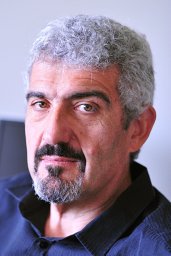 George A Koutsantonis合作论文数Jordan Laboratories, University of Adelaide2Kevin Barnham合作论文数Neurotherapeutics Laboratory, Florey Institute of Neuroscience and Mental Health2Andrew K. Powell合作论文数1Roger I. Price合作论文数1




