Climate change models envision an increase in summer precipitation in eastern California and adjacent arid regions by 2050, due to anthropogenic activities. Changes in the frequency, intensity and spatial patterns of rainfall pulses are likely to influence seedling recruitment and establishment, and ultimately community composition and dynamics. The effects of altered water availability might be complicated by the effect of adult plants on resources and conditions, potentially altering seedling recruitment success and affecting community succession. We tested the hypotheses that: (1) an experimental pulse representing a 25% increase in summer precipitation would increase photosynthesis for Artemisia tridentata and Purshia tridentata seedlings, and (2) for P. tridentata, experimentally applied rainfall pulses lead to greater effects on photosynthesis for seedlings planted in open microsites compared to seedlings planted under the canopy of adult A. tridentata nurse plants. We tested these hypotheses based on measurements of plant water potential, CO2 assimilation, and stress within Photosystem II (PSII). Water potential was higher (but not significantly) for seedlings 3 days following watering that simulated future summer monsoon rainfall pulses for both A. tridentata and P. tridentata. Water pulse treatment increased the quantum efficiency of PSII for A. tridentata, but not for P. tridentata. Water pulses increased transpiration nearly two-fold for seedlings of A. tridentata, but had no effect on gas exchange for P. tridentata. Transplanted P. tridentata seedlings growing in open microsites fixed twice as much CO2 compared to transplanted seedlings growing under the canopy of adult A. tridentata shrubs, despite higher temperatures and photosynthetic photon flux density in the open. However, neither location nor water pulse treatment affected chlorophyll a fluorescence from PSII. Our results suggest that for precipitation pulses in Great Basin Desert shrublands: (1) photosynthetic increases in response to additional summertime rainfall pulses will be greater for A. tridentata compared to P. tridentata seedlings and (2) open sites between adult shrubs are an important recruitment niche for P. tridentata.
Elevated CO2 potentially decreases the effects of temperature stress on photosynthesis. Under both freezing and high temperatures previous studies have shown that elevated CO2 can particularly enhance photosynthetic rates, although results from freezing studies are more variable.Here we show gas exchange responses of Larrea tridentata to elevated CO2 over a 6-yr. period when temperature stress events may have had a significant effect on photosynthesis in the field.Nighttime freezing air temperatures decreased subsequent daytime photosynthetic rates, stomatal conductance, and the maximum yield of PSII similarly under ambient and elevated CO2. Further, we found no statistically significant relationship between leaf temperature and photosynthetic enhancement. Overall, the degree of photosynthetic enhancement under elevated CO2 was directly proportional to the response of stomatal conductance to CO2.Thus, elevated CO2 does not significantly affect apparent physiological responses of Larrea to temperature extremes. However, because of the tight relationship between stomatal conductance and photosynthetic enhancement, potential climate change effects on stomatal conductance will significantly influence Larrea performance in the future.
This research tested the hypothesis that experimental infrared warming will reduce photosynthesis for the evergreen shrub Artemisia tridentata and the subalpine, herbaceous Erythronium grandiflorum exposed to an in situ experimental freezing event during the spring snowmelt period.Photosynthetic tolerance of freezing was measured for plants growing under infrared OR) warming at 3050 m in the Rocky Mountains, Colorado, USA. In situ freezing was imposed using cold nitrogen gas (from a pressurized container of liquid nitrogen) passed through a heat exchanger placed on top of stems and leaves.Plant water potential, photosynthetic CO2 assimilation, and stomata] conductance to water vapor were higher for both species on IR-warmed compared with control plots. For A. tridentata, IR warming caused enhanced tolerance of in situ freezing temperatures. There was no difference in freezing tolerance for E. grandiflorum on control vs IR plots.These results suggest that some species will not be negatively affected by freezing, whereas others may exhibit enhanced tolerance of subzero air temperatures, under a future warmer climate in which snowmelt occurs earlier in the year.
Vegetation, microclimate, seedling frequency, freezing tolerance, and cold acclimation were compared for seedlings of Artemisia tridentata collected from 1775, 2175, and 2575 m elevation in the eastern Sierra Nevada, California. Data were used to test the hypothesis that ecotypic differences in stress physiology are important for seedling survival along gradients from desert to montane ecosystems. The vegetation canopy cover and A. tridentata seedling frequency were greatest at 2575 m, compared to 1775 and 2175 m. Snow cover ameliorated temperatures near the soil surface for part of the winter and depth varied across elevations. Freezing tolerance was compared for seedlings maintained in growth chambers at day/night air temperatures of 25°C/15°C. The temperature at which electrolyte leakage and Photosystem II function (FV/FM) from leaves were half-maximum was approximately −13·5°C for leaves of seedlings from all three elevations. Shifting day/night air temperatures from 25°C/15°C to 15°C/5°C initiated about 1·5° of acclimation by plants from all three altitudes, with seedlings from the highest elevation exhibiting the greatest acclimation change. Measurements of ambient air and canopy temperatures at the three elevations indicated that wintertime average low temperatures were consistent with the measured degree of freezing tolerance. At small spatial scales used in this study, pollen and seed dispersal between study sites may have precluded resolution of ecotypic differences. Patterns of freezing tolerance and cold acclimation may depend on a combination of mesoclimate and microclimate temperatures, canopy cover, snow depth, and snow melt patterns.
We modeled potential changes in geographic distribution due to increased atmospheric CO2 via climate change as well as direct physiological effects. Numerous studies have quantitatively predicted how the geographic distribution of plant species will shift in response to climate change, but few have also included the direct effects of atmospheric CO2 concentrations on plant physiology. We modeled the role that increased seedling freezing tolerance caused by exposure to elevated CO2 would play in determining the future range of the Joshua Tree (Yucca brevifolia). Results from greenhouse experiments were used to define how a doubling of present-day atmospheric CO2 concentrations changes the low-temperature tolerance. We used discriminant analysis to predict Y. brevifolia distribution as a function of climate based on correlations between observational climate data and the current range of this species. We generate a scenario of future climate under doubled CO2 conditions with a general circulation model (GCM) and used this as input for the predictive distribution model. The model predicts that under future climate, the distribution of this species will change dramatically, and that the total area it occupies will decrease slightly. When the direct effects of CO2 on seedling freezing tolerance are included, the model predicts a different and slightly larger future distribution, indicating that the direct effects of CO2 on this aspect of plant physiology will likely play a significant but secondary role in determining the future distribution of Y. brevifolia.
Changes in Earth's surface temperatures caused by anthropogenic emissions of greenhouse gases are expected to affect global and regional precipitation regimes. Interactions between changing precipitation regimes and other aspects of global change are likely to affect natural and managed terrestrial ecosystems as well as human society. Although much recent research has focused on assessing the responses of terrestrial ecosystems to rising carbon dioxide or temperature, relatively little research has focused on understanding how ecosystems respond to changes in precipitation regimes. Here we review predicted changes in global and regional precipitation regimes, outline the consequences of precipitation change for natural ecosystems and human activities, and discuss approaches to improving understanding of ecosystem responses to changing precipitation. Further, we introduce the Precipitation and Ecosystem Change Research Network (PrecipNet), a new interdisciplinary research network assembled to encourage and foster communication and collaboration across research groups with common interests in the impacts of global change on precipitation regimes, ecosystem structure and function, and the human enterprise.
It has been suggested that desert vegetation will show the strongest response to rising atmospheric carbon dioxide due to strong water limitations in these systems that may be ameliorated by both photosynthetic enhancements and reductions in stomatal conductance. Here, we report the long-term effect of 55 Pa atmospheric CO2 on photosynthesis and stomatal conductance for three Mojave Desert shrubs of differing leaf phenology (Ambrosia dumosa -drought-deciduous, Krameria erecta -winter-deciduous, Larrea tridentata -evergreen). The shrubs were growing in an undisturbed ecosystem fumigated using FACE technology and were measured over a four-year period that included both above and below-average precipitation. Daily integrated photosynthesis (A (day) ) was significantly enhanced by elevated CO2 for all three species, although Krameria erecta showed the greatest enhancements (63% vs. 32% for the other species) enhancements were constant throughout the entire measurement period. Only one species, Larrea tridentata , decreased stomatal conductance by 25-50% in response to elevated CO2 , and then only at the onset of the summer dry season and following late summer convective precipitation. Similarly, reductions in the maximum carboxylation rate of Rubisco were limited to Larrea during spring. These results suggest that the elevated CO2 response of desert vegetation is a function of complex interactions between species functional types and prevailing environmental conditions. Elevated CO2 did not extend the active growing season into the summer dry season because of overall negligible stomatal conductance responses that did not result in significant water conservation. Overall, we expect the greatest response of desert vegetation during years with above-average precipitation when the active growing season is not limited to similar to 2 months and, consequently, the effects of increased photosynthesis can accumulate over a biologically significant time period.
Leaf tolerance to low temperatures, as determined by vital stain uptake and chlorophyll a fluorescence, was compared for seedlings of three Yucca species native to the south-western United States: Yucca brevifolia, which is distributed throughout the Mojave Desert;Yucca schidigera, which occurs in both coastal and desert California; and Yucca whipplei, which is primarily coastal but occurs in portions of the Mojave Desert. Seedlings maintained at day/night glasshouse air temperatures of 40/25°C or 20/5°C, and under ambient (360 μmol mol−1) or elevated (700 μmol mol−1) levels of CO2were compared to test the hypothesis that cold acclimation and freezing tolerance are enhanced by exposure to elevated CO2. Plants maintained at elevated CO2had greater low-temperature tolerance compared to controls, yet a larger shift in survival was attributable to the downward shift in day/night temperatures. Low-temperature tolerance was similar to extreme minimum air temperatures for the collection sites averaged over the period 1961 to 1990. For seedlings exposed to elevated CO2, low-temperature tolerance was −11·9°C for Yucca brevifolia, −9·6°C for Y. schidigera, and −13·5°C for Y. whipplei. Elevated CO2caused excitation energy transfer in Photosystem II (measured as FV/FM) to be maintained at lower temperatures for Yucca brevifolia and Y. whipplei. ΦPSII at low temperatures was increased due to elevated CO2for Y. brevifolia only. The results suggest that survival during episodic sub-zero temperature events will be enhanced for seedlings of these three yucca species in a future elevated CO2environment.
Tropical forests are being cleared at an alarming rate although our understanding of their ecology is limited. It is therefore essential to design restoration experiments that both further our basic knowledge of tropical ecology and inform management strategies to facilitate recovery of these ecosystems. Here we synthesize the results of research on tropical montane forest recovery in abandoned pasture in Costa Rica to address the following questions: (1) What factors limit tropical forest recovery in abandoned pasture? and (2) How can we use this information to design strategies to facilitate ecosystem recovery? Our results indicate that a number of factors impede tropical forest recovery in abandoned pasture land. The most important barriers are lack of dispersal of forest seeds and seedling competition with pasture grasses. High seed predation, low seed germination, lack of nutrients, high light intensity, and rabbit herbivory also affect recovery. Successful strategies to facilitate recovery in abandoned pastures must simultaneously overcome numerous obstacles. Our research shows that establishment of woody species, either native tree seedlings or early‐successional shrubs, can be successful in facilitating recovery, by enhancing seed dispersal and shading out pasture grasses. On the contrary, bird perching structures alone are not an effective strategy, because they only serve to enhance seed dispersal but do not reduce grass cover. Remnant pasture trees can serve as foci of natural recovery and may enhance growth of planted seedlings. Our results highlight the importance of: (1) understanding the basic biology of an ecosystem to design effective restoration strategies; (2) comparing results across a range of sites to determine which restoration strategies are most generally useful; and (3) considering where best to allocate efforts in large‐scale restoration projects.
1. Microclimate was measured and photosynthetic responses to a climate warming manipulation were compared for the evergreen shrub Artemisia tridentata and the herbaceous forb Erigeron speciosus in the Rocky Mountains, Colorado, USA.2. Soil was warmer and drier under infra-red heaters compared with control plots.3. Midday xylem pressure potential did not differ for A. tridentata on heated vs control plots but was lower for E. speciosus on heated plots compared with controls. Leaf temperatures did not vary for the two species on heated or control plots.4. There were no significant treatment or species differences in the diurnal patterns of CO2 assimilation or stomatal conductance to water vapour. Also, there were no differences in responses to leaf temperature.5. The quantum yield for CO2 assimilation over a range of PPFD was lower for plants on heated plots. There was a marked difference between species in the pattern of stomatal conductance to water vapour over a range of PPFD, but no differences as a result of the heating treatment.6. The quantum efficiency of PSII electron transport was significantly affected by heating. Non-radiative energy dissipation was greater for A. tridentata compared with E. speciosus. There was recovery of F-V/F-M for A. tridentata but not for E. speciosus.7. Heating appears to affect plants via changes in soil water content rather than by increasing leaf temperature. The deciduous species E. speciosus appears to undergo some permanent closure of PSII on heated plots, in contrast to the evergreen shrub A. tridentata. Such differences may help explain the increase in above-ground biomass accumulation in response to heating for shrubs, compared with the decrease observed for deciduous herbaceous species.
Of all terrestrial ecosystems, the productivity of deserts has been suggested to be the most responsive to increasing atmospheric CO2. The extent to which this prediction holds will depend in part on plant responses to elevated CO2under the highly variable conditions characteristic of arid regions. The photosynthetic responses ofLarrea tridentata , an evergreen shrub, to a step-increase in atmospheric CO2(to 550 μmolmol−1) were examined in the field using Free-Air CO2Enrichment (FACE) under seasonally varying moisture conditions. Elevated CO2substantially increased net assimilation rate (Anet) in Larrea during both moist and dry periods of the potential growing season, while stomatal conductance (gs) did not differ between elevated and ambient CO2treatments. Seasonal and diurnal gas exchange dynamics in elevated CO2mirrored patterns in ambient CO2, indicating that elevated CO2did not extend photosynthetic activity longer into the dry season or during more stressful times of the day. Net assimilation vs. internal CO2(A/Ci) responses showed no evidence of photosynthetic down-regulation during the dry season. In contrast, after significant autumn rains, Amax(the CO2saturated rate of photosynthesis) and CE (carboxylation efficiency) were lower in Larrea under elevated CO2. In situ chlorophyll fluorescence estimation ofLarrea Photosystem II efficiency (Fv/Fm) responded more to water limitation than to elevated CO2. These findings suggest that predictions regarding desert plant responses to elevated CO2should account for seasonal patterns of photosynthetic regulatory responses, which may vary across species and plant functional types.
Efforts to reforest tropical pasture with native tree species have increased in recent years, yet little is known about the physiology of most tropical frees. The goal of this study was to assess the effect of habitat on photosynthetic responses-to light for seedlings of four native rainforest species (Calophyllum brasiliense, Ocotea glaucosericea, Ocotea whitei, and Sideroxylon portoricense) planted to facilitate tropical rainforest recovery in southern Costa Pica. Seedlings were planted in primary forest, in open abandoned pasture, and in the shade of remnant trees within the pasture. Growth, morphology, photosynthetic gas exchange responses to light, and chlorophyll fluorescence (an indication of the integrity of photosynthetic processes) were measured in the three habitats, Height and leaf area were generally greater for seedlings in tree shade compared to those in the forest and open pasture. photosynthetic rates were higher for plants in open pasture and tree shade compared to those in the forest for two of the four species. Chlorophyll fluorescence results indicated flexibility in the photosynthetic processing of: light energy that may help plants tolerate the bright light of the pasture. This study demonstrates that, for certain species; seedlings under remnant pasture trees do not exhibit the level of photosynthetic stress experienced in open abandoned pasture. Seedling responses to light, in combination with other factors such as increased nutrient input through litterfall, help explain the enhanced growth of: seedlings under remnant pasture trees. Planting seedlings under remnant trees may increase the success of future efforts to restore tropical forest in abandoned agricultural land.
The ability of seedlings to tolerate temperature extremes is important in determining the distribution of perennial plants in the arid south‐western USA, and the manner in which elevated CO 2 impacts the ability of plants to tolerate high temperatures is relatively unknown. Whereas the effects of chronic high temperature (30–38°C) and elevated CO 2 are comparatively well understood, little research has assessed plant performance in elevated CO 2 during extreme (> 45 °C) temperature events. We exposed three species of Yucca to 360 and 700 μ mol CO 2 mol –1 for 8 months, then 9 d of high temperature (up to 53 °C) to evaluate the impacts of elevated CO 2 on the potential for photosynthetic function during external high temperature. Seedlings of a coastal C 3 species ( Yucca whipplei ), a desert C 3 species ( Yucca brevifolia ), and a desert CAM species ( Yucca schidigera ), were used to test for differences among functional groups. In general, Yuccas exposed to elevated CO 2 showed decreases in carboxylation efficiency as compared with plants grown at ambient before the initiation of high temperature. The coastal species ( Y . whipplei ) showed significant reductions (33%) in CO 2 saturated maximum assimilation rate ( A max ), but the desert species ( Y . brevifolia and Y . schidigera ) showed no such reductions in A max . Stomatal conductance was lower in elevated CO 2 as compared with ambient throughout the temperature event; however, there were species‐specific differences over time. Elevated CO 2 enhanced photosynthesis in Y. whipplei at high temperatures for a period of 4 d, but not for Y. brevifolia or Y. schidigera . Elevated CO 2 offset photoinhibition (measured as F v / F m ) in Y. whipplei as compared with ambient CO 2 , depending on exposure time to high temperature. Stable F v / F m in Y. whipplei occurred in parallel with increases in the quantum yield of photosystem II ( ΦPSII ) at high temperatures in elevated CO 2 . The value of ΦPSII remained constant or decreased with increasing temperature in all other treatment and species combinations. This suggests that the reductions in F v / F m resulted from thermal energy dissipation in the pigment bed for Y. brevifolia and Y. schidigera . The greater efficiency of photosystem II in Y. whipplei helped to maintain photosynthetic function at high temperatures in elevated CO 2 . These patterns are in contrast to the hypothesis that high temperatures in elevated CO 2 would increase the potential for photoinhibition. Our results suggest that elevated CO 2 may offset high‐temperature stress in coastal Yucca , but not in those species native to drier systems. Therefore, in the case of Y. whipplei , elevated CO 2 may allow plants to survive extreme temperature events, potentially relaxing the effects of high temperature on the establishment in novel habitats.
Flower, fruit, and seed production were compared for two varieties of Yucca whipplei, Y. whipplei whipplei (which reproduces semelparously) and Y. whipplei caespitosa (which is iteroparous), to determine differences in fecundity with respect to leaf surface area. Vegetative characteristics such as leaf surface area and leaf area index, which are related to the potential for gas exchange and photosynthate production in these plants, and reproductive characteristics such as inflorescence size, total flowers, mature fruit, and seed production as well as seed viability were determined for individuals of each variety. There was no significant difference in leaf surface area between varieties, but the number of viable seeds produced per unit leaf surface area was greater for Y w. whipplei than for Y. w. caespitosa. There was a significant difference in seed quality between varieties; Y. w. whipplei had seeds that were 1.5 times more viable and germinated twice as fast as Y. w. caespitosa. The total number of viable seeds per plant increased with leaf surface area for Y. w. whipplei, but for Y. w. caespitosa the total number of viable seeds per plant increased with increasing rosette number per individual. For Y. w. whipplei, the percentage of viable seeds per plant decreased as inflorescence size increased. However, the total number of viable seeds produced was positively correlated with inflorescence size, indicating that for a greater investment in flowers and ultimately fruit, the plant received diminishing returns in terms of seed number. There was no such relationship for Y. w. caespitosa, indicating that attached rosettes may provide resources for producing viable seeds. These reproductive patterns are consistent with observed patterns of resource use in semelparous and iteroparous plants but allow new insight on size/fecundity patterns in closely related plants.
Relative water content (RWC) and water potential were compared for leaves of several plant species exposed to a warming manipulation at the Rocky Mountain Biological Laboratory, near Crested Butte, Colorado, USA, to test the hypothesis that species-specific changes in water relations parameters will occur in response to future increases in planetary air temperatures. Leaves of Artemisia tridentata, Erigeron speciosus, Festuca thurberi, Helianthella quinquinervis, Potentilla fruticosa, Potentilla gracilis and Rhodiola integrifolia were collected from plants growing in situ in control and infrared (IR)-heated (22 W m−2) plots in a meadow near the upper elevational distribution limit for A. tridentata. For six of the seven herbaceous species, RWC was not significantly different from that for A. tridentata (0.903 ± 0.019 on control plots and 0.846 ± 0.031 from heated plots). However, RWC was 0.644 ± 0.04 and 0.596 ± 0.029 for F. thurberi on control and heated plots, respectively. Water potential (ψ) varied from −1.04 MPa for A. tridentata (control plots) to −4.83 MPa for leaves of F. thurberi (heated plots); ψ for the other species ranged from −1.08 MPa (R. integrifolia on control plots) to −2.62 MPa (P. gracilis on heated plots). To characterize further the responses of water relations parameters to the IR heating treatment, pressure-volume isotherms were generated for A. tridentata and P. gracilis. Both species exhibited effects of the IR heating treatment on saturated osmotic potential and the relative symplastic water content. Based on changes in osmotic potential and relative water content, an increase in osmotically active solutes was exhibited for leaves collected from plants under heaters. Species-specific patterns of RWC and water potential (as well as effects on cellular water relations) may influence the ability of plant species to cope with changes in soil water content that are expected to occur with global warming for montane ecosystems in the western USA.
Cellular tolerances to subzero temperatures, as judged by the accumulation of a vital stain, were compared between Opuntia ficus-indica, a widely cultivated but low-temperature-sensitive cactus, and the widely ranging, winter-hardy Opuntia humifusa. Lowering the day/night temperatures from 30⚬/20⚬C to 10⚬/0⚬C increased tolerance of lower temperatures (acclimation) and generally increased the cladode (stem segment) concentrations of the putative cryoprotectants fructose, glucose, sucrose, mannitol, sorbitol, total amino acids, and proline. Compared to reducing the day/night air temperatures by 20⚬C, injecting 400 mM glucose into the cladodes induced about 70% greater low-temperature tolerance (5⚬C for O. ficus-indica and 19⚬C for O. humifusa). The glucose injections caused an even greater percentage increase in most of the putative cryoprotectants but reduced the concentration of total amino acids and proline. After the reduction of temperatures or glucose injections, increases in total solutes were greater in the cladodes for the species exhibiting greater low-temperature tolerance and acclimation, O. humifusa. However, the relative changes in the concentrations of specific sugars and polyhydroxy alcohols were inconsistent with the relative changes in low-temperature tolerance caused by glucose injections compared with lowering the air temperatures for both species. Moreover, the injection of 400 mM of the nonmetabolizable 3-O-methylglucose into plants at 30⚬/20⚬C caused an increase in low-temperature tolerance similar to that caused by reducing the air temperatures by 20⚬C but without a concomitant increase in the concentrations of six putative cryoprotectants. The relative ability of opuntias to tolerate subzero temperatures apparently depends on the tissue water, not individually on any of the six putative cryoprotectants examined.
The responses to low temperature were determined for two species of cacti sensitive to freezing, Ferocactus viridescens and Opuntia ficus-indica, and a cold hardy species, Opuntia fragilis. Fourteen days after shifting the plants from day/night air temperatures of 30/20[deg]C to 10/0[deg]C, the chlorenchyma water content decreased only for O. fragilis. This temperature shift caused the freezing tolerance (measured by vital stain uptake) of chlorenchyma cells to be enhanced only by about 2.0[deg]C for F. viridescens and O. ficus-indica but by 14.6[deg]C for O. fragilis. Also, maintenance of high water content by injection of water into plants at 10/0[deg]C reversed the acclimation. The endogenous abscisic acid (ABA) concentration was below 0.4 pmol g-1 fresh weight at 30/20[deg]C, but after 14 d at 10/0[deg]C it increased to 84 pmol g-1 fresh weight for O. ficus-indica and to 49 pmol g-1 fresh weight for O. fragilis. Four days after plants were sprayed with 7.5 x 10⁻⁵ M ABA at 30/20[deg]C, freezing tolerance was enhanced by 0.5[deg]C for F. viridescens, 4.1[deg]C for O. ficus-indica, and 23.4[deg]C for O. fragilis. Moreover, the time course for the change in freezing tolerance over 14 d was similar for plants shifted to low temperatures as for plants treated with exogenous ABA at moderate temperatures. Decreases in plant water content and increases in ABA concentration may be important for low-temperature acclimation by cacti, especially O. fragilis, which is widely distributed in Canada and the United States.
(1) Of two cactus species occurring sympatrically in the north-western Sonoran Desert, Echinocereus engelmannii has short stems occurring in tightly packed clumps, whereas Opuntia acanthocarpa has stems that freely branch, producing a taller and more open canopy; the stems of E. engelmannii are also much more spinose, being shaded 62% by spines compared with only 10% for O. acanthocarpa.(2) Because of differences in height, the mean daily wind speed was 2.4-fold higher and the daytime air temperature 5-degrees-C lower at the top of O. acanthocarpa than at the top of E. engelmannii; similar root depths for the two species led to similar soil water potentials, CO2 levels and temperatures in the root zone.(3) Nocturnal increases in stem acidity and osmotic pressure in the field were about twice as high for O. acanthocarpa as for E. engelmannii, as was the nocturnal CO2 uptake in the laboratory, consistent with the higher photosynthetic photon flux density on the stem surface of the former species.(4) Root length and the ground area explored by roots per unit shoot area were about threefold higher for O. acanthocarpa, consistent with a threefold higher daily transpiration per unit shoot area, than for E. engelmannii.(5) Thus, O. acanthocarpa apparently has distinct advantages over E. engelmannii with respect to water acquisition and net CO2 uptake.
 Travis E. Huxman合作论文数Department of Ecology & Evolutionary Biology, Charle Dunlop School of Biological Sciences, University of California, Irvine;Center for Environmental Biology, Charle Dunlop School of Biological Sciences, University of California, Irvine6
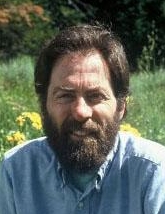 John Harte合作论文数Department of Environmental Science, Policy and Management, Rausser College of Natural Resources, University of California, Berkeley3
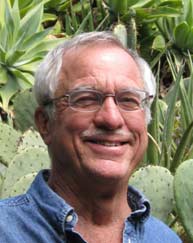 Park Nobel合作论文数Department of Ecology and Evolutionary Biology, College of Life Sciences, University of California, Los Angeles3
 Erik Hamerlynck合作论文数Department of Biological Sciences, Rutgers University3
 Stanley D. Smith合作论文数Department of Biological Sciences;University of Nevada-Las Vegas;Department of Biological Sciences, University of Nevada-Las Vegas3
 Sean P Redar合作论文数2Dt Tissue合作论文数1Sd Smith合作论文数1DG Williams合作论文数1
 Guanghui Lin合作论文数1
 Alan Knapp合作论文数Department of Biology, Colorado State University1Jake F. Weltzin合作论文数Ecology and Evolutionary Biology, University of Tennessee1James S Coleman合作论文数1S. F. Zitzer合作论文数1D. N. Jordan合作论文数1Lisa C. Sloan合作论文数1
 Susan Schwinning合作论文数Schwinning Lab, Texas State University1Robert S. Nowak合作论文数1J.C. Zak合作论文数1
 Eric Evan Small (Eric E. Small)合作论文数Department of Geological Sciences, College of Arts and Sciences, University of Colorado1
 Philip A. Fay合作论文数Grassland Soil and Water Research Laboratory1
 Karen D Holl合作论文数Department of Environmental Studies, Division of Social Sciences, University of California , Santa Cruz1
 William Pockman合作论文数Department of Biology;University of New Mexico;Department of Biology, University of New Mexico1
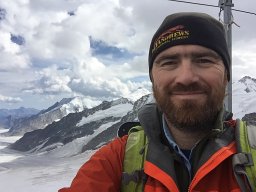 Christopher J. Still合作论文数Institute for Computational Earth System Science, University of California Santa Barbara1M. Rebecca Shaw合作论文数1
 Jeffrey R. Seemann合作论文数Department of Biochemistry;University of Nevada;Department of Biochemistry, University of Nevada1




