Examples of apparatus, methods, and compositions for endodontic treatments are described. The apparatus can include a fluid platform configured to substantially retain fluid in a tooth chamber during treatment. The fluid platform can help maintain fluid circulation in the tooth chamber as fluid flows into and out of the tooth chamber. The apparatus can also include a pressure wave generator configured to generate acoustic waves that can be used for cleaning root canals and tooth surfaces in the tooth chamber. Examples of pressure wave generators include a liquid jet, an electromagnetic energy delivery device, and an ultrasonic device. The fluid can include antiseptic or antibacterial solutions to assist in tooth cleaning. The fluid may be degassed to have a reduced dissolved gas content (compared to non- degassed fluids used in endodontic treatments), which may improve the effectiveness of the pressure wave generation or the cleaning.
Introduction: This study assessed apical extrusion during treatment with Gentle Wave (GW; Sonendo Inc, Laguna Hills, CA), a conventional open-ended 30-G needle (CN), or Endovac (EV; SybronEndo, Orange, CA) in root canals enlarged to different dimensions with and without apical constriction. Methods: Sixteen mandibular molars were mounted in an in vitro apparatus. Roots were immersed in a pressure-regulated chamber containing distilled water with pressure kept at 5.88 +/- 0.15 mm Hg to simulate periapical back pressure. Mesiobuccal (curved <= 30 degrees) and distal (straight) canals were instrumented to the working length (WL) as follows: minimal instrumentation (MI, #15/.04), traditional instrumentation (#35/.06), or overinstrumentation (OI, #35/.06, to the WL + 1 mm). Canals were tested 5 times each with distilled water using GW, CN (at WL-3 mm), or EV and the mass (g) of extruded water recorded. Extrusion frequency and mean extruded mass were compared for each canal, irrigation group, and canal instrumentation mode (Wilcoxon t test, P < .05). Results: No extrusion occurred with GW and EV, whereas the frequency of extrusion with CN was 33%. Mean extruded water mass using CN ranged in mesial canals from 0.000 +/- 0.000 g (OI) to 0.047 +/- 0.098 g (MI) and in distal canals from 0.123 +/- 0.191 g (MI) to 0.505 +/- 0.490 g (OI). With traditional instrumentation and 01 instrumentation, extruded mass in distal canals was significantly higher than in mesial canals (P < .002) and distal canals with MI (P < .020). Conclusions: Within this study's limitations, root canal treatment with GW and irrigation with EV was not associated with extrusion. Extruded irrigation mass using the open-ended 30-G needle depended on the canal type and enlargement. These results have to be interpreted with caution, and further investigations are warranted to evaluate the possibility of extrusion using GW in different tooth types and clinical situations.
Introduction: Previous studies have shown the difficulty in removing calcium hydroxide (Ca[OH](2)) paste from the root canals before root filling. Methods: Mesial and distal canals of 30 mandibular molars were prepared with the Wave One Primary (25/.08) and Large file (40/.08) (Dentsply Tulsa Dental Specialties, Tulsa, OK), respectively. All canals were then filled with Ca(OH)(2). The teeth were divided into the following 3 treatment groups (each with n = 10): (1) instrumentation with needle irrigation, (2) instrumentation with irrigation and passive ultrasonic activation (PUI), and (3) the GentleWave system (Sonendo, Inc, Laguna Hills, CA) without instrumentation. The irrigation time in each group was 7.5 minutes. To further test the efficiency of the GentleWave system, shorter times of 90 seconds were tested using water alone. Reconstructed micro computed tomographic scans were used to measure the volume of the canals and Ca(OH)(2) after instrumentation, initial filling of Ca(OH)(2), and after its removal. The percentage of Ca(OH)(2) remaining in the canals was calculated. Results: None of the 10 teeth (30 canals) in the conventional irrigation and PUI groups were completely cleaned of Ca(OH)(2) in 7.5 minutes. In the apical third of mesial and distal canals, respectively, conventional irrigation removed 47.82% 16.36% and 77.68% 12.82%, PUI removed 61.66% 25.54% and 88.85 12.06%, and the G.entleWave system removed significantly more Ca(OH)(2) (P < .05) with 100% and 98.78% 3.84%. Additional experiments in 10 teeth, using only water as the irrigant, revealed that the GentleWave system removed 99.85% and 99.97% of Ca(OH)(2) within 90 seconds without the use of any instruments in the mesial and distal canals, respectively. Conclusions: The study confirms the difficulty to remove Ca(OH)(2) from root canals using conventional methods. The GentleWave system removed the paste within 90 seconds using water irrigation alone.
Introduction Studies using conventional endodontic protocols show insufficient cleaning of root canal systems, often resulting in persistent infection and treatment failure. The GentleWave System (GWS; Sonendo, Inc, Laguna Hills, CA) has been shown to result in a higher tissue dissolution rate in a study using bovine muscle. The purpose of this study was to compare the debridement efficacy of the GWS with a traditional method for cleaning root canals. Methods Forty-five freshly extracted molars were randomly separated into 3 treatment groups (n = 15/group): group 1, no treatment; group 2, conventional rotary instrumentation and needle irrigation; and group 3, minimal instrumentation and the GWS treatment. Roots were prepared per standard histologic tissue processing after hematoxylin-eosin staining; sections were microscopically examined, and the percentage of soft tissue and debris remaining within the canals was morphometrically calculated. Images of the apical and middle regions of the roots were blindly analyzed. Results Significant differences (Welch's t test) were found between groups 2 and 3 in both apical (P = .0015) and middle (P = .0179) regions of the mesial roots of mandibular molars and mesiobuccal roots of maxillary molars. Groups 2 and 3 resulted in cleaning 67.8% and 97.2% of the mesiobuccal and mesiolingual root canals of mandibular molars and the mesiobuccal canals of maxillary molars, respectively, whereas the results were similar among groups 2 and 3 in the apical and middle regions of distal roots. Groups 2 and 3 revealed significantly less debris than group 1 (P < .005). Conclusions The GWS showed a significantly greater cleaning capacity and reduction in residual debris within the mesiobuccal and mesiolingual canals of mandibular molars and the mesiobuccal canals of maxillary molars than those cleaned conventionally.
Introduction This study aimed to evaluate the effectiveness of a novel Multisonic Ultracleaning System (Sonendo Inc, Laguna Hills, CA) in tissue dissolution in comparison with conventional irrigation devices. Methods Pieces of bovine muscle tissue (68 ± 2 mg) were placed in 0.7-mL test tubes (height: 23.60 mm, inner diameter: 6.00 mm, outer diameter: 7.75 mm) and exposed to 5 minutes of irrigation by different devices. Endodontic devices included the Multisonic Ultracleaning System, the Piezon Master 700 (EMS, Dallas, TX) ultrasonic system with agitation, the EndoVac negative-pressure irrigation system (SybronEndo, Orange, CA), and a conventional positive-pressure 27-G irrigation needle at a flow rate of 10 mL/min. The systems were tested with 0.5%, 3%, and 6% sodium hypochlorite (NaOCl) at room temperature (21°C) as well as 40°C. Irrigation with sterile water was used as a control. The mass of tissue specimens was measured and recorded before and after the use of each device, and if the specimen was completely dissolved visually within 5 minutes, the dissolution time was recorded. The rate of tissue dissolution (%/s) was then calculated. Results The Multisonic Ultracleaning System had the fastest rate of tissue dissolution (P < .05), at 1.0% ± 0.1% per second using 0.5% NaOCl, 2.3% ± 0.9% per second using 3% NaOCl, and 2.9% ± 0.7% per second using 6% NaOCl. This tissue dissolution rate was more than 8 times greater than the second fastest device tested (P < .01), the Piezon Master 700 ultrasonic system, which resulted in a tissue dissolution rate of 0.328% ± 0.002% per second using 6% NaOCl at 40°C. For all irrigation devices tested, the rate of tissue dissolution increased with a higher concentration and temperature of the NaOCl solution. Conclusions The novel Multisonic Ultracleaning System achieved a significantly faster tissue dissolution rate when compared with the other systems examined in vitro.
Introduction: This study aimed to measure the pressure generated during positive-pressure irrigation at the periapex of an in vitro tooth model using a novel method of measurement, investigating the effect of flow rate and needle design. Apical pressure was correlated with the extent of dye clearance from the end of a needle tip in a plastic root canal model with similar dimensions. Methods: The mesiobuccal canal of a mandibular molar was instrumented to #35/06 and placed into a chamber coupled to a pressure transducer. Irrigation was performed using a digital peristaltic pump using flow rates from 1-15 mL/min with irrigation needles of different sizes and designs. A plastic root canal model instrumented to the same size filled with dye was used to measure the extent of dye clearance beyond the needle tip using the same irrigation conditions. Results: Positive-pressure irrigation revealed a flow rate dependent increase in apical pressure (P < .05). The apical pressure at high irrigation flow rates was several times higher than at low flow rates. Needle designs with safety features yielded statistically significant lower apical pressures than needles without safety features (P < 05). There was no further increase in dye clearance from the end of the needle tip in a plastic root canal model at flow rates higher than 4 mL/min. Conclusions: If apical clearance of dye beyond the needle tip is a measure of irrigation effectiveness, then maximum effectiveness with safe apical pressures can be gained at specific flow rates using specific needle tip designs. The use of an irrigation flow rate of 4 mL/min was able to achieve maximum effectiveness in this study.
Aorta–iliac bifurcation has been anatomically shown to be asymmetric. Also, statistical data reveal differences in the structural features of average male and female aorta–iliac bifurcation. In the present work, numerical simulations of the macromolecule transport at the aorta–iliac bifurcation are performed. The transport phenomena within the lumen and the arterial wall are coupled. The arterial wall is modeled as a four-layer porous wall, representing endothelium, intima, internal elastic lamina (IEL), and media layers. The layers are all treated as macroscopically homogeneous porous media with uniform morphological properties. The Staverman filtration coefficient is incorporated to account for selective permeability of each porous layer to macromolecules. Different geometrical attributes of the aorta–iliac bifurcation are studied, i.e. asymmetry and gender-dependence. Profiles of macromolecule concentration distributions are obtained for different cases. The results are discussed with regard to the shear stress distribution, which is believed to be one of the key factors in atherogenesis. The present study appears to be the first one to discuss the effects of gender and geometrical characteristics (e.g. asymmetry) on the transport phenomena at the aorta–iliac bifurcation.
Transport phenomena within PEM fuel cells are investigated and a comprehensive analytical solution is presented. The methodology couples the transport within the fuel cell supply channels and the substrate which is composed of five different layers. The layers are all treated as macroscopically homogeneous porous media with uniform morphological properties such as porosity and permeability. The locally volume-averaged equations are employed to solve for transport through the porous layers. The problem encompasses complex interfacial transport phenomena involving several porous–porous as well as porous–fluid interfaces. Chemical reactions within the catalyst layers are also included. The method of matched asymptotic expansions is employed to solve for the flow field and species concentration distributions. Throughout the analysis, the choice of the gauge parameters involved in the perturbation solutions for velocity and concentration is found to be inherently tied to the physics of the problem and therefore an important physical metric. The analytical solution is found to be in excellent agreement with prior computational simulations. The analytical results are used to investigate several aspects of transport phenomena and their substantial role in PEM fuel cell operation. The solution presented in this work provides the first comprehensive analytical solution representing fuel cell transport phenomena.
Works pertinent to arterial transport models are analyzed and a critical assessment of the models utilized in the study of fluid flow and mass transfer within the arteries is presented with an emphasis on the role of porous media. Arterial transport models are assessed and classified based on their ability to physically prescribe the arterial anatomy as well as the related transport processes. Pertinent models such as wall-free, homogeneous-wall, and multi-layer models as well as the governing equations and different types of boundary conditions utilized in each model are analyzed.
Macromolecule transport within an artery is investigated and a comprehensive analytical solution is presented. The transport within the lumen and the arterial wall are coupled. Arterial wall is modeled as a four-layer porous wall. The layers are all treated as macroscopically homogeneous porous media. The volume-averaged porous media equations are employed to solve for transport through the porous arterial layers. Staverman filtration coefficient is incorporated to account for selective permeability of each porous layer to macromolecules. The problem encompasses complex interfacial transport phenomena involving various porous–porous as well as porous–fluid interfaces. The method of matched asymptotic expansions is employed to solve for the fluid flow field and species concentration distributions. For comparison purposes, the physiological and transport parameters associated with each porous layer are obtained from the literature. The analytical results are in excellent agreement with previous numerical studies. The results presented in this work provide the first comprehensive analytical solution representing arterial transport phenomena.
The effects of size-independent diffusive transport on nanoparticle growth is studied by performing direct numerical simulation of nanoparticle coagulation in temporal mixing layers. The flow field is obtained by solving the incompressible Navier-Stokes equations, while the evolution of the particle field is obtained by using a nodal approach to approximate the aerosol general dynamic equation. Simulations are performed where particles diffuse according to their size and also where all particles have the same diffusivity. For the latter, the model assumes that all particles of different sizes have the same diffusivity as the smallest particles. The advantage of the second approach is the length scales that need to be resolved are larger, facilitating more affordable computations. Simulations are performed at two volume fractions to assess the effects of the models under different growth rates. The results indicate the use of size-independent diffusion coefficients predicts particle sizes and geometric standard deviations that are larger than those obtained with size-dependent diffusion coefficients.
 BERGHEIM BJARNE合作论文数8richard s tebbs合作论文数4
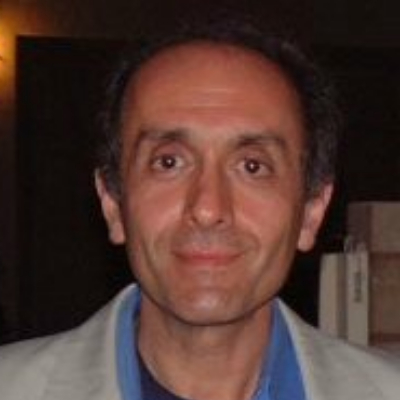 Kambiz Vafai合作论文数Department of Mechanical Engineering, University of California, Riverside4michele pham合作论文数3
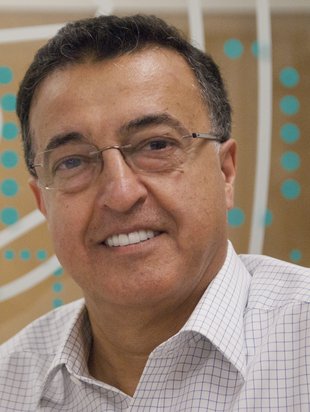 Morteza (Mory) Gharib合作论文数Division of Engineering and Applied Science, California Institute of Technology;Center for Autonomous Systems and Technologies, California Institute of Technology3
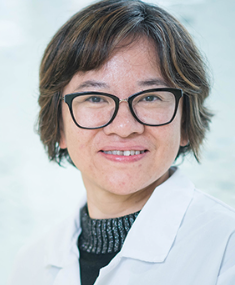 Ya Shen合作论文数Department of Oral Biological & Medical Sciences, Faculty of Dentistry, University of British Columbia3
 Markus Haapasalo合作论文数Faculty of Dentistry, The University of British Columbia2
 Payal Patel合作论文数2
 Allison Curtis合作论文数Global Imaging Group, Novartis Institutes for BioMedical Research2
 Ellen Park合作论文数1
 Yan Gan合作论文数1
 Gevik Malkhassian合作论文数Faculty of Dentistry, University of Toronto1
 Bettina Basrani合作论文数Faculty of Dentistry, University of Toronto1
 Chen Jennifer合作论文数Kean Univ Union1Yang Y合作论文数1Prashanthi Vandrangi合作论文数Department of Bioengineering, University of California1Zhejun Wang合作论文数1Gerald N. Glickman合作论文数Baylor College of Dentistry, The Texas A&M University System Health Science Center1
 Shimon Friedman合作论文数1
 Yuan Gao (高原)合作论文数West China Hospital of Stomatology, Sichuan University1
 Anil Kishen合作论文数The Kishen Lab, Faculty of Dentistry, University of Toronto;Department of Dentistry, Mount Sinai Hospital1
 Jingzhi Ma (马净植)合作论文数Tongji Hospital, Tongji Medical College of Huazhong University of Science and Technology;School of Stomatology, Tongji Medical College of Huazhong University of Science and Technology1
 Sean Garrick合作论文数Department of Mechanical Engineering, University of Minnesota1




