BACKGROUND:Exposure to environmental agents, including viral infections, may increase Parkinson's disease (PD) susceptibility, especially in males, but the neurodegenerative risk extent of COVID-19 remains uncertain. OBJECTIVES:We investigated the plausible link between severe acute respiratory syndrome coronavirus 2 (SARS-CoV-2) infection and PD susceptibility across sexes. METHODS:Mice overexpressing the human angiotensin-converting enzyme 2 receptor (K18-hACE2) were exposed to SARS-CoV-2 or 1-methyl-4-phenyl-1,2,3,6-tetrahydropyridine (MPTP) doses. This was followed by a two-hit experiment in which mice received a moderate MPTP dose and SARS-CoV-2 11 days post-MPTP. Striatal viral titer was measured 4 days postinfection (dpi). After 14 dpi, striatal dopamine and its metabolites (3,4-dihydroxyphenylacetic acid, 3-methoxytyramine, homovanillic acid), nigrostriatal degeneration, and glial responses in males and females were compared. RESULTS:Only in males, SARS-CoV-2 resulted in progressive dopamine metabolic dysregulation by day 21. Coexposed females showed less weight loss than males. Coexposed males showed significant nigrostriatal degeneration, together with robust nigral astrocytic and microglial reactivity exceeding individual effects. In females, MPTP and/or SARS-CoV-2 had minimal effects on dopamine and its metabolism, degeneration, and microglial reactivity, whereas coexposure was associated with significant nigral astrocytic reactivity. In coexposed males, striatal microglia showed enhanced territorial spacing, whereas in females, they became more clustered, possibly because of an enrichment of cells with larger soma and retracted processes. In males, single or dual exposure stressed degenerating dopamine neurons to shrink and dilate their Golgi bodies, more prominently in the coexposed group. CONCLUSIONS:This study reports the sex-dependent COVID-19 effects on mice prodromal PD with a differential glial contribution, supporting glial- and sex-based medical approaches. © 2026 The Author(s). Movement Disorders published by Wiley Periodicals LLC on behalf of International Parkinson and Movement Disorder Society.
IntroductionParkinson’s disease (PD) main pathological feature involves degeneration of dopamine (DA) neurons in the brain substantia nigra (SN). Female gonadal steroids are shown to be neuroprotective in animal models of PD and tested mainly in male and less in female animals. Since most women with PD are in menopause the present study tested ovariectomized (OVX) female mice as a model of the hormonal condition of menopause. This study sought the neuroprotective effect of the selective estrogen receptor modulator (SERM) raloxifene and progesterone alone and in combination to protect DA neurons in 1-methyl-4-phenyl-1,2,3,6- tetrahydropyridine (MPTP)-lesioned mice as a model of PD.MethodsMice were treated with vehicle, raloxifene (2.5 mg/kg, b.i.d., subcutaneous), progesterone (1 μg, b.i.d., subcutaneous) and their combination for 10 days and administered MPTP (5.5 mg/kg, intraperitoneal) or saline on the 5th day; brains and uteri were collected thereafter.ResultsRaloxifene treatment led to only small increases in uterine weights less than an average of intact mice uterine weights and no effect of progesterone. OVX MPTP-lesioned female mice showed a loss of striatal DA and metabolites content similarly prevented by treatments with raloxifene, progesterone and their combination. By contrast, striatal serotonin and metabolite remained unchanged. Striatal glial fibrillary acidic protein (GFAP), an astrogliosis marker, levels were elevated in MPTP-lesioned mice and this was similarly prevented with the hormonal treatment alone or in combination.ConclusionRaloxifene and progesterone treatment was neuroprotective without excessive uterine stimulation in OVX mice supporting repurposing of these drugs for PD and their high translational value.
BACKGROUND:Pregnenolone is the first neurosteroid synthesized from cholesterol in the brain. Previous studies showed that it reduces the development of levodopa (L-dopa)-induced dyskinesias (LIDs) in rat models of Parkinson's disease (PD). OBJECTIVE:To examine whether pregnenolone mitigates established LIDs in a non-human primate model. METHODS:Ovariectomized female macaques, modeling the postmenopausal hormonal status of most women with PD, were lesioned with MPTP and treated with L-dopa to induce LIDs. Pregnenolone was administered subcutaneously (SC) at 6 or 18 mg/kg or orally (36 mg/kg). RESULTS:Pregnenolone reduced established LIDs in MPTP-lesioned monkeys while preserving L-dopa's antiparkinsonian effects. The antidyskinetic effect was dose-dependent, with the greatest reduction observed at 18 mg/kg SC, followed by 6 mg/kg SC, and a lesser effect at 36 mg/kg orally, likely due to first-pass metabolism. CONCLUSIONS:Pregnenolone reduces established LIDs in parkinsonian monkeys and may represent a safe, novel therapeutic candidate for dyskinesia treatment in PD. © 2025 The Author(s). Movement Disorders published by Wiley Periodicals LLC on behalf of International Parkinson and Movement Disorder Society.
Parkinson’s disease (PD) is characterized by motor symptoms due to loss of brain dopamine and non-motor symptoms, including gastrointestinal disorders. Although there is no cure for PD, symptomatic treatments are available. L-Dopa is the gold standard PD therapy, but most patients develop dyskinesias (LID), which are challenging to manage. Amantadine is recognized as the most effective drug for LID, but its adverse effects limit the use in patients. Here we review how 5α-reductase inhibitors (5ARIs), drugs used to treat benign prostatic hyperplasia and alopecia, exhibit beneficial effects in PD animal models. 5ARIs show neuroprotective properties in brain and gut dopaminergic systems, and reduce dyskinesias in rodent model of PD. Additionally, the 5ARI finasteride dampened dopaminergic-induced drug gambling in PD patients. Neuroprotection and antidyskinetic activities of 5ARIs in animal models of PD suggest their potential repurposing in men with PD to address gut dysfunction, protect brain DA and inhibit dyskinesias.
Background: Parkinson's disease (PD) chronic L-Dopa treatment often triggers motor complications, such as L-Dopa-induced dyskinesias (LID). LID are reported to be associated with abnormal glutamatergic activity between the striatum and primary motor cortex (M1), resulting in M1 hyperactivation. Beneficial noninvasive brain stimulation (NIBS) paradigms were reported to normalize glutamatergic activity. The objective of the present study was thus to set up a NIBS paradigm in parkinsonian monkeys to investigate motor behavior under basal conditions and with L-Dopa treatment-inducing dyskinesias. Methods: Motor behavior was investigated in five 1-methyl-4-phenyl1,2,3,6-tetrahydropyridine (MPTP) dyskinetic female Macaca fascicularis monkey models of PD, allowing us to monitor the administration of NIBS and drugs. NIBS used were inhibitory protocols, that is, cathodal transcranial direct current stimulation (c-tDCS) and continuous theta- burst stimulation (cTBS). A procedure of three weeks was developed to progressively acclimate animals to the experimental conditions, equipment and noise of c-tDCS and cTBS before stimulating them with either vehicle or L-Dopa. Results: One session of c-tDCS with L-Dopa yielded no effect, whereas five sessions briefly reduced LID but decreased the duration of L-Dopa anti-PD effects. cTBS alone improved (decreased) parkinsonian scores as compared to sham stimulation or vehicle alone. Two sessions of cTBS with L-Dopa decreased LID without affecting L-Dopa anti-PD effects. Conclusion: This is the first study testing c-tDCS and cTBS on the motor behavior of MPTP dyskinetic monkeys. As compared to medicated patients, MPTP monkeys offer the opportunity to evaluate NIBS after-effects in drug-free and LID conditions, which are critical in the search for new PD treatment.
Parkinson's disease (PD) is the second most common neurodegenerative disorder after Alzheimer's disease. Inflammation has been observed in both the idiopathic and familial forms of PD. Importantly, PD is reported more often in men than in women, men having at least 1.5- fold higher risk to develop PD than women. This review summarizes the impact of biological sex and sex hormones on the neuroimmune contributions to PD and its investigation in animal models of PD. Innate and peripheral immune systems participate in the brain neuroinflammation of PD patients and is reproduced in neurotoxin, genetic and α-synuclein based models of PD. Microglia and astrocytes are the main cells of the innate immune system in the central nervous system and are the first to react to restore homeostasis in the brain. Analysis of serum immunoprofiles in female and male control and PD patients show that a great proportion of these markers differ between males and females. The relationship between cerebrospinal fluid inflammatory markers and PD clinical characteristics or PD biomarkers shows sex differences. Conversely, in animal models of PD, sex differences in inflammation are well documented and the beneficial effects of endogenous and exogenous estrogenic modulation in inflammation have been reported. Targeting neuroinflammation in PD is an emerging therapeutic option but gonadal drugs have not yet been investigated in this respect, thus offering new opportunities for sex specific treatments.
Overactivity of the corticostriatal glutamatergic pathway is documented in Parkinson's disease (PD) and stim-ulation of presynaptic metabotropic glutamate (mGlu) receptors 4 on these striatal afferents inhibits glutamate release normalizing neuronal activity in the basal ganglia. Moreover, mGlu4 receptors are also expressed in glial cells and are able to modulate glial function making this receptor a potential target for neuroprotection. Hence, we investigated whether foliglurax, a positive allosteric modulator of mGlu4 receptors with high brain exposure after oral administration, has neuroprotective effects in MPTP mice to model early PD. Male mice were treated daily from day 1 to 10 with 1, 3 or 10 mg/kg of foliglurax and administered MPTP on the 5th day then euthanized on the 11th day. Dopamine neuron integrity was assessed with measures of striatal dopamine and its metabolites levels, striatal and nigral dopamine transporter (DAT) binding and inflammation with markers of striatal astrocytes (GFAP) and microglia (Iba1). MPTP lesion produced a decrease in dopamine, its metabolites and striatal DAT specific binding that was prevented by treatment with 3 mg/kg of foliglurax, whereas 1 and 10 mg/kg had no beneficial effect. MPTP mice had increased levels of GFAP; foliglurax treatment (3 mg/kg) pre-vented this increase. Iba1 levels were unchanged in MPTP mice compared to control mice. There was a negative correlation between dopamine content and GFAP levels. Our results show that positive allosteric modulation of mGlu4 receptors with foliglurax provided neuroprotective effects in the MPTP mouse model of PD.
The greater prevalence and incidence of Parkinson's disease (PD) in men suggest a beneficial effect of sex hormones. Neuroactive steroids have neuroprotective activities thus offering interesting option for disease-modifying therapy for PD. Neuroactive steroids are also neuromodulators of neurotransmitter systems and may thus help to control PD symptoms and side effect of dopamine medication. Here, we review the effect on sex hormones (estrogen, androgen, progesterone and its metabolites) as well as androstenediol, pregnenolone and dehydroepiandrosterone) in human studies and in animal models of PD. The effect of neuroactive steroids is reviewed by considering sex and hormonal status to help identify specifically for women and men with PD what might be a preventive approach or a symptomatic treatment. PD is a complex disease and the pathogenesis likely involves multiple cellular processes. Thus it might be useful to target different cellular mechanisms that contribute to neuronal loss and neuroactive steroids provide therapeutics options as they have multiple mechanisms of action.
Parkinson’s disease (PD) is characterized by neurodegeneration and neuroinflammation. PD prevalence and incidence are higher in men than in women and modulation of gonadal hormones could have an impact on the disease course. This was investigated in male and female gonadectomized (GDX) and SHAM operated (SHAM) mice. Dutasteride (DUT), a 5α-reductase inhibitor, was administered to these mice for 10 days to modulate their gonadal sex hormones. On the fifth day of DUT treatment, mice received 1-methyl-4-phenyl-1,2,3,6-tetrahydropyridine (MPTP) to model PD. We have previously shown in these mice the toxic effect of MPTP in SHAM and GDX males and in GDX females on dopamine markers and astrogliosis whereas SHAM females were protected by their female sex hormones. In SHAM males, DUT protected against MPTP toxicity. In the present study, microglial density and the number of doublets, representative of a microglial proliferation, were increased by the MPTP lesion only in male mice and prevented by DUT in SHAM males. A three-dimensional morphological microglial analysis showed that MPTP changed microglial morphology from quiescent to activated only in male mice and was not prevented by DUT. In conclusion, microgliosis can be modulated by sex hormone-dependent and independent factors in a mice model of PD.
N-methyl-D-aspartate (NMDA) receptors have been implicated in L-Dopa-induced dyskinesias (LID) in Parkinson’s disease patients, but the use of antagonists that directly inhibit this receptor is associated with severe side effects. L-4-chlorokynurenine (4-Cl-KYN or AV-101) is a pro-drug of 7-chlorokynurenic acid (7-Cl-KYNA), a potent and specific antagonist of the glycine (GlyB) co-agonist site of NMDA receptors. The 7-Cl-KYNA has limited ability to cross the blood–brain barrier, whereas AV-101 readily accesses the brain. We investigated if AV-101 reduces LID in 1-methyl-4-phenyl-1,2,3,6-tetrahydropyridine (MPTP)-lesioned monkeys while maintaining the antiparkinsonian activity of L-Dopa. A first pilot study using three dyskinetic MPTP monkeys showed that acute AV-101 treatment (250 and 450 mg/kg) reduced LID and maintained the antiparkinsonian activity of L-Dopa. The main study using six additional dyskinetic MPTP monkeys showed that repeated AV-101 treatment (250 mg/kg, b.i.d. for 4 consecutive days) maintained their L-Dopa antiparkinsonian response. We measured significantly less LID when AV-101 was combined with L-Dopa treatment. AV-101 alone or with L-Dopa had no non-motor adverse effects in MPTP monkeys. Our study showed antidyskinetic activity of AV-101 in MPTP monkeys was comparable to amantadine tested previously in our laboratory in this model. We observed no adverse effects with AV-101, which is an improvement over amantadine, with its known side effects.
An abstract is not available for this content so a preview has been provided. As you have access to this content, a full PDF is available via the ‘Save PDF’ action button.
Accumulating epidemiological and clinical studies support a greater prevalence and incidence of Parkinson's disease (PD) in men than women, suggesting a potential contribution of sex hormones. Sex steroids can affect the brain (neuroactive steroids) and can also be synthesized in the brain (neurosteroids). Findings in PD patients and animal models of PD support a beneficial role of estrogen and progesterone, whereas androgens have not consistently shown beneficial or a deleterious effects. Estrogen and progesterone provide treatment options to be optimized including which estrogen/progesterone, the dose, duration and time of initiation of treatment. Drug modulating steroid synthetic pathways, pro-drugs, steroid precursors, brain selective estrogens, long-lasting formulations are promising treatments for precision hormonal therapy for PD in women and men, avoiding feminizing effects.
Beneficial effects of estrogens have been reported in Parkinson's disease (PD) for many years. We previously reported their neuroprotective and anti-inflammatory potentials in the enteric nervous system of the intestine, a region possibly affected during the early stages of the disease according to Braak's hypothesis. Three different estrogen receptors have been characterized to date: the estrogen receptor alpha (ER alpha), the estrogen receptor beta (ER beta) and the G protein coupled estrogen receptor 1 (GPER1). The aim of the present study was to decipher the individual contribution of each estrogen receptor to the therapeutic properties of 17 beta-estradiol (E2) in the myenteric plexus of the 1-methyl-4-phenyl-1,2,3,6-tetrahydropyridine (MPTP) mouse model of PD. Different agonists, 4,4',4"-(4-propyl-[1H]-pyrazole-1,3,5-triyl)trisphenol (PPT; ER alpha), 2,3-bis(4-hydroxyphenyl)-propioni-trile (DPN; ER beta), G1 (GPER1), and antagonists, ICI 182,780 (ER alpha and ER beta), G15 (GPER1), were used to analyze the involvement of each receptor. We confirmed that G1 protects dopamine (DA) neurons to a similar extent as E2. An anti-inflammatory effect on proinflammatory macrophages and cultured human monocytes was also demonstrated with E2 and G1. The effects of PPT and DPN were less potent than G1 with only a partial neu-roprotection of DA neurons by PPT and a partial reduction of interleukin (IL)-1 beta production in monocytes by PPT and DPN. Overall, the present results indicate that the positive outcomes of estrogens are mainly through activation of GPER1. Therefore, this suggests that targeting GPER1 could be a promising approach for future estrogen-based hormone therapies during early PD.
An abstract is not available for this content so a preview has been provided. As you have access to this content, a full PDF is available via the ‘Save PDF’ action button.
Proinflammatory markers were found in brains of Parkinson's disease (PD) patients. After years of L-Dopa symptomatic treatment, most PD patients develop dyskinesias. The relationship between inflammation and L-Dopa-induced dyskinesias (LID) is still unclear. We previously reported that MPEP (a metabotropic glutamate receptor 5 antagonist) reduced the development of LID in de novo MPTP-lesioned monkeys. We thus investigated if MPEP reduced the brain inflammatory response in these MPTP-lesioned monkeys and the relationship to LID. The panmacrophage/microglia marker Iba1, the phagocytosis-related receptor CD68, and the astroglial protein GFAP were measured by Western blots. The L-Dopa-treated dyskinetic MPTP monkeys had increased Iba1 content in the putamen, substantia nigra, and globus pallidus, which was prevented by MPEP cotreatment; similar findings were observed for CD68 contents in the putamen and globus pallidus. There was a strong positive correlation between dyskinesia scores and microglial markers in these regions. GFAP contents were elevated in MPTP + L-Dopa-treated monkeys among these brain regions and prevented by MPEP in the putamen and subthalamic nucleus. In conclusion, these results showed increased inflammatory markers in the basal ganglia associated with LID and revealed that MPEP inhibition of glutamate activity reduced LID and levels of inflammatory markers.
Parkinson's disease (PD) is the second most common neurodegenerative disorder after Alzheimer's disease. A greater prevalence and incidence of PD are reported in men than in women, suggesting a potential contribution of sex, genetic difference and/or sex hormones. This review presents an overview of epidemiological and clinical studies investigating sex differences in the incidence and symptoms of PD. This sex difference is replicated in animal models of PD showing an important neuroprotective role of sex steroids. Therefore, although gender and genetic factors likely contribute to the sex difference in PD, focus here will be on sex hormones because of their neuroprotective role. Androgens receive less attention than estrogen. It is well known that endogenous androgens are more abundant in healthy men than in women and decrease with aging; lower levels are reported in PD men than in healthy male subjects. Drug treatments with androgens, androgen precursors, antiandrogens, and drugs modifying androgen metabolism are available to treat various endocrine conditions, thus having translational value for PD but none have yet given sufficient positive effects for PD. Variability in the androgen receptor is reported in humans and is an additional factor in the response to androgens. In animal models of PD used to study neuroprotective activity, the androgens testosterone and dihydrotestosterone have given inconsistent results. 5α-Reductase inhibitors have shown neuroprotective activity in animal models of PD and antidyskinetic activity. Hence, androgens have not consistently shown beneficial or deleterious effects in PD but numerous androgen-related drugs are available that could be repurposed for PD.
The main neuropathological feature of Parkinson's disease (PD) is degeneration of dopamine (DA) neurons in the substantia nigra (SN); PD prevalence is higher in men, suggesting a role of sex hormones in neuroprotection. This study sought the effects of sex hormones in the brain in a mouse model of PD and modulation of steroid metabolism/synthesis with the 5α-reductase inhibitor dutasteride shown to protect 1-methyl-4-phenyl-1,2,3,6-tetrahydropyridine (MPTP) male mice. Male and female mice were gonadectomized (GDX) or SHAM operated. They were treated with vehicle or dutasteride (5 mg/kg) for 10 days and administered a low dose of MPTP (5.5 mg/kg) or saline on the 5th day to model early PD; brains were collected thereafter. Striatal measures of the active metabolite 1-methyl-4-phenylpyridinium (MPP+) contents showed no difference supporting an effect of the experimental conditions investigated. In SHAM MPTP male mice loss of striatal DA and metabolites, DA transporter (DAT) and vesicular monoamine transporter 2 (VMAT2) specific binding in the striatum and SN was prevented by dutasteride treatment; these changes were inversely correlated with glial fibrillary acidic protein (GFAP, an astrogliosis marker) levels. In SHAM female mice MPTP treatment had little or no effect on striatal and SN DA markers and GFAP levels whereas GDX male and female mice showed a similar loss of striatal DA markers and increase of GFAP. No effect of dutasteride treatment was observed in GDX male and female mice. In conclusion, sex differences in mice MPTP toxicity and response to dutasteride were observed that were lost upon gonadectomy implicating neuroinflammation.
Parkinson's disease (PD) is the most common neurodegenerative motor disorder. The mechanisms underlying the onset and progression of Levodopa (L-Dopa)-induced dyskinesia (LID) during PD treatment remain elusive. Emerging evidence implicates functional modification of microglia in the development of LID. Thus, understanding the link between microglia and the development of LID may provide the knowledge required to preserve or promote beneficial microglial functions, even during a prolonged L-Dopa treatment. To provide novel insights into microglial functional alterations in PD pathophysiology, we characterized their density, morphology, ultrastructure, and degradation activity in the sensorimotor functional territory of the putamen, using 1-methyl-4-phenyl-1,2,3,6-tetrahydropyridine (MPTP) cynomolgus monkeys. A subset of MPTP monkeys was treated orally with L-Dopa and developed LID similar to PD patients. Using a combination of light, confocal and transmission electron microscopy, our quantitative analyses revealed alterations of microglial density, morphology and phagolysosomal activity following MPTP intoxication that were partially normalized with L-Dopa treatment. In particular, microglial density, cell body and arborization areas were increased in the MPTP monkeys, whereas L-Dopa-treated MPTP animals presented a microglial phenotype similar to the control animals. At the ultrastructural level, microglia did not differ between groups in their markers of cellular stress or aging. Nevertheless, microglia from the MPTP monkeys displayed reduced numbers of endosomes, compared with control animals, that remained lower after L-Dopa treatment. Microglia from MPTP monkeys treated with L-Dopa also had increased numbers of primary lysosomes compared with non-treated MPTP animals, while secondary and tertiary lysosomes remained unchanged. Moreover, a decrease microglial immunoreactivity for CD68, considered a marker of phagocytosis and lysosomal activity, was measured in the MPTP monkeys treated with L-Dopa, compared with non-treated MPTP animals. Taken together, these findings revealed significant changes in microglia during PD pathophysiology that were partially rescued by L-Dopa treatment. Albeit, this L-Dopa treatment conferred phagolysosomal insufficiency on microglia in the dyskinetic Parkinsonian monkeys.
Parkinson's disease (PD) is the second most common neurodegenerative disease worldwide. It is typically associated with motor symptoms originating from the degeneration of nigrostriatal dopamine (DA) neurons. Early stages of PD have been associated with an alteration in DA production in intestinal DAergic neurons along with inflammation. Interestingly, decreased serum concentrations of ethanolamine plasmalogens (PlsEtn) have been reported in PD patients. Ethanolamine plasmalogens play a role in vesicular fusion and release during neurotransmission, and store neuroprotective polyunsaturated fatty acids, such as docosahexaenoic acid (DHA) and are strong anti-oxidants, highlighting areas of potential therapeutic interest. Docosahexaenoic acid is known to play important roles in both the central nervous and peripheral systems, in addition to acting as a precursor of several molecules that regulate the resolution of inflammation. The present study investigated the neuroprotective and anti-inflammatory properties of the DHA-containing PlsEtn precursor, PPI-1011, in the intestine of 1-methyl-4-phenyl-1,2,3,6-tetrahydropyridine (MPTP)-treated mice. Treatment with PPI-1011 prevented the MPTP-induced decrease in PlsEtn levels. In addition it prevented the loss of tyrosine hydroxylase (TH) expression and reduced the infiltration of macrophages in the myenteric plexus of MPTP-treated mice. The protective effects of PPI-1011 were observed regardless of whether it was administered pre- or post- MPTP treatment. These results suggest that PPI-1011 has neuroprotective and anti-inflammatory properties in the gut and indicate its potential utility as a treatment for both early and more advanced stages of PD.
Gastrointestinal symptoms appear in Parkinson's disease patients many years before motor symptoms, suggesting the implication of dopaminergic neurones of the gut myenteric plexus. Inflammation is also known to be increased in PD. We previously reported neuroprotection with progesterone in the brain of mice lesioned with 1-methyl-4-phenyl-1,2,3,6-tetrahydropyridine (MPTP) and hypothesised that it also has neuroprotective and immunomodulatory activities in the gut. To test this hypothesis, we investigated progesterone administered to adult male C57BL/6 mice for 10 days and treated with MPTP on day 5. In an additional experiment, progesterone was administered for 5 days following MPTP treatment. Ilea were collected on day 10 of treatment and microdissected to isolate the myenteric plexus. Dopaminergic neurones were reduced by approximately 60% and pro-inflammatory macrophages were increased by approximately 50% in MPTP mice compared to intact controls. These changes were completely prevented by progesterone administered before and after MPTP treatment and were normalised by 8 mg kg(-1) progesterone administered after MPTP. In the brain of MPTP mice, brain-derived neurotrophic peptide (BDNF) and glial fibrillary acidic protein (GFAP) were associated with progesterone neuroprotection. In the myenteric plexus, increased BDNF levels compared to controls were measured in MPTP mice treated with 8 mg kg(-1) progesterone started post MPTP, whereas GFAP levels remained unchanged. In conclusion, the results obtained in the present study show neuroprotective and anti-inflammatory effects of progesterone in the myenteric plexus of MPTP mice that are similar to our previous findings in the brain. Progesterone is non-feminising and could be used for both men and women in the pre-symptomatic stages of the disease.
 Thérèse Di Paolo合作论文数39
 Marc Morissette合作论文数Molecular Endocrinology and Oncology Research Centre, Laval University Medical Centre24Denis Soulet合作论文数Faculty of Pharmacy, CHU de Québec Research Center (CHUL)-Université Laval11Dean E. Dluzen合作论文数9
 Marc Andre Bodet合作论文数6
 Antoine Bilodeau合作论文数Department of Political Science;Concordia University;Department of Political Science, Concordia University6Sara Al Sweidi合作论文数6
 André Blais合作论文数Department of Political Science, University of Montreal5
 Melanee Thomas合作论文数University of Calgary5
 Andree-Anne Poirier合作论文数4Jérôme Lamontagne-Proulx合作论文数4
 Damien Bol合作论文数Department of Political Economy, School of Politics & Economics, Faculty of Social Science & Public Policy, King’s College London4Karen Beckwith合作论文数Department of Political Science;Case Western Reserve University;Department of Political Science, ase Western Reserve University Cleveland4
 Michael P. Atkinson合作论文数Institute for Computational and Mathematical Engineering, Stanford University4
 Katherine Coulombe合作论文数3Dushmanthi Jayasinghe合作论文数3
 Tara M Smith合作论文数3
 Marie-Ève Tremblay合作论文数School of Medical Sciences, University of Victoria3Melissa Cote合作论文数3Frédéric Boily合作论文数2Hend Jarras合作论文数2Martin Horak合作论文数2Joanie Bouchard合作论文数Western University2
 Felix Mathieu合作论文数Dept Polit Sci, Univ Winnipeg2
 Fred Cutler合作论文数Department of Political Science, Faculty of Arts, The University of British Columbia2
 Jean-Francois Daoust合作论文数School of Applied Politics, Université de Sherbrooke2
 Maria Gabriela Sanchez合作论文数2Miville-Godbout Edith合作论文数2Bin Liu合作论文数2
 Christopher S Cooper合作论文数Department of Urology, University of Iowa2
 Christopher Alcantara合作论文数Department of Political Science;University of Toronto;Sidney Smith Hall;Department of Political Science, University of Toronto2Manolo Carta合作论文数Department of Applied Sciences for Biosystems, Division of Human Physiology, Via Porcell 4, I-09124 Cagliari, Italy2
 Karen Bird合作论文数Nottingham Trent University2
 Amanda Bittner合作论文数Department of Political Science, University of British Columbia2
 Cosimo Melcangi合作论文数Department of Pharmacological and Biomolecular Sciences, Università degli Studi di Milano2
 Shawn Ritchie合作论文数2
 Marco Bortolato合作论文数The University of Kansas2Laurent Gregoire合作论文数2
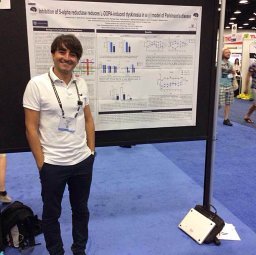 Roberto Frau合作论文数Institute of Experimental Pharmacology and Toxicology, University of Cagliari2Semra Sevi合作论文数1Kerry Porth合作论文数1Vijitha Senanayake合作论文数1
 Benoit Aube合作论文数1
 Maude Bordeleau合作论文数1Waseema Patel合作论文数1Michael Luoma合作论文数1Olivier Bergeron-Boutin合作论文数1
 Sarah Lachance合作论文数1
 Alexis Bibeau合作论文数1




