Whether stem-cell-like cancer cells avert ferroptosis to mediate therapy resistance remains unclear. In this study, using a soft fibrin gel culture system, we found that tumor-repopulating cells (TRCs) with stem-cell-like cancer cell characteristics resist chemotherapy and radiotherapy by decreasing ferroptosis sensitivity. Mechanistically, through quantitative mass spectrometry and lipidomic analysis, we determined that mitochondria metabolic kinase PCK2 phosphorylates and activates ACSL4 to drive ferroptosis-associated phospholipid remodeling. TRCs downregulate the PCK2 expression to confer themselves on a structural ferroptosis-resistant state. Notably, in addition to confirming the role of PCK2-pACSL4(T679) in multiple preclinical models, we discovered that higher PCK2 and pACSL4(T679) levels are correlated with better response to chemotherapy and radiotherapy as well as lower distant metastasis in nasopharyngeal carcinoma cohorts. Phosphorylation of ACSL4 by mitochondria-located metabolic kinase PCK2 is critical to regulating ferroptosis-associated phospholipid remodeling in tumor-repopulating cells that are resistant to chemotherapy and radiotherapy.
The dysregulation of the translation elongation factor families which are responsible for reprogramming of mRNA translation has been shown to contribute to tumor progression. Here, we report that the acetylation of eukaryotic Elongation Factor 1 Alpha 1 (eEF1A1/EF1A1) is required for genotoxic stress response and maintaining the malignancy of colorectal cancer (CRC) cells. The evolutionarily conserved site K439 is identified as the key acetylation site. Tissue expression analysis demonstrates that the acetylation level of eEF1A1 K439 is higher than paired normal tissues. Most importantly, hyperacetylation of eEF1A1 at K439 negatively correlates with CRC patient survival. Mechanistically, CBP and SIRT1 are the major acetyltransferase and deacetylase of eEF1A1. Hyperacetylation of eEF1A1 at K439 shows a significant tumor-promoting effect by increasing the capacity of proliferation, migration, and invasion of CRC cells. Our findings identify the altered post-translational modification at the translation machines as a critical factor in stress response and susceptibility to colorectal carcinogenesis.
 Rong Wang合作论文数1Chaodong Ge合作论文数1Hongpeng Jiang合作论文数1Zhe Li合作论文数1
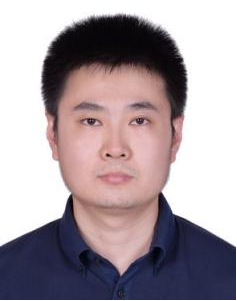 Wan-Yang Sun (孙万阳)合作论文数College of Pharmacy, Jinan University1Boya Liu合作论文数1Chu-Qing Zhang合作论文数1Hui-Ying LI (李慧颖)合作论文数1Xiao-Jing Du合作论文数1Zhang Yu合作论文数1
 Xiaoyu Liang合作论文数1
 Jianyuan Luo (罗建沅)合作论文数School of Basic Medical Sciences, Peking University1Xin Yang (杨鑫)合作论文数Engineering Research Center of Synthetic Resin and Special Chemical Fiber, Changchun University of Technology1
 Rong-Rong He (何蓉蓉)合作论文数College of Pharmacy, Jinan University1
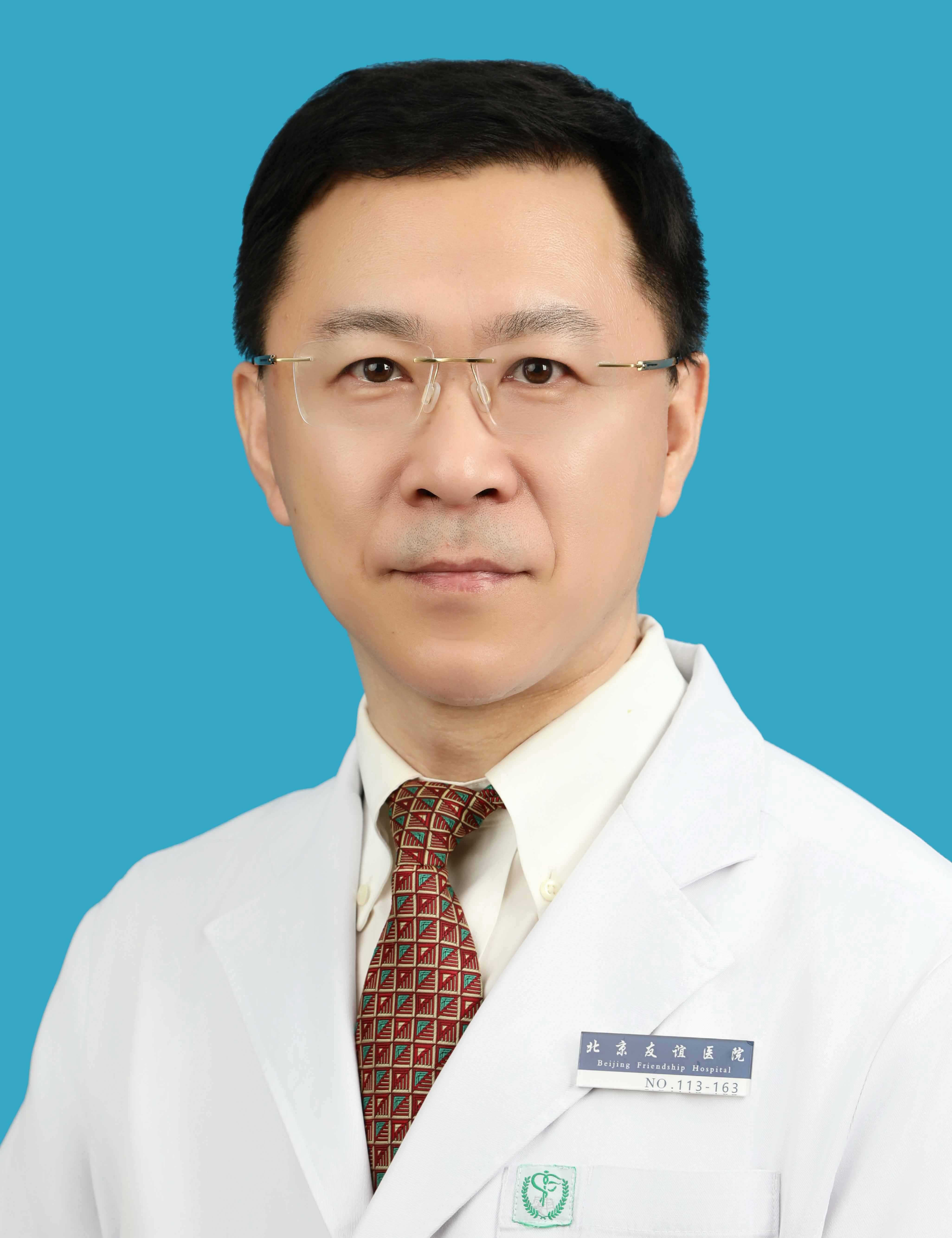 Hongwei Yao (姚宏伟)合作论文数National Clinical Research Center For Digestive Diseases, Beijing Friendship Hospital, Capital Medical University1
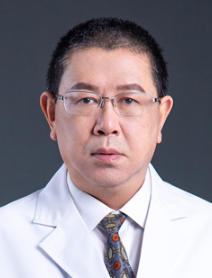 Jun Ma (马骏)合作论文数Guangzhou Key Laboratory of Nasopharyngeal Carcinoma Multidisciplinary Clinical Diagnosis and Therapy, Sun Yat-sen University Cancer Center1
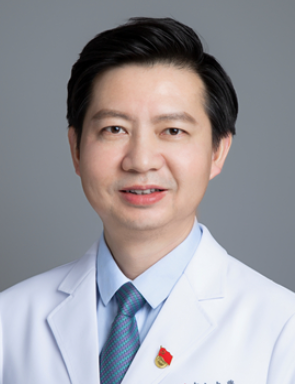 Zhuowei Liu (刘卓炜)合作论文数Sun Yat-Sen University Cancer Center1




