BACKGROUND:Earlier cancer detection through advancements in screening technologies and increased screening access and adherence may improve cancer survival. We developed a quantitative approach using a matrix equation to characterize cancer stage shift resulting from cancer screening interventions and estimated resulting survival improvements. METHODS:The expected percent survival improvement was defined a priori as 20%, and the analysis sought to characterize the stage shift required to achieve this goal. The matrix equation was populated with incidence and cause-specific survival for 16 cancers by stage at diagnosis using the National Cancer Institute Surveillance, Epidemiology, and End Results database. Linear programming was used to solve for the matrix given a set of constraints formulated to steer the solution toward the least amount of downstaging required to achieve the objective and to partially compensate for length-time bias. RESULTS:Three common trends emerged across almost all cancer types: (i) Most of the survival improvement can be achieved by detecting disease prior to stage IV; (ii) remaining survival improvements can be achieved by detecting just one stage earlier; and (iii) stage I diagnosis is not necessary to achieve measurable survival improvement goals. Lung cancer required more aggressive earlier detection than others, an expected result as lung cancer has a very high incidence and very poor survival. CONCLUSIONS:This flexible mathematical framework may be helpful for public health officials to characterize how earlier cancer detection can affect cancer survival. IMPACT:Our results suggest that detecting cancer prior to distant metastases may significantly improve survival.
Figure S14. Luminal B phenotype is associated with higher MYC signaling and lower radiation response scores.
Clinically, histotripsy utilizes a fixed, non-optimized dose (defined by the number of histotripsy pulses) to non-invasively ablate liver tumors. This study investigates the impact of histotripsy doses on tumor cellular damage, immune response, and treatment outcomes. Single orthotopic rat HCC liver tumors were established in immunocompetent rats by injecting McA-RH7777 cells into the liver and were classified as intermediate-stage or late-stage. Tumors were treated with doses 20, 50, 100 and 200 pulses per location (ppl) at 20 Hz, 50 Hz, 100 Hz and 200 Hz pulse repetition frequency (PRF) respectively using 1–2 cycle length histotripsy pulses delivered via a 1 MHz custom histotripsy transducer with an estimated peak negative pressure > 30 MPa. Cellular damage and immune response were evaluated in late-stage tumors. Local tumor control, metastasis inhibition, and survival were evaluated and compared across tumor stages. Abscopal response was evaluated by generating multicentric tumors in separate liver lobes but treating only one tumor. As the dose increased from 20 to 200 ppl, histologic cellular disruption increased from sparse-treatment to overtreatment. Dose 100 ppl (intermediate dose resulting in complete treatment) had the greatest infiltration of CD3 + T-cells and NK-cells, highest TUNEL+ area, lowest Ki67 index, and the highest percentage of animals with complete regression in late-stage tumors. Overtreatment dose (200 ppl) did not have the best treatment outcomes for any tumor stage. Dose 100 ppl also demonstrated improved abscopal response in distant untreated tumor. Histotripsy dose impacts histological tumor damage, immune infiltration, local tumor progression, metastasis inhibition, abscopal response, and survival. An intermediate dose had the best outcomes, but overtreatment resulted in worse outcomes, highlighting the need for histotripsy dose optimization.
Generalizing causal findings, such as the average treatment effect (ATE), from a source to a target population is a critical topic in biomedical research. Differences in the distributions of treatment effect modifiers between these populations, known as covariate shift, can lead to varying ATEs. Chen et al. [1] introduced a weighting method to estimate the target ATE using only summary-level information from a target sample while accounting for the possible covariate shifts. However, the asymptotic variance of the estimate was shown to depend on individual-level data from the target sample, hindering statistical inference. In this article, we propose a resampling-based perturbation method for confidence interval construction for the estimated target ATE, utilizing additional summary-level information. We demonstrate the effectiveness of our approach through simulation and real data settings when only summary-level information is available.
TPS891 Background: Radical cystectomy is a standard potentially curative treatment for patients with muscle-invasive bladder cancer (MIBC). However, it is associated with challenges including the need for urinary diversion, a detrimental impact on patients’ psychosocial health and body image, and potential morbidity and mortality. Further, despite being performed with curative intent, a large subset of patients experience metastatic recurrence. Neoadjuvant systemic therapy has been integrated into treatment of MIBC in an attempt to eradicate micrometastatic disease and improve outcomes. With standard cisplatin-based neoadjuvant therapy, ~30-40% of patients achieve a pathological complete response (pCR). The KEYNOTE-905 trial further showed a 57.1% pCR rate among patients who were predominantly cisplatin-ineligible and who received neoadjuvant enfortumab vedotin (EV) plus pembrolizumab (Vulsteke et al, ESMO 2025). These findings have raised the question of whether cystectomy is needed in all patients to achieve cure. We previously showed that with a response-guided bladder-sparing approach, in which patients achieving a stringently defined clinical complete response (cCR) after systemic therapy could omit cystectomy, that durable bladder intact survival is achievable in a subset of patients (Galsky et al, Nature Medicine, 2023). Building on this approach requires integrating more effective and generalizable systemic therapy. The KEYNOTE-905 trial recently established a role for EV plus pembrolizumab as neoadjuvant therapy for MIBC. The current trial seeks to integrate this regimen into a response-guided bladder-sparing paradigm. Methods: The Hoosier Cancer Research Network GU22-598 is a single arm multi-center phase II trial, investigating the use of enfortumab vedotin and pembrolizumab with response-guided bladder sparing for the treatment of localized MIBC (cT2-T3N0M0). The study is enrolling at 5 institutions, with a planned sample size of 47 patients. The primary endpoint is clinical complete response rate, a stringently defined composite endpoint based on results of MRI of the bladder, urine cytology, and cystoscopy with TURBT of any visible tumor and/or resection site plus random biopsies using a recommended template. All patients receive three cycles of neoadjuvant EV and pembrolizumab, with patients achieving a cCR omitting cystectomy and proceeding with additional 14 cycles of maintenance pembrolizumab, with EV given along with the first 6 maintenance cycles. Patients without a cCR proceed with cystectomy. The planned sample size of 47 patients is based on a hypothesized cCR rate of 45%, ensuring the lower bound of the 95% confidence interval exceeds 30%. The study was open to accrual as of February 2025. Primary completion is estimated to be in November 2027. The ClinicalTrials.gov ID number is NCT06809140. Clinical trial information: NCT06809140 .
Figure S15. Longitudinal FOLH1 expression and pathway analysis of CTCs in the 177Lu-PSMA-617 sub-study cohort.
Multi-Regional Clinical Trials (MRCTs) play a central role in the development of new therapies by enabling the simultaneous evaluation of drug efficacy and safety across diverse global populations. Assessing the consistency of treatment effects across regions is a fundamental aspect of MRCTs. Existing methods typically focus on region-specific marginal treatment effects. However, when treatment effect heterogeneity arises due to effect-modifying baseline covariates, distributional differences in these covariates can lead to erroneous conclusions. In this paper, we explicitly account for this phenomenon in the consistency assessment by considering the conditional average treatment effect. We propose a two-step assessment strategy that complements existing methods and mitigates the impact of treatment effect heterogeneity. Results from numerical studies demonstrate the effectiveness of the proposed approach.
Figure S16. Cell surface target expression across CTC phenotype clusters for all samples.
Figure S17. Concordance between protein and RNA expression of cell surface targets in prostate CTCs.
737 Background: Many pts with MIBC are not candidates for radical cystectomy (RC) and/or favor bladder-sparing alternatives. Neoadjuvant chemotherapy (NAC) following TURBT leads to a pathologic complete response (pCR) in a subset of pts, suggesting that RC is not universally required to achieve cure. We previously showed that TURBT followed by cisplatin-based NAC plus PD-1 blockade yielded a stringently defined clinical CR (cCR) in 43% of pts and ~2/3 of such pts omitting upfront RC experienced durable bladder-intact survival (Galsky, Nat Med, 2023). However, ~50% of pts with MIBC are ineligible for cisplatin, and neoadjuvant PD-1 blockade monotherapy can produce pCR rates of 30-40%. HCRN GU 20-444 evaluated TURBT followed by P monotherapy with response-guided bladder-sparing for pts with MIBC. Methods: Eligible pts had cT2-3N0M0 urothelial cancer and were cisplatin-declining or -ineligible. Following maximal TURBT, pts received 2 cycles of P (q6 week dosing) followed by clinical restaging with MRI/CT, urine cytology, and cystoscopy with biopsies. Pts with a cCR omitted definitive local therapy and received up to 7 additional cycles of P. Pts without a cCR received definitive local therapy (RC or chemoradiation). ctDNA was serially evaluated through WGS of tumor and plasma coupled with artificial intelligence-based pattern recognition for ultrasensitive detection of residual disease (TrueMRD, Veracyte). The primary endpoint was cCR rate. Key secondary and exploratory endpoints included 2-year MFS, OS, and ctDNA status. Results: From 7/2022 to 12/2024, 46 pts were enrolled; the median age was 74 (24% were ≥80). cCR was achieved in 43% (95% CI 29%-59%) of pts. Median follow-up was 11 months (range 2.4-33.5). Among pts achieving a cCR, all proceeded without upfront RC, none developed metastatic disease; 1/20 had a delayed cystoprostatectomy due to a new prostate cancer (bladder cancer pT0N0); 2/20 died due to non-cancer causes. Adverse events were consistent with the toxicity profile of P. Cycle 1 (C1) ctDNA was undetectable in 90% and 55% of pts with and without a cCR, respectively (Mann-Whitney P = 0.01). Undetectable C1 ctDNA was associated with improved MFS (HR 11.2, 95% CI 2.2-57, log-rank P = 0.0003) and OS (HR 11.4, 95% CI 1.3-103, P = 0.007). C2 ctDNA was undetectable in 100% pts with a cCR. Among pts without a cCR, undetectable C2 ctDNA was associated with improved MFS (HR 14.8, 95% CI 1.4-2000, P = 0.02). Conclusions: TURBT plus P monotherapy yields promising bladder-intact metastasis-free survival in pts achieving a stringently defined cCR. Pts with C1 or C2 undetectable ctDNA have an extremely low risk of metastatic recurrence, even when omitting RC. ctDNA status after only 6 weeks of P distinguishes outcomes in pts without a cCR. These findings highlight the potential of cCR status coupled with ctDNA to redefine response-guided individualized treatment pathways in MIBC. Clinical trial information: NCT05406713 .
Figure S12. Pretreatment CTC and PSMA-PET characteristics in the 177Lu-PSMA-617 sub-study cohort.
Risk stratification is an invaluable tool for modern healthcare systems. By separating patients into subgroups with distinct disease severity and prognosis, it allows better clinical decision making due to targeted care thus ultimately fosters healthier patient populations. For example, the American Joint Committee on Cancer staging is an indispensible first step for any cancer care. Based on the stages, appropriate treatments are given to optimize clinical outcomes such as recurrence free survival or overall survival. Consequently, it enhances communication, engagement, and research focus. This paper presents a new algorithm entitled 'Ordering Poset Elements by Recursive Amalgamation' (OPERA) for patient stratification using many risk factors. Health risk factors frequently exhibit total or partial ordering and when considered jointly, they form a partially ordered set or a poset. Compared with the usual regression models, OPERA can explore high order interactions similar to the well-known tree method. On the other hand, by explicitly exploring the poset structure, OPERA allows flexible staging patterns and faster pruning for better performance. OPERA is evaluated in extensive simulation studies and cancer staging data to demonstrate its ability in performing risk stratification using ordered risk factors.
PURPOSE:Oxaliplatin has demonstrated the ability to sensitize tumors to immune checkpoint blockade through its immunomodulatory properties in model systems of cancer. This randomized trial aimed to evaluate gemcitabine/oxaliplatin and gemcitabine/carboplatin, each combined with nivolumab, in cisplatin-ineligible patients with metastatic urothelial carcinoma (mUC). PATIENTS AND METHODS:Cisplatin-ineligible patients with mUC were randomized 1:1 to gemcitabine/carboplatin plus nivolumab or gemcitabine/oxaliplatin plus nivolumab for up to 6 cycles, followed by nivolumab monotherapy. A pick-the-winner design was employed with objective response rate (ORR) as the primary endpoint. Secondary endpoints included progression-free survival and overall survival (OS). Exploratory analyses evaluated plasma protein analytes, circulating immune cell populations, and circulating tumor cells. RESULTS:Forty-nine patients were enrolled (carboplatin arm, N = 25; oxaliplatin arm, N = 24). The ORRs were 69.6% [95% confidence interval (CI), 0.48-0.87] for the carboplatin arm and 33.3% (95% CI, 0.15-0.57) for the oxaliplatin arm. The median OS rates were 24.74 and 16.43 months for the carboplatin and oxaliplatin arms, respectively (hazard ratio, 1.99; 95% CI, 0.94-4.22; P = 0.07). Exploratory biomarker analyses revealed sustained adaptive immune activation in the carboplatin arm and features suggestive of tumor-promoting inflammation in the oxaliplatin arm. CONCLUSIONS:Oxaliplatin-based chemoimmunotherapy, versus carboplatin-based chemoimmunotherapy, did not yield a higher response rate, challenging assumptions based on preclinical data.
Figure S13. CTC FOLH1 expression and transcriptional phenotype and PSMA-PET characteristics.
PURPOSE:AXL, is a receptor tyrosine kinase implicated in EGFR resistance. The primary objective of this study was to test the hypothesis, generated in preclinical studies, that low AXL correlates with clinical response to cetuximab in patients with head and neck cancer (HNC). The secondary objectives were to further describe the feasibility and safety of preoperative administration of cetuximab. METHODS:We performed a single-site, single arm, open label, window-of-opportunity study utilizing preoperative cetuximab in 15 patients with HNC. Patients received two doses of cetuximab and underwent resection of their tumor. Biopsies were used to assess AXL expression, change in Ki67 staining, and to establish patient-derived xenografts. scRNA-seq of treated xenograft tissue was used to assess differences between sensitive and resistant tumors. RESULTS:Fifteen subjects were registered for treatment on the study and fourteen completed treatment with cetuximab prior to surgical resection. No correlation between AXL expression at baseline and change in tumor size in response to cetuximab was seen. Preoperative cetuximab did not delay surgical resection and no unexpected treatment-related adverse events were seen. scRNA-seq identified that cetuximab sensitivity is marked by transcriptional remodeling, while resistance is associated with stable HER signaling and elevated TAM activity. CONCLUSION:Delivery of preoperative cetuximab is safe, and a short course can be utilized to identify patients with HNC responding to single-agent cetuximab treatment.
 Blitzer Grace C合作论文数28Sharifi Marina N合作论文数The Gordon Center for Integrative Sciences, The University of Chicago26Floberg John M合作论文数25
 Felix Y. Feng合作论文数Department of Radiation Oncology, University of California, San Francisco25
 David Kosoff合作论文数Department of Medicine, School of Medicine and Public Health, University of Wisconsin-Madison24Sjöström Martin合作论文数Department of Clinical Sciences Lund, Lund University23Jamie M. Sperger合作论文数23
 Rana McKay合作论文数22Jennifer L. Schehr合作论文数22Hamid Emamekhoo合作论文数22Amy K. Taylor合作论文数21Xiao Wei合作论文数21
 Himisha Beltran合作论文数Dana-Farber Cancer Institute;Department of Medicine, Harvard Medical School21Atish D. Choudhury合作论文数Institute for Cancer Genetics, Columbia University20
 Scott Dehm合作论文数20
 Paul Harari合作论文数Department of Human Oncology, School of Medicine and Public Health, University of Wisconsin-Madison19
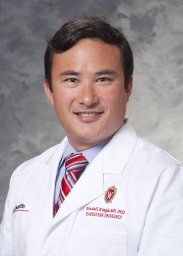 Randall Kimple合作论文数Department of Human Oncology, School of Medicine and Public Health, University of Wisconsin-Madison;Carbone Cancer Center, University of Wisconsin-Madison13
 Janet S. Carpenter合作论文数School of Nursing, Indiana University–Purdue University Indianapolis12
 Jingwei Wu合作论文数11
 Jun Shao (邵军)合作论文数Department of Statistics, University of Wisconsin - Madison11
 Guanhua Chen (陈冠华)合作论文数Department of Biostatistics and Medical Informatics, School of Medicine and Public Health, University of Wisconsin-Madison10
 Jared Huling合作论文数School of Public Health, University of Minnesota;and.;School of Public Health, University of Minnesota; and.10
 Matthew Galsky合作论文数The Tisch Cancer Institute, Icahn School of Medicine at Mount Sinai;Graduate School of Biomedical Sciences, Icahn School of Medicine at Mount Sinai10
 Gregory K Hartig合作论文数Division of Otolaryngology-Head & Neck Surgery, Department of Surgery, University of Wisconsin-Madison9
 George Zhao合作论文数Department of Human Oncology, School of Medicine and Public Health, University of Wisconsin-Madison9
 Maureen E Smith合作论文数Cardiology, Department of Medicine, Feinberg School of Medicine, Northwestern University9Peter S. Nelson合作论文数9
 Shuai Chen合作论文数8
 Joshua Lang合作论文数Department of Medicine, School of Medicine and Public Health, University of Wisconsin-Madison8Hamza Bakhtiar合作论文数7
 Amy Kind合作论文数Department of Medicine, School of Medicine and Public Health, University of Wisconsin-Madison7
 Bin Nan合作论文数Department of Biostatistics, School of Public Health, University of Michigan-Ann Arbor7
 Izadmehr Sudeh合作论文数Departments of Medicine, Pediatrics, and Chemical and Structural Biology, and the Tisch Cancer Institute, Icahn School of Medicine at Mount Sinai;and the Tisch Cancer Institute, Icahn School of Medicine at Mount Sinai7
 Helzer Kyle T合作论文数University of Wisconsin Carbone Cancer Center, University of Wisconsin-Madison7
 Rydzewski Nick合作论文数Division of General Internal Medicine and Geriatrics, Northwestern University Feinberg School of Medicine7
 Paul Lambert合作论文数McArdle Laboratory for Cancer Research, Department of Oncology, School of Medicine and Public Health, University of Wisconsin-Madison7
 Reza Mehrazin合作论文数Memphis7Caprice C. Greenberg合作论文数7Aaron Wieland合作论文数6Sean Kent合作论文数6
 Heather B. Neuman合作论文数Division of Surgical Oncology, Department of Surgery, School of Medicine and Public Health, University of Wisconsin-Madison6
 Justine Bruce合作论文数Department of Medicine, School of Medicine and Public Health, University of Wisconsin-Madison6Rachel Brody合作论文数6
 Muxuan Liang合作论文数Tsinghua University, University of Wisconsin-Madison;c;Tsinghua University, University of Wisconsin-Madison6
 Andrew Baschnagel合作论文数Department of Human Oncology, School of Medicine and Public Health, University of Wisconsin-Madison6
 Stephen Edge合作论文数Department of Surgical Oncology, Roswell Park Comprehensive Cancer Center;Department of Cancer Prevention and Control, Roswell Park Comprehensive Cancer Center6
 Jin Xu (徐进)合作论文数School of Statistics, East China Normal University6
 Noah Hahn合作论文数Greenberg Bladder Cancer Institute, Johns Hopkins School of Medicine6
 Sijian Wang合作论文数Department of Statistics, School of Arts and Sciences, The State University of New Jersey;Institute for Quantitative Biomedicine, The State University of New Jersey6




