The Health Advocate Role remains challenging to teach, assess, and study. Mapping the health professions education (HPE) literature—while considering the influence of context—can offer a more nuanced understanding of how the role is conceptualized and enacted across the HPE landscape. This scoping review aims to support the contextualized implementation of the Health Advocate Role.
PURPOSE:Multimorbidity is an increasingly common clinical and public health challenge, yet undergraduate medical education (UME) frequently emphasizes single-disease models. Using Cultural Historical Activity Theory (CHAT), this review maps how multimorbidity is conceptualized within UME to inform more deliberate teaching and curriculum design. METHOD:The authors conducted a scoping review to map the existing medical education literature on multimorbidity in the undergraduate setting. Search terms were developed using a Cochrane Multimorbidity Review as a foundation. Five databases were searched from inception to March 31, 2026: EMBASE, MEDLINE, CINAHL, ERIC and Web of Science. Data extraction was informed by CHAT, and findings were organized on whether articles positioned multimorbidity as a central or peripheral phenomenon of interest. RESULTS:A total of 3636 articles were identified; 348 underwent full-text review, and 30 met inclusion criteria. Included publications comprised original research (17 [56.7%]), conference abstracts (5 [16.7%]), innovation reports (3 [10%]), opinion pieces (3 [10%]), one short communication, and one letter. Sixteen articles (53.3%) discussed multimorbidity as a central phenomenon of interest, while 14 (46.7%) addressed it as a peripheral phenomenon. When discussed as a central phenomenon, multimorbidity was consistently conceptualized, primarily addressed in formal classroom settings, frequently linked to clinical reasoning, and described as a curricular challenge. When addressed as a peripheral phenomenon of interest, conceptualizations were variable. Multimorbidity appeared within clinical teaching environments, was connected to diverse skills and topics, but educational initiatives were developed with minimal patient involvement. CONCLUSIONS:This review reveals a core tension: although multimorbidity is common in clinical practice, its presence in UME remains limited and fragmented. It is inconsistently conceptualized and often disconnected from clinical contexts. Strengthening multimorbidity education through stronger conceptual foundations and better integration across curricula and authentic clinical environments is essential to preparing learners to deliver effective care to people living with multimorbidity.
Feedback is a cornerstone of competency-based medical education and critical for learner development in emergency medicine. Despite its importance, feedback conversations are often inconsistent, incomplete, or avoided—particularly when addressing areas for improvement. Anecdotal evidence suggests that clinical teachers may withhold constructive feedback due to fear of retaliation or negative consequences, yet this phenomenon remains underexplored in the literature. We conducted a cross-sectional, multi-site, descriptive survey-based study of EM clinical teachers and trainees across three academic hospitals affiliated with McGill University. Using DeVellis’ framework, we developed a survey tool exploring participant perceptions of daily feedback conversations, with emphasis on barriers, facilitators, and the influence of fear of retaliation. Surveys were distributed from April to June 2023 and analyzed using descriptive statistics and qualitative content analysis. Of 193 eligible participants, 87 (45
In this editorial the editors consider asymmetries between review for the integrity of human ethics principles and review for theoretical integrity in health professions education scholarship.
Health Professions Education (HPE) is an interdisciplinary field where concepts are routinely exchanged, transformed, and applied across a variety of contexts. Concepts are core to HPE and practice; yet many are underdefined, their understandings can shift over time, and concurrent understandings can blur shared understandings of key concepts. Multiple and shifting understandings of key concepts create a need for concept clarification. Concept analysis methodologies are uniquely suited to address this need and can be a helpful approach for concept clarification in HPE research. This article summarizes the benefits of concept analysis in HPE and describes two different approaches and their potential to clarify key concepts for the purposes of research, teaching, and assessment. More specifically, this article defines concepts, describes when and why concept analysis may be useful, explores two key approaches to concept analysis including examples of their use specifically in HPE, discusses strengths and limitations, and offers suggestions for those looking to use concept analysis in HPE. Concept analysis approaches are powerful tools in our methodological toolbox, as these approaches are designed to provide concept clarification for later theory development, operationalization, implementation, or use in practice. With the prevalence of concepts at play in HPE – from competencies to communities of practice – concept clarification is a key foundation on which to continue to build theories and ground practices in HPE.
CONTEXT:Research in health professions education (HPE) is increasingly produced by collaborative teams that transcend disciplinary, institutional and professional boundaries. Yet, despite the centrality of these teams to the field's scholarly output, we know little about the social and structural dynamics that enable research teams to function well. In this Cross-Cutting Edge paper, we argue that the concept of cohesion-well established in sport psychology as a determinant of team performance-offers a productive and underexplored lens for understanding HPE research teams. Cohesion captures both the task-related alignment that enables members to pursue shared scholarly goals and the social bonds that support communication, conflict navigation and sustained collaboration. DISCUSSION:Drawing on Carron's multidimensional model of team cohesion, we adapt four determinants of cohesion to the context of HPE research, including environmental, personal, leadership and team-level factors. We propose that these factors provide a conceptual scaffold for examining how research teams develop, function and sustain collaborative work over time. To support this argument, we integrate insights from sport psychology, team science and recent scholarship describing the nature of HPE research teams. Positioning cohesion as a conceptual lens opens new avenues for empirical inquiry into the life cycle of research teams, the conditions under which they thrive and the practices that support their development. CONCLUSION:Greater attention to cohesion may strengthen research capacity, enhance team functioning and support high-quality collaborative inquiry in HPE.
CONTEXT:The rich and varied landscape of Health Profession Education (HPE) research includes many different approaches to research practice, often reflecting different research paradigms and different ontological, epistemological and axiological positions. The coexistence of different approaches to research practice and the valuing of interdisciplinary research means those conducting research in HPE must not only be able to situate their work within this landscape but also have an appreciation of similarities and differences across research practices in order to conduct or engage with interdisciplinary scholarship. To support HPE scholars and researchers in navigating the interdisciplinary HPE research landscape, we provide an overview of six paradigms used in HPE research and provide several means through which to compare and contrast their attributes. METHOD:Using a metaphor of mapping the HPE research landscape, we present three maps through which to examine the similarities, differences and areas of overlap across six key paradigms in HPE research. Focusing on the ontological, epistemological and axiological elements of these different paradigms, we provide an opportunity for readers to consider these paradigms concurrently. DISCUSSION:These three means of mapping can be reflective aids for those engaging in HPE research; allowing for a nuanced consideration of ontological, epistemological and axiological position for a given research practice. Having an understanding of research practices and approaches that span multiple paradigms can help support individual scholars to situate their work within the HPE landscape and help research teams engaging in interdisciplinary research navigate important paradigmatic differences. We hope that these maps provide tools and terminology to better navigate research landscapes while recognizing that maps can never accurately reflect the full complexity, nuance and detail of the territory.
This commentary is a response to both Merkebu et al., (2024) and Ellaway and Patocka (2024) on the place and importance of definitions of key notions in health professions education (HPE). The author argues that definitions of key notions in HPE research, teaching, and assessment are both variably possible and variably useful. By differentiating across concepts, constructs, measures, and metrics, the author contextualizes the variable utility and necessity of definitions according to their intended use. While many conceptualizations of key notions peacefully co-exist in the current HPE literature, conflation across concepts, constructs, measures, and metrics lead to a fragmented literature base and problematic assumptions, operationalizations, and misattributions of some of our most closely held concepts.
Importance Nontechnical skills are crucial in delivering critical and urgent patient care. Through our simulation module, we gear residents and interprofessional personnel with the knowledge and skills necessary to tackle complex airway emergencies and limit human error. Objective Develop, implement, adapt, and evaluate a novel interdisciplinary and interprofessional crisis resource management (CRM) simulation module for the management of complex airways. Design Simulation-Based Quality Improvement Project. Setting McGill University’s Arnold and Blema Steinberg Medical Simulation Center and a variety of hospital environments at the McGill University Health Centre in Montreal, Quebec, Canada. Participants 138 residents (otolaryngology, anesthesia, pediatric emergency medicine) and allied healthcare professionals (nurses and respiratory therapists) participated in 20 unique scenarios. Intervention or Exposures From 2012 to 2022, modules occurred from 4 to 6 half days per year, structured as 3 to 4 simulation scenarios, each followed by debriefing sessions. Main Outcome Measures Participants completed self-assessment forms evaluating module satisfaction, CRM skill development, and narrative commentary. Quantitative and qualitative data were obtained and analyzed. Results Participants reported a significant perceived increase ( P < .05) in all nontechnical CRM skills. Participants without previous CRM training reached comparable levels in CRM skills to those with such training. Increasing involvement of allied healthcare professionals, formal debriefing focused on role clarity, and increasing complexity of scenarios are identified as key elements for stressing CRM skills and consolidating lessons learned. Conclusions This module is among the first of its kind in otolaryngology given its interprofessional, longitudinal, and evolving nature, while providing an opportunity for residents to develop nontechnical skills through simulation. Its interdisciplinary and interprofessional nature is a key element to its success. Relevance This module aims to translate into positive results in patient safety and patient outcomes in challenging airway management scenarios. Implementing modules as continued medical education may help maintain proficiency overtime.
Conducting research is a deeply relational human endeavour – from the shared joy of engaging in an exciting project with a trusted research team to the complexities of navigating conflicting research priorities with a new collaborator. In this article, we explore seven different types of research relationships – from archenemy to academic bestie – and describe the advantages, disadvantages and forms of recognition befitting each of these relationships. Through this whimsical examination of the social aspects of engaging in research, we acknowledge the importance of human relationships that can motivate, support, impede, or undermine research work.
Background: Websites that facilitate communication between patients regarding their experiences with individual physicians are now relatively commonplace. Given patient-generated ratings are publicly available, physicians could use these to access rarely available patient feedback. We explored the content of reviews associated with low physician ratings and consider the potential benefits and consequences of relying on this form of freely available data to support individual life-long learning. Methods: We conducted an exploratory qualitative descriptive study. We collected narrative comments associated with low numerical ratings on one physician-rating website (RateMDs) drawn from one specialty in Canada. Written reviews associated with low numerical ratings (≤2/5) for Canadian otolaryngologists were collected yielding a total of 878 comment sets that were analyzed deductively and iteratively. Results: We found that patient comments described poor performance in areas that aligned, for the most part, with the CanMEDS roles including Professional, Communicator, and Leader; specifically referring to management of the clinical environment, administrative staff, and trainees. Conclusion: While not intended for physician feedback, physicians could access patient-to-patient ratings and associated written reviews as a means to identify areas of practice improvement. However, this represents an unintended use of these websites. While speculative, access to patient-to-patient rating websites could negatively impact physician confidence or self-worth – representing a negative consequence of their use. The utilization of these data for potential self-improvement represents an unintended use of patient-to-patient ratings and so may be accompanied by unintended consequences for physicians who use these data as potential feedback, and patients who contribute to physician rating sites.
Research in health professions education (HPE) is often executed by teams—groups of individuals working together to solve a problem, reconceptualize an issue, or conduct a study. Teams frequently involve individuals from different disciplinary backgrounds or professions1,2 who work collaboratively to accomplish specific scholarly goals. Matching team composition to research goals is critical for ensuring the team has the skills and perspectives necessary to generate, integrate, and mobilize the desired knowledge. Drawing on literature,3,4 we describe the who, what, how, and when of 4 types of research teams.
Validity as a social imperative foregrounds the social consequences of assessment and highlights the importance of building quality into the assessment development and monitoring processes. Validity as a social imperative is informed by current assessment trends such as programmatic-, longitudinal-, and rater-based assessment, and is one of the conceptualizations of validity currently at play in the Health Professions Education (HPE) literature. This Black Ice is intended to help readers to get a grip on how to embed principles of validity as a social imperative in the development and quality monitoring of an assessment. This piece draws on a program of work investigating validity as a social imperative, key HPE literature, and data generated through stakeholder interviews. We describe eight ways to implement validation practices that align with validity as a social imperative.
Research teams are an important means by which knowledge is generated in Health Professions Education (HPE). Although funding agencies encourage the formation of interdisciplinary and interprofessional research teams, we know little about how our interdisciplinary and interprofessional research teams are functioning, nor how best to ensure their success. Indeed, while HPE Scholarship Units and research environments have been the object of study, little work has been focused on research teams themselves. In this article, the authors propose that research teams should be studied as unique instantiations of teams where several individuals work together towards a common goal. Considering research teams as a team can encourage attention to how effective teams are built, supported, and celebrated, it can acknowledge that competent individuals may form incompetent teams, and it opens important avenues for future research. Turning our attention to better understanding how and when research teams thrive should support the development of more effective teams; resulting in reduced waste and redundancy, better mobilization of team members’ time and skills, and enhanced knowledge generation. Considering research teams as teams, encourages an understanding that these teams require care, commitment, and effort to sustain them, and it acknowledges that pursuing research in a team context is both a collaborative and a social endeavour.
What constitutes evidence, what value evidence has, and how the needs of knowledge producers and those who consume this knowledge might be better aligned are questions that continue to challenge the health sciences. In health professions education (HPE), debates on these questions have ebbed and flowed with little sense of resolution or progress. In this article, the authors explore whether there is a problem with evidence in HPE using thought experiments anchored in Argyris' learning loops framework. From a single-loop perspective ("How are we doing?"), there may be many problems with evidence in HPE, but little is known about how research evidence is being used in practice and policy. A double-loop perspective ("Could we do better?") suggests expectations of knowledge producers and knowledge consumers might be too high, which suggests more system-wide approaches to evidence-informed practice in HPE are needed. A triple-loop perspective ("Are we asking the right questions?") highlights misalignments between the dynamics of research and decision-making, such that scholarly inquiry may be better approached as a way of advancing broader conversations, rather than contributing to specific decision-making processes. The authors ask knowledge producers and consumers to be more attentive to the translation from knowledge to evidence. They also argue for more systematic tracking and audit of how research knowledge is used as evidence. Given that research does not always have to serve practical purposes or address the problems of a particular program or institution, the relationship between knowledge and evidence should be understood in terms of changing conversations and influencing decisions.
Introduction: Assessment can positively influence learning, however designing effective assessment-for-learning interventions has proved challenging. We implemented a mandatory assessment-for-learning system comprising a workplace-based assessment of non-medical expert competencies and a progress test in undergraduate medical education and evaluated its impact. Methods: We conducted semi-structured interviews with year-3 and 4 medical students at McGill University to explore how the assessment system had influenced their learning in year 3. We conducted theory-informed thematic analysis of the data. Results: Eleven students participated, revealing that the assessment influenced learning through several mechanisms. Some required little student engagement (i.e., feed-up, test-enhanced learning, looking things up after an exam). Others required substantial engagement (e.g., studying for tests, selecting raters for quality feedback, using feedback). Student engagement was moderated by the perceived credibility of the system and of the costs and benefits of engagement. Credibility was shaped by students’ goals-in-context: becoming a good doctor, contributing to the healthcare team, succeeding in assessments. Discussion: Our assessment system failed to engage students enough to leverage its full potential. We discuss the inherent flaws and external factors that hindered student engagement. Assessment designers should leverage easy-to-control mechanisms to support assessment-for-learning and anticipate significant collaborative work to modify learning cultures.
 Lily Ha Nam P. Nguyen合作论文数Department of Pediatric Surgery, Faculty of Medicine and Health Sciences, McGill University23
 St-Onge Christina合作论文数Department of Medicine, University of Sherbrooke17
 Stuart Lubarsky合作论文数Institute of Health Sciences Education, Faculty of Medicine and Health Sciences, McGill University13
 Lara Varpio合作论文数Children's Hospital of Philadelphia;Department of Pediatrics, Perelman School of Medicine, University of Pennsylvania13
 Geoffrey Norman合作论文数Department of Clinical Epidemiology and Biostatistics, Faculty of Health Sciences, McMaster University;The Wilson Centre13
 Aliki Thomas合作论文数School of Physical & Occupational Therapy, Faculty of Medicine and Health Sciences, McGill University12
 Valérie Dory合作论文数Undergrad Med Educ, McGill Univ11
 Jonathan Ilgen合作论文数Department of Emergency Medicine, University of Washington;Department of Biomedical Informatics and Medical Education, University of Washington;Medical Center, Faculty Development and Education, University of Washington;Emergency Departments, Harborview Medical Center, Faculty Development and Education, University of Washington8
 Dorene F Balmer合作论文数8
 Steven J. Durning合作论文数School of Medicine, Uniform Services University of Health Sciences7
 Kevin Eva合作论文数Division of General Internal Medicine, Department of Medicine, Faculty of Medicine, The University of British Columbia7
 Yoon Soo Park合作论文数7
 Ilana Bank合作论文数7
 Cummings Beth-Ann合作论文数7Carlos Gomez-Garibello合作论文数7
 Nick King合作论文数Division of Biomedical Ethics, School of Population and Global Health, Faculty of Medicine and Health Sciences, McGill University6
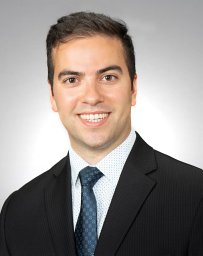 Mascarella Marco A合作论文数Department of Otolaryngology - Head and Neck Surgery, McGill University6
 Kelly L. Dore合作论文数6Sylvia R Cruess合作论文数5
 Sam Harper合作论文数Division of Epidemiology, Biostatistics and Occupational Health, School of Population and Global Health, Faculty of Medicine and Health Sciences, McGill University5
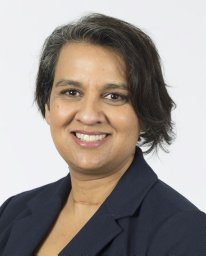 Sandra Monteiro合作论文数5Lee R. Brooks合作论文数5
 Timothy J Wood合作论文数5Karin R. Humphreys合作论文数University of Illinois at Urbana–Champaign5
 Wolfgang Gaissmaier合作论文数Harding Center for Risk Literacy, Max Planck Institute for Human Development5
 Joseph Rencic合作论文数Tufts University School of Medicine, Boston, MA, USA5
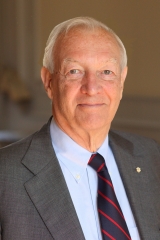 Richard L. Cruess合作论文数Institute of Health Sciences Education, Faculty of Medicine and Health Sciences, McGill University5Mathilde Labbé合作论文数4Elene Khalil合作论文数4
 Melanie Marceau合作论文数4Rachel Fisher合作论文数4
 Zareen Zaidi合作论文数Department of Medicine, George Washington School of Medicine and Health Sciences4
 Larry D. Gruppen合作论文数Department of Learning Health Sciences, University of Michigan Medical School4
 Daniel Schumacher合作论文数4
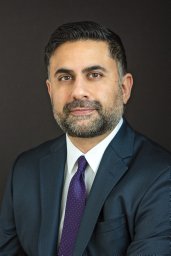 Javeed Sukhera合作论文数University of Rochester Medical Center4
 Rolando Fausto Del Maestro合作论文数Neurosurgical Simulation Research and Training Centre, Montreal Neurological Institute and Hospital, McGill University;Department of Neurology and Neurosurgery, Faculty of Medicine and Health Sciences, McGill University4Ratcliffe Temple合作论文数4
 Jason M. Tangen合作论文数School of Psychology,University of Queensland4
 Saleem Razack合作论文数4Peter Nugus合作论文数Australian Institute of Health Innovation, University of New South Wales4Tiffany Ballard合作论文数3
 Gabriella Le Blanc合作论文数3Milène A. Azzam合作论文数3
 David Stuart Gordon合作论文数3
 Ana Da Silva合作论文数Swansea University Medical School, Swansea University3
 Sneha Shankar合作论文数Inst Hlth Sci Educ, McGill Univ3
 Mark Hanson合作论文数Department of Psychiatry, Temerty Faculty of Medicine, University of Toronto3Eric Holmboe合作论文数General Internal Medicine, Internal Medicine, Yale School of Medicine, Yale University3
 Yvonne Steinert合作论文数Department of Family Medicine, Faculty of Medicine and Health Sciences, McGill University/Institute of Health Sciences Education, Faculty of Medicine and Health Sciences, McGill University3




