The psychedelic experience can be challenging. There is a need for a structured framework for providing psychological support to individuals with mental health conditions receiving investigational psilocybin treatment. The primary benefit of such a framework is to support a safe and meaningful psilocybin experience. It also enables future research on the facets of psychological support and/or psychotherapy that most optimally complement psilocybin treatment. The authors describe the Compass Psychological Support Model (CPSM), currently used to support participants with treatment-resistant depression in Compass-sponsored clinical trials of investigational COMP360 psilocybin treatment. The authors also outline the therapist training, mentoring, and fidelity assessment programs they have developed to ensure the quality and consistency of the CPSM delivery.
Background: The largest randomized study of psilocybin to date demonstrated the efficacy of COMP360 25 mg (Compass Pathways' investigational proprietary pharmaceutical-grade synthesized psilocybin formulation) in participants with treatment-resistant depression (COMP 001), compared with 10 mg and 1 mg doses. Here, we report findings from COMP 004, a 52-week observational follow-up of patients from COMP 001 and COMP 003, a small open-label study of the coadministration of 25 mg COMP360 with continuing antidepressant treatment. Methods: Adverse events (AEs) were collected over the full 52-week period. The primary efficacy endpoint was time to a prespecified depressive event over the 52 weeks following COMP360 administration in COMP 001 participants, presented as Kaplan-Meier estimates. A post hoc analysis included only participants that entered COMP 004. Data were collected from July 2020 to July 2022. Results: Sixty-six participants entered COMP 004 (COMP 001, n = 58 [25 mg group n = 22, 10 mg group n = 19, 1 mg group n = 17]; COMP 003, n = 8). Few AEs were reported post-entry into COMP 004, with 1 AE of mild suicidal ideation in the 1 mg group deemed possibly related to study drug. For all COMP 001 patients (n = 233), median time to depressive event was greater for the 25 mg group (92 days) compared to the 10 mg (83 days) and 1 mg (62 days) groups, with the majority of participants having had a depressive event by Week 12 (25 mg n = 37/75, 10 mg n = 38/79, 1 mg n = 44/75). The post hoc supplementary analysis of those who enrolled in COMP 004 from COMP 001 exhibited the difference between groups more strikingly (25 mg, 189 days; 10 mg, 43 days; 1 mg, 21 days); however, only 10 participants experienced a depressive event post-COMP 004 enrollment (25 mg n = 6, 10 mg n = 3, 1 mg n = 1) from COMP 001 and none from COMP 003. At COMP 004 entry, the 1 mg group had the highest number of participants on antidepressant medication (n = 10; 10 mg, n = 9; 25 mg, n = 6) and generally initiated treatment earlier. Conclusion: Over 52 weeks, a single administration of 25 mg psilocybin suggested longer maintenance of antidepressant effect than both 1 mg and 10 mg. Larger long-term studies are required to confirm these findings and provide clarity on the longer-term effects of psilocybin. Trial Registration: ClinicalTrials.gov identifier: NCT04519957.
Background: COMP360 is a proprietary, synthetic formulation of psilocybin being developed for treatment-resistant depression (TRD), a burdensome, life-threatening illness with high global impact. Here, we expand upon the previous report of primary outcomes from a phase 2 study of COMP360 in individuals with TRD-the largest randomised controlled clinical trial of psilocybin-to discuss findings of the exploratory efficacy endpoints.Methods: In this phase 2, double-blind trial, 233 participants with TRD were randomised to receive a single dose of psilocybin 25 mg, 10 mg, or 1 mg (control), administered alongside psychological support from trained therapists. Efficacy measures assessed patient-reported depression severity, anxiety, positive and negative affect, functioning and associated disability, quality of life, and cognitive function. Results: At Week 3, psilocybin 25 mg, compared with 1 mg, was associated with greater improvements from Baseline total scores in all measures. The 10 mg dose produced smaller effects across these measures. Limitations: Interpretation of this trial is limited by the absence of an active comparator and the possibility of functional unblinding in participants who received a low dose of psilocybin. Conclusions: Three weeks after dosing, psilocybin 25 mg and, to a lesser degree, 10 mg improved measures of patient-reported depression severity, anxiety, affect, and functioning. These results extend the primary findings from the largest randomised clinical trial of psilocybin for TRD to examine other outcomes that are of importance to patients.
RATIONALE:Therapeutic administration of psychedelics has shown significant potential in historical accounts and recent clinical trials in the treatment of depression and other mood disorders. A recent randomized double-blind phase-IIb study demonstrated the safety and efficacy of COMP360, COMPASS Pathways' proprietary synthetic formulation of psilocybin, in participants with treatment-resistant depression. OBJECTIVE:While the phase-IIb results are promising, the treatment works for a portion of the population and early prediction of outcome is a key objective as it would allow early identification of those likely to require alternative treatment. METHODS:Transcripts were made from audio recordings of the psychological support session between participant and therapist 1 day post COMP360 administration. A zero-shot machine learning classifier based on the BART large language model was used to compute two-dimensional sentiment (valence and arousal) for the participant and therapist from the transcript. These scores, combined with the Emotional Breakthrough Index (EBI) and treatment arm were used to predict treatment outcome as measured by MADRS scores. (Code and data are available at https://github.com/compasspathways/Sentiment2D .) RESULTS: Two multinomial logistic regression models were fit to predict responder status at week 3 and through week 12. Cross-validation of these models resulted in 85% and 88% accuracy and AUC values of 88% and 85%. CONCLUSIONS:A machine learning algorithm using NLP and EBI accurately predicts long-term patient response, allowing rapid prognostication of personalized response to psilocybin treatment and insight into therapeutic model optimization. Further research is required to understand if language data from earlier stages in the therapeutic process hold similar predictive power.
 Guy Goodwin合作论文数Department of Psychiatry, University of Oxford;National Institute for Health Research5
 Ekaterina Malievskaia合作论文数4Molly Lennard-Jones合作论文数3J. Tsai合作论文数3
 Boadie Dunlop合作论文数Department of Psychiatry and Behavioral Sciences, School of Medicine, Emory University;Emory Center for Psychedelics and Spirituality, Emory University3
 David J Hellerstein合作论文数Department of Psychiatry, Beth Israel Medical Center3Susan C. Stansfield合作论文数2
 Namik Kirlic合作论文数Laureate Institute for Brain Research2
 Lindsey Marwood合作论文数Kings Coll London, Inst Psychiat Psychol & Neurosci2
 David Feifel合作论文数Center for Advanced Treatment, Department of Psychiatry, School of Medicine, University of California San Diego;Kadima Neuropsychiatry Institute2Young Matthew B合作论文数2
 Allan Young合作论文数Department of Brain Sciences, School of Academic Psychiatry, Imperial College London2
 Mistry Sunil合作论文数Gayatri Vihar, Gayatri College of Pharmacy2
 Joanna Kuc合作论文数1Mourad Wahba合作论文数1James Bennett合作论文数1Sid Zisook合作论文数1Sam Williams合作论文数1Hollie Simmons合作论文数1Nadav Liam Modlin合作论文数1
 Megan Croal合作论文数1Stephanie Knatz Peck合作论文数1Oscar Alvarez合作论文数1
 Danielle A Schlosser合作论文数Verily Life Sci1
 Ishrat Husain合作论文数Department of Psychiatry, Temerty Faculty of Medicine, University of Toronto1
 Robin Carhart-Harris合作论文数Psychedelics Division,University of California, San Francisco;Center for Psychedelic Research, Imperial College London1
 Sidney Zisook合作论文数University of California, San Diego1
 Metten Somers合作论文数1
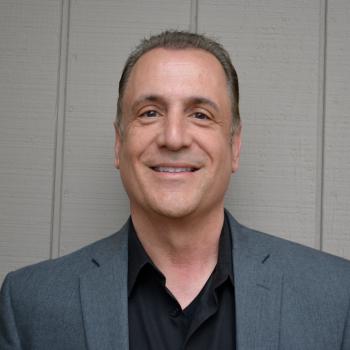 Charles DeBattista合作论文数Department of Psychiatry and Behavioral Sciences, School of Medicine, Stanford University1
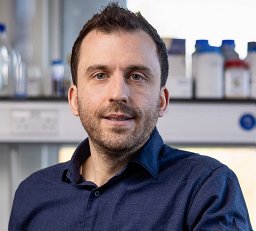 John R. Kelly合作论文数1
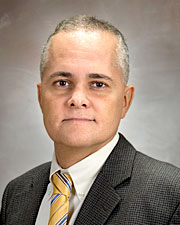 Jair C. Soares合作论文数Center of Excellence on Mood Disorders, The University of Texas Health Science Center at Houston;Department of Psychiatry and Behavioral Sciences, McGovern Medical School, The University of Texas Health Science Center at Houston1
 Rasmus W. Licht合作论文数Mood Disorders Research Unit, Aarhus University Hospital1Robert F. Dougherty合作论文数1
 Tomas Palenicek合作论文数Psychedelics Research Centre, National Institue of Mental Health;Prague Psychiatric Center1
 R.A. (Robert) Schoevers合作论文数Department of Psychiatry, University Medical Center Groningen;Faculty of Medical Sciences, University of Groningen1Dimitris Repantis合作论文数1




